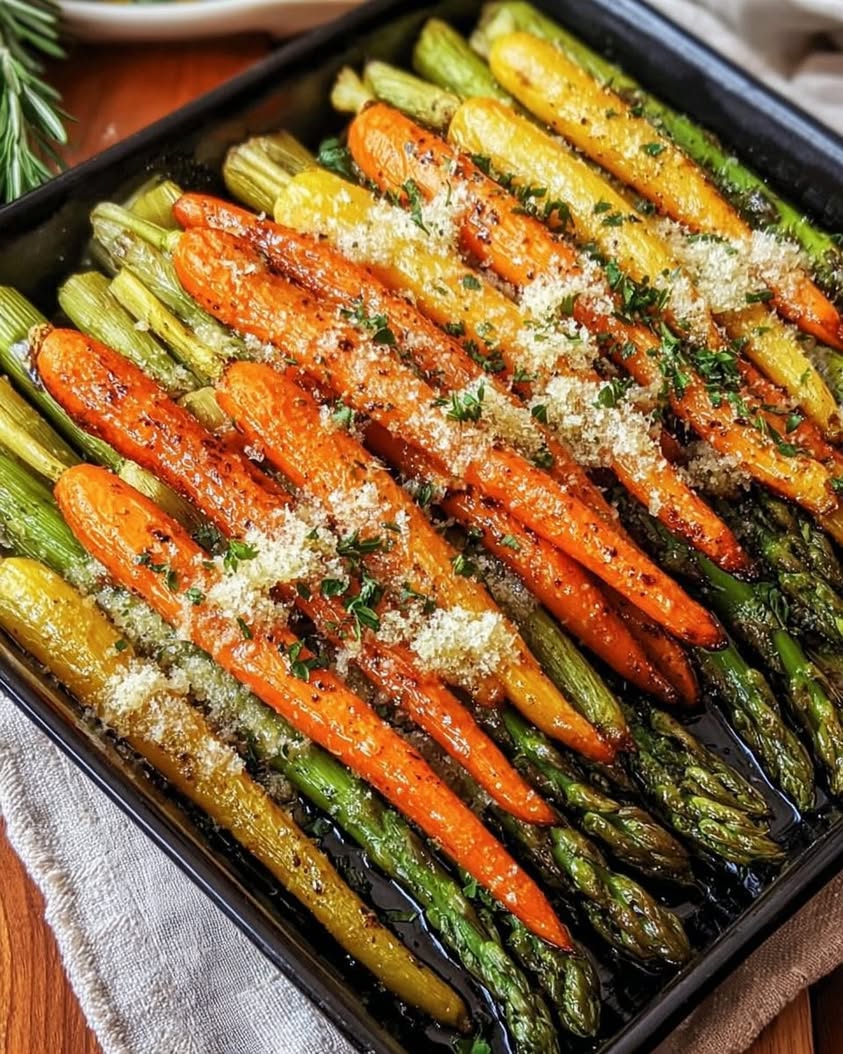
Perfectly Roasted Asparagus and Carrots: An Easy Spring Side Dish
Welcome spring to your table with this vibrant and foolproof recipe for Perfectly Roasted Asparagus and Carrots. This simple side dish transforms humble vegetables into a caramelized, tender, and deeply flavorful masterpiece. Moreover, the high-heat roasting process concentrates the natural sugars in both the asparagus and carrots, creating a delightful sweetness that perfectly balances their earthy undertones. Consequently, every bite offers a satisfying contrast between the crisp-tender asparagus tips and the soft, sweet interior of the carrots.
This Easy Spring Side Dish is more than just a recipe; it is a celebration of seasonal produce at its peak. The combination is not only visually stunning with its bright green and orange hues but also incredibly versatile. For instance, it pairs beautifully with everything from a simple weeknight roast chicken to an elegant holiday ham. Ultimately, this dish proves that the best flavors come from straightforward techniques and quality ingredients, making it a staple you will return to time and again.
Furthermore, mastering this recipe gives you a foundational technique for roasting any vegetable. The method of coating the vegetables evenly in oil and seasoning them generously before spreading them in a single layer is the golden rule for perfect results. Therefore, once you learn how to achieve Perfectly Roasted Asparagus and Carrots, you can confidently apply the same principle to broccoli, Brussels sprouts, or potatoes. This recipe is your gateway to a world of easy, healthy, and delicious vegetable sides.
Quick Recipe Highlights
- Flavor Profile: This dish delivers a harmonious blend of sweet, savory, and earthy notes. The carrots caramelize beautifully, offering a natural sweetness that complements the slightly grassy, nutty flavor of the roasted asparagus. A final touch of fresh lemon zest or a drizzle of balsamic glaze can add a bright, acidic pop that ties everything together.
- Texture: Roasting creates a wonderful textural symphony. Expect tender-crisp asparagus spears with slightly crispy, frizzled tips, paired with carrots that are soft and creamy on the inside with caramelized, slightly chewy edges. This contrast makes every forkful interesting and satisfying.
- Aroma: As the vegetables roast, your kitchen will fill with an irresistible, comforting aroma. The primary scent is a sweet, earthy fragrance from the caramelizing vegetables, underscored by the savory notes of olive oil, garlic, and herbs like thyme or rosemary if used.
- Visual Appeal: The visual contrast is stunning. The vibrant jade green of the asparagus against the deep orange of the roasted carrots creates a plate that looks as good as it tastes. A final garnish of fresh herbs or lemon zest adds a professional, finished touch.
- Skill Level Needed: This recipe is ideal for beginners. It requires no advanced knife skills or complicated techniques. Essentially, you need to be able to wash vegetables, toss them with oil, and use an oven. It is a fantastic confidence-builder for new cooks.
- Special Equipment: You need only a few basic kitchen tools. A large rimmed baking sheet is essential for allowing proper air circulation. Additionally, a good chef’s knife and cutting board for prepping the vegetables, and a simple mixing bowl for tossing them with oil and seasonings are all you require.
Recipe Overview
- Difficulty Level: We rate this recipe as “Easy” because it involves minimal prep work and uses a straightforward, hands-off cooking method. The steps are simply washing, trimming, cutting, tossing, and roasting. There is no fussy technique or precise timing required beyond checking for doneness. Anyone, from a complete novice to a seasoned chef, can achieve excellent results with this forgiving method.
- Category: This dish falls squarely into the “Side Dish” category. It is designed to complement a main protein such as chicken, fish, beef, or tofu. Furthermore, it can also be served as part of a larger vegetarian spread or chopped and added to grain bowls or salads for a hearty lunch.
- Cuisine: While roasting vegetables is a universal technique, this combination speaks to a modern, healthy American or Mediterranean-inspired cuisine. The use of olive oil, garlic, and fresh herbs aligns with Mediterranean dietary principles, which emphasize simple preparations of fresh, seasonal produce.
- Cost: This is an incredibly cost-effective side dish. Asparagus and carrots are generally affordable, especially when in season during the spring. The other ingredients—oil, salt, pepper, and basic herbs—are pantry staples. You can feed a family of four a generous and nutritious side for just a few dollars.
- Season: Spring is the absolute peak season for this recipe. Asparagus is at its sweetest and most tender in the spring, and carrots stored from the fall harvest are still wonderfully sweet. Of course, you can make it year-round with reliable supermarket produce, but it truly shines from March to June.
- Occasion: This versatile side is suitable for any occasion. It is quick enough for a busy Tuesday night, elegant enough for a dinner party or holiday meal like Easter or Mother’s Day, and healthy enough for a wellness-focused meal prep session.
Why You’ll Love This Recipe
First and foremost, you will adore the incredible taste and texture of this Easy Spring Side Dish. The roasting process works magic, transforming two simple vegetables into something extraordinary. The carrots become intensely sweet and almost creamy, while the asparagus retains a pleasant bite and gains a subtle, nutty complexity. Each mouthful is a perfect balance of earthy and sweet flavors, often enhanced with garlic, herbs, or a citrus finish. This is not a bland, steamed vegetable platter; it is a side dish that often steals the spotlight from the main course.
Secondly, the convenience factor is a major win. From prep to plate, this recipe takes about 35 minutes, with only 10 minutes of active hands-on time. Once the vegetables are in the oven, you are free to prepare the rest of your meal, set the table, or simply relax. This makes Perfectly Roasted Asparagus and Carrots the ultimate stress-free side for any cook, regardless of their schedule. The cleanup is equally simple, especially if you line your baking sheet with parchment paper.
From a nutritional standpoint, this dish is a powerhouse. Both asparagus and carrots are loaded with essential vitamins, minerals, and fiber. Asparagus is an excellent source of folate, vitamins A, C, and K, while carrots are famously rich in beta-carotene, which converts to vitamin A. Roasting with a healthy fat like olive oil actually helps your body absorb these fat-soluble vitamins. Consequently, you are serving a side that is as good for your body as it is for your taste buds.
For entertaining, this recipe is a social superstar. It is easy to double or triple for a crowd, and it can be served warm, at room temperature, or even chilled in a salad. The beautiful, colorful presentation immediately elevates any dinner table. Guests will appreciate the vibrant, homemade touch, and you can bask in the compliments without revealing how minimal the effort truly was. It is the kind of dish that makes you look like a culinary pro.
Finally, the cost-effectiveness and accessibility are unbeatable. The ingredient list is short, simple, and inexpensive. You likely have most of the seasonings in your pantry already. This recipe demonstrates that eating well does not require exotic ingredients or a large budget. It celebrates accessible, seasonal produce and turns it into a restaurant-quality dish right in your own kitchen. Once you try it, this recipe will become a permanent fixture in your culinary repertoire.
Historical Background and Cultural Significance
The practice of roasting vegetables over fire is as old as cooking itself. However, the specific combination of asparagus and carrots as a dedicated side dish is a more modern, Western culinary development. Historically, both vegetables were cultivated for millennia—asparagus was enjoyed by ancient Egyptians, Greeks, and Romans, while carrots originated in Central Asia. Initially, they were often prepared separately using the cooking methods of the era, such as boiling, stewing, or baking in ashes.
Culturally, roasting as a preferred method for vegetables gained significant popularity in American home kitchens during the late 20th century. This shift was driven by a growing interest in health-conscious cooking that emphasized preserving nutrients and enhancing natural flavors without heavy sauces. The Mediterranean diet, which highlights olive oil and simply prepared vegetables, also influenced this trend. Consequently, the pairing of asparagus and carrots emerged naturally from this movement, as their complementary flavors and similar roasting times made them ideal partners.
The evolution of this recipe mirrors broader changes in home cooking. It moved away from the boiled, mushy vegetables of mid-century cuisine toward a technique that celebrates texture and caramelization. The addition of ingredients like fresh garlic, rosemary, or balsamic glaze reflects the increased global awareness and ingredient availability in modern supermarkets. Today, this dish represents a contemporary approach to vegetables: respectful of the ingredient, simple in execution, and focused on maximizing flavor.
Regional variations are subtle but interesting. In Italy, one might find this combination dressed with a squeeze of lemon and shards of Parmigiano-Reggiano after roasting. In a French-inspired preparation, herbes de Provence might be used. In American farm-to-table cuisine, the recipe might be finished with a drizzle of local honey or maple syrup to accentuate the caramelization. This adaptability is a testament to the solid foundation of the basic roasting technique, which welcomes personal and regional touches.
Ingredient Deep Dive
Asparagus: This elegant spear has a history dating back over 2,000 years, prized by Romans for its taste and perceived medicinal qualities. Nutritionally, it is a superstar, packed with folate, essential for cell growth, and a prebiotic fiber that supports gut health. It also contains antioxidants and anti-inflammatory compounds. When selecting asparagus, look for firm, bright green spears with tightly closed, compact tips. The cut ends should not be too woody. Store it upright in a jar with an inch of water in the refrigerator, loosely covered with a bag, for up to a week. For a substitution, green beans or broccolini can be roasted using a similar method, though cooking times may vary slightly.
Carrots: Originally purple and white, the familiar orange carrot was cultivated by Dutch growers in the 17th century. They are famously rich in beta-carotene, which the body converts to vitamin A, crucial for vision, immunity, and skin health. Carrots also provide fiber, vitamin K1, and potassium. Choose firm, smooth carrots without significant cracks or soft spots. If buying with tops, vibrant greens are a sign of freshness. Store them in the crisper drawer in a plastic bag to retain moisture. Older, larger carrots often have a sweeter, more concentrated flavor perfect for roasting. Parsnips or sweet potato chunks make excellent seasonal substitutes, offering a similar sweet, earthy profile when roasted.
Olive Oil: More than just a cooking fat, olive oil is a cornerstone of the Mediterranean diet with thousands of years of cultural significance. It provides healthy monounsaturated fats and contains antioxidants. For roasting, a good quality extra-virgin olive oil adds flavor, but a pure or light olive oil has a higher smoke point and more neutral taste. The oil coats the vegetables, ensuring they cook evenly and achieve that desirable caramelization without burning. If you need a substitute, avocado oil is excellent for high-heat roasting, while melted coconut oil would impart a subtle, sweet flavor.
Garlic: Garlic has been used both culinarily and medicinally across countless cultures for millennia. When roasted whole alongside the vegetables, it mellows dramatically, becoming sweet, soft, and spreadable. It infuses the oil and the vegetables with a gentle, aromatic flavor without any harsh bite. You can also use minced garlic, but add it in the last 5-10 minutes of roasting to prevent it from burning and turning bitter. If you are out of fresh garlic, a sprinkle of garlic powder works in a pinch, though the flavor profile will be different.
Common Mistakes to Avoid
- Crowding the Pan: This is the most common error. If the vegetables are piled on top of each other, they will steam instead of roast. You need space for moisture to evaporate so the edges can caramelize and crisp. Always use a large enough baking sheet and spread the vegetables in a single, uncrowded layer.
- Underseasoning: Vegetables need ample seasoning to shine. Do not be shy with salt and pepper. Remember, you are seasoning the entire volume of vegetables, not just the surface. Toss them thoroughly to ensure every piece is coated with oil, salt, and pepper.
- Using a Dull Knife: Trimming asparagus with a dull knife can crush the spears instead of cutting cleanly. Similarly, cutting carrots with a dull blade is more difficult and dangerous. A sharp chef’s knife makes prep work faster, safer, and yields better results.
- Skipping the Preheating: Always preheat your oven fully. Putting vegetables into a cold oven causes them to cook unevenly and can make them soggy as they release moisture before browning begins. A hot oven is essential for that initial sear and proper caramelization.
- Not Trimming Asparagus Properly: The woody ends of asparagus are tough and unpleasant to eat. Simply bending each spear near the cut end allows it to snap naturally at the point where the tough part meets the tender part. This is more effective than arbitrarily cutting off an inch.
- Cutting Carrots Unevenly: If your carrot pieces are different sizes, they will cook at different rates. Some will be burnt while others are still hard. Aim for uniform size and shape—halved lengthwise or cut into similar-sized sticks—for even cooking.
- Overcooking the Asparagus: Asparagus cooks faster than carrots. If you cut them very thin or roast them for the full carrot time, they can become mushy and lose their vibrant color. Check the asparagus a few minutes before the carrots are done.
- Forgetting to Flip or Toss: While not always mandatory, giving the vegetables a gentle toss or flip halfway through the roasting time promotes even browning on all sides. This simple step ensures a more consistent texture and color.
Essential Techniques
Trimming Asparagus by Hand: This technique is important because it removes the inedible, fibrous end without guesswork. To master it, hold a spear of asparagus at the cut end and the middle. Gently bend it until it snaps. It will naturally break at the transition point between the tough, woody stem and the tender stalk. This ensures you waste as little as possible and every piece you roast is perfectly tender. The common pitfall is using a knife and cutting off too much or too little. The visual cue for success is a clean, fresh break.
Creating a Single Layer on the Baking Sheet: This is the single most critical technique for achieving roasted, not steamed, vegetables. Proper air circulation around each piece allows moisture to escape and the high heat to create caramelization. To do it correctly, after tossing the vegetables in oil, spread them out so they are not touching or overlapping. If your pan is too small, use two pans. The pitfall is impatience or trying to save on cleanup. The visual cue for success is seeing clear space between each piece of asparagus and carrot on the pan.
The Tossing Method: Thoroughly coating vegetables in oil and seasoning is essential for flavor and even cooking. The best technique is to use a large mixing bowl. Add the prepped vegetables, drizzle with oil, and sprinkle with seasonings. Then, use your hands or two large spoons to toss and fold everything together until every surface glistens. The pitfall is drizzling oil directly on the pan, which leads to uneven coating. The cue for success is that each piece has a thin, uniform sheen of oil, with no dry or clumped seasoning spots.
Pro Tips for Perfect Roasted Asparagus and Carrots
- For extra flavor, toss the vegetables with a tablespoon of maple syrup or honey along with the oil. This encourages deeper caramelization and adds a lovely glaze.
- Add hearty fresh herbs like rosemary or thyme sprigs to the pan before roasting. The dry heat will toast the herbs, infusing the oil and vegetables with their aroma.
- If using minced garlic instead of whole cloves, add it during the last 5-10 minutes of roasting. This prevents it from burning and becoming bitter in the high heat.
- Finish the dish with a bright element after roasting. A squeeze of fresh lemon juice, a sprinkle of lemon zest, or a drizzle of balsamic glaze can elevate the flavors dramatically.
- Let the vegetables rest for a minute or two on the pan after removing them from the oven. This allows them to reabsorb some of their own flavorful juices.
- For easy cleanup without sacrificing browning, line your baking sheet with parchment paper. Foil can sometimes cause steaming, but parchment works perfectly.
- Test for doneness by piercing a carrot with a fork or the tip of a knife. It should slide in with just a little resistance. The asparagus should be tender but still have a slight snap.
Variations and Adaptations
Regional Variations: Give this dish an Italian flair by finishing it with grated Parmesan cheese and a squeeze of lemon. For a French twist, toss the vegetables with herbes de Provence before roasting. A Middle Eastern-inspired version could include a dusting of za’atar and a dollop of yogurt sauce for serving.
Seasonal Adaptations: In the fall, swap the carrots for cubed butternut squash or parsnips. In summer, add cherry tomatoes to the pan for the last 10 minutes of roasting until they burst. For a winter version, use hearty root vegetables like turnips or rutabaga alongside the carrots, adjusting the cooking time as needed.
Dietary Modifications: To make this recipe vegan, ensure any finishing cheese is plant-based or omit it. For a Whole30 or Paleo version, use avocado oil and skip any sweetener like honey. It is naturally gluten-free, making it a safe and delicious side for those with celiac disease or gluten sensitivity.
Flavor Variations: Experiment with different fat and seasoning bases. Toss the vegetables in melted ghee or bacon fat for a rich flavor. Add spice with a pinch of red pepper flakes or smoked paprika. For an umami boost, sprinkle with a little nutritional yeast or a few drops of tamari after roasting.
Texture Modifications: For crispier vegetables, increase the oven temperature to 425°F and roast for a slightly shorter time. For softer, more tender vegetables, cover the pan with foil for the first half of the cooking time, then uncover to allow browning.
Presentation Alternatives: Instead of serving on a platter, arrange the roasted vegetables over a bed of creamy polenta or quinoa. Alternatively, chop them after roasting and fold them into a grain salad with a lemony vinaigrette. For an appetizer, wrap bundles of asparagus and carrot sticks in prosciutto before roasting.
Serving and Presentation Guide
Plating Techniques: For a family-style presentation, simply transfer the Perfectly Roasted Asparagus and Carrots to a large, warm platter. Alternatively, for individual plates, use tongs to create a neat, angled stack or a casual scatter. Consider placing a protein like salmon or chicken atop a bed of the vegetables for an elegant, composed plate.
Garnishing Ideas: Fresh herbs are the simplest and most effective garnish. Chopped fresh parsley, dill, or chives add a pop of color and fresh flavor. For texture and saltiness, add a sprinkle of flaky sea salt, toasted nuts like almonds or pine nuts, or crumbled feta or goat cheese. A final drizzle of high-quality olive oil or a balsamic reduction in a zigzag pattern looks professional.
Traditional Accompaniments: This side dish is a classic partner for roasted or grilled meats. Think herb-roasted chicken, garlic-rubbed leg of lamb, or a simple grilled steak. It also pairs beautifully with baked fish like salmon or halibut. For a vegetarian feast, serve it alongside a hearty lentil loaf or a frittata.
Modern Serving Suggestions: Incorporate the roasted vegetables into other dishes. Chop them and add to morning scrambled eggs or a frittata. Toss them with cooked pasta, olive oil, and Parmesan for a quick primavera. Layer them in a sandwich or wrap with hummus and greens for a satisfying lunch.
Temperature Considerations: These vegetables are best served warm, straight from the oven. However, they are also delicious at room temperature, making them excellent for picnics, potlucks, or buffet tables. Avoid serving them cold from the refrigerator, as the texture can become less appealing; if serving later, briefly reheat or let them come to room temperature.
Portion Control Tips: A standard serving is about one cup of roasted vegetables per person. When planning for a crowd, assume each pound of prepared vegetables will yield about 3-4 servings. If the dish is part of a larger spread with multiple sides, you can reduce the portion size accordingly.
Wine and Beverage Pairing
Wine Pairings: The sweet, earthy flavors of this dish call for wines with good acidity to provide balance. A crisp Sauvignon Blanc, with its herbal and citrus notes, is a classic and perfect match. Alternatively, a dry Riesling or a light-bodied Pinot Noir would also complement the vegetables beautifully without overpowering them. The key is to avoid heavily oaked or high-tannin wines that might clash with the vegetable’s natural sweetness.
Non-Alcoholic Alternatives: Sparkling water with a twist of lemon or lime cleanses the palate between bites. For something more flavorful, try a chilled herbal iced tea, such as mint or lemon verbena. A ginger-based sparkling drink also pairs wonderfully, as the spice complements the caramelized notes of the vegetables.
Coffee/Tea Pairings: While not a typical pairing for a side dish, if this is part of a brunch menu, a medium-roast coffee would work well. The nutty notes in the coffee can echo the roasted flavors on the plate. For tea, a green tea like Sencha, with its vegetal and slightly sweet profile, can be a surprisingly harmonious companion.
Temperature Considerations: White wines and non-alcoholic sparklers should be served well-chilled, around 45-50°F. Light reds like Pinot Noir are best served slightly cool, at a cellar temperature of about 55°F. This ensures the beverages refresh the palate rather than competing with the warm food.
Serving Suggestions: Always offer water alongside any other beverage. When serving wine, pour a modest amount to start, allowing guests to experience how the pairing evolves with the food. For non-alcoholic options, consider presenting them in a elegant pitcher with fresh herb or citrus garnishes to make them feel special.
Storage and Shelf Life
Storage Methods: Allow the Perfectly Roasted Asparagus and Carrots to cool completely to room temperature before storing. This prevents condensation from forming in the container, which would make the vegetables soggy. Transfer them to an airtight container. Do not leave them at room temperature for more than two hours to ensure food safety.
Temperature Requirements: Store the container in the refrigerator. The ideal temperature is at or below 40°F. Properly stored, the roasted vegetables will maintain good quality for 3 to 4 days. The asparagus may lose a bit of its crisp-tender texture and become softer over time, but the flavor will still be excellent.
Container Recommendations: Use a shallow, airtight glass or BPA-free plastic container. A shallow container helps the vegetables cool faster and prevents them from being crushed under their own weight. Alternatively, you can store them in a resealable plastic bag, pressing out as much air as possible before sealing.
Signs of Spoilage: Discard the vegetables if you notice any signs of mold, an off or sour smell, or a significant change in texture to an unpleasantly slimy consistency. While the carrots’ color is stable, the asparagus will fade from bright green to a dull olive green over time; this is normal but a sign it is best eaten soon.
Reheating Instructions: To restore the best texture, reheat in the oven or toaster oven. Spread the vegetables on a baking sheet and warm at 350°F for 5-10 minutes until heated through. You can also reheat in a skillet over medium heat, stirring occasionally. The microwave is quick but will further soften the vegetables, making them quite tender.
Freezing Guidelines: Freezing is not recommended for this dish. The high water content in the asparagus causes significant textural damage upon thawing, resulting in a very mushy, watery product. The carrots fare slightly better but still become soft. It is best enjoyed fresh or refrigerated for a few days.
Make Ahead Strategies
Prep Timeline: You can prep the vegetables up to a day in advance. Wash, trim, and cut the asparagus and carrots. Pat them completely dry with a clean kitchen towel or paper towels. This step is crucial, as excess water will inhibit browning. Store the prepped, dry vegetables in separate airtight containers or resealable bags in the refrigerator.
Storage Between Steps: Keeping the prepped vegetables dry and cold is key. Do not toss them with oil or seasoning until you are ready to roast. The oil can cause the asparagus to deteriorate faster, and the salt will draw out moisture, making them soggy before they even hit the oven.
Quality Impact Assessment: Prepping a day ahead has minimal impact on the final dish. The vegetables may lose a tiny bit of their peak crispness, but the roasting process will still yield excellent results. The convenience of having everything ready to toss and roast often outweighs this negligible difference.
Assembly Tips: When ready to cook, simply take your prepped vegetables from the fridge, place them in a mixing bowl, add the oil and seasonings, and toss. There is no need to bring them to room temperature first; you can roast them straight from the fridge, though you may need to add a minute or two to the cooking time.
Reheating Guidelines: If you must roast the vegetables entirely ahead of time, follow the storage and reheating instructions above. For the best texture, reheat in the oven rather than the microwave. Consider adding a fresh element after reheating, like a new squeeze of lemon or a sprinkle of fresh herbs, to brighten the dish.
Fresh Element Additions: Any delicate garnishes or finishing touches should always be added fresh. Hold back ingredients like fresh herbs, citrus zest, cheese, or nuts. Add these components just before serving to preserve their texture, color, and vibrant flavor, which can diminish if stored with the roasted vegetables.
Scaling Instructions
Halving the Recipe: Halving this Easy Spring Side Dish is straightforward. Simply use half the amount of each ingredient. Use a standard quarter-sheet pan or a smaller baking sheet to maintain the essential single-layer spacing. The cooking time may be slightly reduced by 2-3 minutes, so start checking for doneness a bit earlier.
Doubling or Tripling: For a crowd, double or triple the ingredients proportionally. The critical rule here is to use multiple baking sheets. Do not pile all the vegetables onto one oversized pan; they will steam. Roast on two or three separate oven racks, and rotate the pans front-to-back and top-to-bottom halfway through cooking to ensure even browning.
Equipment Adjustments: When scaling up, ensure you have enough large mixing bowls for tossing. Consider mixing the vegetables with oil and seasoning in batches to ensure even coating. If your oven has a convection setting, use it. The fan will promote better air circulation and more even cooking when the oven is full.
Timing Modifications: When using multiple pans, the total cooking time may increase slightly due to the added moisture in the oven. However, do not add a lot of extra time blindly. Rely on visual and textural cues—caramelized edges and tender vegetables—rather than a strict timer.
Storage Considerations: If making a large batch for leftovers, spread the cooked vegetables out on a clean baking sheet to cool quickly before transferring to storage containers. This rapid cooling prevents them from continuing to cook in their own residual heat and becoming overcooked.
Nutritional Deep Dive
Macro Breakdown: This dish is primarily composed of complex carbohydrates from the vegetables, with a modest amount of healthy fats from the olive oil. It is very low in protein and naturally low in sugar, though the roasting process concentrates the vegetables’ natural sugars. A one-cup serving provides a good balance of slow-digesting carbs and fats to keep you satisfied.
Micronutrient Analysis: This is where the dish truly shines. Asparagus is an excellent source of folate, vitamin K, and thiamine. Carrots provide a massive dose of vitamin A (from beta-carotene), along with vitamin K and potassium. Together, they offer a spectrum of antioxidants that help combat oxidative stress in the body.
Health Benefits: Regular consumption of such vegetable-rich dishes supports overall health. The fiber promotes digestive health and satiety. The vitamins and antioxidants support immune function, vision health (from the carrots), and healthy inflammation response. The healthy fats from olive oil are beneficial for heart health.
Dietary Considerations: This recipe is naturally gluten-free, dairy-free, and vegan. It is also suitable for vegetarian, paleo, and Whole30 diets when prepared without sweeteners or non-compliant oils. It is a low-FODMAP option in moderate servings if garlic is omitted or replaced with garlic-infused oil.
Portion Analysis: A standard serving (about one cup) is a low-calorie but nutrient-dense addition to any meal. It allows you to fill half your plate with vegetables, following healthy eating guidelines, without consuming excessive calories. The volume from the fiber helps you feel full.
Weight Management Tips: This dish is a fantastic tool for weight management. It is low in calories but high in volume and nutrients, helping to crowd out less healthy options on your plate. The fiber and fat content promote feelings of fullness, which can prevent overeating later.
Dietary Adaptations
Gluten-free: This recipe is naturally and inherently gluten-free. No adaptations are needed. Simply ensure that any pre-made seasonings or finishing sauces (like a balsamic glaze) are certified gluten-free if you have celiac disease or a severe sensitivity.
Dairy-free: The base recipe contains no dairy. For any variations that include cheese as a garnish, simply omit it or use a plant-based Parmesan alternative. The dish will still be flavorful and satisfying from the roasted vegetables and herbs.
Vegan: This is a perfect vegan side dish as written. Use olive oil or another plant-based oil. If adding a sweetener, use maple syrup or agave instead of honey. Any cheese garnishes can be replaced with nutritional yeast for a cheesy flavor or vegan cheese shreds.
Low-carb/Keto: To fit a strict keto diet, focus on the asparagus, which is lower in carbs than carrots. You can reduce the carrot quantity and add low-carb vegetables like zucchini or bell peppers instead. Ensure any added sweetener is a keto-approved sugar substitute like erythritol.
Paleo: This recipe is Paleo-friendly when made with olive oil or avocado oil and seasoned with salt, pepper, and fresh herbs. Avoid using dairy cheese or legumes as garnishes. A drizzle of compliant balsamic vinegar (no added sugar) is a great finishing touch.
Low-FODMAP: Garlic and asparagus (in portions over 5 spears) can be high in FODMAPs. To adapt, use garlic-infused olive oil (where the garlic is strained out) for flavor, and limit the asparagus portion to a few spears per serving. Increase the carrot portion or add low-FODMAP veggies like green beans.
Troubleshooting Guide
Vegetables are Soggy/Steamed: This is almost always due to overcrowding the pan. The vegetables release moisture that cannot evaporate. Solution: Next time, use a larger pan or two pans to ensure a single layer. Also, make sure your oven is fully preheated before adding the pan.
Vegetables are Burnt on the Bottom: This can happen if the oven temperature is too high, the pan is too thin, or the vegetables are cut too small. Solution: Use a heavy, rimmed baking sheet (not a dark non-stick pan, which absorbs more heat). Check your oven temperature with a thermometer. Consider placing the rack in the center of the oven, not too close to the bottom heating element.
Carrots are Hard but Asparagus is Overcooked: This is a cutting issue. The carrots were likely cut too thick compared to the asparagus. Solution: Cut the carrots into uniform, thinner sticks or halves to ensure they cook at the same rate as the asparagus. You can also add the asparagus to the pan 5-7 minutes after the carrots have started roasting.
Lack of Flavor: This usually means underseasoning. Solution: Season aggressively. Salt is not just Print
Roasted Asparagus & Carrots
- Total Time: 45 minutes
- Yield: 4
Description
A simple and flavorful side dish featuring tender roasted asparagus and carrots, seasoned with garlic and herbs for a healthy, vibrant addition to any meal.
Ingredients
- 1 bunch asparagus, trimmed
- 4 large carrots, peeled and sliced into sticks
- 3 tablespoons olive oil
- 3 cloves garlic, minced
- 1 teaspoon dried thyme
- 1/2 teaspoon salt
- 1/4 teaspoon black pepper
- 1 tablespoon lemon juice
Instructions
- Preheat oven to 400°F (200°C) and line a baking sheet with parchment paper.
- In a large bowl, toss asparagus and carrots with olive oil, garlic, thyme, salt, and pepper until evenly coated.
- Spread vegetables in a single layer on the baking sheet and roast for 20-25 minutes, until tender and lightly browned.
- Drizzle with lemon juice before serving warm.
Notes
You can customize the seasonings to taste.
- Prep Time: 15 minutes
- Cook Time: 30 minutes
- Method: Side
- Cuisine: American