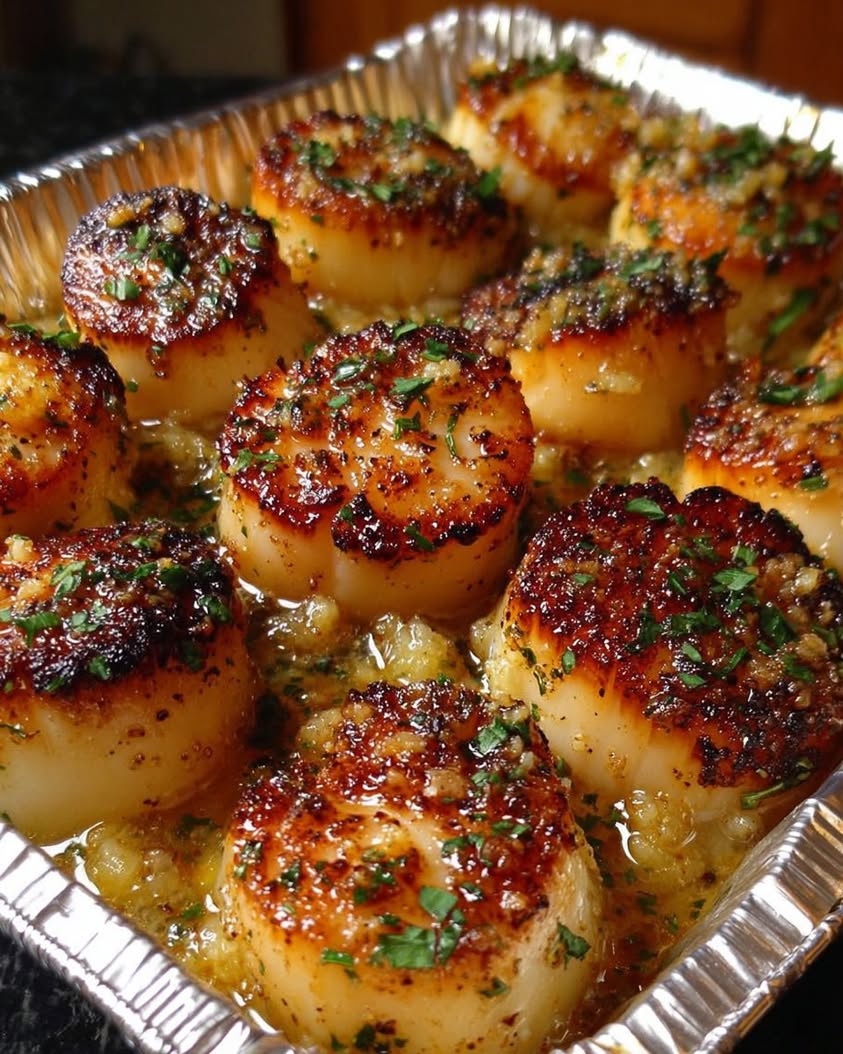
Garlic Butter Baked Scallops: An Easy, Elegant Seafood Recipe
Imagine a dish that feels like a luxurious restaurant experience but comes together in your own kitchen with minimal effort. That is the magic of this garlic butter baked scallops recipe. This dish transforms simple, sweet sea scallops into a show-stopping meal with a garlicky, buttery sauce and a golden, lightly crisp topping. Consequently, it is perfect for a special date night, a holiday appetizer, or when you simply want to treat yourself to something extraordinary without the fuss.
The beauty of this recipe lies in its elegant simplicity. You need only a handful of fresh ingredients and a single baking dish. The oven does most of the work, gently cooking the scallops to tender perfection while the butter, garlic, and herbs meld into an irresistible sauce. Moreover, the aroma that fills your kitchen is absolutely divine, promising a meal that is as delightful to smell as it is to eat. This garlic butter baked scallops recipe proves that impressive seafood does not require complicated techniques or hours of preparation.
Ultimately, this dish celebrates the pure, sweet flavor of the scallop. The rich garlic butter sauce enhances their natural taste without overwhelming it. A sprinkle of parsley and a squeeze of lemon add the perfect finishing brightness. Whether you serve them over pasta, with crusty bread to soak up the sauce, or alongside simple vegetables, these baked scallops are guaranteed to impress. Let us dive into how you can master this easy, elegant seafood recipe at home.
Quick Recipe Highlights
- Flavor Profile: These garlic butter baked scallops deliver a perfect harmony of rich, savory, and bright notes. The sweet, delicate taste of the scallops shines through a luxurious sauce of melted butter infused with pungent garlic. Furthermore, fresh parsley and a final squeeze of lemon juice cut through the richness, creating a beautifully balanced bite every time.
- Texture: You achieve a wonderful contrast in textures with this cooking method. The scallops themselves become incredibly tender and almost melt-in-your-mouth, while the optional breadcrumb or panko topping adds a satisfying, golden crunch. Additionally, the buttery sauce is silky and smooth, coating each scallop for a luxurious mouthfeel.
- Aroma: The scent while these garlic butter baked scallops cook is nothing short of intoxicating. As the butter melts with the minced garlic, it releases a deeply savory and nutty fragrance. Then, the fresh herbal notes from the parsley join in, creating an aroma that will have everyone eagerly waiting at the dinner table.
- Visual Appeal: This dish is a feast for the eyes. The scallops turn a beautiful opaque white with a slight golden hue from the butter. The vibrant green parsley and the bright yellow lemon wedges used for garnish provide stunning color contrast against the white seafood and the rich, amber-colored sauce in the baking dish.
- Skill Level Needed: This is a beginner-friendly recipe designed for home cooks of all levels. The process involves simple techniques like mincing garlic, melting butter, and arranging ingredients in a dish. There is no tricky searing or flipping required, as the gentle, even heat of the oven ensures perfectly cooked scallops every time.
- Special Equipment: You need only very basic kitchen tools. A sharp knife and cutting board for prep, a small bowl for mixing the butter, and a reliable baking dish or oven-safe skillet are all that is required. No special pans, thermometers, or gadgets are necessary to create this restaurant-quality meal.
Recipe Overview
- Difficulty Level: We rate this garlic butter baked scallops recipe as “Easy” for several compelling reasons. First, the ingredient list is short and familiar. Second, the method is straightforward with no complex culinary skills required. The oven provides controlled, hands-off cooking that minimizes the risk of overcooking, which is the most common mistake with scallops. Therefore, even a novice cook can achieve excellent results.
- Category: This versatile dish fits multiple meal categories beautifully. It serves wonderfully as an elegant main course for a special dinner, perhaps paired with risotto or angel hair pasta. Alternatively, you can present it as a stunning appetizer for a dinner party, allowing guests to enjoy just a few scallops each. It is a flexible recipe that adapts to your needs.
- Cuisine: While scallops are enjoyed globally, this preparation with garlic and butter has strong roots in European and American coastal cuisine. It draws inspiration from classic French “beurre blanc” preparations and simple Italian “al forno” (baked) methods. The focus on fresh, high-quality seafood with minimal, flavorful enhancements is a hallmark of many seaside culinary traditions.
- Cost: This dish is a splurge, but it offers fantastic value compared to ordering it at a restaurant. The primary cost is the scallops themselves; look for “dry” or “diver” scallops for the best quality. The remaining ingredients—butter, garlic, lemon, parsley—are pantry staples with a low cost. Considering the impressive result, this garlic butter baked scallops recipe provides a cost-effective way to enjoy a luxury dining experience at home.
- Season: Scallops are technically available year-round, but their quality can vary. Many consider the late fall and winter months the peak season for fresh, sweet sea scallops. However, this recipe works perfectly any time of year. It is especially lovely in the summer for a light yet special meal that does not require you to stand over a hot stove for long.
- Occasion: This dish is tailor-made for celebrations and intimate gatherings. It is perfect for Valentine’s Day, anniversaries, or birthday dinners where you want to create a memorable meal. It also makes a fantastic Christmas Eve or New Year’s Eve appetizer. Essentially, any time you want to elevate a meal from ordinary to extraordinary, these garlic butter baked scallops are the ideal choice.
Why You’ll Love This Recipe
First and foremost, the taste and texture of these garlic butter baked scallops are simply unparalleled. The scallops cook to a sublime tenderness that is both firm and delicate. Each bite bursts with the sweet, clean flavor of the sea, perfectly complemented by the rich, aromatic garlic butter sauce. The optional crispy topping adds a delightful textural contrast, making every mouthful a complex and satisfying experience. This combination of luxury and simplicity is hard to beat, and it consistently delights both seafood lovers and newcomers alike.
Another major advantage is the incredible convenience and foolproof preparation. Unlike pan-searing, which requires precise timing and can lead to rubbery scallops if you are not careful, baking is a much more forgiving method. The oven’s consistent heat surrounds the scallops, cooking them evenly from all sides. This hands-off approach means you can prepare side dishes, set the table, or simply relax while your main course cooks to perfection. Consequently, this recipe reduces kitchen stress and makes entertaining feel effortless.
From a nutritional standpoint, this dish offers several benefits. Scallops are an excellent source of lean protein, providing essential amino acids with very little fat. They are also rich in important nutrients like vitamin B12, magnesium, and potassium. When you use high-quality butter and fresh ingredients, you create a sauce that is flavorful without relying on heavy creams or excessive salt. Therefore, this garlic butter baked scallops recipe allows you to enjoy a decadent-tasting meal that is also nourishing.
The social and entertaining value of this dish is exceptionally high. Presenting a sizzling dish of golden, buttery scallops immediately signals to your guests that this is a special occasion. The dish is visually stunning and smells incredible, building anticipation. It encourages sharing and conversation, especially when served with bread for dipping into the glorious sauce. Serving this recipe shows care and effort, making your guests feel truly valued and treated to a restaurant-quality experience in the comfort of your home.
Finally, let us talk about cost-effectiveness and accessibility. While premium scallops are an investment, preparing them at home costs a fraction of what a similar dish would cost at a fine dining establishment. You control the quality of every ingredient, from the type of butter to the freshness of the herbs. Moreover, the recipe uses common kitchen tools and techniques, making it accessible to cooks without specialized equipment. This garlic butter baked scallops recipe democratizes luxury seafood, proving that you do not need a chef’s pedigree to create something truly spectacular on a reasonable budget.
Historical Background and Cultural Significance
The story of scallops as a prized food source stretches back thousands of years. Archaeological evidence shows that coastal communities worldwide have harvested and enjoyed scallops since prehistoric times. In many cultures, the scallop shell itself became a powerful symbol. For instance, in Christianity, it is associated with Saint James and the pilgrimage to Santiago de Compostela. In classical art, the scallop shell was linked to Venus, the goddess of love, often depicted rising from the sea on one. This long history elevates the simple scallop from mere seafood to an ingredient imbued with cultural and spiritual meaning.
In terms of culinary history, baking seafood with butter and aromatics is a technique rooted in practicality and flavor. Coastal fishermen and home cooks needed simple, reliable methods to prepare their daily catch. Baking in a communal oven or hearth with available fats like butter or oil and garden herbs was a natural solution. This method is prevalent across Mediterranean and European Atlantic coastal cuisines. The specific combination of garlic and butter, however, is a cornerstone of French cuisine, showcasing how regional flavors merge with universal cooking techniques to create beloved dishes like these garlic butter baked scallops.
The recipe has evolved significantly with changes in technology and ingredient availability. Historically, scallops were often steamed, stewed, or eaten raw shortly after harvest. The widespread home oven and reliable refrigeration in the 20th century made baked preparations like this more accessible to the average cook. Furthermore, the globalization of food supply chains means that high-quality sea scallops are now available far from the coast. This availability has transformed garlic butter baked scallops from a regional specialty into a globally recognized and adored recipe for special occasions.
Regional variations of baked scallops abound, reflecting local tastes and ingredients. In New England, a buttery cracker crumb topping is classic. In Italy, you might find them baked with breadcrumbs, lemon, and white wine. Asian variations may include ginger, soy, and scallions. This garlic butter baked scallops recipe sits comfortably within this global tradition, offering a versatile base. It welcomes personalization, encouraging cooks to add a splash of white wine, a pinch of red pepper flakes, or a different herb based on their preference. This adaptability is key to its enduring popularity.
Ingredient Deep Dive
Let us start with the star: Sea Scallops. Culturally, scallops have been a sustainable seafood choice for centuries, with scallop fisheries being some of the oldest in the world. Nutritionally, they are a powerhouse of lean protein and are exceptionally rich in vitamin B12, crucial for nerve function and energy. When selecting scallops, look for “dry-packed” varieties, which have no added water or preservatives, ensuring a sweeter flavor and better sear potential. They should smell fresh and clean, like the ocean, not fishy. Store them in the coldest part of your refrigerator and use within a day of purchase for optimal quality.
Next, Unsalted Butter is the foundation of our luxurious sauce. Butter has been a cherished cooking fat across Europe for millennia, symbolizing richness and nourishment. It provides essential fat-soluble vitamins like A, E, and K2. Using unsalted butter allows you to control the final salt level of the dish perfectly. For the best flavor, choose a high-quality European-style butter with a higher fat content. You can store butter in the fridge for weeks or freeze it for longer storage. For a dairy-free version, a high-quality plant-based butter substitute that browns well can work, though the flavor profile will change slightly.
Fresh Garlic is non-negotiable for its pungent, aromatic punch. Garlic has a storied history, used both as food and medicine since ancient Egyptian times. It contains allicin, a compound with noted antioxidant and anti-inflammatory properties. Always choose firm, plump heads of garlic without green sprouts. To prepare, mince it finely so it disperses evenly in the butter and cooks thoroughly, mellowing its sharpness. Store whole garlic in a cool, dark, dry place. In a pinch, you could use jarred minced garlic, but fresh will always provide a superior, brighter flavor for your garlic butter baked scallops.
Fresh Lemon Juice and Parsley provide the critical bright, fresh notes. Lemon juice, rich in vitamin C, cuts through the richness of the butter and enhances the scallops’ natural sweetness. Always juice a fresh lemon rather than using bottled juice for the best flavor. Flat-leaf (Italian) parsley is preferred for its more robust flavor compared to curly parsley. It adds a fresh, clean herbal note and vibrant green color. Both ingredients are best used fresh. If you lack parsley, other fresh herbs like chives, tarragon, or dill can make interesting variations, though they will alter the classic flavor profile.
Common Mistakes to Avoid
- Using Wet-Packed Scallops: This is the most critical error. Scallops treated with STP (sodium tripolyphosphate) are “wet-packed.” They exude white liquid when cooking, preventing proper browning and creating a steamed, rubbery texture. Always insist on “dry-packed” scallops for the best results in this garlic butter baked scallops recipe.
- Not Patting Scallops Dry: Even dry-packed scallops have surface moisture. Failing to pat them thoroughly dry with paper towels before baking means they will steam in their own liquid instead of baking properly. This step is essential for achieving the best texture.
- Overcrowding the Baking Dish: Arrange scallops in a single layer with a little space between them. If they are crammed together, they will steam each other and cook unevenly. Giving them room allows the heat to circulate properly for perfect, even cooking.
- Using Pre-Minced Jarred Garlic Exclusively: While convenient, jarred garlic often has a muted, sometimes bitter flavor compared to fresh. For the vibrant, aromatic punch that defines this dish, take the minute to mince fresh garlic cloves.
- Skipping the Seasoning: Scallops need seasoning! Do not forget to season them lightly with salt and pepper before adding the butter. Underseasoned scallops will taste bland, no matter how good your butter sauce is.
- Overcooking the Scallops: Scallops cook very quickly. In a hot oven, they typically need only 10-12 minutes. Overcooked scallops become tough and chewy. They are done when they are opaque and firm to the touch but still have a slight give.
- Using Margarine or Low-Fat Spread: These products contain water and additives that will not create the same rich, emulsified sauce as real butter. They can separate or make the sauce greasy. For authentic flavor and texture, real butter is key.
- Forgetting to Garnish: The fresh parsley and lemon wedge are not just decoration. The parsley adds a fresh flavor note, and the lemon juice brightens the entire dish. Serving without these final touches means missing a layer of flavor balance.
Essential Techniques
Patting Dry is the first and most crucial technique. You must thoroughly pat the scallops dry with paper towels. Why is this so important? Surface moisture is the enemy of good texture. Any water on the scallops will turn to steam in the oven, preventing the exterior from setting nicely and leading to a boiled rather than baked feel. To master it, place scallops on a stack of paper towels and gently press another towel on top. The common pitfall is rushing this step. The visual cue for success is scallops that feel dry to the touch and look matte, not shiny with moisture.
Creating the Garlic Butter Sauce is simple but requires attention. Melt the butter gently, either in a saucepan or the microwave, and then stir in the minced garlic. The goal is to infuse the butter with garlic flavor without burning the garlic. Burnt garlic becomes bitter and can ruin the sauce. Therefore, use gentle heat and remove it from the stove or microwave as soon as the butter is melted and the garlic is fragrant. The technique’s importance lies in building the foundational flavor of the entire dish. A perfectly infused butter will taste rich, nutty, and aromatic.
Arranging in the Baking Dish is about ensuring even cooking. Use a baking dish just large enough to hold the scallops in a single layer without touching. This spacing allows hot air to circulate around each scallop, ensuring they cook at the same rate. If they are crowded, they will steam and cook unevenly, with some becoming overcooked while others remain underdone. The visual cue for proper arrangement is a dish where you can see the bottom between the scallops. This technique guarantees that every scallop in your garlic butter baked scallops recipe is perfectly tender.
Pro Tips for Perfect Garlic Butter Baked Scallops
First, bring your scallops to room temperature for about 10 minutes before cooking. This simple step helps them cook more evenly, preventing a cold center while the edges overcook.
For an extra flavor dimension, add a teaspoon of fresh lemon zest to the garlic butter mixture. The citrus oils in the zest will perfume the entire dish beautifully.
If using a breadcrumb topping, toast the breadcrumbs in a dry skillet with a little of the garlic butter first. This step ensures they are crispy and golden before they even go in the oven.
Baste the scallops halfway through the baking time. Spoon some of the melted garlic butter from the dish over the tops of the scallops to keep them moist and flavorful.
Use the broiler for the final 1-2 minutes of cooking if you want a more caramelized, golden-brown top on your scallops or breadcrumb topping. Watch closely to prevent burning.
Let the baked scallops rest for 2-3 minutes after removing them from the oven. This allows the juices to redistribute, ensuring they are succulent and not watery when you serve them.
Serve the dish immediately in the baking dish for a rustic, family-style presentation that keeps the scallops warm. Provide a spoon for guests to drizzle extra sauce onto their plates.
Variations and Adaptations
For regional variations, consider a New England style by topping the scallops with a mixture of crushed Ritz crackers, melted butter, and a dash of Old Bay seasoning before baking. An Italian-inspired version might include a splash of dry white wine in the butter sauce and a topping of seasoned breadcrumbs mixed with grated Parmesan cheese. An Asian twist could substitute the butter with a mixture of sesame oil, soy sauce, minced ginger, and garlic, garnished with sliced scallions and a sprinkle of sesame seeds.
Seasonal adaptations are easy. In the spring, add fresh peas or asparagus tips to the baking dish. During summer, incorporate cherry tomatoes that will burst and add their juices to the sauce. For a fall or winter version, nestle the scallops on a bed of sautéed wild mushrooms or thinly sliced fennel before adding the butter and baking.
Dietary modifications are straightforward. For a dairy-free version, use a high-quality vegan butter that browns well. To make it gluten-free, ensure any breadcrumb topping uses certified gluten-free breadcrumbs or crushed gluten-free crackers. For a Paleo or Whole30 adaptation, use ghee instead of butter and omit any grain-based topping, perhaps using a sprinkle of almond flour or crushed nuts for crunch.
Flavor variations can personalize the dish immensely. Add a pinch of red pepper flakes to the garlic butter for a subtle heat. Stir a tablespoon of Dijon mustard or a teaspoon of smoked paprika into the melted butter for depth. For an herbal note, mix in fresh thyme, tarragon, or dill along with the parsley.
Texture modifications can cater to different preferences. For maximum crispiness, use panko breadcrumbs for the topping. For a creamier, richer sauce, add a tablespoon of heavy cream or crème fraîche to the garlic butter before pouring it over the scallops. For a completely smooth sauce, you can blend the baked garlic butter with a splash of broth after cooking and strain it before serving.
Presentation alternatives offer creative ways to serve. Instead of a large baking dish, bake individual portions in small ramekins or scallop shells for a dramatic tableside presentation. You can also skewer the scallops with lemon slices and herbs before arranging them in the dish for easy serving and a beautiful look.
Serving and Presentation Guide
Plating techniques matter for visual impact. For individual plates, use a slotted spoon to place scallops in the center, then spoon the garlic butter sauce around them. This keeps the scallops from sitting in a pool and becoming soggy. Alternatively, for a family-style meal, bring the baking dish directly to the table. Place it on a trivet and garnish generously. The sizzling presentation is part of the experience.
Garnishing ideas go beyond parsley and lemon. Add microgreens for a delicate touch, a drizzle of high-quality olive oil for sheen, or a few flakes of sea salt for texture. For color, consider adding edible flowers or very thin slices of radish. A final grind of black pepper just before serving adds both flavor and visual appeal.
Traditional accompaniments often include something to soak up the glorious sauce. Crusty bread like a baguette or focaccia is a must. For a more substantial meal, serve over a bed of angel hair pasta, linguine, or creamy risotto. Polenta or mashed potatoes also make excellent bases that complement the rich butter sauce.
Modern serving suggestions might include pairing the scallops with zucchini noodles (zoodles) or cauliflower rice for a lighter, low-carb option. You could also serve them atop a bright, acidic salad of arugula and shaved fennel to cut through the richness. Another trendy idea is to serve them in a shallow bowl with a broth made from the pan juices thinned with a little seafood stock.
Temperature considerations are crucial. Serve the garlic butter baked scallops immediately after they come out of the oven. The dish cools quickly, and the butter will begin to solidify. Warm your serving plates beforehand to keep everything hot longer. If serving with pasta or grains, time it so they are ready just as the scallops finish baking.
Portion control tips depend on the context. As a main course, plan for 4-6 large scallops per person. As an appetizer, 2-3 scallops per person is sufficient. If serving family-style, estimate the total number of scallops and provide serving utensils that allow guests to take their desired amount along with plenty of sauce.
Wine and Beverage Pairing
Wine pairings should complement the dish’s richness and sweetness. A classic choice is a crisp, unoaked Chardonnay. Its acidity cuts through the butter, while its body stands up to the scallops. Alternatively, a Sauvignon Blanc with its grassy, citrus notes pairs beautifully with the lemon and parsley. For a more adventurous pairing, try a dry Riesling or a sparkling wine like Champagne or Prosecco; the bubbles cleanse the palate between each rich, buttery bite.
Non-alcoholic alternatives can be just as sophisticated. A sparkling water with a twist of lemon or lime mimics the cleansing effect of wine. For more flavor, try a craft ginger beer—its spicy sweetness contrasts nicely with the savory garlic butter. Iced herbal teas, like lemongrass or mint, also provide a refreshing counterpoint without competing with the delicate seafood flavors.
While not traditional, certain teas can work if served as part of a multi-course meal. A light, floral green tea or a white tea would be delicate enough not to overwhelm the scallops. Avoid strong, tannic black teas or heavily spiced chai, as they will clash with the dish’s subtlety.
Temperature considerations are key for all beverages. White wines, sparkling wines, and non-alcoholic sparklers should be served well-chilled, between 45-50°F. This cold temperature provides a refreshing contrast to the warm, rich food. If serving iced tea or other cold drinks, ensure they are very cold to maintain that palate-cleansing effect throughout the meal.
Serving suggestions include offering both wine and a non-alcoholic option to cater to all guests. Pour wine just before serving to ensure it is at the perfect temperature. Provide a carafe of water on the table as well. When pairing, take a bite of the garlic butter baked scallops first, then a sip of your beverage, and notice how the flavors interact and change.
Storage and Shelf Life
Storage methods for leftovers are important but note that scallops are best enjoyed fresh. If you must store them, let the baked scallops cool completely, then transfer them and any sauce to an airtight container. Separate layers with parchment paper if stacking to prevent them from sticking together. Do not leave them at room temperature for more than two hours after cooking.
Temperature requirements are strict for food safety. Refrigerate leftovers promptly and keep them at or below 40°F. The scallops will keep for up to 2 days in the refrigerator. For longer storage, you can freeze them, though the texture will suffer and become more rubbery upon reheating.
Container recommendations include glass or BPA-free plastic containers with tight-fitting lids. These prevent odors from transferring and keep the scallops from drying out. If storing with sauce, ensure the container is leak-proof. For freezing, use a heavy-duty freezer bag, removing as much air as possible to prevent freezer burn.
Signs of spoilage are easy to spot. Discard the scallops if they develop a strong, sour, or ammonia-like odor. A slimy texture on the surface is another clear indicator of spoilage. If the color has changed significantly or you see any mold, do not consume them.
Reheating instructions require care to avoid overcooking. The best method is to reheat gently in a covered oven-safe dish at 275°F until just warmed through, which may take 10-15 minutes. You can also reheat very gently in a skillet with a splash of water or broth over low heat. Avoid the microwave, as it will almost certainly make the scallops tough and rubbery.
Freezing guidelines are a last resort. To freeze, place cooled scallops and sauce in a single layer on a parchment-lined baking sheet until solid, then transfer to a freezer bag. This “flash freezing” prevents them from clumping. They can be frozen for up to 2 months. Thaw overnight in the refrigerator before reheating very gently.
Make Ahead Strategies
A prep timeline can make entertaining seamless. The day before, you can mince the garlic, chop the parsley, and juice the lemon. Store each in separate small containers in the fridge. You can also clarify the butter if desired. On the day of serving, simply pat the scallops dry, arrange them in the dish, and combine your pre-prepped ingredients for the sauce. This cuts active prep time to just minutes before baking.
Storage between steps is simple. Keep pre-chopped garlic and parsley in airtight containers in the refrigerator. Lemon juice can be stored in a small jar. Do not pat the scallops dry or season them until you are ready to cook, as this can draw out moisture prematurely.
Quality impact assessment is important. Pre-mincing garlic may slightly diminish its pungency over 24 hours, but the difference is minimal for a baked dish. Pre-chopped parsley may wilt but will still provide flavor. The scallops themselves should never be pre-cooked or marinated ahead, as this will drastically affect their texture.
Assembly tips for efficiency include having your baking dish ready and all ingredients measured and within reach. Melt the butter in a microwave-safe measuring cup for easy pouring. This assembly-line approach makes the final step quick and stress-free, which is perfect when you have guests.
Reheating guidelines for make-ahead are generally not recommended for the fully cooked dish. However, if you prepared components ahead, the final bake time remains the same. The key is that the scallops go into the oven fresh and cold from the fridge for the correct cooking time.
Fresh element additions are what make a make-ahead plan work. Even if you prepped everything else, add a final sprinkle of freshly chopped parsley and a squeeze of lemon juice from a fresh wedge just before serving. This adds a burst of bright, fresh flavor that makes the dish taste freshly made.
Scaling Instructions
Halving the recipe is straightforward for a smaller meal. Simply divide all ingredient quantities by two. Use a smaller baking dish, like a pie plate or small gratin dish, to ensure the scallops are still in a single layer. The cook time may reduce slightly, so start checking for doneness around the 8-minute mark. The key is maintaining the proper scallop-to-dish ratio to prevent overcooking.
Doubling or tripling the recipe for a crowd requires a bit more planning. Double or triple all ingredients proportionally. You will likely need to use two baking dishes to avoid overcrowding; do not pile scallops on top of each other. Rotate the dishes in the oven halfway through cooking for even heat distribution. The total cook time may increase by 2-4 minutes, so rely on visual cues for doneness rather than a strict timer.
Equipment adjustments are necessary when scaling. For larger batches, ensure you have enough baking dishes that are the right size. You may also need a larger bowl for mixing the garlic butter. If using a topping, mix it in a larger bowl to ensure even coating. For halving, a small saucepan may be better for melting the smaller quantity of butter.
Timing modifications are minimal but important. When baking multiple dishes, the total oven time might be slightly longer due to the increased mass of food and potential for lower oven temperature when the door is opened. When halving, the cooking time may be slightly shorter. Always use the visual test—opaque flesh and firm texture—as your primary guide, not just the clock.
Storage considerations change with scale. If you have leftovers from a doubled recipe, you will have more to store. Divide leftovers into smaller, meal-sized portions before refrigerating or freezing for easier reheating later. For a halved recipe, you may have little to no leftovers, which is often ideal for freshness.
Nutritional Deep Dive
A macro breakdown for a serving of these garlic butter baked scallops reveals a balance of high-quality protein and healthy fats. Scallops are almost pure protein with minimal carbohydrates. The butter adds saturated and monounsaturated fats, which provide energy and help absorb fat-soluble vitamins. The dish is naturally low in carbs, making it suitable for many eating plans. The exact numbers depend on scallop size and the amount of butter used, but it is a nutrient-dense meal focused on quality macros.
The micronutrient analysis is impressive. Scallops are an exceptional source of vitamin B12, essential for neurological health and energy production. They also provide magnesium, potassium, and phosphorus. The garlic contributes manganese, vitamin B6, and vitamin C, along with beneficial compounds like allicin. Butter provides vitamins A, E, and K2. Together, these ingredients create a dish rich in essential vitamins and minerals that support overall wellness.
Health benefits extend beyond basic nutrition. The lean protein in scallops supports muscle maintenance and satiety. The omega-3 fatty acids in seafood are linked to heart and brain health. Garlic has been studied for its potential cardiovascular and immune-supporting properties. When consumed as part of a balanced diet, this recipe offers a delicious way to incorporate nutrient-rich foods that support various bodily functions.
Dietary considerations are important for many. This dish is naturally gluten-free and low-carb. It can be adapted for dairy-free needs with a butter substitute. For those on a low-FODMAP diet, garlic can be an issue, but using garlic-infused oil (with the solids removed) can provide flavor without the high-FODMAP compounds. Always tailor the recipe to your specific dietary requirements.
Portion analysis helps with mindful eating. A standard serving of 4-6 large scallops provides a satisfying amount of protein. The rich butter sauce means a little goes a long way in terms of flavor and satisfaction. Pairing with a large portion of non-starchy vegetables can create a very balanced plate that is filling without being excessively high in calories.
Weight management tips include being mindful of the sauce. You can reduce the amount of butter slightly or use a mix of butter and olive oil without sacrificing too much flavor. Serving the scallops over a large bed of greens or vegetables increases volume and fiber, promoting fullness. The high protein content also helps regulate appetite hormones, making this a good choice for those managing their weight.
Dietary Adaptations
For a gluten-free version, this garlic butter baked scallops recipe is naturally compliant if you omit any breadcrumb topping. If you desire a crispy topping, use certified gluten-free breadcrumbs, crushed gluten-free crackers, or a mixture of almond flour and grated Parmesan (if dairy is allowed). Always check that all other ingredients, like any pre-made seasoning blends, are certified gluten-free.
A dairy-free adaptation requires a high-quality plant-based butter substitute. Look for one that is formulated to brown and behave like real butter in sauces. Olive oil can work, but it will not provide the same rich, creamy mouthfeel as an emulsified butter substitute. For the topping, use dairy-free breadcrumbs and nutritional yeast instead of Parmesan for a cheesy flavor.
A vegan version is challenging due to the central role of scallops, but you can create a inspired dish. Use large king oyster mushroom slices, thick hearts of palm rounds, or even breaded and baked cauliflower steaks as the “scallop” base. Prepare the same garlic “butter” sauce using vegan butter and vegetable broth. The presentation and flavor concept can be beautifully replicated.
For a low-carb or keto adaptation, this recipe is nearly perfect as-is. Simply omit any breadcrumb or cracker topping. Ensure you use full-fat, real butter. The scallops and butter are both excellent keto-friendly foods. Serve with low-carb sides like zucchini noodles, cauliflower mash, or a simple green salad with a high-fat dressing to stay within macronutrient goals.
A Paleo adaptation requires using ghee (clarified butter) instead of regular butter to remove the milk solids. Omit any grain-based toppings. A compliant topping could be a mix of crushed nuts (like almonds or pecans), coconut flakes, and herbs. Serve with vegetable-based sides, ensuring all ingredients are whole, unprocessed foods.
For a low-FODMAP version Print
Garlic Butter Baked Scallops
- Total Time: 45 minutes
- Yield: 4
Description
Tender sea scallops baked in a rich garlic butter sauce with a hint of lemon and herbs, perfect for a quick yet elegant meal.
Ingredients
- 1 pound large sea scallops, patted dry
- 4 tablespoons unsalted butter, melted
- 4 cloves garlic, minced
- 2 tablespoons fresh parsley, chopped
- 1 tablespoon fresh lemon juice
- 1/2 teaspoon salt
- 1/4 teaspoon black pepper
- 1/4 teaspoon paprika
- Lemon wedges for serving
Instructions
- Preheat oven to 400°F (200°C). Lightly grease a baking dish.
- In a small bowl, mix melted butter, minced garlic, lemon juice, salt, pepper, and paprika.
- Arrange scallops in a single layer in the baking dish. Pour the garlic butter mixture evenly over them.
- Bake for 12-15 minutes until scallops are opaque and cooked through.
- Sprinkle with fresh parsley and serve immediately with lemon wedges.
Notes
You can customize the seasonings to taste.
- Prep Time: 15 minutes
- Cook Time: 30 minutes
- Method: Main
- Cuisine: American