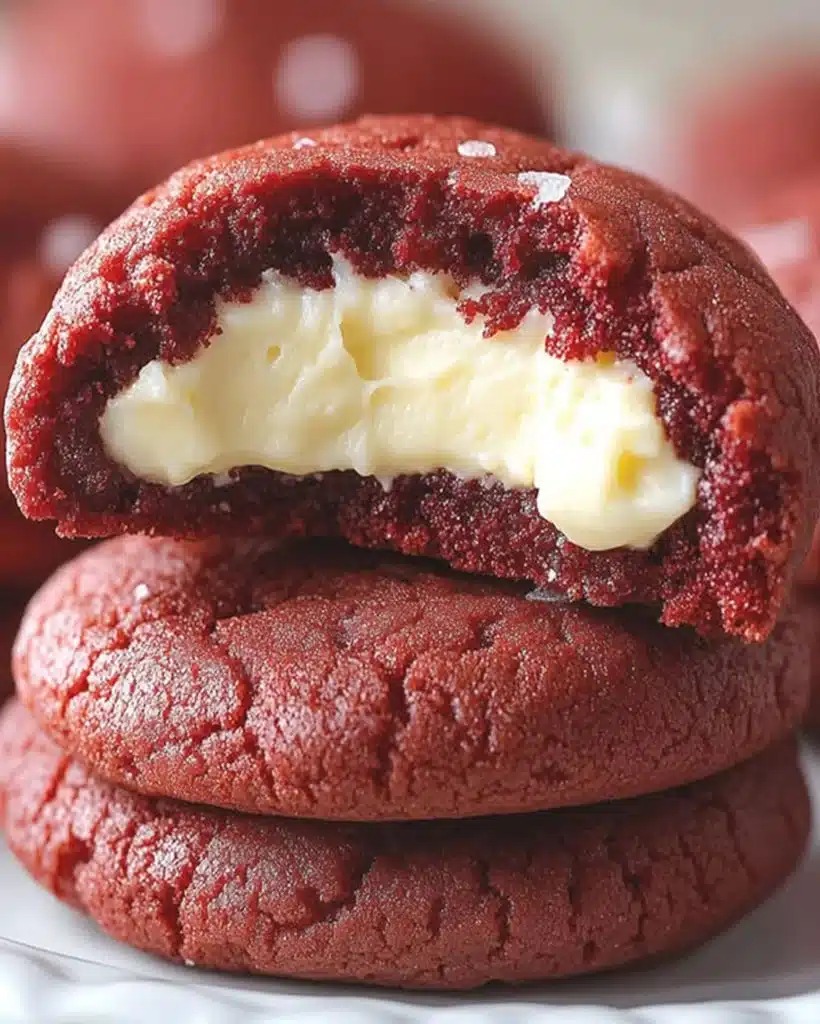
Ultimate Red Velvet Cheesecake Stuffed Cookies: A Decadent Dessert Mashup
Imagine biting into a soft, chewy red velvet cookie only to discover a creamy, tangy cheesecake center. This Ultimate Red Velvet Cheesecake Stuffed Cookies recipe delivers that exact experience. Consequently, it combines two beloved desserts into one stunning handheld treat. The deep crimson cookie dough, rich with cocoa and vanilla, perfectly encases a sweetened cream cheese filling. Ultimately, each bite offers a symphony of textures and flavors that feels incredibly special.
These cookies are perfect for anyone who loves show-stopping desserts. They look impressive on a holiday platter, yet they are surprisingly straightforward to make. The process involves creating a simple cheesecake filling, chilling it into discs, and then wrapping it in vibrant red velvet dough. After baking, you get cookies with a crisp edge, a tender crumb, and a molten-like cheesecake heart. Therefore, they are guaranteed to be the star of any cookie exchange, party, or cozy night in.
Mastering this Ultimate Red Velvet Cheesecake Stuffed Cookies recipe brings immense satisfaction. The contrast between the slightly tangy, rich filling and the chocolatey, buttery cookie is pure magic. Moreover, the visual appeal is undeniable with their dramatic red color against the white cheesecake swirl. This recipe is a fantastic project for bakers looking to level up their skills with a rewarding result. Finally, get ready to receive endless compliments when you serve these decadent stuffed cookies.
Quick Recipe Highlights
- Flavor Profile: These cookies deliver a sophisticated balance. The red velvet base offers a mild chocolate flavor with a hint of tang from buttermilk, while the cheesecake filling provides a rich, creamy, and slightly sweet contrast. Together, they create a complex taste that is far more interesting than a standard chocolate chip cookie.
- Texture: Expect a delightful textural journey. The cookie bakes up with a slightly crisp exterior that gives way to a soft, cake-like, and chewy interior. Meanwhile, the baked cheesecake center becomes wonderfully creamy and smooth, almost like a soft frosting pocket that melts in your mouth.
- Aroma: As they bake, your kitchen will fill with warm, comforting scents. You will notice the sweet vanilla and rich cocoa first, followed by the inviting smell of baking butter and cream cheese. This aromatic blend is unmistakably decadent and promises a delicious result.
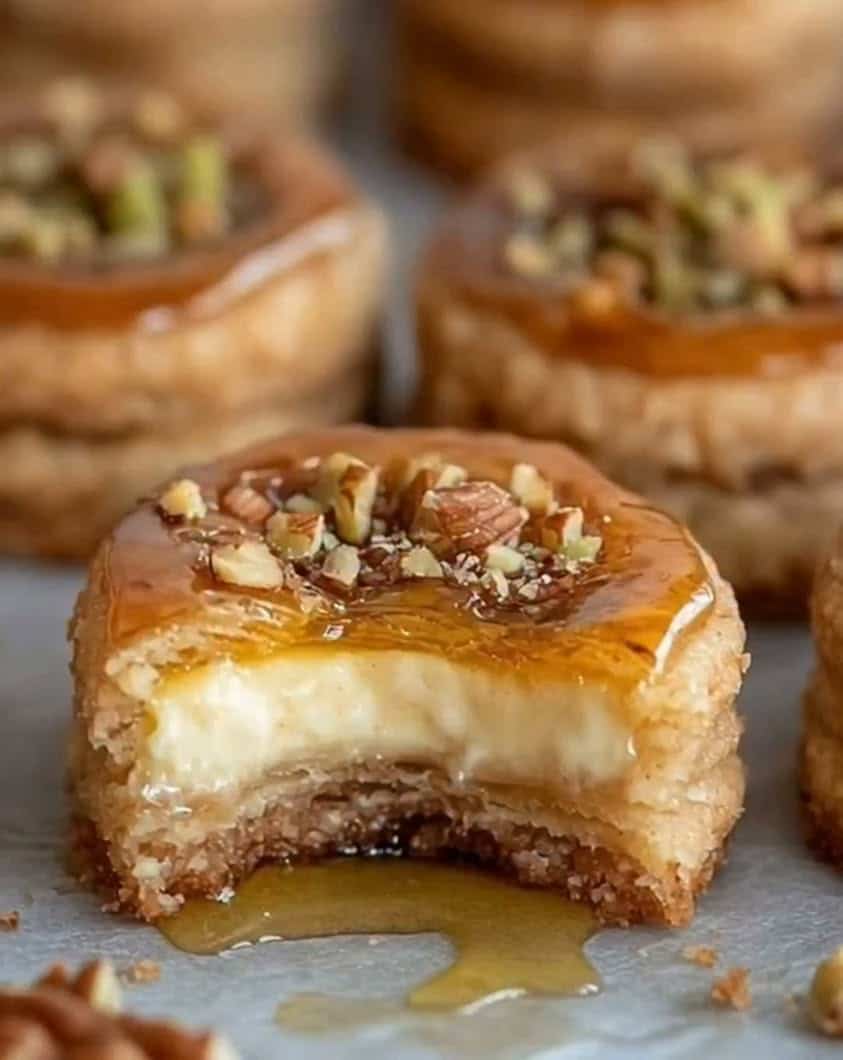
- Visual Appeal: These cookies are true showstoppers. The deep red cookie dough is striking on its own, but the real surprise is the creamy white cheesecake center that peeks through when you break one open. They look professional, festive, and incredibly tempting on any dessert table.
- Skill Level Needed: This recipe is ideal for bakers with some experience who are comfortable with multi-step processes. You need to be able to make a cookie dough, prepare a filling, and handle chilling and assembly. However, clear instructions make it very achievable for confident beginners ready for a challenge.
- Special Equipment: A stand mixer or hand mixer is highly recommended for creaming the butter and sugar and for the cheesecake filling. You will also need parchment paper or silicone baking mats, a baking sheet, and a small scoop or spoon for portioning the filling. A microwave or double boiler for melting the white chocolate is also useful.
Recipe Overview
- Difficulty Level: We rate this recipe as intermediate. While the individual components are simple, success hinges on proper technique and timing. You must cream butter and sugar correctly to achieve the right cookie texture, and you must chill the filling thoroughly so it doesn’t melt into the dough during baking. Patience during the chilling steps is the key to perfect stuffed cookies.
- Category: This recipe falls squarely into the dessert category, specifically under cookies and bars. It is a hybrid dessert that borrows elements from cakes, cookies, and cheesecakes. These are best served as a sweet treat after a meal, with coffee, or as a special snack.
- Cuisine: The dish is a modern American creation, born from the popular fusion dessert trend. It draws inspiration from Southern red velvet cake, a classic American layer cake, and New York-style cheesecake. The result is a contemporary bake that celebrates indulgent, crowd-pleasing flavors.
- Cost: The cost is moderate, as it requires several specialty ingredients. Cream cheese, white chocolate, and red food coloring are the primary cost drivers. However, because the recipe yields a dozen impressive cookies, the cost per serving is reasonable for a special occasion dessert. Using gel food coloring is more economical in the long run than liquid.
- Season: These cookies shine during the holiday season, particularly Christmas and Valentine’s Day, thanks to their vibrant red color. Nevertheless, they are a joyful treat year-round for birthdays, parties, or any time you crave a spectacular baked good. They bring a festive feel to any table regardless of the month.
- Occasion: This is a perfect recipe for celebrations. Bring them to cookie exchanges, potlucks, or holiday gatherings where they will stand out. They also make a wonderful homemade gift when packaged beautifully. For a memorable dessert at a dinner party, serve them slightly warm with a scoop of vanilla ice cream.
Why You’ll Love This Recipe
First and foremost, the taste and texture combination is utterly irresistible. The soft, cake-like red velvet cookie provides a familiar comfort, while the surprise creamy cheesecake center elevates every bite to a luxurious experience. The slight tang from the buttermilk and cream cheese cuts through the sweetness perfectly. Consequently, you get a dessert that feels gourmet and satisfying without being overly cloying. Each cookie is a complete dessert experience in itself, offering layers of flavor that unfold as you eat.
From a convenience standpoint, this recipe is brilliantly designed for success. The make-ahead components are a huge advantage. You can prepare the cheesecake filling discs and even the cookie dough balls a day in advance. Then, you simply assemble and bake when needed. This makes them fantastic for entertaining, as you avoid last-minute kitchen stress. Moreover, the ingredients are mostly pantry staples, with the exception of cream cheese and food coloring, which are easy to find.
While not a health food, these stuffed cookies do offer some nutritional considerations. Using real ingredients like cream cheese provides a source of calcium and protein. The cocoa powder in the red velvet dough contains antioxidants and flavonoids. When you bake treats at home, you control the quality of ingredients, avoiding the preservatives and artificial flavors found in many store-bought versions. Enjoying one of these decadent cookies can satisfy a sweet craving thoroughly, potentially preventing overindulgence in less satisfying sweets.
The social and entertaining value of this recipe is exceptionally high. These cookies are guaranteed conversation starters. Their stunning appearance and delicious surprise center make people feel special. They show a level of care and effort that store-bought desserts simply cannot match. Bringing a plate of these to an event will make you the hero of the party. Furthermore, they are a fantastic project to bake with family or friends, creating fun memories in the kitchen.
Finally, this recipe is cost-effective and accessible for the impressive result it delivers. Compared to buying a dozen gourmet stuffed cookies from a bakery, making them at home saves a significant amount of money. The technique is accessible to any baker willing to follow the steps carefully. You do not need professional pastry skills. With patience and attention to detail, you can create a bakery-quality treat in your own kitchen, which is incredibly rewarding and delicious.
Historical Background and Cultural Significance
The origin of red velvet cake is a topic of delicious debate among food historians. Many stories point to its creation in the early 20th century, possibly at the Waldorf-Astoria Hotel in New York or in the kitchens of the South. Originally, the red color came from a chemical reaction between non-Dutched cocoa and acidic ingredients like buttermilk and vinegar. This reaction produced a reddish-brown hue. Later, beet juice was sometimes used to enhance the color, especially during World War II rationing. The dramatic crimson color we know today became popular with the advent of reliable red food coloring.
Cheesecake, on the other hand, has a history stretching back thousands of years to ancient Greece. The modern, creamy New York-style cheesecake, stabilized with eggs and cream cheese, was perfected in the United States in the early 1900s. The cultural significance of both desserts is rooted in celebration. Red velvet cake became a symbol of luxury and special occasions in the American South, often served at weddings and Christmas. Cheesecake is synonymous with indulgence and is a classic diner and restaurant dessert. Combining them represents a fusion of these two iconic celebratory treats.
The evolution of the stuffed cookie is a more recent phenomenon in the world of baking. As home bakers and food bloggers sought new ways to create viral, show-stopping desserts, the concept of stuffing cookie dough with other desserts took off. The trend capitalized on the love for surprise fillings and over-the-top indulgence. The Ultimate Red Velvet Cheesecake Stuffed Cookies recipe is a direct product of this modern baking innovation. It takes familiar, beloved flavors and presents them in a novel, shareable format that is perfect for the social media age.
Regional variations of this concept are endless. In some versions, the red velvet cookie might be made with a hint of espresso to deepen the chocolate flavor. Others might add a handful of white chocolate chips to the dough for extra texture. The cheesecake filling can be varied with lemon zest, orange extract, or even a swirl of fruit puree. Some bakers top the cookies with a cream cheese glaze after baking for an extra layer of flavor. This adaptability shows how a great recipe idea can be personalized and reinvented across different kitchens and cultures.
Ingredient Deep Dive
All-Purpose Flour: This is the structural backbone of your cookie dough. It provides the gluten that gives the cookies their shape and chew. For best results, spoon the flour into your measuring cup and level it off to avoid packing in too much, which can lead to dry, dense cookies. If you need a gluten-free adaptation, use a 1:1 gluten-free flour blend that contains xanthan gum. Store flour in a cool, dry place to prevent it from absorbing moisture and odors.
Unsweetened Cocoa Powder: This ingredient provides the signature chocolate flavor in red velvet, which is traditionally mild. Using natural cocoa powder, rather than Dutch-processed, is key. Natural cocoa is acidic and reacts with the baking soda in the recipe, helping the cookies rise and contributing to the classic reddish-brown tint. Cocoa powder is rich in antioxidants. For the deepest flavor, ensure your cocoa is fresh and not expired.
Cream Cheese: The star of the filling. Use full-fat, brick-style cream cheese for the best texture and flavor. Low-fat varieties contain more water and stabilizers, which can cause the filling to be runny or grainy when baked. Always use cream cheese at room temperature to ensure a smooth, lump-free filling that blends easily with the other ingredients. Culturally, cream cheese is central to American cheesecake tradition.
White Chocolate: In the filling, melted white chocolate adds sweetness, richness, and helps stabilize the cream cheese so it holds its shape during baking. Quality matters here. Choose a baking bar with cocoa butter listed in the ingredients, not “white coating” or “candy melts.” Melt it gently using a double boiler or in short bursts in the microwave, stirring frequently to prevent seizing.
Buttermilk: This is the traditional liquid in red velvet recipes. Its acidity tenderizes the gluten in the flour, resulting in a softer, cake-like cookie crumb. It also reacts with the baking soda to create lift. If you don’t have buttermilk, you can make a quick substitute by adding 1 tablespoon of lemon juice or white vinegar to a cup of milk and letting it sit for 5 minutes. This tang is a hallmark of authentic red velvet flavor.
Red Food Coloring: For the vibrant color, gel food coloring is vastly superior to liquid. Gel color is more concentrated, so you need less, and it won’t throw off the liquid balance of your dough. It provides a deep, true red without a chemical taste. Start with a small amount and add until you achieve the desired shade. The color will deepen slightly as the cookies bake.
Common Mistakes to Avoid
- Using Cold Cream Cheese: This is a critical error. Cold cream cheese will never blend smoothly into your filling, leaving you with lumps. Always take the time to let your cream cheese sit on the counter until it is completely soft to the touch. This ensures a silky, homogeneous cheesecake center.
- Not Chilling the Filling Long Enough: Impatience here will ruin your cookies. If the cheesecake discs are not firm and frozen solid, they will melt into the dough during baking instead of staying as a distinct pocket. Freeze them for the full time, or even longer, until they are hard.
- Overmixing the Cookie Dough: Once you add the dry ingredients, mix only until the flour disappears. Overmixing develops the gluten in the flour, leading to tough, dense cookies instead of tender, cake-like ones. A few streaks of flour are fine; they will incorporate as you finish mixing by hand.
- Measuring Flour Incorrectly: Scooping flour directly from the bag with your measuring cup packs it down, resulting in up to 25% more flour than intended. This makes dry, crumbly cookies. Always spoon the flour lightly into the cup and level it off with a knife for accuracy.
- Using Liquid Food Coloring: Liquid food coloring adds excess moisture and often requires a large quantity to achieve a deep red, which can affect the dough’s consistency and taste. Gel or paste food coloring is concentrated and provides vibrant color without these issues.
- Overbaking the Cookies: These cookies continue to set as they cool on the baking sheet. If you wait for them to look completely firm in the center, they will be overbaked and dry. Remove them when the edges are set but the centers still look soft and slightly puffy.
- Placing Dough on a Hot Baking Sheet: Always use cool baking sheets. Placing dough balls on a hot sheet straight from the oven will cause them to start spreading and melting immediately, leading to misshapen, flat cookies. Have multiple sheets ready or let them cool between batches.
- Not Letting Cookies Cool on the Sheet: Transferring cookies to a cooling rack immediately after baking can cause them to break apart, especially with a soft filling. Let them rest on the baking sheet for 5-10 minutes to firm up before moving them.
Essential Techniques
Creaming Butter and Sugar: This foundational technique is vital for creating the right cookie texture. Beat the room-temperature butter and sugars together on medium-high speed for 2-3 minutes until the mixture becomes noticeably lighter in color and fluffy. This process incorporates air, which helps the cookies rise. If the butter is too cold, it won’t cream properly; if it’s melted, you’ll lose the ability to trap air, resulting in flat, greasy cookies.
Folding in Dry Ingredients: Once you add the flour mixture, switch to a low speed and mix only until just combined. It’s often better to finish mixing by hand with a spatula. This prevents overdeveloping the gluten, which is the protein that makes baked goods tough. You want minimal gluten formation for a tender, cake-like crumb. Stop when no dry streaks of flour remain.
Creating and Freezing the Filling Discs: Portion the cheesecake filling onto a parchment-lined sheet using a small scoop or spoon. Then, flatten them slightly into discs. Freezing them solid is non-negotiable. A firm, frozen center will withstand being wrapped in dough and will bake into a distinct pocket instead of melting away. This step requires planning but is the secret to perfect stuffed cookies.
Wrapping Dough Around Filling: Take a portion of cookie dough and flatten it in your palm into a disc about 3 inches wide. Place a frozen cheesecake disc in the center. Carefully bring the edges of the dough up and over the filling, pinching them together to seal completely. Roll gently in your hands to form a smooth ball. Ensure there are no cracks, or the filling may leak during baking.
Pro Tips for Perfect Ultimate Red Velvet Cheesecake Stuffed Cookies
Use a kitchen scale to measure your flour and other dry ingredients. This is the most accurate method and guarantees consistent results every time, eliminating the variability of cup measurements.
Chill the assembled cookie dough balls for at least 30 minutes before baking. This prevents excessive spreading and allows the flavors to meld, resulting in a thicker, chewier cookie.
For a more intense red color without using more dye, add 1 teaspoon of white vinegar to the dough along with the buttermilk. The acidity helps stabilize and brighten the red hue.
Line your baking sheets with parchment paper or silicone mats. Not only does this prevent sticking, but it also promotes even browning and makes cleanup effortless.
Rotate your baking sheet halfway through the bake time. Ovens often have hot spots, and rotating ensures all your cookies bake evenly for consistent color and texture.
Let the cookies cool completely on the baking sheet before attempting to move them. The filling is very soft when hot and needs time to set up so it doesn’t ooze out.
If your cookies are spreading too much, your dough is likely too warm. Pop the entire baking sheet with the shaped dough balls into the freezer for 10 minutes before baking to firm them up.
For a festive finish, sprinkle the tops of the dough balls with a few white chocolate chips or red sanding sugar before baking for extra texture and sparkle.
Variations and Adaptations
Flavor Variations: Infuse the cheesecake filling with different extracts. A quarter teaspoon of almond or orange extract adds a beautiful nuance. For a chocolate lover’s twist, add a tablespoon of cocoa powder to half the cookie dough and create marbled red and chocolate dough balls. You can also fold a half-cup of toasted pecans or walnuts into the cookie dough for added crunch.
Dietary Modifications: For gluten-free cookies, substitute the all-purpose flour with a reliable 1:1 gluten-free baking blend. To make them dairy-free, use plant-based butter, cream cheese, and white chocolate. Note that the color and texture may vary slightly. For a lower-sugar version, reduce the granulated sugar in the dough by a quarter cup and use a sugar substitute approved for baking in the filling.
Seasonal Adaptations: During the holidays, add a half teaspoon of peppermint extract to the filling and crush candy canes to press into the dough balls before baking. For fall, incorporate a teaspoon of pumpkin pie spice into the cookie dough and add a tablespoon of canned pumpkin to the filling (adjusting chilling time). In spring, use pastel-colored sanding sugars for decoration.
Presentation Alternatives: Instead of rolling into balls, press the dough balls down slightly and make a thumbprint indentation after baking. Then, pipe a dollop of extra cheesecake filling into the warm indent. You can also drizzle baked and cooled cookies with a simple glaze made from powdered sugar, milk, and vanilla, or a white chocolate drizzle.
Serving and Presentation Guide
For the ultimate experience, serve these cookies slightly warm. The cheesecake center will be at its softest and most luxurious. You can gently reheat them in the microwave for 10-15 seconds. Present them on a simple white or dark ceramic plate to make the red color pop. Dusting the plate with a light sprinkle of powdered sugar or cocoa powder adds a professional, finished touch.
Garnishing is simple but effective. A single fresh raspberry or strawberry placed beside each cookie on the plate adds a fresh, elegant element. A tiny mint leaf can provide a beautiful color contrast. For a more decadent look, place a small dollop of whipped cream or a scoop of vanilla ice cream next to a cookie, allowing them to mingle.
Traditional accompaniments include a cold glass of milk, which is always a classic pairing for cookies. For a coffee shop vibe, serve them with a robust cup of coffee or a latte. The bitterness of the coffee balances the sweetness of the cookie perfectly. If serving as a dessert at a dinner party, consider offering a cheese plate beforehand to contrast the sweet finale.
Wine and Beverage Pairing
For wine pairings, look for something that can stand up to the richness and sweetness. A late-harvest Riesling or a Moscato d’Asti, with their bright acidity and fruity notes, cut through the cream cheese and complement the chocolate. A ruby Port is another excellent choice, as its berry flavors harmonize with the red velvet and its sweetness matches the dessert.
Non-alcoholic alternatives are just as exciting. A glass of cold, whole milk is a timeless partner. For a more sophisticated option, try a sparkling cider, whose effervescence cleanses the palate. A chai tea latte, with its warm spices, creates a cozy and complementary flavor profile that enhances the spices in the cocoa.
Coffee and tea are natural matches. A medium-roast coffee with low acidity won’t compete with the dessert’s flavors. A decaf espresso provides the coffee taste without the caffeine late at night. For tea, a bold English Breakfast or a slightly smoky Lapsang Souchong pairs wonderfully. The key is to serve your hot beverages piping hot to contrast the potentially warm, soft cookie.
Storage and Shelf Life
Store completely cooled cookies in a single layer in an airtight container at room temperature for up to 2 days. Place parchment paper between layers if stacking is necessary. The cookie will soften over time as the moisture from the filling redistributes, which some people prefer. For longer storage, refrigerate them for up to 5 days. Let them come to room temperature or warm slightly before serving for the best texture.
For freezing, place baked and cooled cookies in a single layer on a baking sheet to flash-freeze for 1 hour. Then, transfer them to a heavy-duty freezer bag or airtight container, separating layers with parchment. They will keep for up to 3 months. Thaw at room temperature or warm in a 300°F oven for 5-8 minutes. You can also freeze the unbaked, assembled dough balls. Place them on a sheet to freeze solid, then bag them. Bake from frozen, adding 1-2 minutes to the bake time.
Make Ahead Strategies
This recipe is ideal for make-ahead preparation. You can prepare the cheesecake filling discs and freeze them up to a week in advance. Similarly, the cookie dough can be mixed, covered tightly, and refrigerated for up to 3 days. The flavors will actually deepen. You can also fully assemble the dough balls around the frozen filling, then freeze them on a tray before transferring to a container. Bake directly from the freezer, adding a few extra minutes. This allows you to have fresh, warm cookies with minimal effort whenever the craving strikes or guests arrive.
Scaling Instructions
This recipe scales beautifully. To double it, simply multiply all ingredients by two. Use a large stand mixer bowl or mix in two batches to avoid overfilling. You may need to bake in more batches, so ensure you have enough baking sheets or plan for a longer baking session. When halving the recipe, use an egg yolk instead of a whole egg for better binding. Be precise with your measurements, especially when scaling baking soda and salt. The chilling and baking times remain the same regardless of batch size.
Nutritional Deep Dive
These are a rich, indulgent treat. A single cookie provides a significant amount of energy from carbohydrates and fats. The cream cheese and butter contribute saturated fat, while the sugars provide simple carbohydrates. However, they also offer small amounts of protein from the cream cheese, eggs, and flour, and calcium from the dairy. The cocoa powder adds a minor amount of dietary fiber and antioxidants like flavonoids. Enjoy them mindfully as part of a balanced diet, savoring one fully rather than eating several quickly.
Dietary Adaptations
Gluten-Free: Replace the all-purpose flour with a high-quality 1:1 gluten-free flour blend that includes xanthan gum. Brands like Bob’s Red Mill or King Arthur Measure for Measure work well. The texture may be slightly more crumbly but still delicious.
Dairy-Free: Use plant-based butter sticks and cream cheese. For the white chocolate, seek out a dairy-free baking bar. The buttermilk can be replicated with 1 tablespoon lemon juice mixed into 1 cup of unsweetened almond or soy milk. Results will vary by brand.
Lower-Sugar: Reduce the granulated sugar in the dough by 1/4 cup. In the filling, use a powdered erythritol-based sweetener in place of the confectioners’ sugar. Be aware that sugar substitutes can sometimes affect texture and browning.
Troubleshooting Guide
Cookies Spread Too Much: Your dough was likely too warm. Next time, chill the dough balls longer before baking. Also, check that your baking soda is fresh and that you measured the flour correctly. Ensure your baking sheet is cool before placing dough on it.
Filling Leaked Out: This means the cheesecake discs were not frozen solid, the dough wrapper had a crack or was too thin, or the cookies were overbaked. Ensure a thorough freeze, seal the dough completely with no holes, and avoid overbaking.
Cookies Are Cakey and Dry: You may have overmeasured the flour or overbaked the cookies. Use the spoon-and-level method for flour and set a timer. The cookies should be removed when the centers look soft but set.
Color Isn’t Red Enough: You likely need to use gel food coloring instead of liquid. Also, the natural cocoa powder is essential for the right chemical reaction to enhance the red tones. Add the coloring until the dough is a deep, dark red before baking.
Recipe Success Stories
Bakers who have tried this recipe often rave about the “wow factor.” One home cook reported bringing them to a work potluck where they disappeared in minutes, with colleagues asking for the recipe. Another shared that they became her signature holiday gift, packaged in cellophane bags with ribbon. Many are surprised that, while the recipe looks complex, the steps are logical and manageable. Several have successfully adapted it, adding orange zest to the filling for Christmas or making a mint version for St. Patrick’s Day. The common thread is the immense satisfaction of creating such an impressive dessert from scratch.
Frequently Asked Questions
Q: Can I use liquid food coloring instead of gel?
A: It is not recommended. Liquid food coloring adds too much moisture to the dough, requiring a large quantity to achieve a deep red, which can affect taste and texture. Gel coloring is concentrated and provides vibrant color without these issues.
Q: My cheesecake filling is runny. What did I do wrong?
A: The cream cheese was probably too warm or not full-fat. Ensure you use brick-style, full-fat cream cheese at true room temperature (soft but not warm). Also, make sure the melted white chocolate has cooled slightly before mixing it in.
Q: Can I make these without a mixer?
A: Yes, but it requires more effort. Use a sturdy whisk and strong arm to cream the butter and sugar until light and fluffy. For the filling, ensure the cream cheese is very soft and mix vigorously until completely smooth before adding other ingredients.
Q: How do I know when the cookies are done baking?
A: The edges should be set and may just be starting to brown slightly. The centers will look puffy and soft, and may still appear slightly underbaked. They will firm up significantly as they cool on the hot baking sheet.
Q: Can I freeze the baked cookies?
A: Absolutely. Freeze them in a single layer first, then store in an airtight container for up to 3 months. Thaw at room temperature or warm gently in the oven to restore the fresh-baked texture.
Q: Why is my cookie dough brown instead of red?
A> You may have used Dutch-process cocoa powder, which is not acidic. Use natural cocoa powder. Also, the dough darkens as it bakes, so it needs to be a very deep, almost burgundy red before going into the oven.
Q: Can I use pre-made cookie dough?
A> While possible, the results won’t be the same. Store-bought dough is formulated differently and may spread too much or not have the right flavor to complement the cheesecake. The homemade dough is integral to the recipe’s success.
Q: How long do I need to chill the filling discs?
A> They need to be frozen solid, which typically takes at least 2 hours. For best results, freeze them overnight. A properly frozen disc will not give when you press it and will be easy to handle.
Additional Resources
If you loved mastering these Ultimate Red Velvet Cheesecake Stuffed Cookies, explore other stuffed cookie variations like chocolate chip cookie dough stuffed with peanut butter cups or snickerdoodles stuffed with apple pie filling. To deepen your baking skills, research the creaming method and the science of gluten development. For ingredient quality, consider investing in a good kitchen scale and an oven thermometer to ensure accuracy. Finally, experiment with seasonal spins on this recipe to make it your own year-round signature bake.
PrintRed Velvet Cheesecake Stuffed Cookies
- Total Time: 45 minutes
- Yield: 4
Description
These decadent cookies combine the rich flavor of red velvet with a creamy cheesecake filling, baked to soft and chewy perfection.
Ingredients
- 1 box red velvet cake mix
- 2 large eggs
- 1/2 cup vegetable oil
- 8 oz cream cheese, softened
- 1/4 cup granulated sugar
- 1 tsp vanilla extract
- 1/2 cup white chocolate chips
Instructions
- Preheat oven to 350°F (175°C) and line a baking sheet with parchment paper.
- In a bowl, mix cake mix, eggs, and oil until a dough forms. Fold in white chocolate chips.
- In another bowl, beat cream cheese, sugar, and vanilla until smooth.
- Take a tablespoon of cookie dough, flatten slightly, add a teaspoon of cheesecake filling, and wrap dough around to seal.
- Place cookies on baking sheet, spacing 2 inches apart, and bake for 10-12 minutes until edges are set.
- Let cool on baking sheet for 5 minutes before transferring to a wire rack.
Notes
You can customize the seasonings to taste.
- Prep Time: 15 minutes
- Cook Time: 30 minutes
- Method: Dessert
- Cuisine: American