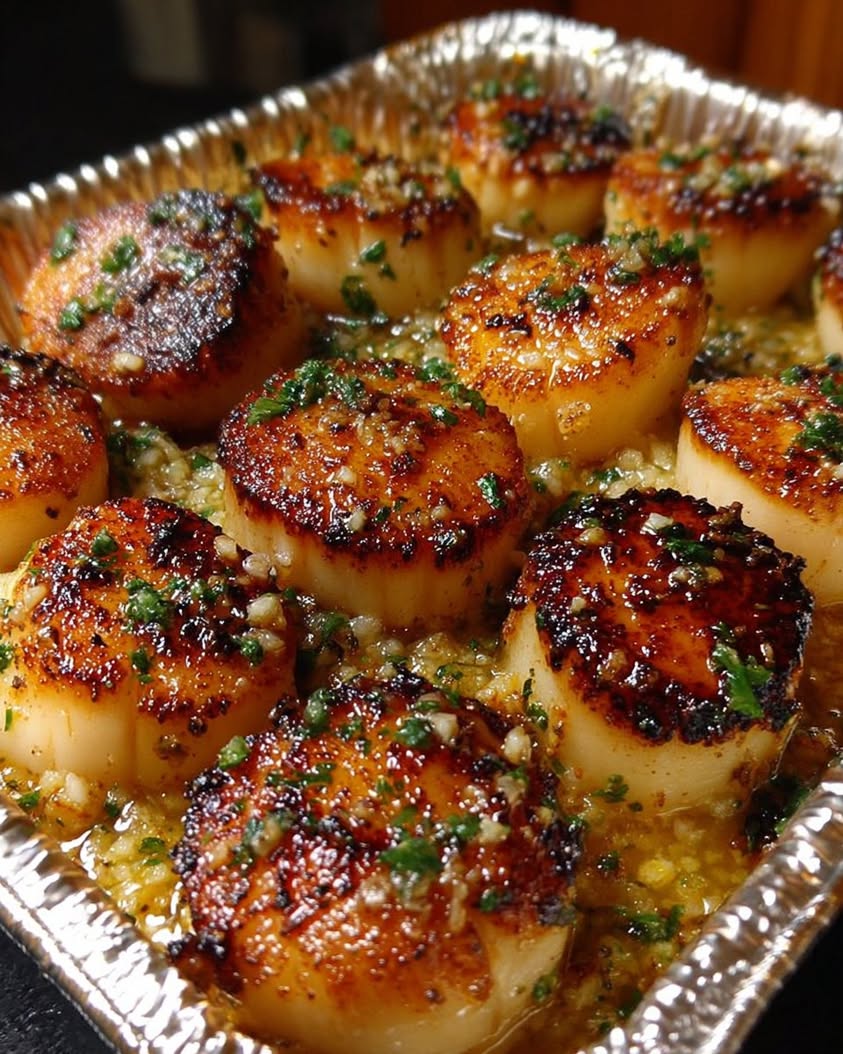
Garlic Butter Baked Scallops: The Easiest 20-Minute Seafood Dinner
Are you ready to transform your weeknight dinner routine? This Garlic Butter Baked Scallops recipe is your ticket to a restaurant-quality meal that is ready in just 20 minutes. Imagine plump, sweet sea scallops nestled in a rich, fragrant pool of garlic butter that sizzles and bubbles as they bake. Consequently, you get a dish that looks impressive but requires almost no hands-on work. The aroma of garlic mingling with butter and a hint of lemon will fill your kitchen, promising a truly special meal.
Moreover, this dish is surprisingly simple. You do not need any advanced cooking skills or a huge list of exotic ingredients. In fact, you probably have most of the items in your pantry right now. We are talking about a straightforward process: make a quick garlic butter sauce, pour it over the scallops, and bake. Therefore, it is the perfect solution for a busy weeknight when you still want to treat yourself. The result is a delicate, buttery seafood dinner that is both elegant and comforting.
Furthermore, the flavor of this dish is incredibly versatile. The richness of the butter perfectly complements the natural sweetness of the scallops. The garlic adds a pungent, savory kick that is aromatic and delicious. A squeeze of fresh lemon juice at the end brightens everything up. As a result, you have a dish that feels luxurious and satisfying without being heavy. This guide will walk you through every step, so you can make perfect Garlic Butter Baked Scallops at home every time.
Quick Recipe Highlights
- Flavor Profile: This dish offers a beautiful balance of rich, savory butter and sweet, tender scallops. The garlic provides a warm, aromatic base that is never overpowering. A touch of lemon and white wine adds a subtle acidity that cuts through the richness.
- Texture: The scallops are baked to a perfect tenderness, offering a soft, buttery bite that practically melts in your mouth. The topping of buttery breadcrumbs provides a slight, satisfying crunch. The overall mouthfeel is smooth and luxurious with a pleasant textural contrast.
- Aroma: Your kitchen will be filled with the inviting scent of garlic and butter. As the scallops bake, a delicate, sweet ocean aroma mingles with the savory notes. The hint of lemon adds a fresh, clean fragrance that ties everything together beautifully.
- Visual Appeal: You will see beautiful, golden-white scallops glistening in a pool of buttery sauce. The breadcrumb topping is toasted to a light, golden brown, offering a nice contrast. A sprinkle of fresh parsley and a lemon wedge add a pop of color and freshness.
- Skill Level Needed: This recipe is designed for beginners but is also a favorite among experienced home cooks. There are no complex techniques like searing or flambéing. You just need to mix, pour, and bake, making it incredibly approachable.
- Special Equipment: You only need a few basic kitchen tools for this recipe. A baking dish, a small saucepan for the butter, and a mixing bowl are all you need. No special machinery or professional-grade tools are required.
Recipe Overview
- Difficulty Level: We have rated this as an easy recipe because the steps are incredibly straightforward. There is no need to worry about overcooking or complex sauces. The oven does most of the work for you. Even if you are new to cooking seafood, you can confidently make this dish.
- Category: This dish fits perfectly into the category of a quick and easy main course. It is light enough for a summer dinner but satisfying for a cold winter night. You can also serve it as a stunning appetizer for a dinner party.
- Cuisine: While not tied to a single specific country, this recipe draws heavy inspiration from classic French and Italian seafood preparations. The combination of garlic, butter, and white wine is a cornerstone of European cooking. It reflects a tradition of letting high-quality ingredients shine with simple preparation.
- Cost: The main cost here is the scallops themselves, which can vary depending on your location and sourcing. Dry-packed sea scallops are the best choice. The other ingredients like butter, garlic, and breadcrumbs are very affordable pantry staples, making this a treat that is still budget-friendly.
- Season: Scallops are available year-round, but their peak season is typically fall and winter. This dish is perfect for any time of year. It is light enough for spring and summer yet warm and comforting for the cooler months.
- Occasion: This recipe is ideal for a variety of occasions. It makes a fantastic weeknight dinner when you want something special without the effort. It is also a wonderful choice for romantic dinners, date nights, or impressing guests at a small dinner party.
Why You Will Love This Recipe
First, the taste and texture combination is truly sublime. You get the natural, briny sweetness of the sea scallops. This is then enveloped in a rich, savory garlic butter sauce that is decadent without being heavy. The slight crunch from the panko breadcrumbs adds a wonderful textural contrast against the tender scallops. Therefore, every single bite is a delightful experience that feels both elegant and incredibly satisfying.
Second, the convenience and preparation benefits are unmatched. This entire dish comes together in just 20 minutes from start to finish. There is minimal prep work, mostly just mincing garlic and patting the scallops dry. Furthermore, the oven does all the cooking, freeing you up to make a salad or set the table. As a result, you can enjoy a gourmet meal without spending the whole evening in the kitchen. This is a game-changer for busy weeknights.
Third, there are significant nutritional advantages to this meal. Scallops are a fantastic source of lean protein, which helps keep you full and satisfied. They are also low in fat and calories while being packed with essential nutrients like vitamin B12 and selenium. Therefore, you can enjoy a rich, buttery dish without any of the guilt. It is a wonderful way to incorporate more heart-healthy seafood into your diet.
Fourth, this recipe has incredible social and entertaining value. It is one of those dishes that looks far more complicated and impressive than it actually is. You can serve it directly from the baking dish for a rustic, family-style meal. Alternatively, you can plate it individually for a more formal presentation. Either way, your guests will be wowed. You will feel like a culinary star without all the stress.
Finally, the cost-effectiveness and accessibility of this dish are major pluses. While scallops are a special ingredient, a little goes a long way here. The supporting ingredients are all pantry staples that you likely already have on hand. Moreover, scallops are widely available in the seafood section of most grocery stores. This means you can treat yourself and your family to a luxurious seafood dinner any day of the week without breaking the bank.
Historical Background and Cultural Significance
The practice of baking seafood with butter and aromatics has roots in ancient coastal communities. Fishermen in Mediterranean regions and along the Atlantic coast of Europe would cook their fresh catch simply. They used local fats, herbs, and garlic to enhance the natural flavor of the fish and shellfish. This combination of garlic and butter became a cornerstone of French cuisine.
In French culinary history, dishes utilizing garlic and butter, such as escargots in garlic butter, became iconic. This technique was then applied to a wide variety of seafood. The simplicity of the method allows the quality of the main ingredient to shine. Consequently, it is a testament to the French philosophy of letting good food speak for itself.
Over time, the recipe for garlic butter baked scallops has evolved and traveled around the world. In America, it became a popular choice for home cooks who wanted an elegant yet unfussy dish. Cooks began to add their own touches, such as breadcrumbs for a crunchier topping or white wine for acidity. This evolution has made the recipe even more accessible and adaptable.
Today, regional variations abound. Some versions add a pinch of red pepper flakes for heat. Others incorporate Parmesan cheese into the breadcrumb topping. In Asian-inspired adaptations, you might find a splash of soy sauce or a sprinkle of sesame seeds. Despite these changes, the heart of the dish remains the same: tender scallops baked in a luxurious garlic butter sauce.
Ingredient Deep Dive
Sea scallops are the star of this show, and they have a storied history. They have been harvested for centuries by coastal communities for their sweet, delicate meat. In many cultures, the scallop shell is a symbol of pilgrimage and fertility. Nutritionally, scallops are a powerhouse, providing a massive amount of protein for very few calories. They are also rich in magnesium and potassium. When selecting them, look for “dry” scallops. They should have a sweet, fresh ocean smell and a firm texture. Store them in the coldest part of your refrigerator, placed on ice.
Butter is the second most important ingredient. It provides the rich, creamy base for the sauce and adds incredible flavor. The history of butter in cooking goes back thousands of years across many cultures. It is a source of healthy fats and fat-soluble vitamins like A and E. Always use unsalted butter so you can control the sodium level. For the best results, choose a high-quality European-style butter with a higher fat content. You can substitute with a good quality salted butter, but reduce the added salt.
Garlic is the aromatic backbone of this dish. It has been a staple in global cuisines for millennia, valued for its pungent flavor and medicinal properties. Allicin, the compound released when garlic is crushed, is responsible for its health benefits, including anti-inflammatory effects. Look for firm, plump heads of garlic without any green sprouts. Store it in a cool, dark, and dry place. Freshly minced garlic is always superior to the pre-minced jarred stuff.
Panko breadcrumbs provide the perfect golden crunch. Unlike fine breadcrumbs, panko is light, flaky, and stays crispier longer. They are a staple in Japanese cuisine and are great for creating texture with minimal oil. Store them in a sealed container in a cool, dry place. If you cannot find panko, you can substitute with crushed crackers or regular breadcrumbs, though the texture will be denser. For a gluten-free option, use crushed pork rinds or almond flour.
White wine and lemon juice add the necessary acidity to balance the richness. The wine deglazes the pan and adds complex flavors, while the lemon provides a bright, fresh finish. Use a dry white wine like Pinot Grigio or Sauvignon Blanc. If you do not cook with wine, a splash of chicken broth or even water with a little extra lemon juice works well. Always finish the dish with a squeeze of fresh lemon right before serving.
Common Mistakes to Avoid
- Do not use wet-packed scallops. This is a critical mistake. Wet-packed scallops have been treated with a sodium solution to preserve them. They release a lot of water during cooking, which will make your sauce watery and your scallops tough. Always buy dry-packed scallops for the best flavor and texture.
- Failing to pat the scallops dry is a common error. Any excess moisture on the surface of the scallops will steam instead of bake. This prevents the butter and seasonings from sticking and clings to the scallops properly. Use paper towels to thoroughly dry each scallop before adding them to the baking dish.
- Overcrowding the baking dish is a big problem. The scallops need a little bit of space to cook evenly. If they are piled on top of each other, they will steam instead of bake properly. Use a single layer in a dish that is just large enough to hold them.
- Do not skip patting the scallops dry. This is a crucial step for achieving a good bake. Wet scallops create too much steam in the oven. As a result, your final dish will be soupy, and the scallops will lack that desirable tender texture.
- Overcooking the scallops is the number one enemy. Scallops cook very quickly. Baking them for 12 to 15 minutes is usually sufficient. If you leave them in too long, they will become rubbery and tough. Watch them closely and pull them out as soon as they are opaque.
- Forgetting the salt and pepper is a simple but damaging mistake. Scallops, butter, and garlic all need seasoning to taste their best. A generous pinch of salt brings out the natural sweetness of the scallops. Freshly ground black pepper adds a subtle warmth and spice.
- Skipping the lemon juice is a missed opportunity for balance. The richness of the garlic butter needs that bright, acidic cut. A squeeze of fresh lemon juice right at the end transforms the entire dish. It wakes up the flavors and prevents the meal from feeling too heavy.
- Do not use pre-minced garlic from a jar. Fresh garlic has a much stronger and more vibrant flavor. Jarred garlic can taste bitter and dull. Take the extra 30 seconds to mince a couple of fresh cloves. The flavor payoff is enormous.
- Baking without a topping is a missed chance for texture. The butter and garlic create a lovely sauce, but the dish feels flat without some crunch. The panko breadcrumbs add that perfect crispiness. Do not skip this element for a more dynamic experience.
Essential Techniques
Properly drying the scallops is essential for this dish. When you bring scallops home from the store, they often have a wet surface. Use several paper towels to gently blot each scallop until it feels dry to the touch. This step is non-negotiable because it allows the butter and seasoning to adhere directly to the scallop. If you skip this, the scallops will release water. Consequently, you end up boiling your scallops in their own juice instead of baking them.
Making the garlic butter sauce is a simple but important technique. You need to melt the butter in a small saucepan over low heat. Then, add the minced garlic and cook it for about one minute until it is fragrant but not brown. If the garlic browns, it becomes bitter and acrid. The goal is just to take the raw edge off the garlic. Therefore, keep the heat low and stir constantly. This process infuses the butter with that delicious, savory garlic flavor.
Baking the scallops correctly requires the right temperature and timing. You want a hot oven, around 400 degrees Fahrenheit. This high heat helps the scallops cook quickly and stay tender. Arrange the scallops in a single layer in a buttered baking dish. Then, pour the garlic butter over them. Bake for about 10 to 12 minutes or until they are just opaque in the center. The key is to check them early because ovens vary.
Pro Tips for Perfect Garlic Butter Baked Scallops
First, always look for “dry” scallops at the seafood counter. Wet scallops have a chemical taste and will ruin your sauce. Ask your fishmonger specifically for dry-packed sea scallops for the best results. This single step can make or break your entire dish.
Second, season the scallops directly with salt and pepper before adding the sauce. Do not just season the butter. Sprinkling a pinch of salt onto the scallops helps to cure them slightly. This process enhances their flavor and gives them a better texture.
Third, use melted butter for the breadcrumb topping. Toss the panko breadcrumbs with a little bit of melted butter before sprinkling them over the scallops. This ensures they toast to a beautiful, even golden brown in the oven. Dry breadcrumbs will just burn or stay pale.
Fourth, do not pour all the butter sauce over the breadcrumbs. Pour most of the sauce around the scallops. Just drizzle a little bit over the top. This keeps the breadcrumbs from getting soggy. They will stay crispy and light, which is the whole point.
Fifth, finish the dish with a squeeze of fresh lemon juice. This is the final, crucial step. The acidity cuts through the richness of the butter and wakes up all the other flavors. It adds a brightness that makes the dish feel fresh and complete.
Sixth, let the scallops rest for two minutes after baking. The residual heat will continue to cook them gently. More importantly, it allows the sauce to settle and thicken slightly. This resting period ensures every bite is perfectly sauced.
Seventh, use a shallow baking dish. A dish that is wide and shallow is better than a deep one. It allows the heat to circulate more evenly around the scallops. This promotes even cooking and prevents the sauce from pooling too deeply.
Variations and Adaptations
Regional variations of this dish are fun to explore. In Greece, you might find a version with olive oil instead of butter and a sprinkle of oregano. In Italy, cooks often add a splash of dry vermouth and a pinch of red pepper flakes. Experimenting with these variations can introduce new flavor profiles to your kitchen.
Seasonal adaptations keep this recipe fresh all year long. In the spring, add fresh peas and a sprinkle of mint to the dish. In the summer, use a mix of heirloom tomatoes alongside the scallops. During the fall, a touch of roasted butternut squash pairs wonderfully with the garlic butter.
Dietary modifications are easy to implement. For a dairy-free version, use a high-quality plant-based butter or ghee. For a gluten-free version, simply swap the panko for crushed pork rinds or a gluten-free panko alternative. You can also reduce the amount of breadcrumbs for a lower-carb option.
Flavor variations can completely change the character of the dish. Try adding a teaspoon of smoked paprika for a deeper, smoky flavor. A pinch of truffle salt can elevate the dish to a new level of luxury. Adding a few capers and a squeeze of lemon makes a lovely piccata-style dish.
Texture modifications allow you to customize the dish to your liking. If you like a softer topping, use fresh breadcrumbs mixed with grated Parmesan. If you want an even crunchier crust, add some crushed garlic chips to the panko. You could also broil the scallops for the last minute for extra browning.
Presentation alternatives are simple to achieve. For an elegant look, serve the scallops individually in small gratin dishes. For a family-style meal, serve them in a beautiful cast-iron skillet. You can also serve them over a bed of creamy polenta or rice to soak up the sauce.
Serving and Presentation Guide
Plating techniques are key for a professional look. For individual servings, use a slotted spoon to lift a few scallops onto a plate. Then, spoon a generous amount of the garlic butter sauce over the top. Let the sauce pool around the scallops for a beautiful effect. A shallow bowl works beautifully for this.
Garnishing ideas are simple but impactful. A sprinkle of fresh, chopped flat-leaf parsley adds a pop of green. A few lemon wedges on the side are both functional and beautiful. You can also add a tiny pinch of fresh chives or dill for an herby finish.
Traditional accompaniments are always a good choice. A side of crusty bread is essential for soaking up the delicious garlic butter. A simple green salad with a lemon vinaigrette provides a nice contrast. Steamed asparagus or green beans also pair wonderfully.
Modern serving suggestions offer new ways to enjoy the dish. Serve the scallops over a bed of creamy cauliflower puree for a low-carb meal. You could also serve them on toast points as a luxurious appetizer. For a light lunch, serve them over a bed of arugula and spinach.
Temperature considerations are very important. This dish is best served immediately while the scallops are hot and the butter is melted and bubbly. It will start to cool down quickly, so have your table set and ready before you take the dish out of the oven.
Portion control tips are helpful for planning. As a main course, plan for about 4 to 6 ounces of scallops per person. This usually amounts to about 4 to 5 large sea scallops. As an appetizer, you can serve 2 to 3 scallops per person, depending on the occasion.
Wine and Beverage Pairing
Wine pairings for this dish are delightful. A crisp, unoaked Chardonnay is a classic and wonderful choice. Its bright acidity and subtle citrus notes cut through the butter perfectly. Another excellent option is a dry Sauvignon Blanc. Its herbal and grassy notes complement the garlic, while its acidity cleanses the palate.
Non-alcoholic alternatives are equally satisfying. A sparkling water with a squeeze of lemon or a slice of cucumber is very refreshing. The bubbles and acidity help to cut the richness of the dish. You could also try a crisp, non-alcoholic white wine or a herbal iced tea.
Coffee and tea pairings are less common but can work beautifully. A light, floral green tea would be a very elegant pairing. A high-quality iced tea with a hint of lemon is also a great choice. Avoid anything too strong or bitter, which would overpower the delicate scallops.
Temperature considerations are key for your beverage. The wine or sparkling water should be well-chilled. A warm beverage would not offer the same refreshing contrast to the hot, buttery dish. Serve your chosen drink in a chilled glass for the best experience.
Serving suggestions for beverages are simple. Pour the wine with the meal. For a dinner party, you could offer both a white wine and a non-alcoholic option. Keep the drinks cold and offer refills as needed. This allows your guests to enjoy the pairing at their own pace.
Storage and Shelf Life
Storage methods are important for leftover scallops. If you have any leftovers, allow them to cool to room temperature first. Then, transfer the scallops and their sauce to an airtight container. Do not leave them out on the counter for more than two hours for safety reasons.
Temperature requirements are specific for seafood. Always store leftover scallops in the refrigerator. Keep them at a consistent temperature of 40 degrees Fahrenheit or below. This prevents any bacterial growth and helps to maintain the quality of the seafood.
Container recommendations are simple to follow. A glass or plastic container with a tight-fitting lid is ideal. You want to prevent the strong garlic and fish aromas from spreading to other foods in the fridge. An airtight seal is key for flavor preservation.
Signs of spoilage are important to recognize before reheating. Fresh scallops should smell sweet, not fishy or sour. If the leftovers have a strong, unpleasant, or ammonia-like smell, you should discard them. Also, if the texture has become slimy, they are no longer safe to eat.
Reheating instructions are critical to avoid rubbery scallops. The best way to reheat them is gently. Place them in a saucepan over very low heat, adding a small splash of water or broth. Warm them only until heated through, which takes just a few minutes. Avoid the microwave, as it will toughen them.
Freezing guidelines are useful for long-term storage. Cooked scallops do not freeze well, as they tend to become very watery and lose their texture. It is best to enjoy this dish fresh. If you must freeze them, place them in a freezer-safe container and use them within one month.
Make Ahead Strategies
Prep timeline is a key strategy for busy hosts. You can prepare the garlic butter sauce up to two days in advance. Simply melt the butter and mince the garlic together, then store it in the fridge. You can also prepare the breadcrumb topping and store it separately. This cuts your day-of prep down to just a few minutes.
Storage between steps is important for food safety. The garlic butter and the breadcrumbs should be stored in separate airtight containers in the refrigerator. Keep the scallops themselves fresh in the coldest part of the fridge. Do not combine them until you are ready to bake.
Quality impact assessment is crucial for planning. The quality of this dish is best when it is baked fresh. The scallops can become watery if they sit in the sauce for too long. Therefore, the make-ahead strategy is best for the components, not the fully assembled dish.
Assembly tips are helpful for final preparations. When you are ready to cook, pat the scallops dry again. Then, arrange them in the baking dish. Pour the chilled garlic butter over the top, then sprinkle with the breadcrumbs. Bake immediately for the best results.
Reheating guidelines are the same as for leftovers. If you have fully baked the dish, reheat it gently. The microwave is not recommended. A low oven or a skillet on the stovetop will give you better results with less risk of toughening the scallops.
Fresh element additions can brighten up a make-ahead dish. Always add fresh lemon juice and fresh herbs just before serving. Do not add these during the prep stage. Their bright, fresh flavors are essential for a final pop. A fresh salad on the side also brings a lot to the table.
Scaling Instructions
Halving the recipe is straightforward for a smaller meal. Simply use half the amount of scallops and half the ingredients for the sauce. The baking time might reduce slightly, so check for doneness a couple of minutes earlier. Use a smaller baking dish to keep the depth of the sauce the same.
Doubling or tripling the recipe is easy for a crowd. The math is simple: multiply every ingredient by the factor you need. The biggest challenge is oven space. You may need to use two separate baking dishes instead of one very large one. This ensures even cooking and prevents overcrowding.
Equipment adjustments are necessary for larger batches. A single, oversized baking dish can cause the scallops to steam. It is better to use multiple, standard-sized dishes. This allows for better heat circulation and more control over doneness.
Timing modifications are critical when scaling. A larger batch of scallops will take a little longer to come up to temperature. However, the actual cooking time might not change much. Start checking for doneness at the 12-minute mark. The internal temperature should be 120 degrees Fahrenheit.
Storage considerations become more important with large batches. Cooked scallops should not sit at room temperature for long. If you are making a huge batch for a party, try to bake them in smaller waves. This ensures they are served hot and fresh, rather than sitting under a heat lamp.
Nutritional Deep Dive
Macro breakdown shows this dish is a great source of protein. A standard serving of 4 ounces of scallops provides about 20 grams of protein. The butter adds fat, but the overall protein content is high relative to the calories. This makes it a very satisfying meal component.
Micronutrient analysis reveals a wealth of benefits. Scallops are loaded with vitamin B12, which supports nerve function and energy. They are also one of the best food sources of selenium, a powerful antioxidant. You also get a good amount of phosphorus and zinc.
Health benefits are a major plus for this recipe. The protein in scallops helps build and repair tissues. The selenium content supports thyroid function and fights oxidative stress. The omega-3 fatty acids in seafood are excellent for heart health. This dish is a healthy way to enjoy a rich flavor.
Dietary considerations are easy to manage. This dish is naturally low in carbohydrates and sugar. It is also a very good source of high-quality protein. For those watching their sodium, be mindful of the salt added in the butter and seasoning. The wet-packed scallops also contain more sodium.
Portion analysis helps with meal planning. A serving of scallops is about 4 to 6 ounces raw. This is a generous portion for a main course. The sauce adds extra calories, but the dish is still very light. You can easily fit this into a balanced diet.
Weight management tips are helpful for mindful eating. Because the dish is so flavorful, you can feel satisfied with a smaller portion of scallops. Serve it over a large bed of steamed vegetables or a light salad. This adds volume and fiber without many extra calories.
Dietary Adaptations
Gluten-free adaptation is very simple. The main source of gluten in this recipe is the panko breadcrumbs. You can easily substitute them with a gluten-free panko brand. Alternatively, you can use crushed pork rinds for a low-carb and gluten-free crunchy topping. The rest of the dish is naturally gluten-free.
Dairy-free adaptation requires a good substitute for butter. Use a high-quality plant-based butter made from olive oil or avocado oil. You can also use ghee, which is clarified butter and is generally tolerated by people with lactose intolerance. The flavor will change slightly, but the result will still be delicious.
Vegan adaptation is possible but requires a significant change. You will need to replace the scallops with a plant-based alternative like king oyster mushrooms. Slice the mushroom stems into scallop-sized rounds and marinate them in seaweed for a briny flavor. The garlic butter can be made with vegan butter.
Low-carb adaptation is already close to perfect. The scallops themselves are very low in carbs. The breadcrumb topping is the main source of carbohydrates. You can simply omit the breadcrumbs or use crushed pork rinds or almond flour. This will keep the dish very low in carbs.
Keto adaptation is excellent because of the high fat content. The butter provides plenty of healthy fat for a ketogenic diet. Scallops are low in carbs and high in protein. Omit the breadcrumbs or use pork rinds. This makes a perfect keto-friendly main dish.
Paleo adaptation is straightforward. Use a high-quality grass-fed butter or ghee. Make sure all ingredients are whole and unprocessed. The scallops are a pure, primal food. Serve it with a side of steamed vegetables or a simple salad. This fits perfectly within the paleo framework.
Low-FODMAP adaptation requires attention to the garlic. Garlic is a high-FODMAP food. You can use the green part of a leek or garlic-infused oil instead of minced garlic. The lemon juice and butter are fine. This allows people with IBS to enjoy the dish without discomfort.
Troubleshooting Guide
Texture issues are the most common complaint. If your scallops are rubbery, it is a clear sign of overcooking. Next time, reduce the baking time by a few minutes. If they are watery and bland, you probably used wet-packed scallops. Switch to dry-packed for a much better result.
Flavor balance can be easily adjusted. If the dish tastes too flat, it likely needs more salt and acid. Add a pinch of salt and a squeeze of fresh lemon juice. If it tastes too rich and heavy, the lemon is your best friend. The acidity will cut through the butter.
Temperature problems often stem from the oven. If the butter is browning too quickly but the scallops are raw, your oven is too hot. Reduce the temperature by 25 degrees. If the scallops are cooking too slowly, your oven might run cold. Use an oven thermometer to verify the temperature.
Equipment challenges are rare but possible. If you do not have a baking dish, you can use a cast-iron skillet. If you do not have a saucepan for the butter, melt it in the microwave at 50% power in a microwave-safe bowl. Always ensure your equipment is clean and dry.
Ingredient substitutions can sometimes cause issues. If you use margarine instead of butter, the flavor will be different and the sauce might separate. If you use jarred garlic, it can burn and become bitter. Stick to the recommended ingredients for the best results.
Timing concerns are the biggest variable. Always start checking your scallops at the 10-minute mark. Ovens vary a lot. Do not rely solely on the timer. Look for visual cues: the scallops will be opaque in the center, and the breadcrumbs will be golden brown.
Recipe Success Stories
Community feedback is always positive for this recipe. Many home cooks share that they were intimidated by seafood before making this. They are often thrilled to find out how simple and foolproof it really is. One reader mentioned it was the first time she cooked scallops that were not rubbery.
Variation successes are inspiring to hear. A cook in Florida added a splash of hot sauce and some diced jalapeno. She said it was a huge hit at a Super Bowl party. Another reader substituted the breadcrumbs with crushed up buttery crackers for an even richer taste.
Adaptation stories show the recipe’s versatility. A mother of a child with celiac disease was grateful for the gluten-free panko suggestion. She reported her whole family loved it. A vegan reader successfully used oyster mushrooms and shared her positive results with the group.
Reader suggestions have improved the recipe over time. Someone recommended adding a pinch of smoked paprika to the butter. This has become a favorite variation. Another reader suggested using scallop shells for a more elegant presentation. This is a great tip for special occasions.
Photography tips from readers are very helpful. Several people note that the dish looks best when served immediately. The butter glistens and the breadcrumbs Print
Garlic Butter Baked Scallops
- Total Time: 22 minutes
- Yield: 4
Description
Succulent sea scallops baked in a rich garlic butter sauce with a crispy breadcrumb topping. A quick and elegant seafood dish perfect for a special dinner.
Ingredients
- 1 lb sea scallops, patted dry
- 4 tbsp unsalted butter, melted
- 4 cloves garlic, minced
- 1/4 cup panko breadcrumbs
- 2 tbsp grated Parmesan cheese
- 1 tbsp fresh lemon juice
- 2 tbsp chopped fresh parsley
- Salt and pepper to taste
Instructions
- Preheat oven to 425°F (220°C). Lightly grease a baking dish.
- In a small bowl, combine melted butter, minced garlic, lemon juice, salt, and pepper.
- Arrange scallops in a single layer in the prepared baking dish. Pour the garlic butter mixture evenly over the scallops.
- In another small bowl, mix panko breadcrumbs and Parmesan cheese. Sprinkle the breadcrumb mixture over the scallops.
- Bake for 10-12 minutes, until scallops are opaque and the topping is golden and bubbly.
- Remove from oven, garnish with fresh parsley, and serve immediately.
Notes
You can customize the seasonings to taste.
- Prep Time: 10 minutes
- Cook Time: 12 minutes
- Method: Main
- Cuisine: American