Pear Gorgonzola Walnut Flatbread with Balsamic Glaze: An Elegant Yet Easy Crowd-Pleaser
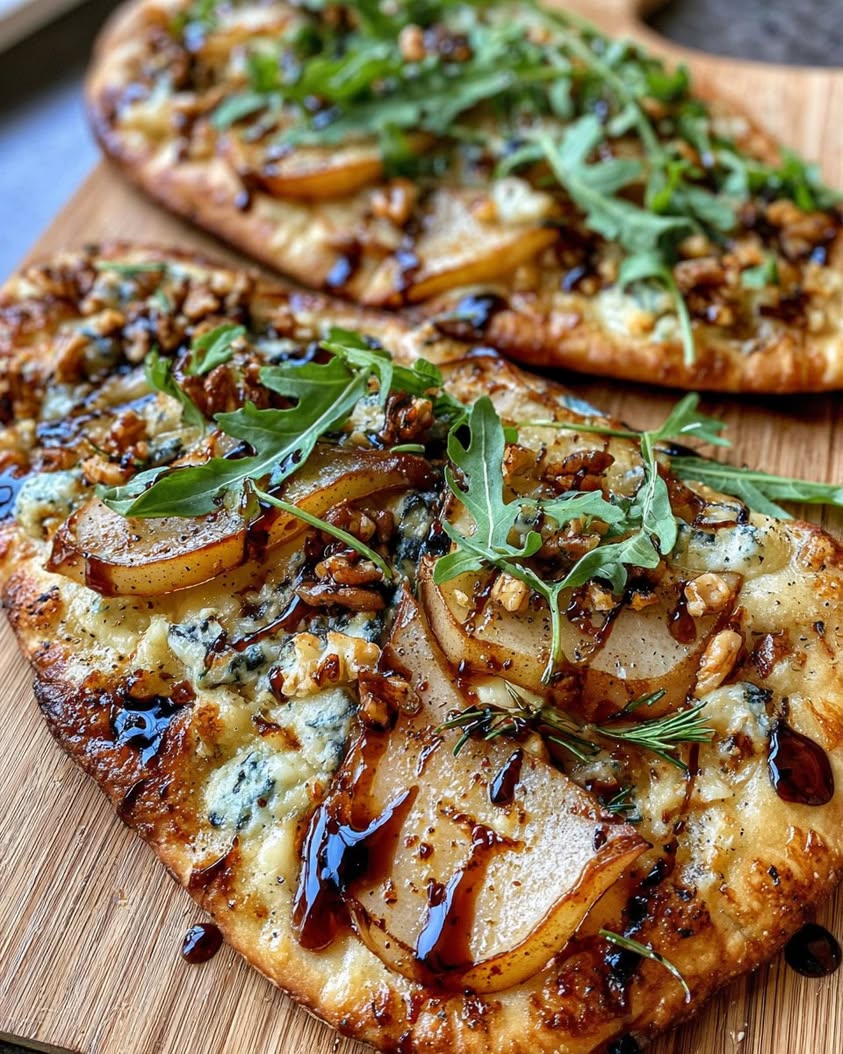
If you have been searching for a show-stopping appetizer that comes together without stress, this Pear Gorgonzola Walnut Flatbread with Balsamic Glaze delivers on every front. Sweet slices of ripe pear meet bold, creamy Gorgonzola cheese, while toasted walnuts add a satisfying crunch. A drizzle of rich balsamic glaze ties everything together with a tangy finish that keeps you coming back for another bite. Whether you serve it at a dinner party or enjoy it as a weeknight treat, this flatbread proves that simple ingredients can create something truly memorable.
The magic of this Pear Gorgonzola Walnut Flatbread with Balsamic Glaze lies in its balance of flavors and textures. Each bite offers the gentle sweetness of fruit, the earthy pungency of blue cheese, and the warm nuttiness of toasted walnuts. Because the oven does most of the work, you can focus on enjoying your guests rather than stressing over complicated steps. Home cooks of all skill levels will find this recipe approachable, and the result looks like it came straight from an upscale restaurant kitchen.
Moreover, this Pear Gorgonzola Walnut Flatbread with Balsamic Glaze fits beautifully into almost any menu. You can slice it into small pieces for a cocktail hour spread or serve larger portions alongside a crisp green salad for a light meal. The combination of fruit, cheese, and nuts feels sophisticated, yet the preparation remains refreshingly straightforward. Keep reading to discover why this flatbread deserves a permanent spot in your recipe rotation.
Quick Recipe Highlights
- Flavor Profile: Sweet pear balances the sharp, tangy bite of Gorgonzola. Toasted walnuts add an earthy depth, and the balsamic glaze brings a syrupy tartness that rounds out every bite.
- Texture: The crust turns crisp and golden at the edges while staying slightly chewy in the center. Creamy melted cheese contrasts with the crunch of walnuts and the soft, juicy pear slices.
- Aroma: Warm bread fills the kitchen with a comforting scent. The pungent cheese and nutty walnuts create an inviting fragrance that signals something special is on the way.
- Visual Appeal: Golden crust, creamy white and blue-veined cheese, pale pear slices, and dark balsamic drizzle create a beautiful contrast. A sprinkle of fresh herbs adds a pop of green color.
- Skill Level Needed: This recipe suits beginners who can slice ingredients and operate an oven. A few simple techniques, such as toasting walnuts and reducing balsamic glaze, add polish without much difficulty.
- Special Equipment: You need a baking sheet or pizza stone and parchment paper for easy cleanup. A small saucepan handles the balsamic glaze, and a sharp knife or mandoline makes quick work of the pear.
Recipe Overview
- Difficulty Level: This recipe earns an easy to moderate rating because the steps are simple, but a few details matter. Toasting the walnuts and reducing the balsamic glaze require attention so they do not burn. However, the overall process stays forgiving, and even first-time cooks can succeed.
- Category: This flatbread works as an appetizer, a light main course, or a shareable snack. You can also serve it as part of a brunch spread or a holiday grazing table.
- Cuisine: The dish draws on Italian flatbread traditions combined with French and American artisan pizza influences. Gorgonzola and balsamic glaze both hail from Italy, while the pear and walnut pairing reflects classic European flavor combinations.
- Cost: Expect moderate costs because Gorgonzola and walnuts cost more than basic pantry staples. However, the remaining ingredients, including flatbread, pear, and balsamic vinegar, are affordable. Overall, the recipe delivers restaurant-quality results for a fraction of the price.
- Season: Fall and winter suit this flatbread best because pears reach peak sweetness during those months. Nevertheless, you can make it year-round with whatever pears your store carries.
- Occasion: This flatbread shines at dinner parties, holiday gatherings, and casual get-togethers. It also works well for date nights at home or a cozy weekend lunch.
Why You Will Love This Recipe
The taste and texture of this Pear Gorgonzola Walnut Flatbread with Balsamic Glaze create an experience that feels far more complex than the effort required. Sweet, juicy pear slices soften slightly in the oven and release their natural sugars. Meanwhile, Gorgonzola melts into creamy pools that coat every bite with tangy richness. Toasted walnuts stay crisp and add a welcome crunch, and the balsamic glaze delivers a glossy, tart finish that cuts through the richness. Few recipes achieve this level of contrast with so few ingredients.
Convenience also makes this flatbread a favorite among busy home cooks. You can use store-bought flatbread or naan to skip dough preparation entirely. From start to finish, the recipe takes about 35 minutes, and most of that time requires no active attention. As a result, you can assemble the flatbread while the oven preheats and still have dinner on the table quickly. Cleanup stays minimal because parchment paper protects your baking sheet.
Nutritionally, this flatbread offers more than empty calories. Pears provide fiber and vitamin C, while walnuts deliver heart-healthy omega-3 fatty acids. Gorgonzola contributes calcium and protein, and the olive oil used for drizzling adds beneficial fats. Although cheese and glaze add richness, moderate portions fit comfortably into a balanced diet. Consequently, you can feel good about serving this dish to family and friends.
Socially, this Pear Gorgonzola Walnut Flatbread with Balsamic Glaze encourages sharing and conversation. Its striking presentation invites photos and compliments, and the flavors appeal to adventurous eaters and traditional palates alike. You can slice it into small squares for easy grabbing at parties or cut it into wedges for a sit-down meal. Because it looks impressive, guests often assume you spent hours in the kitchen, even though the recipe stays remarkably simple.
Finally, cost-effectiveness makes this recipe appealing for everyday cooking. Compared to ordering a similar flatbread at a restaurant, making it at home saves money without sacrificing quality. The ingredient list stays short, and most items, such as balsamic vinegar, olive oil, and walnuts, last through multiple uses. Therefore, this flatbread offers excellent value while delivering a gourmet experience.
Historical Background and Cultural Significance
Flatbreads have sustained cultures around the world for thousands of years, and the Italian tradition of topping bread with local ingredients inspired this recipe. In northern Italy, cooks have long paired fruit with cheese, and the combination of pear and Gorgonzola appears in many regional dishes. Walnuts grow abundantly in Italian regions like Emilia-Romagna and Tuscany, so adding them to cheese and fruit dishes feels natural. The balsamic glaze traces its roots to Modena, where artisans have produced balsamic vinegar for centuries.
Culturally, this flatbread represents the Italian philosophy of simple, high-quality ingredients. Rather than masking flavors with heavy sauces, the recipe lets each component shine. The sweet-savory pairing of fruit and cheese also appears in many European culinary traditions, from French tarts to Spanish tapas. Consequently, the flatbread bridges multiple traditions while remaining accessible to American home cooks.
The evolution of this recipe reflects modern cooking trends toward convenience and bold flavors. Store-bought flatbread has made homemade versions of artisan pizzas and flatbreads easier than ever. Meanwhile, balsamic glaze, once a specialty item, now appears on grocery shelves nationwide. As a result, home cooks can recreate restaurant-style dishes without hunting for rare ingredients. The Pear Gorgonzola Walnut Flatbread with Balsamic Glaze embodies this shift toward accessible elegance.
Regional variations of similar dishes exist across Europe and the United States. In Italy, you might find focaccia topped with Gorgonzola and figs. In California, chefs often pair pears with blue cheese on wood-fired pizzas. Some versions add arugula, prosciutto, or honey for extra complexity. Regardless of the variation, the core combination of sweet fruit, pungent cheese, and crunchy nuts remains a beloved formula.
Ingredient Deep Dive
Pears have grown in Europe and Asia for thousands of years, and they symbolize abundance in many cultures. Nutritionally, pears provide dietary fiber, vitamin C, and potassium, making them a healthy addition to any meal. When selecting pears, choose firm but ripe fruit that yields slightly to pressure near the stem. Bosc and Anjou varieties work well because they hold their shape when baked. Store pears at room temperature until ripe, then refrigerate them for up to five days. If you lack pears, apples or figs make excellent substitutes.
Beyond their sweetness, pears add moisture and texture to the flatbread. Slicing them thinly ensures they soften in the oven without becoming mushy. You can peel the pears or leave the skin on for extra color and fiber. Either way, the fruit brings a fresh, juicy element that balances the richness of the cheese.
Gorgonzola originated in the Italian town of Gorgonzola near Milan, and it has been produced since the Middle Ages. This blue cheese offers protein, calcium, and a bold flavor that intensifies when melted. When buying Gorgonzola, look for a creamy texture and a mild, pleasant aroma. Avoid cheese with dry edges or excessive ammonia smell. Store Gorgonzola wrapped in foil in the refrigerator and use it within two weeks. If you prefer a milder option, try blue cheese or fontina as a substitute.
Gorgonzola comes in two styles: dolce, which is mild and creamy, and piccante, which is sharper and crumbly. Dolce works best for this flatbread because it melts smoothly and does not overpower the other ingredients. Crumbling the cheese yourself ensures even distribution and better melting.
Walnuts have nourished humans for thousands of years, and they appear in cuisines from Persia to France. These nuts provide omega-3 fatty acids, protein, and antioxidants, supporting heart health and brain function. Choose walnuts that feel heavy for their size and smell fresh, not rancid. Store them in an airtight container in the refrigerator or freezer to extend shelf life. Pecans or almonds can replace walnuts if needed, though the flavor will differ slightly.
Toasting walnuts before adding them to the flatbread deepens their flavor and improves texture. A quick dry toast in a skillet or a few minutes in the oven releases their oils and creates a nuttier taste. Always watch them closely because nuts burn quickly.
Balsamic vinegar comes from Modena, Italy, where producers age it in wooden barrels for years. The glaze forms when you reduce balsamic vinegar with a little sugar or honey until syrupy. Nutritionally, balsamic vinegar contains antioxidants and may support blood sugar regulation. Purchase a mid-range balsamic vinegar for reduction, since expensive aged varieties work better as finishing drizzles. Store balsamic vinegar in a cool, dark place for months. If you need a substitute, try pomegranate molasses or a honey-soy reduction.
Making balsamic glaze at home costs less than buying pre-made versions and lets you control sweetness. Simmer the vinegar gently until it coats the back of a spoon, then let it cool. The glaze thickens further as it cools, so stop cooking slightly before you reach your desired consistency.
Common Mistakes to Avoid
- Overloading the flatbread with toppings causes sogginess and uneven cooking. Keep layers thin and spread ingredients evenly across the surface.
- Skipping the walnut toasting leaves the nuts bland and soft. Always toast them briefly to bring out their flavor and crunch.
- Using unripe pears results in hard, flavorless slices. Choose pears that yield slightly to pressure for the best texture.
- Burning the balsamic glaze happens quickly at high heat. Simmer gently and stir often to prevent scorching.
- Adding balsamic glaze before baking causes the flatbread to become sticky. Drizzle the glaze after baking for the best finish.
- Cutting the flatbread immediately after baking smears the cheese. Let it rest for a couple of minutes before slicing.
- Overcrowding the baking sheet traps steam and prevents crisping. Use a large sheet or bake in batches.
- Neglecting to preheat the oven leads to pale, soggy crust. Always preheat fully before baking.
- Using cold Gorgonzola straight from the refrigerator makes crumbling difficult. Let it sit at room temperature for a few minutes.
- Forgetting to taste the final product means missing flavor balance issues. Taste a small piece and adjust with a drizzle of honey or extra glaze if needed.
Essential Techniques
Toasting walnuts properly develops their flavor and prevents blandness. Heat a dry skillet over medium heat, then add the walnuts in a single layer. Stir frequently for three to five minutes until fragrant and lightly browned. You can also toast them in a 350-degree oven for about seven minutes. Watch closely because nuts burn fast, and burned walnuts taste bitter. Visual cues include a slightly darker color and a nutty aroma.
Reducing balsamic vinegar requires gentle heat and patience. Combine vinegar with a small amount of honey or sugar in a saucepan, then bring it to a simmer over medium heat. Stir occasionally and cook for about ten to fifteen minutes until the mixture coats a spoon. Avoid boiling vigorously because high heat can cause the sugar to burn. The glaze should look glossy and viscous, and it thickens more as it cools.
Slicing pears thinly and evenly ensures they cook at the same rate. Use a sharp knife or mandoline to create slices about one-eighth inch thick. Remove the core and seeds before slicing. Even slices lie flat on the flatbread and soften consistently in the oven. Uneven slices may leave some pieces undercooked and others mushy.
Assembling the flatbread in the right order prevents sogginess and ensures even melting. Start with a light drizzle of olive oil on the crust, then add the cheese, followed by the pear slices. Leave the walnuts and balsamic glaze for after baking. This sequence keeps the nuts crisp and prevents the glaze from burning.
Pro Tips for Perfect Pear Gorgonzola Walnut Flatbread with Balsamic Glaze
Use a preheated baking sheet or pizza stone to create a crisp bottom crust. A hot surface jump-starts browning and helps the flatbread bake evenly. For extra crunch, brush the edges of the crust with olive oil before baking.
Choose flatbread or naan that feels sturdy enough to hold toppings. Thin crusts may buckle under the weight of cheese and fruit. If using pita, consider splitting it open for a thinner base.
Balance the sweetness of the pears with a light drizzle of honey only if needed. Overly sweet pears may require a squeeze of lemon juice before baking to brighten the flavor.
Add fresh herbs after baking to preserve their color and fragrance. Arugula, thyme, or rosemary all complement the flavors beautifully. Tossing arugula with a drop of olive oil adds a fresh, peppery finish.
Crumble the Gorgonzola into small, even pieces so it melts uniformly. Large chunks may stay cold in the center while the edges bubble.
Let the flatbread cool on a wire rack for two minutes before slicing. This brief rest prevents cheese from sliding off and makes cutting cleaner.
Make the balsamic glaze ahead of time and store it in a squeeze bottle for easy drizzling. This step saves time on busy evenings and reduces last-minute stress.
Serve the flatbread immediately for the best texture. If you must hold it, keep it warm in a low oven, but avoid covering it tightly, which traps steam.
Variations and Adaptations
Regional variations of this flatbread appear across Italy and the United States. In Italy, cooks might use focaccia as the base and add figs instead of pears. California chefs often incorporate arugula tossed in lemon juice for a fresh finish. Some variations include prosciutto or honey for added richness. You can explore these regional twists while keeping the core pear, Gorgonzola, and walnut combination intact.
Seasonal adaptations allow you to enjoy this flatbread year-round. In fall, use ripe Bosc pears and add a sprinkle of fresh thyme. During summer, substitute peaches or nectarines for a brighter, juicier version. Winter calls for roasted pears and a touch of cinnamon. Spring pairs well with strawberries and a lighter cheese such as goat cheese.
Dietary modifications make this recipe accessible to more eaters. Use gluten-free flatbread for a gluten-free version. Replace Gorgonzola with a dairy-free blue cheese alternative for a dairy-free option. For a vegan version, use dairy-free cheese and omit the honey from the glaze. These swaps may change the flavor slightly, so taste and adjust as needed.
Flavor variations let you personalize the recipe to your preferences. Add caramelized onions for extra sweetness and depth. Sprinkle red pepper flakes for a spicy kick. Swap walnuts for pecans or pistachios. A drizzle of truffle oil elevates the flatbread to a luxurious treat.
Texture modifications can suit different preferences. Add a handful of fresh arugula after baking for a crisp, peppery bite. Sprinkle toasted breadcrumbs for extra crunch. Use a thinner crust for a cracker-like texture or a thicker crust for a chewier result.
Presentation alternatives help you serve the flatbread in creative ways. Cut it into small squares for party appetizers. Slice it into wedges for a sit-down dinner. Serve it on a wooden board with fresh fruit and cheese for a grazing table. Stack pieces on a platter for a dramatic presentation.
Serving and Presentation Guide
Plating techniques matter when you serve this Pear Gorgonzola Walnut Flatbread with Balsamic Glaze. Start with a clean cutting board or slate platter that complements the warm colors of the flatbread. Slice the flatbread into even pieces and arrange them slightly overlapping for visual interest. Drizzle a little extra balsamic glaze over the top for a glossy finish.
Garnishing ideas can elevate the flatbread from simple to stunning. Fresh arugula leaves add a pop of green and a peppery flavor. A sprinkle of fresh thyme or rosemary adds elegance. Cracked black pepper and a few flakes of sea salt finish the dish beautifully. Microgreens also work well for a delicate touch.
Traditional accompaniments include a simple green salad with lemon vinaigrette or a bowl of roasted vegetables. A charcuterie board with cured meats and olives rounds out the meal. Toasted nuts and dried fruit add texture and sweetness to the spread.
Modern serving suggestions include pairing the flatbread with a crisp white wine or a light craft beer. For a casual gathering, serve it with sparkling water and fresh fruit. A side of fig jam or honey invites guests to customize their bites.
Temperature considerations matter because the flatbread tastes best warm from the oven. Serve it within fifteen minutes of baking for optimal texture. If serving outdoors, keep the flatbread covered loosely with foil to retain warmth.
Portion control tips help you plan for crowds. One batch serves four to six as a main course or eight to ten as an appetizer. For larger gatherings, make multiple batches and stagger baking times. Cut smaller pieces for appetizer portions and larger wedges for main courses.
Wine and Beverage Pairing
Wine pairings for this flatbread should balance the pungent cheese and sweet fruit. A crisp Sauvignon Blanc offers bright acidity that cuts through the richness of Gorgonzola. Chardonnay with light oak adds a buttery note that complements the creamy cheese. For red wine lovers, a light Pinot Noir works beautifully without overpowering the delicate pear.
Non-alcoholic alternatives include sparkling water with lemon or a crisp apple cider. A ginger ale with lime offers sweetness and effervescence. Iced tea with lemon provides a refreshing option for warm afternoons. These drinks pair well without competing with the food.
Coffee and tea pairings may seem unconventional, but a mild green tea or a light rooibos complements the flavors. Avoid strong coffee, which can overpower the delicate fruit. A cup of chamomile tea pairs nicely with the nutty walnuts.
Temperature considerations for beverages matter because cold drinks refresh the palate between bites. Serve white wine well chilled and red wine slightly below room temperature. Non-alcoholic drinks should be served over ice for maximum refreshment.
Serving suggestions include offering a variety of drinks so guests can choose what they prefer. A small wine tasting with two or three options adds a fun element to the meal. Provide water glasses and napkins for easy sipping.
Storage and Shelf Life
Storage methods for this Pear Gorgonzola Walnut Flatbread with Balsamic Glaze affect quality and safety. Store leftovers in an airtight container in the refrigerator for up to three days. Place parchment paper between layers to prevent sticking. Keep the balsamic glaze separately to avoid sogginess.
Temperature requirements are straightforward because the flatbread should stay refrigerated. Set your refrigerator to 40 degrees Fahrenheit or below. Avoid leaving the flatbread at room temperature for more than two hours.
Container recommendations include shallow glass containers or zip-top bags. Glass containers prevent crushing and keep the flatbread intact. Zip-top bags save space but may cause the crust to soften.
Signs of spoilage include mold, off smells, or sliminess. Discard the flatbread if any of these signs appear. The cheese may develop a stronger smell over time, which indicates it is past its prime.
Reheating instructions help restore crispness and flavor. Reheat the flatbread in a 350-degree oven for five to seven minutes. Avoid microwaving, which makes the crust soggy. A toaster oven works well for single portions.
Freezing guidelines allow longer storage, though quality may decline. Freeze slices on a baking sheet, then transfer to a freezer bag for up to two months. Reheat directly from frozen in a hot oven. The pears may release extra moisture after freezing, so expect a slightly softer texture.
Make Ahead Strategies
Prep timeline planning makes this recipe even easier on busy days. You can slice the pears and crumble the cheese up to one day ahead. Store them separately in the refrigerator. Toast the walnuts and make the balsamic glaze up to a week in advance for maximum convenience.
Storage between steps keeps ingredients fresh and ready to assemble. Keep sliced pears in an airtight container with a squeeze of lemon juice to prevent browning. Store crumbled cheese in a covered container. Keep walnuts in a sealed jar at room temperature.
Quality impact assessment shows minimal loss when you prep ahead. Pears may brown slightly but remain flavorful. Cheese stays fresh for several days. Walnuts remain crisp if stored properly. Balsamic glaze keeps for weeks in the refrigerator.
Assembly tips help you finish quickly when guests arrive. Set out all prepped ingredients on the counter before guests arrive. Assemble the flatbread in minutes and bake while everyone settles in.
Reheating guidelines for make-ahead versions match those for leftovers. Reheat in a hot oven to restore crispness. Avoid reheating the whole flatbread if only a few slices remain.
Fresh element additions should happen right before serving. Add fresh herbs or arugula after reheating to keep them vibrant. Drizzle balsamic glaze just before serving to maintain its glossy appearance.
Scaling Instructions
Halving the recipe works well for smaller households or intimate gatherings. Use half the flatbread and scale down the toppings accordingly. Keep the balsamic glaze recipe the same or make a smaller batch since it stores well. Baking time remains similar, so watch closely to prevent burning.
Doubling or tripling the recipe requires planning for equipment and space. Use multiple baking sheets or bake in batches. Keep prepared flatbreads warm in a low oven while the rest bake. Adjust glaze quantities by making larger batches in a bigger saucepan.
Equipment adjustments matter when scaling up. Ensure you have enough baking sheets and parchment paper. A larger saucepan prevents overflow when reducing more balsamic vinegar. Serving platters should accommodate the larger quantity.
Timing modifications include extending prep time and monitoring oven space. Prep time increases with more ingredients to slice and toast. Bake time stays the same per batch, so plan for longer overall cooking when making multiple batches.
Storage considerations for scaled recipes include having enough containers. Large quantities require larger containers or multiple smaller ones. Label containers with dates to track freshness.
Nutritional Deep Dive
The macro breakdown of this flatbread includes carbohydrates from the crust and pears, protein from cheese and walnuts, and fat from olive oil, cheese, and nuts. A single serving provides a balanced mix of nutrients. Portion sizes affect total calories, so adjust based on your dietary needs.
Micronutrient analysis reveals vitamin C from pears, calcium from Gorgonzola, and omega-3 fatty acids from walnuts. These nutrients support immune function, bone health, and heart health. Pears also provide fiber, which aids digestion.
Health benefits include improved satiety from fiber and protein, which helps prevent overeating. The healthy fats in walnuts support heart health. Antioxidants from balsamic vinegar and pears contribute to overall wellness.
Dietary considerations include potential allergens such as dairy and tree nuts. Those with lactose intolerance may need to avoid Gorgonzola. People with nut allergies should substitute seeds or omit walnuts entirely.
Portion analysis helps you enjoy the flatbread without overindulging. One wedge as an appetizer provides fewer calories than a full main course portion. Pair with a salad to increase volume without adding many calories.
Weight management tips include serving the flatbread alongside vegetables and lean proteins. Enjoying it in moderation fits within most eating plans. Focus on the flavorful toppings rather than extra crust to reduce calories.
Dietary Adaptations
Gluten-free adaptations require using gluten-free flatbread or a gluten-free pizza crust. Many stores carry gluten-free naan or pita. Check labels for hidden gluten in cheese and other packaged ingredients. The flavors remain largely the same with a gluten-free base.
Dairy-free modifications involve replacing Gorgonzola with a dairy-free blue cheese alternative. Look for plant-based cheeses made from cashews or almonds. Some brands offer convincing blue cheese substitutes. Taste and adjust seasoning as dairy-free versions vary.
Vegan adaptations require dairy-free cheese and a honey substitute in the glaze. Use maple syrup or agave nectar instead of honey. Walnuts and pears are naturally vegan, so they need no changes. Double-check balsamic vinegar labels since some brands add honey.
Low-carb adaptations involve using a low-carb flatbread or a cauliflower crust. These alternatives reduce total carbohydrates while keeping the toppings intact. Portion control remains important since low-carb crusts still contain calories.
Keto adaptations require a very low-carb crust such as fathead dough or a cheese-based crust. Choose full-fat Gorgonzola and avoid added sugars in the glaze. Use a sugar-free sweetener in the balsamic reduction.
Paleo adaptations are challenging because cheese and grains do not fit the paleo framework. Use a grain-free flatbread and omit the cheese or replace it with a paleo-friendly alternative. The resulting dish will differ from the original but still taste delicious.
Low-FODMAP adaptations require careful ingredient selection. Pears contain excess fructose, which can trigger symptoms in sensitive individuals. Substitute figs or grapes, which are lower in FODMAPs. Choose lactose-free cheese if lactose intolerance is a concern. Consult a healthcare provider for personalized advice.
Troubleshooting Guide
Texture issues often arise from sogginess or toughness. If the flatbread turns soggy, reduce the amount of cheese or pre-bake the crust for a few minutes before adding toppings. If the crust turns tough, avoid overbaking and use a hot oven to crisp quickly.
Flavor balance problems occur when the cheese overwhelms the other ingredients. Use milder Gorgonzola dolce or reduce the amount slightly. If the flatbread tastes too sweet, add a squeeze of lemon juice or extra balsamic glaze. Adjust seasoning to taste before serving.
Temperature problems include uneven baking or burnt edges. Rotate the baking sheet halfway through cooking for even browning. If the edges brown too quickly, reduce the oven temperature slightly or cover the edges with foil.
Equipment challenges such as a baking sheet that warps can be solved with a heavy-duty pan or a pizza stone. Parchment paper prevents sticking and simplifies cleanup. A wire rack helps the flatbread cool evenly.
Ingredient substitutions require adjustments to texture and flavor. If using apples instead of pears, expect a firmer texture. If swapping Gorgonzola for a milder cheese, add extra balsamic glaze for boldness. Taste as you go and adjust.
Timing concerns arise when the flatbread takes longer than expected. Ovens vary in temperature, so use an oven thermometer to confirm accuracy. Start checking a few minutes before the recipe time to prevent overcooking.
Recipe Success Stories
Community feedback has been overwhelmingly positive for this Pear Gorgonzola Walnut Flatbread with Balsamic Glaze. Readers love the simple ingredient list and the impressive presentation. Many report making it for holiday parties and receiving requests for the recipe. Others appreciate how quickly it comes together on weeknights.
Variation successes include readers swapping apples for pears and using goat cheese in place of Gorgonzola. One reader added caramelized onions and reported rave reviews. Another drizzled honey over the finished flatbread for extra sweetness. These creative twists show the recipe adapts well to personal tastes.
Adaptation stories highlight how readers modified the recipe for dietary needs. A gluten-free version using a cauliflower crust received high praise. A vegan version with dairy-free cheese and maple-sweetened glaze also earned positive feedback. These stories demonstrate the recipe’s flexibility.
Reader suggestions include adding fresh figs during late summer and using candied walnuts for extra sweetness. Some readers recommend serving the flatbread with a side of soup or salad for a complete meal. Others suggest making individual-sized flatbreads for parties.
Photography tips from readers include shooting the flatbread on a rustic wooden board to enhance visual appeal. Natural light highlights the golden crust and glossy glaze. A drizzle of balsamic glaze right before taking the photo creates a fresh, appetizing look.
Frequently Asked Questions
Can I use a different type of cheese instead of Gorgonzola? Yes, you can substitute blue cheese, goat cheese, or fontina. Each alternative changes the flavor profile, so choose based on your preferences. Blue cheese offers the closest match, while goat cheese provides a tangier, creamier result. Fontina melts beautifully but lacks the pungent punch.
How do I make balsamic glaze without sugar? Simmer balsamic vinegar alone until it reduces and thickens. The natural sugars in the vinegar will create a glaze without added sweetener. This version tastes tangier and less sweet, which pairs well if you prefer a sharper flavor. Watch closely to avoid burning.
What is the best flatbread to use for this recipe? Naan, pita, and pre-made flatbread all work well. Choose one sturdy enough to hold toppings without becoming soggy. Flatbread with a slightly thick crust holds up best under the weight of cheese and fruit.
Can I prepare this flatbread ahead of time? You can prep components up to a day ahead. Slice pears, crumble cheese, toast walnuts, and make the glaze in advance. Assemble and bake just before serving for the best texture. Fully assembled flatbread may become soggy if stored too long.
How do I prevent the flatbread from becoming soggy? Use a hot oven and avoid overloading toppings. Pre-bake the crust for a few minutes if it feels soft. Parchment paper helps prevent sticking, and a preheated baking sheet improves crisping.
Can I grill this flatbread instead of baking it? Yes, grilling works well and adds a smoky flavor. Preheat the grill to medium-high and cook the flatbread indirectly to avoid burning. Cover the grill to help the cheese melt and watch closely.
What other fruits can I use besides pears? Apples, figs, peaches, and grapes all make delicious alternatives. Consider the season and choose fruit that pairs well with blue cheese. Apples offer a crisp texture, while figs provide jammy sweetness.
Is this flatbread suitable for a vegetarian diet? Yes, the recipe contains no meat and fits a vegetarian diet. Check labels on cheese and other packaged ingredients for hidden animal-derived enzymes if you follow a strict vegetarian diet.
How spicy is the balsamic glaze? The glaze is not spicy at all. It offers a tangy, slightly sweet flavor that complements the flatbread. If you want heat, sprinkle red pepper flakes over the finished flatbread.
Can I use candied walnuts instead of toasted walnuts? Yes, candied walnuts add extra sweetness and crunch. Reduce or omit the balsamic glaze if using candied walnuts to avoid an overly sweet result. The texture will be slightly different but still delicious.
What side dishes pair well with this flatbread? a crisp green salad with lemon vinaigrette, roasted vegetables, or a bowl of soup all pair well. Charcuterie boards and fruit platters round out a party spread. Choose sides that balance the richness of the cheese.
How do I store leftover balsamic glaze? Store leftover glaze in a sealed jar or squeeze bottle in the refrigerator for up to one month. Bring it to room temperature before using for easy drizzling. Discard if the glaze develops an off smell or mold.
Additional Resources
Related recipes to explore include fig and prosciutto flatbread, peach and goat cheese pizza, and roasted grape crostini. These dishes share the sweet-savory balance of the Pear Gorgonzola Walnut Flatbread with Balsamic Glaze and use similar techniques. Trying these recipes helps you build confidence with flatbreads and fruit-cheese pairings.
Technique guides on toasting nuts, reducing balsamic vinegar, and baking flatbreads offer deeper insights. Look for tutorials on caramelizing onions and making homemade pizza dough. These skills transfer to many other recipes and expand your cooking repertoire.
Ingredient information about Gorgonzola production, pear varieties, and balsamic vinegar aging helps you appreciate the recipe’s components. Understanding how these ingredients are made enhances your appreciation and helps you select the best quality products.
Equipment recommendations include heavy-duty baking sheets, pizza stones, and sharp knives. A microplane grater and a squeeze bottle for glaze also come in handy Print
Pear, Gorgonzola & Walnut Flatbread with Balsamic Glaze
- Total Time: 45 minutes
- Yield: 4
Description
A quick and elegant flatbread featuring sweet pear slices, tangy Gorgonzola, and toasted walnuts, finished with a drizzle of balsamic glaze. Perfect as an appetizer or light meal.
Ingredients
- 1 pre-made flatbread or pizza dough (about 12 inches)
- 1 large ripe pear, thinly sliced
- 4 oz Gorgonzola cheese, crumbled
- 1/2 cup chopped walnuts
- 2 tablespoons olive oil
- 1/4 teaspoon salt
- 1/4 teaspoon black pepper
- 2 tablespoons balsamic glaze
- Fresh arugula for garnish (optional)
Instructions
- Preheat oven to 400°F (200°C). If using pizza dough, roll out to desired thickness on a baking sheet.
- Brush flatbread or dough with olive oil and season with salt and pepper.
- Layer pear slices evenly over the flatbread, then sprinkle with Gorgonzola and walnuts.
- Bake for 12-15 minutes, until crust is golden and cheese is melted.
- Remove from oven and drizzle with balsamic glaze. Garnish with fresh arugula if desired. Slice and serve warm.
Notes
You can customize the seasonings to taste.
- Prep Time: 15 minutes
- Cook Time: 30 minutes
- Method: Main
- Cuisine: American