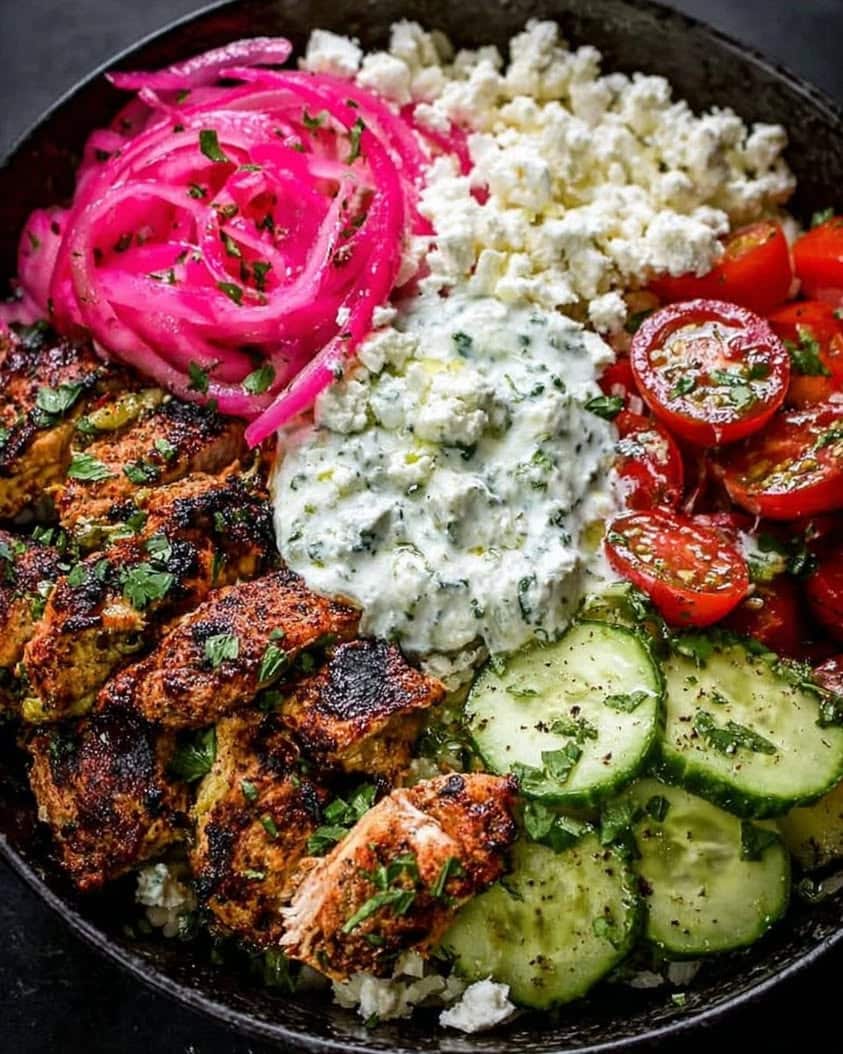
Loaded Mediterranean Chicken Power Bowl with Tzatziki & Feta: A Wholesome and Flavorful Meal
Welcome to your new favorite weeknight meal. This Loaded Mediterranean Chicken Power Bowl with Tzatziki & Feta brings together juicy, seasoned chicken, fresh vegetables, hearty grains, and a cool, creamy tzatziki sauce. It is a vibrant bowl that satisfies deeply without weighing you down. You will love the harmonious blend of savory, tangy, and fresh flavors, all coming together in one beautiful and nutritious dish. Consequently, this recipe is perfect for anyone seeking a delicious and balanced meal that fits seamlessly into a busy lifestyle.
Furthermore, this Mediterranean chicken power bowl is more than just a recipe. It is a celebration of wholesome ingredients and simple cooking techniques that yield spectacular results. The chicken is marinated in a fragrant blend of Mediterranean spices like oregano, garlic, and lemon, ensuring every bite is packed with flavor. Additionally, the tzatziki sauce, made with Greek yogurt, cucumber, and fresh dill, provides a refreshing contrast. Because of its versatility, you can easily customize it based on what you have on hand, which makes it a practical and reliable choice for any home cook.
Finally, this dish is inherently balanced. It offers a perfect combination of lean protein from the chicken, healthy fats from the olive oil and feta cheese, and complex carbohydrates from the grains and vegetables. This makes it an excellent option for meal preppers and health-conscious individuals alike. Above all, the Loaded Mediterranean Chicken Power Bowl with Tzatziki & Feta is designed to be both nourishing and incredibly satisfying. So, let us dive into this culinary journey and create a bowl that will undoubtedly become a staple in your kitchen.
Quick Recipe Highlights
- Flavor Profile: This bowl features a delightful interplay of bright, savory, and tangy elements. The chicken is seasoned with a robust blend of oregano, garlic, and lemon, offering a zesty and aromatic taste. Meanwhile, the creamy tzatziki adds a cool, refreshing flavor that balances the spices perfectly. Furthermore, the salty feta and briny kalamata olives provide a punch of umami in every forkful.
- Texture: Expect a wonderful variety of textures that keep each bite interesting. The chicken is tender and juicy with a slightly charred exterior from pan-searing. You will also enjoy the crispness of fresh cucumbers and bell peppers, the soft chew of quinoa or rice, and the smooth, creamy consistency of the tzatziki sauce. Consequently, the combination ensures a truly satisfying mouthfeel.
- Aroma: The kitchen will fill with the irresistible scent of garlic, oregano, and lemon as the chicken cooks. This Mediterranean aroma is warm, inviting, and hints at the fresh ingredients to come. The smell of herbs mingling with the zest of citrus is both comforting and appetizing, setting the stage for a delicious meal that feels both rustic and refined.
- Visual Appeal: This dish is a feast for the eyes with its vibrant colors and beautiful presentation. You will see the golden-brown chicken nestled against the bright greens of romaine and cucumber, the deep purple of olives, the ruby red of cherry tomatoes, and the snowy white of the tzatziki. Moreover, a sprinkle of fresh herbs adds the perfect final touch to this colorful bowl.
- Skill Level Needed: This recipe is perfect for beginners and experienced cooks alike. The steps are straightforward and involve basic cooking techniques like chopping vegetables, whisking a marinade, and pan-searing chicken. There is no complicated equipment or advanced culinary knowledge required. Consequently, it is an approachable and rewarding recipe for anyone looking to expand their cooking repertoire.
- Special Equipment: You will only need basic kitchen tools to prepare this meal. A large skillet or grill pan is essential for cooking the chicken, and a sharp chef’s knife is useful for preparing the vegetables. In addition, you will need a few mixing bowls for the marinade and tzatziki, and a citrus juicer can make extracting lemon juice easier, though a fork works just as well.
Recipe Overview
- Difficulty Level: The recipe is rated as easy because it relies on simple, foolproof techniques that yield excellent results. Marinating the chicken adds flavor with minimal effort, and pan-searing is a quick, reliable method that works for cooks of all skill levels. Additionally, the assembly is straightforward, making it a stress-free cooking experience. Therefore, it is an ideal meal for a busy weeknight yet impressive enough for a casual dinner party.
- Category: This dish fits perfectly into the categories of main course, meal prep, and healthy weeknight dinner. It is a complete meal in a bowl, containing all the essential food groups in balanced portions. Furthermore, it works wonderfully for lunch or dinner and can easily be packed for on-the-go meals. This versatility makes it a go-to recipe for many different occasions and schedules.
- Cuisine: The Loaded Mediterranean Chicken Power Bowl with Tzatziki & Feta is deeply rooted in the culinary traditions of the Mediterranean region. This cuisine is celebrated for its emphasis on fresh vegetables, lean proteins, healthy fats like olive oil, and vibrant herbs. The use of oregano, lemon, cucumber, and yogurt is quintessential. Consequently, this recipe is a contemporary take on the classic flavors found in Greek and broader Mediterranean cooking.
- Cost: This recipe is quite cost-effective, especially when considering the number of servings it provides. The main ingredients, such as chicken breast, yogurt, and vegetables, are generally affordable and widely available. Additionally, pantry staples like olive oil, garlic, and dried herbs add very little to the overall cost. In comparison to dining out, making this bowl at home is a budget-friendly way to enjoy a nutritious and delicious meal.
- Season: While you can enjoy this bowl year-round, it truly shines in the summer months. The fresh cucumbers, juicy tomatoes, and bright lemon flavors are at their peak during this season. The cool, creamy tzatziki is also incredibly refreshing on a hot day. Nevertheless, the ingredients are available in most grocery stores throughout the year, so you can satisfy your cravings whenever they strike, regardless of the season.
- Occasion: This versatile dish is suitable for a wide array of occasions. It is an excellent choice for a quick and healthy family weeknight dinner. Additionally, it is a fantastic option for meal prepping, as the components store well individually. Furthermore, you can easily double the recipe to serve a crowd at a casual gathering or potluck, where its vibrant colors and delicious flavors will impress your guests.
Why You’ll Love This Recipe
The primary reason you will love this bowl is its incredible taste. The combination of zesty, herbaceous chicken, cool and creamy tzatziki, and fresh, crunchy vegetables is simply irresistible. Every single forkful delivers a burst of flavor that is both satisfying and refreshing. The salty feta cheese and briny olives add a depth that elevates the entire dish from simple to spectacular. It is a delicious meal that you will genuinely crave.
Secondly, the convenience is unmatched. The entire meal comes together in about 45 minutes, making it a realistic option for even the busiest of weeknights. You can make the tzatziki and marinate the chicken in the morning to save time later. Additionally, it is a fantastic meal prepping option. You can cook a large batch of grains and chicken on Sunday, then assemble fresh bowls throughout the week for easy, grab-and-go lunches.
Nutritionally, this power bowl is a winning choice. It is packed with lean protein from the chicken and Greek yogurt to help keep you full and satisfied. Furthermore, it is loaded with essential vitamins, minerals, and fiber from the colorful vegetables and whole grains. The healthy fats from the olive oil and feta contribute to brain function and heart health. Because of this, it supports a balanced and health-conscious diet without compromising on flavor.
Moreover, this recipe provides a wonderful opportunity for social and entertaining value. You can set up a “build-your-own” bowl bar when hosting friends or family. This interactive approach allows guests to customize their bowls based on their own preferences. Notably, it is a fun, communal way to share a meal. The beautiful presentation and array of vibrant colors are sure to be a conversation starter at any dinner party.
Finally, the cost-effectiveness and accessibility of the ingredients make this a practical recipe for any household. Most items can be found at a standard grocery store, and many are common staples in a well-stocked kitchen. Since you use simple, fresh ingredients, the dish is not only healthier but also more affordable than fast food or takeout. It provides a high-quality meal that respects your budget and time.
Historical Background and Cultural Significance
The Mediterranean diet is not just a way of eating; it is a lifestyle that has been cultivated over centuries in countries bordering the Mediterranean Sea. This region includes Greece, Italy, Spain, and Lebanon, each with its own unique culinary identity. However, they all share a common foundation of fresh, seasonal produce, legumes, whole grains, olive oil, and fish. Furthermore, the tradition of eating meals together as a family is central to this culture, emphasizing the social aspect of food.
Specifically, the components of this power bowl have deep roots in this culinary history. Tzatziki, a creamy sauce made from strained yogurt, cucumber, and garlic, is a staple in Greek cuisine. Chicken, while not as historically prevalent as lamb, has been a part of the regional diet for centuries. In addition, ingredients like tomatoes, peppers, and olives have been cultivated in the region for thousands of years, forming the backbone of the Mediterranean pantry.
Over time, traditional Mediterranean dishes have been adapted and modernized to fit contemporary lifestyles. The concept of a “power bowl” is a modern invention. It is a convenient way to serve a balanced meal, with all components artfully arranged in a single bowl. This recipe, therefore, represents the evolution of classic Mediterranean flavors into a format that suits our fast-paced world, allowing for easy preparation while preserving the integrity of traditional tastes.
Today, regional variations abound, from Greek bowls using lamb to Lebanese versions with shawarma-spiced chicken. The use of different grains like bulgur, farro, or couscous is also common. The constant is the reliance on fresh, flavorful ingredients and the perfect pairing of savory proteins with cool, yogurt-based sauces. Consequently, this dish, and all its variations, demonstrate the enduring appeal and adaptability of Mediterranean cuisine, making it a beloved choice worldwide.
Ingredient Deep Dive
Chicken Breast: This lean protein is a cornerstone of the dish, offering a substantial and satisfying base. Historically, chicken was a staple in Mediterranean cooking, prized for its versatility and mild flavor that easily absorbs marinades. Nutritionally, chicken breast is an excellent source of high-quality protein, which is essential for muscle building and repair. When selecting chicken, look for breasts that are plump and have a pinkish hue. It is best stored in the coldest part of the refrigerator and used within a couple of days. In this recipe, you can substitute with chicken thighs for a juicier, more flavorful option, though they will take a few extra minutes to cook.
Furthermore, the marinade is what transforms the chicken from simple to spectacular. A mixture of olive oil, lemon juice, garlic, oregano, and paprika creates a powerful flavor profile while also helping to tenderize the meat. The acidity of the lemon juice breaks down the protein fibers, resulting in a more tender bite. This is a classic technique used across the Mediterranean to enhance the natural taste of the meat, proving that simple ingredients can yield the most profound results.
Greek Yogurt: The foundation of the tzatziki sauce, Greek yogurt adds a rich and creamy texture along with a distinct tang. It is naturally thicker and creamier than regular yogurt because of the straining process that removes the whey. This process is an ancient method of preservation that has been used in the Balkans and the Middle East for thousands of years. It is a nutritional powerhouse, packed with probiotics for gut health and double the protein of regular yogurt. Choosing a full-fat version will give you the creamiest sauce, but low-fat also works well. It should be stored refrigerated and consumed before the “best by” date. In the tzatziki, it provides a cool contrast to the warm, spiced chicken.
Moreover, the quality of the Greek yogurt is paramount to the success of the tzatziki. A thick, high-quality yogurt will result in a thick dip, while a watery yogurt can make the sauce runny. To avoid this, you can strain the yogurt through a cheesecloth-lined sieve for a couple of hours before using. For a dairy-free alternative, you can use a thick, unsweetened coconut or almond milk yogurt. Regardless of your choice, the yogurt will mellow the sharpness of the garlic and act as a beautiful canvas for the fresh dill and cucumber.
Cucumber: This fresh vegetable is essential for tzatziki, providing a crisp, hydrating crunch and a mild, refreshing flavor. Cucumbers have been cultivated for over 3,000 years, likely originating in India before spreading to the Mediterranean region, where they are now a staple. They are mostly water, which makes them very low in calories and hydrating. When selecting a cucumber, look for one that is firm and dark green. English cucumbers or Persian cucumbers are ideal for tzatziki since they have fewer seeds and thinner skins. For the sauce, you’ll want to grate it and squeeze out as much water as possible to keep the sauce thick and prevent it from becoming watery.
In addition to the sauce, fresh cucumber slices add a wonderful crispness to the bowl itself. It adds a contrasting texture and a cool, clean taste that balances the richer components of the meal. The cucumber’s subtle sweetness and high water content also add a refreshing element that is especially enjoyable in the summer. It is best to add the chopped cucumber to the assembled bowl just before serving to preserve its crunch, as it can become limp after marinating in the dressing for too long.
Cherry Tomatoes:
These small, sweet gems provide an explosion of flavor and vibrant color to the bowl. Tomatoes are a relatively new addition to Mediterranean cuisine, not appearing until after the discovery of the Americas in the 15th century, but they have since become a fundamental part of the cuisine. They are rich in lycopene, a potent antioxidant that has been linked to numerous health benefits, including heart health. When selecting cherry tomatoes, look for ones that are plump, firm, and have a deep, rich color. They should be stored at room temperature to enhance their flavor and should never be refrigerated, as the cold ruins their texture. They add a juicy, acidic pop that cuts through the creaminess of the tzatziki.
Furthermore, the marriage of tomatoes and cucumber is a classic Mediterranean combination, as seen in Greek salad. Their contrasting textures and flavors complement each other perfectly. The sweetness of the ripe tomato highlights the refreshing mildness of the cucumber. Additionally, they add moisture to the bowl, ensuring it doesn’t feel dry. For the best flavor, use tomatoes at the peak of summer, when they are at their sweetest and most flavorful.
Common Mistakes to Avoid
- Overcooking the Chicken: This is the most common pitfall, resulting in dry, tough meat. Chicken breast is best when cooked to an internal temperature of 165°F. Using a meat thermometer is the most reliable way to ensure perfection. Do not rely solely on cooking times, as they can vary based on thickness.
- Skipping the Marinating Step: The marinade is what gives the chicken its deep flavor. Even a quick 15-minute soak can make a notable difference. Avoid skipping this step to save time, as it is essential for creating that delicious, Mediterranean flavor you are aiming for.
- Not Straining the Cucumber for Tzatziki: Grated cucumber is full of water. If you do not squeeze it dry, your tzatziki will be thin and watery. This is a crucial step. Wrap the shredded cucumber in a clean kitchen towel and wring it out well before adding it to the yogurt.
- Adding the Tzatziki Too Early: If you dress the entire bowl with tzatziki ahead of time, the ingredients will become soggy. Instead, serve the tzatziki on the side or spoon it over the bowl just before eating. This ensures the vegetables remain crisp and fresh.
- Using Dry, Old Herbs: Fresh oregano and dill are best for this recipe, but if you are using dried herbs, make sure they are fresh. Old, faded herbs have lost their potency and will not provide the vibrant flavor the dish requires.
- Overcooking the Grains: Whether you choose quinoa or rice, be sure to cook it according to package instructions. Overcooked grains will be mushy and clump together. Specifically, rinse quinoa before cooking to remove its bitter coating and ensure fluffy results.
- Salting the Bowl Too Early: Feta cheese is very salty. If you salt your other ingredients before adding feta and the tzatziki, you will end up with an overly salty dish. Season the chicken well, but be cautious about adding extra salt to the final assembled bowl.
- Not Letting the Chicken Rest: Letting the chicken rest for at least 5 minutes after cooking is crucial. This allows the juices to redistribute throughout the meat, making it more tender and flavorful. Cutting into it immediately will cause the juices to run out, leaving it dry.
- Forgetting to Taste and Adjust: The beauty of this recipe is its customizability. Taste the tzatziki and the chicken and adjust the seasoning to your liking. Perhaps it needs a little more lemon juice or a pinch of salt. Trust your palate and make it your own.
- Slicing Chicken Too Thick: When slicing the chicken for the bowl, cut it into bite-sized, thin strips against the grain. Large, thick chunks can be difficult to eat and distribute less flavor throughout the bowl. A proper cut ensures a consistent and enjoyable bite.
Essential Techniques
Pan-Searing: This technique is used to cook the chicken and is essential for creating a flavorful, golden-brown crust. The high heat causes a Maillard reaction, which is the chemical process that creates the complex, savory flavors we love. To master this, ensure your skillet is properly heated and a bit of oil is shimmering before adding the chicken. More importantly, do not crowd the pan. Giving the chicken space allows it to sear rather than steam, resulting in a beautiful crust. The visual cue for success is an even, golden-brown color on each side.
Furthermore, the internal temperature is the absolute measure of success. A digital instant-read thermometer is an invaluable tool for this step. Insert it into the thickest part of the chicken breast and look for 165°F. Even if the exterior is browned beautifully, the center is where doneness is truly determined. This technique is a fundamental skill that will improve your cooking across countless recipes, moving beyond just this power bowl to all your stovetop proteins.
Marinating: Marinating is about layering flavor into the protein. For this recipe, the marinade is built on a base of olive oil and acid, typically lemon juice. The oil helps carry the fat-soluble flavors of the herbs and spices, while the acid helps to tenderize the chicken. To master it, combine your aromatics, such as garlic and oregano, with the oil and acid and immerse the chicken completely, ensuring every surface is coated. This allows the flavor to penetrate the meat. A common pitfall is over-marinating, which can turn the chicken mushy due to too much acid. Thus, a 30 to 45-minute marinade is perfect.
The timing is what separates a good bowl from a great one. While a full hour is great, even 15 minutes will work in a pinch. Ensure your container is non-reactive, such as glass or plastic, and refrigerate it while the chicken soaks up those Mediterranean flavors. The visual cue is the chicken taking on a slightly opaque appearance. This method guarantees you won’t be left with bland chicken. Instead, every bite from the outside in will be packed with the flavors of your marinade.
Pro Tips for Perfect Loaded Mediterranean Chicken Power Bowl with Tzatziki & Feta
For the juiciest chicken, consider a quick brine. Even a 15-minute soak in a saltwater solution before adding the marinade can help lock in moisture, ensuring your chicken stays tender and succulent even if you cook it a minute or two beyond the ideal temperature.
Make the tzatziki sauce at least one hour in advance. This resting period allows the flavors of the garlic, dill, and lemon to meld together beautifully. Take it a step further and let it chill for the same amount of time. It will taste significantly more cohesive and developed than if you serve it immediately.
Toast your grains. If you are using quinoa, pour the dry quinoa into a hot pan with a little olive oil and toast it for a few minutes before adding water. This adds a nutty flavor and helps the grains cook up fluffier, adding another layer of taste and texture to the entire bowl.
Spread the tzatziki on the bottom. Instead of placing the tzatziki just on top, create a generous bed of the cool, creamy sauce at the bottom of the bowl. This ensures every single bite is infused with its refreshing flavor, providing a consistent taste experience that is both creamy and refreshing.
Invest in a good quality extra-virgin olive oil. It is used in the marinade, the dressing, and might be drizzled on top at the end. A high-quality olive oil tastes peppery and fresh, and it can make a tangible difference in the final flavor. It is the backbone of the Mediterranean diet, so choose wisely.
Slice your feta strategically. Instead of crumbling all of it into tiny pieces, you can also cut a few thick slices of feta and lay them on top of the bowl. This presents the feta beautifully and allows you to enjoy big, creamy hits of flavor in certain bites, which is a hallmark of a well-constructed bowl.
Add a squeeze of fresh lemon at the end. A final squeeze of bright lemon juice over the entire bowl right before serving awakens all the other flavors. The acidity is a key characteristic of the Mediterranean palette and provides a refreshing lift that ties the whole dish together.
Use a high-sided bowl. Technically presentation is important. Using a wide, high-sided bowl allows you to artfully arrange all the components, showcasing their vibrant colors. This visual appeal makes the meal more appetizing and proves that healthy eating is far from boring.
Variations and Adaptations
One of the best aspects of this recipe is its versatility. A simple regional variation is to swap the chicken for lamb souvlaki or grilled shrimp. Lamb adds a richer, gamier flavor that is traditional in many parts of Greece, while shrimp cook quickly and offer a lighter, seafood-driven option. Additionally, you could use beef tenderloin or steak strips for a red-meat version. This small swap entirely changes the character of the meal, introducing a whole new set of flavors based on what you choose.
Seasonal adaptations make this a great recipe for any time of year. During the summer, use peak-season heirloom tomatoes, fresh corn, and zucchini. In the fall, add roasted butternut squash, sweet potatoes, or sautéed mushrooms. During the colder months, you can warm the grain base and use sun-dried tomatoes and roasted red peppers to add more intense, concentrated sweetness, reminding you of the Mediterranean sun even in winter.
Dietary modifications are simple to incorporate. To make this bowl gluten-free, ensure your grains are certified gluten-free (like quinoa or rice) and check that your soy sauce (if using) is tamari. For a vegan version, the most significant change is the protein. For the chicken, you can substitute extra-firm tofu or tempeh, marinated and pan-seared. Also, replace the chicken and use a vegan tzatziki made with plant-based yogurt, and either omit the feta or use a high-quality vegan feta substitute.
Flavor variations are a fun way to keep this dish exciting. For a spicy kick, add a pinch of cayenne pepper or red pepper flakes to the chicken marinade. You could also make a “green goddess” version by blending lots of cilantro and basil into the tzatziki. For a more herbaceous bowl, increase the dill and add fresh mint to the tzatziki and as a garnish, which adds a wonderfully bright and cooling dimension to the finished dish.
Changing the texture can be achieved by altering the grain. While quinoa or rice is common, try using pearl couscous, farro, or a mixed grain blend. You could also swap the fresh greens for a bed of massaged kale, which offers a heartier texture. Also, toasting some pine nuts or almonds in a dry skillet and sprinkling them over the top will add a fantastic crunchy texture that contrasts with the creamy ingredients beautifully.
Presentation alternatives are endless. You can serve this family-style, with all items arranged on a large platter so people can serve themselves. Alternatively, you can assemble these bowls for meal prep in glass containers, placing the sauce in a separate small container to keep everything fresh. For the ultimate in modern serving, serve the chicken, grains, and vegetables in lettuce cups and let each person build their own, which creates a fun, interactive dining experience.
Serving and Presentation Guide
For picture-perfect plating, start by building a base of your cooked grains at the bottom of a wide bowl. Then, slice the chicken and arrange it in a single line across the grains. Follow by grouping the remaining ingredients by color and texture in distinct sections around the chicken. This creates a visually stunning and appetizing arrangement. The goal is to create a beautiful mosaic of colors that highlights all the fresh, natural ingredients before you even take a bite.
Garnishing is the final step that elevates the dish’s presentation. A generous dollop of the cool tzatziki sauce can be placed right on top of the chicken or off to the side for dipping. A final sprinkle of fresh dill and a few leaves of parsley will add vibrancy. Additionally, a drizzle of good extra-virgin olive oil and a crack of black pepper over everything just before serving adds a glossy sheen and a final hit of flavor that is the hallmark of Mediterranean cooking.
Traditional accompaniments include warm, crusty pita bread for sopping up the leftover sauce and juices. You could also serve it alongside a bowl of marinated olives and a wedge of lemon. These elements echo the traditional ways the dish is enjoyed in its home region. However, for a lighter meal, you can just dive right in with a fork. You can also offer a side of warm, toasted flatbread for a more filling experience.
Modern serving often focuses on the self-assembly aspect. You can present all the components in a “rainbow” arrangement on a large wooden serving board, allowing everyone to build their own bowl. For a more casual setting, simply serve the grain and chicken at the base and let people add their own toppings from smaller bowls. This not only looks impressive but also accommodates individual preferences more easily, making it ideal for gatherings.
Temperature is key to the best enjoyment of this dish. The chicken should be served warm, while the tzatziki should be cold and the vegetables should be crisp and at room temperature. This play between warm and cool is one of the most delightful aspects of the Mediterranean bowl experience. Therefore, if meal prepping, reheat the chicken and grains gently in a pan or microwave while the toppings and sauce remain cold for optimal texture.
Regarding portion control, a standard serving size is generously satisfying without being overly heavy. You want to ensure each component is balanced in a ratio that gives you a little of everything in each bite. Usually, a portion is about a handful of greens, a half-cup to a cup of grains, a palm-sized portion of chicken, and a couple of tablespoons of sauce and toppings. This balance satisfies hunger and provides sustained energy without leaving you feeling overly full.
Wine and Beverage Pairing
When it comes to wine, a crisp and aromatic white wine is the perfect partner for this dish. A classic Greek Assyrtiko is an excellent choice, offering pronounced minerality and citrus notes that mirror the lemon in the marinade. Alternatively, a Sauvignon Blanc with its herbaceous character can beautifully complement the dill and oregano. A dry, light-bodied rosé is also a fantastic and refreshing option, especially when eating outdoors
For a lighter, non-alcoholic alternative, a sparkling water with a splash of fresh lemon or lime is a perfect palate cleanser. You could also serve a traditional Mediterranean soda, such as a blood orange soda. For a slightly more complex beverage, iced green tea with a hint of mint works wonderfully. The gentle flavors of the tea and mint won’t overpower the food and will provide a wonderful, cool contrast to the warm chicken.
If you’re drinking coffee or tea, a glass of iced tea is an obvious and fantastic choice. For a caffeine-free option, a refreshing mint tea (hot or iced) is a classic in the region and aids in digestion after a meal. These teas are known for their soothing properties and aromatic flavors, which blend seamlessly with the bold flavors of the Greek and Mediterranean cuisine, making for a delightful and calming end to the meal.
Temperature is crucial for any beverage served with this meal. White wines and rosés should be served well-chilled, around 45-50°F. Sparkling water should also be ice-cold. Keeping these beverages cold ensures they refresh the palate between bites. The contrast of the cool beverage against the warm, savory bowl enhances the overall dining experience, making each sensation more pronounced and enjoyable.
For serving, you can provide a large glass pitcher of the infused water on the table for a communal and elegant touch. If serving wine, make sure to have proper stemware that allows the aromas to open up. Moreover, offering a carafe for guests to help themselves is perfectly appropriate for a casual Mediterranean-inspired dinner. Ultimately, the goal is to choose drinks that refresh your palate and make your meal more festive and enjoyable.
Storage and Shelf Life
Proper storage is essential for maintaining the quality and freshness of your Loaded Mediterranean Chicken Power Bowl with Tzatziki & Feta. The most important rule is to store components separately to avoid sogginess. Keep the cooked chicken in an airtight container, the grains in another, and the chopped vegetables in a third. The tzatziki and feta should be stored in their own airtight containers as well. This approach allows each element to be enjoyed at its best for the longest period.
Temperature requirements for food safety are non-negotiable. Cooked chicken, grains, and tzatziki must be refrigerated within two hours of cooking. The refrigerator temperature should be at or below 40°F. The chicken and grains will last for about 3 to 4 days. The tzatziki can last for about 3 days, and the fresh vegetables are best consumed within 2 days of preparation to ensure they remain crunchy and fresh.
Container recommendations are crucial for preserving flavors and preventing cross-contamination. Use airtight glass containers, which are preferable as they don’t absorb odors or stains like plastic can. For the tzatziki, a small glass jar or container is perfect. For meal prep, stackable containers of different sizes are incredibly useful for portioning out individual meals for the week.
Recognizing signs of spoilage is critical. The chicken should not have an off-putting odor or a slimy texture. The yogurt in the tzatziki may release some water as it sets, which is normal; just stir to recombine, but if it develops a sour or yeasty smell, discard it. Throw the vegetables away if they become limp or develop a brown tint. When in doubt, it is always safer to throw it out to avoid foodborne illness.
When reheating, you should do so gently to prevent the chicken from drying out. The best method is to reheat the chicken and the grains in a microwave until they are warmed through. Once heated, you can rearrange the bowl. Add an ice cube to the container when reheating to create steam, which will keep the chicken moist. Top with the remaining fresh ingredients and the cool tzatziki to bring the bowl back to life.
Freezing is an option but comes with caveats. You can freeze the cooked chicken and the cooked grains in airtight, freezer-safe containers or bags for up to 2 months. However, do not freeze the tzatziki, as the yogurt will separate and become watery upon thawing, ruining its texture. To thaw, transfer the frozen components to the refrigerator overnight. The texture of the chicken will be slightly less tender but still quite good for a quick meal.
Make Ahead Strategies
The best make-ahead strategy for this recipe is to break it down into a supportive timeline. One to two days in advance, you can cook the grains and prepare the tzatziki. You can also chop all the vegetables and store them in airtight containers in the fridge. This means on the day you serve, you only have to prepare the chicken, which significantly cuts down on the total cooking time and makes dinnertime absolutely effortless.
To store between steps after assembly, keep elements separated as described. If you have assembled bowls for meal prep, leave off the tzatziki and any leafy greens until you’re ready to eat. This prevents them from becoming soggy. The chicken can be sliced and placed on the grain base, and you can add the remaining ingredients in the morning. This “pre-assembly” method is efficient and results in fresh-tasting components throughout the week.
The quality impact is a major consideration. Components stored separately generally maintain their integrity much better than those stored assembled. The vegetables will stay crunchier, the grains will remain fluffy, and the chicken will retain more of its moisture. Proper make-ahead strategies are designed to ensure that the final product doesn’t taste like yesterday’s meal and retains high quality, which is often more important than saving a few minutes of prep time.
For assembly tips, pulling everything out of the fridge 15 minutes before you plan to eat can help ensure it isn’t icy cold. If you have time, Print
Loaded Mediterranean Chicken Power Bowl with Tzatziki & Feta
- Total Time: 45 minutes
- Yield: 4
Description
A vibrant, protein-packed bowl featuring juicy marinated chicken, fresh veggies, creamy tzatziki, and briny feta over fluffy quinoa. Perfect for a healthy and satisfying dinner.
Ingredients
- 2 boneless, skinless chicken breasts (about 1 lb)
- 2 tbsp olive oil
- 2 tsp dried oregano
- 1 tsp garlic powder
- 1 tsp paprika
- 1/2 tsp salt
- 1/4 tsp black pepper
- 1 cup quinoa, rinsed
- 2 cups water
- 1 cup cherry tomatoes, halved
- 1 cucumber, diced
- 1/2 red onion, thinly sliced
- 1/4 cup kalamata olives, pitted and halved
- 1/2 cup crumbled feta cheese
- Fresh parsley, chopped (for garnish)
- For the tzatziki: 1 cup plain Greek yogurt, 1/2 cucumber grated and squeezed dry, 2 cloves garlic minced, 1 tbsp lemon juice, 1 tbsp fresh dill chopped, salt to taste
Instructions
- In a small bowl, mix olive oil, oregano, garlic powder, paprika, salt, and pepper. Rub the mixture over the chicken breasts and let marinate for at least 15 minutes.
- Meanwhile, rinse quinoa under cold water. In a medium saucepan, combine quinoa and water. Bring to a boil, then reduce heat to low, cover, and simmer for 15 minutes until water is absorbed. Remove from heat and let sit, covered, for 5 minutes, then fluff with a fork.
- While quinoa cooks, prepare the tzatziki: in a small bowl, combine Greek yogurt, grated cucumber, garlic, lemon juice, dill, and a pinch of salt. Stir well and refrigerate until ready to use.
- Heat a grill pan or skillet over medium-high heat. Cook chicken for 6-7 minutes per side, or until internal temperature reaches 165°F. Let rest for 5 minutes, then slice against the grain.
- Assemble the bowls: divide quinoa among four bowls. Top with sliced chicken, cherry tomatoes, cucumber, red onion, olives, and feta cheese.
- Drizzle generously with tzatziki sauce and garnish with fresh parsley. Serve immediately.
Notes
You can customize the seasonings to taste. For extra crunch, add some roasted chickpeas or bell peppers. If you prefer, swap quinoa with brown rice or a leafy green base.
- Prep Time: 20 minutes
- Cook Time: 25 minutes
- Method: Main
- Cuisine: Mediterranean