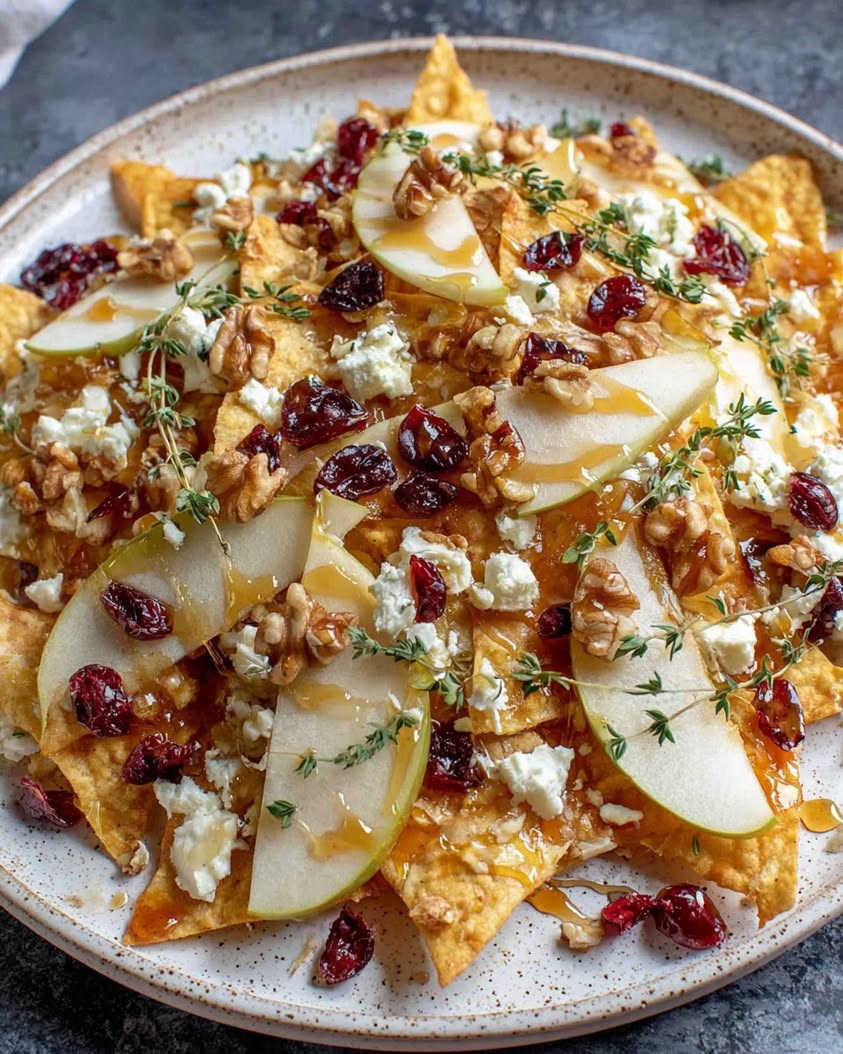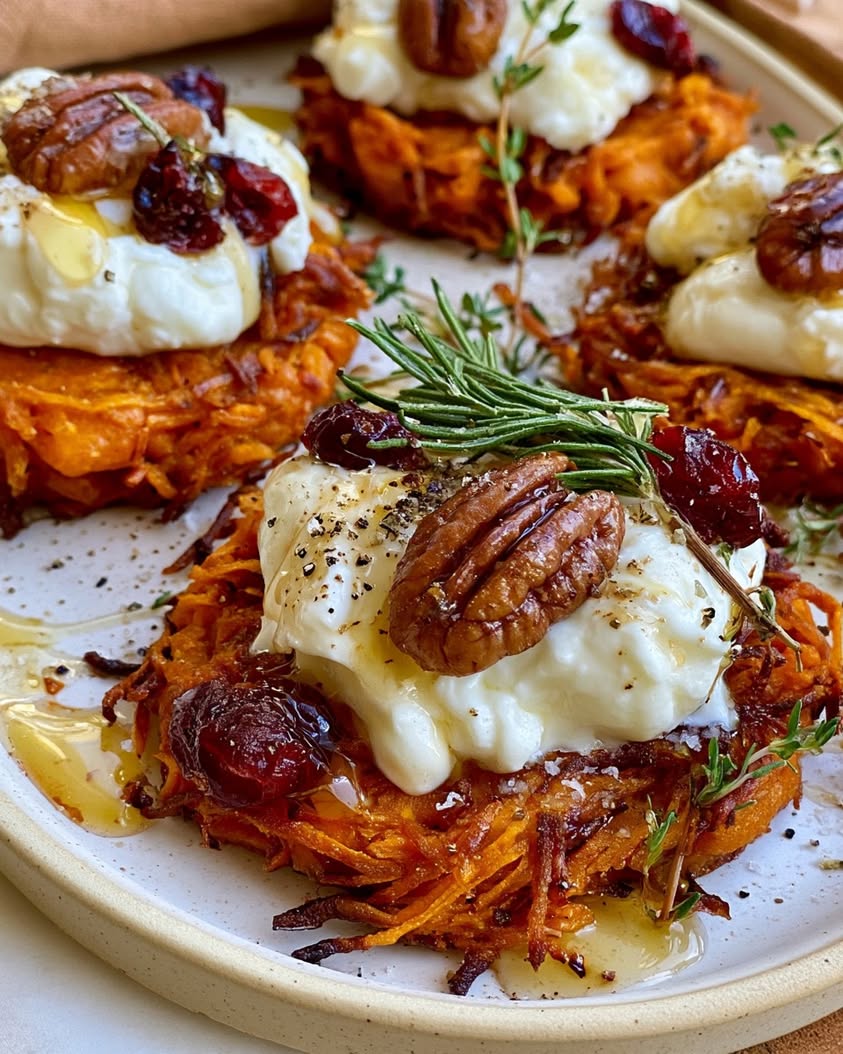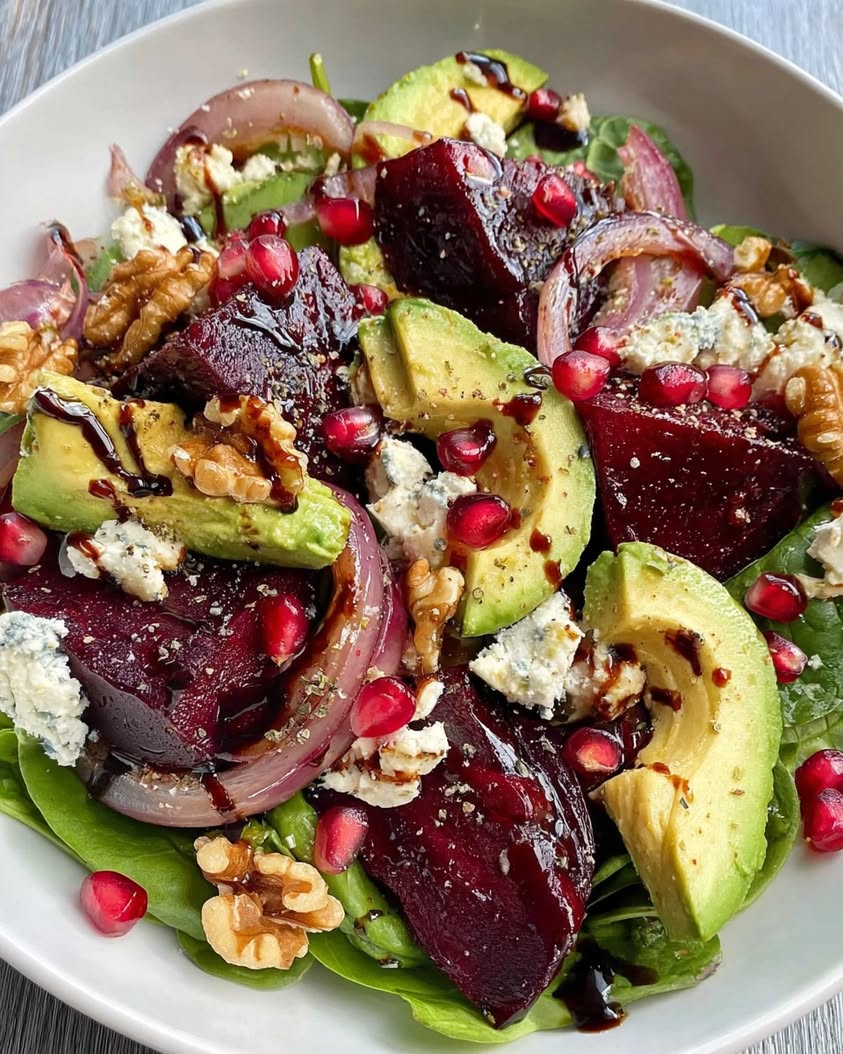
Roasted Beetroot, Feta and Avocado Salad with Honey Balsamic Drizzle: A Colorful Crowd-Pleaser
This Roasted Beetroot, Feta and Avocado Salad with Honey Balsamic Drizzle brings together earthy sweetness, creamy richness, and bright acidity in one stunning bowl. When you roast beetroot, its natural sugars caramelize and deepen into something almost candy-like, and that transformation pairs beautifully with the salty tang of feta cheese. Meanwhile, buttery avocado adds a lush, silky counterpoint that makes every bite feel indulgent. The honey balsamic drizzle ties everything together with a glossy, sweet-tart finish that wakes up your taste buds.
If you have been searching for a roasted beetroot salad recipe that looks as good as it tastes, this is the one. The deep ruby hues of the beets against the snowy white feta and vibrant green avocado create a plate that practically glows. This feta and avocado salad works as a light weeknight dinner, a show-stopping side dish for holiday gatherings, or a bring-along dish for potlucks and picnics. Because the oven does most of the work, you can focus on assembling the fresh ingredients and whisking together the easy honey balsamic dressing.
Many home cooks shy away from beets because they seem fussy or intimidating. However, this roasted beet salad with feta proves that the process is remarkably simple. You wrap the beets in foil, let the oven work its magic, and then peel and slice them once they cool. The avocado salad with honey balsamic drizzle comes together in minutes after that. Whether you are a seasoned home chef or a beginner looking for an impressive yet manageable dish, this recipe delivers restaurant-quality results without the stress.
Quick Recipe Highlights
- Flavor Profile: This salad balances earthy sweetness from roasted beets with the sharp, salty bite of feta. The honey balsamic drizzle adds a tangy, slightly sweet note that rounds out every bite. Avocado contributes a mellow, buttery richness that softens the overall acidity.
- Texture: You get tender, slightly caramelized beet slices alongside creamy avocado and crumbly feta. Toasted nuts or seeds, if you add them, bring a satisfying crunch. The dressing coats everything in a silky, clingy glaze that feels luxurious on the tongue.
- Aroma: Roasting beets fills your kitchen with a warm, sweet, earthy fragrance that hints at the caramelization to come. The honey balsamic drizzle adds a tangy, slightly acidic aroma that sharpens the senses. Fresh herbs, if used, contribute a bright, grassy finish.
- Visual Appeal: Deep magenta beets contrast beautifully with white feta and pale green avocado. The dark, glossy honey balsamic drizzle adds an elegant finish that makes the dish look plated by a professional. A sprinkle of fresh herbs or microgreens adds a final pop of color.
- Skill Level Needed: This roasted beetroot, feta and avocado salad is beginner-friendly because the oven handles the beets and the assembly is straightforward. You only need basic knife skills for slicing the avocado and beets. The dressing requires simple whisking, so no special techniques are involved.
- Special Equipment: You need a sheet pan or baking dish for roasting the beets and aluminum foil to wrap them. A small whisk or fork handles the honey balsamic drizzle with ease. A sharp knife and a cutting board round out the essential tools for this recipe.
Recipe Overview
- Difficulty Level: This recipe earns an easy rating because it relies on simple oven roasting and no-cook assembly. The most challenging step involves peeling the roasted beets, which takes just a few minutes with your fingers or a small knife. You do not need any advanced culinary training, and the recipe forgivingly accommodates slight variations in timing or ingredient amounts.
- Category: This dish fits comfortably as a side salad, a light main course, or an appetizer. It works well for brunch spreads, lunch plates, and dinner tables alike. You can serve it as a starter before a larger meal or as a standalone dish with crusty bread.
- Cuisine: This roasted beetroot salad draws inspiration from Mediterranean and Middle Eastern culinary traditions, where beets, feta, and fresh herbs appear frequently. The honey balsamic drizzle reflects a modern fusion approach that blends Italian balsamic tradition with the natural sweetness of honey. The combination of creamy avocado and tangy cheese nods to California cuisine as well.
- Cost: The ingredients for this salad are affordable and widely available. Beets cost very little, especially when purchased in bunches with their greens attached. Feta and avocado represent the priciest components, but a little goes a long way in this recipe.
- Season: This salad shines in fall and winter when beets reach peak sweetness and avocados remain readily available. However, you can enjoy it year-round because grocery stores stock beets and avocados consistently. It feels especially refreshing in spring and summer as a cold salad option.
- Occasion: Serve this roasted beetroot, feta and avocado salad at holiday dinners, Easter brunches, summer picnics, or casual weeknight meals. It adds a festive touch to Thanksgiving and Christmas tables thanks to its jewel-toned colors. It also works beautifully as a potluck contribution because it holds up well at room temperature.
Why You’ll Love This Recipe
The taste and texture of this Roasted Beetroot, Feta and Avocado Salad with Honey Balsamic Drizzle deliver a constant stream of pleasant surprises. Each forkful brings the earthy sweetness of caramelized beets, the creamy coolness of avocado, and the salty crumble of feta. The honey balsamic drizzle adds a tangy, slightly sticky glaze that amplifies every other ingredient. Because the textures range from tender to creamy to crumbly, your mouth never gets bored, and the layers of flavor keep you coming back for more.
Convenience and preparation benefits make this roasted beetroot salad a weeknight hero. You can roast the beets ahead of time and store them in the fridge for several days, which means assembly takes only minutes when you are ready to eat. The honey balsamic dressing comes together in a single bowl with a quick whisk. Since the oven does the heavy lifting, you free up stovetop space and mental energy for other tasks.
Nutritional advantages abound in this feta and avocado salad. Beets deliver fiber, folate, and natural nitrates that support heart health, while avocado contributes healthy monounsaturated fats and potassium. Feta adds protein and calcium, and the honey balsamic drizzle brings sweetness with a relatively light touch. Altogether, this salad offers a satisfying mix of nutrients that leaves you feeling nourished rather than weighed down.
Social and entertaining value sets this recipe apart. The striking colors make it a centerpiece that guests photograph and compliment before they even taste it. It travels well to parties because it holds up at room temperature and looks beautiful on a buffet table. When you bring this roasted beetroot, feta and avocado salad to a gathering, you will likely leave with an empty bowl and several requests for the recipe.
Cost-effectiveness and accessibility round out the reasons to love this dish. Beets rank among the most affordable vegetables, and seasonal avocados keep costs reasonable. You likely already have olive oil, balsamic vinegar, and honey in your pantry. Because the recipe uses simple ingredients, you can shop for everything at your local grocery store without hunting for specialty items. This accessibility means you can make this salad often without straining your budget.
Historical Background and Cultural Significance
Beets have a long history that stretches back to ancient Mediterranean civilizations, where people cultivated them for their leaves long before they prized the roots. The Romans and Greeks enjoyed beet greens, and over centuries, European farmers developed the sweet, ruby-red root we know today. By the 19th century, beets had become a staple across Eastern and Western Europe, appearing in soups, salads, and pickles. The earthy sweetness of roasted beets eventually inspired cooks to pair them with tangy cheeses and bright dressings.
Feta cheese carries its own rich cultural importance, particularly in Greece, where it has been produced for thousands of years. Greek shepherds traditionally made feta from sheep’s milk and stored it in brine, creating a salty, crumbly cheese that preserved well. Feta became a cornerstone of Mediterranean cuisine and earned protected designation status in the European Union. When paired with beets, feta creates a classic flavor marriage that appears in salads across the region.
The evolution of this roasted beetroot, feta and avocado salad reflects modern culinary globalization. Avocados originated in Mexico and Central America, where Indigenous peoples cultivated them for millennia. As avocado popularity spread across the United States and Europe in the 20th century, creative cooks began folding them into salads alongside traditional European ingredients. The honey balsamic drizzle reflects an Italian influence, since balsamic vinegar has been produced in Modena for centuries and often pairs with honey in modern dressings.
Regional variations of this salad exist around the world. In Australia, beetroot salads often include orange segments and walnuts, while in the Middle East, cooks might add pomegranate seeds and fresh mint. American versions commonly feature avocado and candied nuts for extra texture. The honey balsamic drizzle remains a versatile thread that connects these interpretations, proving that this roasted beetroot salad with feta adapts beautifully to local tastes and available ingredients.
Ingredient Deep Dive
Beetroot sits at the heart of this recipe, and its cultural significance runs deep. Ancient Babylonians cultivated beets, and the root later became a dietary staple in Eastern Europe, where borscht earned iconic status. Nutritionally, beets deliver folate, manganese, and dietary nitrates that support blood pressure and exercise performance. When selecting beets, choose firm, smooth roots with intact greens, which signal freshness. Store beets in a cool, dark place or the refrigerator crisper drawer for up to two weeks, and substitute golden or Chioggia beets if you want a milder flavor.
Feta cheese brings salty tang and cultural heritage to this feta and avocado salad. Greeks have produced feta for centuries, and the cheese holds protected status as a traditional Greek product. Feta contains calcium, protein, and probiotics that may support gut health. Look for feta packed in brine rather than pre-crumbled options, since block feta tastes fresher and creamier. Store feta in its brine in the refrigerator and substitute goat cheese or ricotta salata if you prefer a different texture.
Avocado contributes creamy richness and modern appeal to this avocado salad with honey balsamic drizzle. Avocados originated in Mexico, where Indigenous communities domesticated them thousands of years ago. The fruit provides monounsaturated fats, potassium, and fiber that support heart health and satiety. Choose avocados that yield slightly to gentle pressure and avoid ones with mushy spots. Ripen hard avocados at room temperature and store ripe ones in the refrigerator for up to five days.
Honey balsamic drizzle serves as the signature dressing, and its components carry distinct histories. Balsamic vinegar has been made in Modena, Italy, since the Middle Ages, while honey has sweetened human diets since ancient times. Together they create a balance of acidity and sweetness that enhances the salad without overpowering it. Use a good-quality balsamic vinegar and a mild honey such as clover or wildflower, and whisk them with olive oil for a glossy finish. Store the dressing in a sealed jar at room temperature for up to a week.
Common Mistakes to Avoid
- Overcrowding the baking sheet leads to steaming instead of roasting, which prevents browning. Give the beets space so they caramelize properly.
- Undercooking the beets results in a firm, unpleasant texture, so roast them until a knife slides in easily. Large beets may need extra time beyond the recipe estimate.
- Forgetting to wrap beets in foil causes them to dry out and lose moisture. The foil packet traps steam and ensures tender results.
- Peeling beets before roasting makes them bleed and lose color, so roast them whole and peel afterward.
- Adding the avocado too early causes it to brown and turn mushy, so slice and add it just before serving.
- Skipping the salt on the avocado leaves the salad flat, so season each component lightly as you assemble.
- Using coarse or cheap balsamic vinegar throws off the balance, so choose a smooth, syrupy balsamic for the drizzle.
- Dressing the salad too far in advance makes it soggy, so drizzle the honey balsamic just before serving.
- Cutting beets into uneven pieces causes uneven cooking, so aim for consistent sizes when you slice them.
- Staining your hands and cutting board with beet juice feels frustrating, so wear gloves and work on a washable surface.
Essential Techniques
Roasting beets well forms the foundation of this roasted beetroot salad, and the technique matters more than you might think. Wrapping whole beets in foil traps steam, which cooks them evenly and keeps them juicy. Place the foil packet on a sheet pan and roast at 400 degrees Fahrenheit for about 45 minutes, depending on size. A knife should slide in with no resistance when they are done. Let the beets cool slightly before peeling, since the skins slip off easily with your fingers or a paper towel.
Whisking the honey balsamic drizzle correctly ensures a smooth, cohesive dressing. Combine balsamic vinegar, honey, Dijon mustard, and a pinch of salt in a small bowl, then stream in olive oil while whisking constantly. The mustard acts as an emulsifier, keeping the oil and vinegar from separating. Taste and adjust the sweetness or acidity as needed. You want a consistency that coats the back of a spoon but still drizzles easily.
Slicing avocado with care prevents mushiness and keeps the presentation clean. Halve the avocado, remove the pit, and use a spoon to scoop out the flesh in one piece. Place it flat on a cutting board and slice lengthwise into even strips. A squeeze of lemon juice slows browning if you must slice ahead. Finally, assembling the salad with intention creates the best result. Layer beets first, then scatter feta, arrange avocado, and finish with the honey balsamic drizzle so every component shines.
Balancing flavors and textures in this feta and avocado salad requires tasting as you go. Season the beets with salt and pepper after roasting to draw out their sweetness. Crumble the feta into bite-sized pieces so it distributes evenly rather than clumping. Add a handful of toasted nuts or seeds for crunch if you like. Then drizzle the honey balsamic dressing in a thin stream and taste a bite before adding more.
Pro Tips for Perfect Roasted Beetroot, Feta and Avocado Salad with Honey Balsamic Drizzle
Choose beets of similar size so they roast at the same rate, which avoids some being underdone while others turn to mush. If your beets vary in size, group them by size and check the smaller ones first. Additionally, roast extra beets and keep them in the fridge for future salads, grain bowls, or sandwiches.
Toast the nuts or seeds while the beets roast so the timing aligns and you save a step later. A dry skillet over medium heat works well, and you should stir frequently to prevent burning. Let them cool before sprinkling them over the salad so they stay crisp.
Make the honey balsamic drizzle in a jar with a lid so you can shake it instead of whisking. This method emulsifies quickly and lets you store leftovers right in the same container. Bring the dressing to room temperature before drizzling, since cold dressing thickens and clumps.
Season the avocado separately with a pinch of flaky salt and a squeeze of lime before adding it to the salad. This step enhances its flavor and keeps it from tasting flat against the tangy feta. Arrange avocado slices in a fan pattern for a polished look that impresses guests.
Use a mandoline or sharp chef’s knife to slice beets uniformly, which improves both presentation and mouthfeel. Thin slices absorb the honey balsamic drizzle better and feel more elegant on the plate. Wipe the knife with a paper towel between cuts to manage beet juice.
Add fresh herbs like basil, dill, or mint at the end for an aromatic lift that complements the earthy beets. Tear the leaves rather than chopping them so they release more fragrance. Scatter them generously for a bright, garden-fresh finish.
Control the amount of dressing by drizzling with a spoon rather than pouring from a jar. Start with half the dressing, toss gently, and add more as needed. This approach prevents the salad from becoming too wet and heavy.
Serve the salad on a wide, shallow platter rather than a deep bowl so guests can see the beautiful layers. A large white platter makes the colors pop and allows easier access to every component. Distribute the avocado and feta evenly so every serving feels generous.
Variations and Adaptations
Regional variations of this roasted beetroot salad highlight local flavors around the world. In Australian style, add orange segments and toasted walnuts for a bright, citrusy twist. Mediterranean cooks might include kalamata olives, red onion, and fresh oregano for a Greek-inspired version. Middle Eastern adaptations sometimes feature pomegranate seeds, sumac, and fresh mint, while Californian versions lean into added greens like arugula and edible flowers. Each variation keeps the core combination of beets, feta, and honey balsamic drizzle while bringing its own regional identity.
Seasonal adaptations let you enjoy this salad year-round. In spring, fold in fresh peas and radishes for a lighter take. During summer, add grilled corn and cherry tomatoes to capture peak-season produce. In fall, roasted squash and apples bring warmth, while winter calls for citrus segments and hearty greens like kale. The honey balsamic drizzle adjusts well to each variation since its sweet-tart profile complements many seasonal ingredients.
Dietary modifications make this feta and avocado salad accessible to more eaters. Use vegan feta or omit the cheese entirely for a vegan version, and swap honey for maple syrup to keep it plant-based. Dairy-free diners can substitute nutritional yeast or plant-based cheese alternatives. Low-carb and keto eaters already enjoy this salad since it is naturally low in carbohydrates, and gluten-free diners need no modifications at all.
Flavor variations let you tailor the dressing to your mood. Add a teaspoon of Dijon mustard for a sharper bite, or whisk in a pinch of cinnamon for warmth. A splash of orange juice adds fruitiness, and red pepper flakes bring gentle heat. For a smokier profile, add a dash of smoked paprika to the honey balsamic drizzle and taste as you go.
Texture modifications keep the salad interesting for every palate. Add candied pecans or pumpkin seeds for crunch, or scatter crumbled crispy bacon for meaty contrast. Fresh sprouts or microgreens add lightness, while crispy chickpeas offer a plant-based crunch. These additions keep the creamy avocado and tender beets balanced with satisfying contrast.
Presentation alternatives suit any occasion. Serve the salad in endive leaves as elegant cups for a cocktail party, or layer it in a glass trifle bowl for a dramatic centerpiece. You can also arrange it on a charcuterie board as part of a spread or stuff it into pita halves for a handheld lunch. Each format keeps the flavors intact while changing the experience.
Serving and Presentation Guide
Plating techniques make a difference when you present this roasted beetroot, feta and avocado salad. Choose a large, shallow white platter to let the ruby beets and green avocado stand out. Layer the beet slices in a loose spiral, then scatter crumbled feta over the top and tuck avocado slices into the gaps. Finish with a zigzag drizzle of honey balsamic dressing so every serving gets some.
Garnishing ideas elevate the salad from simple to stunning. Scatter torn fresh basil, dill, or mint leaves for a bright green contrast. Add a sprinkle of toasted pistachios or sunflower seeds for texture and visual interest. A few flakes of flaky sea salt and cracked black pepper bring polish.
Traditional accompaniments root this salad in classic pairings. Warm pita bread or crusty sourdough complements the Mediterranean flavors nicely. A side of hummus or tzatziki rounds out the plate, and a simple grain like couscous or farro turns the salad into a heartier meal. These additions let the salad serve as either a side or a main.
Modern serving suggestions offer fresh ways to enjoy this avocado salad with honey balsamic drizzle. Pile the salad onto a grain bowl with quinoa and roasted chickpeas for a satisfying lunch. Slide it into a wrap with grilled chicken for a portable meal, or serve it alongside grilled salmon for an elegant dinner.
Temperature considerations matter because beets taste best slightly warm or at room temperature. Cold beets lose some sweetness and feel less inviting, so let them cool just enough to handle before assembling. If you make the salad ahead, pull it from the refrigerator 15 minutes before serving.
Portion control tips help you plan for guests. This recipe serves four as a generous side or two to three as a main dish. For a buffet, it serves six to eight as a smaller portion. Arrange individual plates rather than a large bowl if you want to manage portions neatly.
Wine and Beverage Pairing
Wine pairings for this roasted beetroot salad should balance the earthy sweetness of beets with the tangy honey balsamic drizzle. A crisp Sauvignon Blanc offers bright acidity that cuts through the feta’s saltiness, while a dry rosé brings fruitiness that complements the beets. For red wine lovers, a light Pinot Noir works beautifully thanks to its earthy notes and low tannins. Avoid heavily oaked wines, since they overpower the delicate flavors.
Non-alcoholic alternatives keep everyone at the table happy. Sparkling water with a splash of pomegranate juice looks festive and pairs well with the salad’s jewel tones. Iced hibiscus tea delivers tartness that echoes the balsamic, while fresh lemonade offers a simple, crowd-pleasing option. Cucumber-mint infused water adds a refreshing herbal note.
Coffee and tea pairings may seem unusual for salad, but they work for brunch or afternoon gatherings. A lightly steeped green tea offers grassy notes that complement the beets without competing. For a cold option, cold brew green tea with a hint of honey mirrors the drizzle. Avoid heavy dark roasts here since they clash with the salad’s bright acidity.
Temperature considerations keep beverages at their best. Serve white wine and rosé well chilled around 45 to 50 degrees Fahrenheit, and serve light reds slightly cool at 55 degrees. Non-alcoholic options taste best over plenty of ice. For tea, brew it and let it cool fully before serving.
Serving suggestions make the beverage experience feel complete. Offer wine in stemless glasses for a casual feel or traditional stemware for a more formal dinner. Set out a pitcher of infused water with floating citrus slices for a pretty centerpiece. Provide both alcoholic and non-alcoholic options so every guest has something special.
Storage and Shelf Life
Storage methods for this roasted beetroot, feta and avocado salad differ by component because not all ingredients hold up equally. Store roasted beets in a sealed container in the refrigerator for up to five days. Keep feta in its brine, and store the honey balsamic dressing in a jar at room temperature for a week or in the fridge for a month. Once assembled with avocado, the salad lasts only a day.
Temperature requirements ensure food safety and quality. Keep all dairy and cut produce refrigerated at or below 40 degrees Fahrenheit. Beets and dressing can sit at room temperature briefly during serving, but return leftovers to the fridge within two hours. When transporting to a picnic, use a cooler with ice packs.
Container recommendations make storage easier. Use glass containers with tight-fitting lids for beets and dressing to prevent staining and leaks. A small jar works well for the honey balsamic drizzle, and a separate container for feta keeps it from absorbing beet color. Store avocado whole or sliced with a squeeze of lemon in an airtight container.
Signs of spoilage help you know when to discard leftovers. Slimy avocado, sour-smelling feta, or mold growth mean it is time to toss the salad. Beets that develop an off odor or sticky surface should also go. When in doubt, throw it out to protect your health.
Reheating instructions apply mainly to the beets, which taste great warmed gently in the microwave or a skillet. Warm beets for 30 to 60 seconds, then let them cool slightly before assembling a fresh salad with new avocado and feta. Never reheat the assembled salad.
Freezing guidelines apply only to the beets, not the salad itself. Freeze roasted, peeled beets in a freezer-safe bag for up to three months. Thaw overnight in the refrigerator before using. Do not freeze avocado, feta, or the dressing, since their textures suffer.
Make Ahead Strategies
Prep timeline planning lets you pull this roasted beetroot salad together quickly on the day you serve it. Roast the beets up to five days in advance, then peel and slice them when cool. Make the honey balsamic dressing up to a week ahead and store it in a jar. Wash and dry fresh herbs ahead so they are ready to scatter.
Storage between steps keeps components fresh until assembly. Keep beets, feta, and dressing in separate containers so each retains its best texture. Slice avocado only at the last minute since it browns quickly. Toast any nuts or seeds ahead and store them in a sealed jar.
Quality impact assessment helps you decide what to prep in advance. Beets actually improve after a day in the fridge because the flavors meld. Feta holds up for days in brine, and the honey balsamic drizzle gets even better as the flavors combine. Only the avocado suffers from early prep, so save it for the end.
Assembly tips streamline the final steps. Set out all components in small bowls for a quick assembly line. Layer the beets, crumble the feta, fan the avocado, and finish with the honey balsamic drizzle. This order keeps everything looking fresh and polished.
Reheating guidelines apply lightly here because beets taste great cold or at room temperature. If you prefer them warm, reheat gently before assembly to avoid cooking the avocado. Never microwave the assembled salad, as the avocado turns rubbery.
Fresh element additions make leftovers feel new. Add a handful of arugula, a squeeze of lemon, or extra fresh herbs to revive a stored salad. A sprinkle of toasted seeds or a drizzle of olive oil restores texture and brightness.
Scaling Instructions
Halving the recipe works easily for smaller households. Use two medium beets, half a block of feta, and one avocado. Slice the dressing recipe in half, but taste as you go since acid and sweetness vary. Use a smaller sheet pan so the beets still roast in a single layer.
Doubling or tripling the recipe makes sense for parties and holidays. Roast beets on two sheet pans so they roast rather than steam. Buy extra feta blocks and avocados, slicing the latter just before serving. Make the honey balsamic drizzle in a larger jar and shake well before using.
Equipment adjustments keep the cooking even. Use multiple sheet pans rather than crowding one, and space oven racks so air circulates. A food processor or blender works well for large batches of dressing, though a jar with a lid also does the job.
Timing modifications keep the process smooth at scale. Larger batches of beets may need a few extra minutes, so test with a knife. Prepare the dressings and toppings while the beets roast to save time. Slice avocado for a crowd just before plating to keep it green.
Storage considerations matter when you scale up. Use larger airtight containers for beets and multiple jars for dressing. Label everything with dates. Keep the freshly assembled salad out for no more than two hours before refrigerating.
Nutritional Deep Dive
The macro breakdown of this roasted beetroot, feta and avocado salad shows a balanced profile. Per serving as a side, expect roughly 250 to 300 calories with moderate fat from avocado and olive oil, modest carbs from beets and honey, and about 6 to 8 grams of protein from feta. Fat helps you absorb the fat-soluble vitamins in beets and keeps you full. These macros make the salad a sensible addition to most diets.
Micronutrient analysis reveals real nutritional stars. Beets provide folate, manganese, potassium, and nitrates, which support blood pressure and stamina. Avocado adds potassium, vitamin E, and vitamin K, while feta contributes calcium and vitamin B12. The combination covers a broad spectrum of vitamins and minerals that support overall health.
Health benefits of this feta and avocado salad come from its whole-food ingredients. Nitrates in beets may support exercise performance, and monounsaturated fats in avocado support heart health. Feta offers protein and calcium, and olive oil brings polyphenols. Together these ingredients support heart, bone, and metabolic health.
Dietary considerations mean this salad suits many eating patterns. It is naturally vegetarian and gluten-free, and it fits low-carb and keto plans. Those managing sodium should moderate feta, while anyone with histamine sensitivity should check feta tolerance. The recipe adapts easily to vegan needs with plant-based cheese and maple syrup.
Portion analysis helps you plan meals. As a side, one serving of this honey balsamic drizzle salad fits neatly into a larger plate. As a main, double the portion and add grilled protein or grains. The salad pairs well with lean proteins to keep meals balanced.
Weight management tips focus on portions and ingredients. The healthy fats in avocado and olive oil promote satiety, which reduces snacking. If you want a lighter dish, reduce feta and dressing amounts slightly. Because beets are high in fiber and water, they help you feel satisfied on fewer calories.
Dietary Adaptations
Gluten-free adaptation requires almost no effort because the recipe contains no gluten ingredients. Balsamic vinegar and honey are naturally gluten-free, though you should verify labels if you are highly sensitive. Serve with gluten-free bread or crackers if you add accompaniments. Double-check feta labels since some brands add starches.
Dairy-free adaptation centers on replacing feta. Vegan feta alternatives made from almond or coconut milk work beautifully, or you can use crumbled firm tofu tossed with lemon and salt. Choose a dairy-free cheese that crumbles rather than melts for the right texture. Taste and adjust salt since dairy-free alternatives vary widely.
Vegan adaptation combines the dairy-free swap with a honey substitute. Use maple syrup or agave nectar in place of honey for the drizzle. Ensure your balsamic vinegar is vegan since some producers use fining agents. With these simple swaps, the salad becomes fully plant-based without losing its character.
Low-carb and keto eaters find this salad nearly perfect right out of the gate. Beets contain some natural sugar but fit moderate macros, and avocado and olive oil supply healthy fats. Reduce or omit the honey in the drizzle to keep carbs very low. Feta adds satisfying protein and fat.
Paleo adaptation requires swapping feta and honey. Use a nut-based cheese or omit the cheese entirely, and replace honey with a paleo-friendly sweetener such as maple syrup. Choose a balsamic vinegar without added sugars. The salad then meets paleo principles while keeping its flavor balance.
Low-FODMAP adaptation works with a few tweaks. Beets contain some FODMAPs, so keep portions modest for sensitive eaters. Feta is low in lactose, so it usually suits low-FODMAP diets. Avoid honey in the drizzle and use maple syrup or a low-FODMAP sweetener instead.
Other specific diets also find a place here. Nut-free diners can skip the nuts and use seeds instead. Vegetarian eaters already fit the recipe as written. Those watching sodium can reduce feta and use a low-sodium balsamic.
Troubleshooting Guide
Texture issues often trace to beet doneness. If beets feel tough, they needed more roasting time, so return them to the oven wrapped in foil. Overcooked, mushy beets taste fine but lose their slicing shape, so treat them as a mash or fold them into a grain bowl. Avocado turning mushy means it was overripe, so choose firmer avocados next time.
Flavor balance problems usually involve the dressing. If the honey balsamic drizzle tastes too sharp, add another teaspoon of honey. If it tastes too sweet, add a splash of balsamic or lemon juice. Season the beets and avocado separately with salt so the salad tastes bright rather than flat.
Temperature problems arise when beets sit too long before assembly. Cold beets mute the aroma, so let them warm slightly. Conversely, warm beets can wilt the avocado, so cool them enough before adding the avocado. Room-temperature assembly gives the best result.
Equipment challenges include smaller ovens or missing tools. If your oven runs hot, reduce the temperature slightly and test the beets early. Without a whisk, shake the dressing in a jar with a lid. No mandoline is fine since a sharp knife works well.
Ingredient substitutions solve availability issues. Golden or Chioggia beets substitute for red beets beautifully, and goat cheese works in place of feta. Red wine vinegar can stand in for balsamic in a pinch, though the flavor shifts. Maple syrup replaces honey for a vegan drizzle.
Timing concerns often revolve around busy schedules. If you lack 45 minutes, roast the beets ahead on a weekend and store them. Use pre-cooked vacuum-packed beets as a shortcut on busy nights. Make the dressing in advance so assembly takes only minutes.