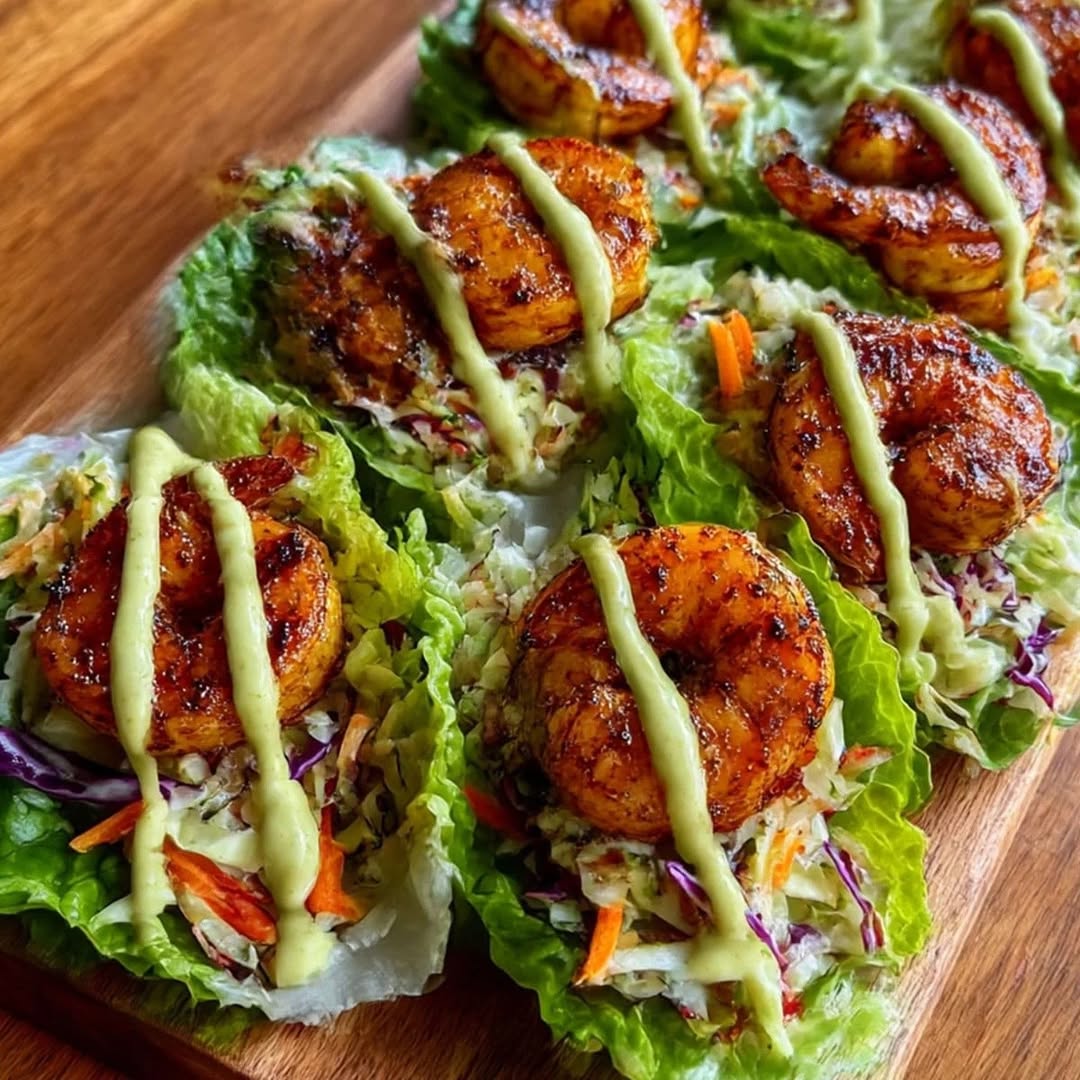
Low Carb Shrimp Lettuce Wraps: A Quick Keto Meal Prep for Busy Weeknights
Imagine a meal that feels like a delicious indulgence yet fits perfectly into your health goals. These Low Carb Shrimp Lettuce Wraps deliver exactly that experience. They combine succulent shrimp with a vibrant, crunchy vegetable medley, all wrapped in a fresh, crisp lettuce leaf. This dish is a celebration of clean eating without sacrificing an ounce of flavor. Consequently, it has become a staple for anyone following a ketogenic or low-carb lifestyle.
Furthermore, these quick keto meal prep wraps are a lifesaver during hectic weeks. You can have a restaurant-quality lunch or dinner on the table in under thirty minutes. The recipe leverages simple ingredients to create a complex taste profile that will impress your family and satisfy your cravings. Ultimately, it proves that healthy eating can be incredibly convenient and utterly delicious. The aromatic stir-fry filling, featuring ginger and garlic, will fill your kitchen with an irresistible scent that promises a fantastic meal.
Additionally, this recipe is incredibly versatile. You can customize the spice level, swap vegetables based on what’s in season, or adjust the sauce to your personal preference. It’s a fantastic blank canvas for culinary creativity while staying firmly within your dietary guidelines. The result is a light yet fulfilling dish that leaves you energized, not weighed down. For anyone seeking a reliable, flavorful, and fast low-carb solution, these shrimp lettuce wraps are the answer.
Quick Recipe Highlights
- Flavor Profile: These wraps offer a perfect balance of savory, slightly sweet, and umami notes from the soy sauce and sesame oil. A hint of freshness from ginger and garlic cuts through the richness beautifully. The result is a complex flavor that is far from boring.
- Texture: You get a wonderful contrast in every bite. The tender, juicy shrimp pairs with the crisp crunch of water chestnuts and bell peppers. Meanwhile, the soft, pliable lettuce leaf provides a refreshing and sturdy vessel that holds everything together without falling apart.
- Aroma: As the shrimp and vegetables hit the hot pan with ginger and garlic, an incredible savory fragrance fills the air. The toasted sesame oil added at the finish provides a nutty, warm aroma that signals the dish is ready to enjoy.
- Visual Appeal: The dish is a feast for the eyes with its vibrant colors. Pink shrimp, bright red bell peppers, green onions, and white water chestnuts create a colorful mosaic against the pale green lettuce. Presentation is simple yet elegant, making it perfect for casual or company dining.
- Skill Level Needed: This is a beginner-friendly recipe. The primary skills required are basic knife work for chopping and the ability to manage a simple stir-fry. If you can heat oil in a pan and sauté ingredients, you can absolutely master this dish.
- Special Equipment: No special tools are required. A sharp knife, a cutting board, a large skillet or wok, and a mixing bowl are all you need. A good non-stick skillet can make the cooking process even easier and require less oil.
Recipe Overview
- Difficulty Level: We rate this recipe as “Easy” because it involves straightforward techniques like chopping and sautéing. The steps are sequential and logical, with minimal room for error. Even novice cooks can achieve excellent results by following the clear instructions. The short cook time also means there’s less pressure and less chance of overcooking if you stay attentive.
- Category: This dish fits multiple categories beautifully. Primarily, it’s a fantastic main course for lunch or dinner. It also works wonderfully as a hearty appetizer or a light meal. For meal preppers, it’s a stellar make-ahead option that stores and reheats well.
- Cuisine: The flavor profile is inspired by Asian cuisine, particularly Chinese stir-fry traditions. The use of soy sauce, sesame oil, ginger, and garlic creates a familiar and beloved taste. However, the presentation as a lettuce wrap gives it a modern, health-conscious twist that transcends a single culinary tradition.
- Cost: This is a very cost-effective meal, especially when you consider the high-quality protein it provides. Shrimp can vary in price, but using a medium size keeps costs reasonable. The vegetables are inexpensive staples, and a head of lettuce is a low-cost base. Overall, it’s a budget-friendly way to eat well.
- Season: This recipe is truly a year-round favorite. It’s light and refreshing for spring and summer meals. Conversely, the warm, savory filling is comforting during fall and winter. You can easily adapt the vegetable mix based on seasonal availability for the freshest taste and best value.
- Occasion: These wraps are perfect for busy weeknight dinners, casual lunches, or healthy meal prep. They are also impressive enough to serve at a casual gathering or party, allowing guests to assemble their own wraps. It’s a versatile dish that suits almost any informal eating occasion.
Why You’ll Love This Recipe
First and foremost, the taste and texture combination is utterly addictive. The savory, garlicky shrimp filling provides a deep umami flavor that perfectly complements the sweet crunch of fresh vegetables. Each bite delivers a satisfying contrast that keeps you coming back for more. The cool, crisp lettuce wrap adds a refreshing element that balances the warm filling. This harmonious blend ensures your palate never gets bored, making healthy eating a genuine pleasure.
Secondly, the convenience factor is a major win. From start to finish, you can have this meal ready in about twenty-five minutes. The process is simple and streamlined, with minimal cleanup required. This makes it an ideal solution for those evenings when you’re short on time but still want a wholesome, home-cooked meal. Moreover, the ingredients are easy to find at any standard grocery store, so no special trips are needed.
Nutritionally, these Low Carb Shrimp Lettuce Wraps are a powerhouse. Shrimp is an excellent source of lean protein and important nutrients like iodine and selenium. The vegetables contribute essential vitamins, minerals, and fiber. By using lettuce instead of a tortilla or bread, you significantly reduce the carbohydrate and calorie count. This alignment with keto, low-carb, and gluten-free diets makes it a universally appealing choice for health-conscious individuals.
For entertaining, this dish offers fantastic social value. Serving the components family-style allows everyone to build their own wrap to their liking. This interactive element makes the meal more fun and engaging for guests. It’s a great conversation starter and feels much more special than a standard plated dinner. You can easily scale the recipe up for a crowd without much extra effort.
Finally, the cost-effectiveness and accessibility are undeniable. As mentioned, the ingredient list is affordable and simple. You can make a restaurant-quality meal for a fraction of the price you’d pay dining out. Additionally, the recipe is highly adaptable to what you have on hand, reducing food waste. This combination of flavor, health, speed, and value is what makes these quick keto meal prep wraps a permanent fixture in a smart cook’s repertoire.
Historical Background and Cultural Significance
The concept of using lettuce as a wrap has roots in various Asian cuisines. In Korean cuisine, ssam refers to a dish where leafy vegetables are used to wrap pieces of meat, often grilled. Similarly, in Chinese cuisine, particularly in Beijing, crispy lettuce cups filled with minced meat are a beloved appetizer. The modern interpretation, often featuring a lighter, stir-fried filling, has evolved to meet contemporary dietary preferences. This fusion of tradition and modern health trends gives the dish its current widespread appeal.
Culturally, the act of wrapping food in a fresh leaf is ancient and practical. It served as an edible utensil long before forks and spoons were commonplace. This tradition emphasizes freshness, texture contrast, and a hands-on eating experience. The lettuce wrap, therefore, connects us to a long history of intuitive and interactive dining. It transforms a simple meal into a more engaging and sensory experience.
The evolution of this specific recipe is tied directly to the rise of low-carb and ketogenic diets in recent decades. As people sought alternatives to bread and tortillas, lettuce emerged as the perfect natural, crunchy substitute. The classic Asian-inspired stir-fry filling, already low in carbs, was a natural pairing. Consequently, the “lettuce wrap” became a staple category in the healthy eating and meal prep community, with shrimp being a popular protein choice for its speed and flavor.
Regional variations abound, showcasing the recipe’s adaptability. In the American South, you might find a version with a Cajun-spiced shrimp remoulade. A Thai-inspired variation could include lemongrass, fish sauce, and a sprinkle of chopped peanuts. Some versions incorporate avocado or a spicy mayo drizzle for richness. This global journey of the lettuce wrap highlights how a simple concept can be adapted across cultures while maintaining its core appeal: fresh, flavorful, and fun-to-eat food.
Ingredient Deep Dive
Shrimp: Shrimp is a culinary treasure enjoyed worldwide for thousands of years. It’s a fantastic source of lean protein, providing all nine essential amino acids. Importantly, it’s also rich in selenium, a powerful antioxidant, and iodine, which is crucial for thyroid health. When selecting shrimp, look for firm, translucent flesh with a mild sea smell. Avoid any with black spots or a strong ammonia odor. For best results, buy frozen raw shrimp and thaw them overnight in the refrigerator. You can substitute with chicken, ground turkey, or tofu for a different protein.
Butter Lettuce: Butter lettuce, also known as Bibb or Boston lettuce, is prized for its soft, pliable leaves and sweet, mild flavor. Its cup-like shape makes it the ideal vessel for wraps. This lettuce is a good source of vitamin A and K. Choose heads that are vibrant green with no signs of wilting or brown edges. To store, keep the whole head unwashed in a plastic bag in your refrigerator’s crisper drawer. Romaine heart leaves or large kale leaves can work as sturdier, though less tender, alternatives.
Water Chestnuts: These are not nuts at all but the corms of an aquatic plant. They add an irreplaceable, juicy crunch to Asian dishes. Water chestnuts are very low in calories and provide a modest amount of fiber and potassium. Look for whole, peeled water chestnuts in cans, ensuring they are firm and white. Rinse them well before use to remove any canned flavor. For a substitute, try jicama or celery, though the unique crisp texture of water chestnuts is hard to replicate perfectly.
Soy Sauce & Sesame Oil: Soy sauce, a fermented product of soybeans and wheat, brings deep umami and saltiness. Use a low-sodium version to control salt levels. For a gluten-free option, tamari is an excellent substitute. Toasted sesame oil, made from pressed toasted sesame seeds, is a finishing oil with an intense nutty aroma. Never use it as a cooking oil on high heat, as it burns easily. A few drops at the end of cooking elevate the entire dish’s fragrance and flavor.
Common Mistakes to Avoid
- Overcooking the Shrimp: Shrimp cook incredibly fast and become rubbery when overdone. They are ready as soon as they turn pink and opaque, which often takes just 2-3 minutes. Remove them from the pan immediately to prevent carryover cooking from ruining their tender texture.
- Using the Wrong Lettuce: Iceberg lettuce is too brittle and will crack when folded. Conversely, leafy greens like spinach are too flimsy. Butter lettuce or romaine hearts provide the perfect balance of flexibility and structure to hold the filling without falling apart.
- Adding Sesame Oil Too Early: Toasted sesame oil has a low smoke point and a delicate flavor that dissipates with high heat. Always add it at the very end, off the heat, to preserve its aromatic qualities. Using it as the primary cooking oil will result in a bitter, burnt taste.
- Not Draining Vegetables: If using canned water chestnuts or bamboo shoots, failing to rinse and drain them thoroughly will leave a metallic, canned flavor in your dish. Always give them a good rinse under cold water and pat them dry with a paper towel.
- Overfilling the Wraps: The temptation to pack in as much filling as possible is strong, but it leads to messy, broken wraps. Use a moderate amount of filling, about two tablespoons per wrap, to allow for easy folding and eating without spillage.
- Skipping the Ginger and Garlic: These aromatics are non-negotiable for building the foundational flavor. Sautéing them briefly in hot oil releases their essential oils and creates the flavor base that infuses the entire dish. Pre-minced jars are acceptable in a pinch, but fresh offers superior taste.
- Crowding the Pan: Adding all the shrimp and vegetables at once will steam them instead of sautéing them. This leads to soggy, limp vegetables and improperly seared shrimp. Cook in batches if your pan is small to ensure everything gets proper heat contact.
- Neglecting to Season in Layers: Seasoning only at the end results in a flat taste. Add a small pinch of salt when cooking the aromatics, then adjust the final seasoning with the soy sauce. This builds a more complex and well-rounded flavor profile.
Essential Techniques
The Perfect Stir-Fry Sauté: This technique is crucial for achieving the characteristic “wok hei” or breath of the wok, even in a skillet. First, ensure your pan is very hot before adding oil. Then, add ingredients in order of cooking time, starting with aromatics like ginger, followed by harder vegetables, and finally quick-cooking proteins like shrimp. The goal is to cook quickly over high heat while constantly stirring or tossing. This seals in flavors, creates a slight caramelization, and preserves texture. The common pitfall is adding everything at once, which drops the pan temperature and leads to steaming.
Proper Shrimp Preparation: Starting with properly thawed shrimp is key. Pat them completely dry with paper towels before cooking; any excess moisture will cause them to steam. Season them lightly just before they hit the pan. When you add them, arrange them in a single layer and let them sear for about 30 seconds before stirring. This initial contact creates a nice sear and prevents them from releasing too much liquid. The visual cue for doneness is a firm, pink, opaque curl—remove them immediately.
Lettuce Prep for Wraps: Carefully separate the leaves from the head of butter lettuce, trying to keep them intact. Wash them gently in a bowl of cold water and then spin them completely dry in a salad spinner. Any residual water will make the wraps soggy and difficult to handle. Stack the dried leaves between layers of paper towels in a sealed container or bag in the fridge until ready to use. This keeps them crisp and pliable.
Pro Tips for Perfect Low Carb Shrimp Lettuce Wraps
For an extra flavor boost, marinate the raw shrimp in a tablespoon of the soy sauce and a teaspoon of grated ginger for 15 minutes before cooking. This infuses the protein from the inside out.
Toast your sesame seeds in a dry pan for a minute until fragrant before sprinkling them on top. This simple step dramatically enhances their nutty flavor and crunch.
If your filling seems a bit wet after cooking, mix a teaspoon of almond flour or coconut flour into the hot mixture. It will absorb excess liquid without altering the flavor.
Serve the filling in a warm bowl alongside the cold lettuce leaves. The temperature contrast between the hot filling and cool lettuce is part of the sensory appeal.
For a presentation upgrade, slice green onions on a sharp diagonal. This creates elegant, elongated pieces that look more professional as a garnish.
Double the sauce ingredients and set half aside. Use it as a dipping sauce on the side for those who want an extra flavor punch with their wraps.
Add a teaspoon of chili garlic sauce or sriracha to the stir-fry for a spicy kick that complements the savory notes beautifully.
Use a microplane to grate the ginger and garlic directly into the hot oil. This creates a finer paste that distributes flavor more evenly throughout the dish.
Variations and Adaptations
Regional Variations: For a Thai twist, replace soy sauce with fish sauce, add a squeeze of lime juice, and garnish with fresh cilantro and chopped peanuts. A Vietnamese-inspired version might include a drizzle of nuoc cham dipping sauce and fresh mint leaves. A Korean variation could use gochujang (red chili paste) in the sauce and serve with kimchi on the side.
Seasonal Adaptations: In spring, add fresh snap peas and asparagus tips. Summer calls for diced zucchini and yellow squash. For fall, incorporate finely diced mushrooms for an earthy depth. In winter, use heartier greens like savoy cabbage leaves as the wrap for a more substantial feel.
Dietary Modifications: For a Paleo version, use coconut aminos instead of soy sauce. To make it Whole30 compliant, ensure your soy sauce alternative is sugar-free. For a pescatarian meal, ensure all sauces are fish-free if needed, though the shrimp is the central protein. A nut-free version simply omits the sesame seed garnish.
Flavor Variations: Experiment with different sauce bases. Try a teriyaki glaze made with sugar-free sweetener, or a peanut sauce using powdered peanut butter thinned with water. A splash of rice vinegar can add brightness, while a dollop of miso paste stirred in at the end adds incredible umami depth.
Texture Modifications: For extra crunch, add chopped roasted almonds or pecans to the filling. For a creamier element, dice half an avocado and gently fold it into the cooked filling just before serving. To make the filling more cohesive, as for a filling for endive spears, chop the shrimp and vegetables more finely.
Presentation Alternatives: Instead of wraps, serve the shrimp mixture over a bed of cauliflower rice for a bowl-style meal. You can also use the filling as a topping for a large Asian-inspired salad. For a party appetizer, spoon the mixture into individual butter lettuce cups arranged on a platter.
Serving and Presentation Guide
Plating Techniques: For a family-style meal, place the bowl of warm shrimp filling in the center of the table. Arrange the crisp, whole lettuce leaves on a large platter around it, slightly overlapping like flower petals. Put small bowls of garnishes like sliced green onions, sesame seeds, and lime wedges alongside. This encourages interaction and allows everyone to build their perfect wrap.
Garnishing Ideas: Beyond the basics, consider adding a final flourish. A light sprinkle of furikake (Japanese seasoning) adds complexity. Thinly sliced red chili rings provide color and heat. Fresh cilantro or Thai basil leaves offer an aromatic finish. A drizzle of sriracha mayo in a zigzag pattern over the plated wraps looks restaurant-worthy.
Traditional Accompaniments: In a traditional Asian meal context, these wraps might be served alongside a simple soup like a clear broth with mushrooms and scallions. A small side of quick-pickled vegetables, such as carrots and daikon, adds a tangy, crunchy contrast that cleanses the palate between bites.
Modern Serving Suggestions: For a complete modern low-carb plate, pair the wraps with a side of sesame-roasted broccoli or zucchini noodles lightly tossed in the same sauce. A refreshing cucumber salad with rice vinegar and a touch of sesame oil also complements the flavors beautifully without adding significant carbs.
Temperature Considerations: The magic of this dish lies in the contrast. The filling should be served hot or very warm, straight from the pan. The lettuce leaves must be cold and crisp, straight from the fridge. This interplay of temperatures makes each bite dynamic and refreshing.
Portion Control Tips: A standard serving is about three to four filled lettuce wraps per person for a main course. For appetizers, plan for two wraps per guest. To control portions easily, use a standard tablespoon or cookie scoop to distribute the filling evenly among the leaves, ensuring consistent size and preventing overfilling.
Wine and Beverage Pairing
Wine Pairings: The savory, umami-rich flavors of these shrimp lettuce wraps pair wonderfully with crisp, acidic white wines. A Sauvignon Blanc, with its notes of citrus and grass, cuts through the richness and complements the ginger. An off-dry Riesling offers a slight sweetness that balances the saltiness of the soy sauce beautifully. For a rosé option, choose a dry Provençal style with mineral notes.
Non-Alcoholic Alternatives: Sparkling water with a squeeze of lime or a slice of cucumber is a classic, refreshing choice. Iced green tea, either plain or with a hint of lemon, enhances the Asian flavors without competing. For a more elaborate mocktail, try a ginger-lemon spritzer made with ginger brew, fresh lemon juice, and club soda.
Coffee/Tea Pairings: After the meal, a cup of delicate green tea, such as Sencha or Dragonwell, would be a perfect finish. The vegetal notes of the tea harmonize with the meal’s flavors. A light roast coffee with citrusy notes could also work if served after a slight digestion period, as its acidity would be refreshing.
Temperature Considerations: White wines and non-alcoholic sparklers should be served well-chilled, between 45-50°F. Iced teas and mocktails are best over plenty of ice. This coolness provides a refreshing counterpoint to the warm, savory food, cleansing the palate and enhancing the overall dining experience.
Serving Suggestions: Pour wines into standard white wine glasses to allow their aromas to develop. Serve iced beverages in tall, clear glasses to showcase their color and effervescence. Always offer plenty of ice and garnishes like citrus wheels or herb sprigs on the side so guests can customize their drinks.
Storage and Shelf Life
Storage Methods: Store the cooked shrimp filling and the fresh lettuce leaves separately. Place the cooled filling in an airtight container. Keep the leaves in a separate container or resealable bag lined with a paper towel to absorb moisture. This prevents the lettuce from wilting and the filling from becoming soggy.
Temperature Requirements: Both components must be refrigerated promptly. The ideal refrigerator temperature is at or below 40°F (4°C). Do not leave the cooked shrimp mixture at room temperature for more than two hours to prevent bacterial growth.
Container Recommendations: Use shallow containers for the shrimp filling to allow it to cool quickly and evenly. Glass containers are ideal as they don’t absorb odors and allow you to see the contents. For the lettuce, a large, lidded plastic container or a gallon-sized zip-top bag works perfectly.
Signs of Spoilage: Discard the filling if it develops an off or sour smell, or if the shrimp become slimy. If the lettuce leaves become limp, slimy, or develop dark, wet spots, they are no longer good for wrapping. When in doubt, follow the golden rule: if you’re unsure, throw it out.
Reheating Instructions: Reheat only the shrimp filling. Gently warm it in a skillet over medium-low heat with a tiny splash of water or broth to prevent drying out. You can also microwave it in 30-second intervals, stirring between each, until just warmed through. Never reheat the lettuce.
Freezing Guidelines: Freezing is not recommended for the complete dish. The cooked shrimp filling can be frozen for up to one month, but the texture of the shrimp and vegetables may become slightly mushy upon thawing. Lettuce cannot be frozen. For best quality, enjoy this as a fresh or refrigerated meal prep option.
Make Ahead Strategies
Prep Timeline: You can prep this meal up to three days in advance. Chop all vegetables (bell peppers, water chestnuts, green onions) and store them together in a container. Mince the garlic and ginger and store them in a small separate container. Peel and devein the shrimp, then pat dry and store in another airtight container in the fridge. This “mise en place” cuts your active cook time to just 10 minutes.
Storage Between Steps: Keep all prepped ingredients refrigerated until you’re ready to cook. The vegetables and aromatics can be combined, but keep the raw shrimp separate. Having everything measured and ready to go turns the cooking process into a simple, fast assembly line.
Quality Impact Assessment: Pre-chopping vegetables has a minimal impact on quality, especially if stored properly. The ginger and garlic may lose a tiny bit of potency but will still be flavorful. The key is cooking the shrimp fresh, as pre-cooked and reheated shrimp suffer a significant texture loss. Therefore, the best make-ahead strategy is to prep everything but cook the shrimp just before serving.
Assembly Tips: For meal prep, pack individual portions of the cooled, cooked filling in containers. Pack the lettuce leaves in a separate bag or container section. At mealtime, microwave the filling and assemble your wraps fresh. This ensures the lettuce stays crisp and the filling is properly warmed.
Reheating Guidelines: As noted, reheat the filling gently to avoid overcooking the shrimp. If the filling seems dry after refrigeration, add a teaspoon of water or broth before reheating. Stir frequently to ensure even warming. Assemble the wrap only after the filling has been reheated.
Fresh Element Additions: If prepping ahead, add the fresh garnishes like the final sprinkle of green onions and sesame seeds right before serving. This maintains their vibrant color, crisp texture, and peak flavor, giving the dish a just-made appearance and taste.
Scaling Instructions
Halving the Recipe: Halving this recipe is straightforward. Simply divide all ingredient quantities by two. Use a medium skillet instead of a large one. The cook time will remain roughly the same, as the smaller amount of food will cook just as quickly. This is perfect for a solo dinner or lunch for two.
Doubling or Tripling: For larger batches, double or triple the ingredients proportionally. The key adjustment is to avoid crowding the pan. Cook the shrimp in multiple batches to ensure proper searing. You may also need to sauté the vegetables in batches. Use the largest skillet or wok you have, or cook in a Dutch oven.
Equipment Adjustments: Scaling up requires larger cooking vessels and mixing bowls. For a crowd, consider using two skillets simultaneously to manage the volume. For serving, you’ll need larger platters and bowls. A buffet-style setup works perfectly for scaled-up versions, allowing guests to serve themselves.
Timing Modifications: While the active cook time per batch remains about 10 minutes, the total time will increase with each batch you cook. Factor in extra time for cooking in succession and for reheating if you’re holding the filling warm in an oven (covered, on low heat) before serving.
Storage Considerations: A larger batch means more leftovers. Ensure you have enough appropriately sized, shallow containers to store the cooled filling without stacking it too deep, which slows cooling and can be a food safety risk. Plan your refrigerator space accordingly.
Nutritional Deep Dive
Macro Breakdown: This dish is a macro-nutrient dream for low-carb and keto diets. A serving provides a high amount of quality protein from the shrimp, essential for muscle repair and satiety. The fat content is moderate and comes primarily from healthy sources like sesame oil. Net carbohydrates are very low, as the primary veggies are low-starch and the wrap is a non-starchy leaf. This balance helps maintain stable blood sugar levels.
Micronutrient Analysis: Shrimp is an excellent source of selenium, a crucial antioxidant, and iodine, vital for thyroid function. Bell peppers are loaded with Vitamin C, and red peppers specifically are high in Vitamin A. The ginger and garlic provide anti-inflammatory compounds and support immune health. Lettuce contributes Vitamin K, important for bone health and blood clotting.
Health Benefits: The combination of lean protein and high-volume, low-calorie vegetables promotes fullness, which can aid in weight management. The anti-inflammatory properties of ginger and garlic support overall wellness. The low glycemic impact makes it suitable for those managing insulin sensitivity or diabetes. It’s also a heart-healthy option, being low in saturated fat and cholesterol.
Dietary Considerations: Naturally gluten-free if using tamari instead of soy sauce. It’s dairy-free. It fits Paleo guidelines with a soy sauce substitute. It’s perfect for ketogenic and low-carb diets. It can be adapted for Whole30 with compliant ingredients. It’s also suitable for pescatarians.
Portion Analysis: A standard serving of 3-4 wraps is highly satisfying due to the protein and fiber content, yet it remains light. The portion size is visually generous because of the lettuce, which adds volume without significant calories. This helps prevent overeating while still providing a fulfilling meal experience.
Weight Management Tips: This recipe is a cornerstone for weight management because it’s high in protein and fiber, both of which increase satiety. The act of assembling the wraps also slows down eating, allowing your brain to register fullness. To further reduce calories, you can slightly increase the vegetable ratio to shrimp and use a light spray of oil for cooking.
Dietary Adaptations
Gluten-free: This recipe is easily made gluten-free by substituting the soy sauce with tamari (ensure it’s labeled gluten-free) or coconut aminos. Double-check that any other condiments, like hoisin if used in a variation, are also certified gluten-free. All other core ingredients are naturally gluten-free.
Dairy-free: The recipe is naturally dairy-free as written. No butter, milk, cheese, or cream is used. Always verify labels on pre-made sauces or condiments if using variations, as some may contain hidden dairy derivatives.
Vegan: For a vegan version, replace the shrimp with extra-firm tofu, tempeh, or a hearty mushroom like king oyster, chopped into small pieces. Use a plant-based fish sauce alternative or more coconut aminos for the savory element. Ensure the sugar used in any sweetener is vegan (like coconut sugar).
Low-carb & Keto: This recipe is inherently excellent for low-carb and keto diets. The only potential carb sources are the vegetables, which are all low-glycemic. To keep it strictly keto, ensure any added sauce or sweetener is a keto-approved sugar substitute like erythritol or monk fruit.
Paleo: To align with Paleo guidelines, replace the soy sauce with coconut aminos. Ensure the sesame oil is 100% pure and that there are no non-Paleo additives in any other ingredients. The dish is otherwise Paleo-friendly, focusing on whole, unprocessed foods.
Low-FODMAP: For a Low-FODMAP adaptation, use garlic-infused oil instead of fresh garlic (the fructans are not oil-soluble, so the flavor remains without the FODMAPs). Use only the green parts of the green onions. Omit the water chestnuts or confirm they are low-FODMAP in your serving size. Ginger is low-FODMAP in typical recipe amounts.
Nut-free: The recipe is naturally nut-free. The only potential allergen is shellfish (shrimp) and sesame (oil and seeds). For a completely nut and seed-free version, omit the sesame oil and seeds and use avocado oil for cooking and flavor.
Troubleshooting Guide
Filling is Too Wet/Soggy: This usually happens from overcrowding the pan or not patting the shrimp dry. Solution: Cook the vegetables over higher heat to evaporate excess moisture, or add a teaspoon of almond flour to the hot filling to absorb liquid. Next time, ensure your shrimp and rinsed vegetables are thoroughly dried before cooking.
Lettuce Leaves Keep Tearing: You may be using the wrong type of lettuce or handling it too roughly. Solution: Use the inner, more flexible leaves of butter or romaine lettuce. Carefully separate leaves from the core under running water to help them peel away intact. If tears happen, use two smaller leaves overlapping to create a sturdy base.
Shrimp Tastes Rubbery: This is a clear sign of overcooking. Solution: Unfortunately, you can’t reverse this. For next time, cook shrimp just until they turn pink and opaque, which is very fast. Remove them from the pan immediately, as they continue to cook from residual heat.
Dish Lacks Flavor: The seasoning may be underseasoned or the aromatics undercooked. Solution: Adjust seasoning at the end with a splash more soy sauce or a pinch of salt. Ensure you sauté the ginger and garlic in hot oil for a full 30-60 seconds until fragrant before adding other ingredients—this builds the flavor foundation.
Equipment Challenges (No Wok or Large Skillet): A small pan leads to steaming. Solution: Cook in smaller batches to ensure each piece has contact with the hot surface. Even two batches will yield a better texture than one overcrowded, steamy batch. A Dutch oven can also work as a large surface area alternative.
Timing Concerns for Meal Prep: The lettuce gets soggy when pre-assembled. Solution: Never assemble ahead. Always store components separately. Pack the filling in one container and the leaves in another. Assemble just before eating to guarantee the perfect crisp texture in every bite.
Recipe Success Stories
Our community of home cooks has embraced this recipe as a weekly staple. Many Print
Low Carb Shrimp Lettuce Wraps – Quick Keto Meal Prep
- Total Time: 25 minutes
- Yield: 4
Description
A light and flavorful keto-friendly meal featuring juicy shrimp, crisp vegetables, and a tangy sauce wrapped in fresh lettuce leaves, perfect for quick meal prep.
Ingredients
- 1 lb raw shrimp, peeled and deveined
- 1 tbsp olive oil
- 2 cloves garlic, minced
- 1 tbsp fresh ginger, grated
- 1 red bell pepper, thinly sliced
- 1 cucumber, julienned
- 1 carrot, julienned
- 1/4 cup green onions, chopped
- 1/4 cup cilantro, chopped
- 8 large lettuce leaves (such as butter or romaine)
- 2 tbsp soy sauce or coconut aminos
- 1 tbsp rice vinegar
- 1 tsp sesame oil
- Salt and pepper to taste
Instructions
- Heat olive oil in a large skillet over medium heat. Add garlic and ginger, sauté for 1 minute until fragrant.
- Add shrimp to the skillet and cook for 2-3 minutes per side until pink and opaque. Season with salt and pepper, then remove from heat.
- In a small bowl, whisk together soy sauce, rice vinegar, and sesame oil to make the sauce.
- Assemble wraps by placing a lettuce leaf flat, adding shrimp, bell pepper, cucumber, carrot, green onions, and cilantro. Drizzle with sauce before serving.
Notes
You can customize the seasonings to taste.
- Prep Time: 15 minutes
- Cook Time: 10 minutes
- Method: Main
- Cuisine: Asian Fusion