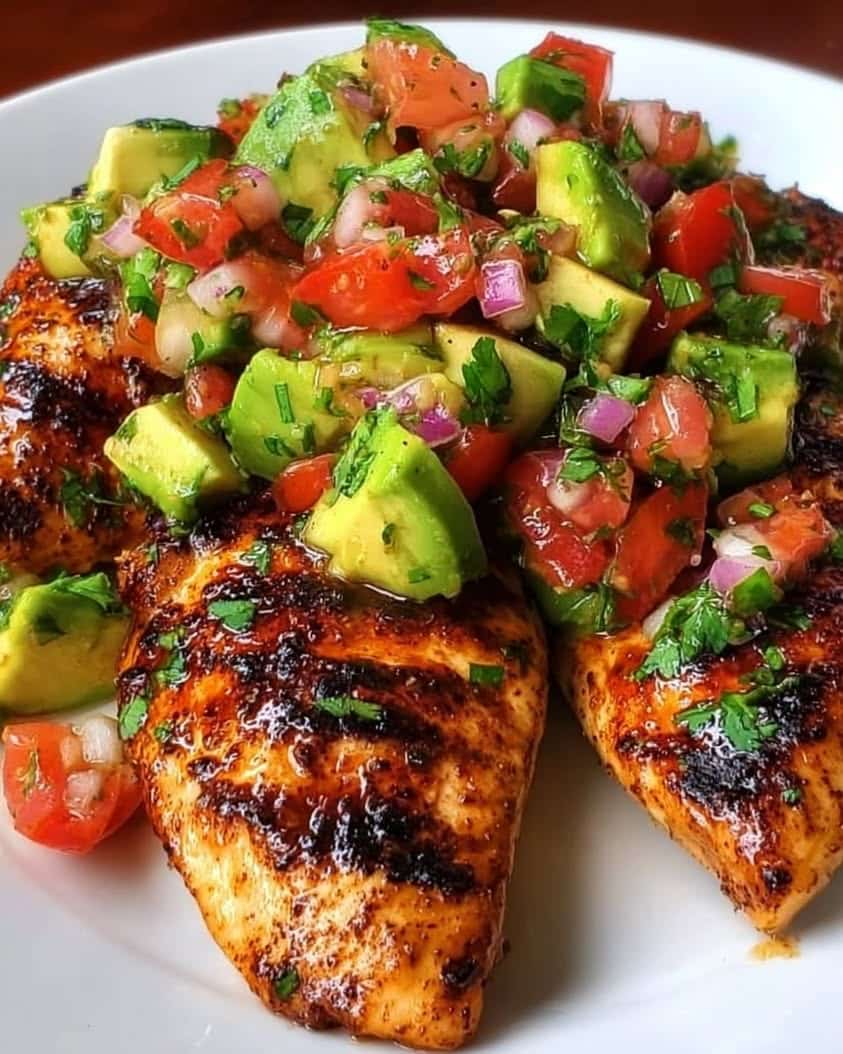
Fiesta Lime Chicken with Avocado Salsa: The Ultimate 30-Minute Weeknight Dinner
Welcome to your new favorite weeknight obsession. This Fiesta Lime Chicken with Avocado Salsa is a vibrant, zesty, and incredibly satisfying dish that brings the bright flavors of a summer fiesta right to your dinner table. It is a perfect harmony of juicy, charred chicken seasoned with a punchy lime and chili rub, all topped with a creamy, fresh avocado salsa that adds a cooling contrast. This meal is anything but boring, offering a restaurant-quality experience that you can easily create in your own kitchen.
The magic of this dish lies in its simplicity and bold flavor profile. Therefore, you do not need a long list of complicated ingredients. Instead, we focus on a few fresh, high-quality components that work together to create something truly special. The chicken is marinated briefly in a mixture of lime juice, garlic, and warm spices, which tenderizes the meat and infuses it with a tangy, savory depth. Meanwhile, the avocado salsa is a celebration of texture and freshness, combining ripe avocado, juicy tomatoes, crisp red onion, and cilantro with a hint of jalapeño for a subtle kick.
Moreover, this Fiesta Lime Chicken with Avocado Salsa is designed for the busy home cook. The entire process, from prep to plate, takes just about 30 minutes, making it an ideal choice for those hectic weeknights when you crave something delicious but have little time to spare. So, if you are looking to shake up your dinner routine with a dish that is both wholesome and bursting with flavor, look no further. Let us dive into the details and get this fiesta started.
Quick Recipe Highlights
- Flavor Profile: The flavor is a brilliant dance between bright, tangy lime and warm, earthy chili powder. Therefore, each bite delivers a savory, slightly smoky depth from the seared chicken, which is perfectly balanced by the cool, creamy, and mildly spicy avocado salsa. The overall taste is refreshing, vibrant, and deeply satisfying.
- Texture: You will experience a wonderful variety of textures in this dish. The chicken has a beautifully charred, slightly crispy exterior while remaining incredibly juicy and tender on the inside. On top, the avocado salsa provides a luxurious creaminess, with the tomatoes adding a pop of juiciness and the red onion a satisfying crunch. This combination of smooth, crisp, and tender elements makes every forkful exciting.
- Aroma: As you cook, your kitchen will fill with an irresistible aroma. The scent of sizzling chicken is elevated by the fragrant garlic and the earthy, warm notes of chili powder and cumin. Then, the fresh, vibrant aroma of lime zest and cilantro from the salsa adds a final layer of freshness that is instantly appetizing.
- Visual Appeal: This dish is a feast for the eyes. The golden-brown chicken, marked with beautiful char lines, provides a stunning base for the vibrant green and red of the salsa. The bright green avocado, ruby-red tomatoes, and white onion speckled with fresh cilantro create a colorful, appetizing presentation that looks like it came straight from a professional kitchen. It is the kind of meal that makes you want to eat with your eyes first.
- Skill Level Needed: This recipe is incredibly approachable, making it perfect for beginners and experienced cooks alike. The techniques involved are straightforward, such as making a simple marinade and chopping fresh vegetables. Therefore, you do not need any advanced culinary skills. The most important thing is to have a good, hot skillet and a sharp knife for chopping the salsa ingredients.
- Special Equipment: You will need a few basic kitchen tools for this recipe. A large cast-iron skillet or a heavy-bottomed frying pan is ideal for achieving a good sear on the chicken. Also, a citrus juicer will help you extract the most juice from your limes. Finally, a sharp chef’s knife and a cutting board are essential for preparing the salsa.
Recipe Overview
- Difficulty Level: This is an easy recipe. Therefore, it is perfect for a weekday meal. The preparation is mostly about mixing a marinade and chopping vegetables, both of which are very simple tasks. The cooking process is equally straightforward, requiring you to pan-sear the chicken until it is cooked through. You do not need any special techniques, so you can feel confident that this dish will come out perfectly every time.
- Category: This dish falls under the categories of main course, dinner, and lunch. It serves as a hearty and complete meal, especially when paired with a simple side dish like rice or tortillas. Moreover, it fits beautifully into an “American” or “Tex-Mex” style of cooking, which is characterized by bold, vibrant flavors and hearty ingredients.
- Cuisine: This recipe is an excellent example of Tex-Mex cuisine, a delightful fusion of Mexican and American culinary traditions. It shares DNA with classic dishes like fajitas and tinga, which are known for their use of bold spices, citrus, and fresh salsas. However, this recipe simplifies that traditional flavor combination for a modern, quick, and easy home-cooked meal that still packs a punch.
- Cost: The cost of this dish is quite affordable. Chicken breasts are a very budget-friendly protein option. Therefore, the main cost will be the fresh produce: avocados, tomatoes, limes, and cilantro. These ingredients are generally inexpensive and available year-round. In total, you can expect to feed a family of four for a very reasonable price, making this an economical choice for any night of the week.
- Season: While you could enjoy this dish all year long, it truly shines during the summer and spring months. This is the time when avocados are at their peak, and fresh tomatoes are bursting with flavor. The bright, citrusy flavors of the lime and the freshness of the salsa are incredibly refreshing on a warm day, making it a perfect meal for a light but filling dinner.
- Occasion: This Fiesta Lime Chicken with Avocado Salsa is versatile enough for a variety of occasions. On the one hand, it is a fantastic, fuss-free weeknight dinner. On the other hand, it is also impressive enough to serve at a casual weekend gathering with friends or family. You could even set up a “taco bar” with toppings and let your guests build their own, which makes it a fun and interactive meal for entertaining.
Why You’ll Love This Recipe
First and foremost, the taste is absolutely spectacular. The tangy lime marinade does more than just add flavor; it helps to tenderize the chicken, resulting in meat that is remarkably succulent and juicy. Consequently, the combination of the smoky, charred exterior with the bright, herby salsa is a flavor experience that is both complex and comforting. It is a dish that effortlessly delivers on its promise to be both delicious and memorable.
From a convenience standpoint, this recipe is a winner. For example, the active preparation time is minimal. You can mix the marinade in a bowl while your pan heats up, and the salsa comes together in just a few minutes of chopping. Consequently, you are never slaving over a hot stove for a long time. This ease of preparation is why this is one of those “go-to” recipes that you will find yourself making again and again on busy days.
Nutritionally, this dish is a powerhouse. Chicken breast is a fantastic source of lean protein, which is essential for muscle repair and keeping you feeling full and satisfied. Then, you top it with avocado, which is full of heart-healthy monounsaturated fats and fiber. Consequently, this is a meal that is not only tasty but also contributes to a balanced and nourishing diet. It is a fantastic way to enjoy a healthy meal without sacrificing any flavor.
Also, this recipe is a fantastic choice for social value. It is colorful, looks great on a serving platter, and is easily customizable. Therefore, it is perfect for a casual get-together. You can serve the chicken whole or slice it and put it in warm tortillas for a fun, interactive “build your own” meal. This interactive element is always a hit with guests, as it lets everyone tailor their plate to their own preferences.
Finally, the cost-effectiveness and accessibility of the ingredients make this an unbeatable option. These are all common items found in most grocery stores, so you will not have to hunt for exotic ingredients. Furthermore, you can even use ingredients you already have on hand. For example, if you do not have a jalapeño, you could use a pinch of red pepper flakes in the salsa for heat. This recipe is forgiving, intuitive, and easy to adapt, ensuring it can be a reliable staple in your kitchen for years to come.
Historical Background and Cultural Significance
The roots of this dish can be traced back to the vibrant culinary landscape of northern Mexico, where citrus and chiles have been used to flavor meats for centuries. In particular, the practice of marinating meat in lime juice is a technique known as “ceviche” when applied to raw fish, but for marinades and cooking, it has long been a standard in creating “carne a la plancha” or grilled meats. The acidic lime not only flavors the meat but also helps to break down tough fibers, leading to a more tender result, a technique that Mexican cooks have utilized for generations.
The cultural importance of this recipe lies in the use of fresh, vibrant salsas. In Mexican cuisine, a meal is not complete without a salsa, and the “salsa fresca” or “pico de gallo” is a staple of that tradition. Therefore, the avocado salsa is a variation on this classic, combining the ubiquitous salsa ingredients of tomato, onion, and chile with the creamy richness of avocado. This represents the genius of Mexican home cooking: transforming a few simple, fresh ingredients into a complex and delicious condiment that elevates the entire meal.
The evolution of this recipe into what we recognize as “Fiesta Lime Chicken” is a product of the American Tex-Mex movement. As Mexican cuisine crossed the border and adapted to American tastes and available ingredients, it became more centered on large portions of meat and rich, cheesy accompaniments. In this adaptation, the humble marinade became a prominent feature, and the flavors were amplified to be bolder and more tangy to appeal to the American palate, thus creating a new fusion classic that represents a cultural exchange on a plate.
Regional variations of this dish are numerous. In coastal areas of Mexico, you might find this dish prepared with fish instead of chicken. In the American Southwest, it is common to see the chicken served on a bed of rice or with a side of refried beans, while in Texas, you are more likely to see it served with warm flour tortillas. Some variations of the sauce might even be blended into a creamy sauce rather than served as a chunky salsa. These variations show the versatility of its core components: citrus, chile, and fresh produce, which serve as a canvas for a load of regional creativity.
Ingredient Deep Dive
Chicken Breasts: As the main event, chicken breasts are the heart of this dish. Culturally, the boneless, skinless chicken breast has its roots in modern American convenience, becoming a staple of the 20th century due to its lean, versatile profile. Nutritionally, it is a fantastic source of high-quality protein, which is essential for building and repairing tissues. When selecting, look for breasts that are plump, pink, and have a moist appearance. For storage, you can keep them in the refrigerator for a day or two, or freeze them for up to six months. A great substitution if you prefer dark meat is to use boneless, skinless chicken thighs, which are even more juicy and flavorful and also very forgiving to cook.
Fresh Limes: Limes are the defining flavor of this entire dish. The “lime” in the title is not just for show; it is the source of the bright, tangy acidity that cuts through the richness and elevates the flavors. In historical terms, limes were a vital tool for sailors to prevent scurvy, and in cuisine, their juice has been a cornerstone of many marinades and sauces. First, always search for limes that are heavy for their size, as this indicates they are full of juice. Also, they should be fragrant and have a smooth, bright green skin. To store them, keep them in the refrigerator for up to two weeks. If you are out of limes, you can substitute lemon juice in a pinch, but the flavor will be slightly less floral.
Avocados: Avocados are the source of the creaminess in our salsa. Hailing from central Mexico, the avocado has a long and revered history as a fertility fruit and has become a global superfood in the 21st century. They are packed with monounsaturated fats, which are good for your heart, and also provide a wealth of potassium and vitamins. When choosing avocados, a great test is to press gently near the stem; it should yield slightly to pressure if it is ripe. If they are hard, you can ripen them at room temperature for a few days. As a substitute for a different texture, you could use tomatillos for a more tart salsa, but that will change the creamy nature of the dish.
Cilantro: Cilantro brings a fresh, citrusy, and slightly peppery note that is essential to many Latin dishes. This herb has a long history, having been mentioned in ancient Sanskrit texts and used in cooking for thousands of years. It is also a good source of vitamins A and K. When you buy cilantro, look for vibrant green leaves that are perky, not wilted. It is best stored with the stems in a glass of water in the fridge. If there are some of us who are genetically predisposed to dislike the taste of cilantro, you can use fresh parsley as a substitution, though the flavor will be distinctly different.
Red Onion: Red onion adds a sharp, pungent bite to the salsa, giving it a pleasant crunch and beautiful color. Unlike yellow or white onions, red onions are often eaten raw because of their slightly milder flavor, a tradition popularized in European and Latin American cuisines. They are low in calories but high in antioxidants, specifically anthocyanins which give them their red hue. For the freshest, most crisp flavor, look for onions that are firm with tight, shiny skins. Store them in a cool, dry place, and they will keep for weeks. A substitute is a shallot which will give you a slightly more delicate onion and garlic flavor.
Chili Powder and Cumin: These spices are the backbone of the Tex-Mex flavor profile. Chili powder is a blend typically made from dried, ground chiles, along with other spices like cumin, garlic, and oregano. It has roots in the American Southwest, but the chiles themselves are profoundly Mexican. Cumin adds a warm, earthy, and slightly smoky flavor that is distinctly Tex-Mex. These spices are not just for flavor; they also provide antioxidants. Always try to buy these spices in small, fresh batches for the most flavor. You can make your own chili powder by toasting and grinding dried chiles, but a high-quality store-bought version works perfectly for this 30-minute meal.
Common Mistakes to Avoid
- Overcooking the Chicken: This is the most common mistake with this recipe. Chicken breasts are lean, so they can become dry and tough if they are cooked for too long or over too high a heat. Therefore, you must cook them until they are just done. Use a meat thermometer to check for an internal temperature of 165 degrees F. Remove them from the pan immediately once they hit this temperature and let them rest before slicing.
- Skipping the Marinating Time: While this is a quick recipe, even a small amount of marinating time is critical. The lime juice does not just add flavor; it also helps to tenderize the meat. So, if you skip this step, you will lose out on both flavor and texture. If you have the time, letting it marinate for 30 minutes is even better, but even five minutes will help.
- Using Bland Avocados: Using an under-ripe avocado in your salsa is a real letdown. It will be hard, tasteless, and will not mash into a creamy texture. Therefore, always check for ripeness before you start. The avocado should be soft to the touch but not mushy. If you are in a pinch, you can shop for “ready-to-eat” avocados at the store.
- Not Heating the Pan Enough: To get a nice, golden-brown sear on your chicken, the pan must be hot. If you place the chicken in a pan that is not hot enough, it will steam instead of searing. Consequently, you will not develop that delicious, savory crust that gives the dish its depth of flavor. Wait until the oil is shimmering and the surface is hot before placing the chicken in.
- Overcrowding the Pan: If you put too many chicken breasts in the pan at once, the temperature of the pan will drop. Therefore, the chicken will steam rather than sear. To avoid this, you should cook the chicken in a single layer. If your pan is not big enough, cook the chicken in two batches.
- Chopping the Salsa Too Far in Advance: Fresh avocado salsa is always best when it is just made. The avocado will start to oxidize and turn brown after a while, even with lime juice on it. Therefore, you should prepare the salsa right before you are ready to serve the meal, so it retains its vibrant green color and fresh flavor.
- Forgetting to Rest the Chicken: This step is critical for juiciness. When the chicken cooks, the juices are pulled towards the center. If you cut into it immediately, the juices will run out and be lost. Therefore, you must let the chicken rest for at least 5 minutes after cooking. This allows the juices to redistribute throughout the meat for a juicier result.
- Skipping the Lime Zest: The lime zest is where the fragrant, citrusy oils are. Therefore, do not just use the juice. Adding the zest to the marinade gives the dish an intense lime aroma and flavor that you will not achieve from the juice alone. It is a small step that makes a huge difference.
Essential Techniques
Pan Searing: Searing is a culinary technique used to brown the surface of food using high heat. The importance of this step is that it triggers the Maillard reaction, a chemical process that creates hundreds of new flavor compounds, producing a complex, savory taste and a pleasing caramelized crust on the chicken. To master this, you must ensure your pan is hot before adding any oil and the meat. Also, you must ensure the meat is dry before it hits the pan, as any surface moisture will need to evaporate before browning can begin. Common pitfalls include flipping the meat too early before a crust has formed, so be patient and let it sear.
The Art of Marinating: Marinating is the process of soaking foods in a seasoned, often acidic, liquid before cooking. The purpose is to add flavor and tenderize the meat. The acid in the lime juice helps to denature or unwind the protein strands in the chicken, which allows them to hold onto more moisture during cooking. To get the most out of this, you should ensure that the chicken is fully coated in the marinade. A common pitfall is to marinate for too long, which can make the texture of the meat mushy, so we only need about 15 minutes in this recipe. The telltale sign of a successful marinade is tender, flavorful meat that is not soggy or acidic in taste.
Making Fresh Salsa: A fresh salsa is about balancing flavors and textures. The key technique here is “knife work,” as you are not blending but chopping your ingredients into a uniform, small dice. This consistency ensures that each bite of salsa has a taste of all the components. Also, in order to ensure a good salsa, you must balance the creaminess of the avocado, the acidity of the lime, the pungency of the onion, and the heat of the chile. The common pitfall is making the salsa too watery, which often happens when tomatoes are overly juicy. To avoid a runny salsa, you can remove the seeds from the tomatoes before dicing them.
The Importance of Resting Meat: Resting is a critical and often overlooked step. The technique is simple, all you have to do is take the meat off the heat and leave it alone for a few minutes. Why is this important? During cooking, the heat forces the juices toward the center of the meat. Resting allows those concentrated juices to redistribute evenly throughout the meat, ensuring that every bite is juicy and flavorful instead of having it all run out on the cutting board. The visual cue is that the meat should be relaxed but still warm. A common pitfall is slicing the meat too soon, which results in a dry, less flavorful piece of chicken.
Pro Tips for Perfect Fiesta Lime Chicken with Avocado Salsa
Use a Meat Thermometer: This is the game-changing tip for perfect chicken. In other words, do not rely on visual cues alone, use a good instant-read thermometer. Insert it into the thickest part of the breast, and pull the chicken from the pan at 160 degrees F. It will continue to cook and reach the safe temperature of 165 degrees F while it rests. This method guarantees a juicy result every time.
Zest Your Limes Before Juicing: If you try to zest a lime after it has been cut and juiced, it is difficult. So, always zest your limes first. The zest contains aromatic oils that are much more pungent than the juice, giving the marinade and salsa a more well-rounded, intense lime flavor. It is a small step that elevates the entire dish.
Smash a Clove of Garlic: This is an easy way to get flavor into your marinade. You can either mince or press your garlic. A pro tip is to use a microplane to grate it. This will effectively turn it into a paste, which then coats the chicken much more evenly than small pieces. Therefore, you get garlic flavor in every bite, not just where you happen to have a piece stuck.
Balance the Heat: The heat in your salsa is up to you. For a milder flavor, you can completely remove the seeds and the white membrane (pith) from your jalapeño, as that is where most of the heat resides. Therefore, be sure to control this to your liking. If you want a smoky kind of heat, you can even substitute the fresh jalapeño with a chipotle pepper in adobo sauce for a completely different flavor experience.
Add the Salsa Last: Do not stir the avocado salsa into the chicken. Instead, serve the chicken and then generously spoon the salsa on top. As a result, you will have a beautiful presentation, and the cool salsa will contrast perfectly with the warm, hot chicken right at the moment you serve it.
Warm Your Serving Platter: This is a restaurant trick that makes a difference. Warm plates or a platter will keep your perfectly cooked chicken hot for longer. You can simply pop your plates in the microwave for a minute or warm them in a low oven. This ensures that your meal does not get cold too fast, especially if you are serving and eating at a relaxed pace.
Season in Layers: Do not just rely on the marinade for salt. Season the chicken with a little extra salt and pepper just before it goes into the hot pan. Also, season your salsa with a pinch of salt at the end. Therefore, building flavor in layers ensures a more complex final result compared to adding all your salt at one step.
Variations and Adaptations
Regional Variations: Across the American Southwest, you find variations of this dish in countless family kitchens and restaurants. Instead of chili powder, a Mesa Verde style Rub may be used, which includes a bit of cocoa and smoked paprika. In some places, the chicken is cut into strips like fajitas and served in a warm tortilla. For a more traditional Mexican approach, the salsa might be made with tomatillos, and the chicken might be grilled over mesquite wood for a distinctly smoky flavor that is a signature of Northern Mexican cooking.
Seasonal Adaptations: While this dish is a summer staple, you can adapt it all year round. During peak summer, you can use fresh-off-the-vine tomatoes for the salsa, which are unbeatable. In the fall, you could substitute the fresh corn for a bit of roasted butternut squash. In the winter, you might use blood oranges in the marinade instead of lime for a sweet, floral flavor. This recipe, therefore, is a fantastic starting point for a bit of seasonal creativity.
Dietary Modifications: Fortunately, this recipe is naturally gluten-free and dairy-free. So, it is perfect if you have those dietary requirements. For a low-carb or Keto diet, this is an excellent choice because it is full of protein and healthy fats. If you want to reduce calories, you can reduce the amount of avocado or skip the chicken skin. This dish is quite flexible and can fit easily into many healthy eating patterns.
Flavor Variations: You can easily change the flavor profile by altering the spices. For a spicier version , use cayenne pepper in your marinade. For a smokier, deeper flavor, you could add a teaspoon of smoked paprika or chipotle powder. Also, you can add a teaspoon of honey to the marinade for a touch of sweetness that would balance out the lime and spice, creating a sweet and spicy experience. These simple tweaks will create a new dish each time.
Texture Modifications: For a different texture, you could butterfly your chicken breasts so they cook faster and have a larger surface area for a delicious char. If you prefer a chunkier salsa, you can dice your avocado into larger pieces. Alternatively, for a smoother sauce, you can blend the salsa ingredients in a food processor to create a creamy avocado sauce, which you might want to drizzle over the finished chicken.
Presentation Alternatives: There are many ways to present this dish. First, you could serve it over a bed of cilantro-lime rice to soak up all the delicious juices. Alternatively, you can slice the chicken and serve it on top of a crisp green salad for a refreshing and lighter meal. For a fun, family-style dinner, you could serve the chicken on a large platter with warm tortillas, letting everyone make their own tacos.
Serving and Presentation Guide
For the most appealing plating, begin by slicing the rested chicken breasts against the grain. This technique ensures that you are cutting the short muscle fibers, which results in a more tender bite. Arrange the slices overlapping slightly on a warm plate. Then, use a large spoon to generously place the vibrant avocado salsa right down the center of the chicken. The contrast of the green salsa and the golden-brown chicken is the first thing your guests will admire.
Garnishing is where you can add the final flavor pop. Consider adding a few extra sprigs of fresh cilantro for a touch of color. You can also sprinkle some extra lime zest over the top to give it a beautiful bright color and an even bigger burst of citrus aroma. To finish, you could even add a few pickled red onions on the side for a tangy and crunchy bite that cuts through the creaminess.
Traditional accompaniments for this Tex-Mex inspired dish include warm, soft flour tortillas or crunchy tortilla chips. Also, a side of Cilantro Lime Rice or a simple bowl of refried beans makes it a complete, hearty meal. For a modern twist, you could serve the chicken on mini tostadas as a high-end appetizer. The versatility of this dish truly allows you to set the tone, whether it is casual or elegant.
Of course, presentation goes beyond just the plate. A large, colorful platter is a great way to serve this family-style. Arrange the sliced chicken on the platter, spoon the salsa over the top, and surround it with lime wedges and some grilled corn on the cob for a beautiful, textural, and colorful meal. Also, serving extra lime wedges is essential so that your guests can squeeze more fresh lime juice on at the table, adding that final zing.
The temperature of the dish is all part of the experience. This dish is best enjoyed hot off the pan. The chicken must be warm and juicy, and the salsa should be cool and refreshing, providing a direct contrast in both temperature and sensation. As for the portions, a good rule of thumb is about six ounces of raw chicken per serving, so plan for one standard boneless, skinless breast per person for a generous single serving.
Wine and Beverage Pairing
For wine lovers, the bright flavors of this dish call for a white wine with good acidity. A crisp, unoaked Sauvignon Blanc from New Zealand is an amazing choice, as its citrusy notes of grapefruit and lime will echo the flavors of the dish and cut through the creaminess of the avocado. Another great option is a dry Riesling, which has a touch of sweetness and a high acidity that balances the spicy and savory elements of the chicken beautifully.
Beer is also a fantastic companion for this Tex-Mex feast. A classic Mexican lager, such as a Corona or Pacifico, is an incredibly refreshing choice. The light, crisp, and slightly malty flavor cools the palate and cleanses the taste buds after each bite. If you prefer a bit more flavor, an IPA with piney, citrusy hop notes can stand up to the bold spices of the marinade.
For those who prefer non-alcoholic options, a homemade sparkling limeade is a must-try. The effervescence and fresh lime juice are a perfect, invigorating match for the dish. Also, an iced jamaica (hibiscus tea) offers a tart, fruity, and refreshing accompaniment that is incredibly popular in Mexican cuisine. Furthermore, a tall glass of iced tea with a squeeze of lemon or lime is a simple, classic, and palate-cleansing partner.
For coffee and tea lovers, you could finish the meal with a light-bodied coffee. However, it is more common to enjoy a different kind of drink. A strong, cold-brewed coffee can be a good choice if you are eating a later dinner. Moreover, you might consider a cup of chamomile or mint tea after the meal, which is soothing and can help with digestion after a flavorful and spiced dinner.
When serving any beverage, always remember that the temperature matters. Serve white wine and beer well-chilled to enhance their refreshing qualities. Keep non-alcoholic drinks iced. This ensures that every sip is as invigorating and delightful as the food it is paired with. Therefore, being mindful of the beverage temperature will elevate your entire dining experience.
Storage and Shelf Life
If you have any leftovers, they can be stored safely for a couple of days. First, allow the cooked chicken to cool completely at room temperature for no more than two hours. After it has cooled, place the chicken and the avocado salsa in separate, airtight containers. The chicken will last for up to three or four days in the refrigerator. On the other hand, because of the avocado, the salsa is best enjoyed fresh but can be stored for about a day or two.
The ideal temperature for your refrigerator is below 40 degrees F. This is critical to prevent the growth of harmful bacteria. Always use clean utensils when handling the food to prevent cross-contamination. When storing the avocado salsa, press a piece of plastic wrap directly onto the surface of the salsa before putting the lid on. This minimizes air exposure, which will help to slow down the oxidation process that causes the avocado to turn brown.
For the chicken, it is best to store it in a glass container rather than plastic, as glass does not absorb odors or stains. Also, if you have sliced the chicken, you should store it as slices, keeping it covered to retain the moisture. When you are ready to eat the leftovers, the salsa might have lost some of its vibrant color, but this is a harmless chemical change. The flavor might just be a little more mellow.
Regarding signs of spoilage, you should always use your senses. If the chicken has developed a slimy texture, has an off or sour smell, or is discolored, it is best to toss it. Also, if the avocado salsa has a strong, fermented smell or significant browning throughout, it is a sign that it is past its prime. When in doubt, it is always safer to throw it out to avoid any foodborne illness.
The reheating instructions are important to get right. You should reheat only the chicken, not the salsa. The best method is to reheat the chicken in a skillet over medium-low heat with a splash of chicken broth or water to add steam and then cover it. This will help to keep the chicken moist without overcooking it. You can also use the microwave, but you will have to be careful, as it can dry out the chicken. Always add the fresh or leftover salsa cold on top after the chicken is hot.
Make Ahead Strategies
This recipe is great for entertaining, and a little bit of planning can make the process seamless. First, you can make the marinade up to two days in advance. You can combine all the ingredients in a sealed jar and keep it in the refrigerator. When you are ready to cook, simply pour it over the chicken. This is a huge time saver, and it means the flavors have had time to meld together.
You can also prep your salsa ingredients ahead of time. You can chop the tomatoes, onion, jalapeño, and cilantro up to a day in advance, but keep them in separate containers in the fridge. However, the crucial step is that you should only add the avocado and the lime juice right before serving. This is the best strategy to ensure that the avocado is perfectly fresh and green and does not become brown or mushy.
As for the chicken itself, you can marinate it in the marinade for up to 24 hours in the refrigerator before you are ready to cook it. On one hand, this will deepen the flavors considerably. On the other hand, due to the acid from the lime juice, it is not recommended to go beyond 24 hours, as the texture of the breast can become a bit mealy. So, plan the timeline accordingly, and you will be rewarded with a very flavorful chicken.
When you are ready to serve, the cooking process is very hands-off. You are only about 12 minutes away from dinner once you take the chicken out of the fridge. This makes it a fantastic meal for having guests over. You can enjoy the first part of the evening with your guests and then sneak into the kitchen to cook the meal in minutes while they relax, knowing everything is prepped and waiting to go.
To make the final assembling easier, keep the chicken and the avocado salsa separate. When you are ready to serve, cook the chicken, let it rest, slice it, and then top it with the fresh salsa. If you are serving this to a large group, this process is very quick. The key is to keep the components separate until the very end, ensuring the best texture and flavor for each element.
Scaling Instructions
If you are planning to halve this recipe for a single meal, it is pretty straightforward to do. For example, you will only use one chicken breast and reduce the amounts of all the other ingredients by half. The only challenging ingredient to halve might be the egg, but it is not in the recipe, so this recipe is very easy to halve. The key is to also use a smaller skillet or a single casserole dish to ensure that the smaller amount of chicken still fits comfortably in one layer.
On the other hand, if you want to double or triple the recipe for a party, the process is also quite simple. You will simply need to double or Print
Fiesta Lime Chicken with Avocado Salsa
- Total Time: 30 minutes
- Yield: 4
Description
Juicy, lime-marinated chicken breasts are grilled to perfection and topped with a fresh, creamy avocado salsa. This vibrant dish is bursting with zesty flavors and makes a perfect weeknight dinner or festive gathering.
Ingredients
- 4 boneless, skinless chicken breasts
- 1/4 cup olive oil
- 3 limes, juiced and zested
- 2 cloves garlic, minced
- 1 teaspoon ground cumin
- 1 teaspoon chili powder
- 1/2 teaspoon smoked paprika
- 1/2 teaspoon salt
- 1/4 teaspoon black pepper
- 2 ripe avocados, diced
- 1/2 cup cherry tomatoes, quartered
- 1/4 cup red onion, finely chopped
- 1/4 cup fresh cilantro, chopped
- 1 jalapeño, seeded and minced
- 1 lime, juiced
- 1 tablespoon olive oil
- Salt and pepper to taste
Instructions
- In a small bowl, whisk together olive oil, lime juice and zest, garlic, cumin, chili powder, smoked paprika, salt, and black pepper. Place chicken breasts in a resealable bag and pour marinade over them. Seal and refrigerate for at least 30 minutes, up to 4 hours.
- Preheat grill to medium-high heat. Remove chicken from marinade and discard excess marinade. Grill chicken for 6-7 minutes per side, or until internal temperature reaches 165°F. Let rest for 5 minutes before slicing.
- While chicken grills, prepare avocado salsa: In a medium bowl, combine diced avocado, cherry tomatoes, red onion, cilantro, jalapeño, lime juice, and olive oil. Gently toss and season with salt and pepper to taste.
- Slice the rested chicken and serve topped with a generous spoonful of avocado salsa. Garnish with extra lime wedges if desired.
Notes
You can customize the seasonings to taste. For extra heat, leave some seeds in the jalapeño. This dish pairs well with rice or warm tortillas.
- Prep Time: 15 minutes
- Cook Time: 15 minutes
- Method: Main
- Cuisine: Mexican-American