Crispy Parmesan Zucchini Potato Muffins: A Savory Snack Favorite
Crispy Parmesan Zucchini Potato Muffins bring together two beloved vegetables in one golden, bite-sized package. Imagine biting through a crunchy, cheese-laced crust and finding a tender, savory center filled with shredded zucchini and fluffy potato. These muffins deliver comfort food appeal with a clever twist, and they work beautifully as a snack, side dish, or party appetizer. Because they bake in a standard muffin tin, they offer built-in portion control and a delightful shape that looks impressive on any table.
If you love recipes that feel indulgent yet sneak in garden vegetables, these Crispy Parmesan Zucchini Potato Muffins will quickly become a favorite. The Parmesan cheese creates an irresistible crispy edge, while the zucchini keeps the interior moist and tender. Meanwhile, the potato adds body and a subtle sweetness that balances the salty cheese. Whether you serve them warm from the oven or at room temperature, they hold their shape and their flavor. This recipe suits busy weeknights, holiday gatherings, and everything in between.
Many home cooks struggle to find snacks that satisfy a crowd and still deliver real nutrition. These Crispy Parmesan Zucchini Potato Muffins solve that problem elegantly. They require simple pantry ingredients, come together in under an hour, and freeze beautifully for later. Additionally, they appeal to kids and adults alike, which makes them a reliable choice for family meals and potlucks. Once you master this recipe, you will likely add it to your regular rotation of go-to savory bakes.
Quick Recipe Highlights
- Flavor Profile: These Crispy Parmesan Zucchini Potato Muffins offer a savory, nutty taste from fresh Parmesan, a mild sweetness from the potato, and a subtle earthy note from the zucchini. Garlic and black pepper round out the flavor with warmth and gentle heat.
- Texture: The exterior bakes into a crisp, golden shell thanks to the cheese and a hot oven. Inside, the crumb stays tender and moist because the zucchini releases gentle steam during baking. Each bite contrasts crunch with softness.
- Aroma: As these muffins bake, your kitchen fills with the toasty scent of melted Parmesan and roasted garlic. Fresh herbs add a bright, green note that lifts the whole aroma.
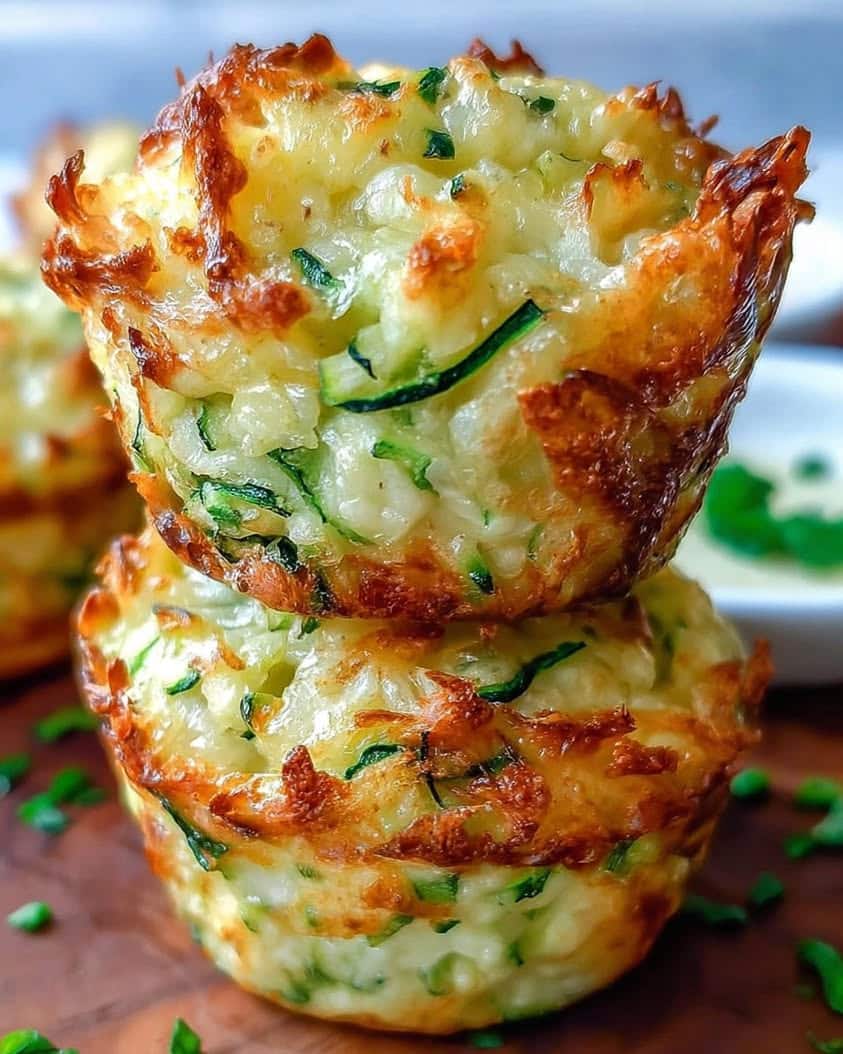
- Visual Appeal: Golden-brown tops with flecks of green zucchini and melted cheese create an inviting look. The muffin shape gives them a tidy, professional appearance that suits any table.
- Skill Level Needed: This recipe suits beginners because it relies on simple mixing and baking steps. You do not need special knife skills or advanced techniques. Careful measuring and proper draining of the zucchini are the main points of attention.
- Special Equipment: You need a standard 12-cup muffin tin, a box grater, and a clean kitchen towel for squeezing the zucchini. A mixing bowl and a whisk handle the rest. Optionally, a scoop helps portion the batter evenly.
Recipe Overview
- Difficulty Level: I rate this recipe as easy because it involves no complicated techniques. You grate, mix, and bake. The only step that demands attention is draining the zucchini well, and that takes just a few minutes. Even novice cooks can achieve excellent results on the first try.
- Category: These muffins work as an appetizer, a side dish, or a savory snack. They also shine at brunch alongside eggs and salad. Because they travel well, they suit picnics and lunchboxes too.
- Cuisine: This recipe draws on American comfort food traditions with a Mediterranean accent. Parmesan and zucchini appear often in Italian cooking, while the muffin format reflects American baking habits. The result is a flexible hybrid that fits modern home kitchens.
- Cost: The ingredients stay budget-friendly because zucchini and potatoes rank among the cheapest produce available. Parmesan costs more than other cheeses, but a modest amount delivers big flavor. Overall, a batch costs roughly the price of a casual takeout snack while feeding far more people.
- Season: Summer offers peak zucchini, which makes these muffins ideal for garden overflow. Potatoes remain available year-round, so you can bake this recipe in any season. Fall and winter gatherings benefit from their warm, hearty character.
- Occasion: Serve these muffins at game days, holiday parties, brunches, and weeknight dinners. They also work well as a make-ahead option for busy mornings. Their portable nature makes them a smart choice for potlucks and school events.
Why You’ll Love This Recipe
First, the taste and texture deliver pure satisfaction. Crispy Parmesan Zucchini Potato Muffins combine a crunchy cheese crust with a soft, savory interior. The Parmesan turns deeply golden in the oven and forms those coveted crispy edges that everyone fights over. Meanwhile, the zucchini keeps everything moist without making the muffins heavy. Each bite offers contrast, and that contrast keeps you coming back for more.
Second, convenience sets this recipe apart. You need one bowl, one muffin tin, and about 45 minutes from start to finish. The steps flow logically, so cleanup stays manageable. Additionally, the muffins freeze well, which means you can bake a double batch and enjoy them for weeks. Busy families appreciate a snack that offers real flavor without demanding hours in the kitchen.
Third, the nutritional profile gives you reasons to feel good about serving these muffins. Zucchini adds fiber, potassium, and vitamin C, while potatoes contribute potassium and energy-giving carbohydrates. Parmesan supplies protein and calcium. Because you bake rather than fry, the muffins stay lighter than many fried snacks. Portion control comes built in thanks to the muffin tin, so enjoying one or two feels satisfying without overdoing it.
Fourth, these Crispy Parmesan Zucchini Potato Muffins shine at social gatherings. They look attractive on a platter, they hold their shape, and they taste great at room temperature. Hosts love that they can bake them ahead and set them out without last-minute fuss. Guests love the savory flavor and the charming size. In short, they make entertaining easier and more delicious.
Finally, cost-effectiveness and accessibility make this recipe a practical winner. The ingredients appear in nearly every grocery store, and none of them require a specialty shop. Zucchini and potatoes cost little, especially in season. Even the Parmesan stretches far because a little goes a long way. As a result, you get an impressive, crowd-pleasing snack without straining your budget.
Historical Background and Cultural Significance
The story of Crispy Parmesan Zucchini Potato Muffins begins with two vegetables that traveled long distances to reach American kitchens. Zucchini originated in Central America and arrived in Europe through Spanish explorers. Italian cooks embraced it enthusiastically and developed countless preparations. Potatoes, meanwhile, came from the Andes and spread across Europe in the 16th century. Together, these ingredients became staples of Mediterranean and European home cooking.
In Italian culinary tradition, pairing zucchini with Parmesan is a natural match. Dishes like fritters, frittatas, and baked gratins combine the two constantly. Italian cooks value the way salty cheese balances the mild, watery character of summer squash. This recipe borrows that wisdom and adapts it to an American format: the savory muffin. As a result, it carries a Mediterranean spirit while fitting comfortably into U.S. home baking.
The savory muffin itself gained popularity in the United States during the late 20th century. Home bakers began experimenting with vegetable-laden batters as a way to use garden surplus. Zucchini bread became a national phenomenon, and cooks soon pushed the idea in savory directions. Crispy Parmesan Zucchini Potato Muffins emerged from this creative wave, blending vegetable bread traditions with cheese-forward snacks.
Regional variations appear across home kitchens today. Some cooks add Italian herbs and garlic, while others lean toward smoky paprika or fresh dill. In the American South, cooks might fold in sharp cheddar and chives. Regardless of the variation, the core idea remains consistent: grated vegetables, savory cheese, and a crispy baked crust. This flexibility explains why the recipe continues to spread through family collections and online communities.
Ingredient Deep Dive
Zucchini plays the starring role in these Crispy Parmesan Zucchini Potato Muffins, and its history stretches back thousands of years to Mesoamerica. Indigenous peoples cultivated squash long before European contact, and zucchini eventually spread worldwide. Nutritionally, zucchini offers vitamin C, potassium, and fiber while staying low in calories. When you shop, choose firm, medium-sized zucchini with glossy skin and no soft spots. Store them in the refrigerator crisper drawer for up to a week. If zucchini is unavailable, yellow summer squash makes an excellent substitute with nearly identical texture.
In this recipe, zucchini also contributes moisture, so proper handling matters. Grate it, then squeeze out excess water with a clean towel. Skipping this step leads to soggy muffins. You can freeze grated zucchini in measured portions for future batches, which makes off-season baking easy. Many gardeners appreciate this trick when the summer harvest overwhelms them.
Potatoes bring structure and gentle sweetness to the batter. Originating in the Andes, potatoes became a global staple after Spanish traders carried them across the Atlantic. They supply potassium, vitamin C, and complex carbohydrates that fuel the body. For this recipe, choose starchy varieties like russet, which grate easily and bake into a fluffy texture. Waxy potatoes also work but yield a slightly denser crumb. Store potatoes in a cool, dark place away from onions. If needed, sweet potatoes offer a flavorful substitution with extra sweetness.
Parmesan cheese delivers the signature crispy crust and deep umami flavor. This aged Italian cheese dates back nearly a thousand years to the Parma region. It provides concentrated protein and calcium along with intense savory notes. Look for authentic Parmigiano-Reggiano with a rugged rind and a nutty aroma, though quality domestic Parmesan works well too. Keep it wrapped in the refrigerator for months. In a pinch, Pecorino Romano or aged Asiago can stand in, though each brings a sharper or nuttier profile.
Common Mistakes to Avoid
- Skipping the zucchini draining step leads to soggy muffins. Always squeeze grated zucchini in a clean towel until it feels mostly dry. This single step transforms the final texture.
- Using cold ingredients straight from the refrigerator can cause uneven mixing. Let eggs and cheese come closer to room temperature before you begin. This helps the batter combine smoothly.
- Overmixing the batter develops tough gluten and produces dense muffins. Stir until the dry ingredients just disappear. A few small lumps are fine.
- Under-greasing the muffin tin causes sticking and torn muffins. Grease each cup thoroughly, or use paper liners for easy release. A light dusting of flour or Parmesan adds extra insurance.
- Filling the cups too full makes the muffins spill over and bake unevenly. Fill each cup about three-quarters of the way. A scoop helps keep portions consistent.
- Opening the oven door early releases heat and deflates the muffins. Wait until at least three-quarters of the baking time has passed. Use the oven light to check progress instead.
- Pulling the muffins out too soon leaves them pale and soft. They need a deep golden color for that crispy Parmesan crust. A thermometer should read about 200 degrees Fahrenheit in the center.
- Cooling the muffins in the pan too long traps steam and softens the crust. Let them rest for five minutes, then move them to a wire rack. This keeps the edges crisp.
- Adding too much salt doubles up with the salty Parmesan. Taste your batter mentally and use restraint with the salt shaker. Remember that cheese carries significant sodium.
- Substituting dried herbs in the same quantity as fresh creates an overpowering flavor. Dried herbs are more concentrated, so use about one-third the amount. Fresh herbs deliver a brighter taste overall.
Essential Techniques
Proper grating technique sets the foundation for these Crispy Parmesan Zucchini Potato Muffins. Use the large holes of a box grater for both zucchini and potato, because coarse shreds create better texture than fine mush. Grate with steady, careful strokes and keep your fingers clear of the blades. If you own a food processor with a shredding disc, it speeds the job considerably. Visual cue for success: the shreds should look like thin, distinct ribbons, not a wet paste.
Draining and squeezing the zucchini ranks as the most important technique in this recipe. Why does it matter? Zucchini holds a surprising amount of water, and that water turns a crispy muffin into a soggy one. Wrap the grated zucchini in a clean kitchen towel or several layers of cheesecloth, then twist and squeeze firmly. You should extract roughly half a cup of liquid from two medium zucchini. The visual cue: the shreds should feel damp but not dripping.
Folding the batter gently protects the light texture. After you combine the wet and dry ingredients, use a spatula and fold from the bottom of the bowl upward. Stop as soon as you see no dry streaks. Common pitfall: vigorous stirring activates gluten and creates rubbery muffins. The visual cue for success: a thick, scoopable batter with visible shreds of vegetables throughout.
Achieving the crispy Parmesan crust requires two things: a hot oven and cheese on the surface. Preheat fully to 400 degrees Fahrenheit before baking. Then sprinkle extra Parmesan over each filled cup so the cheese hits the exposed batter directly. This technique browns the cheese into a crunchy shell. Common pitfall: baking at a lower temperature produces pale, soft tops. The visual cue for success: deep golden-brown edges and a bubbly, crisp surface.
Pro Tips for Perfect Crispy Parmesan Zucchini Potato Muffins
Preheat your muffin tin along with the oven and add a small pat of butter or a drizzle of oil to each cup. When the batter hits the hot fat, it sizzles and starts the crust immediately. This restaurant trick delivers noticeably crispier edges.
Wring out the zucchini twice if needed. After the first squeeze, let it rest for a minute and squeeze again. This extra effort removes stubborn moisture and guarantees a tender crumb.
Use a mix of finely grated and coarsely grated Parmesan. The fine shreds melt into the batter and boost flavor, while the coarse shreds create crunchy pockets on top. This two-texture approach elevates the finished muffin.
Rest the batter for five minutes before scooping. This brief pause lets the flour hydrate and the ingredients bind. The batter thickens slightly, which helps the muffins hold their shape.
Sprinkle a pinch of flaky sea salt over the tops right before baking. The flakes sit on the surface and add a bright, savory crunch that contrasts beautifully with the cheese.
Rotate the pan halfway through baking for even browning. Most home ovens run hot in one corner, and a quick turn ensures every muffin browns uniformly.
Let the muffins cool on a wire rack rather than a plate. Air circulates underneath and keeps the bottoms crisp. A plate traps steam and softens the crust you worked hard to build.
Reheat leftovers in a hot oven or air fryer instead of the microwave. A few minutes at 375 degrees Fahrenheit restores the crispy exterior, while the microwave leaves them limp.
Variations and Adaptations
Regional variations let you steer these Crispy Parmesan Zucchini Potato Muffins in different directions. For an Italian-inspired version, add basil, oregano, and a spoonful of sun-dried tomatoes. A Greek approach uses feta in place of Parmesan along with dill and lemon zest. Southwestern cooks might fold in corn, jalapeno, and smoked paprika with cheddar. Each direction changes the personality of the muffin while keeping the base technique intact.
Seasonal adaptations keep the recipe fresh all year. In summer, use peak zucchini and fresh herbs from the garden. In fall, add roasted garlic or caramelized onion for deeper flavor. Winter batches benefit from warm spices like paprika and a touch of nutmeg. Spring brings opportunities for chives, parsley, and scallions.
Dietary modifications make the recipe more inclusive. For a gluten-free version, swap the flour for an equal measure of a good gluten-free blend and add a quarter teaspoon of xanthan gum. Dairy-free cooks can use nutritional yeast and a plant-based Parmesan alternative. Vegan bakers replace the eggs with flax eggs, though the texture shifts slightly. Low-carb and keto cooks can substitute almond flour and increase the cheese for structure.
Flavor variations range widely. Try smoked gouda and bacon for a hearty twist. Add curry powder and cilantro for an Indian-inspired snack. A Mediterranean version with olives and oregano pleases olive lovers. Meanwhile, a simple herb and garlic version keeps things classic and crowd-friendly.
Texture modifications give you control over the final bite. For an extra-crispy exterior, dust the greased tin with grated Parmesan before adding batter. For a softer crumb, cover the pan loosely with foil for the first ten minutes. A finer grate on the vegetables yields a smoother, more uniform interior.
Presentation alternatives help these muffins fit any event. Bake them in mini muffin tins for bite-sized appetizers and reduce the baking time to about 15 minutes. A jumbo tin creates impressive side-dish portions. You can also bake the batter in a small cast iron skillet and cut it into wedges for a rustic look.
Serving and Presentation Guide
Plating techniques matter when you serve Crispy Parmesan Zucchini Potato Muffins. Arrange them on a wooden board or a slate platter for a rustic feel. Leave a little space between each muffin so the crispy edges stay visible. Stack them slightly off-center for height and visual interest. A linen napkin underneath adds warmth and texture.
Garnishing ideas elevate the look without extra effort. A sprinkle of fresh chopped parsley or chives adds bright green color against the golden crust. A light dusting of extra Parmesan catches the eye. A small bowl of marinara or garlic aioli on the side invites dipping and adds color contrast.
Traditional accompaniments include roasted chicken, grilled steak, and simple green salads. These muffins also pair beautifully with soups, especially tomato bisque and minestrone. For brunch, serve them beside scrambled eggs and fresh fruit. They complement charcuterie boards and cheese platters as well.
Modern serving suggestions push the recipe in fun directions. Slice the muffins in half and use them as slider buns for mini sandwiches. Crumble them over a salad for crunch. Top them with a dollop of sour cream and smoked salmon for an elegant appetizer.
Temperature considerations affect how you present the dish. These muffins taste best warm or at room temperature, and they lose appeal when cold from the fridge. If you bake ahead, reheat them briefly in a hot oven to restore crispness. For buffets, keep them in a warm chafing dish or serve within two hours.
Portion control tips help guests enjoy without waste. A standard muffin suits one person comfortably as a side, while two make a satisfying snack. For large crowds, cut each muffin in half or quarters so guests can sample other dishes too. Mini muffin versions work well when the menu includes many options.
Wine and Beverage Pairing
Wine pairings with Crispy Parmesan Zucchini Potato Muffins should match the savory, salty cheese notes. A crisp Sauvignon Blanc cuts through the richness and lifts the palate. A dry Pinot Grigio offers a light, clean finish that complements the vegetable flavors. For red wine lovers, a light-bodied Pinot Noir or a fruity Beaujolais works without overwhelming the delicate zucchini.
Non-alcoholic alternatives keep every guest included. Sparkling water with lemon and fresh herbs feels festive and refreshing. Iced green tea brings a gentle earthiness that mirrors the zucchini. A sparkling apple cider offers sweetness that balances the Parmesan’s salt.
Coffee and tea pairings may sound unusual, but they work well at brunch. A medium-roast coffee adds roasty notes that harmonize with baked cheese. Green tea or chamomile provides a softer, calming counterpoint. Avoid very dark roasts, which can overpower the muffin’s subtle sweetness.
Temperature considerations matter for beverages too. Serve white wines well chilled at around 45 to 50 degrees Fahrenheit. Light reds taste best slightly cool at around 55 degrees. Sparkling beverages should come straight from the refrigerator for maximum refreshment.
Serving suggestions round out the experience. Set up a small drinks station with labeled options so guests can choose easily. Offer elegant glassware for a party feel, or rustic mason jars for a casual gathering. Include lemon slices, herbs, and ice in separate bowls so guests can customize their drinks.
Storage and Shelf Life
Storage methods determine how long these Crispy Parmesan Zucchini Potato Muffins stay enjoyable. Place cooled muffins in an airtight container in a single layer if possible. If you must stack them, separate the layers with parchment paper to prevent sticking. Store them in the refrigerator if you plan to keep them beyond a day, because the moisture from the vegetables shortens shelf life at room temperature.
Temperature requirements keep food safety in mind. At room temperature, the muffins stay fresh for about two hours. In the refrigerator, they keep for three to four days. Always cool them completely before storing, since trapped heat creates condensation and sogginess.
Container recommendations make a practical difference. Glass containers with tight lids preserve texture better than thin plastic. Vacuum-sealed bags work well for freezing. Avoid storing warm muffins in plastic, which traps steam and softens the crust.
Signs of spoilage include off smells, visible mold, and a slimy texture on the surface. Because zucchini carries high moisture, these muffins spoil faster than plain bread. When in doubt, discard them. Label containers with the date to track freshness easily.
Reheating instructions restore the crispy crust. Bake at 375 degrees Fahrenheit for about 8 to 10 minutes, or use an air fryer at 350 for 4 to 5 minutes. Avoid the microwave, which steams the muffins and leaves them rubbery. A toaster oven works well for small batches.
Freezing guidelines extend shelf life to about three months. Wrap each muffin individually in plastic, then place them in a freezer bag. This method prevents freezer burn and lets you thaw only what you need. Thaw overnight in the refrigerator, then reheat in the oven for the best texture.
Make Ahead Strategies
A prep timeline makes hosting easier. Grate the zucchini and potatoes up to a day ahead and store them separately in the refrigerator. Drain the zucchini thoroughly right before mixing. Measure the dry ingredients the night before and keep them in a sealed container. These steps cut active time on baking day to about 15 minutes.
Storage between steps protects quality. Keep grated vegetables in airtight containers with a paper towel to absorb excess moisture. Store grated cheese in a sealed bag. Once mixed, the batter should bake promptly, so avoid assembling it far in advance.
Quality impact assessment helps you plan realistically. Fully baked muffins hold up well for two to three days and freeze beautifully. Raw batter loses structure if it sits too long, because the vegetables release liquid. For the best results, bake fresh and reheat rather than storing batter.
Assembly tips streamline the process. Set up a small station with the greased tin, a scoop, and the grated cheese for topping. Scoop all the batter first, then top everything with cheese at once. This approach saves time and keeps the process tidy.
Reheating guidelines keep texture intact. A quick pass in a hot oven crisps the exterior without drying the interior. For large batches, arrange muffins on a sheet pan and warm them together. Cover with foil for the first few minutes if they seem dry.
Fresh element additions bring make-ahead muffins back to life. Add a sprinkle of fresh herbs right before serving for a bright finish. A drizzle of good olive oil or a squeeze of lemon wakes up the flavors. These small touches make reheated muffins taste freshly baked.
Scaling Instructions
Halving the recipe works easily because most ingredients divide neatly. Use one medium zucchini, one medium potato, and one large egg. Watch the batter consistency, since a single egg can make a small batch wetter than expected. Add a spoonful of flour if needed to reach a scoopable texture.
Doubling or tripling suits parties and meal prep. Mix batches in separate bowls rather than one giant bowl, because even mixing becomes difficult at larger volumes. Bake in batches using the same tin, and keep the unbaked batter cool between rounds. Three batches require about 75 minutes of total oven time.
Equipment adjustments matter when scaling up. If you own only one muffin tin, consider buying a second to speed the process. Sheet pans with silicone muffin molds offer an alternative for big batches. Mini muffin tins expand your options for appetizer-style servings.
Timing modifications keep quality high. Larger batches take longer overall, but the per-batch baking time stays the same. Rotate pans and use the center rack for even heat. Allow extra cooling time before storing multiple batches.
Storage considerations grow with batch size. Freeze extra muffins in labeled bags with the date. Share surplus with neighbors or bring them to a gathering. Fresh muffins also make thoughtful gifts when packed in a simple basket.
Nutritional Deep Dive
The macro breakdown of Crispy Parmesan Zucchini Potato Muffins reveals a balanced snack. Each muffin delivers roughly 140 to 160 calories, depending on the exact ingredients. Carbohydrates provide the largest share of energy, mainly from potato and flour. Protein comes from eggs and Parmesan, contributing about 6 to 8 grams per muffin. Fat adds richness and crispness, landing around 7 to 9 grams.
Micronutrient analysis shows meaningful contributions. Zucchini supplies vitamin C, potassium, and small amounts of vitamin K. Potatoes add potassium and vitamin B6. Parmesan brings calcium and phosphorus along with a dose of vitamin A.
Health benefits emerge from the vegetable-forward formula. The fiber from zucchini and potato supports digestion and steady energy. Baking instead of frying reduces added fat. Portion-controlled muffins help prevent overeating compared with free-form breads and casseroles.
Dietary considerations vary by preparation. The base recipe suits vegetarians and pairs well with gluten-free and dairy-free adaptations. People watching sodium should note that Parmesan carries significant salt, so reduce added salt where possible.
Portion analysis helps with planning. As a side dish, one muffin satisfies most adults. As an appetizer, half a muffin works when other foods are present. Two muffins make a filling snack that pairs well with a salad or soup.
Weight management tips keep the recipe aligned with goals. Serve muffins alongside lean protein and plenty of vegetables for balanced meals. Use lighter cheese amounts if calorie intake matters, and lean on herbs and spices for flavor. The built-in portion size itself supports mindful eating.
Dietary Adaptations
Gluten-free versions perform well with a quality one-to-one gluten-free flour blend. Add a quarter teaspoon of xanthan gum if the blend lacks a binder. Let the batter rest for ten minutes so the flour hydrates fully. The finished muffins taste nearly identical to the original.
Dairy-free adaptations replace Parmesan with a plant-based alternative and add nutritional yeast for savory depth. Choose a firm plant-based cheese that grates well. Add extra herbs and a pinch of salt to compensate for the flavor shift. These muffins bake the same way and still develop a crisp top.
Vegan versions use flax eggs, made by mixing one tablespoon of ground flax with three tablespoons of water per egg. Let the mixture sit for five minutes until gel-like. The texture turns slightly denser, so expect a heartier crumb.
Low-carb and keto adaptations swap flour for almond flour and increase the cheese slightly for structure. Reduce the potato or replace it with cauliflower rice. These changes lower the carbohydrate count substantially while keeping the savory character.
Paleo versions use almond flour, arrowroot starch, and a paleo-friendly cheese or nutritional yeast. Grain-free baking requires careful moisture control, so drain the zucchini thoroughly. These muffins bake a bit faster, so check them early.
Low-FODMAP adaptations suit sensitive stomachs. Zucchini and potato both fit the diet at moderate portions, and Parmesan contains little lactose. Avoid garlic and onion in the seasoning, and use garlic-infused oil for flavor instead.
Other diets fit with small adjustments. A Mediterranean eating plan welcomes the base recipe wholeheartedly. Flexitarian households can add bacon or ham for meat lovers at the table. Nut-free families simply avoid nut flours and check cheese labels for cross-contamination.
Troubleshooting Guide
Texture issues top the list of common complaints. Soggy muffins almost always trace back to wet zucchini, so squeeze harder and consider salting the shreds for ten minutes before draining. Dense muffins often result from overmixing, so fold gently. Crumbly muffins may need slightly more moisture, so add a tablespoon of milk or an extra egg white.
Flavor balance matters just as much. If the muffins taste flat, add more Parmesan, fresh herbs, or a squeeze of lemon. If they taste too salty, cut back on added salt and remember that cheese varies in sodium. If the flavor feels heavy, brighten it with chives, parsley, or a touch of lemon zest.
Temperature problems arise in most kitchens. Ovens that run hot brown the tops before the centers cook, so use an oven thermometer and lower the heat slightly. Ovens that run cool produce pale tops, so verify the temperature and extend the baking time in small increments.
Equipment challenges include dark nonstick tins, which brown faster than light metal. Reduce the oven temperature by 25 degrees when using dark pans. Silicone molds often need extra baking time, so check doneness carefully. Glass pans work but brown more slowly.
Ingredient substitutions change texture and require small adjustments. Replacing Parmesan with mozzarella lowers salt and crispness, so add extra cheese on top. Using sweet potato instead of white potato adds sweetness and moisture, so reduce any added sugar and check the crumb early.
Timing concerns usually involve underbaking. The muffins need a deep golden color and a thermometer reading near 200 degrees Fahrenheit. If the edges brown early, tent the pan loosely with foil. If the center jiggles, keep baking and check again in three-minute intervals.
Recipe Success Stories
Community feedback shows these Crispy Parmesan Zucchini Potato Muffins winning over even vegetable skeptics. One reader reported that her kids ate three muffins before dinner and never noticed the zucchini. Another hostess shared that the muffins disappeared first at her book club meeting. These stories repeat often, which speaks to the recipe’s crowd-pleasing nature.
Variation successes highlight the recipe’s flexibility. A reader in New Mexico added green chiles and cheddar and called the result life-changing. Another cook used her garden’s yellow squash and reported identical success. Italian-American families add basil and sun-dried tomatoes and serve the muffins at Sunday dinner.
Adaptation stories focus on dietary needs. A gluten-free baker reported that the almond flour version baked beautifully and froze perfectly. A vegan cook shared that flax eggs worked well and that the muffins still crisped up nicely. These adaptations make the recipe accessible to more households.
Reader suggestions keep improving the recipe. Many cooks recommend a mini muffin tin for parties, and others suggest adding bacon for a heartier snack. Some readers sprinkle everything bagel seasoning on top for extra crunch. These creative twists reflect a growing community of enthusiastic home bakers.
Photography tips help the recipe shine online. Natural light flatters the golden crust, so shoot near a window. A small stack with one muffin broken open shows the tender interior. Fresh herbs in the background add color and context. These simple styling choices make the muffins look as good as they taste.
Frequently Asked Questions
Can I make these Crispy Parmesan Zucchini Potato Muffins ahead of time? Yes, you can bake them up to two days ahead and store them in the refrigerator. Reheat in a 375-degree oven for 8 to 10 minutes to restore the crispy crust. Freezing also works well for up to three months, and thawed muffins reheat beautifully.
Why are my muffins soggy in the middle? Excess moisture from the zucchini causes most soggy centers. Squeeze the grated zucchini thoroughly in a clean towel until it feels mostly dry. Also, make sure you bake them long enough to reach about 200 degrees Fahrenheit in the center.
Can I use frozen zucchini? Yes, but thaw it completely and squeeze out the extra water before mixing. Frozen zucchini releases more liquid than fresh, so thorough draining becomes even more important. The finished texture stays slightly softer.
Can I make these gluten-free? Use a one-to-one gluten-free flour blend and add a quarter teaspoon of xanthan gum if the blend lacks a binder. Let the batter rest for ten minutes before scooping. The results taste very close to the original.
What can I substitute for Parmesan cheese? Pecorino Romano, aged Asiago, or a sharp white cheddar all work well. Each brings a different personality, with Pecorino offering sharpness and cheddar bringing mild tang. Plant-based Parmesan alternatives suit dairy-free needs.
How do I get the tops extra crispy? Preheat the pan with a little butter or oil in each cup before adding batter. Sprinkle extra Parmesan directly on the tops, and bake at a full 400 degrees. A wire cooling rack keeps the bottoms crisp after baking.
Can I freeze these muffins? Yes, wrap each muffin individually in plastic, then place them in a freezer bag. They keep for about three months. Thaw overnight in the refrigerator and reheat in the oven for the best texture.
How many muffins does this recipe make? This recipe yields 12 standard muffins with a three-quarter fill. For party portions, use a mini muffin tin and expect about 24 pieces with a shorter baking time of roughly 15 minutes.
Can I add other vegetables?