Mediterranean Protein Plate: A High-Protein Mezze-Style Recipe
If you crave a meal that satisfies without weighing you down, this Mediterranean Protein Plate delivers everything you want on one colorful platter. Honestly, the Mediterranean Protein Plate comes together in about 30 minutes, and it packs lean protein, crisp vegetables, creamy dips, and warm whole grains into every single bite. Moreover, this high-protein mezze-style recipe celebrates the sunny flavors of the eastern Mediterranean, where cooks build meals around small, vibrant dishes shared at the table. Whether you meal prep for busy weekdays or host friends on a warm evening, this Mediterranean Protein Plate fits beautifully into your rotation.
Picture a generous plate piled with juicy grilled chicken, silky hummus, salty feta, briny olives, and a rainbow of fresh vegetables. The first bite hits you with smoky char, then lemon brightness, then a whisper of garlic and oregano. Consequently, your taste buds travel straight to a seaside taverna without a plane ticket. This Mediterranean Protein Plate also balances macros effortlessly, since lean chicken and chickpeas supply protein while olive oil and tahini add satisfying healthy fats. In short, it is a complete meal that feels indulgent yet fuels your body.
Perhaps the best part is flexibility. You can swap proteins, change the vegetables with the seasons, or double the batch for leftovers. Because the Mediterranean Protein Plate relies on simple components rather than complicated technique, home cooks of any skill level succeed on the first try. Furthermore, the recipe scales easily for two people or a crowd. Keep reading to learn every detail, from ingredient selection to plating, so your Mediterranean Protein Plate turns out perfect every time.
Quick Recipe Highlights
- Flavor Profile: Expect smoky grilled chicken, bright lemon, earthy cumin, and salty feta. Fresh herbs add a clean finish, while tangy tzatziki cools each bite.
- Texture: Juicy chicken contrasts with creamy hummus and crunchy cucumber. Warm pita adds a chewy counterpoint that ties the plate together.
- Aroma: Garlic, oregano, and charred lemon fill the kitchen as the chicken cooks. Fresh mint and parsley lift the aroma right before serving.
- Visual Appeal: Deep green cucumber, ruby tomatoes, golden chicken, and white feta create a stunning mosaic. A drizzle of olive oil adds glossy shine.
- Skill Level Needed: Basic knife skills and simple grilling carry this recipe. If you can chop vegetables and sear chicken, you can nail this plate.
- Special Equipment: A grill pan or outdoor grill handles the chicken, and a food processor speeds up the hummus. A large platter and sharp knife round out the list.
Recipe Overview
- Difficulty Level: This recipe lands squarely in the easy category, since each component uses basic techniques. Grilling chicken and whisking tzatziki require no advanced training. Because you plate components rather than build a single dish, timing pressure stays low. Beginners succeed, and experienced cooks finish quickly.
- Category: Serve it as a main course, a hearty lunch, or a shareable appetizer spread. It works equally well for meal prep bowls and party platters. Therefore, this Mediterranean Protein Plate covers many occasions.
- Cuisine: The plate draws from Greek, Lebanese, and Turkish mezze traditions. Chickpeas, tahini, olive oil, and lemon form its backbone. These staples have fed Mediterranean families for centuries. Consequently, each bite carries authentic cultural roots.
- Cost: Expect roughly four to six dollars per serving depending on protein prices. Chicken thighs cost less than breast, and canned chickpeas beat dried for convenience. Seasonal vegetables keep the budget friendly. Overall, this Mediterranean Protein Plate delivers restaurant quality at home prices.
- Season: Summer shines brightest thanks to peak tomatoes and cucumbers. Nevertheless, the recipe adapts to winter with roasted vegetables and citrus. Spring brings fresh herbs, and fall welcomes hearty additions like roasted eggplant.
- Occasion: Weeknight dinners, weekend lunches, and casual gatherings all suit this plate. It also performs well for potlucks because guests build their own portions. For holidays, add it to a mezze table alongside other small plates.
Why You’ll Love This Recipe
Taste and texture drive this plate straight to the top of my weeknight rotation. The grilled chicken absorbs a marinade of lemon, garlic, oregano, and olive oil, so every slice tastes juicy and bright. Creamy hummus and cool tzatziki balance the smoky char, while crunchy cucumber and crisp bell pepper add refreshing snap. Because each component brings a distinct texture, your mouth never tires of the same sensation. Ultimately, this Mediterranean Protein Plate keeps every bite interesting from start to finish.
Convenience makes this Mediterranean Protein Plate a realistic choice for busy people. You can cook the chicken and blend the hummus in advance, then assemble in minutes. Many components come together while the grill heats, so active time stays short. Cleanup is minimal because everything lands on one platter. Consequently, you spend less time scrubbing pans and more time enjoying dinner.
Nutritional advantages set this plate apart from typical comfort food. Lean chicken delivers roughly 40 grams of protein per serving, and chickpeas add fiber plus plant protein. Healthy fats from olive oil, tahini, and avocado support heart health. Meanwhile, colorful vegetables load the plate with vitamins, minerals, and antioxidants. As a result, this Mediterranean Protein Plate supports energy, satiety, and overall wellness without feeling like a diet.
Social value makes this Mediterranean Protein Plate a natural centerpiece for gatherings. Mezze-style eating encourages sharing, conversation, and grazing. Guests customize their plates, so picky eaters and adventurous eaters coexist happily. The platter looks impressive yet requires no last-minute panic. Therefore, you host with confidence and actually enjoy your own party.
Cost-effectiveness rounds out the appeal. Pantry staples like chickpeas, tahini, and olive oil stretch across many meals. Chicken thighs, often cheaper than breast, stay juicy on the grill. Seasonal produce keeps the vegetable lineup affordable. Because this Mediterranean Protein Plate uses humble ingredients, you eat well without overspending. In fact, leftovers often cover lunch the next day, doubling the value.
Historical Background and Cultural Significance
Mezze traces back thousands of years across the eastern Mediterranean and Middle East. Ancient communities shared small dishes as hospitality rituals, offering guests variety and generosity. Grilled meats, legumes, and flatbreads appeared on tables in Greece, Lebanon, and Turkey long before modern restaurants existed. Therefore, this Mediterranean Protein Plate inherits a deep tradition of communal eating. Each component echoes meals served across generations.
Cultural importance centers on hospitality, known as filoxenia in Greece and similar concepts elsewhere. Hosts express welcome through abundance, and guests sample many dishes in one sitting. Sharing food strengthens family bonds and community ties. Consequently, serving a Mediterranean Protein Plate honors that spirit of generosity. The plate says welcome without a single word.
The recipe evolved as trade routes spread ingredients like lemons, chickpeas, and olive oil across regions. Cooks adapted mezze to local harvests, creating endless variations. Modern health trends elevated high-protein mezze plates in Western kitchens. Meanwhile, traditional cooks kept the original spirit alive. Today, this Mediterranean Protein Plate bridges old-world tradition and contemporary nutrition.
Regional variations flourish across the map. Greek versions lean on feta, oregano, and tzatziki, while Lebanese spreads feature labneh and tabbouleh. Turkish mezze adds ezme and grilled eggplant, and Israeli plates include matbucha and tahini salads. Each region claims its own signature combination. Therefore, this Mediterranean Protein Plate represents one delicious interpretation among many.
Ingredient Deep Dive
Chicken thighs anchor this plate with juicy flavor and reliable moisture. Mediterranean cooks have grilled poultry over charcoal for centuries, often marinating it in lemon and oregano. Nutritionally, thighs deliver high-quality protein, B vitamins, and selenium. When shopping, choose boneless skinless thighs with even thickness and a clean smell. Store raw chicken in the coldest part of the fridge and cook within two days. If you prefer, swap in chicken breast, shrimp, or firm tofu.
Chickpeas form the backbone of creamy hummus and add plant protein plus fiber. Cultivated in the Fertile Crescent for thousands of years, chickpeas star in dishes from falafel to stews. They supply iron, folate, and slow-digesting carbohydrates that keep you full. Select cans with low sodium and simple ingredients, or cook dried chickpeas for superior texture. Rinse canned chickpeas well before blending. White beans or lentils work as easy substitutes.
Tahini brings nutty richness to hummus and dressings. This sesame paste has seasoned Middle Eastern kitchens since ancient times. It offers healthy fats, calcium, and plant protein, though portions matter because calories add up. Look for smooth, pourable tahini with sesame listed as the only ingredient. Stir the jar thoroughly, then refrigerate after opening. Sunflower seed butter or almond butter can replace tahini in a pinch.
Feta cheese adds salty tang and creamy crumbles. Greeks have brined sheep’s milk cheese for millennia, and protected designation status guards authentic feta today. The cheese contributes calcium and protein along with bold flavor. Buy feta packed in brine rather than pre-crumbled for better texture. Keep it submerged in the fridge and use within a week of opening. Goat cheese or ricotta salata make fine alternatives.
Cucumber, tomato, and red onion deliver crunch, acidity, and color. These vegetables thrive across Mediterranean climates and appear in countless salads. They hydrate, provide vitamin C, and add fiber with minimal calories. Choose firm cucumbers, fragrant ripe tomatoes, and onions with tight skins. Store tomatoes at room temperature for best flavor and refrigerate cut pieces. Bell peppers, radishes, or carrots substitute easily.
Common Mistakes to Avoid
- Overcooking the chicken dries it out and ruins the plate. Use a thermometer and pull thighs at 175°F to 180°F for juicy results.
- Skipping the marinade time sacrifices flavor. Even 30 minutes helps, but two hours unlocks deeper seasoning.
- Blending hummus with cold chickpeas creates a grainy texture. Warm the chickpeas slightly and blend longer for silkiness.
- Under-seasoning the vegetables leaves the plate flat. Salt cucumbers and tomatoes lightly and let them sit for extra flavor.
- Adding too much tahini overwhelms the hummus with bitterness. Start with a modest amount and adjust after tasting.
- Cutting vegetables too far ahead makes them soggy. Chop sturdy items early but slice tomatoes right before serving.
- Ignoring resting time causes chicken juices to run and dry the meat. Rest sliced chicken five minutes before plating.
- Crowding the grill pan steams instead of sears the chicken. Cook in batches and leave space between pieces.
- Forgetting acid at the end mutes all the flavors. Finish with lemon juice or a vinegary dressing for brightness.
- Serving everything ice cold dulls the experience. Bring hummus and tzatziki closer to room temperature for best taste.
Essential Techniques
Marinating builds flavor from the inside out. Whisk lemon juice, olive oil, garlic, oregano, and salt, then coat the chicken and refrigerate. Acid tenderizes gently while oil carries fat-soluble aromatics into the meat. Avoid over-marinating beyond eight hours because acid can toughen texture. You know it worked when the chicken smells fragrant and looks slightly opaque at the edges.
Grilling creates char and depth that define this plate. Heat a grill pan until shimmering, then lay chicken smooth side down and resist the urge to move it. Those brown bits are flavor, so let them develop for four to five minutes. Flip once, cook through, and rest before slicing. Visual cues matter here: deep grill marks and clear juices signal doneness.
Blending hummus to silkiness requires patience and warmth. Process chickpeas, tahini, lemon, garlic, and ice water for a full three to four minutes. The ice water lightens the mixture and creates a whipped texture. Scrape the bowl often so no lumps survive. Success looks glossy and smooth, and it tastes creamy rather than gritty.
Balancing flavors separates good plates from great ones. Taste each component and adjust salt, acid, and fat deliberately. Hummus may need more lemon, tzatziki may need more salt, and vegetables may need a drizzle of oil. Because components sit side by side, contrasts should feel intentional. Aim for bright, salty, creamy, and fresh in every forkful.
Pro Tips for Perfect Mediterranean Protein Plate
- Warm your pita directly on the grill after the chicken rests, which saves a pan and adds smoky flavor.
- Salt sliced cucumbers ten minutes before serving and drain the liquid so the plate stays crisp.
- Make hummus a day ahead because flavors deepen overnight and the texture stays smooth.
- Slice chicken against the grain for tender bites, and use a sharp knife for clean edges.
- Keep tzatziki cold until serving, then dollop it last so it holds its shape on the platter.
- Arrange components in separate zones instead of mixing them, which invites guests to build their own bites.
- Finish the plate with flaky salt and a squeeze of lemon right before it hits the table.
- Double the marinade and refrigerate half for a future meal, cutting prep time on busy nights.
Variations and Adaptations
Greek-inspired versions swap chicken for lamb kofta and add oregano-heavy tzatziki plus stuffed grape leaves. Lebanese-inspired plates lean on labneh, tabbouleh, and pickled turnips for tang. Turkish adaptations bring grilled eggplant and spicy ezme to the table. Each regional twist keeps the mezze spirit alive. Therefore, you can travel the Mediterranean one dinner at a time.
Seasonal adaptations keep the plate fresh year-round. Summer calls for raw tomatoes, cucumbers, and fresh corn, while winter welcomes roasted carrots, beets, and citrus segments. Spring highlights radishes, peas, and tender greens, and fall features roasted squash and apples. Because the formula stays constant, shopping seasonal produce keeps costs low and flavors high.
Dietary modifications expand the recipe’s reach. Swap chicken for grilled shrimp, falafel, or marinated tofu to suit different preferences. Use dairy-free yogurt and skip feta for lactose intolerance, or choose vegan feta alternatives. Grain-free eaters replace pita with lettuce cups or almond flour flatbread. Consequently, nearly everyone finds a version that fits.
Flavor variations let you customize the mood. Add harissa or chili crisp for heat, za’atar for herbal depth, or smoked paprika for warmth. A honey-lemon dressing shifts the plate sweeter, while preserved lemon pushes it tangier. Because components stay separate, you can flavor each one differently. Experiment boldly and note what your family loves.
Texture modifications matter for different eaters. Swap crunchy cucumber for roasted zucchini if raw vegetables bother sensitive stomachs. Blend hummus extra smooth or leave it slightly chunky to preference. Toast pita into chips for extra crunch, or serve soft wedges for a chewier bite. Small changes keep the Mediterranean Protein Plate exciting.
Presentation alternatives suit any gathering style. Build individual bowls for portion control, arrange a large platter for sharing, or pack components into bento boxes for lunch. Skewer chicken and vegetables for a cocktail-hour version, or layer everything into a wrap for handheld eating. The plate adapts to your format without losing character.
Serving and Presentation Guide
Plating starts with a large flat platter, which gives each component breathing room. Swipe hummus across one section with the back of a spoon, creating a well for olive oil. Fan sliced chicken along another zone and pile vegetables in loose mounds. Because negative space frames food, avoid crowding the edges.
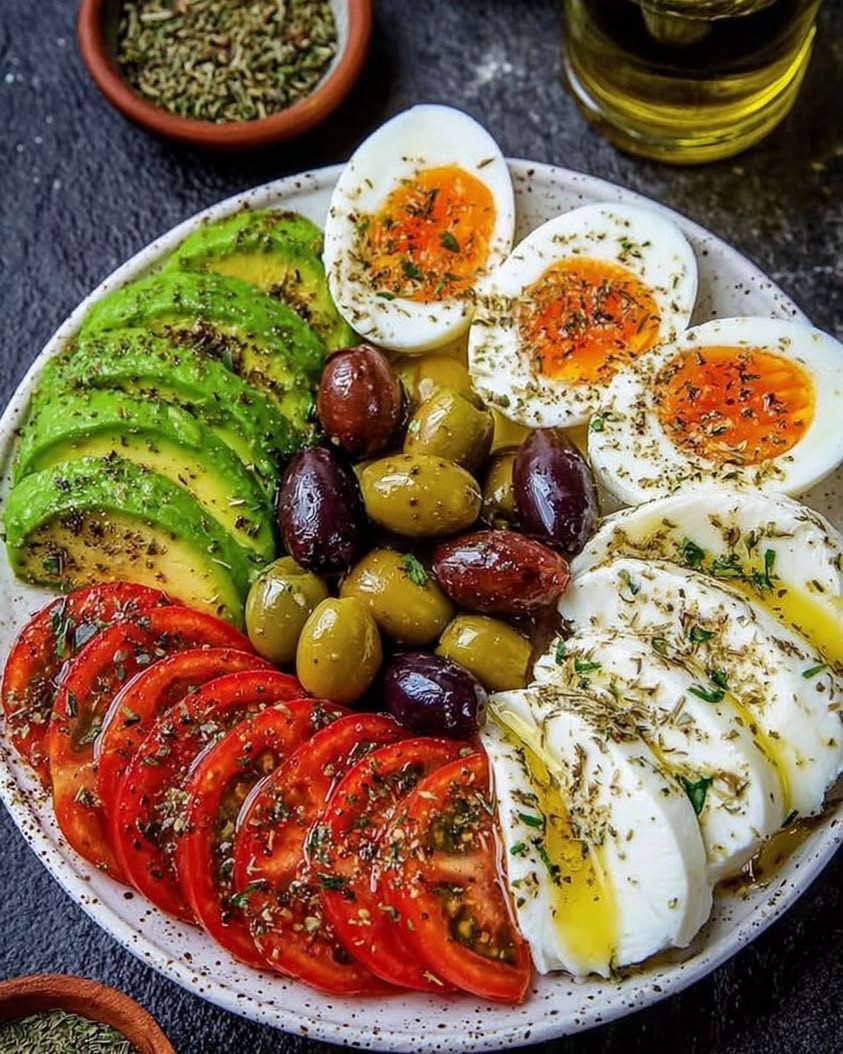
Garnishing elevates the visual story. Scatter fresh parsley and mint, crumble feta generously, and add briny olives in clusters. A final drizzle of olive oil and a sprinkle of za’atar or sumac adds color and aroma. Additionally, lemon wedges invite guests to brighten their own plates.
Traditional accompaniments include warm pita, flatbread, or pita chips for scooping. Olives, pickled onions, and stuffed grape leaves round out the mezze feel. For a heartier meal, add rice pilaf or quinoa. These additions honor the shared-plate tradition.
Modern serving suggestions fit contemporary lifestyles. Offer the plate as a build-your-own bowl station with grains at the base. Set out small bowls of extra sauces so guests customize freely. Alternatively, portion components into meal prep containers for grab-and-go lunches. The Mediterranean Protein Plate fits any format.
Temperature considerations matter for flavor. Serve chicken warm or at room temperature, hummus slightly cool, and tzatziki cold. Vegetables taste best at room temperature with a light chill. Keep cold items on ice at outdoor gatherings. Balance matters because lukewarm dairy tastes flat.
Portion control tips help guests serve themselves sensibly. Use small spoons and forks so portions stay reasonable. Place vegetables at the front of the platter and richer items toward the back. Provide smaller plates for grazing. These subtle cues encourage balanced eating without policing anyone’s appetite.
Wine and Beverage Pairing
Wine pairings favor bright, acidic bottles. A crisp Sauvignon Blanc cuts through creamy hummus and salty feta. Dry rosé complements grilled chicken beautifully, and a light Assyrtiko from Santorini echoes the Mediterranean theme. For red drinkers, a chillable Gamay or Pinot Noir works without overwhelming the plate. Avoid heavy oak because it clashes with fresh herbs.
Non-alcoholic alternatives keep everyone included. Sparkling water with lemon and mint refreshes between bites. Iced hibiscus tea offers tartness that mirrors the plate’s acidity. A cucumber-lime cooler adds spa-like freshness. Because the food is vibrant, simple drinks let it shine.
Coffee and tea pairings suit afternoon spreads. Mint tea, a North African and Middle Eastern staple, aids digestion after a rich meal. Light black tea with lemon works similarly. Skip heavy espresso because it overpowers delicate herbs.
Temperature considerations apply to drinks too. Serve white wine and rosé well chilled, around 45°F to 50°F. Red wines taste best slightly cool at 55°F to 60°F. Cold drinks refresh the palate between bites. Consequently, thoughtful chilling improves the whole experience.
Serving suggestions include offering drinks in pitchers for self-service. Set out citrus wedges and fresh herbs as garnishes. Provide both still and sparkling water. These touches keep the gathering relaxed and the host off duty.
Storage and Shelf Life
Storage methods vary by component, so keep items separate. Store chicken in an airtight container for three to four days. Keep hummus and tzatziki in sealed containers for up to five days, and refrigerate chopped vegetables in separate bags. Because components hold differently, separation preserves quality.
Temperature requirements stay strict for safety. Keep the fridge at or below 40°F and never leave chicken at room temperature beyond two hours. Dairy dips belong in the coldest zone. When in doubt, discard rather than risk illness.
Container recommendations focus on airtight glass or hard plastic. Glass resists stains and odors, especially for hummus and tzatziki. Use shallow containers so food cools quickly. Label everything with dates, since mezze components look similar.
Signs of spoilage include sour smells, slimy textures, and visible mold. Chicken turns gray and develops an off odor when past its prime. Hummus may dry out or grow mold on the surface. Trust your senses and toss questionable items.
Reheating instructions keep leftovers delicious. Warm chicken gently in a skillet or microwave until steaming, but avoid overcooking. Serve hummus and tzatziki cold or at room temperature. Refresh vegetables with a squeeze of lemon. Proper reheating restores the plate’s appeal.
Freezing guidelines extend shelf life strategically. Freeze marinated raw chicken for up to three months, and freeze hummus in small containers for two months. Tzatziki does not freeze well because dairy separates. Fresh vegetables lose crunch after freezing, so keep those fresh. Plan freezing around sturdy components only.
Make Ahead Strategies
Prep timeline planning saves weeknight stress. Marinate chicken the night before, blend hummus two days ahead, and chop sturdy vegetables a day early. Make tzatziki within 24 hours of serving for best texture. Because each task takes minutes, spread them across the week.
Storage between steps protects quality. Keep marinating chicken sealed in the fridge and store blended hummus with a thin oil layer on top. Wrap cut vegetables in damp paper towels inside bags. These small habits preserve freshness.
Quality impact assessment guides your choices. Hummus improves overnight as flavors meld, and marinated chicken deepens in taste. Cut cucumbers soften over time, so chop them last. Tzatziki stays crisp for a day or two. Prioritize make-ahead items by their staying power.
Assembly tips speed up serving. Set out the platter and bowls before guests arrive, then plate components in minutes. Warm pita at the last moment. Because assembly is fast, you relax and enjoy the gathering.
Reheating guidelines apply mainly to chicken and grains. Warm them gently and let vegetables stay fresh. Room-temperature hummus tastes best, so pull it from the fridge 20 minutes early. These details make leftovers taste fresh.
Fresh element additions finish the plate. Add herbs, lemon wedges, and flaky salt right before serving. These touches restore brightness to prepped components. Consequently, make-ahead meals taste made-to-order.
Scaling Instructions
Halving the recipe works easily because components scale linearly. Use half the chicken and half the hummus ingredients, and reduce vegetables accordingly. Watch marinade salt levels and adjust to taste. Small batches suit couples or solo diners.
Doubling or tripling suits parties and meal prep. Cook chicken in batches so the grill pan stays hot, and blend hummus in two rounds if your processor is small. Keep extra tzatziki cold in the fridge. Because mezze serves well at room temperature, large batches stay presentable.
Equipment adjustments prevent bottlenecks. Borrow a second sheet pan or use the oven to roast vegetables while the grill handles chicken. A larger platter or two platters keep components separated. Plan oven and grill space before cooking begins.
Timing modifications keep large batches manageable. Start with hummus and tzatziki, then grill chicken in waves. Chop vegetables while chicken rests. Because components hold well, you finish without rushing.
Storage considerations grow with batch size. Stock extra containers and label dates clearly. Keep cold items in coolers for outdoor events. Leftovers feed lunches for days, which makes big batches worthwhile.
Nutritional Deep Dive
Macro breakdown shows a balanced profile. Each serving delivers roughly 40 grams of protein, 30 grams of healthy fats, and 35 grams of carbohydrates. Chicken and chickpeas supply protein, olive oil and tahini supply fats, and vegetables plus pita supply carbs. This combination supports steady energy and satiety.
Micronutrient analysis reveals impressive coverage. Vitamin C from tomatoes and peppers supports immunity, while folate from chickpeas aids cell health. Calcium from feta and tahini strengthens bones, and iron from chickpeas supports oxygen transport. Colorful vegetables add antioxidants that fight inflammation. Overall, the plate covers a wide nutrient spectrum.
Health benefits extend beyond basic nutrition. High protein supports muscle maintenance, and fiber from chickpeas and vegetables aids digestion. Healthy fats support heart health, and balanced carbs fuel workouts. Because the plate avoids heavy processing, it fits most wellness plans.
Dietary considerations vary by eater. Those watching sodium should moderate feta and olives. People managing blood sugar benefit from pairing carbs with protein and fat. Anyone with sesame allergies must avoid tahini. Adjust portions to your personal needs.
Portion analysis helps with planning. A standard serving fills about half a dinner plate with vegetables, a quarter with protein, and a quarter with hummus and pita. This visual guide keeps portions sensible. Seconds remain an option because the food is nourishing.
Weight management tips include leaning on vegetables and protein first. Fill half your plate with vegetables, add chicken, then enjoy smaller portions of hummus and pita. Eat slowly and savor the variety. Because the plate satisfies, cravings quiet naturally.
Dietary Adaptations
Gluten-free versions swap pita for gluten-free flatbread or lettuce cups. Verify that hummus and tahini brands avoid cross-contamination. Serve with rice or quinoa for a grain base. These swaps keep the plate safe and delicious.
Dairy-free adaptations replace tzatziki with coconut yogurt and skip feta or use almond-based cheese. Hummus is naturally dairy-free, so it anchors the plate. Check labels on sauces and dressings. The result stays creamy and satisfying.
Vegan versions replace chicken with falafel, grilled tofu, or marinated tempeh. Choose dairy-free yogurt and vegan feta alternatives. Chickpeas already deliver plant protein, so the plate stays hearty. Add extra seeds for texture.
Low-carb adaptations reduce pita and increase vegetables. Use lettuce wraps instead of bread and enjoy extra hummus in moderation. Chicken and vegetables carry the meal. Blood sugar stays steadier with fewer refined carbs.
Keto adaptations keep carbs very low. Skip chickpeas and pita, double the chicken, and add avocado and olive oil. Choose full-fat tzatziki and feta. Track hummus portions because chickpeas add carbs.
Paleo adaptations remove grains, legumes, and dairy. Replace hummus with cauliflower puree, swap tzatziki for dairy-free herb sauce, and skip feta. Grilled chicken and vegetables remain the core. Choose olive oil liberally for healthy fats.
Low-FODMAP adaptations require care with garlic and onion. Use garlic-infused oil and scallion greens instead. Limit chickpeas to small portions. Choose lactose-free yogurt for tzatziki. These tweaks keep digestion comfortable.
Other diets like Mediterranean and flexitarian fit naturally. The plate emphasizes plants with moderate animal protein. Flexitarians enjoy smaller chicken portions with extra falafel. Balanced eaters find everything they need.
Troubleshooting Guide
Texture issues often trace to technique. Grainy hummus needs longer blending and warmer chickpeas. Dry chicken means overcooking, so use a thermometer next time. Soggy vegetables come from salting too early, so drain them first. Fix texture by adjusting process, not ingredients.
Flavor balance problems respond to small tweaks. If the plate tastes flat, add acid first and salt second. If it tastes too salty, add creaminess through hummus or avocado. Bitterness from tahini calls for more lemon. Taste as you go and adjust deliberately.
Temperature problems affect enjoyment. Cold chicken tastes bland, so reheat gently or let it reach room temperature. Warm tzatziki tastes odd, so keep it chilled until serving. Serve the platter at moderate room temperature for best perception of flavor.
Equipment challenges happen in every kitchen. No grill pan means using a cast iron skillet or broiler. Small food processors need batch blending. No platter means using two plates or a sheet pan. Adapt with what you own.
Ingredient substitutions solve shortages. No tahini means using almond butter thinned with oil. No feta means goat cheese or ricotta salata. No thighs means breast with shorter cooking time. Keep texture and salt levels balanced when swapping.
Timing concerns ease with a simple plan. Cook chicken first and rest it while blending hummus. Chop vegetables while the food processor runs. Warm pita last. A 30-minute timeline works when tasks overlap.
Recipe Success Stories
Community feedback highlights how approachable this plate feels. Readers report success on the first try, even self-described beginners. Many mention the hummus trick of using ice water as a game changer. Photos shared online show beautiful platters full of color.
Variation successes include swapping chicken for lamb kofta and adding grilled halloumi. Readers following keto swaps loved extra avocado and double chicken. Families with children report kids building their own plates happily. Simple options win with picky eaters.
Adaptation stories show flexibility during busy weeks. One reader prepped components on Sunday and assembled bowls all week. Another served the plate at a birthday party with rave reviews. Each story proves the plate adapts to real life.
Reader suggestions keep improving the recipe. Some recommend pickled onions for acid, others suggest smoked paprika in hummus. Adding roasted red peppers to hummus gained popularity. These ideas enrich the community experience.
Photography tips help readers capture the plate’s beauty. Use natural window light and shoot from above for the mosaic effect. Wipe plate edges clean and add garnishes last. Bright colors photograph best with slight editing kept minimal.
Frequently Asked Questions
Can I make this Mediterranean Protein Plate ahead of time? Yes, you can prep components up to two days ahead. Marinate and cook chicken, blend hummus, and chop sturdy vegetables. Store each item separately in the fridge and assemble fresh. This approach saves time and keeps textures optimal.
How much protein does this plate provide? Each serving delivers roughly 40 grams of protein from chicken and chickpeas combined. If you swap in tofu or falafel, protein stays strong. Adjust portions to hit your personal targets. The plate easily fits high-protein goals.
Is the recipe gluten-free? The base recipe is gluten-free when you skip pita. Replace it with gluten-free flatbread, lettuce cups, or rice. Verify product labels on hummus and tahini. With simple swaps, celiac diners enjoy the plate safely.
What can I substitute for tahini? Almond butter thinned with olive oil works as a substitute. Sunflower seed butter suits nut-free kitchens. Both change flavor slightly but maintain creaminess. Taste and adjust lemon and salt accordingly.
Can I use chicken breast instead of thighs? Yes, though cooking time shortens. Pound breast to even thickness, grill over medium heat, and pull at 165°F. Rest before slicing to keep it juicy. Thighs remain more forgiving for beginners.
How long do leftovers last? Store components separately and refrigerate. Chicken lasts three to four days, and hummus keeps up to five days. Assemble fresh portions each day. Discard anything that smells sour or looks slimy.
Can I freeze the hummus? Yes, hummus freezes well in small containers for up to two months. Leave a little space for expansion and add olive oil on top. Thaw overnight in the fridge and stir before serving. Tzatziki does not freeze well.
What if I do not own a grill? Use a cast iron skillet, broiler, or indoor grill. Sear chicken over medium-high heat until browned and cooked through. Finish thick pieces in the oven. The char matters more than the equipment.
Is the plate kid-friendly? Absolutely, because kids build their own portions. Offer mild hummus and keep sauces optional. Let children choose vegetables they enjoy. Family-style serving reduces picky-eater battles.
Can I add grains to the plate? Yes, quinoa, rice, or bulgur make great bases. They add carbohydrates and stretch the meal for larger appetites. Keep grains warm or at room temperature. Portion them modestly so vegetables stay the star.
How spicy is the recipe? As written, the plate stays mild and herb-forward. Add harissa, chili crisp, or aleppo pepper for heat. Keep spicy sauces on the side for mixed crowds. Everyone controls their own spice level.
What is the best way to reheat chicken? Warm gently in a skillet over medium heat with a splash of water, or microwave covered for short intervals. Stop as soon as it steams. Overheating dries the meat. Serve immediately for best texture.
Additional Resources
Related recipes expand your mezze repertoire. Try homemade falafel, tabbouleh, muhammara, or baba ganoush for a fuller spread. These dishes share ingredients with this plate, so shopping stays efficient. Build a rotating menu that keeps weeknight meals exciting.
Technique guides deepen your skills. Explore guides on grilling poultry, blending silky hummus, and balancing dressings. Each guide takes minutes to read but improves results immediately. Small technique upgrades compound over time.
Ingredient information helps you shop smarter. Learn how to select tahini, compare feta styles, and choose olive oils for different uses. Understanding ingredients elevates every meal you cook. A little knowledge pays off at the store.
Equipment recommendations simplify prep. A sharp chef’s knife, a sturdy food processor, and a grill pan cover most needs. Add a large platter for serving. Good tools reduce effort and improve consistency.
Seasonal variations keep the plate relevant all year. Use citrus in winter, tomatoes in summer, and roasted roots in fall. Follow local farmers markets for inspiration. Seasonal cooking keeps flavors fresh and costs low.
Finally, this Mediterranean Protein Plate rewards practice and creativity. Make it once as written, then adapt freely to your taste. Because the formula is flexible, it becomes a reliable staple in your kitchen. Share it with friends, and it will earn a permanent spot on your table.
PrintMediterranean Protein Plate
- Total Time: 45 minutes
- Yield: 4
Description
A colorful and satisfying plate featuring grilled chicken, quinoa, fresh vegetables, and a creamy tahini dressing.
Ingredients
- 1 lb boneless, skinless chicken breasts
- 1 cup quinoa, rinsed
- 2 cups water or low-sodium chicken broth
- 1 cup cherry tomatoes, halved
- 1 cucumber, diced
- 1/2 red onion, thinly sliced
- 1/2 cup Kalamata olives, pitted
- 1/2 cup crumbled feta cheese
- 1/4 cup fresh parsley, chopped
- 1/4 cup tahini
- 2 tablespoons lemon juice
- 1 clove garlic, minced
- 2-3 tablespoons water (to thin dressing)
- 2 tablespoons olive oil
- 1 teaspoon dried oregano
- Salt and pepper to taste
Instructions
- Cook quinoa according to package directions, using water or broth. Fluff with a fork and set aside.
- Season chicken breasts with oregano, salt, and pepper. Heat olive oil in a grill pan or skillet over medium-high heat. Cook chicken for 6-7 minutes per side, until cooked through. Let rest for 5 minutes, then slice.
- In a small bowl, whisk together tahini, lemon juice, garlic, and enough water to reach a drizzling consistency. Season with salt to taste.
- Assemble plates: Divide quinoa among plates. Top with sliced chicken, cherry tomatoes, cucumber, red onion, olives, and feta cheese. Drizzle with tahini dressing and sprinkle with parsley.
Notes
You can customize the seasonings to taste.
- Prep Time: 15 minutes
- Cook Time: 30 minutes
- Method: Main
- Cuisine: American