Cranberry Spinach Stuffed Chicken with Brie: A Must-Try Recipe
If you want a dinner that looks impressive but comes together without stress, this Cranberry Spinach Stuffed Chicken with Brie is exactly what you need. Juicy chicken breasts hug a rich filling of melty brie, tart dried cranberries, and tender spinach, and the whole dish bakes to golden perfection in under an hour. The Cranberry Spinach Stuffed Chicken with Brie delivers restaurant-quality flavor on a weeknight schedule, and it works just as well for holiday gatherings and dinner parties. You get sweet, savory, creamy, and fresh notes in every single bite, so picky eaters and adventurous palates both leave the table happy.
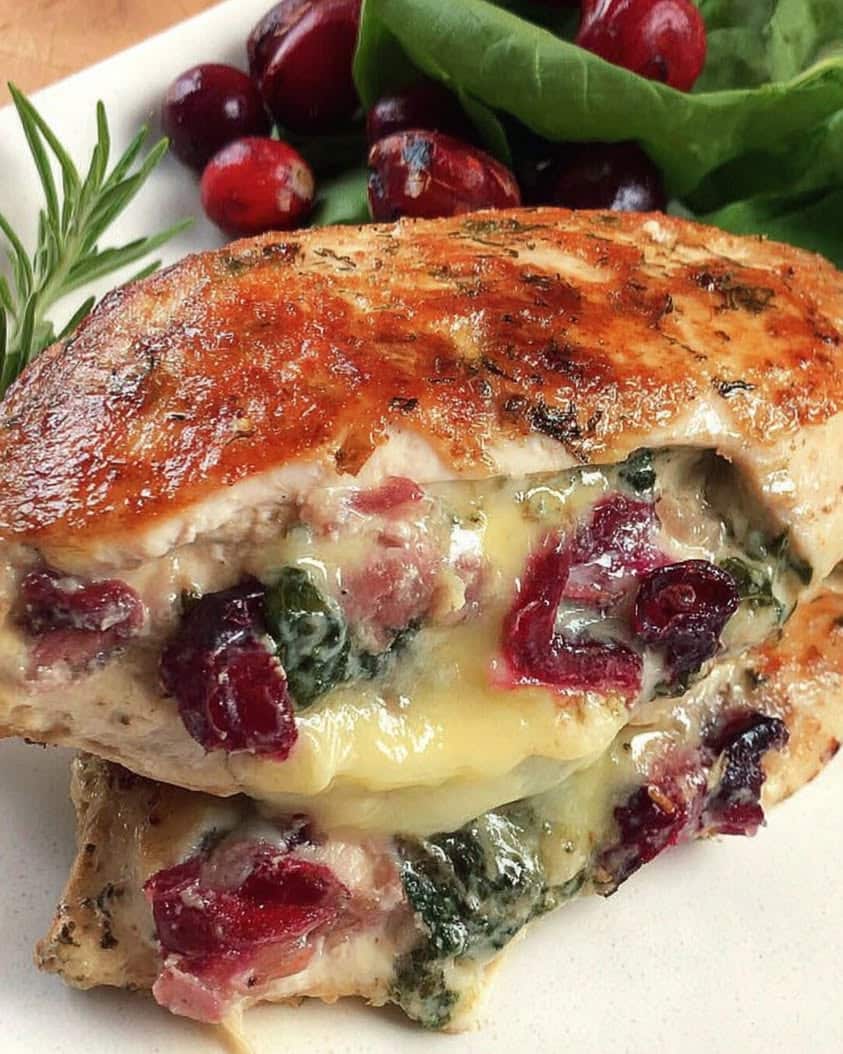
The magic of this stuffed chicken recipe starts with the filling. Brie melts into a silky, indulgent center, while dried cranberries add chewy sweetness that cuts through the richness. Fresh spinach brings an earthy green note that keeps everything balanced, and a touch of garlic and herbs ties the whole profile together. When you slice into the chicken, the brie spills out in a warm, creamy cascade, and the cranberries glisten against the golden crust. This is the kind of dish that makes people ask for the recipe before they finish their first bite.
Beyond the flavor, this Cranberry Spinach Stuffed Chicken with Brie is genuinely practical. You need one skillet and one baking dish, and the ingredient list stays short and budget-friendly. The recipe suits low-carb and keto lifestyles since it skips breading and heavy carbs, and it reheats beautifully for next-day lunches. Whether you serve it with roasted vegetables, a simple salad, or mashed potatoes, this stuffed chicken breast recipe earns a permanent spot in your rotation. Let’s walk through everything you need to know to nail it at home.
Quick Recipe Highlights
- Flavor Profile: Sweet dried cranberries balance the earthy spinach and the buttery, tangy brie. Garlic and fresh thyme add a savory backbone that keeps the richness in check. Each bite moves from golden seared chicken to creamy cheese to bright fruit.
- Texture: The chicken stays juicy and tender thanks to careful searing and oven finishing. Brie turns molten and luxurious inside, and the cranberries offer a pleasant chew. A light sear on the outside gives a subtle crust that contrasts the soft filling.
- Aroma: Garlic and thyme fill the kitchen as the chicken sears. Once it bakes, the brie releases a warm, creamy scent that signals dinner is close. The cranberries add a faint sweetness to the air that makes the dish feel festive.
- Visual Appeal: Golden-brown chicken breasts sit plump on the plate with a hint of filling peeking out. A drizzle of pan juices adds shine, and a sprinkle of fresh parsley brings a pop of green. Sliced on a bias, the cross-section shows layers of white meat, green spinach, and creamy brie.
- Skill Level Needed: The recipe suits confident beginners who can handle a knife and a skillet. Butterflying chicken is the trickiest step, and a sharp knife makes it simple. Everything else involves basic searing and baking, so home cooks of most levels succeed.
- Special Equipment: You need a sharp chef’s knife and a cutting board for butterflying the chicken. A large oven-safe skillet handles the sear, and toothpicks or kitchen twine secure the filling. A meat thermometer takes the guesswork out of doneness.
Recipe Overview
- Difficulty Level: This lands in the easy-to-intermediate range because butterflying chicken requires a steady hand. The filling comes together in one bowl with no cooking required, and the oven does most of the work. Once you butterfly your first breast, the process becomes second nature. Most home cooks master this dish on the first or second attempt.
- Category: This qualifies as a main course for dinner and works as a holiday entrée as well. It fits weeknight dinners, date nights, and special occasion menus alike. You can also slice it cold for salads and sandwiches the next day.
- Cuisine: The dish draws on classic French technique through the brie and the stuffed poultry approach. American home cooking shapes the flavor profile with cranberries, a staple of U.S. holiday tables. The combination reflects modern fusion comfort food at its best. It feels familiar yet elevated at the same time.
- Cost: Four chicken breasts cost roughly eight to twelve dollars depending on your market. Brie adds about five dollars, and spinach, cranberries, and pantry staples add another three to four dollars. The total lands near sixteen to twenty dollars for four servings, which beats most restaurant entrées.
- Season: Fall and winter suit this dish best because cranberries and brie feel naturally festive. Thanksgiving and Christmas menus welcome it as a turkey alternative. That said, the ingredients stay available year-round, so you can serve it any time. Summer versions work well with a lighter side salad.
- Occasion: Holiday dinners, dinner parties, anniversaries, and Sunday suppers all fit this recipe. It looks elegant enough for guests yet simple enough for a cozy night in. Meal-prep lunches also benefit from the leftovers. Potluck hosts love it because it travels and reheats well.
Why You’ll Love This Recipe
The taste and texture appeal of this Cranberry Spinach Stuffed Chicken with Brie comes from contrast. You get crispy seasoned skin on the outside and a molten, creamy center on the inside. The cranberries deliver sweet-tart bursts that wake up your palate between bites of rich brie. Spinach adds freshness and a slight mineral depth that keeps the dish from feeling heavy. Every component plays a role, and the result tastes far more complex than the effort suggests. Even skeptical eaters who claim they dislike brie usually change their minds after one forkful.
Convenience sets this recipe apart from other stuffed chicken recipes. The entire dish uses one mixing bowl, one skillet, and one baking dish, so cleanup stays quick. Prep takes about twenty minutes, and the oven handles the rest while you set the table or relax. You can assemble the chicken ahead of time and bake it right before dinner. That flexibility makes it a lifesaver on busy weeknights and a stress-free choice for entertaining. Few recipes deliver this much wow factor with this little fuss.
Nutritional advantages give this dish a place in health-conscious kitchens. Chicken breast provides lean protein with minimal saturated fat, and spinach adds iron, folate, and vitamins A and K. Brie contributes calcium and a small amount of protein, and dried cranberries supply fiber and antioxidants. The recipe skips breadcrumbs and heavy sauces, so carbs stay low and calories remain reasonable. You get a satisfying, filling meal without the post-dinner slump that heavy comfort food often brings.
Social and entertaining value makes this Cranberry Spinach Stuffed Chicken with Brie a host’s secret weapon. The presentation looks plated and professional, yet you never break a sweat. Guests see golden chicken with a creamy, colorful center and assume you spent hours in the kitchen. It pairs beautifully with wine, and the holiday-friendly flavors spark conversation. Serve it for a dinner party and watch it become the dish people request at every gathering. It photographs well too, which matters in the age of sharing meals online.
Cost-effectiveness rounds out the list of reasons to love this recipe. Chicken breast remains one of the most affordable proteins at the supermarket, and brie costs far less than steak or seafood. The remaining ingredients are pantry staples that last for months. You feed four people a restaurant-caliber meal for under twenty dollars, which is a fraction of what a bistro would charge. The leftovers stretch into two more meals, so the value multiplies. Budget-minded cooks appreciate that luxury feel without the luxury price tag.
Historical Background and Cultural Significance
The origin story of stuffed chicken breast recipes traces back to European kitchens where cooks encased fillings in poultry to stretch expensive meat. French chefs popularized the technique with dishes like chicken cordon bleu and ballotine, which wrapped stuffings inside boneless birds. The method spread to American home kitchens through restaurant menus and community cookbooks in the mid-twentieth century. Home cooks embraced butterflying and stuffing because it turned plain chicken into something special. This particular cranberry and brie combination reflects a more modern American twist on those classic techniques.
Cultural importance connects this dish to the American holiday table through the cranberry. Native American communities used cranberries for food, medicine, and dye long before European settlers arrived. The berry became a Thanksgiving staple in the United States and a symbol of fall harvest cooking. Brie carries French cultural weight as a celebrated soft cheese with protected status in its home region. Combining these two traditions creates a dish that nods to both European technique and American seasonal flavors.
The evolution of the recipe mirrors broader trends in home cooking. Stuffing chicken with cheese gained traction in the 1990s as brie became widely available in U.S. supermarkets. Food magazines and early food blogs popularized fruit-and-cheese pairings inside poultry throughout the 2000s. Social media accelerated the trend when photogenic stuffed chicken recipes went viral. This version emerged as home cooks swapped heavier fillings for spinach and cranberries to satisfy demand for lighter, low-carb options.
Regional variations show how the recipe adapts across the country. New England cooks lean into local cranberry harvests and often add a splash of maple syrup to the filling. Southern versions sometimes include pecans for crunch and a hint of bourbon in the pan sauce. West Coast cooks swap brie for local goat cheese and add fresh figs when in season. Midwest kitchens favor a cranberry-orange flavor combination that echoes classic holiday breads. Each region puts its own stamp on the same beloved framework.
Ingredient Deep Dive
Boneless, skinless chicken breasts form the foundation of this dish. Chicken has anchored American dinners for generations because it adapts to nearly any flavor profile. Modern commercial chicken offers a lean, affordable protein that supports heart health when you skip the skin. Look for breasts that feel firm and plump with a pale pink color and no strong odor. Store raw chicken in the coldest part of your fridge and use it within two days of purchase. If chicken breast is unavailable, turkey cutlets or thick pork chops work as substitutes with adjusted cook times.
Brie cheese delivers the luxurious, melty center that defines this Cranberry Spinach Stuffed Chicken with Brie. This soft cow’s milk cheese originated in the Île-de-France region and carries centuries of French culinary history. Brie supplies calcium and protein along with its signature creamy texture. Choose a wheel that feels slightly springy, not runny, and check that the white rind looks clean and uniform. Keep brie wrapped in its original packaging or wax paper in the fridge and enjoy it within a week. Camembert or a mild goat cheese makes a fine substitute if brie is unavailable.
Dried cranberries add chewy sweetness and a festive seasonal note. The cranberry holds deep cultural ties to Native American foodways and remains a symbol of American harvest cooking. These dried berries provide fiber, antioxidants, and vitamin C, and they contain less moisture than fresh cranberries, so they won’t water down the filling. Pick dried cranberries that feel soft rather than rock hard and avoid those with excessive added sugar. Store them in an airtight container in the pantry for up to six months or freeze them for longer shelf life. Chopped dried cherries or raisins substitute well in a pinch.
Fresh spinach brings an earthy, vibrant green layer to the stuffing. Spinach has fed cultures from Persia to the Mediterranean for centuries and ranks among the most nutrient-dense greens available. It supplies iron, folate, and vitamins A and K with negligible calories. Select spinach with crisp, deep green leaves and no yellowing or slime, then wash thoroughly to remove grit. Keep it refrigerated in a breathable bag and use it within five days. Kale, Swiss chard, or arugula offer easy swaps when spinach isn’t fresh.
Common Mistakes to Avoid
- Overstuffing the chicken breasts causes the filling to burst out during baking and leaves the center raw. Use only two to three tablespoons of filling per breast and resist the urge to cram in more. The filling expands as the brie melts, so less truly is more here.
- Forgetting to dry the chicken before searing prevents the skin or surface from browning properly. Pat both sides thoroughly with paper towels, then season generously. A dry surface creates the golden sear that makes this dish look restaurant-quality.
- Skipping the sear sacrifices a layer of flavor and texture. The quick pan sear creates browning and forms a barrier that keeps juices inside. Sear over medium-high heat for two to three minutes per side, moving the chicken only when it releases easily.
- Pounding the chicken unevenly leads to thin spots that tear and thick areas that stay raw. Aim for uniform quarter-inch thickness and work gently with a mallet or rolling pin. Even thickness guarantees even cooking throughout the breast.
- Using cold brie straight from the fridge makes the filling harder to secure and slows melting. Let the brie sit at room temperature for twenty to thirty minutes before assembling. Softened cheese spreads into an even layer that melts beautifully.
- Overbaking dries out the chicken and turns the brie into a greasy, separated mess. Pull the chicken at 165 degrees Fahrenheit measured at the thickest point. Carryover cooking adds a few degrees while the meat rests, so err on the earlier side.
- Forgetting toothpicks or twine lets the filling escape during searing and baking. Secure the folded breast with two to three toothpicks and remember to remove them before serving. Twine works equally well and creates a neat, compact bundle.
- Skipping the resting period wastes the work you put in. Resting for five to ten minutes lets juices redistribute throughout the meat. Cutting immediately spills the juices onto the plate and leaves the chicken drier.
Essential Techniques
Butterflying chicken breasts is the most important technique for this Cranberry Spinach Stuffed Chicken with Brie. This step creates a pocket that holds the filling and allows even cooking. Place your hand flat on the breast and slice horizontally with a sharp knife, stopping about half an inch from the far edge so the breast opens like a book. Keep the blade parallel to the cutting board and work slowly with gentle sawing motions. The visual cue for success is a breast that opens flat into one even piece without any thin tears. Practice on one breast before moving to the rest of the batch.
Pounding the chicken to even thickness guarantees consistent cooking from edge to edge. A thin end and a thick center cause the thin part to overcook while the middle stays raw. Cover the butterflied breast with plastic wrap and pound gently with the flat side of a meat mallet, working from the center outward. Aim for a uniform quarter-inch thickness without tearing the meat. You’ll know you have it right when the breast looks even and slightly translucent at the thinnest points. Firm but gentle pressure protects the texture of the meat.
Effective searing builds flavor and appearance before the oven finishes the job. Heat a heavy skillet over medium-high heat until a drop of water sizzles and evaporates, then add oil and let it shimmer. Place the chicken presentation side down and leave it undisturbed for two to three minutes. The visual cue for success is a deep golden-brown crust that releases naturally from the pan. Pressing or flipping too early prevents browning, so trust the process and resist the urge to peek.
Securing the filling prevents leaks and keeps the dish tidy. Slide toothpicks through the folded edges at a slight angle, or tie kitchen twine around the middle of each bundle. Space your fastenings evenly so the filling stays enclosed on all sides. Check for gaps before searing, because any opening becomes an escape route once the cheese melts. The visual cue is a compact, sealed package that holds its shape when you lift it. Count your toothpicks and note the number so you remove every one before serving.
Pro Tips for Perfect Cranberry Spinach Stuffed Chicken with Brie
Season the chicken in stages rather than just once. Salt and pepper the inside of the butterflied breast before adding the filling, then season the outside right before searing. Layered seasoning penetrates deeper and tastes fuller than surface salting alone.
Squeeze moisture from the spinach before it goes anywhere near the filling. Wet spinach releases water as it heats and creates a soggy pocket that steams the brie instead of melting it. Wrap the leaves in a clean towel and press firmly until they feel dry to the touch.
Choose a brie that sits in the middle of its ripening window. A very young brie melts too firmly, while an overripe one turns liquid and slippery. A wheel that gives slightly when pressed in the center strikes the perfect balance between structure and melt.
Use an oven-safe skillet to avoid transferring the chicken to a second pan. Starting the dish on the stovetop and finishing it in the same vessel preserves the browned bits and keeps cleanup simple. Cast iron and stainless steel both handle the transition beautifully and retain heat for an even bake.
Add a splash of chicken broth or white wine to the skillet before it enters the oven. The liquid catches the drippings and creates a natural pan sauce that you can spoon over each serving. It also keeps the exposed filling from drying out as the chicken bakes.
Slice the finished chicken on a bias at a slight angle for the most attractive presentation. Angled cuts expose more of the beautiful swirl of spinach, cranberries, and brie inside. Use a sharp knife and gentle pressure so the filling stays intact rather than smearing across the plate.
Variations and Adaptations
Regional variations let you tailor the Cranberry Spinach Stuffed Chicken with Brie to local flavors. A Tuscan version swaps brie for fontina and adds sun-dried tomatoes and basil to the spinach. Southern cooks sometimes coat the secured chicken in crushed pecans before baking for a crunchy exterior. New England kitchens add a drizzle of maple syrup to the pan juices and serve it with roasted squash. Each twist keeps the core idea intact while letting regional tastes shine through.
Seasonal adaptations keep the dish fresh all year long. In spring, replace dried cranberries with chopped fresh apricots and swap spinach for tender pea shoots. Summer versions favor fresh berries and soften the cheese to a lighter goat cheese with lemon zest. Fall calls for roasted apple chunks and sage, and winter welcomes pomegranate seeds and a hint of orange zest. The recipe bends without breaking, so you always have a version that matches the calendar.
Dietary modifications make this recipe work for nearly every table. Lactose-free cheese substitutes map well onto the brie role, and readers can choose a creamy plant-based option that melts smoothly. Gluten-free diners already enjoy this dish because it contains no breadcrumbs or flour. Low-carb and keto eaters consider it a staple since it delivers high protein and richness without starch. Always check cheese labels if you need a specific dietary guarantee.
Flavor variations give bored cooks endless room to play. Add a teaspoon of Dijon mustard to the filling for a tangy kick, or fold in caramelized onions for deep sweetness. A sprinkle of crushed red pepper brings gentle heat that pairs wonderfully with the fruit. Smoked paprika on the outside of the chicken adds warmth and color. Try one variation at a time so you can taste exactly what each change contributes.
Texture modifications help when you want a different mouthfeel. Crushed pork rinds or almond flour create a crust for anyone avoiding breadcrumbs, and a brief sear under the broiler crisps the top. A handful of toasted walnuts in the filling adds crunch to contrast the soft brie. Slicing the chicken thinner produces delicate medallions that cook faster and feel lighter on the plate.
Presentation alternatives expand how you serve this dish. Slice the stuffed chicken and fan it over a bed of creamy polenta or cauliflower puree for a restaurant-style plate. Serve it over arugula lightly dressed with lemon for a fresh contrast. Mini versions made with chicken cutlets work as elegant appetizers at a party. The one-pan version plates simply with roasted vegetables for a weeknight look that still impresses.
Serving and Presentation Guide
Plating techniques elevate the stuffed chicken from homey to handsome. Place the whole breast just off-center on the plate and lean it slightly against a mound of side dish. Spoon a ribbon of pan sauce across the base and over the top, letting some pool naturally. Keep the edges of the plate clean by wiping any drips with a towel before serving. White or light-colored plates make the golden chicken and green spinach pop beautifully.
Garnishing ideas should add color and freshness without clutter. A sprinkle of fresh parsley or thyme leaves brings bright green contrast to the golden exterior. A few extra dried cranberries scattered on the plate echo the filling and signal the flavor profile to guests. A tiny wedge of soft cheese on the side creates a lovely visual accent. Keep garnishes edible and minimal so the sliced chicken remains the star.
Traditional accompaniments lean into the flavors already at play. Roasted Brussels sprouts with cranberries mirror the dish beautifully, and buttery mashed potatoes soak up the pan juices. Green beans almondine add crunch and color, and a classic rice pilaf rounds out the meal with a neutral grain. Bread on the table helps guests enjoy every last drop of the creamy filling.
Modern serving suggestions push the dish toward lighter, trendier territory. Cauliflower rice with lemon and herbs keeps the meal low-carb and fresh. A shaved Brussels sprout salad with apples and pecans feels crisp and seasonal, and roasted sweet potatoes deliver sweetness that complements the cranberries. Farro or quinoa brings a nutty whole-grain base that makes the plate feel complete.
Temperature considerations matter for both safety and flavor. Serve the chicken hot, straight from a short rest, when the brie is at maximum melt. The filling firms up as it cools, so plan your table setting before you pull the pan from the oven. Hold finished plates in a warm oven at low heat if dinner is delayed. Never reheat the dish to a boil, because extreme heat splits the cheese and dries the chicken.
Portion control tips keep the meal balanced and help stretch the recipe. One stuffed breast makes a generous main serving alongside a couple of sides, so pair each portion with plenty of vegetables to round out the plate. For lighter appetites, slice one breast in half and serve it over a salad. The recipe scales naturally, and half portions work well for kids or for a lunch that doesn’t leave you sluggish.
Wine and Beverage Pairing
Wine pairings for this Cranberry Spinach Stuffed Chicken with Brie favor whites with bright acidity. A dry Riesling balances the sweetness of the cranberries and cuts the richness of the cheese. Sauvignon Blanc brings herbal notes that echo the spinach, while a Chardonnay with restrained oak offers a round, buttery texture that plays nicely with the brie. A light Pinot Noir also works beautifully for guests who prefer red wine. Serve whites well chilled and reds slightly below room temperature for the best effect.
Non-alcoholic alternatives keep everyone included at the table. Sparkling water with a squeeze of lime and a splash of cranberry juice mirrors the dish’s fruit while refreshing the palate. Apple cider, especially in fall, echoes the seasonal sweetness and pairs naturally with the cheese. Iced tea with lemon adds a tannin structure that behaves a little like wine without the alcohol. A cranberry shrub mixed with soda delivers tart complexity that stands up to the rich filling.
Coffee and tea pairings can extend the dish into a cozy evening. A light-bodied black tea with bergamot notes complements the brie and keeps the meal feeling relaxed. Green tea with citrus works as a palate cleanser after the creamy center. If you enjoy coffee with dinner, a medium roast with mild acidity balances the cranberry notes without overpowering the chicken. Keep warm drinks at a comfortable sipping temperature so they don’t clash with the hot food.
Temperature and serving suggestions make beverages part of the experience. Chill white wines to around forty-five to fifty degrees Fahrenheit for a crisp contrast with the warm chicken. Offer a small ice bucket or cooler on the table so guests top off their glasses easily. Provide plenty of water with lemon at every setting, since the richness of the brie invites hydration. A pitcher of the same pairing on the table saves trips to the kitchen.
Storage and Shelf Life
Storage methods determine how well leftovers keep their quality. Cool the chicken within two hours of cooking and transfer it to shallow airtight containers. Store any pan juices separately so the chicken doesn’t sit in liquid and soften. Keep the container in the main compartment rather than the door, where temperatures fluctuate. Label the container with the date so you track freshness easily.
Temperature requirements follow standard food safety rules. Refrigerate leftovers at forty degrees Fahrenheit or below for up to four days. Keep the chicken and juices together in a sealed container to prevent cross-contamination with other foods. Never leave the dish at room temperature for more than two hours, and avoid reheating more than once. A fridge thermometer takes the guesswork out of safe storage.
Container recommendations improve both storage and reheating. Glass containers with locking lids preserve moisture and keep odors contained, and they move directly from fridge to microwave safely. Divide leftovers into single-serving portions so you reheat only what you plan to eat. Stackable containers save shelf space and help meal prep stay organized. Avoid plastic wrap alone, which lets air in and dries out the chicken.
Signs of spoilage help you know when to discard leftovers. Any sour or off odor, slimy texture, or visible mold means it’s time to toss the food. The brie may firm up and separate slightly after chilling, which is normal, but gray or green streaks are not. When in doubt, throw it out, since the cost of a missed meal is far lower than the cost of foodborne illness.
Reheating instructions should protect moisture and texture. Warm the chicken gently in a covered pan over medium-low heat with a splash of broth, or microwave a single serving covered at fifty percent power. Aim for an internal temperature of 165 degrees Fahrenheit throughout. Avoid high heat and long bursts, which toughen the meat and separate the cheese. A quick broil at the very end restores a little crispness to the exterior.
Freezing guidelines extend the life of this Cranberry Spinach Stuffed Chicken with Brie. Freeze cooked chicken tightly wrapped for up to two months, though the brie texture may change slightly and become a bit grainy. Freeze raw assembled but unbaked chicken and bake it straight from frozen with about fifteen extra minutes of cook time. Label everything with the date, and thaw overnight in the refrigerator before reheating or baking.
Make Ahead Strategies
The prep timeline makes this recipe friendly to busy schedules. You can butterfly, pound, and season the chicken the night before, and mix the filling at the same time so morning assembly takes minutes. Chop the spinach and measure the brie and cranberries in separate containers. By dinner time, all that remains is stuffing, searing, and baking. This assembly-line approach cuts the day-of workload in half.
Storage between steps keeps each component fresh and ready. Keep the prepared chicken tightly covered in the fridge for up to twenty-four hours, and store the filling in its own airtight container. Let the filling come to room temperature for about fifteen minutes before stuffing, so the cheese spreads evenly. Keep raw chicken on the lowest shelf to prevent any drips from reaching fresh ingredients. Label everything with the date for easy tracking.
Quality impact assessment matters when planning ahead. Raw marinated or seasoned chicken holds up beautifully for a day, and the filling stays fresh for two or three days in the fridge. Once baked, the dish keeps well for up to four days, though the brie loses some creaminess on reheating. If quality matters most, assemble the night before and bake fresh right before serving. The difference between fresh-baked and fully reheated is noticeable, so use the night-before approach whenever possible.
Assembly tips streamline the actual cooking step. Set up a station with the chicken, filling, toothpicks, and a clean plate so you move efficiently through each breast. Work with one breast at a time and keep the rest covered so they stay cold. Lightly oil the baking dish or line it with parchment for easy cleanup. Have your skillet preheating while you stuff the final piece so the sear begins the moment you are ready.
Fresh element additions bring energy to advance-reheated meals. Stir a squeeze of lemon into the pan juices right before serving to brighten the flavor. Toss fresh herbs over the top at the table so they keep their color and aroma. Add a quick side of fresh greens or a chopped tomato salad to make the plate feel newly made. These small gestures revive leftovers and make them feel like a brand-new meal.
Scaling Instructions
Halving the recipe feeds two with little fuss. Cut the chicken breasts in half if they are very large, or use two breasts of standard size. Split the filling ingredients in half, which may leave quarter-wheel brie portions that you can wrap and save for another use. Use a smaller skillet to maintain browning, and expect the bake time to stay roughly the same or drop by a few minutes. Check the chicken early with a thermometer and pull it at 165 degrees Fahrenheit.
Doubling or tripling the recipe feeds a crowd and works well for batch cooking. Brown the chicken in batches so the temperature stays high, moving seared breasts to a large baking sheet or two smaller dishes. Bake everything at the same temperature, but plan on a few extra minutes of oven time since more cold mass enters the oven. Rotate pans halfway through for even cooking. The stuffing step takes the most time, so invite a helper to speed up the process.
Equipment adjustments keep the dish practical at every scale. Use two skillets or work in batches when cooking more chicken than fits in one pan, because crowding steams the meat instead of searing it. Wider baking dishes help large batches cook evenly, and you can use a couple of smaller dishes if that’s what you own. Keep the same temperature regardless of batch size, and rely on a meat thermometer rather than the clock.
Timing modifications matter most when scaling. Doubling the recipe roughly doubles preparation time, though oven time rises less sharply than you might expect. A quadrupled batch may need pans of different sizes, which affects cook times, so test the thickest breast with a thermometer. Rest all batches for the same five to ten minutes before slicing. If you stagger batches, keep the first batch warm in a low oven so everything lands on the table at the same moment.
Storage considerations expand with the batch. Use extra containers, label dates clearly, and freeze a portion in advance to avoid waste. Doubled recipes are perfect for filling the freezer with bake-and-reheat meals for busy weeks. Keep portions to what you will realistically eat within four days fresh, and freeze the rest immediately. The stuffed chicken freezes well unbaked, so prepare the extra batch and freeze it before baking for the best results.
Nutritional Deep Dive
The macro breakdown looks impressive for a comfort-style dish. Per serving, expect roughly 450 to 500 calories, about 35 grams of protein, and about 30 grams of fat depending on the brie portion. Carbs stay low at around 12 grams, and most of those come from the dried cranberries. Chicken supplies the bulk of the protein, while the brie contributes fat and richness. These numbers support a satisfying, filling meal that keeps you full for hours.
Micronutrient analysis reveals hidden benefits beyond the macros. Chicken breast delivers B vitamins, selenium, and choline, and spinach boosts iron, folate, vitamin K, and vitamin A. Brie supplies calcium and some phosphorus, while cranberries bring small amounts of vitamin C and polyphenols. Together, the ingredients cover a wide nutritional base. The dish counts as a meaningful source of vitamin K and calcium, which many American diets lack.
Health benefits of this Cranberry Spinach Stuffed Chicken with Brie suit several wellness goals. High protein supports muscle maintenance and satiety, which helps with appetite control. The fat from brie slows digestion and adds to the meal’s staying power, and spinach offers fiber and phytonutrients. Because the recipe skips breading and sugary sauces, the glycemic impact stays modest. This makes the dish a smart choice for balanced eating that still feels indulgent.
Dietary considerations depend on the cheese choice and the cranberry sweetness. Anyone with lactose intolerance should select a lactose-free brie or a plant-based alternative. Those watching sodium can halve the salt and rely on herbs and garlic for flavor. Choose dried cranberries without added sugar to lower the sugar content. All of these adjustments keep the core deliciousness intact while tailoring the dish to specific needs.
Portion analysis helps you match the dish to your daily goals. A full breast makes a generous portion, while half a breast suits lighter appetites or smaller meals. Pairing with plenty of vegetables adds volume without significant calories. If you eat a heavier lunch, serve half portions at dinner for balance. Tracking macros for one meal is easier when you know the range you are working within.
Weight management tips make the most of this recipe’s strengths. Load the plate with non-starchy vegetables to add fiber and fullness for minimal calories. Serve the pan sauce on the side so you control the portion. Choose an extra-lean chicken breast and moderate the brie to trim the fat. These tweaks keep the flavor high and the calories in check without losing the character of the dish.
Dietary Adaptations
Gluten-free diners celebrate this recipe because it contains no flour, breadcrumbs, or wheat products. Make sure any dried cranberries and broth you use carry a gluten-free certification, since processing can introduce cross-contamination. Serve with gluten-free sides like rice, potatoes, or roasted vegetables to complete a safe meal. Always check the cheese label, as some packed brie wheels carry flavorings or additives worth verifying.
Dairy-free adaptations need one focused swap. Replace the brie with a creamy plant-based cheese that melts well, such as a cashew-based brie alternative or a creamy vegan mozzarella. The texture will differ slightly, but the richness and indulgence remain. Check that butter and any pan sauce ingredients are also dairy-free. The cranberry and spinach notes carry the flavor profile even without traditional cheese.
Vegan versions require more rethinking, but plant-based cooks make it work. Swap the chicken for thick portobello caps or large slabs of extra-firm tofu and stuff the same cranberry spinach mixture inside or on top. Use a nut-based cheese alternative for the brie role and brush the tofu or mushrooms with tamari or soy sauce for savoriness. Roast until the filling melts and the edges brown. This adaptation keeps the spirit of the dish fully plant-based.
Low-carb and keto eaters already fit this dish into their macros with little adjustment. The recipe naturally keeps carbs modest, with only the dried cranberries contributing notable sugar. Reduce cranberries to one tablespoon per serving for an even lower count, and add extra spinach and fresh herbs for flavor. Pair the chicken with a green salad and buttery vegetables instead of starches. With minor edits, the dish sits comfortably in a strict low-carb plan.
Paleo followers need a few swaps because traditional brie contains dairy and dried cranberries often include added sugar. Choose unsweetened dried cranberries or fresh cranberries and substitute a dairy-free cheese or omit the cheese in favor of extra spinach and mushrooms. Use coconut oil or ghee for searing, and season with sea salt and fresh herbs. Check all packaging carefully, then enjoy a paleo-friendly version that keeps the dish’s essence.
Low-FODMAP cooks can enjoy a modified version with careful choices. Brie is generally low in lactose and often tolerated in small portions, though you should test your personal tolerance. Spinach is low-FODMAP at reasonable amounts, and cranberries work in small quantities. Avoid garlic or replace it with garlic-infused oil for the same flavor without the FODMAP load. Portion sizes matter throughout, so keep servings modest and pay attention to how your body responds.
Other diet adaptations include heart-healthy and low-sodium paths Print
Cranberry & Spinach Stuffed Chicken Breasts with Brie
- Total Time: 45 minutes
- Yield: 4
Description
Juicy chicken breasts stuffed with a sweet and savory filling of spinach, dried cranberries, and creamy Brie cheese, then baked to perfection.
Ingredients
- 4 boneless, skinless chicken breasts
- 1 cup fresh spinach, chopped
- 1/2 cup dried cranberries
- 4 oz Brie cheese, sliced
- 2 tbsp olive oil
- 1 tsp salt
- 1/2 tsp black pepper
- 1 tsp garlic powder
- 1/2 tsp dried thyme
Instructions
- Preheat oven to 375°F (190°C).
- Butterfly each chicken breast by slicing horizontally through the middle, being careful not to cut all the way through. Season inside and out with salt, pepper, garlic powder, and thyme.
- In a bowl, mix chopped spinach and dried cranberries. Stuff each chicken breast with the spinach mixture and a slice of Brie. Secure with toothpicks if needed.
- Heat olive oil in a large oven-safe skillet over medium-high heat. Sear chicken breasts for 2-3 minutes per side until golden brown.
- Transfer skillet to the oven and bake for 20-25 minutes, or until chicken is cooked through (internal temperature reaches 165°F).
- Let rest for 5 minutes before serving.
Notes
You can customize the seasonings to taste.
- Prep Time: 15 minutes
- Cook Time: 30 minutes
- Method: Main
- Cuisine: American