Cottage Cheese & Spinach Crustless Quiche: A High-Protein, Easy Recipe
This Cottage Cheese & Spinach Crustless Quiche delivers everything you want in a healthy breakfast or light dinner, and it comes together without the fuss of rolling out pastry dough. Because cottage cheese replaces heavy cream and adds a boost of protein, each slice feels satisfying yet light. Meanwhile, fresh spinach folds into the custard to bring color, nutrients, and a mild earthy flavor that balances the richness of the eggs and cheese. If you have been searching for a crustless quiche recipe that actually keeps you full, this Cottage Cheese & Spinach Crustless Quiche earns a permanent spot in your rotation.
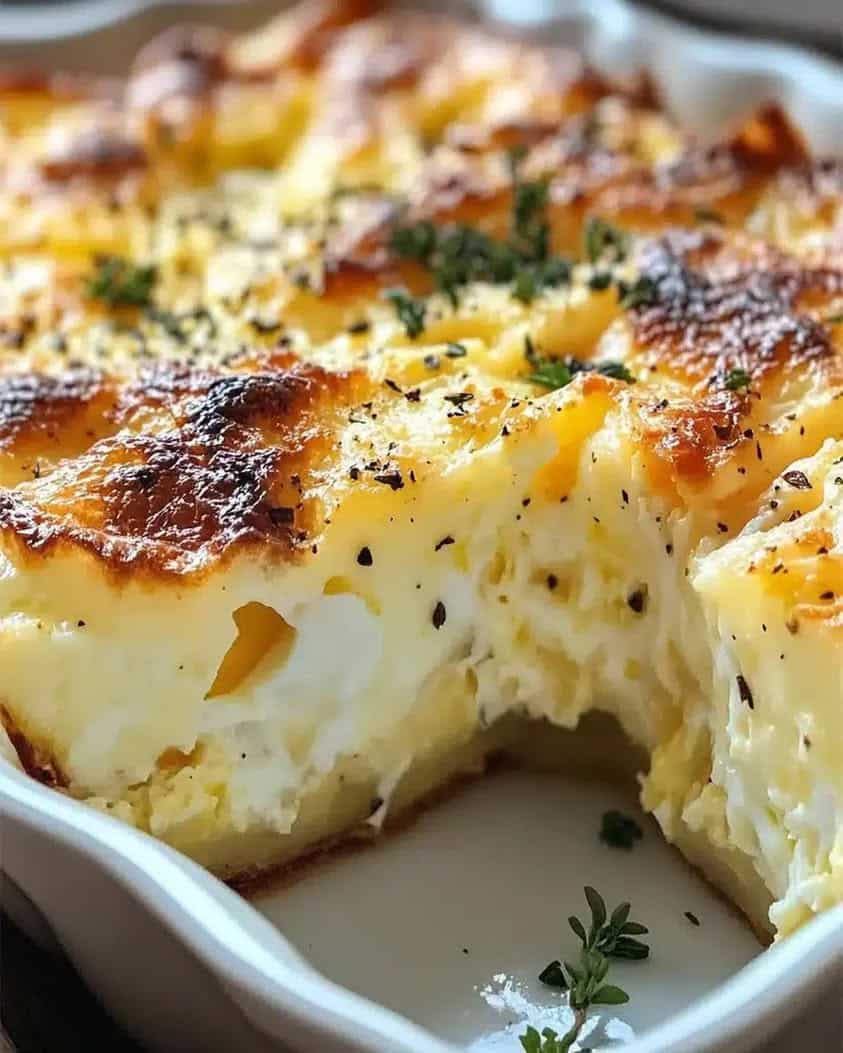
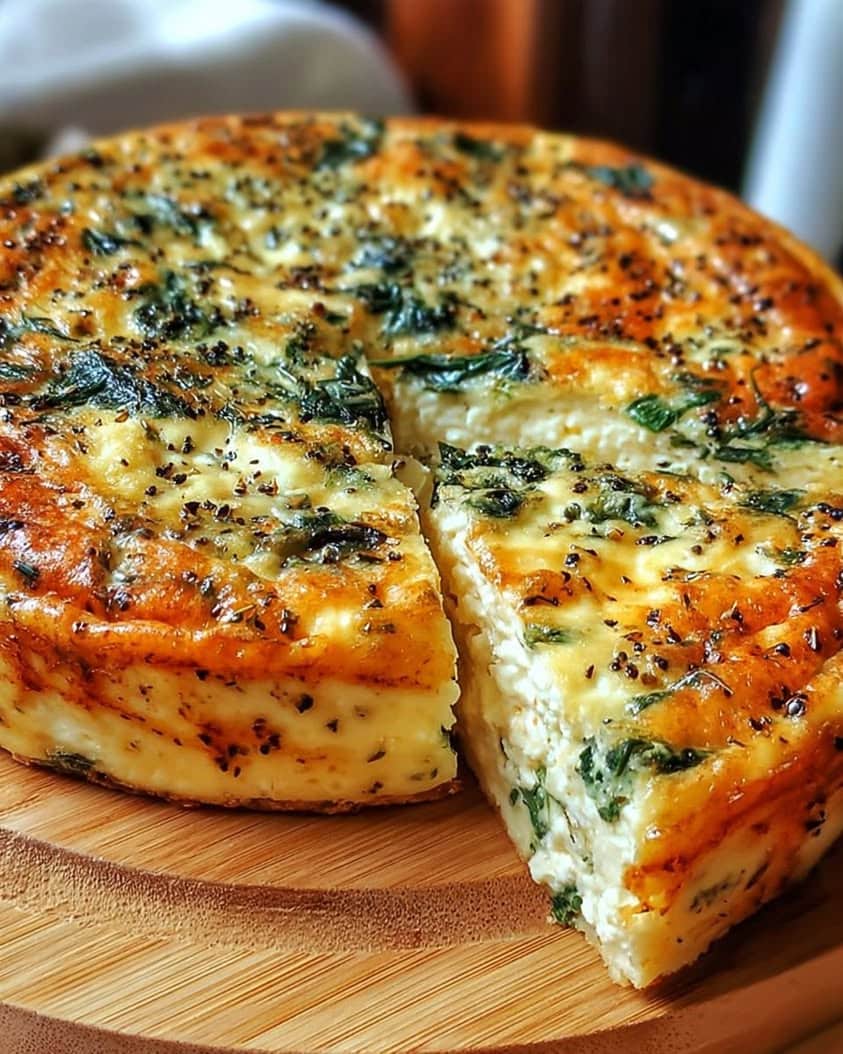
Beyond its nutrition, this dish simply tastes wonderful. The edges turn golden and slightly crisp while the center stays soft, custardy, and tender. Every bite carries a gentle tang from the cottage cheese, a savory note from the cheese blend, and a whisper of nutmeg that ties everything together. Since the recipe skips the crust, the spinach and egg flavors take center stage, and cleanup stays refreshingly simple. Whether you serve it warm from the oven or chilled the next morning, this high-protein crustless quiche works as a grab-and-go breakfast, a brunch centerpiece, or a low-carb dinner alongside a crisp green salad.
Perhaps the best part is how forgiving the recipe is. You need one mixing bowl, one pie dish, and about fifteen minutes of hands-on effort. The oven does the rest. Home cooks of any skill level can pull off this spinach and cottage cheese quiche, and the ingredient list stays short and affordable. In fact, most of the items likely already sit in your refrigerator. That combination of simplicity, nutrition, and flavor explains why this easy crustless quiche has become such a popular choice for busy households across the country.
Quick Recipe Highlights
- Flavor Profile: The quiche balances creamy, tangy cottage cheese with savory cheese and the mild, grassy taste of spinach. A hint of nutmeg and black pepper adds warmth without overpowering the dish. Overall, the flavor stays bright, comforting, and versatile enough for any meal of the day.
- Texture: Expect a soft, custardy interior with a lightly browned, slightly firm top. The spinach leaves soften into silky ribbons that contrast nicely with the smooth egg mixture. Because there is no crust, every forkful delivers pure filling with no dry edges.
- Aroma: As the quiche bakes, the kitchen fills with the rich scent of eggs, melted cheese, and sautéed greens. A subtle note of nutmeg drifts through the aroma and signals a warm, home-cooked meal. The smell alone draws family members to the kitchen before the timer even rings.
- Visual Appeal: The finished quiche shows off a golden surface dotted with deep green spinach leaves. A sprinkle of fresh herbs or a few cherry tomato halves adds a pop of color on top. Served in a pretty pie dish, it looks impressive enough for guests yet homey enough for a weekday dinner.
- Skill Level Needed: This recipe suits beginners and experienced cooks alike. If you can whisk eggs and operate an oven, you can make this dish successfully. No pastry skills, special techniques, or advanced equipment are required.
- Special Equipment: You need a standard nine-inch pie dish, a large mixing bowl, a whisk, and a skillet for wilting the spinach. A spatula helps spread the mixture evenly, and a wire rack speeds cooling. Most home kitchens already stock all of these items.
Recipe Overview
- Difficulty Level: This Cottage Cheese & Spinach Crustless Quiche rates as easy because it involves minimal chopping and no crust work. The main techniques are whisking, sautéing spinach, and baking, all of which are beginner-friendly. The oven handles most of the work, and the recipe tolerates small mistakes well. Even a first-time quiche maker can expect a delicious result.
- Category: This dish works as a breakfast, brunch, lunch, or light dinner. It also functions as a meal-prep staple since slices reheat beautifully. Many home cooks treat it as a high-protein snack straight from the fridge.
- Cuisine: The quiche originated in French cuisine, specifically in the Lorraine region, where bakers paired eggs and cream with bacon in a pastry shell. This crustless variation nods to that tradition while adapting it for modern, health-conscious American kitchens. Cottage cheese replaces the heavy cream to lighten the dish, and spinach adds a vegetable-forward twist. The result respects the classic custard method while fitting neatly into contemporary eating styles.
- Cost: The whole quiche costs roughly six to eight dollars to prepare, depending on cheese prices and whether you buy spinach on sale. Eggs, cottage cheese, and frozen spinach keep the cost low. Per serving, that works out to about one dollar to one dollar fifty, which makes it one of the most budget-friendly protein dishes around.
- Season: This quiche shines year-round, but it peaks in spring when fresh spinach arrives at farmers markets. Summer serving alongside tomatoes and fresh herbs keeps it cool and light. In fall and winter, the warm, comforting custard pairs well with roasted vegetables and soups.
- Occasion: Serve this quiche for weekend brunch, holiday breakfasts, baby showers, or casual weeknight dinners. It travels well to potlucks and picnics, and it makes a thoughtful meal for a friend who just had a baby. Because it serves six and slices neatly, it handles both family meals and entertaining with equal ease.
Why You’ll Love This Recipe
The taste and texture alone justify making this Cottage Cheese & Spinach Crustless Quiche on repeat. Whisked eggs create a silky custard, cottage cheese melts into creamy pockets, and the cheese blend adds a savory backbone. Spinach contributes a fresh, green flavor that keeps each bite from feeling heavy. The top browns lightly for a pleasant contrast, and the whole dish tastes rich without a drop of cream. Because the recipe skips the crust, the filling flavors shine brighter, and the texture stays tender from edge to center.
Convenience sets this recipe apart from traditional quiche. You avoid the rolling, chilling, and blind-baking that a pastry crust demands. Prep takes fifteen minutes, most of which involves wilting spinach and whisking eggs. One bowl and one pie dish cover the entire process, so cleanup stays quick. You can assemble the mixture the night before and bake it fresh in the morning, which makes hosting brunch practically effortless.
Nutritionally, this high-protein crustless quiche delivers real benefits. Cottage cheese packs roughly thirteen grams of protein per half cup, and eggs add six grams each. Spinach brings iron, calcium, vitamin K, and folate to the table. Because there is no crust, the dish also stays low in carbohydrates, which suits low-carb and keto eating plans. Each slice offers a balanced mix of protein, healthy fats, and micronutrients without processed flour or added sugar.
Socially, this spinach and cottage cheese quiche makes entertaining simple. It feeds a crowd, slices cleanly, and looks attractive on a buffet table. Guests with various dietary needs can enjoy it since it fits vegetarian, gluten-free, and low-carb lifestyles. Serve it with fruit salad and muffins for brunch, or pair it with soup and bread for dinner. Hosts love that they can prepare it ahead and spend time with guests instead of hovering over the stove.
Finally, cost-effectiveness makes this recipe a household staple. The ingredients are humble and widely available at any grocery store. You can stretch a dozen eggs into a week of breakfasts, and frozen spinach works just as well as fresh. Compared to store-bought quiche, which often costs twelve dollars or more, this homemade version saves money while tasting fresher. Few recipes offer this much nutrition, flavor, and value per dollar.
Historical Background and Cultural Significance
The quiche traces its roots to the Lorraine region of northeastern France, where home cooks baked open-faced tarts from eggs, cream, and local ingredients. The classic quiche Lorraine featured bacon and a sturdy pastry shell, and it became a staple of French home cooking by the nineteenth century. Bakers prized the dish because it used simple farm ingredients and fed a family affordably. Over time, the quiche spread across Europe and eventually crossed the Atlantic, where it captured American attention in the 1950s and 1960s.
Culturally, the quiche represents the French idea of everyday elegance. It turns humble eggs and cheese into something worthy of a dinner party, and it demonstrates how simple technique elevates basic ingredients. In the United States, the quiche became a symbol of sophisticated entertaining during the mid-twentieth century. Today, it appears on brunch menus, in bakery cases, and on family tables, which shows how thoroughly it has integrated into American food culture.
The evolution of this recipe reflects broader changes in how Americans cook and eat. As health consciousness grew in the 1980s and 1990s, cooks began experimenting with crustless versions to cut calories and carbohydrates. Cottage cheese emerged as a clever substitute for heavy cream because it adds protein and tang while reducing fat and cost. Spinach joined the mix as a way to sneak vegetables into breakfast. The modern Cottage Cheese & Spinach Crustless Quiche therefore combines French technique with American wellness trends.
Regional variations exist throughout France and beyond. In Alsace, bakers add caramelized onions, while Mediterranean cooks fold in tomatoes and herbs. American Southern kitchens sometimes add sausage and cheddar, and West Coast versions lean into mushrooms and goat cheese. These variations share a common foundation of custard and cheese, which proves that the quiche format welcomes creativity. Any home cook can adapt this crustless quiche recipe to local flavors and seasonal produce.
Ingredient Deep Dive
Cottage cheese serves as the star of this recipe and deserves special attention. This fresh dairy product originated in Eastern Europe and gained popularity in the United States as a health food in the twentieth century. It offers high protein, low fat, and a gentle tang that enriches the custard without heaviness. Choose small-curd cottage cheese for the smoothest texture, and look for a brand without added gums if possible. Store it in the refrigerator and use it within a week of opening. If you dislike cottage cheese, ricotta makes an excellent substitute with a similar texture and mild flavor.
Nutritionally, cottage cheese delivers impressive benefits. A half-cup serving provides about thirteen grams of protein, which supports muscle maintenance and keeps you full. It also supplies calcium, phosphorus, and B vitamins. Because the curds stay soft, they blend seamlessly into the egg mixture and create creamy pockets throughout the quiche. Select cottage cheese with a sell-by date at least a week out, and check for a clean, mild smell. Freezing cottage cheese changes its texture, so use it fresh for this recipe.
Eggs form the structural backbone of any quiche, and this recipe uses six large eggs. Eggs have fed humans for thousands of years and appear in cuisines worldwide, from Chinese stir-fries to French custards. They bring protein, choline, and vitamin D to the dish, along with their unique ability to set into a tender custard. Look for eggs with intact shells and clean cartons, and store them in the coldest part of the refrigerator. For a plant-based version, flax eggs can replace some eggs, though the texture will differ.
From a nutritional standpoint, eggs rank among the most complete foods available. Each egg offers about six grams of high-quality protein plus healthy fats and antioxidants like lutein. The yolks contain most of the nutrients, so use whole eggs rather than whites alone. Fresh eggs sink in a bowl of water, while older eggs float, which gives you a quick freshness test. Eggs keep for about three weeks past their pack date when refrigerated properly.
Fresh spinach brings color, flavor, and nutrition to this spinach and cottage cheese quiche. Spinach originated in Persia and traveled along trade routes to Europe and Asia, eventually becoming a global staple. It supplies iron, vitamin K, folate, and antioxidants that support overall health. Choose spinach with crisp, dark green leaves and no yellowing, and wash it thoroughly before wilting. Store spinach in a sealed bag with a paper towel to absorb moisture. Frozen spinach works equally well when squeezed dry, and kale or Swiss chard make fine substitutes.
Spinach also rates as one of the most nutrient-dense vegetables per calorie. A single cup of raw spinach provides more than half the daily vitamin K requirement, and cooking concentrates these nutrients. Because the leaves wilt down dramatically, a full bag cooks into a modest pile, so don’t worry if the skillet looks full at first. Buy spinach close to when you plan to cook it, and rinse it just before use. If fresh spinach is unavailable, thaw a ten-ounce package of frozen spinach and squeeze out the excess water.
Shredded cheese, whether cheddar, Gruyère, or Swiss, adds richness and a savory crust-like edge to the quiche. Cheesemaking dates back thousands of years, and each culture developed its own styles, from French Gruyère to English cheddar. Cheese contributes calcium, protein, and flavor depth. Look for cheese that smells fresh and shows no mold, and shred it yourself for better melting. Keep cheese tightly wrapped in the refrigerator, and use it within a week of opening. For a dairy-free version, plant-based shreds melt reasonably well in this recipe.
Nutritionally, cheese adds fat and calories, so a moderate amount flavors the dish without overwhelming it. Gruyère brings a nutty sophistication, while sharp cheddar delivers a bolder bite. Shredding your own cheese avoids the anti-caking agents in pre-shredded packages, which can affect melting. Store cheese in wax paper rather than plastic for better airflow. If you watch sodium, choose a lower-sodium cheese or reduce the added salt in the recipe.
Common Mistakes to Avoid
- Using wet spinach: If you skip squeezing the spinach dry, the extra water turns the custard soggy and dilutes the flavor. Always press wilted or thawed spinach in a clean towel or colander before folding it into the egg mixture. This one step makes the difference between a firm, sliceable quiche and a watery one.
- Overbaking the quiche: An overbaked quiche turns rubbery and develops a watery layer as the eggs curdle. Pull the dish from the oven when the center still jiggles slightly, because carryover heat finishes the cooking. A thermometer reading of 160 degrees Fahrenheit confirms doneness without guessing.
- Underseasoning the eggs: Eggs and cottage cheese need generous seasoning to taste vibrant. Add salt, pepper, and a pinch of nutmeg to the custard, and taste a small spoonful before baking. Remember that cold ingredients mute flavors, so season slightly bolder than feels right.
- Skipping the spinach squeeze: This mistake appears twice because it ruins more quiches than any other issue. Thawed frozen spinach holds surprising amounts of water, so wring it out in handfuls. Fresh spinach also releases moisture when wilted, so drain it well in a colander.
- Not greasing the pie dish: Even a nonstick dish benefits from a light coating of butter or oil. Without it, the edges stick and tear when you slice, ruining the presentation. Grease the dish thoroughly, including the corners, before adding the mixture.
- Overcrowding with add-ins: Too many vegetables or cheeses overwhelm the custard and prevent it from setting. Keep add-ins to about one and a half cups total so the eggs can bind everything together. Follow the recipe ratios the first time, then adjust later.
- Whisking too vigorously: Aggressive whisking creates foam and air bubbles that bake into a spongy texture. Whisk gently until the eggs and cottage cheese just combine. A few small lumps of cottage cheese are welcome and add creaminess.
- Baking at too high a temperature: High heat makes the eggs puff dramatically and then collapse, leaving a tough texture. A moderate 350-degree oven produces a gentle, even set. Place the dish in the center of the oven for the most uniform bake.
- Cutting the quiche too soon: A hot quiche needs time to set before slicing, or it will fall apart on the plate. Rest it for at least ten minutes after baking so the custard firms up. This resting period also makes serving cleaner and safer.
- Using cold ingredients straight from the fridge: Cold eggs and cottage cheese take longer to blend smoothly and can bake unevenly. Let them sit at room temperature for fifteen to twenty minutes before mixing. This small step improves both texture and timing.
Essential Techniques
Wilting spinach properly sets the foundation for a firm, flavorful Cottage Cheese & Spinach Crustless Quiche. Heat a skillet over medium heat with a teaspoon of oil, add the spinach in batches, and stir until the leaves collapse, which takes about two minutes. Then transfer the spinach to a colander and press out the moisture with a spatula or clean towel. This step matters because excess water dilutes the custard and prevents proper setting. Watch for the leaves to turn deep green and glossy, which signals they are ready. Avoid overcooking, since mushy spinach loses its pleasant texture.
Whisking the custard gently ensures a smooth, creamy result. Crack the eggs into a large bowl, add the cottage cheese, salt, pepper, and nutmeg, and whisk with a light hand until just combined. Overwhisking incorporates air, which creates bubbles and a spongy texture after baking. The mixture should look uniform with a few small cottage cheese curds visible, and it should flow off the whisk in a smooth ribbon. If you see foam on the surface, let the mixture rest for a minute before pouring.
Greasing the pie dish prevents sticking and helps the edges brown nicely. Use butter, oil, or a cooking spray, and coat the bottom and sides thoroughly, including the corners where custard tends to cling. A pastry brush spreads softened butter evenly for the best coverage. Skip this step and you risk torn slices and a stubborn cleanup. For extra insurance, line the dish with parchment paper, though a well-greased dish usually suffices.
Testing for doneness requires attention because eggs go from perfect to overdone quickly. Begin checking at thirty-five minutes, and look for a center that jiggles slightly when you nudge the dish. The edges should look set and lightly golden, and a knife inserted near the center should come out mostly clean. An instant-read thermometer reading 160 degrees Fahrenheit confirms the quiche is safely cooked. If the top browns too fast, tent it loosely with foil while the center finishes.
Resting the quiche after baking allows the custard to finish setting. Leave the dish on a wire rack for ten to fifteen minutes, during which carryover heat completes the cooking. This rest also makes slicing cleaner and keeps the slices intact on the plate. Resist the urge to cut immediately, since a hot quiche releases steam and falls apart. The resting period doubles as a natural cooling window before serving.
Pro Tips for Perfect Cottage Cheese & Spinach Crustless Quiche
Choose small-curd cottage cheese for the smoothest texture, or blend it briefly for a silkier custard. Large curds taste fine but create distinct pockets that some eaters dislike. Blending takes ten seconds and transforms the cottage cheese into a creamy base. Either way, drain any excess whey before measuring.
Season the custard a touch more boldly than you think necessary. Cold eggs mute flavors, and the mild cottage cheese needs help to shine. Taste a spoonful of the raw mixture and adjust salt and pepper accordingly. A pinch of nutmeg and a dash of cayenne add warmth without heat.
Use a mix of cheeses for complexity, such as sharp cheddar for bite and Gruyère for nutty depth. Combining two cheeses layers flavor more effectively than one alone. Shred them fresh for better melting and even distribution. Toss the cheese with a teaspoon of flour if you want it to suspend evenly rather than sink.
Preheat the oven fully before baking, and place the rack in the center position. A properly heated oven ensures even rising and browning. An oven thermometer verifies accuracy, since many home ovens run hot or cold. Consistent temperature prevents the dramatic puff-and-collapse that toughens custards.
Place the pie dish on a baking sheet for easier handling and protection against spills. The sheet also catches drips and provides stability as you move the quiche in and out. Line it with parchment for effortless cleanup. This small habit makes the whole process safer and tidier.
Add fresh herbs like dill, chives, or parsley just before baking for a bright lift. Dried herbs work too, but use about a third as much since their flavor is concentrated. Stir them into the custard so they distribute evenly. Herbs complement the spinach and cheese while adding visual interest.
Let leftovers cool completely before refrigerating, and store them covered for up to four days. Reheat slices in a 350-degree oven or microwave until warmed through. A quick reheat restores the creamy texture better than eating it cold. Label the container with the date for food safety.
Serve the quiche warm rather than piping hot to appreciate its full flavor. Slightly warm slices taste creamier and hold together better. Pair with a fresh salad or fruit to balance the richness. A dollop of sour cream or yogurt on top adds a cool contrast.
Variations and Adaptations
Regional variations transform this Cottage Cheese & Spinach Crustless Quiche into a tour of global flavors. A Mediterranean version adds crumbled feta, sun-dried tomatoes, and oregano for a Greek-inspired twist. An Italian adaptation folds in roasted red peppers, basil, and Parmesan. Southwestern cooks might add diced green chiles, cumin, and pepper jack cheese for heat and smokiness. Each version keeps the same custard base while swapping in local ingredients, which shows how flexible the recipe truly is.
Seasonal adaptations keep the dish fresh throughout the year. In spring, fold in blanched asparagus, peas, and fresh dill for a garden-fresh quiche. Summer versions showcase cherry tomatoes, zucchini, and basil from the farmers market. Fall brings roasted butternut squash, sage, and Gruyère, while winter calls for mushrooms, caramelized onions, and thyme. Adjusting the add-ins to the season ensures peak flavor and supports local produce.
Dietary modifications make this spinach and cottage cheese quiche accessible to nearly everyone. For a dairy-free version, use plant-based cottage cheese and dairy-free shredded cheese, and skip the butter in favor of olive oil. Vegan cooks can substitute firm tofu blended with nutritional yeast for the eggs and cottage cheese, though the texture will be denser. Gluten-free eaters already enjoy this recipe since it contains no crust, but verify that any add-ins like sausage are certified gluten-free.
Flavor variations let you customize the quiche to your mood. Add smoked salmon and dill for an elegant brunch option, or crumble cooked bacon and cheddar for a classic diner feel. Mushrooms and Swiss cheese create an earthy, savory version, while roasted red peppers and goat cheese bring tangy sweetness. A curry powder and coconut milk twist offers something unexpected. The mild base welcomes bold flavors without clashing.
Texture modifications suit different preferences. For a denser, more sliceable quiche, add an extra egg and reduce the cottage cheese slightly. For a lighter, soufflé-like texture, whip the egg whites separately and fold them in gently. Blending the cottage cheese yields the smoothest custard, while leaving it chunky creates pleasant curd pockets. Adjusting the ratio of eggs to dairy changes the final texture noticeably.
Presentation alternatives keep the dish interesting for repeat servings. Bake the mixture in a muffin tin for individual portions perfect for meal prep. Use a cast-iron skillet for a rustic, family-style presentation at the table. Small ramekins create elegant single-serve portions for dinner parties. Mini versions also work as appetizers at gatherings.
Serving and Presentation Guide
Plating techniques elevate this Cottage Cheese & Spinach Crustless Quiche from everyday to impressive. Slice with a sharp knife dipped in hot water for clean edges, and wipe the blade between cuts. Use a thin spatula to lift each slice gently onto the plate. Arrange slices slightly overlapping on a platter for a buffet, or place a single slice centered on a plate for individual service. A wedge of lemon or a sprig of parsley beside each slice adds polish.
Garnishing ideas add color and freshness to the golden quiche. Sprinkle chopped chives, dill, or parsley over the top just before serving. A few halved cherry tomatoes or thin radish slices add bright red and pink accents. A drizzle of olive oil or a dusting of cracked black pepper finishes the surface. Avoid heavy sauces that would mask the quiche’s delicate flavors.
Traditional accompaniments reflect the quiche’s French heritage. A simple green salad with a light vinaigrette balances the richness. Crusty bread or a warm baguette rounds out the meal. Fresh fruit like berries or melon adds sweetness for brunch. In France, a glass of dry white wine often accompanies quiche at lunch.
Modern serving suggestions fit contemporary American tastes. Pair slices with roasted vegetables for a low-carb dinner, or serve alongside a bowl of tomato soup for a cozy lunch. A dollop of Greek yogurt or sour cream adds cool creaminess. For brunch, offer avocado slices and hot sauce alongside for guests who enjoy extra flavor.
Temperature considerations affect how the quiche tastes. Serve it warm, around 120 to 130 degrees Fahrenheit, for the creamiest texture. Room-temperature quiche works well for buffets and picnics. Chilled slices suit summer meals and meal-prep lunches. Avoid serving ice-cold straight from the refrigerator, since the flavors mute and the texture firms unpleasantly.
Portion control tips help stretch the quiche and balance the meal. Cut six generous wedges for a main course, or twelve small squares for appetizers. Pair a modest slice with substantial sides like salad and roasted vegetables to keep the meal balanced. Since the quiche is protein-rich, slightly smaller portions still satisfy. Wrap individual slices for easy grab-and-go breakfasts.
Wine and Beverage Pairing
Wine pairings enhance the flavors of this Cottage Cheese & Spinach Crustless Quiche. A crisp Sauvignon Blanc cuts through the richness of the cheese with bright acidity and grassy notes that echo the spinach. Chardonnay offers a fuller body that matches the custard’s creaminess, especially an unoaked style. For a festive brunch, a dry sparkling wine like Champagne or Cava brings bubbles and elegance. Light reds like Pinot Noir also work when serving the quiche for dinner.
Non-alcoholic alternatives suit guests who skip wine. Sparkling water with lemon or lime refreshes the palate between bites. Iced tea with a slice of lemon pairs nicely for brunch. A virgin Bloody Mary brings tomato and spice that complement the eggs. Homemade lemonade with mint offers a bright, cheerful option for warm-weather meals.
Coffee and tea pairings fit the quiche’s role as a breakfast and brunch dish. A medium-roast coffee matches the savory, rich flavors without overpowering them. Green tea provides a lighter option with a clean finish. For elegance, serve Earl Grey or English Breakfast tea with a splash of milk. Keep coffee and tea hot and offer refills for a relaxed morning meal.
Temperature considerations extend to beverages as well. Serve white wines well chilled but not ice-cold, around 45 to 50 degrees Fahrenheit. Red wines taste best slightly below room temperature. Sparkling wines need thorough chilling before pouring. Hot beverages should steam gently, not scalding, so guests can sip comfortably.
Serving suggestions make the beverage pairing feel intentional. Set out wine glasses and a small ice bucket for self-service at brunch. Offer a pitcher of sparkling water with lemon slices on the table. Place a carafe of coffee and a teapot nearby for easy refills. A well-stocked drink station lets guests pair their own beverages with the quiche.
Storage and Shelf Life
Storage methods determine how long this Cottage Cheese & Spinach Crustless Quiche stays fresh. Cool leftovers completely within two hours of baking, then cover the dish tightly or transfer slices to airtight containers. Refrigerate promptly to prevent bacterial growth. Store in the coldest part of the refrigerator rather than the door. Properly stored quiche keeps for three to four days.
Temperature requirements matter for food safety. Keep the refrigerator at or below 40 degrees Fahrenheit, and verify with a thermometer. Never leave quiche at room temperature for more than two hours, or one hour in hot weather. During serving, place the dish over ice or reheat portions as needed. Discard any quiche that sat out too long rather than risk illness.
Container recommendations protect texture and flavor. Use shallow airtight containers so slices hold their shape. Separate layers with parchment paper if stacking slices. Glass containers resist staining and odors better than plastic. Label containers with the baking date to track freshness.
Signs of spoilage include sour odors, visible mold, sliminess, and off colors. Cottage cheese and eggs both spoil noticeably, so trust your senses. If the quiche smells sour or looks slimy, discard it. Never taste questionable food to test it. When in doubt, throw it out.
Reheating instructions keep the quiche creamy. Warm slices in a 350-degree oven for ten to fifteen minutes, covered with foil to prevent drying. The microwave works in a pinch but can make eggs rubbery, so use short bursts at medium power. A skillet over low heat with a lid rewarms slices gently. Serve reheated quiche warm, not piping hot.
Freezing guidelines extend shelf life to about two months. Wrap individual slices tightly in plastic wrap, then place them in a freezer bag. Thaw overnight in the refrigerator before reheating. Freezing slightly alters the texture, making the custard a bit softer, but the flavor holds up well. Avoid freezing the whole dish unless you plan to reheat it all at once.
Make Ahead Strategies
Prep timeline planning makes this recipe stress-free for busy schedules. Wash and wilt the spinach up to two days ahead, then store it covered in the refrigerator. Shred the cheese and dice any add-ins in advance. Whisk the custard the night before and refrigerate it in a covered bowl. With these steps done, assembling the quiche takes five minutes.
Storage between steps keeps components fresh. Keep cooked spinach in a sealed container with a paper towel to absorb moisture. Store shredded cheese in a bag or container with a bit of air. Custard mixtures keep overnight, but stir them gently before pouring since ingredients may separate. Label and date each component.
Quality impact assessment shows that make-ahead quiche tastes nearly identical to freshly made. The spinach holds up well, and the custard actually benefits from a night in the refrigerator as flavors meld. The main risk is excess moisture from the spinach, so squeeze it dry before storing. Bake the assembled quiche within twenty-four hours for the best texture.
Assembly tips streamline the process on baking day. Grease the pie dish the night before and set it aside. Layer spinach and cheese in the dish, then pour the custard over the top just before baking. Give the dish a gentle tap to release air bubbles. A quick stir of the custard before pouring ensures even distribution.
Reheating guidelines apply whether you froze or refrigerated the quiche. Reheat slices in the oven for the best texture, covered loosely with foil. Microwave in short bursts if time is short. Always reheat to steaming hot, around 165 degrees Fahrenheit, for safety. Avoid reheating more than once.
Fresh element additions restore vibrancy to make-ahead quiche. Top reheated slices with fresh herbs, a squeeze of lemon, or chopped tomatoes. A dollop of yogurt or sour cream adds freshness. These finishing touches make leftovers taste newly made.
Scaling Instructions
Halving the recipe works well when cooking for two or three people. Use three eggs, half a cup of cottage cheese, and five ounces of spinach. Bake in a smaller dish or a six-inch pan, and reduce the baking time by five to ten minutes. Check for doneness early since smaller portions cook faster. Freeze leftover half-batches for later meals.
Doubling or tripling the recipe suits gatherings and meal prep. Multiply all ingredients, and use two pie dishes or a large rectangular baking dish. Extend the baking time by ten to fifteen minutes and rotate the dishes halfway through. Whisk the custard in a large bowl to avoid overflow. Serve one quiche fresh and freeze the second.
Equipment adjustments keep larger batches practical. For three quiches, use three pie dishes and bake them on separate racks, rotating positions for even cooking. A stand mixer speeds up whisking for big batches, though gentle mixing still matters. Large mixing bowls prevent spills. Ensure your oven can fit the dishes with room for air circulation.
Timing modifications matter for scaled recipes. Larger batches need more time in the oven but also longer cooling. A triple batch may require an hour of baking, so start checking at forty-five minutes. Smaller batches finish sooner, so test at thirty minutes. Always rely on visual cues and a thermometer rather than a fixed clock.
Storage considerations change with larger quantities. Cool multiple quiches before refrigerating, and divide slices among several containers. Freeze extra slices individually for easy future portions. Label everything with dates and reheating instructions. Share extras with neighbors or freeze for busy weeks.
Nutritional Deep Dive
The macro breakdown of this Cottage Cheese & Spinach Crustless Quiche favors high protein and low carbohydrate eating. Each of six slices provides roughly eighteen grams of protein, twelve grams of fat, and six grams of carbohydrates. The protein comes from eggs and cottage cheese, while the fats come from cheese and egg yolks. Without a crust, the carbohydrate count stays very low. These macros suit low-carb, keto, and high-protein diets.
Micronutrient analysis reveals impressive vitamin and mineral content. Spinach contributes iron, vitamin K, folate, and calcium, while eggs add choline, vitamin D, and B vitamins. Cottage cheese supplies calcium and Print
Cottage Cheese & Spinach Crustless Quiche
- Total Time: 45 minutes
- Yield: 4
Description
A light and fluffy crustless quiche packed with protein from cottage cheese and fresh spinach. Perfect for a healthy breakfast or brunch.
Ingredients
- 6 large eggs
- 1 cup cottage cheese
- 2 cups fresh spinach, chopped
- 1/2 cup shredded cheddar cheese
- 1/4 cup milk
- 1/4 teaspoon salt
- 1/4 teaspoon black pepper
- 1/4 teaspoon garlic powder
- 1/4 cup chopped green onions (optional)
Instructions
- Preheat oven to 350°F (175°C). Grease a 9-inch pie dish.
- In a large bowl, whisk together eggs, cottage cheese, milk, salt, pepper, and garlic powder until well combined.
- Stir in chopped spinach, cheddar cheese, and green onions (if using).
- Pour mixture into prepared pie dish.
- Bake for 30-35 minutes, or until set and lightly golden on top.
- Let cool for 5 minutes before slicing and serving.
Notes
You can customize the seasonings to taste.
- Prep Time: 15 minutes
- Cook Time: 30 minutes
- Method: Main
- Cuisine: American