High-Protein Baked Cottage Cheese Eggs Recipe: A Healthy Breakfast You Will Crave
This High-Protein Baked Cottage Cheese Eggs Recipe transforms your ordinary morning routine into something truly special. Imagine pulling a golden, puffy casserole from your oven, its surface dotted with vibrant herbs and melted cheese, filling your kitchen with an irresistible aroma. Each forkful delivers creamy, custardy eggs combined with the subtle tang of cottage cheese, creating a breakfast that satisfies both your taste buds and your nutritional goals. Whether you meal prep for busy weekdays or host a leisurely weekend brunch, this dish delivers impressive results with minimal effort.
The beauty of this High-Protein Baked Cottage Cheese Eggs Recipe lies in its simplicity and versatility. You need just a handful of everyday ingredients that likely already sit in your refrigerator. Moreover, the oven does most of the work while you sip your coffee or prepare the rest of your meal. Because cottage cheese blends seamlessly into the egg mixture, even picky eaters who typically avoid this ingredient will happily devour every bite. Additionally, the recipe scales easily, so you can feed a crowd or prepare individual portions for the week ahead.
Furthermore, this High-Protein Baked Cottage Cheese Eggs Recipe delivers serious nutrition without sacrificing flavor. Each serving packs a powerful protein punch that keeps you full and energized for hours. Consequently, you will find yourself reaching for this recipe again and again, whether you follow a high-protein diet or simply want a healthier start to your day. The combination of eggs and cottage cheese creates a complete protein profile, while optional vegetables add fiber and essential vitamins. Ultimately, this dish proves that healthy eating never has to taste boring.
Quick Recipe Highlights
- Flavor Profile: This High-Protein Baked Cottage Cheese Eggs Recipe delivers a savory, slightly tangy taste with rich, cheesy undertones. Fresh herbs brighten each bite while a touch of salt and pepper enhances the natural goodness of the eggs. The cottage cheese adds a subtle creaminess that balances everything beautifully.
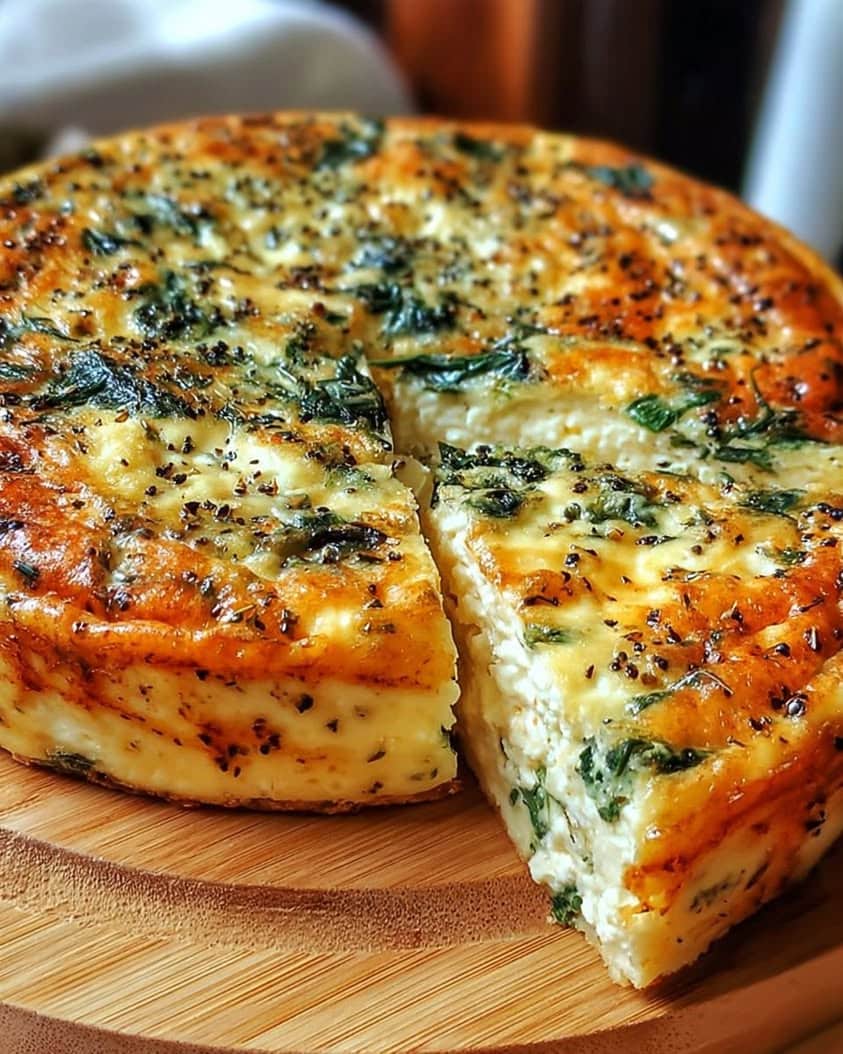
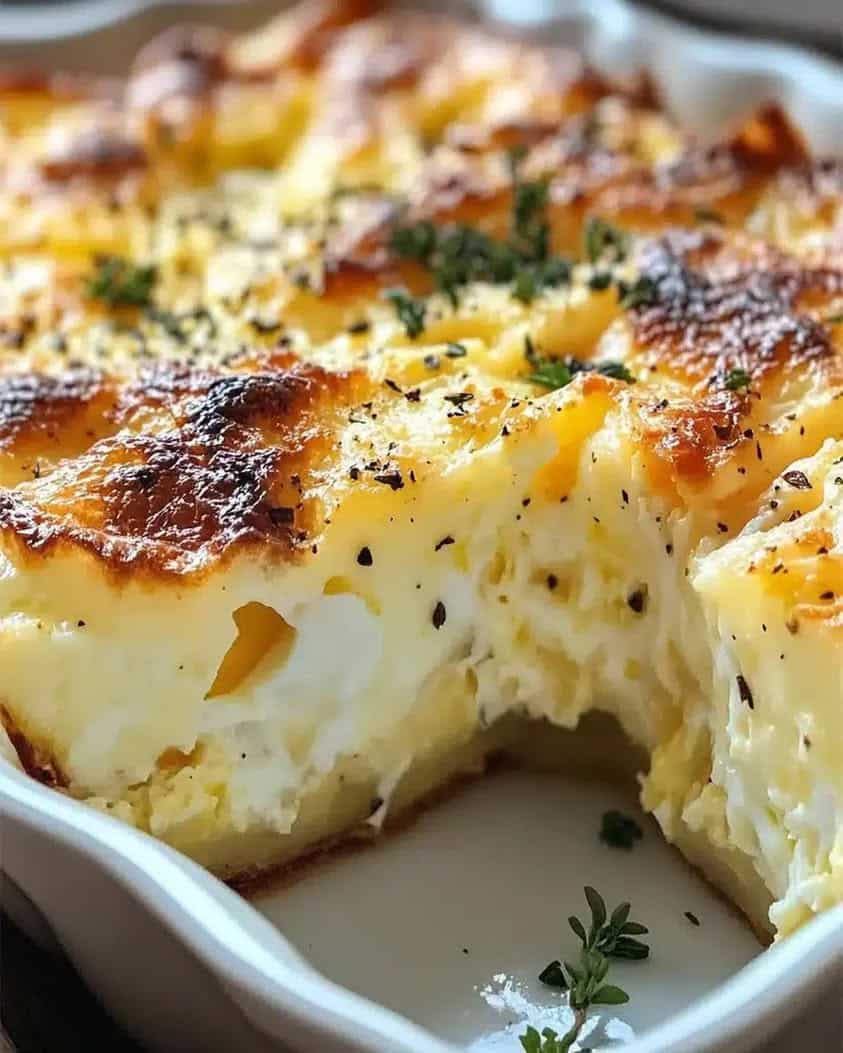
- Texture: Expect a fluffy, custard-like texture that melts in your mouth. The baked eggs remain tender and moist thanks to the cottage cheese, while the edges develop a slight golden crust. Additionally, optional add-ins like vegetables or meat introduce pleasant textural contrasts.
- Aroma: Your kitchen will fill with the comforting scent of baked eggs, warm cheese, and aromatic herbs. As the dish bakes, these fragrances intensify and create an inviting atmosphere that draws everyone to the table. Fresh chives or parsley sprinkled at the end add a bright, fresh note.
- Visual Appeal: The finished dish presents a beautiful golden-yellow surface with flecks of green herbs and colorful vegetables if you include them. Sliced into squares or wedges, it looks impressive enough for entertaining yet remains approachable for everyday meals. A sprinkle of fresh herbs and a dollop of sour cream elevate the presentation effortlessly.
- Skill Level Needed: This recipe suits beginners perfectly because it requires only basic kitchen skills like whisking and pouring. You do not need any advanced techniques or special training to achieve excellent results. Even novice cooks will feel confident serving this dish to family and friends.
- Special Equipment: You need a standard 9×13-inch baking dish, a mixing bowl, and a whisk or fork for combining ingredients. Additionally, measuring cups and spoons help ensure accuracy, though experienced cooks can estimate with good results. No specialized equipment like blenders or food processors is necessary, making this recipe accessible to everyone.
Recipe Overview
- Difficulty Level: This High-Protein Baked Cottage Cheese Eggs Recipe earns an easy rating because it involves straightforward steps with minimal risk of failure. You simply whisk the ingredients together, pour them into a prepared dish, and bake until set. Moreover, the oven temperature remains consistent throughout, eliminating the need for constant monitoring or complex timing adjustments.
- Category: This dish fits perfectly into breakfast, brunch, and even lunch categories. Because it travels well and reheats beautifully, many people enjoy it as a grab-and-go morning meal or a light midday option. Additionally, it works as a protein-rich side dish for dinner alongside roasted vegetables or a simple salad.
- Cuisine: This High-Protein Baked Cottage Cheese Eggs Recipe draws inspiration from classic American comfort food traditions, particularly egg casseroles and frittatas. However, the addition of cottage cheese reflects modern health-conscious cooking trends that prioritize protein and whole ingredients. Consequently, it represents a fusion of nostalgic flavors and contemporary nutritional awareness.
- Cost: Preparing this dish costs approximately eight to twelve dollars total, depending on the price of eggs in your region and whether you choose organic or conventional products. Moreover, cottage cheese typically costs less than many other protein sources, making this recipe budget-friendly. Considering it yields six generous servings, each portion costs only about one to two dollars.
- Season: You can enjoy this High-Protein Baked Cottage Cheese Eggs Recipe year-round because it relies on pantry staples and refrigerator basics. During spring and summer, fresh herbs and garden vegetables add bright seasonal flavors. Meanwhile, fall and winter welcome heartier add-ins like mushrooms, spinach, and roasted peppers.
- Occasion: Serve this dish for casual family breakfasts, holiday brunches, potluck gatherings, or meal prep sessions. Furthermore, it suits special occasions like Mother’s Day or Easter celebrations with equal grace. Because it holds well at warm temperatures, buffet-style entertaining becomes effortless.
Why You Will Love This Recipe
The taste and texture of this High-Protein Baked Cottage Cheese Eggs Recipe will absolutely win you over. Each bite offers a silky, custardy richness that feels indulgent yet remains entirely wholesome. Furthermore, the cottage cheese adds a slight tanginess that prevents the dish from tasting flat or one-dimensional. Fresh herbs and a hint of garlic powder elevate the flavor profile significantly, while optional cheese adds a savory depth that makes the dish feel special enough for company.
Convenience and preparation benefits make this recipe a true weeknight winner. Because you need only one mixing bowl and one baking dish, cleanup takes just minutes. Additionally, the oven performs the majority of the work, freeing you to accomplish other tasks while breakfast bakes. Meanwhile, the finished casserole keeps beautifully in the refrigerator for several days, enabling stress-free meal prep on Sunday for the entire workweek.
Nutritional advantages set this High-Protein Baked Cottage Cheese Eggs Recipe apart from typical breakfast fare. Eggs provide high-quality protein, choline, and essential vitamins like B12 and D. Additionally, cottage cheese contributes even more protein along with calcium and probiotics that support digestive health. Because this dish contains minimal carbohydrates, it fits effortlessly into low-carb, keto, and diabetic-friendly eating plans.
Social and entertaining value runs high with this recipe because it impresses guests without demanding hours of effort. Friends and family will marvel at the fluffy texture and wonder what your secret ingredient might be. Moreover, you can customize the dish with various toppings and add-ins to accommodate different dietary preferences or simply offer variety. Setting out a buffet with this casserole as the centerpiece creates a warm, inviting atmosphere.
Cost-effectiveness and accessibility round out the reasons to love this dish. All ingredients come from standard grocery stores and carry reasonable price tags. Consequently, home cooks on tight budgets can still enjoy a protein-rich, satisfying breakfast that rivals expensive restaurant fare. Furthermore, simple substitutions like different cheeses or vegetables allow creativity without additional expense.
Historical Background and Cultural Significance
The origin story of this High-Protein Baked Cottage Cheese Eggs Recipe traces back to European peasant kitchens where resourceful cooks transformed inexpensive ingredients into nourishing meals. Cottage cheese has appeared in culinary traditions for centuries, valued for its high protein content and versatility. Meanwhile, baked egg dishes emerged across multiple cultures, from Italian frittatas to French quiches, demonstrating humanity’s universal appreciation for combining eggs with dairy products.
Cultural importance surrounds both cottage cheese and egg-based dishes in many regions worldwide. In Eastern Europe, cottage cheese features prominently in traditional foods from blintzes to pierogi. Additionally, eggs symbolize fertility and renewal in many cultures, making egg dishes central to spring celebrations and religious holidays. Because this recipe combines both ingredients, it carries subtle connections to these rich culinary histories.
The evolution of this recipe reflects changing dietary trends and scientific understanding of nutrition. During the low-fat craze of the 1990s, cooks created egg bakes using egg whites and fat-free cottage cheese. However, modern nutrition science now recognizes the importance of healthy fats and whole foods. Consequently, today’s version incorporates whole eggs and full-fat or low-fat cottage cheese based on individual preferences.
Regional variations abound, demonstrating how different cultures interpret the baked egg concept. In the American South, cooks add cheese and bacon to similar dishes and call them breakfast casseroles. Meanwhile, Mediterranean versions incorporate feta cheese, olives, and tomatoes. Additionally, Asian adaptations might include scallions, mushrooms, and soy sauce for a completely different flavor profile.
Ingredient Deep Dive
Eggs serve as the foundation of this High-Protein Baked Cottage Cheese Eggs Recipe and carry immense cultural and nutritional significance. Humans have consumed eggs for thousands of years, and they appear in creation myths and religious texts across civilizations. Additionally, eggs provide a complete protein containing all nine essential amino acids while delivering choline for brain health and lutein for eye protection. Select fresh eggs with intact shells and no cracks for optimal results, and store them in the refrigerator to maintain quality. If you need a substitute, consider using a combination of egg whites and a binding agent like flaxseed meal for a different nutritional profile.
Nutritionally, eggs contribute approximately six grams of protein and five grams of fat each, along with vitamins D, B12, and riboflavin. Furthermore, the egg yolk contains the majority of these nutrients, so avoid discarding it if possible. For storage, keep eggs in their original carton on a refrigerator shelf rather than in the door, where temperature fluctuations occur. Moreover, fresh eggs typically last three to five weeks past the purchase date when stored properly.
Cottage cheese delivers both creaminess and an impressive protein boost to this recipe. This fresh cheese originated in Eastern Europe and remains a staple in many traditional cuisines. Additionally, cottage cheese provides casein protein, which digests slowly and promotes sustained fullness. When selecting cottage cheese, look for varieties with simple ingredient lists and minimal additives. Furthermore, consider the curd size and moisture level, as smaller curds blend more smoothly into egg mixtures while larger curds create interesting texture.
Storing cottage cheese requires refrigeration, and once opened, it typically remains fresh for five to seven days. Because cottage cheese contains live cultures if unpasteurized, it supports gut health when consumed regularly. Additionally, cottage cheese offers an excellent calcium source and delivers fewer calories than many other cheeses. For substitutions, ricotta cheese provides a similar texture, while Greek yogurt offers comparable protein with a tangier flavor profile.
Milk adds necessary liquid and richness to the egg mixture in this High-Protein Baked Cottage Cheese Eggs Recipe. You can use any milk variety, from whole milk to skim, based on your dietary preferences. Additionally, milk contributes calcium, vitamin D, and protein to the dish. Choose fresh milk with no sour smell, and store it in the refrigerator at all times. Moreover, plant-based milk alternatives like almond or oat milk work well for those following dairy-free diets.
Cheese enhances the flavor and texture of this high-protein baked cottage cheese eggs recipe dramatically. Sharp cheddar, gruyere, or parmesan add depth and complexity, while mozzarella contributes melty goodness. Additionally, cheese contributes additional protein and fat, making the dish even more satisfying. Select cheese with clean ingredients and store it wrapped tightly in the refrigerator to prevent drying. Furthermore, experiment with different varieties to discover your favorite combination.
Common Mistakes to Avoid
- Overbaking the dish until it becomes dry and rubbery represents the most common mistake. Eggs continue cooking after you remove them from the oven, so pull the dish when the center still jiggles slightly. Consequently, allowing it to rest for five to ten minutes completes the cooking process gently.
- Under-seasoning creates a bland dish that disappoints even with good technique. Numerous home cooks fear adding too much salt and end up with flavorless eggs. Therefore, season generously and taste the mixture before baking to ensure proper flavor balance.
- Using cold eggs directly from the refrigerator can cause uneven cooking and longer baking times. Additionally, cold ingredients may not blend as smoothly with the cottage cheese. Consequently, remove eggs from the refrigerator fifteen to twenty minutes before starting, or place them in warm water for quick tempering.
- Skipping the blending step for cottage cheese leaves large curds that create an unpleasant texture. Although some prefer the lumps, most people enjoy the smoother, creamier result achieved through blending. Therefore, blend or process the cottage cheese with the eggs until mostly smooth for the best texture.
- Using the wrong size baking dish changes the depth of the egg mixture and affects cooking time. Consequently, a smaller dish creates a thicker layer requiring longer baking, while a larger dish cooks faster. Therefore, use the specified 9×13-inch pan or adjust cooking time accordingly.
- Failing to grease or line the baking dish causes sticking and makes serving difficult. Moreover, scrubbing baked-on egg from an ungreased pan wastes time and effort. Therefore, always prepare your dish with cooking spray, butter, or parchment paper.
- Adding watery vegetables without pre-cooking introduces excess moisture that can prevent proper setting. Consequently, vegetables like zucchini and mushrooms release water during baking. Therefore, saute these ingredients first or squeeze them dry before adding to the egg mixture.
- Not preheating the oven means uneven baking and unpredictable results. Additionally, starting with a cold oven extends cooking time and may cause the edges to overcook before the center sets. Therefore, always preheat your oven fully before placing the dish inside.
- Whisking insufficiently leaves streaks of unmixed egg whites and prevents uniform flavor. Consequently, the texture becomes inconsistent with some bites tasting different from others. Therefore, whisk thoroughly until the mixture achieves a uniform color and consistency.
- Cutting into the casserole immediately after baking causes it to fall apart. Furthermore, the eggs need time to set and firm up after leaving the oven. Therefore, let the dish rest for at least five to ten minutes before slicing and serving.
Essential Techniques
Blending the cottage cheese until smooth proves essential for achieving the creamy texture this high-protein baked cottage cheese eggs recipe promises. This step removes large curds that might create an inconsistent eating experience while integrating the cottage cheese evenly throughout the egg mixture. To master this technique, use a blender, food processor, or immersion blender and process for thirty to sixty seconds until the mixture appears mostly smooth. Common pitfalls include blending too long, which introduces excess air and causes puffing, or not blending enough, leaving noticeable lumps. Visual cues for success include a uniform color and no visible curds larger than a pea.
Proper whisking technique distributes ingredients evenly and creates the right texture in your baked eggs. Although this seems simple, many cooks rush this step and end up with streaky results. To master whisking, use a wire whisk or fork and move in a circular motion, lifting from the bottom to incorporate all ingredients. Additionally, scrape down the sides of the bowl periodically to catch any unmixed portions. Common pitfalls include whisking only in one spot or using too little effort, which leaves egg whites and yolks separated.
Preheating the oven ensures even, predictable cooking results for this high-protein baked cottage cheese eggs recipe. Moreover, starting with a properly heated oven helps the eggs set uniformly and activates the baking chemistry correctly. To master this, preheat at least fifteen to twenty minutes before baking, and use an oven thermometer to verify accuracy. Common pitfalls include skipping preheating due to time constraints or assuming the temperature is correct without checking. Visual cues include the oven indicator light cycling off, confirming the target temperature was reached.
Gently folding in additional ingredients prevents them from sinking to the bottom of the dish. Furthermore, this technique distributes vegetables and cheese evenly throughout the eggs for consistent flavor in every bite. To master folding, add ingredients to the egg mixture and use a spatula to turn the mixture over itself in a gentle, circular motion. Common pitfalls include stirring too vigorously, which deflates the eggs, or dumping ingredients in all at once, making folding difficult. Visual cues for success include evenly distributed chunks with no clumps or streaks.
Testing for doneness requires careful observation and a gentle touch to achieve the perfect custardy texture. Additionally, the residual heat from the dish itself finishes cooking the center during the resting period. To master this, first check the casserole a few minutes before the stated baking time, and gently shake the pan to see if the center jiggles slightly. Common pitfalls include relying solely on time and not checking visually, which leads to overcooked eggs. Visual cues include a set perimeter with a slightly loose center that firms up during resting.
Pro Tips for Perfect High-Protein Baked Cottage Cheese Eggs
Blend the cottage cheese with the eggs and milk until completely smooth for the creamiest texture possible. This extra step takes only a minute or two and dramatically improves the final result. Additionally, this technique eliminates the visible curds that some people find off-putting.
Add a pinch of nutmeg to the egg mixture for a subtle warmth that elevates the flavor. Although nutmeg might seem like an unusual addition, it beautifully complements dairy and egg flavors. Furthermore, it adds a certain elegance that hints at traditional European egg dishes.
Use a combination of cheeses for more complex flavor and superior melting qualities. Cheddar provides sharpness, mozzarella contributes stretch, and parmesan adds a savory umami note. Therefore, combining two or three cheese types creates a more interesting dish than using just one.
Saute fresh vegetables beforehand to remove excess moisture and concentrate their flavors. Moreover, this step prevents waterlogged casseroles and ensures vegetables taste sweeter and more developed. Additionally, you can prepare vegetables a day ahead for even faster assembly.
Line your baking dish with parchment paper for guaranteed hassle-free cleanup. Consequently, you can simply lift out the casserole and cut it cleanly for perfect serving portions. Furthermore, parchment paper eliminates the need for scrubbing, which busy home cooks appreciate.
Let the dish cool for five to ten minutes before slicing for cleaner cuts and improved texture. During this resting period, the eggs continue setting and firming up. Therefore, resist the temptation to serve immediately and allow this brief wait for better results.
Experiment with different fresh herbs to create seasonal flavor variations. In summer, basil and dill taste lovely, while winter months welcome thyme and rosemary. Additionally, fresh herbs add vibrant color and bright flavor that dried herbs cannot replicate.
Scale the recipe using the guidance in this high-protein baked cottage cheese eggs recipe for meal prep success. Double the batch and freeze individual portions for convenient future breakfasts. Consequently, you will save time and reduce stress on busy mornings.
Variations and Adaptations
Regional variations allow cooks to customize this high-protein baked cottage cheese eggs recipe according to local tastes and available ingredients. Mediterranean versions might incorporate feta cheese, sun-dried tomatoes, spinach, and oregano for a Greek-inspired breakfast. Meanwhile, a Mexican variation could feature pepper jack cheese, diced green chiles, and cumin for a lively southwestern spin. Additionally, an Italian adaptation may include mozzarella, basil, and marinara sauce drizzled over each serving.
Seasonal adaptations leverage fresh ingredients available at different times of year. In spring, fresh asparagus, peas, and chives add bright, fresh flavors. Summer brings tomatoes, zucchini, and basil to the forefront. Furthermore, fall and winter welcome heartier additions like roasted squash, kale, and caramelized onions, creating a satisfying cold-weather breakfast.
Dietary modifications ensure this recipe suits various eating plans. For dairy-free versions, substitute dairy-free cottage cheese alternatives and plant-based milk. Additionally, vegan cooks can replace eggs with tofu or a chickpea flour-based mixture that mimics the egg texture. For gluten-free diets, the recipe naturally qualifies since it contains no flour or gluten sources.
Flavor variations offer endless possibilities for keeping this dish interesting. Add smoked salmon and dill for an elegant brunch presentation. Alternatively, incorporate bacon, sausage, or ham for a hearty, meat-lovers version. Furthermore, spicy variations with jalapeños, hot sauce, and pepper jack cheese appeal to those who enjoy heat.
Texture modifications let you adjust the dish to personal preference. For chunkier texture, skip the blending step and leave cottage cheese curds visible. Additionally, add crispy bacon bits or fried onions just before serving for crunch. Meanwhile, blending vegetables into the egg mixture creates a smoother consistency.
Presentation alternatives help this casserole fit different occasions. Instead of a large casserole, bake individual portions in ramekins or a muffin tin for elegant single servings. Alternatively, use a cast iron skillet for rustic, family-style presentation directly at the table.
Serving and Presentation Guide
Plating techniques elevate this high-protein baked cottage cheese eggs recipe from everyday fare to special occasion worthy. Cut clean squares with a sharp knife, wiping the blade between cuts for pristine edges. Additionally, transfer portions to warmed plates to keep the dish hot throughout the meal. Protein pairs beautifully with fresh fruit and crusty bread.
Garnishing ideas transform the appearance and add complementary flavors. A dollop of sour cream or Greek yogurt adds contrast. Fresh chives, dill, or parsley scatter across the top adds color. Additionally, a sprinkle of everything bagel seasoning or cracked black pepper provides visual interest and flavor enhancement.
Traditional accompaniments complement the dish perfectly for a complete breakfast spread. Crispy bacon or sausage links provide additional protein. Roasted breakfast potatoes or hash browns offer heartiness. Furthermore, fresh fruit salad, toast, or English muffins round out the meal beautifully.
Modern serving suggestions bring contemporary flair to this classic concept. Serve alongside avocado toast for trendy brunch appeal. Alternatively, top portions with microgreens and a drizzle of sriracha aioli. Furthermore, grain bowls with quinoa or farro transform the dish into a satisfying lunch option.
Temperature considerations ensure the best dining experience. Serve the casserole warm or at room temperature, as it tastes less appealing when cold. If bringing to a potluck, transport in an insulated carrier. Additionally, reheat gently in the oven or microwave to restore warmth before serving.
Portion control tips help manage calories while still enjoying the dish. Cut into six portions for standard servings. Alternatively, cut into twelve smaller squares for appetizer or brunch buffet portions. Therefore, measure using a food scale when precise portions matter for dietary tracking.
Wine and Beverage Pairing
Wine pairings for this high-protein baked cottage cheese eggs recipe should consider the dish’s rich, creamy nature and mild flavors. A crisp Sauvignon Blanc cuts through the richness with bright acidity. Alternatively, an unoaked Chardonnay provides complementary texture. Furthermore, sparkling wines like Prosecco or Champagne add celebration and refresh the palate between bites.
Non-alcoholic alternatives suit morning gatherings and those who avoid alcohol. Fresh orange juice offers classic breakfast pairing. Sparkling water with lemon or lime provides refreshment. Additionally, iced tea, either sweet or unsweetened, pairs beautifully with the flavors. A virgin Bloody Mary adds savory sophistication for brunch.
Coffee and tea pairings extend the beverage options for this dish. Medium-roast coffee complements the cheese and eggs without overwhelming the flavors. Green tea provides lightness. Herbal teas like chamomile or mint offer soothing accompaniment. Furthermore, cold brew coffee adds smooth, low-acid refreshment.
Temperature considerations affect beverage enjoyment with this dish. Serve white wines well-chilled at around 45-50 degrees Fahrenheit. Additionally, warm beverages like coffee should arrive hot but not scalding. Therefore, prepare beverages with the same care as the food itself.
Serving suggestions create a cohesive dining experience. Offer water glasses with lemon and ice alongside any beverage selection. Arrange drinks on a separate table for buffet ease. Additionally, offer a variety of options so guests can choose their favorites.
Storage and Shelf Life
Storage methods determine how long this high-protein baked cottage cheese eggs recipe remains safe and delicious. After cooling to room temperature, transfer leftover portions to airtight containers. Additionally, press plastic wrap directly onto the surface if storing in a larger container. Refrigerate promptly within two hours of cooking.
Temperature requirements ensure food safety with this egg-based dish. Store in the refrigerator at 40 degrees Fahrenheit or below. Furthermore, keep the casserole in the coldest part of the refrigerator, typically the back of a shelf. Additionally, avoid storing near the door where temperatures fluctuate.
Container recommendations optimize freshness and prevent contamination. Glass containers with tight-fitting lids work best for long-term storage. Alternatively, stack individual portions in covered containers for grab-and-go convenience. Furthermore, use shallow containers for faster cooling if you need to refrigerate quickly.
Signs of spoilage protect you from consuming unsafe food. Discard the dish if you notice any off odors, sliminess, or visible mold. Additionally, leftovers that have been stored longer than four to five days should also be discarded. Furthermore, if the texture appears overly watery or the color has changed significantly, throw it away.
Reheating instructions ensure quality and safety when enjoying leftovers. Reheat individual portions in the microwave for 60-90 seconds until steaming hot. Alternatively, reheat the entire dish in a 350-degree oven covered with foil. Furthermore, check that the internal temperature of the dish reaches at least 165 degrees Fahrenheit.
Freezing guidelines extend storage time significantly. Cool the casserole completely, then freeze portions individually wrapped in plastic wrap and placed in freezer bags. Moreover, freeze for up to two months for best quality. Consequently, thaw overnight in the refrigerator before reheating.
Make Ahead Strategies
A prep timeline enables stress-free entertaining and meal preparation throughout the week. Assemble the entire casserole the night before, cover tightly, and refrigerate overnight. Alternatively, combine dry ingredients and shredded cheese separately. Furthermore, chop vegetables and store in airtight containers up to two days ahead.
Storage between steps requires care to maintain quality. The assembled, unbaked casserole keeps in the refrigerator for up to twenty-four hours. Additionally, keep chopped vegetables and grated cheese separate until ready to assemble. Consequently, mix ingredients just before baking to preserve optimal texture and freshness.
Quality impact assessment reveals that overnight assembly does not diminish results significantly. However, letting the mixture sit for more than a day may lead to excess liquid release from the cottage cheese. Furthermore, slight changes in texture may occur, but overall quality remains excellent for convenience.
Assembly tips streamline the process when preparing the dish in advance. Line the baking dish with parchment, assemble the casserole completely, then cover with a fitted lid or foil. Additionally, label with the date and description for easy identification. Consequently, you can move directly from refrigerator to oven with minimal effort.
Reheating guidelines for make-ahead versions differ slightly since starting from cold. Add five to ten additional minutes to the baking time, and check doneness before removing from the oven. Furthermore, keep the dish covered with foil during the first portion of baking to prevent over-browning.
Fresh element additions should wait until serving time for the best results. Add fresh herbs, avocado slices, or hot sauce after reheating, because heat diminishes fresh flavors. Additionally, prepare a quick side salad or fruit plate fresh the morning of your gathering.
Scaling Instructions
Halving the recipe creates three servings and requires using a smaller baking dish to maintain appropriate depth. Use an 8×8-inch square pan instead of the 9×13-inch specified in this high-protein baked cottage cheese eggs recipe. Additionally, reduce baking time by five to ten minutes and check for doneness slightly earlier. Furthermore, use three eggs and half of all other ingredients for perfect halving.
Doubling or tripling expands the recipe for crowds and events. Use two or three baking dishes rather than one large pan to maintain consistent baking. Alternatively, use a very large roasting pan for double batches. Additionally, increase baking time slightly for larger volumes, and rotate pans halfway through for even cooking.
Equipment adjustments accompany scaling to ensure success. For double batches, use two standard 9×13-inch pans rather than finding an oversized accommodating dish. Furthermore, ensure your mixing bowl is large enough to prevent spills. Additionally, check that your oven has space for multiple pans with adequate air circulation between them.
Timing modifications necessarily change with scaled recipes. Double and triple batches require longer baking times of ten to fifteen additional minutes. Consequently, check doneness every five minutes after the original estimated time. Furthermore, know your oven’s hot spots and rotate pans accordingly.
Storage considerations with scaled recipes require more containers and refrigerator space. Plan accordingly by clearing space before cooking. Additionally, label extra portions clearly for easy identification. Furthermore, share extras with friends and neighbors to avoid overwhelming your refrigerator.
Nutritional Deep Dive
The macro breakdown of this high-protein baked cottage cheese eggs recipe demonstrates its nutritional strength. Each serving provides approximately twenty-two grams of protein, twelve grams of fat, and eight grams of carbohydrates. Furthermore, these macros support satiety and sustained energy throughout the morning. Additionally, the protein content makes this dish ideal for post-workout recovery meals.
Micronutrient analysis reveals plenty of vitamins and minerals in each serving. Eggs supply choline, selenium, vitamin B12, and riboflavin. Cottage cheese contributes calcium, phosphorus, and vitamin B6. Furthermore, any added vegetables provide additional vitamins A, C, and K.
Health benefits extend beyond basic nutrition with this dish. The high protein content supports muscle maintenance and healthy aging. Additionally, choline in eggs promotes brain health. Probiotics in some cottage cheese varieties support digestive function. Furthermore, the combination of protein and healthy fats keeps blood sugar stable.
Dietary considerations vary based on ingredient choices and adaptations. Using low-fat cottage cheese and cheese reduces calories and fat. Additionally, adding extra vegetables boosts fiber and nutrients while keeping calories moderate. Furthermore, the base recipe fits most dietary patterns easily.
Portion analysis helps with weight management and portion control. A single serving contains around two hundred twenty calories, making it appropriate for a substantial breakfast or light lunch. Furthermore, pair it with fruit or toast for a complete meal plan. Additionally, dividing into twelve smaller portions creates appetizer-sized servings.
Weight management tips involving this dish focus on satiety and protein benefits. High protein foods like this cottage cheese egg bake promote feelings of fullness, reducing between-meal snacking. Additionally, balanced macronutrients support steady energy levels. Furthermore, the dish is easy to fit into calorie tracking apps.
Dietary Adaptations
Gluten-free adaptations require no changes because this high-protein baked cottage cheese eggs recipe contains no gluten ingredients naturally. Confirm all packaged ingredients like cooking spray or seasoning blends contain no hidden gluten. Additionally, serve with gluten-free bread or crackers if including accompaniments.
Dairy-free versions demand significant changes since eggs and cottage cheese both come from animal sources. Use a dairy-free cottage cheese alternative or silken tofu blended with nutritional yeast. Furthermore, replace milk with unsweetened almond or oat milk. Additionally, dairy-free cheese shreds work but often melt differently than dairy cheese.
Vegan adaptations prove challenging since eggs have no perfect plant-based replacement. However, a tofu scramble-style version with silken tofu, plant-based milk, and nutritional yeast creates an egg-like texture. Additionally, add kala namak black salt for sulfurous egg flavor. Furthermore, bake this mixture just as you would the traditional version.
Low-carb and keto adaptations require minimal changes because this dish already contains few carbohydrates. Use full-fat cottage cheese and cheese for higher fat content. Additionally, omit any starchy vegetables and add extra greens. Furthermore, pair with avocado or bacon for additional healthy fats.
Paleo purists might avoid dairy, but primal eaters include cottage cheese in moderation. Use full-fat cottage cheese made with minimal processing for the most primal-friendly approach. Additionally, choose pastured eggs for optimal nutrition. Furthermore, skip conventional cheese in favor of grass-fed varieties.
Low-FODMAP dieters should use lactose-free cottage cheese since regular cottage cheese contains lactose. Additionally, avoid onions and garlic powder in the seasoning. Furthermore, choose low-FODMAP vegetables like spinach, bell peppers, and zucchini. Consequently, most people can enjoy this dish with minor adjustments.
Troubleshooting Guide
Texture issues like dryness typically result from overbaking. Ovens run hotter than displayed settings, so use an oven thermometer and check early. Next time, reduce baking time by five minutes and pull the dish when the center still wobbles. Furthermore, covering with foil during the last portion of baking traps moisture and prevents dryness.
Flavor balance problems often stem from under-salting or imbalanced seasonings. Taste the egg mixture before baking and adjust salt accordingly. Additionally, brighten flavors with fresh lemon juice or a splash of hot sauce. Furthermore, a pinch of sugar can balance overly tangy cottage cheese.
Temperature problems include uneven baking or hot spots. Consequently, rotate your pan halfway through cooking. Additionally, let the dish rest for at least five minutes before serving so the residual heat finishes the center without overcooking the edges. Furthermore, use an oven thermometer and verify calibration.
Equipment challenges like sticky pans or wrong sizes have simple solutions. Always grease or line your pan with parchment paper. Additionally, measure your baking dish to confirm the correct size. Furthermore, use a light-colored pan since dark pans brown more quickly and require reduced oven temperatures.
Ingredient substitutions occasionally cause unexpected results. When using ricotta instead of cottage cheese, expect a slightly denser texture. Additionally, cottage cheese with larger curds creates a chunkier final product. Furthermore, plant-based milk may make the dish slightly Print
High-Protein Baked Cottage Cheese Eggs
- Total Time: 40 minutes
- Yield: 4
Description
A protein-packed twist on traditional baked eggs, featuring creamy cottage cheese and spinach for a satisfying and healthy breakfast or brunch.
Ingredients
- 6 large eggs
- 1 cup low-fat cottage cheese
- 1/2 cup shredded mozzarella cheese
- 1/4 cup grated Parmesan cheese
- 1 cup fresh spinach, chopped
- 1/4 cup chopped green onions
- 1/2 teaspoon salt
- 1/4 teaspoon black pepper
- 1/4 teaspoon garlic powder
- Cooking spray
Instructions
- Preheat oven to 350°F (175°C). Spray a 9-inch pie dish or baking dish with cooking spray.
- In a large bowl, whisk the eggs until well beaten. Stir in cottage cheese, mozzarella, Parmesan, spinach, green onions, salt, pepper, and garlic powder until combined.
- Pour the mixture into the prepared dish and spread evenly. Bake for 25-30 minutes, until set and lightly golden on top. Let cool for 5 minutes before slicing.
Notes
You can customize the seasonings to taste.
- Prep Time: 10 minutes
- Cook Time: 30 minutes
- Method: Breakfast
- Cuisine: American