Cranberry-Glazed Roasted Butternut Squash Salad: A Festive Autumn Masterpiece
Welcome to the ultimate guide for creating a stunning Cranberry-Glazed Roasted Butternut Squash Salad. This recipe transforms simple, seasonal ingredients into a vibrant centerpiece dish. Moreover, it perfectly captures the essence of fall on a single plate. Imagine sweet, caramelized squash cubes glistening with a tart cranberry glaze, all nestled atop crisp greens. Consequently, every bite delivers a symphony of autumnal flavors and textures that will impress any guest.
This Cranberry-Glazed Roasted Butternut Squash Salad is more than just a side dish; it is a celebration of harvest bounty. The process is straightforward, but the result feels gourmet and special. Additionally, the combination of warm roasted vegetables with cool, fresh greens creates a delightful temperature contrast. Ultimately, this salad is designed to be both nourishing and visually spectacular, making it ideal for weeknight dinners and holiday feasts alike.
Let us explore how to build this beautiful Cranberry-Glazed Roasted Butternut Squash Salad. We will walk through each component, from selecting the perfect squash to whisking together the simple glaze. Furthermore, you will learn pro tips for achieving the best caramelization and balancing the sweet and savory elements. Therefore, get ready to create a dish that is as rewarding to make as it is to eat.
Quick Recipe Highlights
- Flavor Profile: This Cranberry-Glazed Roasted Butternut Squash Salad masterfully balances sweet, savory, and tangy notes. The natural sweetness of the roasted squash is enhanced by a glossy, tart-sweet cranberry glaze. Meanwhile, salty feta cheese and a bright maple-Dijon vinaigrette tie all the flavors together beautifully.
- Texture: You will experience a wonderful contrast in every forkful. Expect creamy, tender cubes of squash against the crisp bite of fresh greens and the satisfying crunch of toasted pecans. Additionally, the chewy dried cranberries add another delightful textural element that complements the dish perfectly.
- Aroma: As the butternut squash roasts, your kitchen will fill with the warm, comforting scent of caramelizing vegetables and autumn spices. The cranberry glaze adds a layer of fruity tartness to the air. Ultimately, the final toss releases the fresh, herbal notes from the greens and the nutty aroma from the pecans.
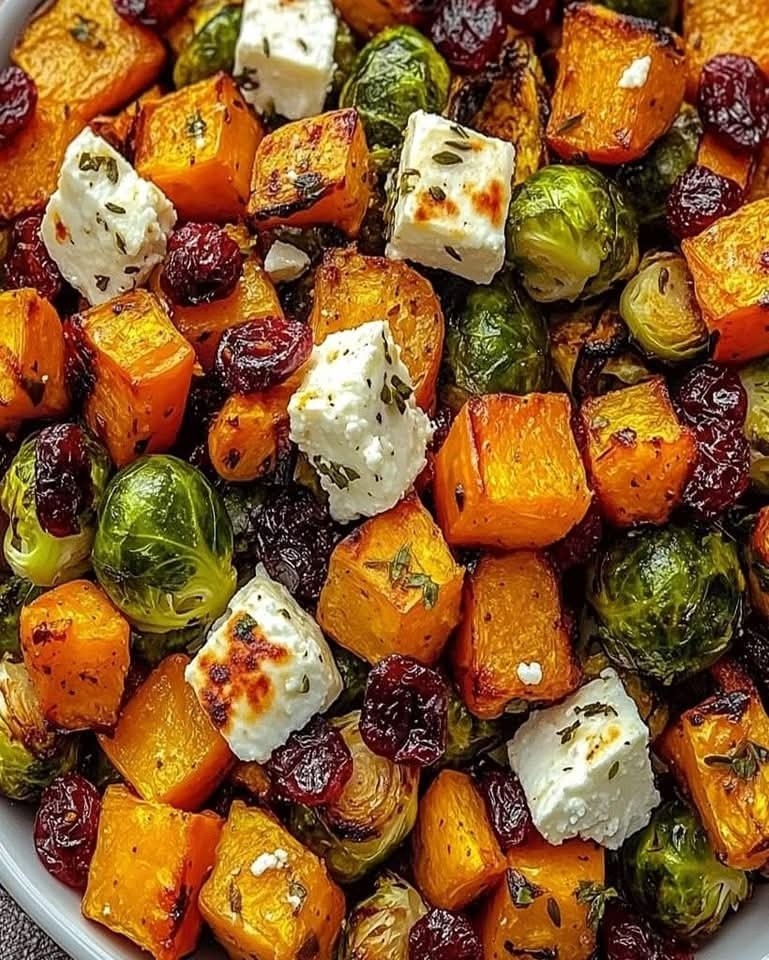
- Visual Appeal: This salad is a feast for the eyes with its stunning color palette. Vibrant orange squash, deep red cranberry glaze, white feta crumbles, and green leafy vegetables create a visually striking dish. Consequently, it looks incredibly festive and appetizing on any dinner table.
- Skill Level Needed: This is an accessible recipe for cooks of all levels. The techniques involve basic knife skills for cubing squash, simple roasting, and making a quick stovetop glaze. Therefore, even beginner home cooks can achieve impressive, restaurant-quality results with minimal stress.
- Special Equipment: You only need standard kitchen tools: a sturdy baking sheet, a sharp chef’s knife, a small saucepan, and a mixing bowl. Parchment paper is highly recommended for easy cleanup. A good pair of tongs is also helpful for tossing the salad components together gently.
Recipe Overview
- Difficulty Level: We classify this Cranberry-Glazed Roasted Butternut Squash Salad as easy. The steps are sequential and simple, involving basic cooking methods like roasting and simmering. There is no complex timing or advanced techniques required. Furthermore, most of the active work happens upfront, allowing you to relax while the oven does its magic.
- Category: This versatile dish fits multiple categories beautifully. It shines as a hearty vegetarian main course for lunch or a light dinner. Alternatively, it serves as a spectacular side salad for roasted meats like turkey or ham. It also makes an excellent contribution to potlucks and holiday buffets due to its robust nature.
- Cuisine: While not tied to one specific tradition, this salad draws inspiration from modern American fall and Thanksgiving cuisine. It incorporates classic harvest ingredients popular in North American cooking. The use of maple syrup and cranberries nods to indigenous foodways and traditional colonial cooking, updated with a contemporary, health-conscious twist.
- Cost: This is a moderately priced recipe that leverages seasonal produce for the best value. Butternut squash and cranberries are very affordable in the autumn months. Ingredients like pecans and feta cheese are the primary cost drivers, but they are used sparingly for maximum impact. Overall, it delivers gourmet flavor without a gourmet price tag.
- Season: This Cranberry-Glazed Roasted Butternut Squash Salad is quintessentially a fall and winter recipe. Butternut squash is at its peak sweetness after the first frost. Fresh cranberries flood the market from October through December. Therefore, this is the perfect time to make this salad when ingredients are freshest, most flavorful, and most economical.
- Occasion: It is exceptionally suited for Thanksgiving, Christmas, and Friendsgiving celebrations as a standout side. It also works wonderfully for cozy autumn weeknight meals or weekend lunch gatherings. Additionally, it is an impressive dish to bring to any potluck or harvest-themed party where you want to showcase seasonal cooking.
Why You’ll Love This Recipe
First and foremost, the taste and texture appeal of this Cranberry-Glazed Roasted Butternut Squash Salad is undeniable. Each component is thoughtfully chosen to create a harmonious eating experience. The sweet, caramelized squash pairs magically with the sharp, tangy cranberry glaze. Meanwhile, the creamy feta and crunchy pecans add layers of richness and texture that keep your palate engaged. Consequently, every bite is a perfect balance of sweet, savory, creamy, and crisp that feels both comforting and sophisticated.
Secondly, the convenience and preparation benefits are significant for busy cooks. Although the final presentation is elegant, the methods are straightforward and forgiving. You can cube the squash and prepare the glaze ahead of time to streamline dinner service. Furthermore, the roasting process is largely hands-off, freeing you to prepare other parts of your meal. Therefore, this recipe allows you to create a show-stopping dish without last-minute kitchen chaos.
Thirdly, the nutritional advantages make this a guilt-free indulgence. Butternut squash is packed with vitamins A and C, fiber, and antioxidants. Cranberries are famous for their urinary tract health benefits and high vitamin C content. The greens provide a wealth of micronutrients, and the pecans offer healthy fats and protein. Ultimately, this Cranberry-Glazed Roasted Butternut Squash Salad is a powerhouse of nutrition disguised as a decadent treat.
Fourth, the social and entertaining value of this dish is exceptionally high. Its vibrant colors and beautiful composition make it a natural centerpiece on any table. It caters beautifully to vegetarian guests and can be easily adapted for other dietary needs. Moreover, the unique combination of flavors is a guaranteed conversation starter. Guests will always remember and request the stunning salad with the cranberry-glazed squash.
Finally, the cost-effectiveness and accessibility of the ingredients are major wins. During the fall season, the core components are budget-friendly and widely available at any grocery store. You likely already have many of the pantry staples like olive oil, maple syrup, and Dijon mustard. This Cranberry-Glazed Roasted Butternut Squash Salad proves that eating with the seasons is not only delicious but also economical. You can feed a crowd a beautiful, healthy dish without straining your wallet.
Historical Background and Cultural Significance
The story of this Cranberry-Glazed Roasted Butternut Squash Salad begins with its individual components, each with a rich history. Butternut squash, a cultivar of winter squash, is a relatively modern invention, developed in the 1940s in Massachusetts. However, its ancestors, like pumpkins and other gourds, have been cultivated in the Americas for over 10,000 years. Indigenous peoples across the continents relied on squash as one of the “Three Sisters” planted alongside corn and beans. This agricultural tradition provided a sustainable and nutritious foundation for many societies long before European contact.
Cranberries hold a deep cultural significance, particularly in North America. Native American tribes used them for food, medicine, and dye long before the pilgrims arrived. They introduced the tart berry to European settlers, who likely incorporated it into celebratory meals. The cranberry’s natural preservative quality made it a valuable food source through harsh winters. Consequently, it became a staple of colonial and later American fall and winter cuisine, cementing its place on the Thanksgiving table as a symbol of harvest and survival.
The evolution of this specific recipe is a testament to modern culinary trends. Combining roasted vegetables with salad greens reflects a contemporary desire for meals that are both hearty and healthy. The practice of glazing roasted vegetables with fruit reductions has roots in French gastronomy but has been widely adopted in home cooking. This Cranberry-Glazed Roasted Butternut Squash Salad represents a fusion of ancient ingredients with modern technique and presentation. It is a dish that honors food history while appealing to today’s preferences for bold flavors and vegetable-centric plates.
Regional variations of this concept abound, showcasing local ingredients. In the Pacific Northwest, chefs might use hazelnuts instead of pecans and a blackberry glaze. Southern versions could incorporate candied pecans and a bourbon-spiked glaze. Mediterranean twists might feature goat cheese, walnuts, and a pomegranate molasses glaze. This adaptability is part of the recipe’s charm; it provides a perfect template for seasonal and regional improvisation. Therefore, the Cranberry-Glazed Roasted Butternut Squash Salad is both a specific dish and a versatile idea that cooks can make their own.
Ingredient Deep Dive
Butternut Squash is the hearty foundation of this salad. This winter squash originated from a cross between the gooseneck squash and the pumpkin. It is prized for its sweet, nutty flavor and smooth, creamy texture when cooked, which comes from its high starch content. Nutritionally, it is an excellent source of beta-carotene (which converts to Vitamin A), Vitamin C, potassium, and fiber. When selecting, choose squash that feels heavy for its size with a firm, matte skin and no soft spots. Store whole squash in a cool, dark place for up to 3 months. For a substitution, sweet potato or acorn squash will work well, though roasting times may vary slightly.
Fresh Cranberries provide the essential tart contrast in the glaze. These native North American berries grow on low-running vines in sandy bogs, primarily in Massachusetts, Wisconsin, New Jersey, and the Pacific Northwest. They are harvested in the fall, often using a method called “wet harvesting,” where the bogs are flooded. They are packed with antioxidants, specifically proanthocyanidins, which are linked to urinary tract health, and they are a great source of Vitamin C and fiber. Choose berries that are firm, plump, and deep red in color; avoid any that are shriveled or brown. Refrigerate them in their original bag for up to two months, or freeze them for year-round use. In a pinch, you can use high-quality cranberry sauce or a cherry or pomegranate juice reduction, though the flavor profile will shift.
Maple Syrup is the natural sweetener that balances the cranberries. This iconic sweetener is made by tapping the sap of sugar maple trees, a practice pioneered by Indigenous peoples of northeastern North America. It takes about 40 gallons of sap to produce just one gallon of syrup. It contains antioxidants and minerals like manganese and zinc, and it has a lower glycemic index than refined sugar. Always opt for pure maple syrup rather than pancake syrup, which is primarily corn syrup and artificial flavor. Store it in the pantry before opening and in the refrigerator afterward to prevent mold. For a vegan version or substitution, agave nectar or honey (not vegan) can be used, but each will impart a distinct flavor.
Pecans add the crucial crunch and richness. Another native North American ingredient, pecans are the only major tree nut indigenous to the continent and were a staple food for many Native American tribes. They are rich in heart-healthy monounsaturated fats, protein, and several vitamins and minerals, including manganese and copper. Toasting them is non-negotiable, as it unlocks their oils and maximizes their flavor. Look for plump, uniform nuts without cracks or holes, and smell them to ensure they are not rancid. Store them in an airtight container in the freezer to maintain freshness for up to two years. Walnuts or hazelnuts make excellent substitutes if pecans are unavailable.
Common Mistakes to Avoid
- Uneven Squash Cubes: Cutting the squash into wildly different sizes is a common error. Consequently, smaller pieces will burn before larger pieces are tender. Always aim for uniform 1-inch cubes to ensure even roasting and caramelization throughout the batch.
- Overcrowding the Pan: Dumping all the squash onto one crowded baking sheet is a mistake. The pieces will steam instead of roast, resulting in a soggy texture. Instead, use two pans or roast in batches to give each cube space for proper browning and crisping.
- Neglecting to Toast the Nuts: Adding raw pecans misses a key flavor opportunity. Toasting nuts deepens their flavor and improves their crunch. Simply toast them in a dry skillet over medium heat for 3-5 minutes, watching carefully to prevent burning.
- Overcooking the Cranberry Glaze: Boiling the cranberry glaze too vigorously or for too long can make it bitter and overly thick. It should just simmer until the berries pop and the sauce thickens slightly. Remember, it will continue to thicken as it cools on the hot squash.
- Dressing the Greens Too Early: Pouring vinaigrette onto delicate greens long before serving will cause them to wilt and become soggy. Always dress your greens at the very last moment before serving to maintain their fresh, crisp texture.
- Using Pre-Crumbled Feta: Pre-crumbled feta is often drier and less flavorful than a block feta in brine. For the best creamy texture and tangy taste, purchase a block of feta and crumble it yourself just before adding it to the salad.
- Skipping the Resting Step: Not letting the glazed squash cool for a few minutes before assembling the salad is a misstep. Adding piping hot squash directly to the greens will instantly wilt them. A brief 5-10 minute cool-down is essential.
- Forgetting to Season in Layers: Seasoning only at the end results in a flat-tasting dish. Remember to season the squash before roasting, taste and adjust the glaze, and season the vinaigrette. Building layers of seasoning is the secret to a deeply flavorful Cranberry-Glazed Roasted Butternut Squash Salad.
Essential Techniques
Roasting for Caramelization: This technique is the heart of the recipe, transforming the squash’s starchy flesh into sweet, tender, and caramelized cubes. The high, dry heat of the oven causes the natural sugars in the squash to brown and intensify. To master it, ensure your oven is fully preheated and use a rimmed baking sheet lined with parchment paper. Toss the squash in oil and spread it in a single, uncrowded layer. The common pitfall is overcrowding, which leads to steaming. Visual cues for success are golden-brown edges and a fork-tender interior. The aroma will be wonderfully nutty and sweet.
Creating a Fruit Reduction Glaze: This process concentrates the flavor of the cranberries and maple syrup into a glossy, tart-sweet coating. Simmering the liquid evaporates water, thickening the mixture and strengthening the flavor. It is important to use a gentle simmer, not a rolling boil, to prevent burning or a bitter taste. Stir frequently as the berries begin to pop and release their pectin, which helps thicken the sauce. The glaze is ready when it coats the back of a spoon and leaves a clear path when you run your finger through it. It will thicken further upon contact with the hot squash.
Emulsifying a Vinaigrette: A proper vinaigrette is a temporary emulsion of oil and acid, creating a cohesive dressing that clings to greens. The key is to whisk the acid (vinegar, lemon juice) with the emulsifiers (mustard, maple syrup) vigorously before slowly streaming in the oil. This technique breaks the oil into tiny droplets suspended in the acid. If you simply combine all ingredients, the dressing will separate quickly. For a stable emulsion, maintain a steady, thin stream of oil while whisking constantly. A perfectly emulsified vinaigrette will be slightly thickened and opaque.
Pro Tips for Perfect Cranberry-Glazed Roasted Butternut Squash Salad
First, use a sharp, heavy chef’s knife and a stable cutting board to tackle the butternut squash safely. Carefully slice off the top and bottom to create flat surfaces. Then, peel it with a sturdy vegetable peeler before halving it lengthwise and scooping out the seeds.
Second, for extra flavor, toss the squash cubes with a pinch of warming spices like cinnamon, nutmeg, or smoked paprika before roasting. These spices complement the natural sweetness of the squash and the tart cranberry glaze beautifully.
Third, make the cranberry glaze while the squash roasts. This efficient use of time streamlines your cooking process. Furthermore, the glaze can cool slightly and thicken to the perfect consistency just as the squash comes out of the oven.
Fourth, toasting the pecans is a non-negotiable step for maximum flavor. Do this in a dry skillet over medium heat for 3-5 minutes, shaking the pan often, until they become fragrant. Watch them closely, as they can burn in an instant.
Fifth, assemble the salad in layers for the best presentation. Start with a bed of dressed greens, then arrange the glazed squash on top. Finally, sprinkle with pecans, feta, and dried cranberries. This method prevents the heavier components from sinking to the bottom.
Sixth, if preparing components ahead, store the roasted squash, glaze, toasted nuts, and dressing separately. Combine them only when ready to serve. This keeps the squash skin crisp, the greens fresh, and the nuts crunchy.
Seventh, taste your vinaigrette and adjust the balance before dressing the salad. If it is too tart, add a touch more maple syrup. If it is too sweet, add a splash more vinegar or lemon juice. The dressing should be pleasantly tangy.
Eighth, let the glazed squash cool for 5-10 minutes after tossing it with the cranberry reduction. This allows the glaze to set slightly and prevents it from immediately wilting your delicate salad greens upon contact.
Variations and Adaptations
Regional Variations: You can easily adapt this Cranberry-Glazed Roasted Butternut Squash Salad to reflect different regional flavors. For a Southern twist, use candied pecans and add a teaspoon of bourbon to the cranberry glaze. A Mediterranean version could feature toasted walnuts, crumbled goat cheese, and a pomegranate molasses glaze. In the Pacific Northwest, try using hazelnuts and a blackberry or raspberry reduction instead of cranberry.
Seasonal Adaptations: While perfect for fall, this salad template works year-round with simple swaps. In spring, use roasted asparagus or radishes and a strawberry-balsamic glaze. For summer, try roasted zucchini or corn and a peach or apricot glaze. In deep winter, roasted parsnips or carrots with an orange-ginger glaze would be delightful.
Dietary Modifications: This recipe is naturally vegetarian and can be made vegan and dairy-free by omitting the feta cheese or using a vegan feta alternative. For a nut-free version, substitute toasted pumpkin seeds (pepitas) or sunflower seeds for the pecans. To make it gluten-free, ensure your Dijon mustard and other condiments are certified gluten-free, which most are.
Flavor Variations: Experiment with different flavor profiles in the glaze and dressing. Add a pinch of cayenne pepper to the glaze for a sweet-heat effect. Infuse the olive oil for the vinaigrette with rosemary or thyme. Swap the apple cider vinegar for sherry vinegar or orange juice for a different acidic note.
Texture Modifications: If you prefer different textures, consider these changes. For more chew, add cooked farro, quinoa, or wild rice to make it a heartier grain salad. For extra creaminess, include slices of ripe avocado or roasted beets. For additional crunch, add raw apple slices or celery just before serving.
Presentation Alternatives: Serve this salad deconstructed on a large platter for a beautiful buffet. Alternatively, portion it into individual bowls or jars for a stylish lunch. You can also chop the greens more finely and serve it as a “chopped” salad for easier eating.
Serving and Presentation Guide
Plating Techniques: For the most visual impact, use a large, wide platter or a shallow salad bowl. Start by creating a lush bed of the dressed greens. Then, artfully arrange the glazed butternut squash cubes over the top, allowing some of the greens to peek through. This layered approach showcases each component beautifully and makes the dish look abundant and carefully composed.
Garnishing Ideas: The final garnishes elevate the salad from great to stunning. Sprinkle the toasted pecans, dried cranberries, and feta crumbles evenly over the top. For a fresh, herbal note and a pop of green, add a few whole leaves of fresh thyme or parsley. A final drizzle of the remaining maple-Dijon vinaigrette or even a light swirl of high-quality balsamic glaze adds a professional finish.
Traditional Accompaniments: As a side dish, this Cranberry-Glazed Roasted Butternut Squash Salad pairs classically with holiday roasts like herb-crusted turkey, baked ham, or prime rib. For a vegetarian feast, it complements savory pies, stuffed mushrooms, or lentil loaf perfectly. It also stands up well to rich, creamy sides like mashed potatoes or scalloped potatoes.
Modern Serving Suggestions: For a contemporary meal, serve it as a main course topped with grilled chicken, seared salmon, or crispy chickpeas for added protein. It also makes a fantastic next-day lunch; pack the components separately and assemble at work. For a brunch option, top it with a poached or fried egg for a decadent twist.
Temperature Considerations: This salad is best served as a “warm” salad, meaning the squash is slightly cooled but not cold, and the greens are room temperature. This middle ground allows the flavors to shine and the textures to remain distinct. Avoid serving it with ice-cold greens or piping hot squash, as both extremes can detract from the balance.
Portion Control Tips: As a hearty side, this recipe comfortably serves 4-6 people. As a main course, it will serve 2-3. To scale for a crowd, remember that the squash can be roasted on multiple sheet pans, and the glaze can be doubled or tripled in a larger saucepan. Keep the greens, nuts, and cheese separate until just before serving to maintain quality.
Wine and Beverage Pairing
Wine Pairings: The sweet, tart, and savory notes in this Cranberry-Glazed Roasted Butternut Squash Salad call for versatile, food-friendly wines. A dry Riesling or Gewürztraminer is an excellent choice, as their slight sweetness and acidity mirror the salad’s profile. For red wine lovers, a light-bodied Pinot Noir with its red fruit notes and low tannins complements without overpowering. A dry rosé, especially one with a bit of structure, can bridge the gap beautifully, offering refreshment that cuts through the richness of the squash and feta.
Non-Alcoholic Alternatives: Sparkling apple cider is a festive and perfect match, echoing the autumn flavors. For a more sophisticated option, try a tart cranberry spritzer made with unsweetened cranberry juice, sparkling water, and a squeeze of lime. A warm mug of mulled apple juice with cinnamon and orange peel also makes a cozy pairing. Kombucha, particularly a ginger or berry flavor, offers a probiotic boost and tangy effervescence that cleanses the palate.
Coffee and Tea Pairings: While not a typical pairing for salad, if serving this as part of a brunch or lunch, consider beverage options. A medium-roast coffee with low acidity would not clash with the salad’s flavors. For tea, a smoky Lapsang Souchong can stand up to the robust squash, or a fruity herbal tea like hibiscus or berry blend can complement the cranberry notes.
Temperature Considerations: Serve white wines and sparkling beverages well-chilled, between 45-50°F. Red wines like Pinot Noir should be served slightly cool, around 55°F. Non-alcoholic spritzers should be ice-cold. Warm beverages like mulled cider should be served hot but not boiling, allowing the spices to be aromatic without being overwhelming.
Serving Suggestions: Always offer water alongside any other beverages to cleanse the palate. If serving wine, consider pouring a small taste for guests to try with the salad before committing to a full glass. For non-alcoholic options, present them in attractive glassware with garnishes like citrus wheels or herb sprigs to make them feel special.
Storage and Shelf Life
Storage Methods: The key to storing this Cranberry-Glazed Roasted Butternut Squash Salad is to keep the components separate. Store the cooled, glazed squash in an airtight container in the refrigerator. Keep the undressed greens, toasted nuts, and crumbled feta in their own separate containers. The vinaigrette can be stored in a sealed jar. This prevents the squash from making the greens soggy and the nuts from losing their crunch.
Temperature Requirements: All components must be refrigerated at or below 40°F for safety. The dressed salad itself does not hold well and should be eaten immediately after assembly. The individual prepped components, however, will keep safely in the fridge for 3-4 days.
Container Recommendations: Use glass or BPA-free plastic containers with tight-fitting lids. For the greens, a container lined with a paper towel can help absorb excess moisture and prolong crispness. Store the nuts at room temperature in a sealed container if using within a day, or in the freezer for longer-term storage to prevent rancidity.
Signs of Spoilage: Discard any component that develops an off odor, slimy texture (especially on the greens or squash), or visible mold. The cranberry glaze may thicken considerably when cold; this is normal. If it develops an alcoholic or fermented smell, it has spoiled.
Reheating Instructions: To enjoy leftovers, it is best to reheat only the glazed squash. Place it on a baking sheet in a 350°F oven for 10-15 minutes until warmed through, or microwave it in short bursts. Reassemble fresh greens and other cold components with the warmed squash for the best texture.
Freezing Guidelines: Freezing is not recommended for the assembled salad or the fresh greens. The roasted, glazed squash can be frozen for up to 2 months. Spread it on a baking sheet to freeze solid first, then transfer to a freezer bag. Thaw in the refrigerator overnight and reheat in the oven to restore texture before using.
Make Ahead Strategies
Prep Timeline: You can prep almost every component of this Cranberry-Glazed Roasted Butternut Squash Salad 1-2 days in advance. Day 1: Toast the pecans and make the vinaigrette. Store nuts at room temp and dressing in the fridge. Day of, up to 4 hours ahead: Cube and roast the squash, and make the cranberry glaze. Combine the glaze and squash, then let it cool completely before refrigerating.
Storage Between Steps: Keep all components in their separate, labeled containers. The cooled, glazed squash can be refrigerated for up to 24 hours. The vinaigrette may solidify slightly when cold; simply let it come to room temperature and shake vigorously before using. Washed and dried greens can be stored in a salad spinner or a container lined with paper towels.
Quality Impact Assessment: Pre-roasting the squash has minimal negative impact and can even improve flavor as the glaze sets. The nuts will stay crunchy for a day if stored properly. The greens are the most time-sensitive; washing and drying them a few hours ahead is fine, but cutting them should be done just before serving for the freshest taste and texture.
Assembly Tips: When ready to serve, take the glazed squash out of the fridge 20-30 minutes prior to take the chill off. Toss the greens with just enough vinaigrette to coat lightly. Arrange the greens on a platter, top with the squash, and finish with the nuts, cheese, and dried cranberries. This final assembly takes mere minutes.
Reheating Guidelines: If you prefer the squash warm, spread the pre-glazed, refrigerated squash on a baking sheet and warm it in a 325°F oven for 10-12 minutes. Do not microwave, as it can make the squash mushy. Let it cool for 5 minutes before adding to the salad to avoid wilting the greens.
Fresh Element Additions: Any fresh herbs (like parsley or thyme) should be added at the very end during final assembly. If using a fresh element like apple slices, add those just before serving as well to prevent browning. This last-minute touch ensures maximum freshness and visual appeal.
Scaling Instructions
Halving the Recipe: Halving this Cranberry-Glazed Roasted Butternut Squash Salad is straightforward for smaller households. Use half a medium squash (about 1.5 lbs), and simply divide all other ingredient quantities by two. Use one standard baking sheet for roasting. The cook times will remain roughly the same, but keep a closer eye on the smaller batch as it may cook slightly faster. This yields 2 generous main-course servings or 3-4 side servings.
Doubling or Tripling: For a crowd, doubling or tripling is easy but requires planning. You will need multiple baking sheets and may need to roast the squash in batches or use multiple oven racks (rotate the pans halfway through). Use a larger saucepan for the cranberry glaze. When tripling, consider making the glaze in two batches to ensure even cooking. The active prep time increases slightly, but the oven time remains consistent per batch.
Equipment Adjustments: Scaling up requires adequate equipment. Ensure you have enough large sheet pans, mixing bowls, and storage containers. A very large serving platter or bowl is essential for presentation. If you lack oven space, you can roast the squash ahead and serve it at room temperature, which is still delicious.
Timing Modifications: When cooking multiple batches of squash, the total oven time will be longer. Factor this into your meal planning. The glaze and vinaigrette can be made in large quantities ahead of time. Allow extra time for the increased volume of squash to cool before mixing with the glaze if you are not serving it warm.
Storage Considerations: Leftovers from a large batch should be stored component-by-component, not assembled. This allows you to refresh portions over several days without everything becoming soggy. The glazed squash keeps for 3-4 days, so a large batch can provide ready-to-assemble meals for a busy week.
Nutritional Deep Dive
Macro Breakdown: This Cranberry-Glazed Roasted Butternut Squash Salad provides a balanced mix of macronutrients. The butternut squash and maple syrup are primary sources of healthy carbohydrates and natural sugars for energy. Olive oil and pecans contribute heart-healthy monounsaturated and polyunsaturated fats. The feta cheese offers protein and fat, while the greens add minimal carbs but significant fiber and micronutrients. It is a meal that provides sustained energy without a heavy, bloated feeling.
Micronutrient Analysis: This dish is a micronutrient powerhouse. Butternut squash is exceptionally high in Vitamin A (as beta-carotene), crucial for vision and immune function, and Vitamin C. Cranberries add more Vitamin C and manganese. The dark leafy greens provide Vitamin K, folate, and iron. Pecans are a good source of zinc and magnesium. Together, they create a salad dense with vitamins, minerals, and antioxidants that support overall health.
Health Benefits: Consuming this salad supports multiple body systems. The high fiber content from squash and greens promotes digestive health and satiety. Antioxidants from the squash, cranberries, and greens combat oxidative stress and inflammation. The healthy fats support brain function and cardiovascular health. It is a nutrient-dense choice that aligns with dietary patterns known to reduce the risk of chronic diseases.
Dietary Considerations: This recipe is naturally vegetarian and gluten-free (ensure your mustard is gluten-free). It can be made vegan by omitting the feta. It is not inherently low-carb due to the squash and maple syrup, but it is lower in carbs than a grain-based meal. Those on strict low-carb or keto diets would need to significantly reduce the squash portion and use a sugar-free syrup substitute.
Portion Analysis: A serving as a main course provides a substantial and satisfying meal. As a side dish, it is a more nutrient-dense alternative to traditional starchy sides. The combination of fiber, fat, and protein helps regulate blood sugar response to the natural sugars present, preventing a sharp spike and crash.
Weight Management Tips: This salad is excellent for weight management due to its Print
Cranberry-Glazed Roasted Butternut Squash Salad
- Total Time: 45 minutes
- Yield: 4
Description
A vibrant fall salad featuring sweet roasted butternut squash with a tangy cranberry glaze, tossed with mixed greens, pecans, and goat cheese.
Ingredients
- 1 medium butternut squash, peeled and cubed
- 2 tablespoons olive oil
- 1/2 teaspoon salt
- 1/4 teaspoon black pepper
- 1/2 cup cranberry sauce (whole berry or jellied)
- 1 tablespoon balsamic vinegar
- 6 cups mixed salad greens
- 1/2 cup pecans, toasted
- 1/4 cup crumbled goat cheese
- 2 tablespoons maple syrup (optional, for extra sweetness)
Instructions
- Preheat oven to 400°F (200°C). Toss cubed butternut squash with olive oil, salt, and pepper, then spread on a baking sheet. Roast for 25-30 minutes until tender and lightly browned.
- In a small saucepan, combine cranberry sauce and balsamic vinegar over low heat, stirring until smooth and warmed through. Drizzle half over the roasted squash and toss to coat.
- Arrange mixed greens on a serving platter. Top with glazed squash, toasted pecans, and crumbled goat cheese.
- Drizzle remaining cranberry glaze over the salad. Serve immediately, optionally adding maple syrup for extra sweetness.
Notes
You can customize the seasonings to taste.
- Prep Time: 15 minutes
- Cook Time: 30 minutes
- Method: Main
- Cuisine: American