The Ultimate Cheesy Avocado Caprese Platter for Easy Summer Entertaining
Picture a warm summer evening, friends gathered around a rustic wooden table, and the centerpiece being a vibrant platter that captures the essence of Italian simplicity with a creamy California twist. The Ultimate Cheesy Avocado Caprese Platter for Easy Summer Entertaining combines the classic trio of fresh mozzarella, ripe tomatoes, and fragrant basil with the buttery richness of perfectly ripe avocados. This dish transforms the traditional caprese salad into a stunning shareable feast that requires absolutely no cooking and delivers maximum flavor impact. The creamy texture of the avocado melds beautifully with the milky freshness of the mozzarella, while the basil adds that unmistakable aromatic punch that ties everything together. Every bite offers a symphony of textures and tastes that will transport your guests straight to a Mediterranean terrace. Moreover, this platter is incredibly forgiving and customizable, meaning you can adapt it to suit any palate or dietary preference without compromising on visual appeal or taste. The vibrant colors of red, white, and green create a patriotic and appetizing presentation that works for everything from casual backyard gatherings to more formal dinner parties.
What makes this cheesy avocado caprese platter truly special is its versatility and ease of preparation. Unlike many appetizers that require hours of careful assembly or complicated techniques, this recipe comes together in under fifteen minutes with minimal fuss and maximum payoff. Because it is a no-cook dish, it remains perfect for those sweltering summer days when turning on the oven is simply not an option. Also, the ingredients are widely available and reasonably priced, making it an accessible option for home cooks of all skill levels. Furthermore, the presentation possibilities are endless, from a simple circular arrangement to a more elaborate mosaic pattern that showcases each ingredient beautifully. You can serve this platter as a light lunch with crusty bread, as an elegant starter before a main course, or as the star of a grazing table alongside other antipasti. Additionally, the avocado adds a modern twist that elevates the traditional recipe and provides extra nutritional benefits, including healthy monounsaturated fats and fiber. The key to success lies in selecting the ripest tomatoes, the creamiest avocados, and the freshest mozzarella you can find, because when you are working with so few ingredients, quality truly makes all the difference.
This ultimate platter recipe also offers endless opportunities for creativity and personalization. You might choose to drizzle a balsamic glaze in an artistic zigzag pattern across the top, or you might prefer a simple sprinkle of flaky sea salt and cracked black pepper. Some versions include a handful of peppery arugula for extra bite, while others add grilled artichoke hearts or roasted red peppers for smoky depth. Regardless of the variations you choose, the fundamental appeal remains constant: fresh ingredients, beautiful presentation, and effortless assembly. Therefore, whether you are a seasoned host or a novice cook, this recipe empowers you to create something impressive and delicious without stress. The combination of creamy avocado, milky mozzarella, and juicy tomatoes is timeless, yet it always feels contemporary and fresh. Let us dive deeper into the details that will help you perfect this delightful dish and make it a staple in your entertaining repertoire.
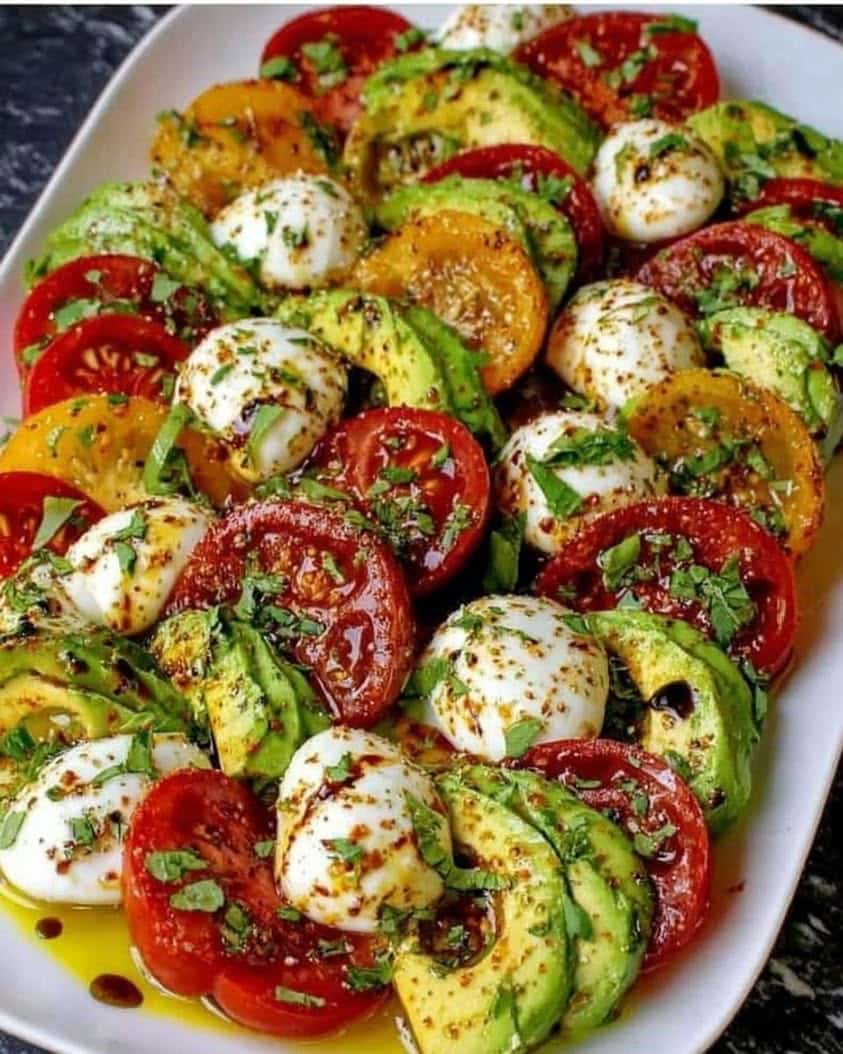
When you set out to create the Ultimate Cheesy Avocado Caprese Platter for Easy Summer Entertaining, the flavor profile is nothing short of extraordinary. The creamy, mild taste of fresh mozzarella provides a delicate canvas that lets the other ingredients shine. Ripe tomatoes bring a burst of acidity and sweetness that cuts through the richness beautifully. Meanwhile, the avocado adds a buttery, nutty undertone that enriches the entire composition. Fresh basil contributes a peppery, slightly sweet note that is unmistakably Mediterranean. The finishing touch of extra virgin olive oil and balsamic glaze provides a fruity, tangy counterpoint that binds everything together. The texture experience is equally delightful, as you encounter the soft, yielding flesh of avocado, the firm yet tender bite of tomato, and the springy, smooth consistency of mozzarella. Each mouthful offers a contrast between creamy and juicy, tender and substantial. The aroma is intoxicating, with the fragrant basil taking center stage while the olive oil imparts a grassy, peppery scent that signals freshness. Visually, this platter is a feast for the eyes, with vibrant red tomatoes, snowy white mozzarella, emerald green avocado, and bright basil leaves arranged in an eye-catching pattern. The skill level required is minimal, as this recipe is essentially a beautiful assembly of prepped ingredients requiring only basic knife skills and artistic instincts. Furthermore, the special equipment needed is refreshingly simple, as just a sharp chef’s knife, a cutting board, and a large serving platter will suffice.
Quick Recipe Highlights
- Flavor Profile: This cheesy avocado caprese platter delivers a bright, fresh taste that combines sweet tomatoes, creamy mozzarella, and rich avocado with aromatic basil and a tangy balsamic finish. The olive oil adds a fruity complexity that elevates every component.
- Texture: Expect a delightful contrast of smooth, buttery avocado, juicy tender tomatoes, and soft, milky mozzarella with a gentle spring. The crisp basil leaves provide a pleasant textural pop that cleanses the palate between bites.
- Aroma: The fragrance is dominated by fresh basil, which releases a sweet, peppery scent as you arrange it. The aroma of ripe tomatoes and creamy avocado blends with the grassy notes of extra virgin olive oil for an inviting Mediterranean bouquet.
- Visual Appeal: The dramatic colors of red, white, and green create a striking presentation that is both elegant and appetizing. Alternating slices of tomato, mozzarella, and avocado on a platter produces a gorgeous pattern that invites guests to dig in.
- Skill Level Needed: This recipe is perfect for beginners because it requires no cooking experience or complicated techniques. Simply slice the ingredients uniformly and arrange them thoughtfully, and you will create an impressive dish that looks professionally crafted.
- Special Equipment: You need only the basics, which include a sharp knife, a stable cutting board, and a large platter or serving board. A mandoline can help achieve ultra-thin, even slices, but a steady hand with a chef’s knife works perfectly fine.
Recipe Overview
- Difficulty Level: This recipe earns its easy rating because it involves no heat, no complex procedures, and no critical timing requirements. Even a novice cook can master the simple slicing and arranging with minimal guidance. The greatest challenge is selecting perfectly ripe ingredients, which becomes intuitive over time. Overall, the simplicity of execution makes it an ideal introduction to no-cook entertaining.
- Category: This versatile dish functions brilliantly as an appetizer, a light lunch, a side salad, or a centerpiece for a grazing board. It pairs wonderfully with grilled meats, pasta dishes, or simply with crusty bread for a vegetarian meal. Because it is served cold or at room temperature, it fits seamlessly into many dining scenarios. You can also repurpose leftovers as a topping for crostini or a filling for wraps.
- Cuisine: The dish draws its inspiration from the classic Italian insalata caprese from the island of Capri. The traditional version requires only tomatoes, mozzarella, basil, olive oil, salt, and pepper. Our version incorporates avocado, which adds a distinctly Californian twist that reflects the modern fusion of Mediterranean and American cuisines. This adaptation has gained popularity for its creamy richness and nutritional boost.
- Cost: This recipe offers excellent value because it relies on simple, widely available ingredients that are generally affordable. A platter serving six to eight people typically costs between fifteen and twenty-five dollars, depending on your location and ingredient choices. Avocados and fresh mozzarella are the most significant expenses, while tomatoes, basil, and pantry staples remain very budget-friendly. Buying ingredients in season, especially tomatoes, can significantly reduce costs while improving flavor.
- Season: While you can technically enjoy this platter year-round, it truly shines during the summer months when tomatoes and basil are at their peak ripeness and flavor. Farmers’ markets burst with heirloom varieties in a rainbow of colors during this season. Avocados, however, are available year-round and provide a reliable base for this dish. Late summer and early fall also work wonderfully because the weather remains warm and produce stays abundant.
- Occasion: This cheesy avocado caprese platter is perfect for a wide range of occasions, from casual weeknight dinners to elegant holiday gatherings. It is a natural choice for summer cookouts, picnics, potlucks, and garden parties because it requires no heating and travels well. It also makes a lovely addition to brunch spreads, baby showers, and bridal luncheons. The festive colors even make it suitable for patriotic holidays like Memorial Day and the Fourth of July.
Why You’ll Love This Recipe
The taste experience of the Ultimate Cheesy Avocado Caprese Platter for Easy Summer Entertaining is genuinely addictive in the best possible way. Each bite delivers a perfect harmony of flavors that dance across your palate, starting with the sweet tang of sun-ripened tomatoes that melts into the creamy richness of avocado. The mozzarella provides a cool, mild counterpoint that lets the other ingredients take center stage without overwhelming them. Meanwhile, the basil adds a bright, peppery note that refreshes your mouth and prepares it for the next delicious mouthful. The drizzle of balsamic glaze introduces a sweet-tart complexity that ties every component together into a cohesive, satisfying whole. Furthermore, the texture variation keeps every bite interesting, because you never quite know if you are getting a burst of juicy tomato or a smooth, buttery slice of avocado. This sensory journey is precisely why this platter disappears quickly at any gathering it graces.
Convenience is perhaps the most compelling reason to fall in love with this recipe, because it comes together in mere minutes with absolutely no cooking required. You avoid the heat of the oven, the hassle of multiple pots and pans, and the stress of coordinating timing with other dishes. The preparation is straightforward and meditative, making it an excellent choice for stress-free entertaining. Moreover, you can easily prepare this dish several hours ahead of time and keep it refrigerated until serving, although the avocado may need an extra squeeze of lemon juice to prevent browning. This flexibility allows you to enjoy your guests rather than being stuck in the kitchen. Cleanup is also a breeze, because this recipe requires only a cutting board, a knife, and the serving platter itself. These practical advantages make the cheesy avocado caprese platter a smart choice for both experienced hosts and those new to entertaining.
From a nutritional standpoint, this recipe is a genuine powerhouse that supports a healthy lifestyle without sacrificing flavor. Avocados are rich in heart-healthy monounsaturated fats, potassium, and fiber, which promote satiety and cardiovascular wellness. Tomatoes provide a healthy dose of lycopene, an antioxidant linked to reduced risk of chronic diseases, as well as vitamins C and K. Fresh mozzarella contributes calcium and protein, supporting bone health and muscle maintenance. Basil adds antioxidants and essential oils with anti-inflammatory properties. Consequently, this platter offers a balanced combination of healthy fats, lean protein, and complex carbohydrates that nourishes your body while pleasing your taste buds. It naturally aligns with Mediterranean diet principles, which research consistently associates with longevity and reduced disease risk.
The social and entertaining value of this dish cannot be overstated, as it functions as a beautiful centerpiece that encourages connection and sharing. The vibrant colors and inviting aroma draw people to the table, creating a natural focal point for conversation. Because it is served on a large platter, it encourages communal dining and grazing, which breaks down barriers and fosters a relaxed atmosphere. Guests can help themselves at their own pace, making it ideal for mingling and casual conversation. Furthermore, the impressive presentation makes you look like a culinary artist even though the preparation is simple. This combination of beauty and ease ensures that you will host more gatherings because you know you have a reliable, crowd-pleasing recipe in your repertoire.
Finally, the cost-effectiveness and accessibility of the ingredients make this recipe a practical choice for everyday enjoyment. All components are available at virtually any grocery store, including budget-friendly options that do not sacrifice quality. When tomatoes and basil are in season, your total ingredient cost plummets while flavor peaks. Avocados are generally reasonably priced and offer substantial nutritional bang for your buck. This means you can enjoy a restaurant-quality appetizer at home without straining your budget. As a bonus, any leftover ingredients can be used in countless other meals, reducing food waste and stretching your grocery dollars further. Therefore, this recipe offers exceptional value that keeps on giving.
Historical Background and Cultural Significance
The caprese salad traces its origins to the island of Capri, located in the Tyrrhenian Sea off the coast of southern Italy. The dish supposedly emerged in the mid-20th century as a tribute to the Italian flag, combining the red of tomatoes, the white of mozzarella, and the green of basil. The name “caprese” simply means “in the style of Capri,” and the salad quickly became synonymous with the island’s laid-back, sun-drenched lifestyle. Some food historians believe the salad was created at a hotel restaurant on Capri to attract tourists seeking a light, refreshing meal during the hot summer months. Others suggest it evolved from local farmer snacks that paired garden tomatoes with freshly made buffalo mozzarella. Regardless of its exact genesis, the dish became a beloved symbol of Italian simplicity and quality ingredients.
In Italy, the caprese salad carries deep cultural significance as a representation of cucina povera, the philosophy of making delicious food from humble, fresh ingredients. It embodies the Italian belief that you do not need elaborate preparations or complex sauces when you have access to exceptional produce. The salad also reflects regional pride, particularly for the Campania region, which produces the finest San Marzano tomatoes and buffalo mozzarella. Furthermore, the dish is often served as an antipasto, meant to stimulate the appetite rather than satisfy it fully. This approach to dining places emphasis on communal sharing and enjoying each course in sequence, fostering a leisurely, social meal experience. Consequently, the caprese salad is not merely food but a cultural artifact that tells the story of Italian values around freshness, seasonality, and community.
The evolution of the caprese salad in American cuisine demonstrates how immigrant foods adapt and transform in new environments. Italian immigrants brought their culinary traditions to the United States in the late 19th and early 20th centuries, and caprese eventually became a restaurant staple in the 1980s and 1990s. American chefs began experimenting with the basic formula, adding ingredients like arugula, prosciutto, or roasted peppers to create signature variations. The introduction of balsamic glaze as a drizzle became a common addition, providing a sweeter, more visually appealing finish than traditional red wine vinegar. Our cheesy avocado caprese platter represents the next logical step in this evolution, blending the Italian base with ingredients popularized by Californian cuisine. This fusion reflects the broader trend of culinary globalization, where traditional dishes continually inspire new interpretations.
Regional variations of caprese abound, and each locale puts its own spin on the classic combination. On Capri itself, the salad is simply served with tomatoes, mozzarella, basil, oil, and salt. In the Campania region, buffalo mozzarella is preferred over cow’s milk mozzarella for its richer flavor and creamier texture. Some versions in northern Italy include a sprinkle of oregano or a drizzle of pesto for added depth. In the United States, you find caprese on sandwiches, in pasta salads, and even as a pizza topping. The avocado version has gained particular popularity on the West Coast, where the fruit is abundant and beloved. Our platter embraces this modern variation while honoring the original’s spirit of fresh, unfussy food. This adaptability ensures the caprese remains relevant and beloved across generations and cultures.
Ingredient Deep Dive
Avocados hold a special place in culinary history, originating in south-central Mexico and cultivated by the Aztecs and Mayans thousands of years ago. Because they are technically a fruit, avocados are classified as a berry with a single large seed. They were introduced to the United States in the early 20th century, and California soon became the primary growing region. Hass avocados, which now dominate the market, originated from a single tree in La Habra, California, in the 1920s. Culturally, avocados have grown from an exotic specialty item to a beloved staple of modern American cooking. Nutritionally, they are packed with heart-healthy monounsaturated fats, which help lower bad cholesterol levels. They also provide potassium, which regulates blood pressure, and fiber, which supports digestive health. Additionally, avocados contain lutein and zeaxanthin, antioxidants that protect eye health. When selecting avocados, look for ones that yield gently to firm pressure, indicating ripeness. Avoid ones with soft spots or sunken areas, which suggest over-ripeness or bruising. Store ripe avocados in the refrigerator to extend their shelf life for several days. Unripe avocados can ripen on the counter in two to three days. If you have extra avocado, you can substitute it for butter in baking or use it as a creamy salad dressing base.
Fresh mozzarella plays an integral role in Italian cuisine, originating from the Campania region where water buffalo were introduced in the 12th century. Because authentic buffalo mozzarella is now widely available, you can experience the creamy, tangy flavor that connoisseurs prize. The cheese-making process involves heating curd and stretching it into smooth, elastic balls, which results in its distinctive soft texture. Culturally, mozzarella is central to numerous Italian dishes, from pizza to lasagna to the classic caprese. It symbolizes the Italian commitment to fresh, simple ingredients prepared with skill. Nutritionally, fresh mozzarella provides a good source of protein, calcium, and phosphorus, which support bone health. It also contains beneficial bacteria that may aid in digestion. Compared to aged cheeses, fresh mozzarella is lower in sodium and fat. When selecting mozzarella, look for balls submerged in brine or whey, as this maintains moisture and freshness. The cheese should be pearly white with a smooth, shiny surface. Store fresh mozzarella in its liquid in the refrigerator, and use it within a few days of opening. If you cannot find fresh mozzarella, you can substitute burrata, which is even creamier, or a high-quality low-moisture mozzarella for a firmer texture.
Tomatoes are botanically a fruit but are treated as a culinary vegetable in most cuisines. They originated in western South America and were domesticated in Mexico, playing a significant role in Aztec culture. After the Spanish colonization of the Americas, tomatoes traveled to Europe, where they were initially viewed with suspicion. Italian cuisine eventually embraced them enthusiastically, and they became fundamental to many iconic dishes, including the sauce of Neapolitan pizza. Today, tomatoes are the most popular vegetable crop in America. Nutritionally, tomatoes are an excellent source of lycopene, a powerful antioxidant that reduces the risk of certain cancers. They also provide vitamin C, vitamin K, potassium, and folate, supporting immune function and heart health. The redder the tomato, the higher the lycopene content, so choose deeply colored varieties. When selecting tomatoes, choose ones that are heavy for their size and have a fragrant, earthy aroma. The skin should be smooth and glossy, without blemishes or cracks. Store tomatoes at room temperature away from direct sunlight, as refrigeration destroys their texture and flavor. If you need them to ripen faster, place them in a paper bag with a banana. Cherry or grape tomatoes make excellent substitutes in this recipe because they require no slicing and offer intense sweetness.
Basil holds the title of the most beloved herb in Mediterranean cooking, with origins spanning India and Southeast Asia. Ancient Greeks called it the “kingly herb,” and it has been cultivated for over 5,000 years. In Italian cuisine, sweet basil is essential, finding its way into pesto, salads, and pasta dishes. The plant has deep cultural significance in many traditions, often associated with love and protection. Nutritionally, basil provides vitamin K, which supports blood clotting and bone health, as well as antioxidants that fight inflammation. The volatile oils in basil give it its characteristic scent and are responsible for its antimicrobial properties. When selecting fresh basil, look for vibrant green leaves without dark spots or wilting. The leaves should feel crisp and fragrant when gently rubbed. Because basil is so delicate, store it like fresh flowers by trimming the stems and placing them in a glass of water at room temperature. You can also wrap it in damp paper towels and refrigerate, though this may cause the leaves to darken slightly. For the brightest flavor, add basil at the last minute, because heat diminishes its potency. If fresh basil is unavailable, you can use arugula as a peppery substitute, though the flavor profile will shift accordingly.
Extra virgin olive oil is the cornerstone of Mediterranean cooking, with origins dating back thousands of years to the olive groves of the eastern Mediterranean. It is produced by pressing olives without heat or chemicals, thereby capturing their natural flavors and nutrients. Extra virgin grade indicates that the oil has very low acidity and superior taste. Olive oil has profound cultural significance, appearing in religious rituals, culinary traditions, and daily life across many cultures. Nutritionally, it is rich in heart-healthy monounsaturated fats and polyphenols, plant compounds with potent antioxidant and anti-inflammatory effects. It is a key component of the Mediterranean diet, which is associated with lower rates of heart disease and improved longevity. When selecting olive oil, choose dark glass bottles and check the harvest date for freshness. The oil should smell grassy and fruity, having a peppery finish when you taste it. Store olive oil in a cool, dark place, because heat and light cause it to degrade. If you want a milder flavor, you can use avocado oil or a light olive oil, though the character of the dish will change slightly.
Balsamic glaze, also known as balsamic reduction, provides a sweet-sour accent that elevates the caprese platter. Traditional balsamic vinegar originates from Modena, Italy, where it is aged for years in wooden barrels. The aging process concentrates the vinegar into a syrupy, complex condiment with rich sweetness and tangy acidity. While traditional balsamic vinegar is expensive, the glaze form is more affordable and convenient for drizzling. Nutritionally, balsamic glaze is relatively low in calories and contains beneficial antioxidants. However, it may be high in sugar, especially commercial versions. When selecting balsamic glaze, check the ingredient list, and choose one with minimal additives. You can make your own glaze by simmering balsamic vinegar until it reduces by half and thickens. For a lighter touch, you can simply drizzle high-quality balsamic vinegar straight from the bottle. If you prefer something different, a lemon vinaigrette works well as an alternative, or even a drizzle of honey thinned with water.
Common Mistakes to Avoid
- Mistake one is selecting avocados that are under-ripe or over-ripe, which compromises the texture and flavor of the entire platter. Under-ripe avocados are hard and lack the creamy richness that makes them appealing. Over-ripe avocados turn mushy and brown too quickly. You should gently press the avocado to check for a slight give, and if it feels too firm, let it ripen at room temperature for a day or two.
- Mistake two involves using mozzarella that is not fresh, which leads to a rubbery texture and bland flavor. Pre-shredded mozzarella is coated with anti-caking agents that prevent proper melting and contribute an undesirable texture. Instead, purchase fresh mozzarella balls or logs from the refrigerated section. Look for mozzarella packed in water or whey, as this indicates freshness.
- Mistake three is slicing the ingredients too thick, resulting in large, unwieldy pieces that are difficult to eat. Ideally, the tomato, mozzarella, and avocado slices should be roughly a quarter-inch thick for balance. Thicker slices also hide the layering effect, diminished visual appeal. Using a sharp knife and consistent cutting motions helps achieve uniform slices.
- Mistake four is preparing the avocado too far in advance, causing it to brown and become unattractive. Avocados oxidize quickly when exposed to air, so you should cut them as close to serving time as possible. You can also toss the slices with lemon or lime juice to slow browning. Alternatively, keep the avocado halves whole until just before assembly.
- Mistake five is forgetting to season the platter, resulting in a bland, flat taste that fails to excite your palate. Salt is essential for bringing out the flavors of tomatoes and avocados, while pepper adds a gentle warmth. Do not be shy with high-quality flaky sea salt and freshly cracked black pepper. Season each layer as you build the platter for even distribution.
- Mistake six is using low-quality olive oil or balsamic glaze, which detracts from the natural flavors of the fresh ingredients. Cheap olive oil can taste harsh or rancid, while imitation balsamic glaze offers only sweetness without complexity. Invest in a good extra virgin olive oil that tastes fresh and fruity. Likewise, use a high-quality balsamic glaze or reduce your own.
- Mistake seven is overcrowding the platter so that the ingredients clump together and lose their distinct presentation. The beauty of this dish lies in its neat, recognizable arrangement. Space the slices evenly, allowing each piece to stand out. If you have many guests, use a larger platter or serve multiple platters rather than piling everything on one.
- Mistake eight is drowning the platter in dressing, which overwhelms the delicate flavors and creates a soggy mess. A light drizzle is all you need, as the natural juices from the tomatoes and avocados also contribute moisture. The goal is to enhance, not mask, the freshness of the ingredients. Start with less and let guests add more at the table.
- Mistake nine is ignoring the ripeness of the tomatoes, which is perhaps the most critical factor in the success of the dish. Out-of-season tomatoes are often mealy, pale, and flavorless, and they can ruin an otherwise perfect platter. When tomatoes are not in season, substitute cherry tomatoes, which are more consistent year-round, or use sun-dried tomatoes for a different texture.
- Mistake ten is not considering temperature, because serving the platter too cold or too warm affects how the components taste and feel. Ideally, the ingredients should be at room temperature, allowing their flavors to fully express themselves. Remove the mozzarella from the refrigerator at least 30 minutes before serving. Keep the platter in a cool spot out of direct sunlight.
Essential Techniques
Mastering the slicing technique is essential for this cheesy avocado caprese platter because uniform thickness ensures both attractive presentation and balanced bites. Because the ingredients should be cut to approximately the same size, you need to use a sharp chef’s knife that can slice cleanly without crushing the delicate flesh. When slicing tomatoes, use a serrated knife to prevent the skin from tearing and maintain a clean edge. For avocados, slice through the flesh lengthwise, then remove the pit and carefully draw the knife through the flesh to create even ribbons. Consequently, you must also consider the shape of each ingredient; if your tomatoes are oval rather than round, you will need to slice them lengthwise to achieve a similar footprint to the mozzarella and avocado slices. A steady cutting surface and a claw grip on your food protects your fingers and ensures control. The goal is to produce slices that are neither paper-thin nor chunky but about a quarter-inch thick. Research consistently shows that evenly sized pieces not only cook more uniformly but also create a more visually pleasing dish, which is why you should take the time to measure your slices.
Arrangement is the next critical technique, as the visual appeal of this dish is part of its charm. Begin by choosing a platter with a slight lip or rim that prevents juices from pooling throughout your table. Arrange the slices in a continuous overlapping pattern, alternating tomato, mozzarella, and avocado in a repeating sequence. This creates an eye-catching spiral or linear design that showcases the vibrant colors. Moreover, you can create a circular pattern around a central bowl of olive oil or balsamic glaze for a striking centerpiece. As you layer, remember to season each row lightly with salt and pepper before adding the next, ensuring that every bite is perfectly seasoned. A key technique is to slightly fan or overlap the slices at a gentle angle, which adds dimension and sophistication to the presentation. You may also intersperse fresh basil leaves between the slices, not only as a garnish but as a functional component that adds flavor to the surrounding ingredients. As a result, your platter becomes more than merely food; it transforms into an edible artwork that elicits admiration and appetite.
Drizzling is a simple yet nuanced technique that impacts both flavor and aesthetics. The goal is to apply the olive oil and balsamic glaze in a way that evenly coats the ingredients without overwhelming them. Begin with the olive oil, using a gentle back-and-forth motion to create a fine, even layer across the surface. Because olive oil can pool if used excessively, you should start with about two tablespoons and add more if needed. After the oil, drizzle the balsamic glaze in a decorative zigzag or a circular pattern, creating a beautiful, glossy sheen. The glaze is sweeter and more concentrated than the oil, so use it more sparingly. Furthermore, consider adding the basil just before serving because the residual heat and oil from other ingredients may cause the basil to wilt. To maximize the aromatic qualities of basil, gently tear the larger leaves rather than chopping them, which releases more oils and prevents bruising. The final touch is a sprinkle of flaky sea salt, which adds a satisfying crunch and elevates all the flavors.
The technique of balancing flavors is crucial, and you should consciously consider acidity, fat, salt, and sweetness as you assemble the platter. Well-ripened tomatoes are naturally sweet and slightly acidic, while mozzarella and avocado provide rich, creamy fat. Basil contributes a mildly sweet, aromatic quality that complements both. The salt you add draws out moisture and enhances the natural savoriness of each ingredient. To balance these elements, you might add a squeeze of fresh lemon juice over the avocado to brighten its flavor and prevent browning. You might also sprinkle a touch of sugar or a drizzle of honey on out-of-season tomatoes to mimic their natural sweetness. Tasting as you go is essential, because only you can tell if a particular batch of tomatoes is more acidic or if your basil is more peppery. By adjusting seasoning gradually, you ensure the final platter tastes harmonious rather than dominated by any single element.
Finally, mastering the technique of holding and maintaining the platter means considering storage and temperature management. If you are not serving the platter immediately, cover it with plastic wrap or a damp towel and refrigerate it. However, the cold temperatures dull the flavors, so remove the platter from the refrigerator 20 to 30 minutes before serving. During this time, the ingredients soften and the flavors bloom, yielding a much more satisfying experience. To keep the platter fresh during a long event, you can place it over a larger platter filled with ice, but this is optional. Additionally, you should have a clean, spare platter ready so you can quickly replace the platter if the first becomes messy after guests serve themselves. Providing a small serving spoon and fork for the balsamic glaze allows guests to control how much they drizzle on their portions. This straightforward technique prevents the platter from becoming too soggy or overly dressed, ensuring a pleasant experience for everyone involved.
Pro Tips for Perfect Cheesy Avocado Caprese Platter
Tip one is to use tomatoes at the absolute peak of ripeness, because their flavor is the backbone of the entire dish. Seek out heirloom varieties, which are harvested when fully ripe and often boast superior sweetness and complexity. Farmers’ markets are your best source for such treasures, since grocery store tomatoes are often picked green and ripened artificially. If heirlooms are unavailable, cherry or grape tomatoes are an excellent and flavorful substitute that requires no slicing.
Tip two is to use burrata instead of fresh mozzarella for an even creamier and more luxurious texture. Burrata is essentially fresh mozzarella filled with a mixture of mozzarella curd and cream, creating an intensely rich, buttery filling. This substitution adds an element of surprise and indulgence that will wow your guests. Because burrata is more delicate, handle it gently and consider placing it in the center of the platter with sliced tomatoes and avocados arranged around it.
Tip three is to toss the avocado slices in lemon juice before arranging them on the platter. This not only prevents oxidation and browning but also adds a subtle brightness that complements the avocados’ natural richness. Alternatively, you can sprinkle the avocado with a tiny pinch of citric acid, which is more stable than lemon juice. Either way, you ensure the avocado looks fresh and appealing throughout your gathering.
Tip four is to warm the balsamic glaze slightly before drizzling. Because the glaze is often quite thick, especially if refrigerated, warming it makes it more fluid and easier to distribute evenly. You can warm it in a small saucepan over low heat or microwave it for a few seconds. A thinner glaze spreads more easily and creates a delicate coating rather than heavy clumps.
Tip five is to add a handful of arugula beneath the sliced ingredients for an extra layer of flavor and texture. The arugula’s peppery bite complements the creamy cheese and rich avocado, providing a pleasant contrast. Additionally, the arugula acts as a bed that absorbs the olive oil and balsamic glaze, creating a subtle dressed salad underneath the main ingredients. This adds complexity and substance to each serving.
Tip six is to triple-season the platter, once when slicing the ingredients, once after arranging, and once more just before serving. This incremental seasoning ensures that salt and pepper penetrate more deeply than a single application would accomplish. Therefore, every bite is properly seasoned rather than only the top layer. Use high-quality flaky sea salt, which dissolves more quickly and provides a satisfying crunch. Crushed red pepper flakes are a nice addition for those who enjoy a hint of heat.
Tip seven is to prepare your components but not assemble the platter too far in advance. You can slice the mozzarella and tomatoes a day ahead and store them separately in the refrigerator. However, you should cut avocados no more than an hour before serving to prevent browning. When you are ready to serve, simply arrange the components on the platter, which takes only minutes. This strategy ensures maximum freshness with minimal effort on the day Print
Cheesy Avocado Caprese Platter
- Total Time: 15 minutes
- Yield: 4
Description
A vibrant and creamy twist on the classic Caprese salad, featuring ripe avocados, fresh mozzarella, juicy tomatoes, and a drizzle of balsamic glaze with a sprinkle of parmesan.
Ingredients
- 2 large ripe avocados, sliced
- 1 pint cherry tomatoes, halved
- 8 oz fresh mozzarella balls (bocconcini), halved
- 1/4 cup fresh basil leaves, torn
- 2 tbsp extra virgin olive oil
- 1 tbsp balsamic glaze
- 1/2 cup shaved parmesan cheese
- 1/4 tsp salt
- 1/4 tsp black pepper
- 1/4 tsp garlic powder
Instructions
- Arrange avocado slices, tomato halves, and mozzarella balls on a large serving platter in an alternating pattern.
- Scatter the torn basil leaves over the top.
- Drizzle with olive oil and balsamic glaze.
- Sprinkle with salt, pepper, and garlic powder.
- Top with shaved parmesan cheese just before serving.
Notes
You can customize the seasonings to taste. Add a pinch of red pepper flakes for heat or a squeeze of lemon juice for extra brightness.
- Prep Time: 15 minutes
- Cook Time: 0 minutes
- Method: Appetizer
- Cuisine: Italian-American