The Ultimate Cheesy Avocado Caprese Platter Recipe for Summer Gatherings
The Ultimate Cheesy Avocado Caprese Platter Recipe for Summer Gatherings is the dish you have been searching for when you want something impressive without spending hours in the kitchen. This gorgeous platter brings together the creamy richness of ripe avocados, the fresh brightness of juicy tomatoes, and the milky tenderness of fresh mozzarella, all finished with fragrant basil and a drizzle of balsamic glaze. Consequently, this recipe transforms simple ingredients into a stunning centerpiece that will have your guests reaching for seconds before they even sit down. Therefore, whether you are hosting a backyard barbecue, a casual lunch, or a festive dinner party, this cheesy avocado caprese platter delivers maximum flavor with minimal effort.
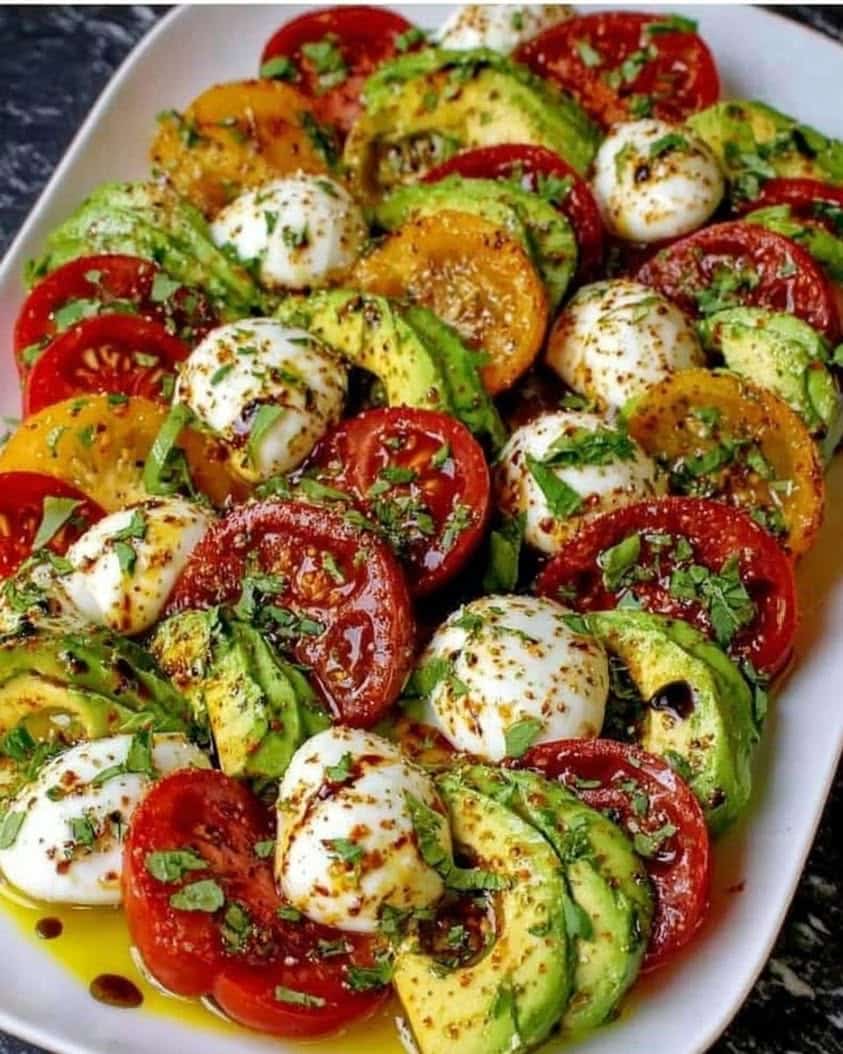
Moreover, this recipe celebrates the beauty of seasonal produce at its peak. Therefore, when summer tomatoes are bursting with sweetness and avocados are perfectly ripe, there is truly nothing better than combining them with creamy mozzarella and aromatic basil. The visual appeal alone is enough to make your mouth water, with vibrant reds, greens, and whites arranged artfully on a large serving board. Additionally, the texture contrast between the smooth avocado, the firm tomato, and the soft cheese creates a delightful eating experience that satisfies every craving. Consequently, this platter works beautifully as an appetizer, a side dish, or even a light main course when paired with crusty bread.
Furthermore, this recipe is remarkably versatile and forgiving, which makes it perfect for cooks of all skill levels. Unlike complicated dishes that require precise techniques, this no-cook platter simply asks you to slice, arrange, and garnish. Therefore, you can focus on enjoying your time with friends and family instead of fussing over the stove. The Ultimate Cheesy Avocado Caprese Platter Recipe for Summer Gatherings also adapts easily to whatever you have on hand, so feel free to get creative with additional ingredients that suit your taste and dietary needs.
Quick Recipe Highlights
- Flavor Profile: This platter delivers a perfect balance of creamy, tangy, sweet, and savory notes. The ripe avocado provides a buttery richness that pairs beautifully with the bright acidity of fresh tomatoes, while the mozzarella adds a mild, milky flavor that ties everything together. The balsamic glaze contributes a sweet-tart finish that brightens every single bite.
- Texture: You will experience a wonderful variety of textures starting with the smooth, velvety avocado that melts in your mouth. The tomatoes offer a juicy burst with every bite, while the mozzarella brings a soft, pillowy chewiness. Additionally, the fresh basil leaves add a delicate crispness that provides a lovely contrast to the softer ingredients.
- Aroma: The fragrance of this dish is absolutely intoxicating, with the floral notes of fresh basil taking center stage. Ripe tomatoes release their sweet, earthy scent, while the creamy avocado contributes a subtle nutty aroma. When you add the balsamic glaze, you get a rich, slightly fruity fragrance that enhances the overall sensory experience.
- Visual Appeal: This platter is a feast for the eyes with its vibrant colors arranged in an attractive pattern. The deep red of the tomatoes, the bright green of the avocado and basil, and the snowy white of the mozzarella create a stunning contrast that looks beautiful on any table. Therefore, this dish is perfect for entertaining where presentation matters.
- Skill Level Needed: Absolutely anyone can make this recipe, even if you are a complete beginner in the kitchen. There is no cooking involved, just simple slicing and arranging, which means success is virtually guaranteed. Therefore, this is an excellent recipe for teaching kids to cook or for impressing guests with minimal effort.
- Special Equipment: You will need only basic kitchen tools including a sharp knife, a large cutting board for prep work, and a wide serving platter or wooden board for presentation. Additionally, having a small bowl for the balsamic glaze makes drizzling easier, but you can simply use a spoon if you prefer.
Recipe Overview
- Difficulty Level: This recipe is rated as easy because it requires no cooking skills whatsoever, just basic knife work and arrangement abilities. Therefore, even novice cooks can produce a stunning result on their very first attempt. The key is simply selecting quality ingredients and slicing them uniformly, which gets easier with practice. Consequently, everyone from busy parents to college students can master this dish quickly.
- Category: This versatile dish works perfectly as an appetizer, an hors d’oeuvre, a side dish, or even a light lunch option. Additionally, it makes a wonderful brunch item when served alongside eggs or pastries, and it also shines as a party snack for game-day gatherings. Therefore, you can adapt this recipe to suit virtually any meal occasion throughout the day.
- Cuisine: The caprese salad originates from the beautiful island of Capri in southern Italy, where it has been enjoyed for generations. This recipe adds a modern twist with the inclusion of avocado, which introduces a distinctly Californian influence. Therefore, this dish beautifully bridges traditional Italian cooking with contemporary American food trends, creating something familiar yet excitingly new.
- Cost: The ingredient costs for this recipe are quite reasonable and often lower than you might expect. While quality mozzarella and ripe avocados can be moderately priced, the simplicity of the ingredient list keeps the overall expense manageable. Therefore, this dish provides excellent value for entertaining because it looks far more expensive than it actually is to prepare.
- Season: Although this platter can be enjoyed year-round, it truly shines during the summer months when tomatoes are at their peak ripeness and flavor. Therefore, you will want to make this recipe frequently from June through September when local produce is abundant. During other seasons, use the best quality greenhouse tomatoes you can find, though heirloom varieties in summer are unbeatable.
- Occasion: This dish is ideal for countless occasions including summer picnics, pool parties, backyard barbecues, holiday gatherings, and casual weeknight dinners. Additionally, it works beautifully at baby showers, bridal showers, and brunch events where light, fresh food is appreciated. Therefore, keep this recipe in your entertaining arsenal because it delivers every single time.
Why You’ll Love This Recipe
The Ultimate Cheesy Avocado Caprese Platter Recipe for Summer Gatherings delivers a taste experience that is simply unforgettable. Therefore, when you combine the buttery richness of perfectly ripe avocado with the sweet acidity of fresh tomatoes, you create a flavor pairing that feels both indulgent and refreshing. The mozzarella adds a creamy, mild note that rounds out the flavors, while the basil provides an aromatic freshness that elevates everything. Additionally, the balsamic glaze brings a touch of sweetness and tang that balances the dish beautifully, leaving your taste buds completely satisfied with every bite you take.
Moreover, this recipe is incredibly convenient because there is absolutely no cooking involved whatsoever. Therefore, you can prepare this stunning platter in about fifteen minutes and then spend your time enjoying your guests instead of hovering over a hot stove. This makes it the perfect solution for busy hosts who still want to serve impressive food. Furthermore, the no-cook nature of this dish means your kitchen stays clean and cool, which is especially wonderful during hot summer months when you want to avoid heating up your home.
Nutritionally speaking, this recipe offers a wealth of benefits that make you feel good about what you are serving. Avocados provide heart-healthy monounsaturated fats, fiber, and an impressive array of vitamins and minerals including potassium, vitamin K, and folate. Tomatoes are packed with lycopene, an antioxidant linked to reduced risk of chronic diseases, while mozzarella contributes calcium and protein. Therefore, this delicious platter actually supports your health while delighting your palate, which is a winning combination in any recipe.
Socially and entertainingly speaking, this platter is a showstopper that brings people together around the table. Therefore, because the presentation is so beautiful and inviting, guests naturally gravitate toward it, making it a conversation starter at any gathering. The shared nature of the platter encourages grazing and mingling, creating a relaxed, social atmosphere. Additionally, this dish functions perfectly as part of a larger spread, complementing other appetizers and main courses without overwhelming them or demanding too much attention.
Finally, this recipe is incredibly cost-effective because it uses relatively inexpensive ingredients to create something truly special. Therefore, you can serve an impressive appetizer to a crowd without breaking the bank, which is always a win for hosts. Additionally, ingredient waste is minimal since everything goes onto the platter and gets eaten. Consequently, this recipe offers exceptional value for your money, proving that great food does not have to come with a hefty price tag.
Historical Background and Cultural Significance
The caprese salad has its origins on the beautiful island of Capri in southern Italy, and its history dates back to the early twentieth century. Therefore, this simple salad was created to celebrate the colors of the Italian flag, with red tomatoes, white mozzarella, and green basil representing the nation. Additionally, some believe the dish was created for visiting dignitaries, while others think it developed as a farmers lunch using whatever ingredients were fresh and available. Regardless of its exact origins, the caprese salad quickly became a beloved staple of Italian cuisine and eventually spread worldwide.
Culturally, the caprese salad holds a special place in Italian food traditions because it exemplifies the philosophy of simplicity and quality. Therefore, Italians believe that when you start with exceptional ingredients, you do not need to complicate things with elaborate preparations or heavy sauces. This dish embodies the Mediterranean approach to eating, which emphasizes fresh produce, healthy fats, and minimal processing. Consequently, the caprese salad became a symbol of the Italian way of life, enjoying good food and good company without unnecessary fuss.
The evolution of this recipe has been fascinating, especially as it spread beyond Italy and encountered other culinary traditions. Therefore, various cultures have embraced the caprese concept and adapted it to their local ingredients and preferences. The addition of avocado is a relatively recent innovation that likely originated in California, where avocados are a dietary staple. Additionally, chefs around the world have experimented with different cheeses, herbs, and dressings, creating countless variations while still honoring the original spirit of the dish.
Regional variations of this classic salad are numerous and creative, each adding its own unique touch to the formula. Therefore, you will find versions that substitute burrata for mozzarella, which adds an extra creamy center that oozes delightfully. Some regions add arugula or other bitter greens to provide contrast, while others include grilled vegetables or prosciutto for additional flavor and texture. Additionally, the dressing varies widely, with some using olive oil alone, others adding vinegar, and still others incorporating pesto or other condiments for extra richness.
Ingredient Deep Dive
Avocados hold a special place in both culinary and cultural history, having been cultivated in Mexico and Central America for thousands of years. Therefore, these ancient fruits were valued by the Aztecs and other indigenous peoples for their rich flavor and nutritional density. Today, avocados have become incredibly popular worldwide, appearing in everything from salads to smoothies to toast. Nutritionally, avocados are exceptional because they provide heart-healthy fats, fiber, and numerous vitamins including vitamin K, vitamin E, and vitamin C. When selecting avocados for this recipe, look for ones that yield slightly to gentle pressure but are not mushy. Furthermore, if your avocados are not quite ripe, simply leave them at room temperature for a day or two until they soften.
Fresh mozzarella is another essential ingredient that brings creamy richness to this platter, and its history stretches back centuries in Italy. Therefore, authentic mozzarella was traditionally made from buffalo milk in the Campania region, although today, cow milk versions are more common and widely available. The best mozzarella for this recipe is the fresh, water-packed variety that comes in balls, which offers a delicate, milky flavor and a soft, springy texture. Additionally, mozzarella provides a good source of calcium and protein, making it a nutritious addition to your diet. When storing mozzarella, keep it in its brine until you are ready to use it, and be sure to pat it dry before adding it to your platter.
Tomatoes are undeniably the heart of any caprese dish, and their quality directly impacts the final result of your platter. Therefore, you want to choose tomatoes that are ripe but still firm enough to slice cleanly without falling apart. Heirloom varieties offer exceptional flavor and beautiful colors, while vine-ripened tomatoes provide reliable sweetness and acidity. When possible, purchase tomatoes at farmers markets during peak season for the best flavor experience. Furthermore, tomatoes are rich in lycopene, vitamin C, and potassium, making them a nutritious addition to this recipe. Store tomatoes at room temperature for maximum flavor, because refrigeration diminishes their taste and texture.
Fresh basil leaves provide the aromatic garnishing touch that completes this dish and ties all the flavors together perfectly. Therefore, basil has been cultivated for over five thousand years, with origins in India and Southeast Asia before spreading to the Mediterranean region. The most common variety used in Italian cooking is sweet basil, which features large, tender leaves with a sweet, peppery flavor. Additionally, basil contains essential oils that have been shown to provide anti-inflammatory and antioxidant benefits. When selecting basil, look for vibrant green leaves without any brown spots or wilting, and store it wrapped loosely in a paper towel inside the refrigerator.
Balsamic glaze, while technically optional, adds a wonderful finishing touch that elevates this platter to new heights. Therefore, this rich, syrupy condiment originates from the Modena region of Italy, where it has been produced for centuries using a careful aging process. True balsamic vinegar is made from cooked grape must and aged in wooden barrels, developing complex sweet and sour flavors over time. Consequently, balsamic glaze is simply balsamic vinegar that has been simmered until it thickens into a syrupy consistency. Additionally, you can easily make your own by reducing balsamic vinegar with a bit of brown sugar, or you can purchase bottled glaze from the store for convenience.
Common Mistakes to Avoid
- Using unripe avocados is perhaps the most common mistake home cooks make with this recipe. Therefore, unripe avocados are hard and flavorless, which completely ruins the creamy texture you are seeking for your platter. Consequently, always check ripeness by gently pressing the skin, and plan ahead to let them ripen properly.
- Overripe tomatoes can turn your beautiful platter into a watery mess that looks unappetizing and tastes flat. Therefore, test your tomatoes for firmness before slicing and avoid any that feel mushy or overly soft to the touch. Additionally, you want tomatoes that hold their shape nicely when arranged on the serving board.
- Slicing everything too thick creates a clumsy presentation that is difficult to eat gracefully. Therefore, aim for uniform, relatively thin slices of both avocado and mozzarella, around one quarter inch thick. Consequently, you achieve a better balance in each bite while creating a more attractive arrangement on your platter.
- Preparing this dish too far in advance causes the avocado to brown and the tomatoes to release excess moisture. Therefore, assemble the platter as close to serving time as possible, ideally within thirty minutes of when you plan to serve it. Additionally, if you must prep ahead, keep the components separate and assemble just before serving.
- Forgetting to season properly leaves your platter tasting bland even though all the ingredients are high quality. Therefore, remember to sprinkle flaky sea salt and freshly ground black pepper over everything before serving. Consequently, seasoning brightens the flavors and makes each component taste more vibrant and delicious.
- Drizzling too much balsamic glaze overwhelms the delicate flavors of the fresh ingredients and makes the dish overly sweet. Therefore, start with a light drizzle and add more only if desired, keeping the balance between all the components. Additionally, consider serving extra glaze on the side for those who want more.
- Using low-quality olive oil diminishes the overall taste of your platter because the oil contributes significantly to the flavor. Therefore, invest in a decent quality extra virgin olive oil that you enjoy drinking on its own. Consequently, the better the oil, the better your finished dish will taste.
- Not patting the mozzarella dry before slicing leads to excess moisture that dilutes the flavors and makes the platter soggy. Therefore, be sure to blot the cheese with paper towels after removing it from its brine. Additionally, this step helps the balsamic glaze and oil cling properly to the cheese.
Essential Techniques
The proper technique for slicing avocados is essential to achieving beautiful, clean cuts that showcase their vibrant green color. Therefore, start by cutting the avocado lengthwise around the pit, then twist the halves apart gently. Next, remove the pit by tapping it with your knife carefully and twisting to release it. Then, you can either peel the avocado or scoop the flesh out and slice it on a cutting board. Master this technique by keeping your movements deliberate and steady, allowing the knife to glide through the fruit smoothly. Common pitfalls include pressing too hard, which crushes the avocado, so use a sharp knife and gentle pressure for best results.
The art of slicing ripe tomatoes requires proper knife technique to achieve clean edges without crushing the delicate flesh. Therefore, always use a very sharp knife, preferably a serrated knife, which grips the skin and cuts through the flesh without squashing it. Place the tomato on a stable cutting board with the stem side facing up, then slice vertically to create beautiful rounds. Additionally, thickness matters, so aim for slices around one quarter inch thick rather than paper-thin or overly chunky. Mastering this technique involves letting the knife do the work and avoiding sawing motions, which can tear the tender tomato flesh and create a ragged appearance.
Arranging the platter beautifully is a crucial technique that elevates your dish from simple to spectacular. Therefore, start with a large platter or wooden board and alternate slices of avocado, tomato, and mozzarella in an overlapping pattern. This creates visual interest and makes it easy for guests to pick up several pieces at once. Additionally, consider arranging the components in concentric circles or in neat rows, depending on the shape of your board. Master this technique by visualizing the final result before you begin and working outward from the center, filling gaps as you go.
Drizzling balsamic glaze properly is a simple yet important technique that affects both the appearance and taste of your finished platter. Therefore, use a squeeze bottle or a spoon to create a thin, even ribbon of glaze across the entire platter. Start with a light hand, because you can always add more, but you cannot take it away once it is on. Additionally, aim for a zigzag pattern that covers the ingredients evenly without leaving any areas overly coated. Master this technique by practicing with water first to get a feel for the flow, then apply it confidently to your platter.
Pro Tips for Perfect The Ultimate Cheesy Avocado Caprese Platter Recipe for Summer Gatherings
Choose avocados that feel slightly soft at the stem end but firm throughout the rest of the fruit for the perfect ripeness. Additionally, buy your avocado two days in advance and let it ripen on the counter so it is exactly ready when you need it. Therefore, you avoid the disappointment of cutting into an under ripe avocado that lacks flavor and texture.
Select heirloom tomatoes in a variety of colors for the most visually stunning platter possible. Therefore, mixing red, yellow, orange, and even green-striped varieties creates a beautiful rainbow effect that catches the eye. Additionally, heirloom tomatoes offer more complex flavors than standard grocery store varieties, making every bite more interesting.
Invest in good quality fresh mozzarella that comes packed in water or brine rather than the processed block variety. Therefore, this authentic mozzarella has a soft, springy texture and a delicate milky flavor that is far superior. Additionally, look for mozzarella labeled fior di latte, which is made from cow milk and has the perfect texture for this dish.
Let the platter sit at room temperature for about ten minutes before serving so all the flavors can come alive. Therefore, cold ingredients have muted flavors, so allowing them to warm slightly enhances the taste experience. Additionally, room temperature olive oil and balsamic glaze also have better flavor and aroma than cold versions.
Prep all ingredients before you begin arranging so you can assemble the platter quickly and efficiently. Therefore, slice all the tomatoes first, then the mozzarella, and finally the avocado last to prevent browning. Consequently, your platter will look fresh and beautiful, with the avocado at its vibrant peak color.
Consider adding thin slices of red onion for an extra layer of flavor and crunch that complements the other ingredients. Therefore, the sharp bite of onion adds complexity and contrast that makes the platter even more interesting. Additionally, you might also add some corn kernels or black olives for textural variety and visual interest.
Variations and Adaptations
Regional variations of this dish are exciting to explore because each culture adds its own unique spin to the classic caprese formula. Therefore, in California, cooks often add grilled vegetables, corn, and other local produce to create a California-style interpretation. Additionally, some Mediterranean versions incorporate olives, artichokes, or roasted peppers for extra Mediterranean flavor. Interestingly, in parts of South America, chefs sometimes use tropical fruits like mango or papaya to add sweetness to the dish. Consequently, trying different regional varieties allows you to experience how this simple recipe can translate across different culinary traditions.
Seasonal adaptations keep this recipe fresh and exciting throughout the year, allowing you to enjoy it in every season. Therefore, during the spring, add fresh peas, asparagus, or fava beans to celebrate the season first produce. In the fall, you might incorporate roasted squash or pears for a warm, slightly sweet element. Additionally, winter versions could use citrus segments and pomegranate seeds to add brightness during the colder months. Therefore, thinking seasonally ensures that your platter always features the best produce available and never becomes boring.
Dietary modifications make this recipe accessible to guests with various eating preferences and restrictions. Therefore, for a dairy-free version, simply omit the mozzarella and use marinated tofu or vegan mozzarella alternatives instead. Additionally, for those watching calorie intake, you can reduce the amount of olive oil or skip the balsamic glaze. For a lower carb option, this recipe is already quite low carb, but you could serve it over greens for a more substantial meal. Consequently, there is room for everyone to enjoy this delicious platter regardless of dietary needs.
Flavor variations allow you to personalize this recipe according to your taste preferences and what you have available. Therefore, try using different herbs like oregano, thyme, or chives in addition to or instead of basil. Additionally, consider adding a sprinkle of crushed red pepper flakes for heat, or lemon zest for brightness. For a smokier flavor, you might add a few slices of grilled or roasted tomatoes to the platter, which brings a depth of flavor. Therefore, do not be afraid to experiment with different seasonings and flavors to create your signature version of this dish.
Texture modifications can completely change the experience of eating this platter, making it more interesting and diverse. Therefore, consider toasting some pine nuts and sprinkling them over the top for a delightful crunch in every bite. Additionally, adding crispy toasted bread cubes provides texture contrast and makes the platter more substantial. For a richer experience, you could serve the platter alongside grilled bread or crackers for the ultimate textural experience. Consequently, adding crunchy elements creates a more satisfying and memorable dish.
Presentation alternatives give you creative freedom to style this platter in many different ways. Therefore, consider serving individual portions in small glasses or jars for a brunch buffet, which looks whimsical and inviting. Additionally, you could make caprese skewers by threading alternating pieces of tomato, mozzarella, and avocado onto small wooden sticks. For a more formal presentation, compose the ingredients in neat rows on a rectangular platter, or create a circular design for a dramatic effect. Consequently, varying the presentation keeps this dish fresh and exciting every time you serve it.
Serving and Presentation Guide
Plating techniques for this dish are all about creating visual harmony and making it easy for guests to serve themselves. Therefore, choose a large, flat platter that provides ample space for your ingredients to be spread out attractively. Then, arrange the sliced components in alternating layers or in a pattern that feels balanced and intentional. Consider creating a spiral pattern starting from the center and working outward for a striking visual effect. Additionally, leave small gaps between pieces so guests can easily pick up individual portions without disturbing the arrangement.
Garnishing ideas can elevate your platter from beautiful to absolutely stunning with simple additions. Therefore, scatter whole basil leaves on top, rather than chopping them, which preserves their beautiful shape and vibrant color. Consider adding edible flowers like nasturtiums or borage for a pop of color that feels special and celebratory. A sprinkle of flaky sea salt and cracked black pepper adds visual interest while also seasoning the dish perfectly. Additionally, a drizzle of high-quality olive oil creates a glossy sheen that catches the light beautifully.
Traditional accompaniments for caprese include crusty Italian bread or breadsticks, which are perfect for soaking up the juices and oil. Therefore, serve slices of toasted baguette or ciabatta on the side so guests can build their own crostini. Additionally, a simple green salad with a light vinaigrette complements the flavors without overwhelming them. For a more substantial offering, you might also include some charcuterie like prosciutto or salami to make the platter more filling.
Modern serving suggestions include setting up the platter as a serve-yourself bar where guests customize their own servings. Therefore, arrange all the components separately in bowls and let each person create their own plate according to their preference. You might also elevate the concept by serving the caprese components over a bed of arugula for extra color and nutrition. Additionally, consider serving individual portions in lettuce cups for a lighter, low carb approach. These modern presentations appeal to contemporary tastes while keeping the flavors classic and familiar.
Temperature considerations are important for maximizing the flavor of this dish. Therefore, serve the platter at room temperature rather than straight from the refrigerator, because cold temperatures numb the taste buds and mask flavors. Allow the platter to sit out for about twenty minutes before serving so all the ingredients can come to their optimal temperature. Additionally, if you are serving outdoors in warm weather, keep the platter in the shade to prevent ingredients from getting too warm or wilted.
Wine and Beverage Pairing
Wine pairings for this platter should complement rather than overpower the fresh flavors of the dish. Therefore, light, crisp white wines work beautifully with the creamy avocado and refreshing tomatoes. A dry Pinot Grigio from Italy or a Sauvignon Blanc from California offers bright acidity that cuts through the richness nicely. Additionally, a light-bodied rosé with subtle fruit notes pairs wonderfully with the flavors without competing for attention. For something sparkling, a Prosecco or Champagne adds festive bubbles that cleanse the palate between bites.
Non-alcoholic alternatives that pair well with this dish include sparkling water with a squeeze of fresh lemon or lime. Therefore, the effervescence and citrus notes help cut through the creaminess of the avocado and cheese. Additionally, you might serve a classic Italian soda with a splash of blood orange or pomegranate syrup for sweetness. Iced tea, particularly a lemony herbal blend, provides a refreshing and complementary beverage option. Consider also serving cucumber or basil-infused water, which echoes the fresh flavors of the platter beautifully.
For coffee and tea pairings, which are less common but still delightful, consider serving this platter at brunch with these beverages. Therefore, a light, bright coffee with citrus notes complements the fresh ingredients without overwhelming them. Alternatively, a green tea that has vegetal notes similar to the basil provides an interesting flavor connection. Mint tea also works nicely because mint has an affinity with fresh Mediterranean flavors and aids in digestion. Therefore, do not limit yourself to only wine and standard beverages when considering pairings for this versatile dish.
Temperature considerations for beverages matter because you want your drinks to be as refreshing as the platter itself. Therefore, serve white wines chilled but not too cold, because extreme cold masks their flavors. Sparkling beverages should be well chilled for the best effervescence and refreshment factor. For non-alcoholic options, ensure plenty of ice and cold glasses for a refreshing drink experience. Additionally, if serving coffee or tea, consider serving them iced rather than hot to best complement the summer vibes of this dish.
Storage and Shelf Life
Storage methods for leftover platter components require careful attention because different ingredients have different needs. Therefore, uneaten slices of avocado, tomato, and mozzarella should be separated and stored individually for best results. Place avocado slices in an airtight container with a little lemon juice to prevent browning. Store tomatoes at room temperature for up to two days, while mozzarella should be kept in its brine or wrapped in paper towels inside a sealed container. Consequently, the key is understanding each ingredient unique storage requirements to maintain quality.
Temperature requirements for storing platter leftovers are essential to maintaining food safety and quality. Therefore, all perishable components should be refrigerated within two hours of being at room temperature. The refrigerator temperature should be at or below forty degrees Fahrenheit to prevent bacterial growth. Additionally, do not leave the platter out for extended periods in warm weather, because this creates conditions where food safety becomes a concern. Therefore, when in doubt, refrigerate promptly and consume leftovers within a reasonable timeframe.
Container recommendations also matter for preserving the quality of your leftover ingredients. Therefore, use airtight containers whenever possible to prevent moisture loss and odor absorption from other foods. Glass containers are ideal because they do not retain odors and are easy to clean thoroughly. For the mozzarella, store it submerged in water or brine in your original container to keep it moist. Individual components stored separately will maintain their quality and freshness better than if stored together as a combined dish.
Signs of spoilage must be recognized to ensure you are only serving safe food to yourself and your family. Therefore, avocado slices that are severely brown, mushy, or have an off smell should be discarded immediately. Tomatoes that have developed soft spots, mold, or fermented odor are past their prime and should be thrown away. Additionally, mozzarella that smells sour or has developed a slimy texture indicates spoilage and unsafe consumption. Consequently, always trust your senses because your nose and eyes tell you everything you need to know about freshness.
Reheating instructions are generally not applicable for this dish since it is intended to be enjoyed cold or at room temperature. Therefore, there is no need to reheat leftovers because the dish is best served fresh and cool. However, if you want to refresh leftover ingredients, let them come to room temperature before serving. Additionally, you might re-garnish with fresh basil and a fresh drizzle of oil to revive the presentation. Consequently, the best approach is to make just what you need and enjoy the platter at its peak quality.
Freezing guidelines tell us that most components of this platter do not freeze well because they have high water content. Therefore, freezing tomatoes and avocados will ruin their texture, making them mushy and unappetizing upon thawing. Mozzarella can freeze technically, but its texture will change and become less creamy and more rubbery. Consequently, this is a recipe that is best enjoyed fresh, and you should plan to make only what you will consume immediately.
Make Ahead Strategies
Prep timeline is crucial if you want to enjoy this platter at a party without stressing about last-minute preparation. Therefore, you can wash and dry the tomatoes and basil up to one day in advance, storing them appropriately. Slice the tomatoes and season them lightly, then keep them in an airtight container for no more than a few hours. The mozzarella can be sliced and kept in its brine for up to two days before serving. Consequently, strategic prep ensures that assembly time becomes minimal and stress-free.
Storage between steps requires careful attention to maintain the quality of your prepped components. Therefore, keep sliced tomatoes and basil separately in the refrigerator, but let them come to room temperature before serving. Sliced avocado, however, is best prepared at the last minute to prevent browning. The mozzarella should remain submerged in brine until just before you are ready to assemble the platter. Additionally, you can mix the olive oil, balsamic glaze, and seasonings in a small jar and shake well before using.
Quality impact assessment is important when you are making parts of this dish ahead of time. Therefore, freshly sliced ingredients always taste best, but careful preparation can minimize quality loss. Tomatoes, for instance, will release moisture as they sit, so slice them as close to serving as possible. The mozzarella and basil hold up fairly well for about four hours if stored properly. Consequently, you need to balance your time constraints with the quality of the final dish and make decisions accordingly.
Assembly tips for a make-ahead platter highlight that assembling too far in advance negatively affects presentation. Therefore, arrange all the components on your serving platter, but do not add the dressing until serving time. Cover the platter tightly with plastic wrap and refrigerate for up to three hours before serving. When ready to serve, bring to room temperature, remove the wrap, and add the olive oil, balsamic glaze, and fresh basil top. This approach saves time while ensuring your platter looks fresh when guests arrive.
Fresh element additions are best saved for right before serving to maintain maximum visual appeal. Therefore, always add the basil leaves, balsamic glaze, and flaky salt just before putting the platter on the table. Consider also adding a final drizzle of fresh olive oil at this point to add gloss and richness. Additionally, if using any crunchy elements like pine nuts or toasted bread, add these last to prevent them from becoming soggy. Consequently, this final step transforms the platter into a beautiful, fresh dish that looks anything but pre-made.
Scaling Instructions
Halving the recipe is a straightforward process that allows you to adjust portions for smaller gatherings or fewer people. Therefore, simply reduce all ingredient quantities by half, which typically means using one avocado instead of two, and adjusting everything else accordingly. This works perfectly for a romantic dinner for two or a small family meal. Additionally, you will want to use a smaller serving platter so the scaled-down portions still look abundant and Print
Cheesy Avocado Caprese Platter
- Total Time: 15 minutes
- Yield: 6
Description
A vibrant and creamy twist on the classic Caprese salad, featuring ripe avocados, fresh mozzarella, juicy tomatoes, and a medley of cheeses, drizzled with a balsamic glaze and basil oil.
Ingredients
- 2 ripe avocados, sliced
- 8 oz fresh mozzarella balls (bocconcini), halved
- 4 large ripe tomatoes, sliced
- 1 cup cherry tomatoes, halved
- 1/2 cup shredded mozzarella
- 1/2 cup crumbled feta cheese
- 1/4 cup grated Parmesan cheese
- 1/4 cup fresh basil leaves, torn
- 2 tablespoons balsamic glaze
- 2 tablespoons extra virgin olive oil
- 1 teaspoon dried oregano
- Salt and black pepper to taste
Instructions
- Arrange the avocado slices, mozzarella balls, tomato slices, and cherry tomatoes on a large serving platter in an alternating pattern.
- Sprinkle the shredded mozzarella, feta, and Parmesan over the top.
- Scatter the torn basil leaves over the platter.
- Drizzle with balsamic glaze and olive oil.
- Season with oregano, salt, and pepper.
- Serve immediately or chill for 15 minutes before serving.
Notes
You can customize the seasonings to taste. For extra flavor, add a pinch of red pepper flakes or a squeeze of lemon juice.
- Prep Time: 15 minutes
- Cook Time: 0 minutes
- Method: Appetizer
- Cuisine: Italian