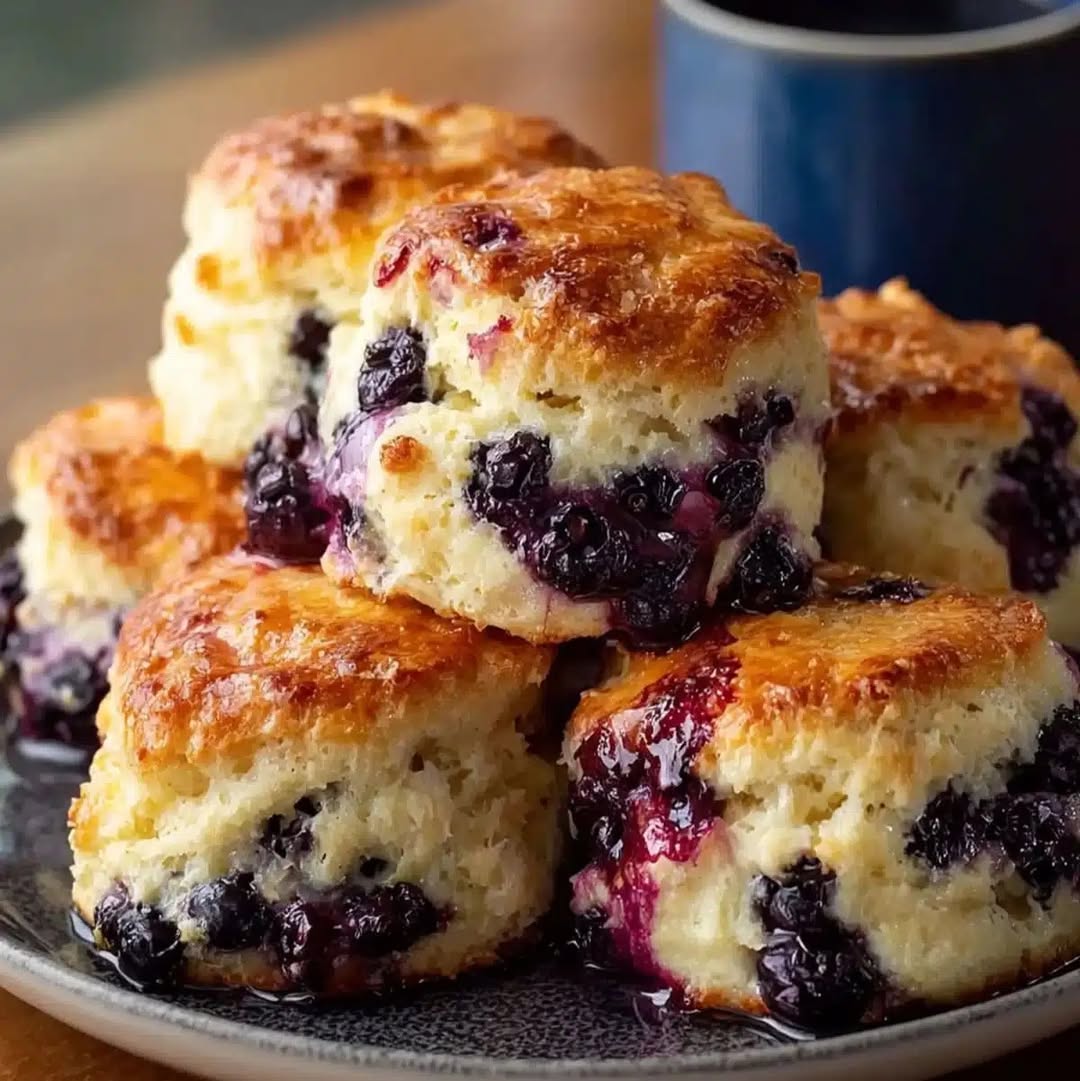
Easy Blueberry Biscuits: Soft, Tender, and Ready in 30 Minutes
Imagine pulling a tray of warm, golden-brown biscuits from your oven. They smell of sweet blueberries and rich butter. Now picture biting into one. The exterior gives way to a cloud-like interior, studded with pockets of juicy, burst berries. This is the magic of homemade Easy Blueberry Biscuits: Soft, Tender, and Ready in 30 Minutes. This recipe delivers that exact experience, transforming simple pantry staples into a breakfast or brunch showstopper.
Furthermore, these biscuits defy the typical baking timeline. Often, people think scratch-made pastries require hours of labor. Conversely, this streamlined method proves otherwise. From bowl to table in half an hour, you can achieve bakery-quality results. The process focuses on simple techniques that guarantee a flaky, tender crumb every single time. Ultimately, it’s the perfect solution for a lazy weekend morning or an impressive last-minute treat for guests.
Additionally, the beauty of these Easy Blueberry Biscuits lies in their versatility. Serve them warm with a pat of melting butter for a classic treat. Alternatively, drizzle them with a simple lemon glaze for a dessert-like finish. They are equally delightful alongside a cup of afternoon tea or as a sweet component on a brunch buffet. Regardless of how you enjoy them, their tender texture and vibrant berry flavor will make them an instant favorite.
Quick Recipe Highlights
- Flavor Profile: These biscuits offer a beautiful balance of buttery richness and the bright, sweet-tart pop of fresh blueberries. A hint of vanilla and a touch of sugar in the dough create a perfect base that complements the fruit without overpowering it.
- Texture: The goal is a biscuit that is supremely tender and soft inside with just a hint of a crisp, golden top. The method of handling the dough ensures layers that pull apart easily, while the blueberries add juicy bursts throughout.
- Aroma: As they bake, your kitchen will fill with the comforting scent of browned butter and caramelizing sugar, underscored by the sweet, jammy fragrance of warming blueberries. It’s an irresistible aroma that promises a delicious result.
- Visual Appeal: The biscuits bake to a lovely golden-brown color with craggy, rustic tops. The blueberries peek through, some bursting and creating beautiful purple streaks, making them look professionally made and utterly inviting.
- Skill Level Needed: This recipe is designed for bakers of all levels, especially beginners. It uses straightforward mixing techniques and requires no special pastry skills. The key is a light touch and keeping ingredients cold for the best texture.
- Special Equipment: You need only basic kitchen tools: a mixing bowl, a pastry cutter or fork, a baking sheet, and a round cutter or glass. A box grater can be helpful for quickly incorporating very cold butter.
Recipe Overview
- Difficulty Level: We classify this recipe as “Easy” because it involves minimal steps and common techniques. There is no yeast, no proofing time, and no complex laminating of dough. The most critical skill is avoiding overmixing, which is simple to master with a little guidance. Therefore, even novice bakers can achieve excellent results on their first try.
- Category: These biscuits perfectly straddle the line between breakfast bread and dessert. They are ideal for a weekend brunch, a sweet afternoon snack, or a light dessert. Moreover, they can be part of a larger spread or stand alone as the star of the meal.
- Cuisine: This recipe falls under the broad category of American baking, drawing inspiration from classic Southern buttermilk biscuits and incorporating the popular addition of fruit. It’s a modern, quick take on a traditional comfort food staple found across North America.
- Cost: This is an incredibly cost-effective recipe. The base ingredients—flour, butter, milk, baking powder, and sugar—are pantry staples. Fresh blueberries are the primary variable cost, but frozen berries work perfectly and are often more affordable year-round. Overall, you can make a batch for a fraction of the cost of bakery equivalents.
- Season: While fantastic any time of year, these biscuits truly shine in late spring and summer when fresh, local blueberries are at their peak sweetness and flavor. However, thanks to frozen fruit, you can enjoy the taste of summer even in the depths of winter.
- Occasion: They are wonderfully versatile for occasions. Think casual family breakfasts, holiday brunches like Mother’s Day, baby or bridal showers, picnic baskets, or even as a homemade gift packaged in a pretty basket or tin.
Why You’ll Love This Recipe
First and foremost, the taste and texture combination is utterly irresistible. Each bite delivers a buttery, soft crumb that practically melts in your mouth. Then, you hit a burst of warm, juicy blueberry that adds a bright, fruity contrast. The subtle sweetness is perfectly balanced, making them satisfying but not overly rich. Consequently, they appeal to both adults and children, striking that ideal note between a bread and a pastry. You will find yourself reaching for a second one without a second thought.
Next, consider the sheer convenience. In our busy lives, a from-scratch recipe that comes together in 30 minutes is a game-changer. There’s no planning ahead, no waiting for dough to rise. You can decide to make them on a whim and have warm biscuits ready before your coffee finishes brewing. This speed does not compromise quality. The technique ensures a tender result that rivals recipes requiring much more effort. Therefore, it eliminates the excuse that baking from scratch is too time-consuming.
From a nutritional perspective, homemade biscuits allow you to control the ingredients. You can use whole wheat flour for part of the all-purpose to add fiber. You can adjust the sugar level to your preference. Blueberries themselves are a nutritional powerhouse, packed with antioxidants and vitamins. While certainly a treat, making them at home means no artificial preservatives or unfamiliar additives. So, you can feel good about sharing them with your family.
For social and entertaining value, these biscuits are a superstar. They look impressive and taste even better, giving the impression you spent hours in the kitchen. They are a fantastic addition to a brunch potluck or a housewarming gift. Serving warm, homemade pastries creates an immediate atmosphere of warmth and hospitality. Guests always appreciate the personal touch, and these biscuits are a guaranteed conversation starter.
Finally, their cost-effectiveness and accessibility seal the deal. As mentioned, the ingredients are inexpensive and readily available. You likely have most of them in your kitchen right now. Compared to buying a similar-quality product from a boutique bakery, this recipe saves significant money. It also demystifies biscuit-making, proving that fantastic baked goods are within everyone’s reach. Ultimately, this recipe empowers you to create something beautiful and delicious with minimal investment.
Historical Background and Cultural Significance
The biscuit, in its American form, has deep roots in Southern United States cuisine. Its ancestor is the British scone, brought over by colonists. However, American settlers adapted the recipe based on available ingredients, leading to the development of baking powder as a leavener in the 19th century. This invention was revolutionary. It created the quick, rising bread we know today, distinct from yeast-risen rolls. The biscuit became a staple on farms and in homes because it was fast, filling, and used simple pantry items.
Culturally, the biscuit represents comfort, hospitality, and resourcefulness in American food history. It was a food of necessity that became a food of love. In the South, the ability to make a light, flaky biscuit was (and often still is) considered a fundamental kitchen skill. Biscuits were served at every meal, from breakfast with gravy to supper alongside stew. They symbolized warmth and home, a tradition that continues in many families today.
The evolution to include fruit like blueberries is a natural progression in baking. As regional ingredients became more accessible, bakers began incorporating local produce into classic doughs. Blueberry muffins and pancakes are iconic. Adding blueberries to biscuit dough is a logical and delicious fusion. It combines the comforting, savory backbone of a biscuit with the sweet, seasonal delight of berries. This variation represents the modern, creative approach to traditional recipes, where personalization and flavor exploration are encouraged.
Regional variations of fruit-studded quick breads are endless. In the Northeast, you might find cranberry-orange biscuits. In the Midwest, apple cinnamon versions are popular. The Southern take might use peaches or blackberries. Our Easy Blueberry Biscuits fit into this beautiful tapestry of American baking. They take a universal technique and apply a favorite, widely-loved fruit. This adaptability is what keeps these recipes alive and relevant, allowing each baker to put their own stamp on a classic.
Ingredient Deep Dive
All-Purpose Flour: This is the structural backbone of your biscuits. Flour provides the gluten that gives the dough its shape and chew. For tender biscuits, we use all-purpose flour for its moderate protein content. Historically, soft wheat flour, common in the South, was used for its low protein, yielding an even more tender crumb. If you can find it, White Lily or other soft wheat flour is an excellent choice. Otherwise, standard all-purpose works perfectly. Always spoon the flour into your measuring cup and level it off to avoid dense biscuits.
Cold Butter: This is the non-negotiable secret to flaky layers. When small, cold pieces of butter are distributed throughout the dough and hit the hot oven, they melt. This process releases steam, pushing the layers of dough apart. Culturally, butter replaced earlier fats like lard or drippings in many recipes, adding a rich flavor. For best results, start with butter straight from the fridge. Some pros even freeze their butter and grate it into the flour for perfect, pea-sized distribution without warming it.
Fresh or Frozen Blueberries: The star of the show. Blueberries are native to North America and have been foraged and cultivated for centuries by Indigenous peoples. They are packed with antioxidants like anthocyanins, which give them their color. When selecting fresh berries, look for firm, plump fruits with a silvery bloom. If using frozen, do not thaw them first; toss them in a bit of flour to prevent bleeding. This ingredient adds not just flavor and color, but also moisture and nutritional value to the recipe.
Milk or Buttermilk: The liquid component that binds the dough and contributes to tenderness. Buttermilk, a traditional biscuit ingredient, adds a pleasant tang and reacts with the baking powder for a slight extra lift. Its acidity also tenderizes gluten. If you don’t have buttermilk, regular milk works fine. For a substitute, add one tablespoon of lemon juice or white vinegar to a cup of milk and let it sit for 5 minutes. Cold liquid is crucial to keeping the butter solid, so chill your milk beforehand.
Granulated Sugar & Baking Powder: Sugar adds a subtle sweetness that complements the berries and promotes browning. Baking powder is the modern leavening agent that makes these “quick” biscuits rise without yeast. It’s a combination of an acid and a base that reacts when moistened and again when heated. Ensure your baking powder is fresh for maximum lift. Test it by sprinkling a bit in hot water; if it fizzes vigorously, it’s active.
Common Mistakes to Avoid
- Using Warm Butter or Liquid: This is the number one mistake. Warm butter will melt into the flour instead of staying in discrete pieces, resulting in a dense, greasy biscuit with no flaky layers. Always ensure both your butter and milk are very cold.
- Overmixing the Dough: Biscuit dough should be mixed only until it just comes together. Overmixing develops the gluten in the flour, leading to tough, chewy biscuits instead of tender, soft ones. It’s okay if the dough looks a bit shaggy and uneven.
- Not Flouring Your Berries: If you add wet or thawed blueberries directly to the dough, they can bleed and turn the entire batch a grayish-purple. Tossing frozen or fresh berries in a tablespoon of flour from the recipe coats them and helps suspend them in the dough.
- Twisting the Biscuit Cutter: When cutting out your biscuits, press straight down and lift straight up. Twisting the cutter seals the edges of the dough, which can prevent them from rising fully and achieving their maximum height.
- Overhandling the Scraps: After the first cut, you will have dough scraps. Gently press them together to cut more biscuits, but know that these re-rolled biscuits will be slightly less tender than the first batch. Handle them as little as possible.
- Baking on the Wrong Pan or Position: Use a light-colored baking sheet to prevent the bottoms from burning. Lining it with parchment paper helps with cleanup and even browning. Also, bake in the center of the oven for even heat circulation.
- Checking Too Often: Resist the urge to open the oven door frequently during the first 10 minutes of baking. The rush of cold air can cause the biscuits to fall and disrupt the crucial rising process.
- Not Brushing with Butter: Brushing the tops with melted butter or milk before baking encourages a beautiful, golden-brown crust and adds flavor. It’s a small step with a big visual and taste payoff.
Essential Techniques
Keeping Ingredients Cold: This technique is paramount for flaky layers. The science is simple: cold butter pieces create steam pockets during baking. Therefore, you must work quickly and use chilled ingredients. Pro tip: measure your milk and stick it in the freezer for 5-10 minutes while you prepare the dry ingredients. You can even freeze your butter for 15 minutes before grating or cutting it in. The visual cue for success is seeing distinct, pea-sized lumps of butter in your flour mixture before adding liquid.
The “Cutting In” Method: This refers to distributing solid fat into dry ingredients without melting it. You can use a pastry cutter, two forks, or your fingertips. The goal is to break the butter down into small pieces coated in flour. If using your fingers, work quickly to avoid warming the butter. A fantastic modern hack is to use a box grater to grate frozen butter directly into the flour. This ensures perfect, small pieces with minimal handling and heat transfer.
Folding and Patting, Not Kneading: Once you add the liquid, you will gently stir until a shaggy dough forms. Then, turn it out onto a surface and use your hands to gently fold it over itself a few times. This action helps create layers. You are not kneading like bread dough. You are gently pressing and folding. Stop as soon as the dough holds together. It will be slightly sticky and uneven—that’s perfect. Overworking at this stage is the primary cause of toughness.
Pro Tips for Perfect Easy Blueberry Biscuits
First, freeze your blueberries for 15 minutes before using, even if they are fresh. This helps them stay intact during mixing and prevents excessive juice from bleeding into the dough before baking.
Second, use a sharp, floured biscuit cutter. A dull edge can pinch the dough layers shut. Dipping the cutter in flour between each cut prevents sticking and ensures clean edges for optimal rise.
Third, place the cut biscuits on the baking sheet so their sides are just touching. As they bake, they will support each other, helping them rise upward instead of spreading outward, resulting in taller, softer biscuits.
Fourth, for extra flavor, add a teaspoon of lemon zest to the dry ingredients. The citrus brightness beautifully complements the blueberries and cuts through the richness of the butter.
Fifth, if you desire a sweeter, glossy finish, brush the tops with a mix of one tablespoon milk and one tablespoon sugar after they come out of the oven. This creates a delicate, crackly sweet crust.
Sixth, let the baked biscuits rest on the pan for 2-3 minutes before transferring them to a wire rack. This allows them to set slightly, making them less likely to crumble when you move them.
Variations and Adaptations
Regional Variations: Embrace local flavors! In the South, try adding diced ripe peaches and a pinch of cinnamon. For a New England twist, use dried cranberries and orange zest. In the Pacific Northwest, marionberries or raspberries make a fantastic substitute.
Seasonal Adaptations: Adapt the fruit to the season. Spring calls for chopped strawberries or rhubarb. Summer is perfect for blueberries, blackberries, or peaches. Fall welcomes diced apple with a dash of nutmeg. Winter works well with frozen mixed berries or even a jam swirl.
Dietary Modifications: For gluten-free biscuits, use a 1:1 gluten-free flour blend with xanthan gum. For dairy-free, use plant-based butter and milk (unsweetened almond or oat milk work well). Ensure your baking powder is gluten-free if needed.
Flavor Variations: Infuse the dough with different extracts like almond or coconut. Add spices such as cardamom, ginger, or pumpkin pie spice. Incorporate mix-ins like white chocolate chips, chopped nuts, or shredded coconut for texture and flavor contrast.
Texture Modifications: For a crunchier top, sprinkle with coarse sugar before baking. For a softer, dinner-style biscuit, bake them closer together so their sides fully touch. For individual “drop biscuits,” simply spoon mounds of dough onto the sheet, skipping the cutting step.
Presentation Alternatives: Instead of round biscuits, pat the dough into a square and cut into triangles or squares for a rustic look. Make mini biscuits for a party appetizer or to serve with tea. Bake them in a cast-iron skillet for a dramatic, family-style presentation.
Serving and Presentation Guide
Plating Techniques: For a simple, elegant look, place biscuits in a cloth-lined basket or on a wooden board. Stack them slightly askew to show off their craggy tops. On individual plates, place one biscuit slightly off-center, perhaps with a small pat of butter melting on top or a drizzle of honey beside it.
Garnishing Ideas: Fresh mint or lemon thyme sprigs add a pop of color and fragrance. A light dusting of powdered sugar looks beautiful, especially on berries. A dollop of freshly whipped cream or lemon curd on the side transforms them into dessert. A few extra fresh blueberries scattered on the plate enhances the berry theme.
Traditional Accompaniments: Softened butter is a must. High-quality clover honey, maple syrup, or fruit preserves like blueberry or peach jam are classic choices. For a savory-sweet brunch, serve alongside scrambled eggs and crispy bacon or sausage.
Modern Serving Suggestions: Split them and fill with lemon mascarpone cream and fresh berries for a shortcake. Crumble over yogurt parfaits. Serve with a side of whipped honey butter or cinnamon sugar compound butter. For a decadent treat, use them as the base for a biscuit bread pudding.
Temperature Considerations: These biscuits are truly best served warm, within an hour of baking. The butter is fragrant, the berries are juicy, and the texture is at its peak. If serving later, a quick 5-10 second warm-up in the microwave can revive them beautifully.
Portion Control Tips: The recipe yields about 8 standard biscuits, which is a perfect serving for 4-8 people depending on the meal context. For a larger gathering, double the batch. For smaller households, you can freeze unbaked cut biscuits and bake from frozen, adding a few extra minutes to the bake time.
Wine and Beverage Pairing
Wine Pairings: For a brunch or dessert setting, a slightly sweet, sparkling Moscato d’Asti complements the berries and butter without overpowering. A late-harvest Riesling with its honeyed apricot notes is another excellent choice. If you prefer a still wine, a light-bodied Pinot Noir with its red fruit flavors can pair surprisingly well, especially if the biscuits are served with a cheese plate.
Non-Alcoholic Alternatives: Sparkling grape juice or cider mimics the celebratory feel of wine. A homemade blueberry lemonade echoes the biscuit’s flavors. Iced herbal tea, like peach or mint, offers a refreshing contrast. For a creamy option, a chai latte or hot chocolate works wonderfully in cooler months.
Coffee/Tea Pairings: Coffee is a classic partner. A medium-roast coffee with nutty or chocolatey notes balances the sweetness. For tea, consider a bold English Breakfast with milk, a fragrant Earl Grey, or a fruity herbal blend like berry medley or vanilla rooibos. The tannins and aromatics cut through the richness perfectly.
Temperature Considerations: Serve hot beverages hot and cold beverages well-chilled. The contrast in temperature between a warm biscuit and a cool glass of milk or iced tea is part of the pleasure. For wine, serve whites and sparklings chilled, and reds slightly below room temperature.
Serving Suggestions: Present beverages in clear glassware to show off their color—a flute for sparkling, a mug for coffee, a tall glass for iced tea. Adding a lemon wedge to iced tea or a cinnamon stick to hot chocolate ties the presentation together with the homemade feel of the biscuits.
Storage and Shelf Life
Storage Methods: Once completely cooled, store biscuits in an airtight container at room temperature for up to 2 days. Place a paper towel at the bottom to absorb any moisture from the berries. Do not store them while still warm, as condensation will make them soggy.
Temperature Requirements: Room temperature is ideal for short-term storage. Refrigeration is not recommended, as it accelerates staling and can dry out the crumb. The cold environment also causes the butter to harden, making them less pleasant to eat.
Container Recommendations: A metal tin with a tight-fitting lid is perfect. Alternatively, a glass or plastic container works well. If using a plastic container, ensure it is completely dry inside. For individual portions, you can wrap each biscuit tightly in plastic wrap before placing in the container.
Signs of Spoilage: Discard biscuits if you see any mold growth, which may appear as fuzzy spots. A sour or off smell is another clear indicator. While staling (hard, dry texture) is a quality issue, it is not a safety issue. Stale biscuits can be revived or repurposed.
Reheating Instructions: To restore warmth and softness, wrap a biscuit in a damp paper towel and microwave for 10-15 seconds. For a crisper exterior, reheat in a 300°F (150°C) oven for 5-8 minutes. Avoid the microwave for too long, as it can make the berries overly hot and the texture gummy.
Freezing Guidelines: These biscuits freeze exceptionally well. Cool them completely, then wrap individually in plastic wrap and place in a freezer bag. They will keep for up to 3 months. Thaw at room temperature or reheat from frozen in a 325°F (160°C) oven for 10-15 minutes.
Make Ahead Strategies
Prep Timeline: You can prepare the dry ingredient mixture (flour, sugar, baking powder, salt) up to a week in advance and store it in an airtight container. Measure your cold butter and keep it wrapped in the fridge. The night before, measure your berries and keep them chilled. In the morning, simply combine the cold butter with the dry mix, add berries and milk, and bake.
Storage Between Steps: For the ultimate make-ahead, you can freeze the unbaked, cut biscuits. Prepare the recipe up to the point of cutting them out. Place them on a parchment-lined baking sheet and freeze solid (about 1-2 hours). Then transfer the frozen biscuit pucks to a freezer bag. This prevents them from sticking together.
Quality Impact Assessment: Pre-mixing dry ingredients has no negative impact. Freezing unbaked biscuits may slightly reduce rise, but the difference is minimal, especially if you add 1-2 minutes to the bake time. The convenience far outweighs any tiny compromise in texture for most home bakers.
Assembly Tips: When ready to bake from frozen, do not thaw. Simply arrange the frozen biscuits on your baking sheet, brush with cold milk or cream, and bake. Add 3-5 minutes to the baking time. They will bake up beautifully, giving you fresh, hot biscuits with zero morning effort.
Reheating Guidelines: For biscuits baked ahead and stored, use the oven reheating method (300°F for 5-8 mins) for best results. The microwave is fine for a single serving but can make them slightly chewy if overdone.
Fresh Element Additions: If making components ahead, the one element to add fresh is the cold liquid (milk). Adding it just before baking ensures the chemical reaction with the baking powder is active and the butter is still cold, guaranteeing maximum rise and flakiness.
Scaling Instructions
Halving the Recipe: Halving is straightforward for a smaller batch. Precisely halve all ingredient measurements. Use a smaller bowl for mixing. The bake time may be reduced by 1-2 minutes, so start checking for doneness at the 12-minute mark. The yield will be about 4-5 biscuits.
Doubling or Tripling: For a crowd, doubling or tripling works well. Use a very large mixing bowl to ensure even distribution of ingredients. Mix the dry ingredients in batches if necessary to combine thoroughly. You may need to bake in multiple batches or on two oven racks, rotating the sheets halfway through baking for even browning.
Equipment Adjustments: When scaling up, ensure you have a large enough work surface for patting out the larger quantity of dough. You may need multiple baking sheets. If baking more than one sheet at a time, use the upper and lower thirds of the oven and rotate them front-to-back and top-to-bottom halfway through.
Timing Modifications: The prep time will increase slightly with larger batches, but not linearly. The bake time remains largely the same per batch, as biscuit size doesn’t change. The main timing consideration is if you are baking sequential batches; the dough for later batches should be kept chilled while the first batch bakes.
Storage Considerations: If making a large batch, have your storage containers ready. Consider freezing a portion of the unbaked or baked biscuits to prevent waste and enjoy later. Label bags with the date and baking instructions if frozen raw.
Nutritional Deep Dive
Macro Breakdown: A typical biscuit from this recipe provides a balance of carbohydrates from the flour and berries, fats from the butter, and a small amount of protein. The blueberries add natural sugars and fiber. The exact numbers depend on specific ingredients used, but it’s a energy-dense food best enjoyed as part of a balanced meal.
Micronutrient Analysis: Blueberries are the micronutrient stars here. They are an excellent source of Vitamin C, Vitamin K, and manganese. They also provide a significant amount of dietary antioxidants. The flour contributes B vitamins like folate and iron, especially if using enriched flour.
Health Benefits: The antioxidants in blueberries, particularly anthocyanins, are linked to reduced oxidative stress and inflammation. The fiber from the whole fruit and potential whole-wheat flour supports digestive health. Homemade preparation avoids trans fats and excessive sodium often found in commercial versions.
Dietary Considerations: This standard recipe contains gluten and dairy. It is vegetarian. For those monitoring sugar intake, the amount of added sugar is relatively modest and can be reduced slightly. The fat content is primarily from butter, which is a source of saturated fat.
Portion Analysis: One biscuit is a satisfying portion. Pairing it with a source of protein, like Greek yogurt or eggs, and some additional fruit creates a more balanced meal that provides sustained energy and satiety.
Weight Management Tips: Enjoy these biscuits mindfully as a treat. You can make slight modifications like using part whole wheat flour, reducing sugar by a tablespoon, or using a lower-fat milk. Remember, the portion size is key. One biscuit with a healthy topping is a better choice than several plain ones.
Dietary Adaptations
Gluten-free: Use a reputable 1:1 gluten-free all-purpose flour blend that contains xanthan gum. Brands like Bob’s Red Mill or King Arthur Measure for Measure work well. The dough may be slightly more delicate, so handle with extra care. Results are excellent and nearly indistinguishable.
Dairy-free: Substitute the butter with a high-quality, firm vegan butter stick (not the spreadable tub kind). Use an unsweetened, unflavored plant-based milk like almond, soy, or oat milk. Ensure the milk is cold. The flavor will be slightly different but still delicious.
Vegan: Follow the dairy-free substitutions above. Also, for the optional egg wash, use plant-based milk or a maple syrup wash. Check that your sugar is certified vegan, as some white sugar is processed with bone char.
Low-carb/Keto: This is a significant adaptation. Use a combination of almond flour and coconut flour, plus a keto-friendly sweetener like erythritol. Note that the texture will be denser and more crumbly, and berries must be used very sparingly due to their natural sugar content. Specific keto baking recipes are best followed.
Paleo: Use almond flour and tapioca flour or arrowroot starch as a base. Substitute butter with cold coconut oil or ghee. Use a paleo-approved sweetener like coconut sugar or maple sugar. This will create a grain-free, dairy-free version with a nuttier flavor.
Low-FODMAP: Use a gluten-free flour blend as wheat contains fructans. Ensure it does not have legume-based flours like chickpea. The butter is low-FODMAP in moderate servings. Limit blueberries to a safe serving size (about 40g per biscuit) as they contain excess fructose in larger amounts. Use lactose-free milk.
Troubleshooting Guide
Texture Issues (Dense/Heavy): This is almost always due to overmixing or warm ingredients. Next time, ensure everything is ice-cold and mix only until combined. Your butter should be visible in pea-sized pieces. Also, check your baking powder’s expiration date; old leavener won’t provide adequate lift.
Flavor Balance (Too Bland): Ensure you are using enough salt—it’s crucial for enhancing all other flavors. Using high-quality butter makes a noticeable difference. If berries are out of season and not very sweet, a slight increase in sugar or a drizzle of honey after baking can help.
Temperature Problems (Burnt Bottoms/Pale Tops): Burnt bottoms indicate an oven that runs hot or a dark baking sheet. Use parchment paper and/or move the rack to a higher position. Pale tops mean the oven may be too cool, or you forgot the butter/milk wash. An oven thermometer ensures accurate temperature.
Equipment Challenges: No pastry cutter? Use two knives in a scissor motion or quickly pinch butter into flour with your fingertips. No biscuit cutter? Use the floured rim of a drinking glass or a sharp knife to cut squares. A box grater is the best tool for distributing cold butter evenly.
Ingredient Substitutions: Out of buttermilk? The milk + lemon juice/vinegar trick works. Out of fresh berries? Frozen are actually better as they bleed less. For a different fat, cold, solid coconut oil or vegetable shortening can replace butter, though flavor will change.
Timing Concerns: If biscuits are browning too fast but not cooked inside, your oven temperature is too high. Reduce by 25°F next time. If they aren’t rising well, ensure your baking powder is fresh and you’re not over-handling the dough. Always bake in the preheated oven’s center.
Recipe Success Stories
Community feedback on this recipe has been overwhelmingly positive. Many home bakers report that this became their “go-to” biscuit recipe after the first try, often replacing more complicated ones. A common theme is surprise at how simple the process is. One reader mentioned, “I always bought canned biscuits because I thought homemade was too hard. This recipe proved me wrong in 30 minutes flat.” Another noted that their children now request them every Saturday morning, a tradition they love.
Variation successes are fun to hear about. Readers have shared photos of beautiful biscuits made with raspberries and white chocolate, lemon-blueberry versions with glaze, and even savory cheddar and chive adaptations inspired by the same dough method. One baker made them gluten-free for a family gathering, and no one could tell the difference, which was a huge win for them. Another used the freeze-ahead trick for a holiday brunch and was thrilled with the stress-free morning.
Reader suggestions have also enriched the recipe. A tip to add a pinch of nutmeg to the dry ingredients came from a community member and is now a favorite variation for many. Another suggested brushing the tops with honey butter right after baking for an extra glossy, flavorful crust—a pro move we now recommend. The adaptability of this base recipe Print
Quick Blueberry Biscuits
- Total Time: 30 minutes
- Yield: 8
Description
Soft, tender, and bursting with juicy blueberries—these biscuits feel bakery-fancy but come together fast (about 30 minutes).
Ingredients
- 2 cups all-purpose flour
- 1/4 cup granulated sugar
- 1 tablespoon baking powder
- 1/2 teaspoon salt
- 1/2 cup cold unsalted butter, cubed
- 3/4 cup buttermilk
- 1 cup fresh blueberries
- 1 teaspoon vanilla extract
Instructions
- Preheat oven to 425°F (220°C) and line a baking sheet with parchment paper.
- In a large bowl, whisk together flour, sugar, baking powder, and salt. Cut in cold butter until mixture resembles coarse crumbs.
- Gently stir in buttermilk and vanilla until just combined, then fold in blueberries. Drop dough onto baking sheet in 8 equal mounds.
- Bake for 15-18 minutes until golden brown. Cool slightly before serving.
Notes
You can customize the seasonings to taste.
- Prep Time: 15 minutes
- Cook Time: 15 minutes
- Method: Breakfast
- Cuisine: American