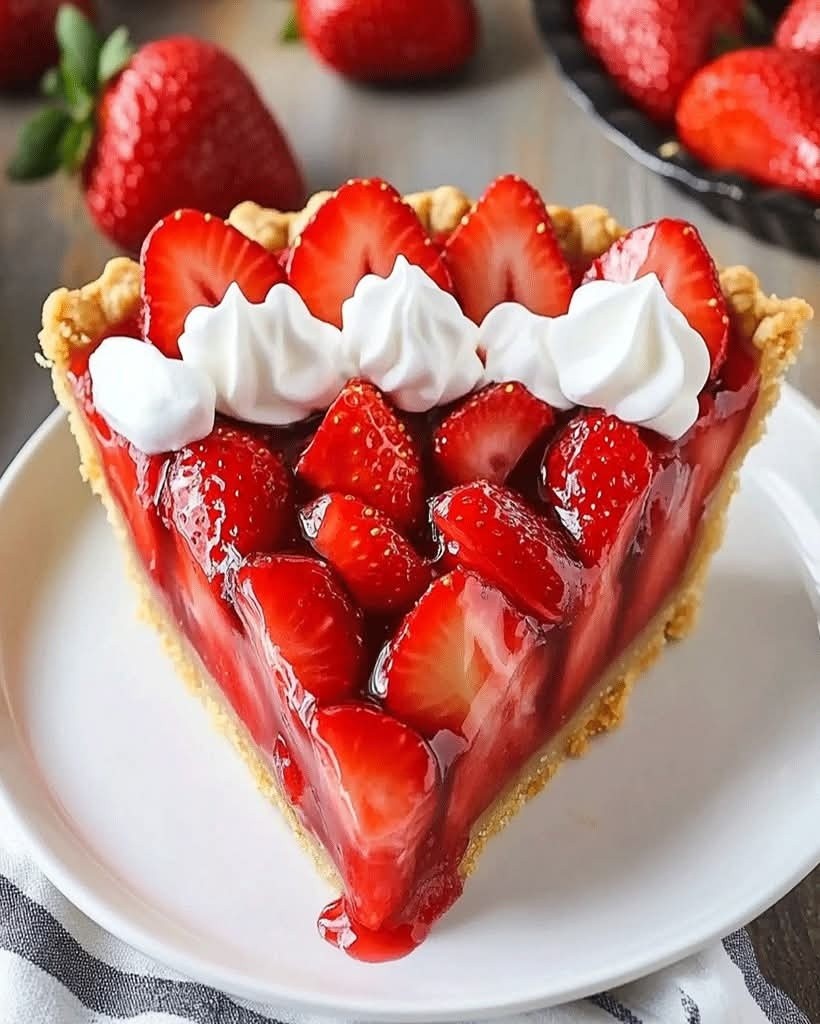
The Best Strawberry Pie Recipe: A Sweet & Easy Summer Treat
Imagine a dessert that perfectly captures the essence of summer in every single bite. This best strawberry pie recipe delivers exactly that experience, featuring a vibrant, ruby-red filling bursting with fresh berry flavor. Moreover, it sits elegantly in a crisp, buttery crust, creating a textural contrast that is simply irresistible. Consequently, this pie has become a staple for family gatherings and sunny afternoons alike.
Creating this iconic summer dessert is surprisingly straightforward, making it an ideal project for bakers of all skill levels. The filling relies on the natural sweetness of ripe strawberries, enhanced by just the right amount of sugar and a touch of thickener for the perfect sliceable consistency. Ultimately, the result is a stunning, no-fuss pie that looks as spectacular as it tastes. Therefore, if you are searching for a show-stopping treat that celebrates seasonal fruit, your quest ends here.
This recipe honors the simple, glorious flavor of the strawberry without unnecessary complexity. Each component, from the flaky pastry to the glossy berry filling, works in harmony. The final product is a dessert that feels both nostalgic and refreshingly modern. As a result, it is guaranteed to earn a permanent spot in your recipe collection and receive rave reviews from everyone at your table.
Quick Recipe Highlights
- Flavor Profile: This strawberry pie recipe features a brilliant balance of sweet and tart notes. The fresh strawberries provide a bright, fruity core, while the sugar syrup adds a clean sweetness that does not overwhelm. Additionally, a hint of lemon juice lifts all the flavors beautifully.
- Texture: You will enjoy a delightful contrast between the tender, juicy strawberry pieces and the firm, gel-like filling that holds them together. Meanwhile, the pre-baked pie crust offers a satisfying, crisp snap that complements the lush interior perfectly.
- Aroma: As the pie chills, it fills your kitchen with the unmistakable, summery scent of ripe strawberries. The aroma is sweet, slightly floral, and incredibly inviting, promising a delicious treat before you even take the first bite.
- Visual Appeal: This pie is a true centerpiece with its glossy, jewel-toned filling piled high with whole and halved berries. The deep red color against the golden-brown crust is visually stunning, making it perfect for holidays, parties, or any special occasion.
- Skill Level Needed: This is an accessible recipe designed for home cooks. While it involves a few steps like making a stovetop glaze and pre-baking a crust, the techniques are simple and clearly explained. Consequently, even novice bakers can achieve fantastic results with careful attention.
- Special Equipment: You will need a standard 9-inch pie plate, a medium saucepan, and a rolling pin for the crust. A pastry blender or food processor simplifies making the dough, and a pastry brush is helpful for egg washing the crust edges. However, none of these tools are strictly mandatory.
Recipe Overview
- Difficulty Level: We classify this best strawberry pie recipe as easy because it breaks down into very manageable steps. The crust is a simple press-in or roll-out dough, and the filling requires only basic stovetop cooking. Furthermore, there is no intricate lattice work or delicate baking of the filling, minimizing potential errors. The process is forgiving and designed for success.
- Category: This dish falls squarely into the dessert category, ideal for concluding a meal or serving at a celebratory brunch. It is also a fantastic choice for potlucks and picnics because it travels well once set. Ultimately, it is a versatile sweet treat suitable for numerous dining scenarios.
- Cuisine: This pie is a classic of American home baking, deeply rooted in the tradition of using fresh, seasonal summer fruit. While fruit pies exist worldwide, this particular version with a cooked glaze poured over fresh berries is a hallmark of mid-20th century American dessert tables. It reflects a love for straightforward, fruit-forward sweets.
- Cost: Making this pie is very economical, especially during peak strawberry season when berries are plentiful and affordable. The other ingredients—flour, sugar, butter, cornstarch—are common pantry staples. Therefore, you can create an impressive dessert for a crowd without a significant financial investment.
- Season: Late spring and early summer are the absolute best times to make this pie, corresponding with the peak of strawberry season. During this period, berries are at their sweetest, most flavorful, and most affordable. Of course, you can make it year-round with store-bought berries, but the flavor will truly shine with in-season, local fruit.
- Occasion: This pie is perfect for Fourth of July celebrations, Memorial Day cookouts, Mother’s Day brunches, and summer birthday parties. It also makes a wonderful welcome-to-the-neighborhood gift or a simple weekend treat to enjoy with family. Its vibrant appearance and crowd-pleasing flavor suit any festive gathering.
Why You’ll Love This Recipe
First and foremost, the taste of this best strawberry pie recipe is utterly unforgettable. Each forkful delivers the pure, sun-ripened essence of strawberries, balanced with just enough sweetness to highlight their natural flavor without masking it. The buttery, flaky crust provides the perfect textural counterpoint to the soft, glossy filling. Consequently, the combination creates a harmonious dessert experience that is both refreshing and deeply satisfying, leaving you eager for the next bite.
From a practical standpoint, this recipe offers remarkable convenience. Unlike fruit pies that require lengthy baking and risk a soggy bottom, this method uses a pre-baked shell and a stovetop glaze. This approach not only saves time but also guarantees a crisp crust every single time. Furthermore, the active hands-on time is relatively short, and the pie does the majority of its “cooking” as it chills in the refrigerator. Therefore, you can prepare it ahead of time, reducing stress on the day you plan to serve it.
Nutritionally, while this is a dessert, it capitalizes on the inherent benefits of its star ingredient. Strawberries are packed with vitamin C, antioxidants, and fiber. By using a large quantity of whole fruit, this pie offers a more fruit-forward option compared to many other desserts. You can also feel good about serving a treat made with recognizable, whole ingredients instead of artificial flavors or fillings.
The social and entertaining value of this pie cannot be overstated. Its stunning visual appeal makes it a natural centerpiece for any table, sparking conversation and admiration. It is a universally loved dessert that appeals to both children and adults, making it a safe and impressive choice for parties. Moreover, sharing a homemade pie is a gesture of warmth and hospitality that creates lasting memories around the table.
Finally, this recipe is highly cost-effective and accessible. The ingredient list is short and simple, with no expensive or hard-to-find items. Even if you need to purchase a pre-made crust to save time, the result is still spectacular. This accessibility ensures that anyone can create a beautiful, delicious dessert without special training or a large budget, embodying the spirit of joyful, approachable home baking.
Historical Background and Cultural Significance
The history of strawberry pie is intertwined with the history of the strawberry itself. While wild strawberries have been enjoyed for millennia, the modern garden strawberry we know today is a relatively recent development, originating from a chance cross between two American species in 18th-century France. As cultivation spread, strawberries became a prized seasonal delicacy. Consequently, cooks began seeking ways to preserve and showcase their fleeting flavor, leading to the creation of various preserves, tarts, and pies.
In American culinary culture, strawberry pie holds a special place as a symbol of summer and abundance. It rose to particular prominence in the mid-20th century, a period that celebrated convenience and vibrant, “modern” foods. The method of using a cooked, glazed filling poured over fresh berries in a pre-baked shell became popular during this time. This technique, often using cornstarch as a thickener, allowed home cooks to create a stunning, gel-like pie without the uncertainty of a runny fruit filling baked in the oven.
The recipe has evolved alongside changes in agricultural practices and consumer tastes. Initially, pies were strictly seasonal, made only when local berries were ripe. However, with the advent of year-round strawberry availability, the pie became a dessert for any time. Furthermore, variations have emerged, including versions with cream cheese layers, additions of other berries like rhubarb, and even frozen adaptations. Despite these innovations, the classic fresh strawberry pie remains the gold standard for many families.
Regionally, you can find fascinating variations. In the American South, a strawberry pie might feature a splash of bourbon in the glaze or be served with a dollop of sweetened whipped cream. In some areas, a crumb or streusel topping replaces the traditional top crust or open-faced presentation. Meanwhile, in Pennsylvania Dutch country, a similar pie might be made with a cooked filling using tapioca. Each variation reflects local ingredients and traditions, yet all celebrate the simple, joyful flavor of the strawberry at its peak.
Ingredient Deep Dive
Fresh Strawberries: The undisputed star of this best strawberry pie recipe, strawberries belong to the rose family and are not true berries botanically. They are renowned for their high vitamin C content, even surpassing oranges per serving, and are rich in antioxidants like anthocyanins, which give them their red color. For the best pie, select berries that are uniformly red, fragrant, and firm with bright green caps. Avoid containers with stains or mushy berries. Store them unwashed in the refrigerator for up to a week, but use them within a day or two for peak flavor in your pie. If fresh are unavailable, do not use frozen for the whole berries, as they will become too soft; however, you can use frozen berries to make the cooked glaze portion.
Granulated Sugar: Sugar serves the dual purpose of sweetening and, in the cooked glaze, helping to create the proper gel structure with the cornstarch. Historically, sugar was a luxury item, but its widespread availability helped democratize dessert-making. In this recipe, it enhances the fruit’s natural sweetness without overpowering it. There is no direct substitute that will provide the same chemical properties for thickening, but you can reduce the amount slightly if your berries are very sweet. For a deeper flavor, some of the white sugar can be replaced with an equal amount of light brown sugar.
Cornstarch: This is the essential thickener for the glossy glaze that binds the pie filling. Derived from the endosperm of corn kernels, cornstarch is a pure starch that forms a clear gel when heated with liquid and sugar, making it ideal for fruit pies where you want the vibrant color to shine through. It is important to mix it thoroughly with the sugar before adding water to prevent lumps. Arrowroot powder or clear jel can be used as a one-to-one substitute for a similar clear finish. Tapioca starch is another option, though it may create a slightly different texture.
Pie Crust (Homemade or Store-Bought): The crust provides structural integrity and a delicious, buttery contrast. A classic pie crust is a simple mixture of flour, fat (like butter or shortening), salt, and cold water. The key to flakiness is keeping the fat cold and not overworking the dough, which prevents gluten development. For a homemade crust, using a combination of butter (for flavor) and shortening (for flakiness) yields excellent results. A high-quality store-bought crust is a perfectly acceptable time-saver. For a nuttier flavor, you could substitute a portion of the all-purpose flour with whole wheat pastry flour.
Common Mistakes to Avoid
- Using Underripe or Overripe Berries: Underripe strawberries lack sweetness and flavor, resulting in a bland pie. Conversely, overripe berries are too soft and can make the filling mushy. Always aim for berries that are fully red, firm, and fragrant for the perfect balance of sweetness and structure.
- Not Pre-Baking the Crust Sufficiently: A pale, under-baked crust will become soggy once the filling is added. Blind bake your crust until it is uniformly golden brown and crisp. This step is non-negotiable for achieving the desirable textural contrast in the final pie.
- Inadequately Dissolving the Cornstarch: If you add cornstarch directly to hot liquid, it will clump immediately. Always whisk it thoroughly with the sugar first, then gradually whisk in the cold water to create a smooth slurry before heating. This ensures a perfectly smooth, lump-free glaze.
- Under-cooking the Glaze: The cornstarch mixture must come to a full boil and cook for the specified time to activate its thickening power. If you remove it from the heat too soon, the filling will remain runny and will not set properly, leading to a soupy pie.
- Pouring Hot Glaze Over the Berries: Adding a boiling hot glaze directly onto the fresh strawberries in the crust will start to cook them, making them soft and losing their fresh texture. You must let the glaze cool for at least 10-15 minutes, stirring occasionally, until it is very warm but not scalding.
- Not Letting the Pie Chill Long Enough: Impatience is the enemy of a perfectly set strawberry pie. The filling needs ample time—at least 4 hours, preferably overnight—to cool completely and set into a sliceable consistency. Cutting into it too early will result in a mess.
- Overworking the Pie Dough: If making a homemade crust, handle the dough as little as possible after adding the water. Overmixing develops gluten, which makes the crust tough and chewy instead of tender and flaky. Mix just until the dough comes together.
- Neglecting to Vent the Crust: If you are using a full top crust or lattice, forgetting to cut vents will trap steam during baking. This steam can cause the filling to bubble over and make the top crust soggy in spots. Always create several slits or a decorative vent pattern.
Essential Techniques
Blind Baking a Pie Crust: This technique involves pre-baking the crust before adding a wet filling to prevent sogginess. First, you line the chilled dough with parchment paper or foil and fill it with pie weights, dried beans, or rice. These weights hold the crust down so it does not puff up or slump during baking. You bake it partially with weights, then remove them and finish baking until golden. This step is crucial for any custard or fresh fruit pie where the filling is not baked, ensuring a crisp, sturdy base that can hold the juicy strawberries.
Creating a Cornstarch Slurry and Glaze: Mastering this method is key to the perfect pie filling. You start by thoroughly whisking the cornstarch and sugar together in a saucepan; this dry mix prevents the starch from clumping. Next, you gradually whisk in the cold water until smooth. Heating this mixture while stirring constantly causes the starch granules to swell and absorb the liquid. When it reaches a boil, the starch gelatinizes, thickening the liquid into a clear, glossy glaze. Continuing to boil for a minute or two ensures the starch taste is cooked out and the thickening is complete.
Macerating Strawberries (Optional but Beneficial): While not always required, macerating—tossing sliced berries with a little sugar and letting them sit—can enhance your pie. This process draws out some of the berries’ natural juices through osmosis, concentrating their flavor. You can then drain these excess juices and incorporate them into your cooked glaze, intensifying the strawberry taste. This extra step adds depth and prevents a watery filling, especially if your berries are particularly juicy.
Pro Tips for Perfect Strawberry Pie
First, for the most intense flavor, consider macerating your halved strawberries with a tablespoon of the recipe’s sugar for 30 minutes before assembling. Drain the accumulated juice and add it to the water when making your glaze. This simple trick concentrates the berry flavor in the filling.
Second, always taste your strawberries before you begin. If they are exceptionally sweet, you can reduce the sugar in the glaze by a few tablespoons. Conversely, if they are a bit tart, use the full amount. This ensures your pie filling has the perfect sweet-tart balance every time.
Third, to guarantee a crisp crust, brush the bottom and sides of your hot, freshly blind-baked shell with a thin layer of beaten egg white. Return it to the oven for just two minutes. This creates a moisture barrier that seals the crust, protecting it from the juicy filling.
Fourth, when arranging the berries in the crust, place the most attractive, uniformly sized halves cut-side-down around the outer edge and on top. Use the smaller or less perfect pieces in the center and bottom layer. This technique maximizes visual appeal with minimal extra effort.
Fifth, allow the cooked glaze to cool until it is just warm to the touch but still very fluid before pouring. Test it by dripping a small amount from a spoon back into the saucepan; it should ribbon slightly. This is the ideal consistency for coating the berries evenly without making them mushy.
Sixth, for clean slices, use a sharp, thin-bladed knife dipped in hot water and wiped clean between each cut. The heat helps glide through the glossy filling without dragging or sticking, resulting in beautiful, professional-looking portions.
Variations and Adaptations
Regional Variations: Across different areas, this pie takes on local character. In the South, a layer of sweetened cream cheese spread in the bottom of the baked crust is a beloved addition, adding a tangy richness. In the Midwest, a crumb topping made from flour, brown sugar, butter, and oats might replace the open-faced style, creating a strawberry crumble pie. Meanwhile, a French-inspired version could use a pastry cream base and arrange the berries in a beautiful concentric pattern.
Seasonal Adaptations: While strawberries are the star, you can adapt this recipe for other seasons. In spring, combine strawberries with rhubarb for a classic duo. In summer, add a handful of blueberries or raspberries for a mixed berry pie. For a fall twist, try using a combination of cranberries and orange zest in the glaze with the strawberries for a festive tartness.
Dietary Modifications: For a gluten-free pie, use a certified gluten-free all-purpose flour blend for your crust or purchase a pre-made gluten-free shell. To make it vegan, use a plant-based butter in the crust and ensure your sugar is vegan-friendly (some refined white sugar uses bone char). Agar-agar can be experimented with as a plant-based thickener instead of cornstarch, though the ratios will differ.
Flavor Variations: Infuse the glaze with other flavors to complement the strawberries. Steep a couple of fresh basil or mint leaves in the warming glaze, then remove them before it thickens. Add a teaspoon of vanilla extract, almond extract, or a tablespoon of bourbon or Grand Marnier after the glaze has been removed from the heat for a sophisticated note.
Texture Modifications: For a pie with more textural intrigue, layer a cup of fresh blueberries or blackberries with the strawberries. Their smaller size and different texture create pleasant surprises. Alternatively, sprinkle a layer of finely chopped toasted nuts (like almonds or pecans) over the bottom of the baked crust before adding the berries for a crunchy contrast.
Presentation Alternatives: Instead of a full-size pie, make individual hand pies or tartlets using the same method. You can also deconstruct the dessert by serving the strawberry glaze over shortbread cookies or pound cake with fresh berries and whipped cream. For a more rustic look, use a free-form galette crust instead of a pie plate.
Serving and Presentation Guide
Plating Techniques: For a classic presentation, slice the pie into even wedges using a sharp, wet knife. Use a pie server or a thin, flexible spatula to lift each piece cleanly from the plate. Place the slice slightly off-center on a dessert plate to allow room for accompaniments. If serving buffet-style, present the whole pie on a pedestal cake stand to give it height and importance, with the serving utensil alongside.
Garnishing Ideas: A simple garnish elevates the pie beautifully. A dollop of freshly whipped cream is traditional and perfect. For a more elegant touch, pipe rosettes of whipped cream around the edge of the slice. Fresh mint leaves, a single perfect whole strawberry with its stem, or a light dusting of powdered sugar are all excellent, minimalistic options that add color and freshness.
Traditional Accompaniments: Vanilla ice cream is the quintessential partner for warm fruit pie, but for this chilled pie, softly whipped cream is the classic choice. Sweeten the cream lightly with powdered sugar and a dash of vanilla. A scoop of lemon sorbet or vanilla bean frozen yogurt also makes a fantastic, refreshing pairing that complements the berries.
Modern Serving Suggestions: For a contemporary twist, serve a slice alongside a small pour of aged balsamic vinegar or a balsamic reduction for guests to drizzle. A sprinkle of freshly cracked black pepper or a few grains of flaky sea salt on top of the whipped cream can heighten the strawberry flavor in surprising and delightful ways.
Temperature Considerations: This pie is best served chilled, straight from the refrigerator. The cool temperature firms up the filling and makes slicing cleaner. However, let the plated slices sit at room temperature for 5-10 minutes before eating. This slight warming allows the flavors to bloom and the texture of the filling to soften just enough for the perfect bite.
Portion Control Tips: A standard 9-inch pie typically yields 8 generous slices. For larger gatherings or as part of a dessert buffet, you can cut it into 10 or 12 slimmer slices. If making mini tartlets, plan for 1-2 per person. Remember, this is a rich dessert, so smaller portions are often appreciated, especially after a large meal.
Wine and Beverage Pairing
Wine Pairings: The sweet, bright acidity of strawberry pie calls for wines with similar characteristics. A demi-sec (off-dry) sparkling wine like Prosecco or a California sparkling wine provides effervescence that cleanses the palate. A German Riesling (Kabinett or Spätlese) with its notes of peach and honey complements the fruit without overpowering it. For a red option, a lightly chilled Beaujolais or Lambrusco offers low tannins and fruity notes that harmonize beautifully with the berries.
Non-Alcoholic Alternatives: Sparkling water with a splash of real strawberry puree or a muddled fresh berry makes a elegant, refreshing drink. Iced herbal teas are also superb; try a hibiscus tea for its tart, cranberry-like flavor or a peach tea for a sweeter complement. A classic homemade lemonade, not too sweet, provides a perfect tart counterpoint to the pie’s sweetness.
Coffee and Tea Pairings: A medium-roast coffee with low acidity and notes of chocolate or nut pairs well, as it will not clash with the fruit’s brightness. For tea, consider a black tea like Darjeeling (which has fruity, muscatel notes) or an Earl Grey, where the bergamot citrus plays nicely with the strawberries. Serve both coffee and tea slightly less sweet than usual to balance the dessert.
Temperature Considerations: Serve sparkling wines and white wines well-chilled, between 45-50°F. Light reds like Beaujolais should be slightly chilled, around 55°F. Non-alcoholic sparklers and iced teas should be very cold. Coffee should be hot, and iced coffee should be freshly brewed and chilled to avoid dilution from melting ice.
Serving Suggestions: Offer a choice of pairings to cater to different preferences. You can set up a small beverage station with a carafe of iced tea, a bottle of sparkling water, and a wine option. Clearly label each choice. For a formal dinner, pre-pour the chosen pairing just before serving dessert to ensure optimal temperature and presentation.
Storage and Shelf Life
Storage Methods: Always store strawberry pie in the refrigerator, covered loosely with plastic wrap or aluminum foil, or under a pie dome. The cold temperature is essential for keeping the filling set and preventing spoilage. For best results, place the pie on a flat shelf where it will not be jostled. Avoid storing it in the refrigerator door due to temperature fluctuations.
Temperature Requirements: Consistent refrigeration at or below 40°F is mandatory. The pie should not be left at room temperature for more than two hours total, as the combination of dairy (if whipped cream is added) and fruit can enter the food safety “danger zone.” After serving, promptly return any leftovers to the fridge.
Container Recommendations: If you have a pie keeper with a lid, that is ideal. Otherwise, invert a large, clean bowl over the pie plate to create a dome. You can also tent plastic wrap over the top, but use toothpicks to keep it from touching the glossy surface of the filling, which can become sticky.
Signs of Spoilage: Discard the pie if you notice an off or fermented smell, significant liquid separation (more than a little “weeping”), or visible mold. While a little moisture bead on the surface is normal, excessive wateriness indicates breakdown. The crust will also become unpleasantly soggy over time rather than just soft.
Reheating Instructions: This pie is not meant to be reheated. It is a chilled dessert. If you prefer a less cold slice, simply let it sit at room temperature for 10-15 minutes before serving. The filling may soften slightly but should not become runny if properly set.
Freezing Guidelines: Freezing is not recommended for the fully assembled pie, as the fresh strawberry texture will be destroyed upon thawing, becoming mushy and watery. You can, however, freeze the unbaked pie dough or the blind-baked crust separately. Wrap them tightly in plastic and foil. The cooked glaze can also be frozen in an airtight container for up to 2 months; thaw in the refrigerator and re-warm gently on the stove, adding a splash of water if needed to loosen it.
Make Ahead Strategies
Prep Timeline: This best strawberry pie recipe is an excellent make-ahead dessert. You can prepare the pie dough up to 3 days in advance and keep it wrapped in the refrigerator, or freeze it for up to 3 months. Blind bake the crust 1 day ahead; once completely cool, wrap it tightly in plastic and store at room temperature. The strawberry glaze can be cooked, cooled, covered, and refrigerated for 2 days. Wash, hull, and halve the strawberries up to a day in advance and store them in a single layer on a paper towel-lined tray in the fridge.
Storage Between Steps: Keep all components separate until final assembly. The baked crust stays crisp at room temperature in an airtight container. The cooled glaze should be kept in a sealed container in the refrigerator. If a skin forms on the glaze, simply whisk it vigorously when you re-warm it; it will smooth out. Store prepped berries in the fridge in a breathable container.
Quality Impact Assessment: Making components ahead has minimal negative impact and can even improve flavor, as the crust settles and the glaze flavors meld. The key is to assemble the pie no more than 8-12 hours before serving to maintain the fresh texture of the berries and the perfect set of the filling. The crust may soften slightly but will remain delicious.
Assembly Tips: On the day of serving, gently re-warm the chilled glaze in a saucepan over low heat or in short bursts in the microwave, stirring until it is fluid and warm (not hot). Arrange the cold berries in the room-temperature crust. Pour the warm glaze evenly over the berries. This temperature contrast helps the glaze coat everything smoothly without cooking the fruit.
Reheating Guidelines: As noted, do not reheat the assembled pie. The only component you reheat is the glaze for assembly. If you must assemble the pie a full day ahead, understand that the berries will release more juice and the crust will soften more significantly, though it will still taste wonderful.
Fresh Element Additions: For the absolute best texture, assemble the pie the morning you plan to serve it. Add any fresh garnishes like whipped cream or mint just before serving to maintain their texture and visual appeal. This ensures every element is at its peak.
Scaling Instructions
Halving the Recipe: To make a smaller pie, simply divide all ingredient quantities by two. Use an 8-inch pie plate for the halved recipe. The blind baking time for the crust may be reduced by a few minutes; watch for color. The cooking time for the glaze will be slightly shorter as there is less volume to bring to a boil. This is perfect for smaller households.
Doubling or Tripling: For larger gatherings, you can double or triple the recipe to make multiple pies. It is easier to make the components in separate batches rather than trying to cook a huge pot of glaze, as cornstarch can thicken unevenly in very large quantities. Prepare and blind bake the crusts sequentially or use multiple ovens. Assemble each pie individually for the best results.
Equipment Adjustments: When scaling up, ensure you have enough pie plates and oven space. You may need to bake crusts in shifts. Use a larger, heavy-bottomed saucepan if doubling the glaze to prevent scorching and ensure even heat distribution. Have multiple mixing bowls ready for prepped berries.
Timing Modifications: While prep time increases linearly when making multiple pies, some steps can be done concurrently. You can prep all strawberries at once. However, cook each batch of glaze separately to maintain control. The chilling time remains the same (4+ hours) regardless of how many pies you make.
Storage Considerations: Multiple pies will take up significant refrigerator space. Plan ahead to clear a shelf. If space is limited, consider assembling the pies in stages, keeping components separate until closer to serving time. Remember, a fully assembled pie is best consumed within 24-36 hours for optimal texture.
Nutritional Deep Dive
Macro Breakdown: A typical slice of this strawberry pie is primarily composed of carbohydrates from the strawberries, sugar, and flour in the crust. It provides a moderate amount of fat, largely from the butter or shortening in the crust, which contributes to satiety and flavor. The protein content is minimal, coming from small amounts in the flour and any egg wash used on the crust. This is an energy-dense dessert meant to be enjoyed in moderation as part of a balanced diet.
Micronutrient Analysis: The star ingredient, strawberries, is a powerhouse of vitamin C, providing over 100% of the daily value in a single cup. They also offer a good amount of manganese, folate, and potassium. The berries contribute dietary fiber, which aids digestion. The crust provides small amounts of iron and B vitamins from the enriched flour, though these are not significant sources compared to the fruit.
Health Benefits: The antioxidants in strawberries, such as anthocyanins and ellagic acid, have been linked to reduced inflammation and oxidative stress. The vitamin C supports immune function and collagen production. The fiber promotes gut health and helps moderate blood sugar response to the meal. Enjoying fruit-based desserts can be a more nutrient-dense choice compared to those based solely on chocolate or caramel.
Dietary Considerations: This recipe contains gluten (in the crust) and is not suitable for those with celiac disease or gluten sensitivity without modification. It can be high in refined sugars and carbohydrates, which should be monitored by individuals with diabetes or insulin resistance. Using a reduced-sugar variation or smaller portion sizes can help manage this.
Portion Analysis: One-eighth of a 9-inch pie is a standard serving. To manage calorie and sugar intake, consider cutting the pie into 10 or 12 slices. Pairing a smaller slice with a source of protein or healthy fat, like a handful of nuts or a glass of milk, can help slow the absorption of sugars and provide longer-lasting energy.
Weight Management Tips: If you are watching your weight, you can still enjoy this treat by planning for it. Account for the pie’s calories within your daily budget. Opt for a thinner crust or a crustless variation where the filling is served in a bowl like a fruit pudding. Focus on the strawberry component as the highlight and savor each bite mindfully.
Dietary Adaptations
Gluten-Free: Create a crust using a 1:1 gluten-free all-purpose flour blend that contains xanthan gum. Follow your standard pie crust recipe, handling the dough gently as it may be more fragile. Alternatively, Print
The Best Strawberry Pie Recipe – Sweet & Easy Treat
- Total Time: 45 minutes
- Yield: 8
Description
A classic, no-bake strawberry pie with a sweet, glossy filling and a buttery graham cracker crust, perfect for summer gatherings.
Ingredients
- 1 1/2 cups graham cracker crumbs
- 1/3 cup unsalted butter, melted
- 1/4 cup granulated sugar
- 4 cups fresh strawberries, hulled and halved
- 1 cup water
- 3/4 cup granulated sugar
- 3 tablespoons cornstarch
- 1 tablespoon lemon juice
- 1/2 teaspoon vanilla extract
- Whipped cream for serving
Instructions
- In a bowl, mix graham cracker crumbs, melted butter, and 1/4 cup sugar until combined. Press firmly into a 9-inch pie dish and chill for 30 minutes.
- Arrange strawberry halves in the chilled crust, cut sides down, in a single layer.
- In a saucepan, whisk water, 3/4 cup sugar, and cornstarch until smooth. Cook over medium heat, stirring constantly, until thickened and clear, about 5-7 minutes.
- Remove from heat and stir in lemon juice and vanilla extract. Let cool slightly, then pour over strawberries in the crust.
- Refrigerate the pie for at least 4 hours or until set. Serve chilled with whipped cream.
Notes
You can customize the seasonings to taste.
- Prep Time: 15 minutes
- Cook Time: 30 minutes
- Method: Dessert
- Cuisine: American