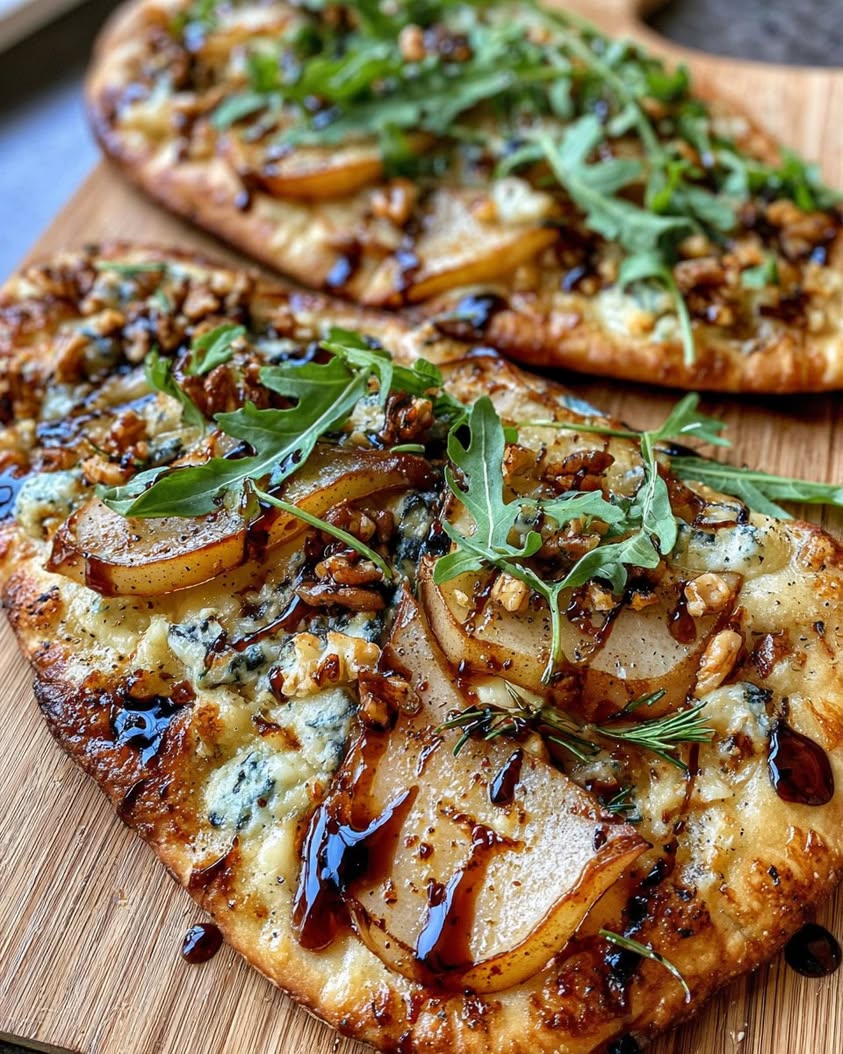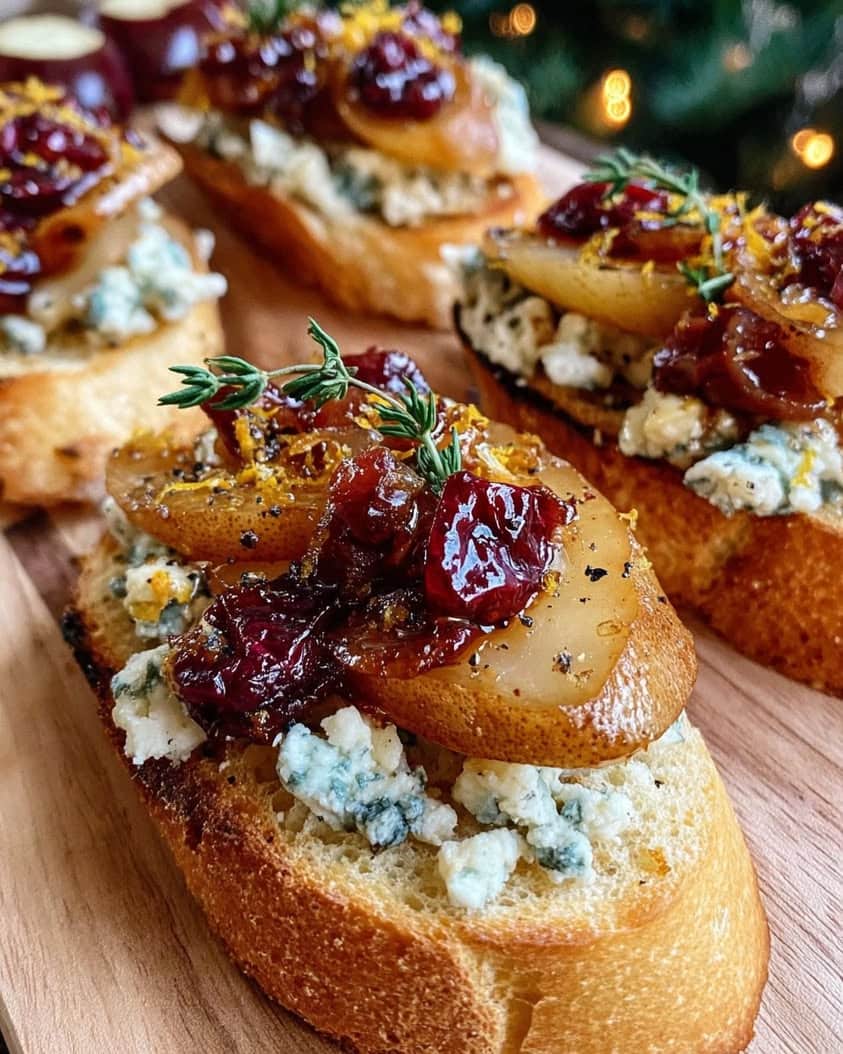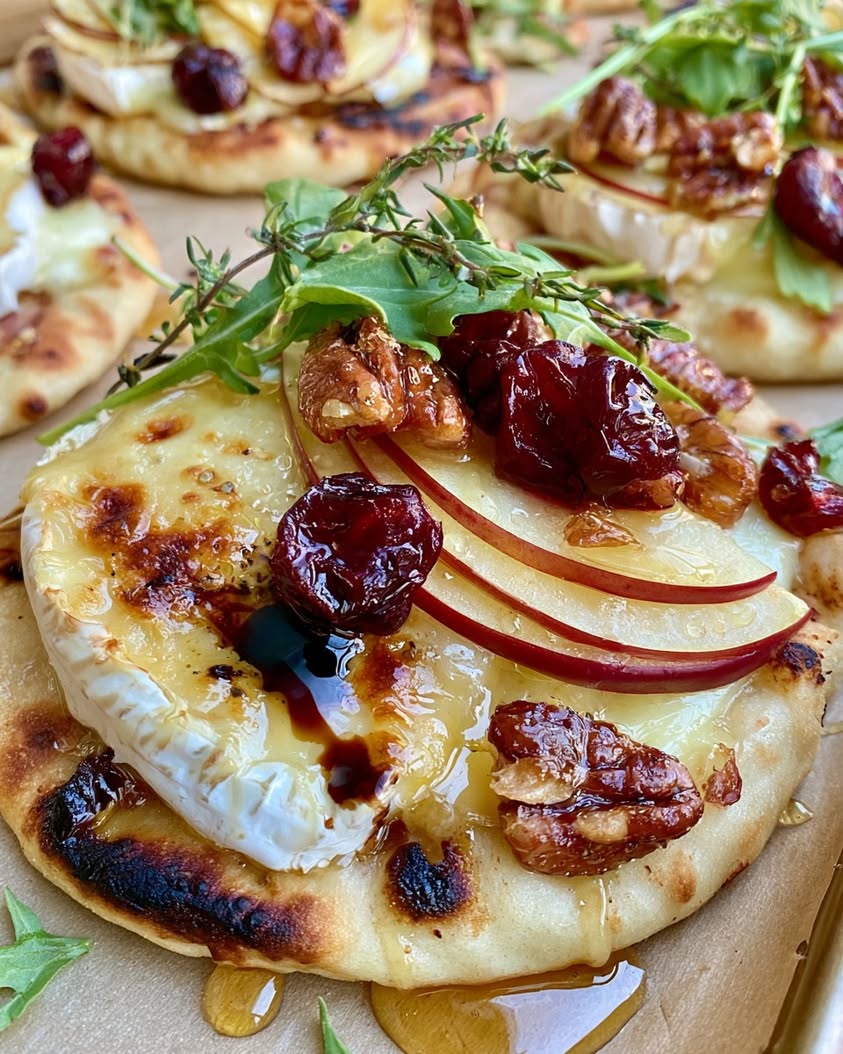
Mini Brie Apple Cranberry Flatbreads with Toasted Pecans: The Ultimate Easy Appetizer
If you love appetizers that taste impressive yet come together fast, these Mini Brie Apple Cranberry Flatbreads with Toasted Pecans will quickly become your go-to party bite. Imagine warm, pillowy flatbread topped with melted brie, thin slices of crisp apple, a scatter of ruby-red dried cranberries, and a final flourish of buttery toasted pecans finished with a drizzle of honey. The flavors lean sweet and savory at once, and every bite brings a cozy, autumnal warmth that feels elegant without any fuss. Whether you serve them at a holiday gathering, a casual game night, or a Sunday brunch, these mini flatbreads deliver big flavor with minimal effort.
What makes this recipe truly special is how easily it adapts to your schedule and skill level. You can buy pre-made flatbread or naan to save time, or make your own dough if you want a weekend project. The brie melts into a creamy, gooey layer that hugs the fruit, while the toasted pecans add a satisfying crunch that keeps the texture exciting from first bite to last. Because each flatbread bakes in under ten minutes, you can serve them hot and fresh in batches, which means your guests always get that perfect cheese-pull moment. This is the kind of crowd-pleasing appetizer that disappears before you can set the plate down.
Beyond the taste, this recipe shines because it uses simple, accessible ingredients that you can find at any grocery store. Brie, apples, dried cranberries, and pecans are pantry and produce staples, especially in the fall and winter months. The preparation is straightforward enough for a beginner cook, yet the finished result looks like something from a restaurant menu. That balance of simplicity and elegance makes Mini Brie Apple Cranberry Flatbreads with Toasted Pecans a reliable choice for anyone who wants to feed a crowd without spending hours in the kitchen.
Quick Recipe Highlights
- Flavor Profile: These flatbreads balance creamy, earthy brie with the bright tartness of fresh apple and the sweet-tangy pop of dried cranberries. A drizzle of honey ties the sweet and savory notes together, while toasted pecans add a warm, nutty finish.
- Texture: You get a soft, chewy flatbread base topped with velvety melted cheese and tender apple slices. The toasted pecans deliver a crisp crunch that contrasts beautifully with the gooey brie, so every bite feels dynamic.
- Aroma: As the flatbreads bake, the kitchen fills with the buttery scent of melting brie and the warm, toasted fragrance of pecans. A hint of cinnamon or thyme, if you add it, deepens the cozy aroma.
- Visual Appeal: Golden flatbread topped with ivory brie, pale apple slices, deep red cranberries, and brown pecan pieces creates a stunning contrast. A honey drizzle adds a glossy sheen that makes the plate look polished and inviting.
- Skill Level Needed: This recipe suits beginners because it requires no advanced knife work or pastry skills. If you can slice an apple and operate an oven, you can make these flatbreads with confidence.
- Special Equipment: You only need a baking sheet, parchment paper, and a small skillet for toasting the pecans. A sharp knife or mandoline helps slice the apples evenly for consistent baking.
Recipe Overview
- Difficulty Level: I rate this recipe as easy because it relies on store-bought flatbread and simple assembly. The only cooking steps involve toasting pecans and baking the assembled flatbreads, both of which are forgiving. Even a first-time cook can nail this recipe on the first try, and cleanup stays minimal.
- Category: This dish works as an appetizer, a party snack, or a light lunch when paired with a salad. It also fits nicely on a brunch table or a holiday appetizer spread.
- Cuisine: The recipe draws on French influences through brie and on American comfort food through the flatbread format. It blends European cheese tradition with New World fruit and nut pairings, which gives it a modern, crowd-friendly identity.
- Cost: Expect to spend roughly 12 to 18 dollars total depending on cheese quality and whether you buy pre-made flatbread. Brie and pecans make up most of the cost, while apples and cranberries stay budget-friendly.
- Season: Fall and winter suit this recipe best because apples and cranberries peak in flavor and availability. That said, you can make it year-round since dried cranberries and brie stay available in every season.
- Occasion: Serve these flatbreads at holiday parties, Thanksgiving appetizer hours, New Year’s Eve gatherings, or casual weekend get-togethers. They also work well for potlucks because they travel easily and reheat quickly.
Why You’ll Love This Recipe
The taste and texture of these Mini Brie Apple Cranberry Flatbreads with Toasted Pecans hit every note you want in a great appetizer. Creamy brie melts into a rich, luxurious layer that coats your tongue, while crisp apple slices cut through the richness with bright acidity. Dried cranberries add chewy sweetness, and toasted pecans bring a roasted crunch that keeps the whole bite lively. You get sweet, savory, creamy, tart, and crunchy all at once, and that complexity keeps guests reaching for more. Few appetizers deliver this much sensory range with so little effort.
Convenience makes this recipe a weeknight winner as well as a party staple. You can assemble the flatbreads in about fifteen minutes, and they bake in under ten. That means you can throw them together after work or right before guests arrive without stress. Because the components store well, you can prep the apple slices and toast the pecans ahead of time, then assemble and bake at the last minute. This flexibility makes entertaining feel relaxed instead of frantic, and it lets you focus on enjoying your company.
Nutritionally, this recipe offers more than typical party food. Apples bring fiber and vitamin C, pecans supply healthy fats and antioxidants, and cranberries add polyphenols. Brie contributes protein and calcium, so each flatbread delivers a bit of substance rather than empty calories. Portion control comes built in because each mini flatbread makes a neat single serving. You can also lighten the recipe by using less cheese or a lighter flatbread, which makes it easier to fit into a balanced eating plan without giving up flavor.
Socially, these flatbreads shine because they look beautiful and invite conversation. The red cranberries and green apple slices create a festive palette that suits holiday tables, and the individual size makes them easy to pick up and eat while mingling. Guests often ask for the recipe because the flavor combination feels both familiar and creative. Serving them on a wooden board with a few sprigs of rosemary turns a simple appetizer into a centerpiece that people photograph and share.
Cost-effectiveness rounds out the appeal because this recipe feeds eight people for under twenty dollars in most markets. Compare that to catered appetizers or restaurant small plates, and the savings become obvious. The ingredients stay accessible at any supermarket, and you can swap in affordable alternatives like camembert for brie or walnuts for pecans. That combination of low cost, high impact, and easy sourcing makes this recipe a practical choice for anyone who loves to entertain without overspending.
Historical Background and Cultural Significance
The story behind this recipe starts with flatbread, one of the oldest prepared foods in human history. Cultures across the Middle East, Asia, and Europe have baked flatbreads for thousands of years because the format needs only flour, water, and heat. Naan, pita, and tortilla-like breads all share this lineage, and each region developed its own version. Using flatbread as a base for toppings grew naturally from its versatility, since it holds ingredients well and bakes quickly. This recipe nods to that long tradition while embracing modern flavor pairings.
Brie carries its own rich cultural history rooted in the French region of Brie, where cheesemakers have produced soft-ripened cheese since at least the eighth century. French kings and nobles prized brie for its creamy texture and mild, earthy flavor, and it eventually became a symbol of French gastronomy. When brie traveled to American kitchens, cooks began pairing it with fruit and nuts, a combination that echoes classic European cheese boards. That pairing tradition directly inspires the apple, cranberry, and pecan toppings in this recipe.
Apples and cranberries anchor this dish in North American food culture, especially in New England. Colonists cultivated apples for cider and cooking, and cranberries grew wild in the region’s bogs. Together they became staples of fall and winter cooking, from pies to stuffings to sauces. Pecans add a Southern influence, since the nut native to the southern United States and Mexico has long appeared in American desserts and savory dishes. Combining these ingredients creates a recipe that tells a story of European technique meeting American harvest traditions.
The evolution of this recipe reflects how modern home cooks blend convenience with craftsmanship. Pre-made flatbread and grocery-store brie make the dish accessible, while the fruit and nut topping keeps it feeling handmade and seasonal. Food bloggers and home entertainers popularized similar flatbread appetizers in the 2010s as charcuterie boards and shareable plates gained traction. Regional variations now include versions with fig jam, caramelized onions, or blue cheese, which shows how flexible the core idea remains. This recipe sits within that living tradition and invites you to make it your own.
Ingredient Deep Dive
Brie serves as the creamy heart of these Mini Brie Apple Cranberry Flatbreads with Toasted Pecans, and its history stretches back centuries in France. French cheesemakers in the Brie region developed this soft-ripened cheese, and it earned a place on royal tables by the Middle Ages. Today, brie remains a symbol of French indulgence, and cooks around the world prize it for its melting qualities. Nutritionally, brie provides protein, calcium, and vitamin B12, though it also carries fat and calories, so moderation matters. When selecting brie, look for a firm white rind with no brown spots and a slight spring when pressed. Store brie in the refrigerator wrapped loosely in paper, and let it sit at room temperature for thirty minutes before baking for the best melt. If you need a substitute, camembert offers a nearly identical texture and flavor.
Apples bring brightness and structure to the recipe, and their cultural significance runs deep in American and European cooking. Orchards have shaped landscapes and economies for centuries, and apples appear in folklore, literature, and holiday traditions. Nutritionally, apples deliver fiber, vitamin C, and antioxidants, especially in the skin, so leave the peel on for maximum benefit. Choose firm, tart-sweet varieties like Honeycrisp, Fuji, or Granny Smith because they hold their shape and balance the creamy cheese. Store apples in the refrigerator crisper drawer to keep them crisp for weeks. If you lack fresh apples, pears make an excellent substitute with a similar texture and sweetness.
Dried cranberries add chewy texture and tangy sweetness, and they connect the recipe to North American harvest traditions. Native American communities used cranberries for food and medicine long before colonists arrived, and the berry became a Thanksgiving staple. Cranberries supply antioxidants and fiber, and the dried version concentrates their flavor. When buying dried cranberries, choose brands with minimal added sugar and no artificial colors. Store them in an airtight container in a cool pantry for up to a year. If you want a substitute, dried cherries or raisins work well, though cherries bring a deeper, richer sweetness.
Toasted pecans deliver the crunch that makes this recipe memorable, and the nut carries a strong Southern American identity. Pecan trees grow across the southern United States and Mexico, and the nut appears in pralines, pies, and savory dishes alike. Pecans provide healthy fats, vitamin E, and antioxidants, and toasting deepens their flavor dramatically. Select pecan halves that look plump and smell fresh, avoiding any that seem shriveled or stale. Store pecans in the freezer to prevent rancidity, since their high fat content makes them perishable. Walnuts or almonds make fine substitutes if pecans are unavailable.
Honey ties the sweet and savory elements together, and its history as a sweetener predates written language. Cultures worldwide have used honey in cooking, medicine, and ritual for thousands of years. Honey offers antioxidants and natural sweetness, though it still counts as added sugar, so a light drizzle goes a long way. Choose a mild variety like clover honey for a neutral flavor, or try buckwheat honey for a bolder, molasses-like note. Store honey at room temperature in a sealed jar, and warm it gently if it crystallizes. Maple syrup makes an easy substitute with a slightly different but equally delicious profile.
Common Mistakes to Avoid
- Slicing apples too thick causes them to stay crunchy while the cheese overcooks. Aim for thin, even slices about an eighth of an inch thick so they soften slightly in the oven.
- Skipping the pecan toasting leaves the nuts tasting flat and raw. Toast them in a dry skillet for three to four minutes until fragrant, and watch closely because they burn fast.
- Using cold brie straight from the fridge prevents even melting. Let the cheese sit at room temperature for at least thirty minutes before assembling.
- Overloading the flatbread with toppings makes it soggy and hard to eat. Keep the layers modest so the base stays crisp and the cheese melts evenly.
- Baking at too high a temperature scorches the flatbread edges before the cheese melts. Stick to 400 degrees Fahrenheit and check the oven frequently.
- Adding honey before baking causes it to burn and turn bitter. Drizzle honey after the flatbreads come out of the oven for the best flavor.
- Ignoring the rind on brie leads some cooks to trim it away, but the rind holds the cheese together. Leave the rind on for structure and a slightly earthy flavor.
- Assembling flatbreads too far in advance lets the apples release moisture and soften the base. Build them just before baking for the best texture.
- Neglecting to line the baking sheet invites sticking and messy cleanup. Parchment paper keeps the flatbreads intact and makes serving easier.
- Serving immediately without a brief rest causes the molten cheese to slide off. Let the flatbreads cool for two minutes so the cheese sets slightly.
Essential Techniques
Toasting pecans properly ranks as the most important technique in this recipe because it transforms the nut’s flavor. Raw pecans taste mild and slightly bitter, but toasting brings out their natural oils and creates a deep, buttery richness. Heat a dry skillet over medium heat, add the pecans in a single layer, and stir frequently for three to four minutes. Watch for a darker color and a strong nutty aroma, then remove them immediately to a plate to stop the cooking. If you skip this step, the flatbreads will taste fine but lack the toasted depth that makes them special.
Slicing apples evenly ensures consistent texture and even baking across each flatbread. A mandoline produces uniform slices quickly, but a sharp chef’s knife works well with practice. Cut the apple in half, remove the core, and slice crosswise into thin pieces about an eighth of an inch thick. Even slices soften slightly in the oven while keeping a pleasant bite. Uneven slices leave some pieces raw and others mushy, which throws off the balance. Toss the slices in a little lemon juice if you prepare them ahead to prevent browning.
Melting brie correctly requires moderate heat and a watchful eye because soft-ripened cheese turns from creamy to greasy when overheated. Bake the flatbreads at 400 degrees Fahrenheit for eight to ten minutes, which gives the cheese time to soften without breaking. The brie should look glossy and slightly puffed at the edges, not bubbling aggressively. If the cheese starts to pool and separate, you have pushed it too far. Pull the baking sheet when the center feels soft when pressed, and let the residual heat finish the job during the two-minute rest.
Assembling in the right order protects the flatbread base from moisture and ensures even melting. Start with a thin layer of brie across the flatbread, leaving a small border around the edges. Arrange the apple slices over the cheese so they overlap slightly, then scatter cranberries and pecans on top. This order lets the cheese act as a barrier between the juicy apples and the bread. Finish with honey after baking, never before, so the sweetener stays glossy and doesn’t burn. Following this sequence keeps the base crisp and the toppings balanced.
Pro Tips for Perfect Mini Brie Apple Cranberry Flatbreads with Toasted Pecans
Buy flatbreads that feel soft and flexible rather than stiff and dry, because fresh bread bakes up chewy instead of cracker-like. Check the bakery section for naan or flatbread with a recent date, and avoid packages with torn edges. Fresh bread also holds toppings better and delivers a more pleasant bite. If you only have stiff pita, brush it lightly with olive oil before adding toppings to soften it slightly during baking.
Let your brie come to room temperature for at least thirty minutes before assembling the flatbreads. Room-temperature cheese spreads more easily and melts more evenly, which prevents cold pockets in the finished bite. If you forget to pull it out early, slice the brie thinly and let the slices sit on the counter while you prep the apples and pecans. A quick ten-minute rest still helps, so never skip this step entirely.
Use two baking sheets if you plan to serve a large batch, and rotate them halfway through baking for even color. Overcrowding a single sheet steams the flatbreads instead of roasting them, which leaves the base soft and pale. Give each flatbread a couple of inches of space, and bake in batches if needed. Rotating the pans also guards against hot spots in your oven that can scorch one side.
Drizzle the honey with a squeeze bottle or a fork for controlled, even lines instead of a heavy pour. A light drizzle adds sweetness without overwhelming the brie’s earthy flavor, and controlled lines look more professional on the plate. Warm the honey briefly if it feels thick, which helps it flow smoothly. Finish with a tiny pinch of flaky sea salt after the honey to sharpen all the flavors.
Add a sprig of fresh thyme or rosemary to each flatbread after baking for an aromatic lift. The herbs echo the earthy notes of brie and cut through the sweetness of the fruit. Chop the leaves finely so they distribute evenly, or lay a small sprig on top for a pretty garnish. Fresh herbs also add a green pop of color that makes the plate look vibrant.
Serve the flatbreads on a warm platter or a wooden board to keep them cozy for longer. A cold plate pulls heat from the bread and firms up the cheese quickly. Warm your serving board in a low oven for a minute or two before plating, and cover the flatbreads loosely with foil if they need to wait. Small touches like this keep the presentation polished.
Pair the flatbreads with a crisp, acidic drink to balance the richness of the brie. A dry white wine, hard cider, or sparkling water with lemon all work beautifully. Acidic drinks refresh the palate between bites and make the fruit flavors pop. Avoid overly sweet drinks, which can make the whole combination taste cloying.
Variations and Adaptations
Regional variations let you tailor these Mini Brie Apple Cranberry Flatbreads with Toasted Pecans to local tastes. In New England, cooks often add a drizzle of maple syrup instead of honey and a pinch of cinnamon for warmth. Southern cooks might swap in candied pecans or a sprinkle of bourbon-soaked cranberries. In the Pacific Northwest, pear slices often replace apples for a softer, floral sweetness. Each region brings its own harvest ingredients to the same beloved format.
Seasonal adaptations keep the recipe fresh all year. In fall, use crisp new-crop apples and fresh cranberries simmered briefly with sugar. In winter, lean on dried cranberries and roasted pears. Spring and summer invite stone fruit like peaches or nectarines, and a few fresh basil leaves replace the thyme. The core method stays the same, so you can follow the seasons without relearning the technique.
Dietary modifications make the recipe accessible to more guests. For a gluten-free version, use gluten-free flatbread or a sturdy gluten-free pita. Dairy-free eaters can substitute a plant-based brie alternative or a cashew-based spread, though the texture will differ slightly. Vegan cooks can use a vegan cheese that melts well, plus agave nectar instead of honey. Always taste the substitute first to confirm it suits the recipe’s flavor profile.
Flavor variations offer endless creative freedom. Try fig jam spread under the brie for a deeper sweetness, or caramelized onions for a savory twist. A sprinkle of cinnamon or nutmeg warms the fruit, while a drizzle of balsamic glaze adds tang. For a savory version, skip the honey and add prosciutto or fresh arugula after baking. Each variation changes the personality of the dish while keeping the format familiar.
Texture modifications let you adjust the bite to your preference. Swap the pecans for walnuts, almonds, or pumpkin seeds depending on what you have on hand. Add a sprinkle of crispy fried onions for extra crunch, or use a thinner flatbread for a cracker-like base. A layer of arugula under the cheese adds a fresh, peppery texture that contrasts with the creamy brie. Small swaps like these keep the recipe interesting.
Presentation alternatives suit different events. Cut the baked flatbreads into small squares for a passed appetizer, or leave them whole and serve family style. Arrange them on a slate board with grapes and rosemary for a cheese-board look, or plate them individually for a plated dinner course. Mini versions on cocktail picks work well for standing receptions. Choose the format that fits your gathering.
Serving and Presentation Guide
Plating these flatbreads well starts with a warm board and a clean arrangement. Place them in a single layer, slightly overlapping, so guests can see the colorful toppings. Tuck sprigs of rosemary or thyme between the flatbreads for a natural garnish. A small bowl of extra toasted pecans and dried cranberries on the side invites guests to add more. Keep the plate uncluttered so the food remains the star.
Garnishing ideas expand beyond herbs. A light dusting of powdered sugar works for brunch presentations, while flaky sea salt and cracked pepper suit savory occasions. Drizzle the honey in thin lines right before serving for a glossy finish. Add a few thin apple slices fanned on the board as a decorative touch. Simple garnishes make the dish look intentional without extra effort.
Traditional accompaniments include a cheese board spread with grapes, olives, and cured meats. These flatbreads pair well with a simple green salad dressed in vinaigrette for a light lunch. A bowl of warm soup, such as butternut squash or tomato, turns them into a cozy meal. For holiday tables, serve them alongside stuffing and cranberry sauce for a cohesive flavor theme. The recipe fits naturally into many menus.
Modern serving suggestions lean into shareable, casual dining. Set up a flatbread bar with toppings in small bowls so guests can build their own. Offer a few cheeses, fruits, and nuts for variety, and let people drizzle their own honey. This interactive approach works well for parties and encourages guests to try new combinations. It also reduces your last-minute work since guests assemble their own plates.
Temperature considerations matter because these flatbreads taste best warm from the oven. Serve them within ten minutes of baking for the ideal cheese-pull experience. If you must hold them, keep them in a 200-degree oven on a baking sheet, uncovered, so they stay warm without drying out. Avoid stacking them, which traps steam and softens the base. Warm plates also help maintain temperature at the table.
Portion control tips keep the appetizer balanced within a larger spread. One or two flatbreads per guest works well when other appetizers are present. For a main course, plan on three to four per person with a side salad. Cut them into halves or quarters for smaller bites at cocktail parties. Thoughtful portions prevent waste and keep guests hungry for the main event.
Wine and Beverage Pairing
Wine pairings for Mini Brie Apple Cranberry Flatbreads with Toasted Pecans should balance the creamy cheese and sweet fruit. A crisp Sauvignon Blanc cuts through the brie’s richness with bright acidity. Chardonnay with light oak adds a buttery note that echoes the cheese. For red wine lovers, a light Pinot Noir offers soft fruit that complements the cranberries. Sparkling wine works beautifully too, since bubbles refresh the palate between bites.
Non-alcoholic alternatives keep the pairing inclusive. Sparkling apple cider mirrors the fruit flavors and adds festive bubbles. A dry ginger ale with a squeeze of lime offers gentle spice and refreshment. Cranberry spritzers with soda water highlight the dried cranberries in the recipe. Iced tea with lemon also pairs nicely, especially for daytime gatherings.
Coffee and tea pairings suit brunch and afternoon servings. A mild black tea like English Breakfast complements the brie without overpowering it. Green tea with citrus notes echoes the apple’s brightness. For coffee, choose a medium roast with nutty notes to match the pecans. Avoid very dark roasts, which can clash with the delicate cheese.
Temperature considerations apply to drinks as well as food. Serve white wine and sparkling options well chilled for maximum refreshment. Red wine should sit at cool cellar temperature, around 60 degrees, to keep the fruit flavors lively. Hot drinks should stay hot but not scalding, so they don’t numb the palate. Proper temperatures enhance every pairing.
Serving suggestions round out the beverage experience. Offer water with lemon alongside wine so guests can stay hydrated. Set up a small drink station with glasses and napkins near the appetizers for easy access. Label any specialty drinks so guests know what they’re trying. A thoughtful beverage setup makes the whole gathering feel polished.
Storage and Shelf Life
Storage methods for these flatbreads depend on whether you store components or finished pieces. Finished flatbreads keep in an airtight container in the refrigerator for up to three days, though the base softens over time. Store components separately for the best results: brie wrapped in paper, apple slices in a sealed container with lemon juice, and toasted pecans at room temperature. Separate storage preserves texture and flavor far better than storing assembled flatbreads.
Temperature requirements matter for food safety. Keep brie refrigerated at 40 degrees Fahrenheit or below until ready to use. Apple slices stay crisp in the refrigerator for up to three days when tossed with lemon juice. Toasted pecans keep at room temperature for two weeks in an airtight jar. Dried cranberries need no refrigeration and last for months in the pantry.
Container recommendations focus on protecting texture. Use shallow, airtight containers for apple slices so they don’t crush under weight. Glass jars work well for pecans because they seal tightly and resist odors. Wrap brie loosely in parchment or wax paper, then place it in a container with a vented lid. Avoid plastic wrap directly on the cheese, which can make the rind slimy.
Signs of spoilage help you avoid serving unsafe food. Brie should smell earthy and mild, not ammoniated or sour. Discard brie with brown patches, slimy texture, or a strong ammonia odor. Apple slices should look pale and smell fresh, not fermented. Pecans that smell bitter or stale have gone rancid and should be thrown out. When in doubt, throw it out.
Reheating instructions keep leftovers enjoyable. Reheat flatbreads in a 350-degree oven for five to six minutes until the cheese softens again. Avoid the microwave, which makes the bread rubbery and the cheese greasy. If the base feels soggy, reheat on a preheated baking sheet to crisp it slightly. Add fresh honey and herbs after reheating for a revived presentation.
Freezing guidelines apply mainly to components. Freeze toasted pecans in a sealed bag for up to six months, and thaw at room temperature before use. Brie freezes poorly because its texture breaks down, so avoid freezing it. Apple slices don’t freeze well for this recipe, but you can freeze assembled, unbaked flatbreads for up to a month and bake from frozen, adding a few extra minutes. Fresh assembly always delivers the best result.
Make Ahead Strategies
A prep timeline keeps entertaining stress-free. Up to three days ahead, toast the pecans and store them in an airtight jar. The day before, slice the apples and toss them in lemon juice, then refrigerate in a sealed container. You can also slice the brie a day ahead and keep it wrapped in the refrigerator. With components prepped, assembly takes only minutes on the day of the event.
Storage between steps protects quality. Keep apple slices submerged in a little lemon water to prevent browning, then drain and pat dry before assembling. Store toasted pecans at room temperature so they stay crisp, never in the refrigerator where they can absorb moisture. Keep brie wrapped and cool until thirty minutes before assembly. Organized storage makes the final steps smooth.
Quality impact assessment helps you decide what to prep early. Toasted pecans lose nothing in flavor when made ahead, and dried cranberries need no prep at all. Apple slices stay fresh for a day or two but lose crispness after that, so slice them no more than 24 hours ahead. Brie holds well when sliced a day early. Assemble and bake the flatbreads at the last minute for ideal texture.
Assembly tips streamline the final push. Set up a workstation with the flatbreads, cheese, apples, cranberries, and pecans in a row. Build each flatbread in the same order for consistency, and work quickly to keep the base from absorbing moisture. Line baking sheets with parchment ahead of time so you can slide them into the oven without delay. A tidy station makes batch assembly fast.
Reheating guidelines for make-ahead batches keep serving simple. Bake flatbreads just before guests arrive, then hold them in a 200-degree oven for up to twenty minutes. Reheat any leftovers in a 350-degree oven rather than the microwave. Add honey and herbs after the final reheat for the best appearance. Staggered baking lets you serve warm flatbreads throughout the event.
Fresh element additions after baking boost flavor and appearance. Arugula, fresh herbs, and a drizzle of honey go on after the oven so they stay vibrant. A little flaky salt and cracked pepper add a finishing touch. Fresh apple slices fanned on the serving board add color. These final touches take seconds but raise the presentation.
Scaling Instructions
Halving the recipe works easily for smaller gatherings. Use four flatbreads, half a wheel of brie, one apple, a quarter cup of dried cranberries, and a quarter cup of pecans. Bake on a single sheet and watch the timing closely since smaller batches can cook faster. Halving works well for a couple’s dinner or a small family snack. You’ll still get the same great flavor with less waste.
Doubling or tripling the recipe suits parties and large crowds. Double all ingredients, use two baking sheets, and rotate them halfway through baking for even results. For triple batches, bake in three rounds rather than overcrowding the oven, which steams the flatbreads. Keep finished batches warm in a 200-degree oven on a covered tray. Larger batches need a bit more attention but remain simple.
Equipment adjustments matter as you scale. Larger batches require more baking sheets, parchment paper, and serving platters. A mandoline speeds up apple slicing dramatically when making double or triple batches. A larger skillet handles more pecans for toasting at once, though you should toast in a single layer for even color. Plan your equipment needs before you start.
Timing modifications keep quality high at scale. Toasting larger batches of pecans takes a few extra minutes, so stir frequently and check often. Apples take longer to slice by hand, so consider a food processor slicing blade for big jobs. Baking time stays the same per sheet, but rotating pans extends the total process. Build in extra time for assembly when making larger quantities.
Storage considerations change with volume. Large batches of toasted pecans need bigger airtight containers, and extra apple slices require larger sealed containers with lemon juice. Plan refrigerator space for brie and apples ahead of time. If you make more than you can serve, freeze extra pecans and store components separately for another round. Smart storage prevents waste when scaling up.
Nutritional Deep Dive
The macro breakdown of these Mini Brie Apple Cranberry Flatbreads with Toasted Pecans depends on your specific ingredients, but a typical serving delivers a balanced mix of nutrients. Each flatbread provides carbohydrates from the bread and fruit, protein and fat from the brie and pecans, and a touch of natural sugar from the honey and cranberries. The fat content runs moderate to high because of the cheese and nuts, so portion awareness helps. Overall, the macros support satiety and energy without excessive carbs.
Micronutrient analysis reveals several benefits. Brie supplies calcium, vitamin B12, and phosphorus, which support bone health and energy metabolism. Apples contribute vitamin C, potassium, and polyphenols, while pecans add vitamin E, magnesium, and zinc. Dried cranberries bring antioxidants and a bit of fiber. Together, these ingredients cover a useful range of vitamins and minerals in a small package.
Health benefits stem from the whole-food ingredients. Apples and cranberries provide fiber and antioxidants that support heart health and digestion. Pecans deliver healthy fats that promote satiety and cardiovascular wellness. Brie offers protein and calcium, though it also contains saturated fat, so moderation matters. Enjoying these flatbreads as part of a varied diet delivers real nutritional value alongside great taste.
Dietary considerations vary by eater. Those watching saturated fat can use less brie or a lighter cheese alternative. People managing blood sugar should note the honey and dried cranberries, which add sugar, and can reduce or swap them. Gluten-sensitive diners need gluten-free flatbread, and dairy-free eaters need plant-based cheese. The recipe adapt Print
Mini Flatbreads with Brie, Apple, Cranberry & Toasted Pecans
- Total Time: 45 minutes
- Yield: 4
Description
Delightful mini flatbreads topped with creamy Brie, crisp apple slices, tart cranberries, and toasted pecans. Perfect for a quick appetizer or a light meal.
Ingredients
- 4 mini naan breads or flatbreads
- 8 oz Brie cheese, sliced
- 1 apple (such as Honeycrisp), thinly sliced
- 1/2 cup dried cranberries
- 1/2 cup pecan halves, toasted
- 2 tablespoons honey
- Fresh thyme leaves, for garnish (optional)
Instructions
- Preheat oven to 375°F (190°C).
- Place mini flatbreads on a baking sheet and top each with sliced Brie, apple slices, and dried cranberries.
- Bake for 10-12 minutes, until cheese is melted and flatbreads are crisp.
- Remove from oven and sprinkle with toasted pecans.
- Drizzle with honey and garnish with fresh thyme if desired. Serve warm.
Notes
You can customize the seasonings to taste.
- Prep Time: 15 minutes
- Cook Time: 30 minutes
- Method: Main
- Cuisine: American