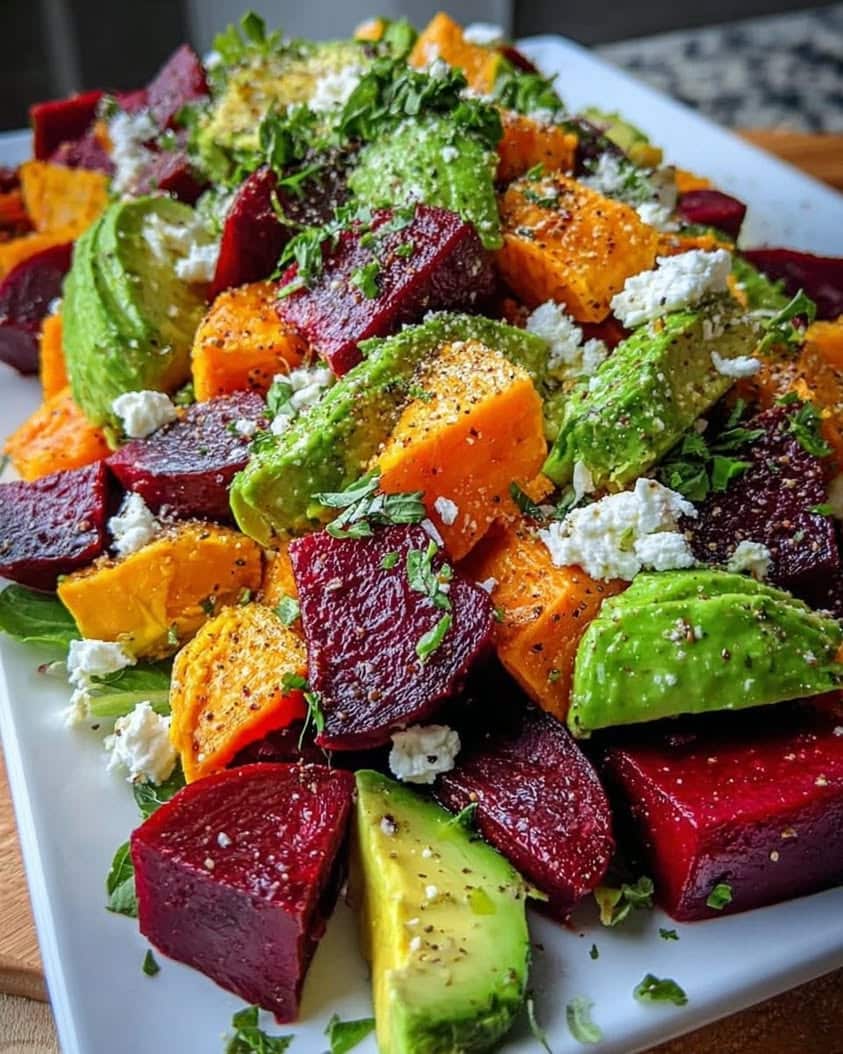
Vibrant Beetroot and Goat Cheese Terrine: An Elegant Appetizer
Imagine slicing into a stunning, jewel-toned loaf to reveal perfect layers of earthy beetroot and creamy, tangy cheese. This Vibrant Beetroot and Goat Cheese Terrine is not just a recipe; it is a show-stopping centerpiece for any special table. Furthermore, it masterfully balances sweet, earthy, tangy, and creamy flavors in every single bite. Consequently, this elegant appetizer transforms simple, wholesome ingredients into a culinary work of art that will impress your guests visually and delight their palates.
Creating this terrine is a rewarding kitchen project. The process involves roasting beets to concentrate their natural sugars, then layering them with a seasoned goat cheese mixture. Ultimately, the terrine chills to set into a firm, sliceable form. While it requires some patience, the result is a make-ahead masterpiece that frees you up to enjoy your own party. Additionally, this dish celebrates the beauty of vegetables, making it a fantastic option for both vegetarians and omnivores alike.
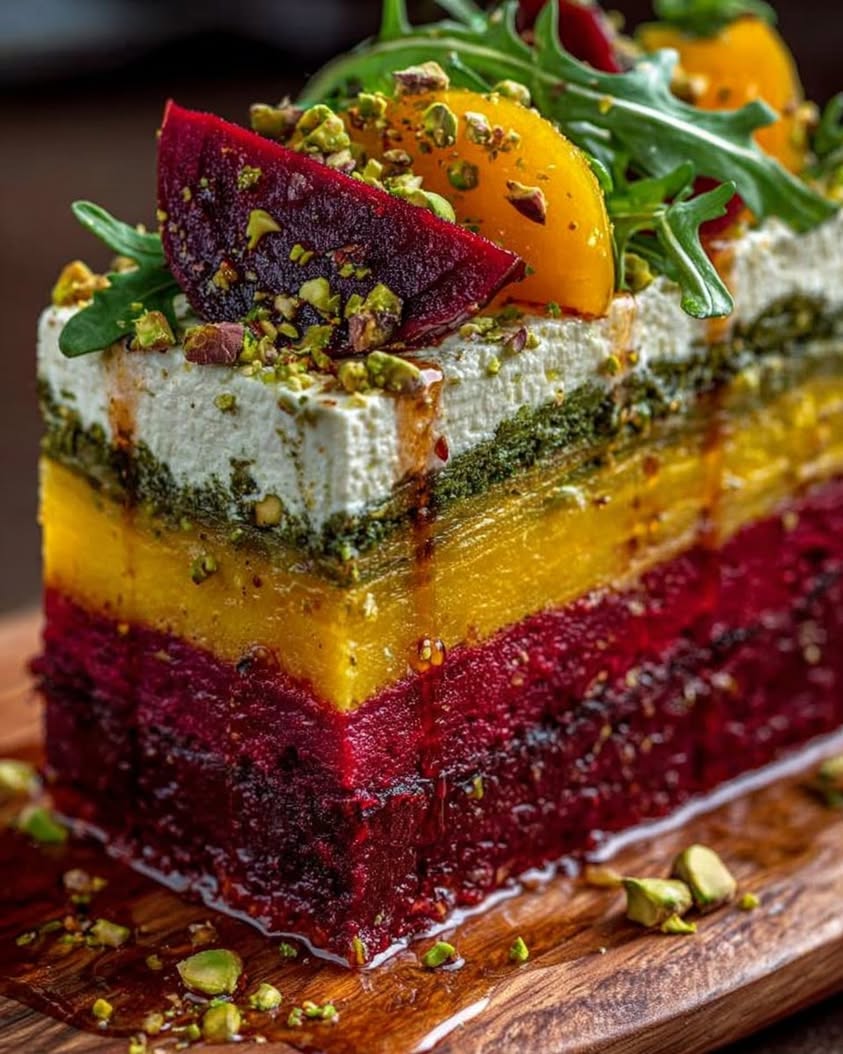
The visual appeal of this Vibrant Beetroot and Goat Cheese Terrine is undeniable. Striking layers of deep magenta and soft white create a dramatic effect on the plate. Paired with a simple green salad and crusty bread, it becomes a complete and sophisticated starter. This recipe proves that plant-based dishes can be the star of any gathering, offering a refreshing and beautiful alternative to more common appetizers.
Quick Recipe Highlights
- Flavor Profile: This terrine offers a beautiful harmony of sweet, earthy roasted beets and the bright, tangy punch of fresh goat cheese. A hint of aromatic thyme and the sharpness of toasted walnuts round out the experience, creating a complex and satisfying taste.
- Texture: Expect a delightful contrast between the firm, dense slices of beet and the luxuriously smooth, creamy cheese filling. The optional walnut garnish adds a final, satisfying crunch that elevates the overall mouthfeel.
- Aroma: When sliced, the terrine releases the deep, sweet earthiness of beets mingled with the fresh, herbal notes of thyme. The aroma is fresh, savory, and subtly complex, promising the refined flavors within.
- Visual Appeal: The cross-section reveals stunning, painterly stripes of vibrant magenta and pure white. This dramatic presentation makes the terrine a true conversation piece, perfect for photography and special occasions.
- Skill Level Needed: This is an intermediate recipe due to the layering technique and required chilling time. However, the individual steps—roasting, mixing, assembling—are straightforward. Patience and attention to presentation are the key skills here.
- Special Equipment: You will need a terrine mold or a standard loaf pan for shaping. Parchment paper is essential for easy unmolding. A food processor or a sturdy fork is helpful for creating a perfectly smooth cheese mixture.
Recipe Overview
- Difficulty Level: We rate this Vibrant Beetroot and Goat Cheese Terrine as medium difficulty. The challenge lies not in complex cooking techniques, but in the careful assembly and patience required for proper setting. You must handle the beet slices gently to maintain beautiful layers, and the terrine needs ample, undisturbed chilling time to slice cleanly.
- Category: This dish falls squarely into the appetizer or starter category. It is also an excellent choice for a light lunch or part of a festive brunch spread. Moreover, it fits beautifully into vegetarian menus and elegant buffet tables.
- Cuisine: While terrines have strong roots in French charcuterie, this vegetable-focused version is a modern, global creation. It draws on Mediterranean flavors with goat cheese and herbs, but the technique is classic French. Ultimately, it is a contemporary, plant-forward take on a traditional preparation.
- Cost: This recipe is moderately affordable. Fresh beets and goat cheese are the primary expenses. Fortunately, herbs, garlic, and walnuts are typically pantry staples. Overall, you can create an impressive gourmet appetizer for a crowd without a gourmet price tag.
- Season: This terrine shines in the late summer through fall when beets are at their peak sweetness and most vibrant. However, it is a fantastic year-round dish because root vegetables are always available. It brings a burst of color to winter tables and a refreshing coolness to summer entertaining.
- Occasion: This is a perfect recipe for dinner parties, holiday celebrations like Christmas or Easter, and potlucks where you want to stand out. It is also ideal for bridal or baby showers, offering an elegant, meat-free option that everyone can enjoy.
Why You’ll Love This Recipe
First and foremost, the taste and texture of this Vibrant Beetroot and Goat Cheese Terrine are utterly captivating. Each slice delivers a perfect balance: the natural, candy-like sweetness of roasted beets against the creamy, lactic tang of fresh chèvre. Additionally, aromatic thyme and a backdrop of garlic add savory depth, while a sprinkle of walnuts introduces a welcome crunch. This combination is sophisticated yet comforting, familiar yet exciting. Every element works in harmony to create a memorable eating experience that is far greater than the sum of its parts.
From a practical standpoint, the convenience of this make-ahead appetizer is a huge win. You can prepare the entire Vibrant Beetroot and Goat Cheese Terrine a full day before your event. Consequently, on the day you are hosting, you simply unmold, slice, and garnish. This forward-planning eliminates last-minute kitchen stress and allows you to be a present and relaxed host. Furthermore, the terrine travels well if chilled properly, making it a superb contribution to a potluck or family gathering.
Nutritionally, this dish is a powerhouse. Beets are rich in fiber, folate, and beneficial nitrates that support heart health and stamina. Goat cheese provides protein and calcium, often in a more digestible form for those sensitive to cow’s milk. Together, they create a satisfying appetizer that is packed with nutrients, not empty calories. Choosing this terrine means you are serving a beautiful dish that also genuinely nourishes your guests.
The social and entertaining value of this terrine cannot be overstated. Its dramatic appearance instantly elevates any table setting. Slicing it at the table creates a moment of anticipation and delight. It is a dish that encourages sharing and conversation, often becoming the focal point of the meal. Serving this Vibrant Beetroot and Goat Cheese Terrine shows care, effort, and a flair for beautiful, wholesome food, impressing guests with both its looks and its flavor.
Finally, this recipe is remarkably cost-effective and accessible. It transforms humble, inexpensive root vegetables into a dish that looks and tastes luxurious. The ingredients are readily available at any well-stocked grocery store. You do not need rare or expensive components to create this stunning effect. This accessibility makes gourmet, plant-based entertaining achievable for any home cook on any budget.
Historical Background and Cultural Significance
The terrine, as a culinary form, has a rich history deeply rooted in French cuisine. Traditionally, a terrine referred to the earthenware dish (the “terrine”) in which a mixture of meats, fats, and seasonings was cooked, then pressed and served cold. Originally, this was a practical method of preservation, making use of various cuts of meat and offal. Over centuries, the technique evolved from rustic sustenance to a refined element of charcuterie boards, symbolizing the artistry of French cooking.
Vegetable terrines, like this Vibrant Beetroot and Goat Cheese Terrine, represent a more modern evolution. As vegetarian and vegetable-forward dining gained popularity, chefs began applying the classic terrine technique to layers of cooked vegetables, herbs, cheeses, and gels. This adaptation showcases the versatility of the form, moving beyond meat to highlight the colors, textures, and flavors of the garden. Consequently, the vegetable terrine has become a staple of contemporary gourmet and health-conscious cuisine.
The cultural significance lies in its role as a celebratory dish. Terrines are rarely everyday food; they are reserved for occasions, feasts, and displays of culinary skill. Presenting a beautifully layered and sliced terrine demonstrates patience, precision, and respect for ingredients. In many cultures, the act of creating such a deliberate, layered dish is seen as a labor of love, a gift of time and artistry from the cook to the guest.
Regional variations are endless. In Provence, you might find a ratatouille terrine. Italian cooks might layer roasted zucchini with ricotta and basil. The use of goat cheese and beets, as in our recipe, has a particularly Mediterranean feel but is enjoyed globally. This global adoption and adaptation speak to the universal appeal of beautiful, layered food. Our Vibrant Beetroot and Goat Cheese Terrine is part of this ongoing, delicious tradition of transformation and presentation.
Ingredient Deep Dive
Beetroots: These vibrant root vegetables have been cultivated since ancient times, prized by Romans for both food and medicine. Nutritionally, they are a fantastic source of folate, manganese, potassium, and dietary fiber. The betalain pigments that give beets their stunning color are powerful antioxidants. When selecting beets, look for firm, smooth bulbs with vibrant, unwilted greens attached if possible. Store them unwashed in the refrigerator’s crisper drawer. For this terrine, golden beets can be used for a different color scheme, or a mix for a rainbow effect.
Fresh Goat Cheese (Chèvre): Originating from the pastoral regions of France, goat cheese has a history spanning thousands of years. It is lower in lactose and often easier to digest than cow’s milk cheese for some people. It provides a good hit of protein, calcium, and healthy fats. Choose a fresh, soft log of plain chèvre for the creamiest texture. Avoid pre-crumbled cheese, as it contains anti-caking agents. Store it tightly wrapped in the fridge. For a richer flavor, a soft goat cheese with a bloomy rind can be used, but ensure it is soft enough to blend smoothly.
Fresh Thyme: This humble herb has been used since ancient Egypt for embalming and in ancient Greece for its aromatic qualities. It contains thymol, a compound with antioxidant properties. Its earthy, slightly minty flavor is the perfect bridge between the sweet beets and tangy cheese. Select bunches with bright green, fragrant leaves and avoid any that look dry or brown. Store it like flowers: stems in a glass of water in the fridge. If fresh is unavailable, use half the amount of dried thyme, but fresh is highly preferred for its bright aroma.
Walnuts: Among the oldest tree foods, walnuts were a symbol of intellect in folklore due to their brain-like shape. They are an excellent source of omega-3 fatty acids, particularly alpha-linolenic acid (ALA). Toasting is non-negotiable for this recipe; it unlocks their oils and deepens their flavor dramatically. Look for plump, light-colored kernels without a bitter smell. Store walnuts in the freezer to prevent their oils from turning rancid. For a nut-free version, toasted pumpkin seeds (pepitas) make a great crunchy garnish alternative.
Common Mistakes to Avoid
- Not Drying the Beets Thoroughly: After roasting and peeling, excess moisture on the beet slices will make the terrine watery and prevent clean layers. Always pat them meticulously with paper towels until completely dry.
- Using Warm Beets: Assembling the terrine with warm beets will melt the cheese mixture, causing the layers to blur and the terrine to potentially collapse. Ensure the beets are fully cooled to room temperature before assembly.
- Under-seasoning the Cheese: The goat cheese layer needs ample seasoning to stand up to the sweet beets. Do not be shy with salt, pepper, and herbs. Taste the mixture before assembling to ensure it is flavorful enough.
- Rushing the Chilling Time: Attempting to unmold or slice the terrine before it is fully set is a recipe for disaster. A minimum of 6 hours is essential; overnight is ideal for the cleanest, most perfect slices.
- Skipping the Parchment Paper Lining: Trying to unmold a terrine from a bare loaf pan is nearly impossible without damaging it. Always line your mold with parchment paper, leaving an overhang for easy lifting.
- Overfilling the Mold: Pressing too many layers into the mold can cause the terrine to bulge and crack when unmolded. Press layers firmly but gently, leaving a slight gap at the top.
- Using a Dull Knife for Slicing: A dull knife will tear the delicate layers of your beautiful terrine. Use a very sharp, thin-bladed knife, and wipe it clean with a damp cloth between each slice for pristine presentation.
- Neglecting the Garnish: Serving the terrine plain on a white plate misses a final opportunity for contrast. A simple garnish of microgreens, extra thyme, or the toasted walnuts adds essential color, texture, and visual appeal.
Essential Techniques
Roasting Beets for Maximum Flavor: Roasting, rather than boiling, is crucial for this Vibrant Beetroot and Goat Cheese Terrine. This method concentrates the beets’ natural sugars, intensifying their sweetness and deepening their earthy flavor. To master it, wrap cleaned, unpeeled beets individually in foil with a drizzle of oil and a pinch of salt. Roast until a knife slides in easily. The common pitfall is under-roasting, which leaves beets firm and difficult to slice thinly. The visual cue for success is tender flesh and skins that wrinkle and slip off effortlessly.
Creating a Smooth, Seasoned Cheese Layer: The cheese mixture must be perfectly smooth and well-seasoned to contrast the beets. Use a food processor for a silky result, or mash vigorously with a fork. Incorporate the herbs, garlic, and seasoning thoroughly. The importance lies in creating a cohesive layer that holds its shape. A common mistake is leaving the cheese too thick or lumpy, making it hard to spread. The success cue is a mixture that is spreadable like a thick frosting but not runny.
Layering for Visual Impact: This technique is the heart of the terrine’s drama. Place each beet slice carefully, slightly overlapping, to cover the cheese layer completely. Patience is key. The importance is in creating distinct, clean stripes. The pitfall is rushing and creating messy, uneven layers. The visual cue for mastery is a neat, orderly arrangement in the mold that promises a beautiful cross-section.
Weighting and Pressing for Structure: After assembly, weighting the terrine is non-negotiable. Place a piece of parchment on top, then a slightly smaller flat object (like a cardboard cutout), and weigh it down with cans. This presses the layers together, eliminating air pockets and ensuring a dense, sliceable texture. Skipping this step results in a crumbly terrine that falls apart. Success is evident when you unmold a firm, compact loaf.
Pro Tips for Perfect Vibrant Beetroot and Goat Cheese Terrine
Wear disposable gloves when handling the roasted beets to prevent your hands from staining bright pink for days. This simple step makes the process much cleaner and more enjoyable.
Use a mandoline slicer to achieve perfectly uniform, thin slices of beet. Consistent thickness is vital for even layers and professional-looking results. Always use the guard for safety.
Let the assembled, weighted terrine chill at room temperature for 30 minutes before moving it to the refrigerator. This gradual temperature change helps the layers settle together more evenly.
For an extra flavor boost, sprinkle a tiny amount of finely chopped toasted walnuts between the cheese layers as you assemble. This adds a subtle, hidden crunch throughout the terrine.
If your terrine seems stuck when unmolding, briefly dip the bottom of the mold in warm water for about 10 seconds. The slight warmth will help release the edges without melting the structure.
For serving, place the terrine slice on a small pool of reduced balsamic glaze or a drizzle of high-quality olive oil. This adds a touch of acidity and shine that complements the earthy flavors beautifully.
Slice the terrine directly on the parchment paper it was chilled on. This provides a stable, non-slip surface and makes transferring the slices to plates much easier.
Bring the terrine out of the fridge 15-20 minutes before serving. Allowing it to slightly soften ensures the fullest flavor and the creamiest texture when eaten.
Variations and Adaptations
Regional Variations: Explore global flavors by altering the cheese and herbs. For a Greek twist, use feta and fresh dill. For an Italian version, substitute ricotta for half the goat cheese and add chopped sun-dried tomatoes and basil. A Middle Eastern adaptation could include labneh (strained yogurt) and a sprinkle of za’atar in the cheese mixture.
Seasonal Adaptations: While beets are a year-round star, you can adapt the terrine with other vegetables. In spring, use thin slices of roasted asparagus and baby carrots. For summer, try layers of grilled zucchini and roasted red peppers. In autumn, incorporate roasted sweet potato or butternut squash for a warmer flavor profile.
Dietary Modifications: For a vegan Vibrant Beetroot Terrine, replace the goat cheese with a mixture of soaked cashews blended with lemon juice, nutritional yeast, and salt until very smooth. Agar-agar can be used to help set the mixture if needed. The result is a stunning, plant-based centerpiece.
Flavor Variations: Infuse the goat cheese with different flavors. Try mixing in horseradish for a spicy kick, orange zest for brightness, or chopped fresh chives for a mild onion note. A layer of pesto between the beets and cheese creates a gorgeous green stripe and herby flavor.
Texture Modifications: For added texture within the layers, mix finely chopped toasted nuts (like pistachios or hazelnuts) directly into the cheese filling. You can also add a thin layer of cooked, seasoned lentils or quinoa between the beet layers for a heartier, more substantial terrine.
Presentation Alternatives: Instead of a large loaf, assemble individual terrines in small ramekins or mason jars for personal servings. For a free-form “deconstructed” look, skip the mold and simply stack the beet and cheese layers directly on the plate in a neat, vertical pile.
Serving and Presentation Guide
Plating Techniques: For the most impact, slice the terrine with a sharp knife and use an offset spatula or a flat pie server to transfer each slice to the plate. Place the slice slightly off-center for a more dynamic look. Alternatively, for a family-style presentation, arrange all the slices slightly fanned out on a long, rectangular platter.
Garnishing Ideas: Garnish is essential for contrast. A small pile of peppery arugula or watercress beside the slice adds color and a bitter note. Edible flowers like nasturtiums or pansies provide a stunning, elegant touch. A final drizzle of excellent extra virgin olive oil or a balsamic reduction adds shine and acidity.
Traditional Accompaniments: In the French tradition, a terrine is served with cornichons (tiny pickles), a grainy mustard, and slices of crusty baguette or toasted bread. The acidity and crunch of the cornichons cut through the richness perfectly, while the bread is the ideal vehicle for each bite.
Modern Serving Suggestions: Serve the terrine as part of a composed salad. Place a slice atop a bed of dressed bitter greens with segments of orange and a few shavings of fennel. For a canapé, cut the terrine into small cubes, skewer them with a toothpick and a basil leaf, and serve as a passed appetizer.
Temperature Considerations: This terrine is designed to be served cold or cool. However, let it sit out for 15-20 minutes before serving to take the harsh chill off. This allows the flavors to bloom and the texture of the cheese to become creamy rather than firm.
Portion Control Tips: A standard loaf pan yields about 8 generous appetizer slices or 12 more delicate, canapé-sized portions. For a light lunch with a salad, one larger slice per person is sufficient. For a cocktail party with other bites, cut the slices in half or into small cubes.
Wine and Beverage Pairing
Wine Pairings: The earthy sweetness of beets and tangy creaminess of goat cheese call for wines with good acidity and some minerality. A classic pairing is a French Sancerre or Pouilly-Fumé (Sauvignon Blanc) whose crisp, flinty notes cut through the richness. A dry Rosé from Provence, with its red fruit and herbal hints, is another fantastic match. For red wine lovers, a light-bodied, low-tannin Pinot Noir with earthy undertones can work beautifully if served slightly chilled.
Non-Alcoholic Alternatives: Sparkling water with a twist of lemon or a cucumber ribbon is always refreshing. For something more special, try a chilled, slightly tart cherry or pomegranate juice spritzer. A ginger beer, with its spicy bite, also contrasts nicely with the creamy terrine. Herbal iced teas, like hibiscus or mint, offer complexity without alcohol.
Coffee/Tea Pairing: While not a typical pairing for an appetizer, if serving this terrine at a brunch, a medium-roast coffee with bright acidity would complement the earthy notes. For tea, consider a smoky Lapsang Souchong or a floral Earl Grey, served hot or iced, as their distinctive flavors can stand up to the terrine’s intensity.
Temperature Considerations: Always serve white and rosé wines well-chilled (45-50°F). If opting for a light red like Pinot Noir, a slight chill (55°F) is recommended to emphasize its fruit and acidity, which pairs better with the dish than a warm, tannic red would.
Serving Suggestions: Pour wine into appropriate glassware to enhance the experience—a white wine glass for Sauvignon Blanc or a wider bowl for Pinot Noir. For non-alcoholic drinks, serve in elegant tumblers or champagne flutes for the spritzer to make the occasion feel special.
Storage and Shelf Life
Storage Methods: Keep the Vibrant Beetroot and Goat Cheese Terrine tightly wrapped in its parchment paper and then sealed in an airtight container or with a double layer of plastic wrap. This prevents it from absorbing other odors in the fridge and from drying out.
Temperature Requirements: Consistent, cold refrigeration is mandatory. Store the terrine at or below 40°F (4°C) at all times. Do not leave it out on the counter for more than two hours total, including serving time, to prevent bacterial growth.
Container Recommendations: The best container is the loaf pan it was made in, covered tightly with plastic wrap. Alternatively, once fully set, you can unmold it, wrap it securely, and place it on a flat plate. Avoid stacking anything on top of it, as this can compress and damage the layers.
Signs of Spoilage: Discard the terrine if you notice any off smells (sour or ammonia-like), significant weeping of pink liquid (beyond a slight sheen), or any visible mold growth. A change in texture to overly slimy or mushy is also a sign it is past its prime.
Reheating Instructions: This terrine is not meant to be reheated. It is a cold dish. Attempting to warm it will cause the cheese to melt and the structure to collapse entirely. Enjoy it chilled or at cool room temperature only.
Freezing Guidelines: Freezing is not recommended. The high water content in the beets will form ice crystals, destroying the delicate texture and causing the layers to separate and become watery upon thawing. For best quality, consume within the refrigerator shelf life.
Make Ahead Strategies
Prep Timeline: This dish is the ultimate make-ahead. You can roast and slice the beets up to 2 days in advance; store them layered between paper towels in an airtight container. The cheese mixture can be made 1 day ahead. Assemble the full terrine 1 day before serving. This timeline ensures maximum flavor melding and perfect setting without last-minute stress.
Storage Between Steps: Store prepared components separately. Keep cooled, sliced beets in the fridge. The cheese mixture should also be refrigerated in a sealed container. Bring both to cool room temperature (not cold) for about 15 minutes before assembling to make spreading easier and ensure good adhesion.
Quality Impact Assessment: Making the terrine a day ahead actually improves it. The flavors have time to marry and intensify. The texture becomes firmer and more cohesive, allowing for cleaner slices. There is no downside to the make-ahead approach for this particular recipe.
Assembly Tips for Make-Ahead: When assembling a day ahead, ensure you press the layers firmly and apply the weight. Let it chill with the weight for the full duration. Do not unmold it until you are ready to serve to preserve its shape and prevent drying.
Fresh Element Additions: While the terrine itself is made ahead, prepare any fresh garnishes (like herbs, greens, or toasted nuts) on the day of serving. This maintains their vibrant color, crisp texture, and fresh flavor, providing a perfect contrast to the matured terrine.
Scaling Instructions
Halving the Recipe: To make a smaller Vibrant Beetroot and Goat Cheese Terrine, simply halve all ingredients. Use a mini loaf pan or a small bread pan. The roasting time for fewer beets may be slightly less, so check for tenderness earlier. Chilling time remains the same (minimum 6 hours) as the setting process is dependent on temperature, not volume.
Doubling or Tripling: Doubling is straightforward for a crowd. Use two separate standard loaf pans; do not try to create one giant terrine, as the center may not set properly. Roast beets in batches if your oven cannot accommodate them all at once. Allow extra time for assembly. The chilling time requirement remains 6+ hours.
Equipment Adjustments: When scaling, ensure you have enough molds. For a double batch, two identical loaf pans are ideal. You will also need enough weight (cans, etc.) for each mold. If using different sized pans, adjust layering to maintain proportional thickness.
Timing Modifications: The active prep time scales linearly: double the ingredients, double the prep time for slicing and assembly. The passive times (roasting, chilling) do not double. Roasting may take slightly longer if pans are crowded, and chilling time remains constant.
Storage Considerations: A larger batch means more leftovers. Plan storage space in your refrigerator. Sliced terrine leftovers will dry out faster than an unsliced loaf, so only slice what you plan to serve immediately and store the remainder as a whole block.
Nutritional Deep Dive
Macro Breakdown: A serving of this terrine provides a balanced mix of macronutrients. The goat cheese offers a good source of protein and healthy fats, which promote satiety. The beets contribute complex carbohydrates and fiber, providing sustained energy. The walnuts add additional healthy fats and a small amount of plant-based protein. This balance makes it a satisfying appetizer that won’t cause a blood sugar spike.
Micronutrient Analysis: This dish is a micronutrient powerhouse. Beets are exceptionally high in folate, essential for cell function and tissue growth, and manganese, important for bone health and metabolism. They also provide potassium for heart health and vitamin C. Goat cheese contributes calcium, phosphorus, and vitamin B12. Together, they deliver a wide spectrum of vitamins and minerals in every colorful slice.
Health Benefits: The combination of ingredients supports several health goals. The nitrates in beets can help lower blood pressure and improve athletic performance by enhancing blood flow. The fiber aids digestion and promotes gut health. The antioxidants (betalains in beets, vitamin E in walnuts) combat oxidative stress and inflammation in the body.
Dietary Considerations: Naturally gluten-free and vegetarian, this terrine fits many dietary patterns. It is relatively low in carbohydrates per serving, making it suitable for those monitoring carb intake. The fats are primarily unsaturated (from nuts and cheese), which are beneficial for heart health when consumed as part of a balanced diet.
Portion Analysis: One slice (1/8th of the loaf) is a satisfying appetizer portion that provides meaningful nutrition without excessive calories. The visual richness of the dish makes a small portion feel indulgent, which can aid in mindful eating and portion control.
Weight Management Tips: This terrine is a weight-management-friendly choice for entertaining. It is nutrient-dense and fiber-rich, helping you feel full. To keep calories in check, be mindful of accompaniments; choose whole-grain crackers over buttery breads, and use garnishes like greens instead of extra oil or nuts.
Dietary Adaptations
Gluten-free: This Vibrant Beetroot and Goat Cheese Terrine is naturally gluten-free as written. Simply ensure that any accompaniments, like bread or crackers, are certified gluten-free. Most mustards are gluten-free, but always check labels if serving with cornichons and mustard.
Dairy-free: Replace the goat cheese with a thick, cultured dairy-free alternative. A plain, unsweetened coconut yogurt or a cashew-based cream cheese works well. Increase the herbs and seasoning to compensate for flavor. The texture will be slightly softer, so chilling time is critical.
Vegan: Use the dairy-free cheese substitute above. For binding and a richer flavor, blend soaked cashews with lemon juice, nutritional yeast, a touch of white miso, and salt until ultra-smooth. Agar-agar (dissolved in a little water and heated, then blended in) can help it set firmly.
Low-carb/Keto: This recipe is already moderately low in carbs. To make it stricter, slightly reduce the number of beet layers (though this affects presentation) and increase the cheese layers. Ensure the goat cheese is full-fat. Beets do contain natural sugars, so portion size should be controlled to fit individual macros.
Paleo: The main non-paleo ingredient is dairy (goat cheese). Substitute with a thick, savory paleo “cheese” made from blended macadamia nuts or almonds with lemon juice and herbs. Omit any processed ingredients in accompaniments.
Low-FODMAP: Beets are low-FODMAP in servings of about 2 slices (20g). This recipe uses a moderate amount per slice. Goat cheese is typically lower in lactose and often well-tolerated. Use only the green tops of chives if garnishing, and ensure garlic is omitted or replaced with garlic-infused oil (add the oil to the cheese mix).
Troubleshooting Guide
Texture Issues (Watery Terrine): If your terrine releases a lot of pink liquid when sliced, the beets were not dried thoroughly enough after roasting. Solution: Next time, pat the slices obsessively with paper towels. For now, serve slices with a slotted spatula and absorb excess moisture on the plate with a paper towel before garnishing.
Flavor Balance (Bland Terrine): If the flavors seem flat, the cheese mixture was likely under-seasoned. Solution: Season each component layer aggressively. You can rescue a bland terrine by serving it with a strongly flavored accompaniment like a grainy mustard, a tangy vinaigrette-dressed salad, or a drizzle of reduced balsamic glaze.
Temperature Problems (Terrine Won’t Set): If the terrine is too soft to slice after chilling, it may not have been weighted enough, the fridge temperature may be too high, or it needed more time. Solution: Always weight it properly. Ensure fridge is at 40°F or below. If soft, return it to the fridge with weight for several more hours or overnight.
Equipment Challenges (Difficult Unmolding): If the terrine sticks to the pan, the parchment lining was insufficient or it was unmolded too early. Solution: Always line the pan with parchment with generous overhang. If stuck, run a thin knife around the very edge, then dip the bottom of the mold in warm water for 10-15 seconds to loosen.
Ingredient Substitutions (Wrong Cheese Texture): If you used a very dry, crumbly goat cheese, the mixture may not spread smoothly. Solution: Add a tablespoon of cream, yogurt, or even a little olive oil to the cheese mixture while blending to bring it to a spreadable consistency.
Timing Concerns (Soggy Bottom Layer): If the bottom beet layer seems soggier than the others, it may have been in contact with moisture in the fridge. Solution: Place the loaf pan on a clean, dry rack in the fridge to allow air circulation. Ensure the terrine is fully covered to prevent condensation from dripping onto it.
Recipe Success Stories
Community feedback on this Vibrant Beetroot and Goat Cheese Terrine has Print
Colorful Beetroot and Goat’s Cheese Terrine
- Total Time: 45 minutes
- Yield: 4
Description
A stunning layered terrine featuring roasted beets, creamy goat cheese, and fresh herbs, perfect as an elegant appetizer or light main course.
Ingredients
- 3 medium beets (red, golden, or candy-striped), peeled and thinly sliced
- 8 oz goat cheese, softened
- 1/4 cup heavy cream
- 2 tbsp fresh dill, chopped
- 1 tbsp fresh chives, minced
- 1 tsp lemon zest
- Salt and black pepper to taste
- 1 tbsp olive oil
- 1/4 cup toasted walnuts, chopped (optional garnish)
- Mixed greens for serving
Instructions
- Preheat oven to 400°F (200°C). Toss beet slices with olive oil, salt, and pepper, then roast on a baking sheet for 20-25 minutes until tender. Let cool completely.
- In a bowl, mix goat cheese, heavy cream, dill, chives, lemon zest, salt, and pepper until smooth and spreadable.
- Line a loaf pan with plastic wrap. Layer cooled beet slices evenly on the bottom, then spread a thin layer of the goat cheese mixture on top. Repeat layers until all ingredients are used, ending with beets.
- Cover with plastic wrap and press down gently. Refrigerate for at least 4 hours or overnight to set.
- To serve, invert the terrine onto a plate, remove plastic wrap, and slice. Garnish with toasted walnuts and serve with mixed greens.
Notes
You can customize the seasonings to taste.
- Prep Time: 15 minutes
- Cook Time: 30 minutes
- Method: Main
- Cuisine: American