Savory Garlic Soy Beef Stir-Fry with Silky Noodles: A 30-Minute Flavor Explosion
Craving a restaurant-quality dinner that comes together faster than delivery? This Savory Garlic Soy Beef Stir-Fry with Silky Noodles is your answer. Moreover, it delivers a perfect harmony of savory, sweet, and umami flavors in every single bite. The thinly sliced beef cooks in minutes, absorbing a glossy, deeply flavorful sauce. Meanwhile, the silky noodles provide the perfect, satisfying base to soak up all that deliciousness.
This recipe is a true weeknight hero. Consequently, it transforms simple ingredients into an impressive and complete meal. The aroma of garlic and ginger sizzling in the wok is absolutely irresistible. Ultimately, you get a dish that feels indulgent yet is surprisingly straightforward to prepare. This Savory Garlic Soy Beef Stir-Fry with Silky Noodles proves that incredible flavor doesn’t require hours in the kitchen.
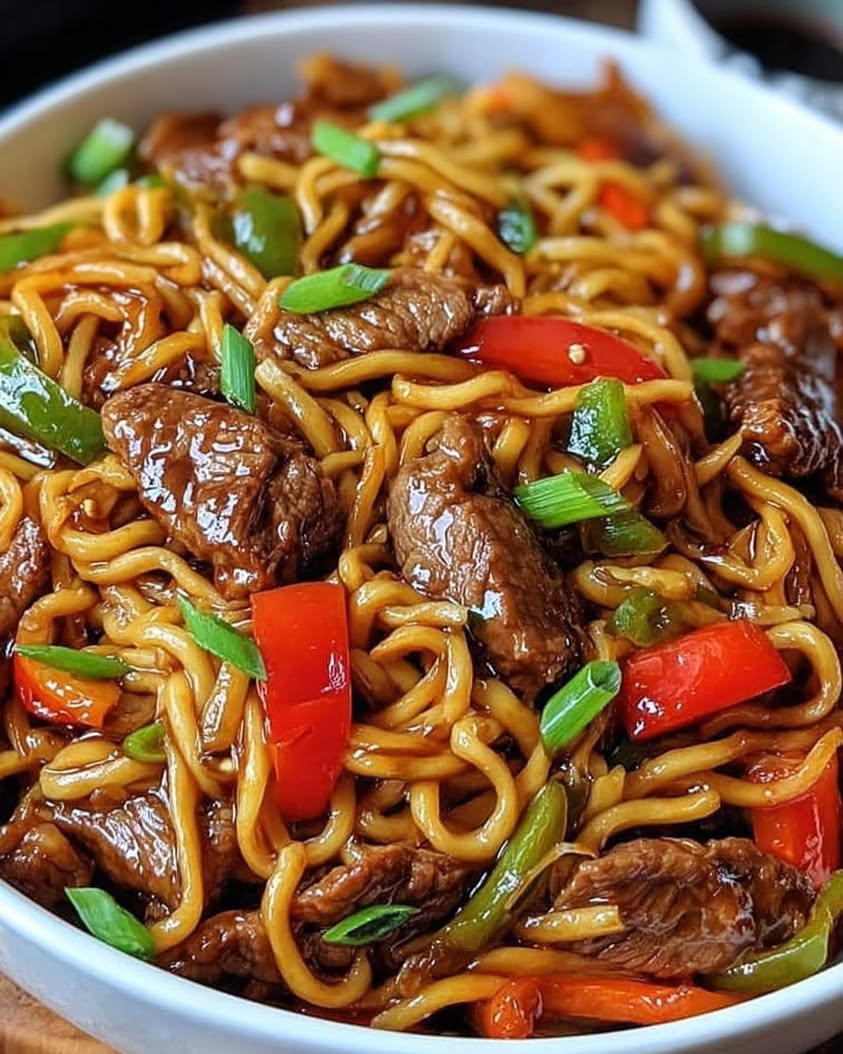
Imagine tender strips of beef, caramelized at the edges, tossed with crisp vegetables and coated in a sticky, savory sauce. Then, picture it all tangled with perfectly cooked, slippery noodles. This dish is a celebration of texture and taste. It’s the kind of meal that brings everyone to the table with eager anticipation. Furthermore, it’s versatile enough for a casual family dinner or a last-minute gathering with friends.
Quick Recipe Highlights
- Flavor Profile: This dish is a masterclass in umami. The soy sauce and oyster sauce create a savory base, while a touch of brown sugar adds subtle sweetness. Fresh garlic and ginger provide a sharp, aromatic kick that cuts through the richness perfectly.
- Texture: You’ll experience a wonderful contrast. The beef is tender and juicy, while the vegetables retain a pleasant crunch. The silky noodles are smooth and slippery, creating a delightful mouthfeel against the other components.
- Aroma: As soon as the garlic hits the hot oil, your kitchen will fill with an intoxicating scent. The ginger and scallions add layers of fragrance, making the cooking process part of the enjoyment.
- Visual Appeal: This stir-fry is a feast for the eyes. You get the deep brown of the beef, the vibrant green of broccoli and scallions, and the glossy sheen of the sauce coating everything. It’s colorful and inviting.
- Skill Level Needed: This is an accessible recipe for cooks of all levels. The key is organization—having all ingredients prepped before you start cooking. The actual stir-frying technique is simple and quick to master.
- Special Equipment: A large wok or a very large, deep skillet is ideal for proper stir-frying. You also need a pot for boiling the noodles. Other than that, standard kitchen knives and cutting boards are all you require.
Recipe Overview
- Difficulty Level: We rate this recipe as easy. The steps are sequential and logical. Primarily, success hinges on preparation, known as “mise en place.” Once your ingredients are sliced and your sauce is mixed, the cooking process is fast and forgiving. There are no complicated techniques, just high-heat cooking and stirring.
- Category: This is a main course dish. It’s a complete meal featuring protein, vegetables, and carbohydrates. You can certainly serve it as part of a larger multi-course Asian-inspired feast. However, it stands powerfully on its own for a satisfying dinner.
- Cuisine: This dish draws inspiration from Chinese and broader Asian culinary traditions. The technique of stir-frying and the core sauce ingredients are classic. While not a single regional specialty, it embodies the principles of fast cooking, bold seasoning, and balanced flavors central to many East Asian cuisines.
- Cost: This is a cost-effective meal, especially compared to takeout. The most expensive component is the beef. Using flank steak or sirloin keeps it reasonable. The sauce ingredients are pantry staples for many, and the vegetables and noodles are inexpensive. Overall, it delivers high restaurant-style value for a modest grocery investment.
- Season: This Savory Garlic Soy Beef Stir-Fry with Silky Noodles is fantastic year-round. In colder months, it provides a hearty, warming comfort. During warmer seasons, it’s a light yet satisfying option that doesn’t require hours of oven use. You can also adapt the vegetable selection based on what’s fresh and seasonal at the market.
- Occasion: It’s perfect for busy weeknights when time is short but taste is non-negotiable. Simultaneously, it’s impressive enough for casual weekend entertaining. It’s a great dish for teaching older kids basic cooking skills. Furthermore, it makes excellent leftovers for next-day lunches.
Why You’ll Love This Recipe
First and foremost, the taste and texture are utterly irresistible. Each forkful delivers a complex symphony of flavors. The savory depth of the soy-based sauce clings to every ingredient. Then, the fresh bite of garlic and ginger cleanses the palate. The contrast between the tender beef, crisp veggies, and silky noodles creates an eating experience that is never boring. You get restaurant-quality satisfaction in the comfort of your own home.
Convenience is another major win. This entire Savory Garlic Soy Beef Stir-Fry with Silky Noodles comes together in about thirty minutes. The prep is straightforward, and the cooking is incredibly fast. Consequently, it’s a lifesaver on evenings when you’re short on time but still want a wholesome, cooked meal. Everything happens in essentially two pans. Therefore, cleanup is minimal, which is a huge bonus after a long day.
From a nutritional standpoint, this dish offers a great balance. It provides a solid serving of protein from the beef, which supports muscle maintenance. The colorful vegetables contribute essential vitamins, minerals, and fiber. Using a moderate amount of oil and controlling the sodium in your sauce allows you to make it healthier than most takeout versions. You are in complete control of the ingredients and their quality.
This recipe also holds tremendous social and entertaining value. It’s a visually stunning dish that looks like you spent far more effort than you actually did. Serving it family-style encourages sharing and conversation. It’s universally appealing to both adults and children. You can easily double the recipe to feed a crowd without significantly increasing your kitchen time.
Finally, it is remarkably cost-effective and accessible. The ingredients are common and can be found in any standard supermarket. You likely have many of the sauce components in your pantry already. Compared to ordering similar dishes from a restaurant, you can feed a family of four for the price of one or two takeout meals. This Savory Garlic Soy Beef Stir-Fry with Silky Noodles is a testament to how delicious, quick, and economical home cooking can be.
Historical Background and Cultural Significance
The stir-fry technique has ancient roots in Chinese cuisine, dating back over 1,500 years. Originally, it was a practical solution for conserving fuel. Cooking food quickly over very high heat used less wood or charcoal. This method also preserved the texture, color, and nutrients of ingredients far better than prolonged boiling. The wok, with its curved shape, was ingeniously designed to facilitate this fast-moving cooking style, allowing ingredients to be tossed and seared efficiently.
Culturally, stir-frying represents fundamental principles of balance and harmony. A proper stir-fry balances protein, vegetables, and sauce. It considers the “yin and yang” of textures—soft against crisp, tender against crunchy. The technique itself requires the cook’s full attention and presence, making it an active and engaged form of cooking. Dishes like this Savory Garlic Soy Beef Stir-Fry are modern interpretations of these timeless culinary philosophies.
The recipe has evolved significantly with global migration and ingredient availability. Traditional Chinese stir-fries might use specific cuts of meat and locally grown vegetables. The version we know today, with its accessible ingredients like broccoli and bell peppers, is a Western adaptation. The use of soy sauce as a base, however, remains a direct link to its origins. Oyster sauce, a key ingredient for depth, was a later Cantonese invention that became a stir-fry staple.
Regional variations are endless across Asia. In Sichuan, you might find a fiery version with chili bean paste and Sichuan peppercorns. A Thai variation would likely include fish sauce, basil, and a touch of palm sugar. Japanese versions might use mirin and a lighter soy sauce. This particular recipe with garlic, soy, and silky noodles is a beloved, globalized classic. It captures the essence of the technique while allowing for personalization based on taste and pantry contents.
Ingredient Deep Dive
Flank Steak or Sirloin: These cuts are ideal for stir-frying because they are flavorful and become tender when sliced thinly against the grain and cooked quickly. Flank steak has a robust, beefy taste, while sirloin is a bit more tender. Historically, stir-fries often used tougher cuts, tenderized by slicing and velveting. Nutritionally, beef is an excellent source of high-quality protein, iron, and B vitamins. Look for meat with a bright red color and fine marbling. For the best results, partially freeze the steak for 30 minutes before slicing to get paper-thin pieces easily.
Soy Sauce: This fermented soybean sauce is the umami backbone of countless Asian dishes. Its history in China spans over 2,500 years. It adds saltiness, color, and a deep savory flavor. There are light and dark varieties; for this recipe, a regular or light soy sauce is perfect. It contains antioxidants and may have probiotic benefits from fermentation. Always choose a naturally brewed soy sauce for the best flavor. Store it in a cool, dark place. For a gluten-free version, substitute with tamari or a certified gluten-free soy sauce.
Fresh Garlic and Ginger: These aromatics are non-negotiable. Garlic provides a pungent, sharp flavor that mellows and sweetens when cooked. Ginger adds a warm, spicy, and slightly citrusy note. Both have long histories in Asian medicine and cuisine for their digestive and anti-inflammatory properties. Select firm, heavy ginger roots with smooth skin and garlic heads that are tight and plump. Store ginger in the freezer and grate it frozen; store garlic in a cool, dry place. Their vibrant flavors are best when fresh, not powdered.
Oyster Sauce: This thick, brown sauce is made from oyster extracts, sugar, and salt. It contributes a rich, savory, slightly sweet depth that soy sauce alone cannot provide. It gives the stir-fry its characteristic glossy finish. For a vegetarian alternative, use mushroom stir-fry sauce. It’s a good source of some minerals but can be high in sodium, so use it in balance with other sauces. It keeps for a long time in the refrigerator after opening.
Fresh Egg Noodles or Ramen Noodles: These noodles provide the “silky” texture that makes the dish so satisfying. Fresh noodles cook in just a few minutes and have a wonderful chew. They act as a carrier for the flavorful sauce. You can find them in the refrigerated section of most supermarkets. Dried ramen blocks (discard the seasoning packet) are a perfectly fine substitute. For a different twist, try udon or even rice noodles. Cook them just until al dente, as they will continue to absorb sauce in the wok.
Common Mistakes to Avoid
- Not Prepping All Ingredients First: Stir-frying happens fast. If you’re chopping garlic while your beef is already in the wok, something will burn. Always complete all slicing, measuring, and sauce mixing before you turn on the heat. This “mise en place” is the single most important step for success.
- Crowding the Wok: Adding too much food at once drops the pan temperature dramatically. Instead of searing, the ingredients will steam and become soggy. Cook the beef in batches if necessary to ensure each piece gets proper contact with the hot surface and develops caramelization.
- Using the Wrong Cut of Beef: Tough, stewing cuts like chuck roast will not become tender with quick stir-frying. Always choose fast-cooking cuts like flank steak, sirloin, or skirt steak. Remember to slice them thinly against the grain to shorten the muscle fibers for maximum tenderness.
- Overcooking the Vegetables: Vegetables should be vibrant and crisp-tender, not mushy. Add them in stages based on their cooking time. For instance, broccoli stems go in before bell peppers. The residual heat will continue to cook them slightly even after you remove the wok from the heat.
- Adding the Sauce Too Early: If you pour the sauce over raw beef or cold vegetables, it will dilute and cool the wok. Always allow your protein and veggies to sear and develop color first. Then add the sauce, letting it bubble and thicken quickly around the hot ingredients.
- Not Getting the Wok Hot Enough: A proper stir-fry requires intense, consistent heat. Preheat your wok or skillet over medium-high to high heat until a drop of water sizzles and evaporates on contact. This ensures a good sear and prevents sticking.
- Skipping the Cornstarch Slurry: The cornstarch mixed with water is what creates the glossy, thickened sauce that clings to the noodles and beef. Without it, the sauce will be thin and runny. Stir the slurry just before adding, as the cornstarch can settle.
- Using Old, Pre-Minced Garlic or Ginger: The flavor of jarred, pre-minced aromatics is vastly inferior to fresh. They often have a metallic or dull taste. Taking two minutes to mince fresh garlic and grate fresh ginger makes an enormous difference in the final flavor profile of your stir-fry.
Essential Techniques
Slicing Meat Against the Grain: This technique is crucial for tender beef. First, identify the direction of the muscle fibers (the “grain”). Then, slice perpendicular to those lines. This shortens the long, tough fibers, making the meat much easier to chew. For even easier slicing, partially freeze the steak for about 30 minutes until firm but not solid. Use a sharp knife for clean, thin cuts.
High-Heat Stir-Frying: This method cooks food quickly while sealing in juices and creating flavorful browning (the Maillard reaction). The key is to keep the ingredients moving. Use a tossing motion with a wok spatula to ensure even exposure to heat. Never let food sit and stew. If your pan isn’t hot enough, ingredients will release liquid and steam instead of sear. Preheat thoroughly and work in batches if needed.
Velveting the Beef (Optional but Recommended): This Chinese restaurant technique involves marinating the beef in a mixture of cornstarch, oil, and sometimes egg white or baking soda. It creates a protective coating that helps the meat retain moisture during high-heat cooking, resulting in incredibly tender pieces. For a simple version, toss your sliced beef with a tablespoon of cornstarch and a teaspoon of oil before cooking.
Building the Sauce: A balanced sauce is the soul of the dish. Combine your liquids—soy sauce, oyster sauce, sesame oil—with any sugars or aromatics like minced garlic in a bowl before cooking. This prevents you from fumbling with bottles over a hot wok. Adding the cornstarch slurry at the end allows you to control the thickness. Pour it in, let it bubble for 30-60 seconds, and watch the sauce transform from thin to glossy and coating.
Pro Tips for Perfect Savory Garlic Soy Beef Stir-Fry with Silky Noodles
First, pat your sliced beef completely dry with paper towels before marinating or cooking. Any surface moisture will cause the meat to steam instead of sear, preventing that desirable caramelized crust.
For maximum flavor, let your beef marinate in a tablespoon of the soy sauce mixture for 15-20 minutes before cooking. This simple step seasons the meat from the inside out.
Cook your noodles just until al dente, then rinse them briefly under cold water to stop the cooking process. This prevents them from becoming mushy when you toss them in the wok with the sauce later.
Have all your vegetables cut to a uniform size. This ensures they cook evenly. Denser vegetables like broccoli florets should be cut slightly smaller than quicker-cooking ones like bell peppers.
If you want extra sauce for your noodles, simply increase the sauce ingredients by 50%. Keep the cornstarch slurry proportional to maintain the right thickness.
Finish the dish with a final drizzle of toasted sesame oil and a fresh sprinkle of chopped scallion greens just before serving. This adds a burst of fresh aroma and flavor.
To make cleanup a breeze, mix your sauce directly in the liquid measuring cup you use for your chicken broth. You’ll have one less bowl to wash.
If using a non-stick skillet instead of a wok, be mindful that it cannot handle the same extreme high heat as carbon steel. Use medium-high heat to avoid damaging the coating.
Variations and Adaptations
Regional Variations: For a Sichuan twist, add a tablespoon of chili bean paste (doubanjiang) and a teaspoon of ground Sichuan peppercorns to the sauce. For a Thai-inspired version, substitute fish sauce for some of the soy sauce and stir in fresh basil at the end. A Japanese adaptation might use mirin for sweetness and top the finished dish with shredded nori.
Seasonal Adaptations: In spring, use asparagus tips, snap peas, and fresh peas. Summer calls for zucchini, yellow squash, and cherry tomatoes (add tomatoes at the very end). In autumn, try sliced mushrooms, Brussels sprout halves, and cubed sweet potato (par-cook first). Winter is perfect for hearty broccoli, cauliflower, and carrots.
Dietary Modifications: For a gluten-free Savory Garlic Soy Beef Stir-Fry, use tamari instead of soy sauce and ensure your oyster sauce is a gluten-free brand or substitute with more tamari and a pinch of sugar. Use rice noodles or 100% buckwheat soba. To make it vegetarian, replace the beef with extra-firm tofu or seitan, and use vegetarian oyster sauce or mushroom sauce.
Flavor Variations: Add a spoonful of hoisin sauce for a sweeter, more complex note. Incorporate a splash of rice vinegar or lime juice at the end for brightness. For a smoky element, use a teaspoon of smoked paprika in the sauce or add a few drops of liquid smoke to the beef marinade.
Texture Modifications: For extra crunch, add a handful of toasted peanuts or cashews as a garnish. If you prefer a smoother sauce, blend it quickly with an immersion blender before adding the cornstarch slurry. For a drier stir-fry, reduce the amount of sauce liquid and omit the cornstarch slurry.
Presentation Alternatives: Serve the stir-fry components deconstructed: noodles on the bottom, beef and vegetables arranged neatly on top, sauce drizzled over. For individual portions, use large, shallow bowls. Garnish with vibrant elements like red chili slices, cilantro sprigs, or a sprinkle of white and black sesame seeds for contrast.
Serving and Presentation Guide
Plating is key for visual appeal. For a family-style presentation, pile the silky noodles on a large, warm platter. Then, carefully spoon the Savory Garlic Soy Beef Stir-Fry mixture over the top, allowing some noodles to peek out at the edges. This showcases all the beautiful components. Alternatively, for individual servings, use tongs to twist a nest of noodles into the center of a shallow bowl, then ladle the beef and vegetables over and around them.
Garnishing adds the final professional touch. A generous sprinkle of thinly sliced green scallion tops provides fresh color and flavor. A light drizzle of toasted sesame oil just before serving enhances aroma. For texture and visual pop, add a teaspoon of toasted white and black sesame seeds. A few small, fresh cilantro leaves or thin red chili rings can make the dish look stunning in photographs.
Traditional accompaniments are simple. A light, clear soup like a hot and sour soup or a simple egg drop soup makes a great starter. A small side of pickled vegetables, such as cucumber or radish, offers a refreshing, acidic contrast that cuts through the richness of the stir-fry. Steamed jasmine rice is always a welcome addition for those who want extra carbs.
Modern serving suggestions might include a side salad with a ginger-sesame vinaigrette. For a fun twist, serve the stir-fry in lettuce cups for a low-carb option. You can also offer various condiments on the side, like chili crisp, sriracha, or extra soy sauce, allowing guests to customize their own bowl. This interactive element is great for gatherings.
Temperature is crucial. Serve this dish immediately after cooking. The noodles should be hot, and the beef should be steaming. Warm your serving platter or bowls by rinsing them with hot water and drying them just before plating. This prevents the food from cooling down too quickly. If you must wait, keep the wok covered very loosely to retain heat without steaming the vegetables into mush.
Portion control is easy with this adaptable recipe. A good rule of thumb is about 4-5 ounces of raw beef and one bundle of noodles per person. The vegetables can be increased or decreased based on preference. If serving as part of a larger multi-course meal, you can reduce the portion size accordingly. Leftovers store and reheat well, so don’t be afraid to make the full four-serving recipe even for two people.
Wine and Beverage Pairing
Choosing the right wine can elevate your meal. A medium-bodied red wine with low tannins works beautifully. Specifically, a Pinot Noir or a Grenache complements the savory, umami-rich beef without overpowering it. Their red fruit notes pair nicely with the slight sweetness in the sauce. If you prefer white wine, opt for an off-dry Riesling or a Gewürztraminer. Their touch of sweetness and aromatic profile can handle the garlic and ginger and contrast the saltiness.
Non-alcoholic alternatives are just as important. Iced green tea or jasmine tea is a classic and refreshing choice. The slight bitterness cleanses the palate. For a more robust option, a chilled ginger beer provides a spicy kick that mirrors the ginger in the dish. Sparkling water with a squeeze of lime or a dash of bitters is always a clean, palate-cleansing option that won’t compete with the flavors.
For a warm beverage pairing, consider a delicate oolong tea or a roasted barley tea (boricha). These teas have complex flavors that won’t clash with the meal. They are traditionally consumed with Asian cuisine and aid digestion. Avoid strong, bitter black teas or overly sweetened coffee during the meal, as they can overwhelm the subtle balance of the stir-fry.
Temperature considerations are straightforward. White wines and non-alcoholic beverages should be well-chilled. Red wines should be served slightly cooler than room temperature, around 60-65°F. Teas should be hot but not scalding. The goal is to have your beverage provide a contrasting or complementary temperature experience to the hot, savory food.
Finally, serving suggestions matter. Pour wines into appropriate glassware to allow them to breathe and release their aromas. Serve iced teas in tall glasses. Always offer plenty of water alongside any other beverage to help guests stay hydrated, especially given the savory nature of the dish. Setting the table with the right glassware makes the entire meal feel more special and considered.
Storage and Shelf Life
Proper storage is essential for food safety and quality. Allow the leftover Savory Garlic Soy Beef Stir-Fry with Silky Noodles to cool completely before storing. Do not leave it at room temperature for more than two hours. Transfer it to an airtight container. It’s best to store the components separately if possible—noodles in one container and the beef/vegetable mixture in another. This prevents the noodles from becoming overly soft and absorbing all the sauce.
Refrigerate the leftovers promptly. The ideal refrigerator temperature is 40°F or below. In these conditions, your stir-fry will keep safely for 3 to 4 days. The sauce may thicken further when cold. The vegetables will soften but will still be perfectly edible. Always use clean utensils to scoop out portions to avoid introducing bacteria into the container.
For freezing, note that the texture of the vegetables and noodles will change significantly upon thawing. They can become mushy. If you must freeze, freeze only the beef and sauce portion for up to 2 months. Cook fresh noodles when you’re ready to reheat and serve. Store in a freezer-safe bag or container, removing as much air as possible to prevent freezer burn.
Recognizing spoilage is crucial. Discard the stir-fry if you notice an off or sour smell, significant discoloration, or any signs of mold. If the sauce appears excessively slimy or the texture seems unusually mushy beyond expectation, it’s best to err on the side of caution and throw it out. When in doubt, remember the old adage: when in doubt, throw it out.
Reheating instructions are simple. For best results, reheat on the stovetop. Add a small splash of water or broth to a skillet or wok over medium heat. Add the leftovers and stir frequently until piping hot throughout. This method helps revive the sauce and prevents drying. You can also use a microwave, stirring every 30 seconds to ensure even heating. Ensure the internal temperature reaches 165°F before consuming.
Make Ahead Strategies
Strategic prep can turn this 30-minute meal into a 10-minute assembly. The day before, slice all your beef, place it in a zip-top bag with the soy sauce marinade, and store it in the refrigerator. This not only preps the meat but also tenderizes and flavors it. Chop all your vegetables and store them in separate containers or compartments in the fridge. You can even mix the sauce ingredients (except the cornstarch slurry) and keep them in a jar.
Storing between steps is about maintaining freshness and texture. Keep pre-cut vegetables in airtight containers lined with a paper towel to absorb excess moisture. Your marinating beef should be on a lower shelf in the fridge to prevent any potential drips. Pre-mixed sauce can sit in the fridge for 2-3 days. The cornstarch slurry should be mixed fresh right before cooking, as the starch will settle and solidify if made too far in advance.
Assessing the impact on quality, pre-chopped vegetables may lose a tiny amount of crispness but for a stir-fry, it’s negligible. Marinated beef actually improves in flavor and tenderness. The sauce components meld together nicely when mixed ahead. The only element that must be absolutely fresh is the final cornstarch addition and the cooking of the noodles, which should be done just before serving for the best texture.
Assembly becomes a breeze with everything prepped. When you’re ready to cook, simply heat your wok, cook the beef, then the vegetables, add the pre-mixed sauce, stir in the fresh cornstarch slurry, and toss with your freshly boiled noodles. The process becomes almost like a television cooking show where everything is magically ready to go. This is the secret to stress-free weeknight cooking.
If you must fully cook the dish ahead, undercook the vegetables slightly and rinse the noodles in cold water to stop the cooking. When reheating, use the stovetop method with a little added liquid to refresh the sauce. The beef may overcook a bit upon reheating, so for the best texture, partial prep is superior to full cook-ahead for this particular dish.
Scaling Instructions
Halving the recipe is straightforward for one or two people. Simply divide all ingredient quantities by two. Use a medium skillet instead of a large wok. The cooking times will remain roughly the same because the volume in the pan is smaller. Be vigilant, as smaller quantities can cook even faster. You may need to slightly reduce the sauce simmering time to prevent over-thickening.
Doubling or tripling the recipe for a crowd requires some adjustments. Do not attempt to cook all the beef at once; cook in three or four batches to avoid steaming. You may need to cook vegetables in batches as well. Use the largest wok or skillet you have, or consider using two pans simultaneously. Increase the sauce simmering time by a minute or two to ensure the cornstarch fully activates and thickens the larger volume.
Equipment adjustments are necessary when scaling. For a double batch, a 14-inch wok is ideal. For a triple batch, you will almost certainly need to use two large pans or cook in sequential batches, keeping finished batches warm in a low oven. Ensure you have a pot large enough to boil the increased quantity of noodles. A giant mixing bowl for tossing everything together at the end is also helpful.
Timing modifications are minimal when halving. When increasing the recipe, the prep time will increase linearly with more chopping. The active cooking time will increase because of batch cooking, but not linearly. For example, doubling the recipe might add only 50% more active cook time, not 100%, as each batch cooks quickly. Factor this in when planning your meal schedule.
Storage considerations change with scale. A larger batch means more potential leftovers. Ensure you have enough appropriately sized airtight containers for refrigeration. If you don’t plan to eat all the leftovers within 3-4 days, consider freezing a portion of the beef and sauce mixture (without noodles) immediately after cooking for a future quick meal.
Nutritional Deep Dive
This dish offers a balanced macronutrient profile. A typical serving provides a substantial amount of high-quality protein from the beef, essential for muscle repair and satiety. The noodles contribute complex carbohydrates, offering sustained energy. The fats come primarily from the cooking oil and the marbling in the beef, including a small amount of heart-healthier unsaturated fats from the sesame oil. The overall calorie count is reasonable for a complete meal, especially when loaded with vegetables.
Micronutrient analysis reveals a wealth of vitamins and minerals. The beef is an excellent source of heme iron, which is easily absorbed, and Vitamin B12. The broccoli and bell peppers provide a huge boost of Vitamin C, Vitamin K, and folate. Garlic and ginger contribute bioactive compounds like allicin and gingerol, which have noted anti-inflammatory and antioxidant properties. Using low-sodium soy sauce can help manage the dish’s sodium content.
From a health perspective, this meal supports a balanced diet. The protein and fiber from the vegetables promote a feeling of fullness, which can aid in weight management. The variety of colors in the vegetables indicates a diverse range of phytonutrients. Cooking quickly at high heat helps preserve the water-soluble vitamins in the veggies better than prolonged boiling. It’s a nutrient-dense choice compared to many processed convenience foods.
For dietary considerations, the main allergens to note are soy (soy sauce) and wheat (in most soy sauces and noodles). Gluten is present in standard soy sauce and wheat-based noodles. The dish is naturally dairy-free. As discussed, modifications can accommodate gluten-free, low-sodium, or vegetarian diets quite successfully without sacrificing core flavor.
Portion analysis is key for mindful eating. A balanced serving is roughly one-quarter of the recipe. This includes a palm-sized portion of beef, a generous cup of vegetables, and a moderate nest of noodles. If you are monitoring carbohydrate intake, you can increase the vegetable portion and slightly decrease the noodle portion. The sauce, while flavorful, should coat the ingredients lightly rather than pool at the bottom of the bowl.
Dietary Adaptations
Gluten-Free: Transform this into a gluten-free Savory Garlic Soy Beef Stir-Fry by using tamari (a gluten-free soy sauce) or coconut aminos. Ensure your oyster sauce is a certified gluten-free brand, or substitute with additional tamari and a pinch of sugar for sweetness. For the noodles, choose 100% buckwheat soba (check the label, as many contain wheat), rice noodles, or sweet potato glass noodles. Double-check that your cornstarch is pure and not a blend containing wheat starch.
Dairy-Free: This recipe is naturally dairy-free. No butter, milk, or cheese is used in the traditional preparation. Always check labels on pre-made sauces like oyster sauce, as very rarely they might contain dairy-derived ingredients, but this is extremely uncommon. Your standard soy sauce, oyster sauce, and noodles are typically dairy-free.
Vegan/Vegetarian: Replace the beef with a plant-based protein like extra-firm tofu (pressed and cubed), tempeh, or seitan. Use a vegetarian “oyster” sauce made from mushrooms. Ensure your noodles are egg-free if necessary (many fresh Asian noodles contain egg; opt for rice noodles or dried wheat noodles without egg). You can also use a hearty vegetable like king oyster mushrooms, sliced thick, to mimic a meaty texture.
Low-Carb/Keto: Omit the noodles entirely. Serve the beef and vegetable stir-fry over cauliflower rice or shirataki (konjac) noodles. Be mindful of the sauces: soy sauce and oyster sauce contain sugars. You may need to reduce the amount of oyster sauce and use a sugar-free substitute like a keto-friendly sweetener in the sauce mix. Increase the quantity of low-carb vegetables like broccoli, bell peppers, and mushrooms.
Paleo: Use coconut aminos instead of soy sauce. Substitute the oyster sauce with a mixture of coconut aminos and a bit of fish sauce (if tolerated) or simply omit it. Serve over cauliflower rice or spiralized vegetable “noodles” like zucchini or sweet potato. Ensure your cooking fat is Paleo-approved, such as avocado oil or coconut oil.
Low-FODMAP: This requires careful modification. Use a garlic-infused oil for cooking to get the flavor without the fructans from garlic. Omit the onion and use only the green tops of scallions. Replace the soy sauce with a gluten-free tamari (wheat contains fructans). Use a protein like firm tofu or a safe cut of beef. Serve with rice noodles or a small portion of gluten-free noodles. Consult a Monash University app for specific brand recommendations and serving sizes Print
Savory Garlic Soy Beef Stir-Fry with Silky Noodles
- Total Time: 45 minutes
- Yield: 4
Description
A quick and flavorful stir-fry featuring tender beef slices, aromatic garlic, and a rich soy-based sauce, all tossed with silky egg noodles for a satisfying meal.
Ingredients
- 1 lb flank steak, thinly sliced against the grain
- 8 oz fresh egg noodles
- 3 tbsp soy sauce
- 2 tbsp oyster sauce
- 1 tbsp brown sugar
- 4 cloves garlic, minced
- 1 tbsp fresh ginger, grated
- 1 red bell pepper, sliced
- 1 cup broccoli florets
- 2 tbsp vegetable oil
- 2 green onions, chopped
- 1 tsp sesame oil
Instructions
- Cook the egg noodles according to package instructions, then drain and set aside.
- In a small bowl, mix soy sauce, oyster sauce, and brown sugar to create the sauce.
- Heat vegetable oil in a large wok or skillet over high heat, then add beef slices and stir-fry until browned, about 3-4 minutes. Remove beef and set aside.
- In the same wok, add garlic and ginger, stir-fry for 30 seconds until fragrant.
- Add bell pepper and broccoli, stir-fry for 3-4 minutes until tender-crisp.
- Return beef to the wok, pour in the sauce, and toss everything together until well-coated.
- Add the cooked noodles and sesame oil, stir-fry for another 2 minutes to combine.
- Garnish with chopped green onions and serve immediately.
Notes
You can customize the seasonings to taste.
- Prep Time: 15 minutes
- Cook Time: 30 minutes
- Method: Main
- Cuisine: Asian Fusion