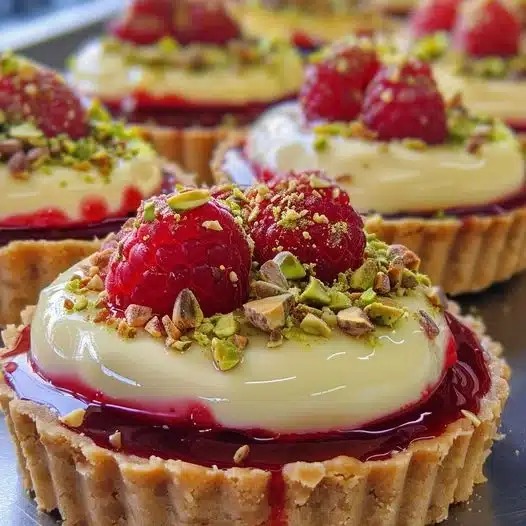
White Chocolate Raspberry Tartlets: An Elegant Bakery-Style Dessert
Imagine biting into a perfect, miniature dessert where a crisp, buttery shell gives way to a cloud of creamy white chocolate, all topped with a jewel-like raspberry that bursts with sweet-tart flavor. These elegant white chocolate raspberry tartlets are that dream realized in your own kitchen. Consequently, they offer a stunning presentation that rivals any high-end bakery, yet they are achievable for any passionate home baker. The combination is timeless, balancing rich sweetness with vibrant fruitiness in every single bite.
Moreover, these bakery-perfect tartlets are designed to impress at any gathering, from an intimate dinner party to a festive holiday celebration. Their individual size makes them ideal for portion control and elegant plating. Ultimately, the process of creating them is a joyful baking project that yields delicious, beautiful results. The contrast of textures and flavors creates a sophisticated dessert experience that feels luxurious without being overly complicated.
Furthermore, mastering these tartlets builds foundational pastry skills you can use in countless other recipes. From the shortcrust pastry to the delicate ganache, each component teaches valuable techniques. Therefore, even if you are new to pastry work, this recipe provides clear, step-by-step guidance. The final product, a tray of these gorgeous little treats, is incredibly rewarding and sure to garner compliments from every guest.
Quick Recipe Highlights
- Flavor Profile: These tartlets masterfully balance the sweet, creamy notes of high-quality white chocolate with the bright, tangy punch of fresh raspberries. Additionally, a hint of vanilla in the filling and a buttery, shortcrust pastry base create a complex, harmonious taste that is neither too sweet nor too sharp.
- Texture: You will experience a delightful textural journey, beginning with the crisp, sandy crunch of the blind-baked tart shell. Next, the luxuriously smooth and velvety white chocolate ganache filling melts on your tongue. Finally, the juicy, slightly firm pop of the fresh raspberry provides the perfect finish.
- Aroma: As these tartlets bake and chill, they fill your kitchen with the warm, comforting scent of butter and toasted flour from the pastry. Subsequently, the subtle, milky sweetness of the white chocolate ganache mingles with the fresh, floral-berry scent of the raspberries, creating an irresistible fragrance.
- Visual Appeal: The visual presentation is a key part of their charm, featuring a golden-brown, perfectly shaped pastry cup filled with a pristine, ivory-white ganache. Each tartlet is then crowned with a single, plump raspberry, often with a delicate dusting of powdered sugar or a mint leaf for a professional, photo-worthy finish.
- Skill Level Needed: This recipe is ideal for bakers with some prior experience who are comfortable working with pastry dough and making a simple ganache. However, detailed instructions make it accessible for motivated beginners willing to follow each step carefully, particularly for techniques like blind baking.
- Special Equipment: To achieve the classic bakery look, you will need a standard 12-cup mini muffin tin. Additionally, helpful tools include a rolling pin, round cookie cutter (slightly larger than your muffin cups), and pastry weights or dried beans for blind baking the shells to prevent puffing.
Recipe Overview
- Difficulty Level: We classify this recipe as intermediate due to its multi-step process involving pastry dough, blind baking, and ganache preparation. Each step is straightforward individually, but together they require organization and attention to detail. The primary challenge lies in handling the delicate pastry to form neat shells. However, with patience and our pro tips, success is very achievable.
- Category: This recipe falls squarely into the dessert and pastry category, specifically individual pastries and tarts. It is perfect for a fancy finale to a meal, a standout item on a dessert buffet, or a special homemade gift. Furthermore, it can be adapted for various dietary needs with some simple substitutions.
- Cuisine: While the tartlet form has roots in French patisserie, this flavor combination is a modern classic enjoyed worldwide. The use of white chocolate, a 20th-century invention, gives it a contemporary twist on traditional fruit tartlets. It embodies a fusion of European pastry technique with universally loved flavors.
- Cost: The cost is moderate, primarily driven by the quality of white chocolate and fresh raspberries. Using good-quality butter and real vanilla also impacts the price. Fortunately, ingredients like flour, sugar, and eggs are pantry staples. Overall, making these at home is significantly more economical than purchasing similar artisan tartlets from a boutique bakery.
- Season: These tartlets are spectacular in the summer when raspberries are at their peak of flavor, sweetness, and affordability. Nevertheless, they make a beautiful and bright dessert during the darker winter months, especially for holidays like Valentine’s Day or Christmas, using high-quality frozen or imported berries.
- Occasion: They are exceptionally versatile for occasions. Serve them at bridal showers, afternoon teas, birthday celebrations, or as a elegant dinner party dessert. Their individual nature also makes them perfect for events where guests are mingling, as they are easy to eat without a plate and fork.
Why You’ll Love This Recipe
First and foremost, the taste and texture combination is simply divine. The luxurious, creamy white chocolate filling provides a rich, sweet base that perfectly complements the vibrant, tangy burst of a fresh raspberry. Meanwhile, the buttery, crisp pastry shell adds a necessary textural contrast that keeps each bite interesting. This balance ensures the dessert feels indulgent yet refreshing, never cloying. Every element works in harmony to create a sophisticated flavor profile that delights the palate from start to finish.
From a convenience standpoint, these tartlets offer impressive make-ahead potential. You can prepare the pastry shells a day in advance and store them in an airtight container. Similarly, the white chocolate ganache filling can be made ahead and gently rewarmed for easy assembly. This staging breaks the recipe into manageable tasks, reducing stress on the day you plan to serve them. Consequently, you can present a stunning, labor-intensive-looking dessert with relative ease and excellent timing.
Regarding nutritional perspective, while certainly a treat, you control the ingredients. You can select high-quality white chocolate with real cocoa butter and avoid artificial flavors. Using fresh fruit adds a dose of vitamins, antioxidants, and fiber. By making them at home, you also manage the portion size, enjoying a single, satisfying dessert rather than an oversized slice. It is a mindful way to enjoy a truly special sweet.
For social and entertaining value, these tartlets are unparalleled. Their elegant, individual presentation immediately elevates any table setting. They signal to your guests that you have put thought and care into the meal’s finale. Furthermore, because they are pre-portioned, there is no messy slicing or serving awkwardness. They facilitate easy conversation and mingling, as guests can simply pick one up. They are a guaranteed conversation starter and a memorable finish to any gathering.
Finally, they are cost-effective and accessible. The ingredients are readily available at any well-stocked grocery store. Compared to the price of a single artisan tartlet at a bakery, making a dozen at home offers tremendous value. You also gain the irreplaceable satisfaction of creating something beautiful and delicious with your own hands. The skills you learn—making pastry, crafting ganache—are investments that pay off in countless future baking projects.
Historical Background and Cultural Significance
The concept of the tartlet has deep roots in European culinary history, particularly in France and England. Originally, early medieval tarts were practical, containing meat or fish within a sturdy pastry shell meant more as a container than for eating. However, by the Renaissance, sweet tarts filled with custard, fruit, or almond cream became popular among the aristocracy. The miniaturization into tartlets likely evolved for practical serving at banquets, allowing for elaborate, individualized presentations. This tradition of elegant, small pastries laid the groundwork for the modern dessert tartlet.
Culturally, fruit tarts symbolize celebration and abundance. The combination of fruit and pastry showcases the baker’s skill in balancing seasonal produce with delicate technique. In French patisserie, the fruit tart is a cornerstone, judged by the fineness of its pastry (pâte sucrée or sablée) and the gloss of its filling. The raspberry, often called the “queen of berries” in Europe, has long been prized for its perfume and delicate flavor, making it a fitting topping for luxurious desserts. Placing a single perfect berry on a tartlet elevates it from simple to special.
The evolution of this specific recipe is more modern, coinciding with the invention and popularization of white chocolate. White chocolate was first developed in Switzerland in the 1930s as a way to use excess cocoa butter. Initially, it was not widely celebrated by chocolatiers. However, its creamy, mild sweetness eventually found a perfect partner in tart fruits like raspberries and passionfruit. This pairing became a hallmark of late-20th-century dessert menus, appearing in mousses, cheesecakes, and, most elegantly, as a filling for tartlets. It represents a newer classic in the pastry canon.
Regional variations on this theme are plentiful. In some American bakeries, a layer of raspberry jam might be brushed under the white chocolate. Austrian or German versions might incorporate a hint of quark or mascarpone into the filling. Some contemporary chefs add a sprinkle of freeze-dried raspberry powder for intense color and flavor, or a drizzle of dark chocolate for contrast. The basic framework of buttery shell, creamy filling, and fresh fruit is a global template for creativity, demonstrating how a simple idea can travel and adapt beautifully across cultures.
Ingredient Deep Dive
Starting with white chocolate, it is crucial to understand it is not true chocolate as it contains no cocoa solids. Instead, it is a blend of cocoa butter, sugar, and milk solids. Its quality is paramount; look for a brand that lists cocoa butter as the first fat, not palm oil. High-quality white chocolate has a rich, creamy flavor without excessive sweetness or a waxy mouthfeel. It provides the luxurious base for our filling. Store it in a cool, dark place and always chop it uniformly for even melting when making ganache.
Fresh raspberries are the star garnish. These aggregate fruits are members of the rose family and are known for their delicate structure and short shelf life. Select berries that are plump, deeply colored, and fragrant. Avoid containers with stains or crushed fruit. For the best flavor, use them within a day or two of purchase. If fresh are unavailable, high-quality individually quick-frozen (IQF) raspberries are an excellent substitute; simply thaw and pat them very dry before using. Their vibrant acidity cuts through the richness of the white chocolate perfectly.
The tart shell relies on simple, precise ingredients. Use cold, unsalted butter to control the salt level and ensure flakiness. All-purpose flour provides the right structure. A small amount of confectioners’ sugar sweetens the dough slightly and contributes to a tender, melt-in-your-mouth texture, known as “sablée” in French. A pinch of salt enhances all the other flavors. An egg yolk binds the dough and adds richness. The quality of your vanilla extract matters greatly; pure vanilla adds a warm, complex note that complements both the chocolate and the fruit.
For the ganache filling, heavy cream (with a fat content of at least 36%) is essential. It provides the liquid to melt the chocolate and, when whipped slightly after setting, creates a light, mousse-like texture. The fat content ensures the ganache sets firmly enough to hold its shape but remains silky and smooth. Using a high-fat cream is non-negotiable for the proper consistency. Gently heating the cream before pouring it over the chopped chocolate is the key technique for a lump-free, glossy filling every single time.
Common Mistakes to Avoid
- Overworking the Pastry Dough: Handling the dough too much after adding the liquid develops gluten, leading to tough, chewy shells instead of tender, crumbly ones. Mix just until the dough comes together, then shape it into a disc and chill promptly.
- Not Blind Baking Properly: Skipping the step of lining the pastry with parchment and weights (like dried beans or pie weights) will cause the shells to puff up and lose their cup shape. Always blind bake to set the structure before adding the wet filling.
- Using Low-Quality White Chocolate: Bargain white chocolate often contains vegetable oils instead of cocoa butter. This results in a grainy, overly sweet, or waxy ganache that won’t set properly or taste refined. Invest in a good baking bar.
- Adding Hot Cream to Whole Chocolate Bars: Pouring scalding cream over a large chunk of chocolate will not melt it evenly. Always chop the chocolate finely so the heat distributes uniformly, allowing you to stir it into a perfectly smooth ganache.
- Overfilling the Tart Shells: Filling the shells to the very brim looks tempting but risks overflow during final setting or when adding the berry. Leave a tiny lip to keep the presentation clean and make handling easier.
- Using Wet Raspberries: Placing a damp raspberry on the set ganache can cause water droplets to form and potentially make the ganache seize or the berry to slide off. Pat each berry thoroughly dry with a paper towel.
- Rushing the Chilling Steps: Not chilling the dough before rolling, or not allowing the filled tartlets to set fully, leads to misshapen shells and a runny filling. Patience with refrigeration is critical for the structural integrity of these delicate pastries.
- Rolling Dough Too Thick or Too Thin: Aim for about 1/8-inch thickness. Too thick, and the shell will be doughy and overwhelm the filling. Too thin, and it may tear or burn during baking, making removal from the tin difficult.
Essential Techniques
Blind baking is the process of pre-baking a pastry shell before adding a wet filling. This is absolutely essential for these tartlets because the white chocolate ganache filling is not baked. You must partially cook the shell first to ensure it is crisp and fully cooked. To do it, line your shaped, chilled dough in the tin with small parchment paper squares or foil, then fill with pie weights. Bake until the edges are set, then carefully remove weights and parchment to finish baking until golden. This technique prevents the dreaded “soggy bottom” and gives the shell structural integrity.
Making a successful ganache is a cornerstone of chocolate work. For white chocolate, the process is gentle. You heat cream just until it simmers, then pour it over finely chopped chocolate. Let it sit for a few minutes to allow the heat to soften the chocolate, then stir slowly from the center outward until completely smooth and glossy. Avoid vigorous stirring to prevent incorporating air bubbles. If any lumps remain, a brief 10-second burst in the microwave can help, but stir again to melt fully. The emulsion of cream and cocoa butter should be shiny and homogeneous.
Working with shortcrust pastry requires a light touch and temperature control. Start with cold ingredients to keep the butter solid. Use a pastry cutter, fork, or your fingertips to rub the butter into the flour until it resembles coarse breadcrumbs. This creates pockets of fat that steam during baking, yielding a flaky texture. Add the cold liquid (egg yolk and cream) and mix just until the dough clumps. Overmixing activates gluten, leading to toughness. Always chill the dough before rolling to relax the gluten and firm up the butter, making it easier to handle and shape.
Pro Tips for Perfect White Chocolate Raspberry Tartlets
Chill your mini muffin tin before you start. A cold pan helps the pastry dough firm up quickly when you press it in, resulting in neater, sharper edges and preventing shrinkage during baking.
Use a small, narrow-bottomed glass or tamper to press the dough evenly into the tin corners. This ensures uniform thickness, which leads to even baking and no raw, doughy spots.
After blind baking, check for any cracks or holes in the shells. You can fix small gaps with a paste made from a bit of reserved raw dough before the final bake, ensuring your ganache filling stays contained.
For an extra flavor layer, brush the inside of the warm, baked shells with a thin layer of melted seedless raspberry jam before adding the ganache. This adds a punch of fruitiness and helps seal the pastry against sogginess.
To achieve a super-smooth ganache surface, tap the filled tartlet pan gently on the counter after pouring. This releases any air bubbles and levels the filling for a professional finish.
If your ganache seems too soft to pipe or hold a berry, let it set at cool room temperature for 15-20 minutes longer, or refrigerate for 5 minutes, stirring occasionally. You want it thick but still pourable.
Add the raspberries just before serving if possible. This keeps them fresh and perky, preventing any juice from weeping onto the beautiful white surface of the set ganache.
For a dazzling finish, use a fine-mesh sieve to dust the assembled tartlets with a whisper of powdered sugar or a light sprinkle of edible gold dust right as you bring them to the table.
Variations and Adaptations
Consider regional and seasonal adaptations by changing the fruit topping. In autumn, use a small roasted fig half or a poached pear slice. For winter, a candied orange segment or a few pomegranate arils add festive color. Spring welcomes blueberries or sliced strawberries. This rotation keeps the recipe exciting and allows you to use the best local, seasonal produce available, enhancing both flavor and sustainability.
For dietary modifications, the recipe is quite adaptable. A gluten-free all-purpose flour blend can replace regular flour in the pastry, though you may need a touch more liquid. For dairy-free versions, use a plant-based butter and a high-fat coconut cream for the ganache, along with a dairy-free white chocolate. Vegan adaptations require an egg substitute like a flax egg for the dough and careful selection of vegan white chocolate and cream alternatives.
Experiment with flavor variations by infusing the heavy cream for the ganache. Steep it with a vanilla bean, a strip of lemon zest, or a few lavender buds before heating. You could also fold a tablespoon of fruit liqueur, like Chambord or Grand Marnier, into the cooled ganache for an adult twist. Another idea is to sprinkle a tiny pinch of flaky sea salt or crushed pistachios on the ganache before adding the berry for a sweet-salty-nutty contrast.
Texture modifications can create new experiences. Add a thin layer of crushed almond brittle or toasted coconut to the bottom of the shell before pouring the ganache. Alternatively, mix finely chopped freeze-dried raspberries into the ganache itself for a pretty pink hue and intense berry flavor throughout. For a crunchier shell, substitute a portion of the flour with finely ground almonds or hazelnuts.
Serving and Presentation Guide
Plating techniques can transform these tartlets from simple to stunning. Arrange them on a rectangular slate, a pristine white platter, or a tiered cake stand for height. Space them evenly to let each one shine individually. For a modern look, place a small dot of raspberry coulis on the plate first, then set the tartlet on top. Alternatively, serve them in their mini muffin paper liners for easy handling at a casual gathering, preserving the beautiful pastry edges.
Garnishing offers the final touch of elegance. Beyond the classic raspberry, add a single tiny mint leaf, a delicate edible flower like a pansy, or a slender strip of lemon zest. A light dusting of confectioners’ sugar using a stencil creates a professional pattern. For a glossy finish, brush the raspberries with a thin layer of warmed apricot jam or a simple syrup to make them glisten under the light, mimicking a bakery display.
Consider traditional and modern accompaniments. A small dollop of lightly sweetened whipped cream or crème fraîche on the side is classic. For a contemporary twist, serve with a quenelle of lemon sorbet or a drizzle of aged balsamic reduction. A few fresh berries scattered around the plate add color and reinforce the main flavor. Ultimately, keep accompaniments light and complementary so as not to overshadow the delicate tartlets themselves.
Wine and Beverage Pairing
Wine pairings should highlight the dessert’s sweet-tart profile without overpowering it. A classic pairing is a late-harvest Riesling or Gewürztraminer, whose natural acidity and stone fruit notes harmonize with the raspberry and cut through the creaminess. A Moscato d’Asti offers gentle bubbles and peachy sweetness. For a richer option, a cream sherry or a tawny port provides nutty, caramelized flavors that complement the white chocolate beautifully. Always serve dessert wines well-chilled to refresh the palate.
Non-alcoholic alternatives can be just as sophisticated. Sparkling water with a twist of lemon or a few muddled raspberries cleanses the palate. A pot of floral herbal tea, such as hibiscus or berry-infused blend, echoes the fruit notes. For a creamy counterpart, a steamer made with warm milk and a dash of vanilla or white chocolate syrup is comforting and indulgent, especially for cooler evenings.
Coffee and tea pairings are a natural fit. A medium-roast coffee with low acidity and notes of caramel or nut complements the dessert’s sweetness without bitterness. For tea, consider a light, fragrant black tea like Darjeeling, or a white tea such as Silver Needle, which has a delicate sweetness that won’t compete. Serving these beverages slightly warm, not scalding hot, allows the flavors of the tartlet to remain prominent on the palate.
Storage and Shelf Life
For optimal freshness, store assembled white chocolate raspberry tartlets in a single layer in an airtight container in the refrigerator. They are best consumed within 2 days. The pastry shell will gradually lose its crispness due to moisture from the filling and refrigerator air, so the texture is at its peak within 24 hours of assembly. If you need to stack them, place a sheet of parchment paper between layers to prevent sticking and protect the delicate berries.
Recognize signs of spoilage promptly. The raspberry may become mushy, develop mold, or leak excessive juice. The ganache can develop a grainy texture or a whitish “bloom” if it experiences temperature fluctuations, which is safe but not ideal texturally. The pastry may become unpleasantly soggy. If any off odors develop, discard the tartlets. For the best quality and food safety, adhere to the two-day guideline for assembled desserts.
Freezing is possible but with caveats. Freeze the unfilled, baked pastry shells in an airtight container for up to a month. The ganache filling can also be frozen separately. However, do not freeze the assembled tartlets with fresh raspberries, as the berries will become watery and limp upon thawing. Thaw components in the refrigerator overnight. Gently rewarm the ganache in short microwave bursts, stirring until smooth, before filling the shells and adding fresh berries just before serving.
Make Ahead Strategies
Create a practical prep timeline for stress-free entertaining. Day 1: Prepare the pastry dough, wrap it tightly, and refrigerate. You can also chop the white chocolate and measure all other ingredients. Day 2 (Morning): Roll, shape, and blind bake the tart shells. Let them cool completely, then store at room temperature in an airtight container. Make the ganache, cover the surface directly with plastic wrap, and refrigerate. Day 2 (2 Hours Before Serving): Gently rewarm ganache until pourable, fill shells, and let set at cool room temperature. Just before serving, top with raspberries and final garnishes.
Understand the quality impact of each make-ahead step. The pastry dough benefits greatly from an overnight chill, relaxing the gluten for easier rolling. Baked shells stored properly stay crisp for 24-48 hours. The ganache can be refrigerated for up to 3 days; just ensure you reheat it gently and stir thoroughly to restore its silky texture. The only element that must be done at the last minute is adding the fresh berry topping to maintain its perfect texture and appearance.
Assembly tips for make-ahead success include filling the shells only when both components are completely cool. If the shells are warm, they will melt the ganache. If the ganache is too hot, it will make the shells soggy. Use a piping bag or a small spoon with a steady hand to fill the shells neatly. If not serving immediately after assembly, refrigerate the filled-but-untopped tartlets, then bring them to room temperature for 15-20 minutes and add the berries right before presenting them to your guests.
Scaling Instructions
Halving the recipe is straightforward for a smaller yield. Simply divide all ingredient quantities by two. Use a standard 6-cup muffin tin or make larger tartlets in a regular muffin tin for 6 servings. The baking times may need slight adjustment; check for doneness a few minutes earlier. Mixing a half-batch of pastry dough by hand is often easier than using a mixer. This scaling is perfect for a small family dessert or a test batch.
Doubling or tripling the recipe for a crowd requires planning. Double all ingredients accurately. You may need to work in batches when rolling and shaping the dough to keep the remaining dough chilled. Use multiple mini muffin tins or bake in shifts. When making a large quantity of ganache, ensure your bowl is large enough to accommodate the hot cream for proper melting. Consider enlisting a helper for assembly line filling and topping to streamline the process before the ganache sets.
Consider equipment adjustments and timing for scaled batches. If you only have one muffin tin, bake all your shells, let the tin cool completely, and then bake the next batch. Do not put dough into a warm tin. When doubling, the time to roll and shape shells will increase significantly, so factor that into your prep schedule. For storage, ensure you have enough airtight containers to hold all the baked shells and space in the refrigerator for the larger quantity of ganache.
Nutritional Deep Dive
A macro breakdown for one tartlet shows a balance of carbohydrates from the pastry and fruit, fats from the butter, cream, and cocoa butter, and a small amount of protein from the egg and milk solids. The primary energy source is the fats and sugars, making it an energy-dense treat. The raspberry contributes a small amount of dietary fiber and natural fruit sugars. Being aware of this breakdown helps with mindful enjoyment, appreciating it as a occasional indulgence that provides quick energy and sensory pleasure.
Micronutrient analysis reveals contributions from the fresh raspberry, including Vitamin C, manganese, and antioxidants like quercetin and ellagic acid. The egg yolk in the dough provides Vitamin D and choline. White chocolate contains calcium from the milk solids. While not a significant source of vitamins and minerals, the dessert does offer more nutritional value than a purely sugar-based confection. The key is to focus on the quality of ingredients to maximize any beneficial compounds present.
For dietary considerations, this dessert contains gluten, dairy, and eggs. However, as outlined in the adaptations section, modifications are possible for many restrictions. For those without restrictions, it fits into a balanced diet when consumed in moderation. The individual portion size is a built-in control mechanism. Pairing it with a protein-rich meal earlier can help stabilize blood sugar levels when you enjoy this carbohydrate-forward dessert afterward.
Dietary Adaptations
For a gluten-free version, substitute the all-purpose flour with a 1:1 gluten-free baking blend that contains xanthan gum. The dough may be more delicate and crumbly, so handle it gently and ensure it is well-chilled. Pressing it into the tin may be easier than rolling. Blind bake as usual. Test a small batch first to ensure you like the texture of the GF flour blend you choose, as some can have a distinct aftertaste.
A dairy-free adaptation requires careful ingredient selection. Use a high-quality vegan butter stick (not spread) for the pastry. For the ganache, choose a dairy-free white chocolate bar and full-fat canned coconut cream (the solid part). The coconut flavor will be present, so ensure it complements your chosen fruit topping. The ganache may set softer, so chill the filled tartlets thoroughly before serving.
Creating a vegan white chocolate raspberry tartlet combines the dairy-free changes with an egg substitute. For the pastry dough, replace the egg yolk with a “flax egg” (1 tbsp ground flaxseed mixed with 2.5 tbsp water, set for 5 mins) or a commercial egg replacer. Ensure all chocolate and cream alternatives are certified vegan. The texture of the pastry will be slightly different but still delicious. Garnish with fresh fruit as usual.
Troubleshooting Guide
If your pastry shells shrink dramatically during baking, the dough was likely overworked or not chilled enough before baking. Next time, handle the dough minimally and ensure it rests in the refrigerator for at least 30 minutes after shaping in the tin before it goes into the oven. Also, avoid stretching the dough when pressing it in; instead, lift and drop it into the corners.
If the ganache turns out grainy or separates, it may have been overheated or stirred too vigorously. To rescue a separated ganache, try adding a small splash of room-temperature cream and whisking gently to re-emulsify. For a grainy ganache due to seized chocolate, gently rewarm the entire mixture over a double boiler while whisking slowly until smooth again.
If the filled tartlets have a soggy bottom, the shells may not have been baked fully during the blind bake stage, or the ganache was added while still too warm. Ensure the shells are fully golden and crisp after the second bake without weights. Let them cool completely on a wire rack before filling. Always allow the ganache to cool slightly so it’s warm, not hot, when pouring.
If the raspberries bleed color into the white ganache, they were likely too wet or placed on the ganache before it had fully set. Pat berries extremely dry and only place them on the tartlets when the ganache surface is completely firm to the touch. Serve soon after topping to minimize any moisture transfer.
Recipe Success Stories
Community feedback on this recipe often highlights the pride bakers feel when presenting these elegant tartlets. Many home cooks report that following the blind baking and ganache tips led to their first truly professional-looking pastry success. A common sentiment is that the recipe seems daunting at first glance, but the clear steps build confidence. Bakers love that the components can be made ahead, turning a complex dessert into a manageable project for busy hosts and hostesses.
Variation successes from readers are inspiring. One baker used a mix of raspberries, blackberries, and blueberries for a patriotic Fourth of July theme. Another infused the cream with Earl Grey tea for the ganache, creating a sophisticated flavor twist. Several have successfully made the gluten-free version for celiac family members, reporting that the texture was still excellent. These adaptations show the recipe’s wonderful flexibility and how it can become a canvas for personal creativity.
Photography tips from successful bakers emphasize natural light. Shooting these tartlets near a window in the morning or afternoon sun makes the white chocolate gleam and the raspberries look jewel-like. Using a plain, neutral background (like a wooden board or marble slab) lets the colors pop. Getting a close-up shot that shows the layers of crust, filling, and berry is always a winner. Many note that a slight dusting of powdered sugar just before photographing adds a magical, finished touch.
Frequently Asked Questions
Can I use frozen raspberries? Yes, but thaw them completely and pat them meticulously dry with paper towels. Frozen berries release more water, which can make the ganache soggy or cause the berry to slide off. For best results, fresh is ideal, but high-quality frozen are a good backup.
My ganache is too runny. How can I fix it? If it’s too runny after cooling, it likely needs more time to set. Place it in the refrigerator for 10-15 minute intervals, stirring gently each time, until it thickens to a pourable but not liquid consistency. The ratio of cream to chocolate is key; ensure you measured accurately.
Can I make one large tart instead of individual tartlets? Absolutely. Use a 9-inch tart pan with a removable bottom. Roll the dough to fit, blind bake, and fill. The baking time for the shell will be longer—about 20-25 minutes with weights, then 10-15 without. Slice to serve.
What can I use instead of pie weights for blind baking? Dried beans, rice, or uncooked lentils are perfect, reusable alternatives. You can also use sugar, though it may caramelize slightly. Ceramic or metal pie weights are the professional tool, but the pantry staples work wonderfully.
How do I prevent the pastry from sticking to the muffin tin? Ensure you grease the tin lightly, even if using non-stick. Pressing the dough evenly without gaps also helps. Let the baked shells cool in the tin for 5-10 minutes, then gently twist or use a small offset spatula to lift them out.
Can I use milk chocolate or dark chocolate instead? Certainly. Dark chocolate ganache will be richer and less sweet, providing a stronger contrast to the raspberry. Milk chocolate will be sweeter and creamier. Adjust the cream-to-chocolate ratio slightly, as different chocolates have different fat contents and set differently.
Why did my white chocolate ganache turn yellow? This can happen if the cream was too hot and caused the milk solids in the white chocolate to separate or “curdle.” Gentle, gradual heating is key. Using a high-quality chocolate with a stable formulation also helps prevent discoloration.
How far in advance can I assemble the tartlets? For optimal texture, assemble them no more than 2-3 hours before serving. You can fill the shells earlier, but add the fresh raspberries at the last possible moment to keep them firm and prevent juice runoff.
My dough is too crumbly and won’t come together. What should I do? Print
White Chocolate Raspberry Tartlets
- Total Time: 45 minutes
- Yield: 4
Description
Sweet-tart raspberries paired with creamy white chocolate in elegant little tartlets that look bakery-perfect.
Ingredients
- 1 1/2 cups all-purpose flour
- 1/2 cup unsalted butter, cold and cubed
- 1/4 cup granulated sugar
- 1 large egg yolk
- 1 tablespoon ice water
- 8 ounces white chocolate, finely chopped
- 1/2 cup heavy cream
- 1 teaspoon vanilla extract
- 1 pint fresh raspberries
- Powdered sugar for dusting
Instructions
- Preheat oven to 350°F (175°C). In a food processor, combine flour, butter, and sugar until mixture resembles coarse crumbs. Add egg yolk and ice water; pulse until dough comes together.
- Press dough into 12 small tartlet pans. Prick bottoms with a fork and bake for 12-15 minutes until golden. Let cool completely.
- In a heatproof bowl, combine white chocolate and heavy cream. Microwave in 30-second intervals, stirring until smooth. Stir in vanilla extract.
- Pour white chocolate ganache into cooled tartlet shells. Arrange raspberries on top. Chill for 1 hour until set. Dust with powdered sugar before serving.
Notes
You can customize the seasonings to taste.
- Prep Time: 15 minutes
- Cook Time: 30 minutes
- Method: Dessert
- Cuisine: American