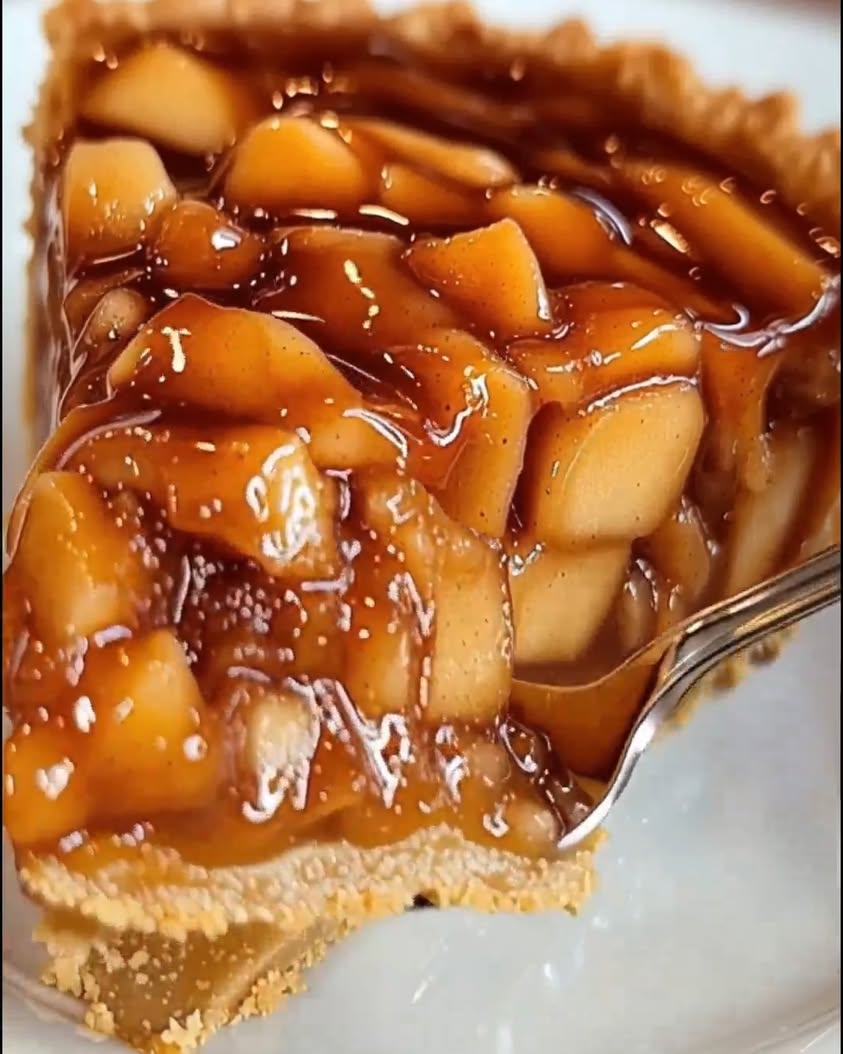
Caramel Glazed Apple Cake: A Simple, Nostalgic Fall Dessert
Imagine the scent of cinnamon and nutmeg wafting through your kitchen. Then picture tender pieces of apple suspended in a moist, warmly spiced cake. Finally, envision a rich, buttery caramel glaze slowly soaking into the warm surface, creating a sticky-sweet crown. This caramel glazed apple cake delivers that exact experience. It is a simple, nostalgic fall dessert that feels like a hug on a plate.
This recipe celebrates the humble apple in its most comforting form. Moreover, it requires no fancy techniques or hard-to-find ingredients. Consequently, you can whip it up for a weeknight treat or a weekend gathering with equal ease. The result is a dessert that is both rustic and deeply satisfying. Every bite offers a perfect harmony of soft fruit, cozy spice, and decadent caramel sweetness.
Ultimately, this caramel glazed apple cake is more than just a recipe. It is a return to simpler pleasures. The process of mixing the batter and watching it bake is wonderfully therapeutic. Meanwhile, the final product is a crowd-pleaser that appeals to all ages. It captures the essence of autumn in a single, delicious slice.
Quick Recipe Highlights
- Flavor Profile: This caramel glazed apple cake features a deep, warm spice blend perfectly complementing the sweet-tart apples. The buttery caramel glaze adds a luxurious, rich sweetness that ties all the elements together.
- Texture: The cake itself is wonderfully moist and tender with soft, baked apple pieces throughout. The glaze sets slightly on top but remains gloriously sticky, creating a delightful contrast in every mouthful.
- Aroma: As it bakes, the cake fills your home with an irresistible fragrance of cinnamon, nutmeg, and brown sugar. The scent of baking apples and warm spices is the very definition of cozy.
- Visual Appeal: This rustic cake boasts a craggy, golden-brown top studded with apple pieces. The glossy caramel glaze drips beautifully down the sides, making it look as good as it tastes.
- Skill Level Needed: This is a beginner-friendly recipe using the simple “mix and bake” method. No creaming of butter or special folding techniques are required, making it perfect for novice bakers.
- Special Equipment: You only need basic kitchen tools: a mixing bowl, a whisk, a 9-inch square baking pan, and a saucepan for the glaze. No stand mixer or fancy equipment is necessary.
Recipe Overview
- Difficulty Level: This caramel glazed apple cake is rated easy because it uses straightforward mixing methods. All you do is combine wet and dry ingredients separately, then mix them together. There is no need for precise creaming or delicate folding, which makes it very forgiving.
- Category: This recipe falls squarely into the dessert and baking categories. It is perfect for afternoon tea, a sweet ending to dinner, or a potluck contribution. Additionally, it can double as a decadent breakfast or brunch coffee cake.
- Cuisine: This cake draws inspiration from classic American home baking and European apple cake traditions. It embodies the simple, fruit-forward desserts popular in farmhouse cooking across many cultures, particularly during harvest season.
- Cost: This is an economical dessert, especially during apple season. Basic pantry staples like flour, sugar, and spices form the base. Fresh apples are the star, and they are typically affordable and widely available.
- Season: This caramel glazed apple cake is a quintessential autumn dessert. It shines when apples are at their peak of flavor and abundance. However, its cozy nature makes it a welcome treat throughout the colder months.
- Occasion: It is ideal for casual family dinners, holiday gatherings like Thanksgiving, bake sales, or simply as a weekend baking project. Its homey appearance and incredible flavor make it suitable for any informal celebration.
Why You’ll Love This Recipe
First and foremost, the taste and texture of this caramel glazed apple cake are utterly irresistible. The cake itself is supremely moist, thanks to the natural juices from the apples and the addition of oil. Each forkful delivers tender pieces of fruit infused with cinnamon and nutmeg. Then, the rich caramel glaze seeps into the top layer, creating pockets of gooey sweetness. This combination of soft cake, tender apple, and sticky glaze is a textural masterpiece. It satisfies cravings for something sweet, spiced, and comforting all at once.
Furthermore, the convenience of this recipe is a major selling point. You can prepare the entire caramel glazed apple cake, from peeling apples to taking it out of the oven, in just over an hour. The batter comes together in minutes with minimal cleanup. This simplicity means you can easily bake it on a whim. There is no need to plan days in advance or hunt for exotic ingredients. Basically, if you have a few apples and basic baking supplies, you are ready to go.
From a nutritional perspective, this dessert incorporates whole fruit directly into the batter. Apples provide dietary fiber and vitamin C. While it is certainly a treat, using apples adds a redeeming nutritional element you will not find in a plain sheet cake. You can also make small adjustments, like using whole wheat flour or reducing sugar slightly, to tailor it to your preferences. Ultimately, enjoying a homemade dessert where you control the ingredients is always a better choice than processed alternatives.
This caramel glazed apple cake also holds tremendous social and entertaining value. Its rustic, inviting appearance makes it perfect for potlucks and family gatherings. It is a guaranteed conversation starter and often evokes fond memories of childhood and family baking. Serving a warm, homemade dessert creates a sense of warmth and hospitality. It shows your guests you care enough to make something from scratch. Plus, it pairs wonderfully with coffee or tea, making it ideal for casual visits.
Finally, this recipe is remarkably cost-effective and accessible. Apples are one of the most affordable fruits, especially in season. The other ingredients are pantry staples most home bakers already own. You do not need any special equipment or expensive tools. This accessibility ensures anyone can make this delightful caramel glazed apple cake. It proves that creating a stunning, crowd-pleasing dessert does not require a big budget or a professional kitchen.
Historical Background and Cultural Significance
The tradition of baking apples into cakes and desserts spans centuries and continents. Early European settlers in America brought their recipes for fruit-based cakes and puddings. They then adapted these recipes using native ingredients, like the abundant American apples. The caramel glazed apple cake, as we know it, likely evolved from these simple, frugal “harvest cakes.” These cakes were designed to use up seasonal bounty and stretch precious ingredients like sugar and flour. They were a practical and delicious way to preserve the taste of autumn.
Apples themselves hold deep cultural significance in many societies. In American folklore, they symbolize knowledge, harvest, and hospitality. The phrase “as American as apple pie” underscores the fruit’s ingrained place in the national identity. An apple cake, especially a warm one with caramel, carries similar connotations of home, comfort, and abundance. It is a dessert that feels inherently traditional and welcoming. It connects us to generations of home cooks who baked with the seasons.
The recipe has evolved significantly from its likely origins. Originally, such cakes might have been sweetened primarily with honey or molasses and baked in hearths. The addition of a poured caramel glaze is a more modern indulgence, reflecting greater access to refined sugar and butter. The warm spice blend of cinnamon and nutmeg became standard as global spice trade routes expanded. Today’s caramel glazed apple cake is a refined version of those historical recipes. It balances rustic charm with a touch of decadence.
Regional variations of apple cake are found worldwide. German Apfelkuchen and French Tarte Tatin are famous cousins. In the United Kingdom, apple cakes are often served with custard. The American version, particularly one with a sticky caramel glaze, tends to be sweeter and more cake-like. Some regional American variations might include nuts like walnuts or pecans in the batter. Others might use a brown sugar streusel topping instead of a glaze. This particular caramel glazed apple cake sits comfortably within this rich tapestry of global apple desserts.
Ingredient Deep Dive
Apples: Apples are the heart of this caramel glazed apple cake. Cultivated for thousands of years, they are rich in cultural symbolism from the Garden of Eden to Johnny Appleseed. Nutritionally, they provide a good source of fiber, particularly pectin, and vitamin C. For baking, choose firm, tart varieties like Granny Smith, Honeycrisp, or Braeburn. These apples hold their shape during baking and provide a pleasant contrast to the sweet cake and glaze. Store apples in the refrigerator’s crisper drawer. If you must substitute, firm pears can work in a pinch, though the flavor will be different.
All-Purpose Flour: Flour provides the structure for our caramel glazed apple cake. Wheat has been a dietary staple since the dawn of agriculture, forming the basis of breads and cakes across civilizations. All-purpose flour offers a reliable balance of protein for structure and starch for tenderness. For a lighter texture, you can sift it. For a nuttier, whole-grain version, substitute up to half with whole wheat flour. Store flour in a cool, dry place in an airtight container to prevent moisture and pests.
Warm Spices (Cinnamon & Nutmeg): These spices are what make the cake smell and taste like autumn. Historically, spices like cinnamon were highly prized trade goods. Cinnamon adds a sweet, woody warmth, while nutmeg provides a deeper, slightly pungent note. Both have antioxidant properties. For the best flavor, use freshly grated nutmeg if possible. Ground spices lose potency over time, so check their aroma before using. You can substitute the spice blend with apple pie spice for convenience.
Brown Sugar: Brown sugar, used in both the cake and glaze, is key for moisture and caramel flavor. It is simply white sugar with molasses added back in. The molasses contributes moisture, a rich color, and a complex, toffee-like taste. It is this ingredient that gives the caramel glazed apple cake its distinctive depth. For a darker, more robust flavor, use dark brown sugar. Store brown sugar in an airtight container to prevent it from hardening. If it does harden, a piece of bread in the container can soften it.
Butter (for the glaze): Butter is essential for the rich, silky caramel glaze. It provides flavor, richness, and helps the glaze set with a slight snap. Butter production dates back thousands of years and is a cornerstone of French and European pastry arts. For the best flavor, use unsalted butter so you control the salt content. The butter must be combined with brown sugar and cream to create a smooth, pourable consistency that will soak into the warm cake perfectly.
Common Mistakes to Avoid
- Using the Wrong Apples: Avoid using very soft apples like Red Delicious. They will turn to mush during baking. Instead, always choose firm, tart baking apples for the best texture in your caramel glazed apple cake.
- Overmixing the Batter: Once you combine the wet and dry ingredients, mix just until no flour streaks remain. Overmixing develops gluten, leading to a tough, dense cake instead of a tender one.
- Not Peeling the Apples: While leaving peels on might seem healthier, apple peels can separate from the fruit during baking and create tough, chewy bits in your cake. Peeling ensures a uniformly soft texture.
- Pouring Glaze on a Cold Cake: The caramel glaze must be poured over the warm cake straight from the oven. This allows it to seep into the top layer. If the cake is cold, the glaze will just sit on top like frosting.
- Overcooking the Caramel Glaze: When making the glaze, cook it just until the sugar dissolves and it begins to bubble. Do not boil it for a long time, or it will become too thick and harden like candy on the cake.
- Cutting the Cake Too Soon: Resist the urge to cut and serve immediately after glazing. Let the cake cool for at least 30 minutes. This allows the glaze to set slightly and the cake structure to firm up for clean slices.
- Using a Pan That’s Too Small: Using a pan smaller than 9-inch square can cause the batter to overflow. Conversely, a much larger pan will result in a thin, dry cake. Always use the specified pan size.
- Skipping the Spices: The warm spices are non-negotiable for flavor. Do not omit the cinnamon and nutmeg. They are essential for achieving that classic, nostalgic taste associated with this dessert.
Essential Techniques
The “Muffin Method” Mixing: This recipe uses the “muffin method,” where wet and dry ingredients are mixed separately, then combined. This technique is crucial for a tender crumb. Overmixing is the enemy here. Once the wet ingredients hit the dry, stir gently and swiftly. The batter should be lumpy, not smooth. This minimal mixing prevents gluten development, ensuring your caramel glazed apple cake stays soft and light, not chewy.
Preparing the Apples: Proper apple prep ensures even distribution and perfect texture. Peel the apples first to avoid tough bits. Then, cut them into a small, uniform dice, about 1/2-inch pieces. Uniform size means they cook evenly. Tossing the diced apples in a little of the dry flour mixture is a pro tip. This light coating helps suspend them in the batter, preventing them from sinking to the bottom of the pan during baking.
Testing for Doneness: Knowing when your caramel glazed apple cake is perfectly baked is key. Oven temperatures vary. Start checking a few minutes before the timer ends. Insert a toothpick or thin skewer into the center of the cake. It should come out with a few moist crumbs clinging to it, not wet batter. The top will be golden brown, and the edges will pull slightly away from the pan. Overbaking leads to a dry cake.
Making the Caramel Glaze: The glaze technique is simple but requires attention. Combine butter, brown sugar, and cream in a saucepan. Cook over medium heat, stirring constantly, just until the butter melts and the sugar dissolves. Let it come to a gentle boil for one minute—this helps it thicken slightly. Then, immediately remove it from the heat. Pour it over the warm cake right away, using a spoon to spread it to the edges. The warm cake will absorb the glaze beautifully.
Pro Tips for Perfect Caramel Glazed Apple Cake
First, for enhanced flavor, let your diced apples sit with a tablespoon of the recipe’s sugar and the spices for 10 minutes before adding to the batter. This draws out some juices and intensifies the apple flavor in every bite.
Second, always use room temperature eggs and milk for your wet ingredients. They incorporate into the batter more evenly, resulting in a smoother, more homogeneous mixture that bakes consistently.
Third, line your baking pan with parchment paper, leaving an overhang on two sides. This allows you to lift the entire cooled cake out of the pan for easy glazing and slicing on a cutting board.
Fourth, if your brown sugar has hardened, gently warm it in the microwave for 10-15 seconds before measuring. This ensures you get an accurate, packed measurement for both the cake and the glaze.
Fifth, add a pinch of salt to the caramel glaze. Salt heightens the buttery, caramel flavors and balances the sweetness, making the overall taste of the dessert more complex and sophisticated.
Sixth, for a decorative touch, reserve a few thin apple slices. Arrange them on top of the batter before baking. They will bake into the top, creating a beautiful, rustic presentation.
Seventh, if you love nuts, fold 1/2 cup of chopped toasted walnuts or pecans into the batter with the apples. They add a wonderful crunch and nutty flavor that pairs perfectly with the apples and caramel.
Eighth, serve each slice slightly warm. A quick 10-second zap in the microwave before serving softens the glaze and makes the cake taste freshly baked, maximizing the cozy experience.
Variations and Adaptations
Regional Variations: To mimic a German style, add a streusel topping of flour, butter, and sugar instead of the glaze. For a French twist, use thinly sliced apples arranged in a concentric pattern on top before baking, and skip the glaze for a dusting of powdered sugar.
Seasonal Adaptations: In summer, try a berry version by replacing apples with fresh blueberries or raspberries. In winter, incorporate diced pears and a hint of ginger. For the holidays, add dried cranberries and orange zest to the batter for a festive twist.
Dietary Modifications: For a gluten-free caramel glazed apple cake, use a 1:1 gluten-free flour blend. For dairy-free, use a neutral oil like avocado oil in the cake and coconut milk and vegan butter in the glaze.
Flavor Variations: Infuse the cake with different spices like cardamom or allspice. Add a teaspoon of vanilla or almond extract to the wet ingredients. For a deeper flavor, use half brown sugar and half granulated sugar in the cake batter.
Texture Modifications: For added texture, mix in 1/2 cup of rolled oats with the dry ingredients. For a denser, more pudding-like cake, increase the apple quantity by 50% and reduce the milk slightly.
Presentation Alternatives: Bake the batter in a greased Bundt pan for an elegant shape. For individual servings, use a muffin tin to make caramel glazed apple cupcakes, reducing the baking time to about 20-25 minutes.
Serving and Presentation Guide
Plating Techniques: For a clean presentation, slice the caramel glazed apple cake into neat squares using a sharp knife wiped clean between cuts. Serve on simple white plates to let the cake’s golden color and glossy glaze stand out. You can also serve it directly from the baking pan for a casual, family-style feel.
Garnishing Ideas: A light dusting of powdered sugar just before serving adds visual appeal. A dollop of freshly whipped cream or a scoop of vanilla ice cream alongside the warm cake is classic. For a final touch, a sprinkle of flaky sea salt on top of the glaze enhances the caramel flavor.
Traditional Accompaniments: This cake is traditionally served with a hot beverage. A strong cup of coffee, black tea, or even hot mulled cider are perfect partners. The warmth of the drink complements the spices in the cake beautifully.
Modern Serving Suggestions: For a brunch spread, serve smaller squares alongside yogurt and fresh fruit. Crumble a piece over morning oatmeal. For a dinner party, present it on a cake stand and offer a bourbon-infused whipped cream for an adult twist.
Temperature Considerations: This caramel glazed apple cake is best served warm or at room temperature. If serving warm, gently reheat individual slices. Avoid serving it cold from the refrigerator, as the texture becomes denser and the glaze hardens.
Portion Control Tips: The recipe yields nine generous squares. For larger crowds, you can cut it into 12 smaller, two-bite portions. This is ideal for buffets or parties where guests may want to sample multiple desserts.
Wine and Beverage Pairing
Wine Pairings: The sweet, spiced notes of this caramel glazed apple cake pair wonderfully with dessert wines. A late-harvest Riesling or a Moscato d’Asti complements the fruit and spice without overwhelming it. For a richer pairing, try a small glass of tawny port or a cream sherry. Their nutty, caramelized flavors mirror the glaze perfectly.
Non-Alcoholic Alternatives: Sparkling apple cider is a fantastic match, echoing the main ingredient. A chai tea latte brings out the warm spices. For something cold, a glass of vanilla oat milk or a cinnamon-spiced cold brew coffee works beautifully.
Coffee/Tea Pairings: A medium-roast coffee with notes of caramel or nut is ideal. For tea, choose a bold black tea like English Breakfast, a spiced chai, or a smoky Lapsang Souchong. The robustness stands up to the cake’s rich flavors.
Temperature Considerations: Serve hot beverages hot and cold beverages well-chilled. The contrast between a warm slice of cake and a cold glass of milk or iced coffee is particularly satisfying. Conversely, a warm cake with a hot drink is the ultimate cozy combination.
Serving Suggestions: Offer a selection of beverages when serving to a group. Provide coffee, tea, and a non-alcoholic sparkling option. For wine, a small 2-ounce pour is sufficient as a dessert accompaniment. Always serve water alongside to cleanse the palate.
Storage and Shelf Life
Storage Methods: Once completely cooled, store the caramel glazed apple cake in an airtight container. You can keep it at room temperature for the first day to preserve the glaze’s texture. For longer storage, place it in the refrigerator.
Temperature Requirements: At room temperature, the cake will stay fresh for up to 2 days. In the refrigerator, it will last for up to 5 days. The cool temperature of the fridge will cause the glaze to firm up significantly.
Container Recommendations: Use a cake carrier or a container with a tight-fitting lid. If using a plate, cover the cake tightly with plastic wrap, ensuring it touches the glaze to prevent it from drying out.
Signs of Spoilage: Discard the cake if you see any mold growth, which may appear as fuzzy spots. An off or sour smell is also a clear indicator. The cake itself will become unpleasantly hard or overly soggy when past its prime.
Reheating Instructions: To restore the just-baked warmth and soften the glaze, microwave individual slices for 10-15 seconds. You can also warm the whole cake, covered with foil, in a 300°F oven for 10-15 minutes.
Freezing Guidelines: This cake freezes well. Wrap individual slices or the whole cake (unglazed is best) tightly in plastic wrap, then in aluminum foil. Freeze for up to 3 months. Thaw overnight in the fridge and warm before serving. Make fresh glaze to pour over thawed cake.
Make Ahead Strategies
Prep Timeline: You can prepare components ahead of time. Dice and peel the apples up to a day in advance; toss them with a little lemon juice and store in an airtight container in the fridge. Mix the dry ingredients and cover them at room temperature.
Storage Between Steps: Store pre-measured wet and dry ingredients separately in the refrigerator and pantry, respectively. Do not combine them until you are ready to bake, as the baking powder will activate prematurely upon contact with moisture.
Quality Impact Assessment: Making the batter ahead and refrigerating it is not recommended. The baking powder will lose its potency, and the apples may release too much liquid, resulting in a dense cake. Component prep is the best approach.
Assembly Tips: For fastest assembly, have all your pre-measured ingredients and prepared apples ready on the counter. You can mix and bake the cake in under 30 minutes of active time, making it feasible for same-day preparation.
Reheating Guidelines: If you bake the cake a day ahead, let it cool completely, wrap it well, and store at room temperature. Before serving, warm it gently in the oven, then make and pour the fresh caramel glaze over the warm cake for the best texture.
Fresh Element Additions: The caramel glaze should always be made fresh and poured on a warm cake. Making the glaze ahead will cause it to harden in the pan. This is one step that truly benefits from last-minute preparation.
Scaling Instructions
Halving the Recipe: To make a smaller caramel glazed apple cake, simply divide all ingredients by two. Use an 8×4 inch loaf pan or a 6-inch round cake pan. The baking time will be slightly less, so start checking for doneness at 30 minutes.
Doubling or Tripling: For a crowd, double or triple the ingredients. Bake in a 9×13 inch pan for a double batch, increasing the bake time by 10-15 minutes. For a triple batch, use a large sheet pan (approx. 12×17 inches).
Equipment Adjustments: When scaling up, ensure your mixing bowl is large enough. You may need to mix the batter in two batches. Also, use an oven thermometer to verify your oven temperature is accurate, as larger cakes require consistent heat.
Timing Modifications: Larger, thicker cakes will require longer baking times. Always rely on visual and toothpick tests rather than the timer alone. The cake is done when deeply golden and a tester comes out clean.
Storage Considerations: A larger cake will take longer to cool completely in the center. Ensure it is fully cooled before covering it to prevent condensation, which can make the top soggy. Scaling up also means you’ll have more leftovers, so plan storage accordingly.
Nutritional Deep Dive
Macro Breakdown: A typical serving of this caramel glazed apple cake provides carbohydrates from the flour, sugar, and apples, which are the primary energy source. Fats come from the oil and butter, contributing to moisture and satiety. Protein content is modest, coming from the eggs, flour, and milk. The glaze adds a significant amount of simple sugars, making this a dessert best enjoyed in moderation as part of a balanced diet.
Micronutrient Analysis: The apples contribute vitamin C and potassium. The spices, particularly cinnamon, contain small amounts of antioxidants and anti-inflammatory compounds. Using whole wheat flour would increase the fiber, B-vitamin, and mineral content significantly. Eggs provide choline and vitamin D, while dairy from the milk and butter offers calcium and vitamin A.
Health Benefits: The primary health benefit comes from the inclusion of whole fruit. Apples provide soluble fiber, which can aid digestion and help manage cholesterol levels. The psychological benefits of baking and sharing a homemade treat also contribute to well-being. Enjoying such desserts mindfully can be part of a healthy relationship with food.
Dietary Considerations: This standard recipe contains gluten, dairy, and eggs. It is not suitable for those with related allergies or intolerances. The sugar content is also notable, so individuals monitoring blood sugar should be cautious and consider the adaptations listed in the dietary section.
Portion Analysis: One-ninth of the cake is a satisfying portion. Paying attention to portion size is the easiest way to enjoy this treat without overindulgence. Serving it on a small plate with a side of fresh fruit can help create a more balanced dessert plate.
Weight Management Tips: If you are watching your weight, you can reduce the sugar in the cake by 1/4 cup and use a sugar substitute in the glaze. Increasing the apple quantity by 50% adds volume and fiber for fewer calories per serving. Most importantly, savor a single portion slowly and mindfully.
Dietary Adaptations
Gluten-Free: Replace the all-purpose flour with a 1:1 gluten-free baking blend that contains xanthan gum. Brands like Bob’s Red Mill or King Arthur work well. Be careful not to overmix the batter, as GF blends can sometimes become gummy.
Dairy-Free: Use a neutral-flavored oil in the cake batter. For the glaze, use a high-fat vegan butter stick and full-fat canned coconut milk. The coconut flavor will be subtle and pairs nicely with the caramel and apple.
Vegan: Follow the dairy-free steps and replace the egg with a flax egg (1 tbsp ground flaxseed mixed with 2.5 tbsp water, let sit 5 mins). Use a plant-based milk like soy or oat. Ensure your sugar is certified vegan, as some white sugar is processed with bone char.
Low-Carb/Keto: This is a significant adaptation. Use almond flour and a sugar substitute like erythritol or allulose in the cake. For the apples, use a much smaller amount of a very tart apple or replace with chopped rhubarb. The glaze would need to be made with a keto-friendly sweetener and heavy cream.
Paleo: Use almond flour or a blend of almond and coconut flour. Replace the granulated sugar with coconut sugar and use ghee or coconut oil. The glaze can be made with coconut cream and coconut sugar. Note that this will alter the texture and flavor profile considerably.
Low-FODMAP: This is challenging due to the apples and wheat. Use a gluten-free flour blend and replace the apples with an equal weight of firm, low-FODMAP fruit like blueberries or strawberries. Use maple syrup instead of brown sugar in limited quantities, as it is low-FODMAP in small serves.
Troubleshooting Guide
Cake is Dense or Gummy: This usually means the batter was overmixed, developing the gluten in the flour. Next time, mix just until combined. It could also indicate underbaking; ensure a tester comes out with moist crumbs, not wet batter. Another cause is using too much apple or apple that was too juicy.
Glaze is Too Hard or Crackly: You cooked the glaze too long. The sugar reached a higher temperature, causing it to set hard. Next time, remove it from the heat as soon as it comes to a boil. Pour it immediately over the warm cake so it soaks in rather than sitting on top.
Apples Sunk to the Bottom: The apple pieces were likely too heavy or not coated in flour. Always toss diced apples in a tablespoon of the measured flour before folding them into the batter. This light coating helps suspend them throughout the cake.
Cake is Dry: Overbaking is the most common cause. Ovens run hot, so use an oven thermometer. Also, ensure you are measuring flour correctly—spoon it into the measuring cup and level it off. Scooping directly packs in too much flour, drying out the cake.
Glaze Soaked In and Disappeared: This means your cake was likely too hot or the glaze was too thin. The cake should be warm, not piping hot. Let it cool in the pan for 5 minutes before glazing. Ensure your glaze mixture comes to a full boil for one minute to thicken it slightly.
Uneven Baking: If the edges are overdone but the center is wet, your oven temperature may be uneven. Rotate the pan halfway through baking. Also, avoid opening the oven door frequently, as this causes temperature fluctuations that lead to uneven rising.
Recipe Success Stories
Community feedback on this caramel glazed apple cake has been overwhelmingly positive. Many readers report it becoming their go-to fall dessert, often requested by family for birthdays and holidays. One baker shared that her children now request to help peel the apples, making it a cherished weekend tradition. Another mentioned bringing it to a potluck where it was the first dessert to disappear, with multiple guests asking for the recipe.
Variation successes are plentiful. A reader from Vermont added a cup of shredded sharp cheddar to the batter, creating a fantastic sweet-and-savory version. Another successfully made it gluten-free for a family gathering, and no one could tell the difference. Several have used the muffin tin method for individual portions, perfect for school bake sales where portion control is key.
Adaptation stories often focus on dietary needs. One home cook used the vegan adaptations to create a dessert for her daughter’s dairy- and egg-allergic friend, who was thrilled to have a “normal” treat. Another used sugar alternatives for a diabetic relative, who enjoyed a small slice without worry, appreciating the homemade effort.
Reader suggestions have improved the recipe over time. The tip to toss apples in flour came from a reader. Another suggested adding a tablespoon of bourbon to the glaze for an adult version, which has been a hit at dinner parties. The community truly helps make this recipe better and more versatile.
Photography tips from successful bakers include shooting in natural morning light to highlight the glaze’s sheen. Using a rustic wooden board as a backdrop enhances the homey feel. A drizzle of extra glaze over a plated slice and a scoop of melting ice cream makes for an irresistible food photo that captures the dessert’s essence.
Frequently Asked Questions
Q: Can I use pre-made caramel sauce for the glaze?
A: You can, but the texture and flavor will differ. Store-bought sauce is often thicker and may not soak in as well. If you do use it, gently warm it first to make it pourable. The homemade glaze is simple and far superior in flavor, so I highly recommend it.
Q: What is the best apple for this cake?
A: Firm, tart apples that hold their shape are best. Granny Smith is the classic choice for its bright flavor. Honeycrisp, Braeburn, and Pink Lady are Print
Caramel Apple Crumble
- Total Time: 45 minutes
- Yield: 4
Description
A comforting dessert featuring tender apples, warm cozy spices, and a rich buttery caramel glaze that sinks into every bite—simple, nostalgic, and totally irresistible.
Ingredients
- 4 large apples (such as Granny Smith or Honeycrisp), peeled, cored, and sliced
- 1/2 cup granulated sugar
- 1 teaspoon ground cinnamon
- 1/4 teaspoon ground nutmeg
- 1/4 teaspoon salt
- 1 cup all-purpose flour
- 1/2 cup rolled oats
- 1/2 cup packed brown sugar
- 1/2 cup unsalted butter, cold and cubed
- 1/2 cup caramel sauce (store-bought or homemade)
- Vanilla ice cream, for serving (optional)
Instructions
- Preheat oven to 375°F (190°C). Grease a 9-inch baking dish.
- In a large bowl, toss apple slices with granulated sugar, cinnamon, nutmeg, and salt until evenly coated. Spread mixture in the prepared baking dish.
- In another bowl, combine flour, oats, and brown sugar. Add cold cubed butter and use your fingers or a pastry cutter to mix until crumbly.
- Sprinkle the crumble topping evenly over the apples. Drizzle caramel sauce over the top.
- Bake for 30-35 minutes, until topping is golden brown and apples are tender. Let cool slightly before serving.
- Serve warm, optionally topped with vanilla ice cream.
Notes
You can customize the seasonings to taste.
- Prep Time: 15 minutes
- Cook Time: 30 minutes
- Method: Dessert
- Cuisine: American