Crispy Sweet Potato & Spinach Rosti Quiche with Feta, Honey & Caramelized Onion: A Brunch Showstopper
This Crispy Sweet Potato & Spinach Rosti Quiche with Feta, Honey & Caramelized Onion turns an ordinary brunch into something people talk about for weeks. Imagine a golden, shredded sweet potato crust that shatters gently under your fork, giving way to a silky egg custard studded with wilted spinach, salty feta, and jammy caramelized onions. Then, because we believe in a little magic, a drizzle of honey ties every single bite together with a sweet-savory finish that feels downright luxurious.
If you have been searching for a quiche recipe that breaks away from the traditional pastry shell, this Crispy Sweet Potato & Spinach Rosti Quiche with Feta, Honey & Caramelized Onion is exactly what your table needs. The rosti-inspired crust brings a crisp, hash brown-like texture that pairs beautifully with the creamy filling. Meanwhile, the combination of feta and honey delivers that salty-sweet contrast that keeps everyone reaching for a second slice. Whether you serve it for Easter brunch, a lazy Sunday morning, or a holiday gathering, this dish delivers restaurant-quality flavor without restaurant-level stress.
What makes this recipe truly special is how it balances elegance and comfort. On one hand, the caramelized onions and honey give it a sophisticated, almost French bistro quality. On the other hand, the crispy sweet potato rosti base feels cozy and approachable, like something your grandmother might have made if she trained in a Parisian kitchen. The result is a quiche that works just as well for a casual family breakfast as it does for a fancy dinner party appetizer. Once you master this Crispy Sweet Potato & Spinach Rosti Quiche with Feta, Honey & Caramelized Onion, you will wonder why you ever bothered with store-bought pie crust.
Quick Recipe Highlights
- Flavor Profile: This quiche delivers a beautiful balance of sweet and savory. The caramelized onions bring deep umami sweetness, while the feta adds a salty, tangy punch. A finishing drizzle of honey rounds everything out with a floral, golden sweetness that lingers pleasantly.
- Texture: The shredded sweet potato crust crisps up beautifully in the oven, creating a satisfying crunch. Inside, the custard stays silky and tender, with occasional creamy pockets of melted feta. The spinach adds a soft, earthy contrast that keeps each bite interesting.
- Aroma: As this quiche bakes, your kitchen fills with the warm scent of caramelized onions and toasted sweet potato. Notes of nutmeg and black pepper mingle with the buttery aroma of eggs, creating an inviting fragrance that draws everyone to the kitchen.
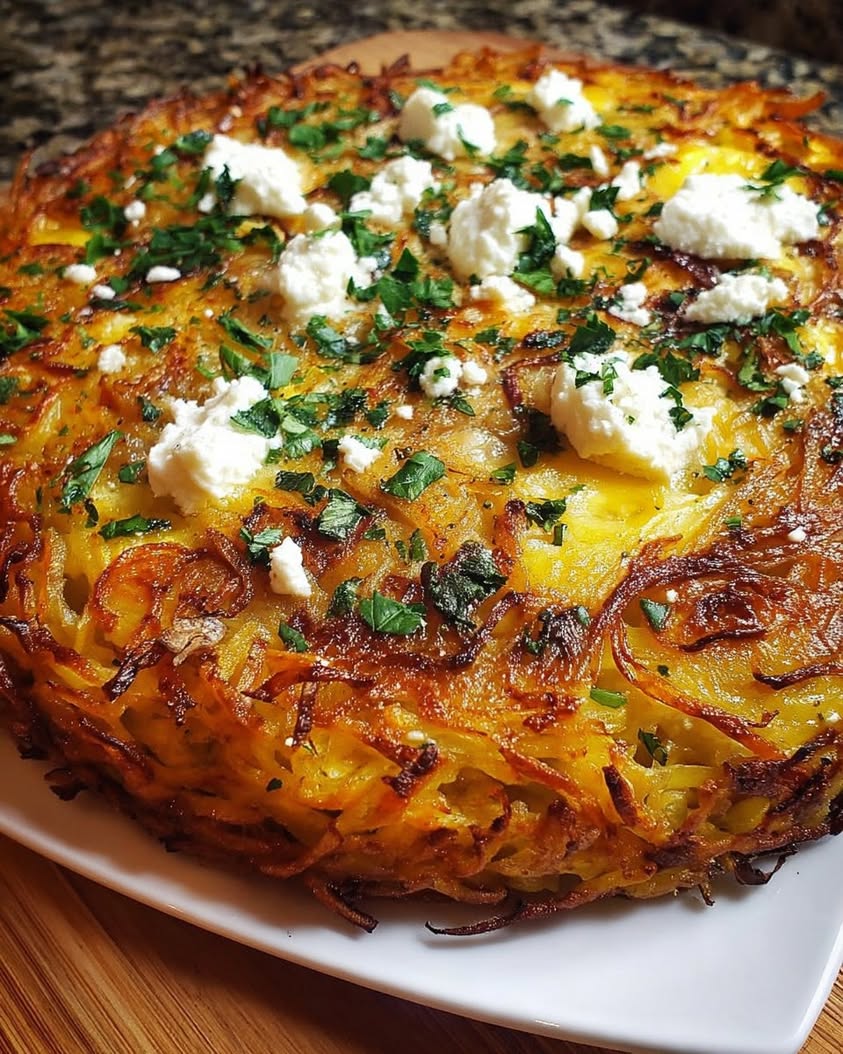
- Visual Appeal: The deep orange sweet potato crust frames a golden-yellow custard dotted with green spinach and white feta. A light drizzle of honey adds a glossy sheen, and a sprinkle of fresh thyme gives it a polished, magazine-worthy finish.
- Skill Level Needed: This recipe suits intermediate home cooks who feel comfortable with basic knife skills and oven work. Beginners can absolutely succeed here, though they should pay close attention to squeezing moisture from the sweet potatoes and spinach. The steps are straightforward, but a little patience with the crust makes a big difference.
- Special Equipment: You will need a 9-inch pie dish or springform pan, a box grater or food processor, a large skillet, and a clean kitchen towel for squeezing vegetables. A whisk and a mixing bowl round out the essentials. No specialty tools required, which keeps this recipe accessible for most kitchens.
Recipe Overview
- Difficulty Level: We rate this Crispy Sweet Potato & Spinach Rosti Quiche with Feta, Honey & Caramelized Onion as intermediate because it involves a few technique-driven steps. You need to squeeze moisture from the sweet potatoes and spinach, caramelize onions slowly, and blind-bake the crust before adding the custard. None of these steps are hard on their own, but they require attention. If you have made a quiche before, you will find this recipe smooth and rewarding.
- Category: This dish works as a main course for breakfast, brunch, or a light lunch. It also shines as an appetizer cut into small squares for parties. Because it holds up well at room temperature, it fits beautifully into buffet-style spreads. You can even serve it as a meatless dinner alongside a simple green salad.
- Cuisine: This recipe blends Swiss and French traditions. The rosti element comes from Swiss cuisine, where shredded potato cakes are a beloved staple. The quiche format hails from France, specifically the Lorraine region. Meanwhile, the feta and honey combination nods to Mediterranean and Greek flavors. The result is a cross-cultural dish that feels both familiar and fresh.
- Cost: The ingredients for this quiche are affordable and easy to find. Sweet potatoes, eggs, spinach, and onions are budget-friendly staples. Feta and honey cost a bit more but go a long way in flavor. Overall, you can expect to spend about twelve to fifteen dollars to serve eight people, which makes this a cost-effective option for feeding a crowd.
- Season: Fall and winter highlight this recipe best because sweet potatoes peak in flavor during those months. However, you can make it year-round with good results. Spring brunches pair nicely with the fresh spinach and honey notes. Summer gatherings work too if you serve it at room temperature with a crisp salad.
- Occasion: This Crispy Sweet Potato & Spinach Rosti Quiche with Feta, Honey & Caramelized Onion suits holidays like Easter, Mother’s Day, and Thanksgiving brunch. It also works for baby showers, potlucks, and meal prep Sundays. Because it looks impressive but requires no last-minute fuss, it is a smart choice for entertaining.
Why You’ll Love This Recipe
First and foremost, the taste and texture of this Crispy Sweet Potato & Spinach Rosti Quiche with Feta, Honey & Caramelized Onion will win you over immediately. The crispy rosti crust offers a crunch that traditional pastry simply cannot match. Each forkful delivers creamy custard, salty feta, sweet caramelized onion, and that golden honey drizzle. The layers of flavor keep your palate engaged from the first bite to the last. Additionally, the contrast between the crisp exterior and the soft interior creates a satisfying mouthfeel that feels both comforting and refined.
Convenience also plays a big role in why this recipe earns a permanent spot in your rotation. You can prepare the crust and filling components ahead of time, then assemble and bake when you are ready. The quiche reheats beautifully, which means leftovers taste just as good the next day. Furthermore, it holds up well at room temperature for hours, making it ideal for buffets and potlucks. You do not need to babysit it or serve it piping hot, which takes pressure off the host.
Nutritionally, this quiche brings plenty to the table. Sweet potatoes deliver beta-carotene and fiber, while spinach adds iron, calcium, and vitamins A and K. Eggs provide high-quality protein and healthy fats, and feta contributes calcium along with its bold flavor. Because the crust uses sweet potatoes instead of flour, this recipe naturally avoids refined carbs. As a result, you get a dish that feels indulgent but actually supports a balanced diet.
Socially and for entertaining, this quiche shines because it looks stunning with minimal effort. The vibrant orange crust, green spinach, and white feta create a beautiful color palette that photographs well. Guests always ask for the recipe, and it sparks conversation about the unique rosti technique. Whether you serve it for a holiday brunch or a casual get-together, it elevates the occasion without demanding hours in the kitchen. In short, it makes you look like a culinary star.
Finally, this Crispy Sweet Potato & Spinach Rosti Quiche with Feta, Honey & Caramelized Onion proves that eating well does not require expensive ingredients or fancy equipment. Sweet potatoes, eggs, onions, and spinach cost very little, especially when you buy them in season. Feta and honey are the priciest items, but a little goes a long way. Therefore, you can feed eight people a beautiful, satisfying meal for the price of a couple of takeout orders. That kind of value makes this recipe a keeper for busy families and budget-conscious cooks alike.
Historical Background and Cultural Significance
The story of this dish begins with the Swiss rosti, a humble potato cake that originated in the canton of Bern. Farmers traditionally ate rosti for breakfast to fuel long days of work in the fields. Cooks would shred potatoes, press them into a pan, and fry them until golden and crisp. Over time, the rosti became a symbol of Swiss identity and a beloved comfort food. Our version swaps sweet potatoes for russets, which adds natural sweetness and a gorgeous orange hue while keeping that signature crispy texture.
Quiche, meanwhile, comes from the Lorraine region of France, where it evolved from a simple egg and cream tart into the legendary quiche Lorraine. French bakers perfected the art of custard-based tarts, and the quiche eventually crossed the Atlantic to become a brunch staple in America. By the 1970s, quiche had become a dinner party favorite across the United States. Combining quiche with a rosti crust feels like a natural evolution, bridging Swiss and French traditions into one memorable dish.
The addition of feta, honey, and caramelized onions reflects Mediterranean and Middle Eastern influences as well. Feta has been made in Greece for centuries, and honey has sweetened dishes across the ancient world. Caramelized onions appear in cuisines from France to India. When you bring these elements together, you honor multiple culinary traditions at once. This Crispy Sweet Potato & Spinach Rosti Quiche with Feta, Honey & Caramelized Onion thus tells a story of cultural exchange through food.
Regional variations abound. In Switzerland, some cooks add bacon or gruyere to their rosti. In Greece, spinach and feta appear together in spanakopita, a savory pie that inspired our filling. In the American South, sweet potato casseroles often feature honey and pecans, which echoes our sweet-savory approach. Therefore, this recipe draws from many places while creating something entirely its own. That blend of influences makes it a truly modern, global dish.
Ingredient Deep Dive
Sweet potatoes form the backbone of this recipe, serving as the crispy rosti crust. These vibrant root vegetables originated in Central and South America and have been cultivated for thousands of years. Today, they star in dishes around the world, from American casseroles to African stews. Nutritionally, sweet potatoes deliver massive amounts of beta-carotene, which supports eye health and immunity. They also provide fiber, potassium, and vitamin C. When selecting sweet potatoes, look for firm, smooth-skinned specimens without soft spots or sprouts. Store them in a cool, dark place for up to two weeks, but avoid the refrigerator, which dulls their flavor.
For substitutions, you can use russet potatoes for a more traditional rosti texture, though you will lose the sweetness and color. Butternut squash also works in a pinch if you shred it finely and squeeze out excess moisture. Some cooks even mix sweet potato and russet for a balanced flavor. However, for the best results in this Crispy Sweet Potato & Spinach Rosti Quiche with Feta, Honey & Caramelized Onion, stick with sweet potatoes. Their natural sugars caramelize in the oven and create an unbeatable crust.
Spinach brings earthy flavor, vibrant color, and serious nutrition to the filling. This leafy green originated in ancient Persia and spread along trade routes to India, China, and eventually Europe. Today, spinach appears in everything from salads to smoothies to spanakopita. It packs iron, calcium, vitamin K, and folate into very few calories. When buying spinach, choose bright green leaves with no yellowing or slime. Baby spinach works beautifully here because it wilts quickly and has a mild flavor. Store spinach in a sealed bag with a paper towel to absorb moisture, and use it within three to five days.
If you do not have spinach, kale or Swiss chard make excellent substitutes. Both hold up well when wilted and offer similar nutritional benefits. Frozen spinach also works in a pinch. Just thaw it, squeeze out all the water, and add it to the filling. Regardless of which green you choose, always squeeze out excess moisture to prevent a soggy quiche. This step makes a noticeable difference in the final texture.
Feta cheese delivers the salty, tangy punch that balances the sweetness of the crust and honey. This brined cheese has been made in Greece for thousands of years, with protected designation of origin status today. Traditionally crafted from sheep’s milk or a sheep and goat blend, feta crumbles easily and melts only slightly when baked. It provides calcium and protein along with its bold flavor. Look for feta packed in brine rather than pre-crumbled varieties, which tend to be drier. Store feta in its brine in the refrigerator for up to two weeks.
For substitutions, goat cheese offers a similar tang with a creamier texture. Ricotta salata or halloumi also work if you want a different flavor profile. If you need a dairy-free option, try a plant-based feta made from almond or coconut. Each swap changes the character of the dish slightly, but the salty element remains essential. Without it, the quiche would taste flat, so do not skip this component.
Honey ties the whole recipe together with its floral sweetness. Humans have harvested honey for at least eight thousand years, and it appears in cuisines across every continent. Its natural sugars caramelize beautifully and balance salty and bitter notes. Honey also offers trace amounts of antioxidants and vitamins. For the best flavor, choose raw, local honey when possible, since it captures the character of your region. Store honey at room temperature in a sealed jar, and it will keep almost indefinitely.
If you prefer a different sweetener, maple syrup offers a similar effect with a deeper, woodsier note. Agave nectar works too, though it lacks honey’s complexity. For a vegan version, simply swap in maple syrup. Whatever you choose, drizzle it lightly. Too much sweetness overwhelms the savory elements, so a little goes a long way in this Crispy Sweet Potato & Spinach Rosti Quiche with Feta, Honey & Caramelized Onion.
Common Mistakes to Avoid
- Not squeezing moisture from the sweet potatoes leads to a soggy crust. Shredded sweet potatoes release a lot of liquid, and if you skip this step, the rosti will steam instead of crisp. Wrap the shreds in a clean towel and wring them out thoroughly. You should be surprised by how much water comes out.
- Neglecting to squeeze the spinach causes the same problem. Cooked spinach holds water like a sponge, and that moisture seeps into the custard during baking. After wilting, let it cool slightly, then wrap it in a towel and press hard. This step takes two minutes but saves your quiche.
- Rushing the caramelized onions robs you of deep flavor. Onions need low, slow heat to release their sugars and turn jammy. If you crank up the heat, they burn on the outside while staying raw inside. Give them twenty to twenty-five minutes and stir occasionally for best results.
- Skipping the blind bake means a limp crust. The rosti needs a head start in the oven before the custard goes in. Bake it until the edges turn golden and the center feels set. This pre-bake creates the crispy foundation that makes this quiche special.
- Overbeating the eggs introduces too much air, which makes the custard puff up and then collapse. Whisk gently until the yolks and whites just combine. A few small streaks of white are fine. The texture will be silkier if you avoid vigorous mixing.
- Using cold eggs and dairy creates an uneven custard. Let your eggs, milk, and cream come to room temperature before mixing. Cold ingredients do not blend as smoothly and can bake unevenly. Fifteen minutes on the counter makes a real difference.
- Overbaking the quiche turns the custard rubbery. The center should still jiggle slightly when you nudge the pan. Remember that carryover cooking continues after you pull it from the oven. If it looks fully set in the oven, it will be overcooked by the time you slice it.
- Cutting the quiche too soon causes it to fall apart. The custard needs time to set as it cools. Wait at least fifteen to twenty minutes before slicing. This rest also allows the flavors to meld, so patience pays off twice.
- Adding too much honey overwhelms the savory notes. A light drizzle is all you need. If you pour it on, the quiche becomes dessert rather than a balanced savory dish. Use a spoon or a squeeze bottle for control.
- Forgetting to season the custard leaves the quiche tasting flat. Eggs need salt and pepper to shine. Add a generous pinch of salt, some cracked black pepper, and a touch of nutmeg. Taste the custard mixture before pouring it into the crust.
Essential Techniques
Mastering the squeeze technique is the single most important skill for this recipe. Shredded sweet potatoes and cooked spinach both hold excess water, and that water ruins the crust and custard. To squeeze properly, place the shreds or greens in the center of a clean kitchen towel. Gather the corners and twist tightly over the sink. Press and wring until no more liquid drips out. You should end up with dry, fluffy shreds that feel almost like paper. This step ensures a crispy rosti and a firm custard, so do not rush it.
Caramelizing onions requires patience and low heat. Start by slicing onions thinly and evenly so they cook at the same rate. Heat butter or oil in a wide skillet over medium-low heat, then add the onions with a pinch of salt. Stir occasionally and let them slowly turn golden brown over twenty to twenty-five minutes. If they start to stick, add a splash of water. The visual cue for success is a deep amber color and a jammy, soft texture. If your onions look pale and dry, they need more time.
Blind baking the rosti crust ensures a crisp base that holds up to the custard. Press the shredded sweet potato mixture firmly into the pie dish, building up the sides evenly. Bake it at 425 degrees Fahrenheit for about twenty minutes, or until the edges turn golden and the center feels dry to the touch. If the crust puffs up, press it down gently with the back of a spoon. This pre-bake sets the structure, so the custard does not soak through. A successful blind bake results in a crust that sounds slightly hollow when tapped.
Making a silky custard comes down to gentle mixing and proper ratios. Whisk the eggs, milk, and cream together just until combined, then season well. Pour the custard slowly over the fillings so it distributes evenly. If you see bubbles on the surface, let the mixture rest for a minute before baking. A water bath is not necessary here, but baking at a moderate temperature of 350 degrees Fahrenheit keeps the custard tender. The visual cue for doneness is a slight jiggle in the center and a lightly browned top.
Pro Tips for Perfect Crispy Sweet Potato & Spinach Rosti Quiche with Feta, Honey & Caramelized Onion
First, grate the sweet potatoes on the large holes of a box grater for the best texture. Fine shreds turn mushy, while thick shreds stay too crunchy. Large-hole shreds create that classic rosti look and crisp up beautifully. If you use a food processor, use the shredding disc and pulse gently to avoid pureeing.
Second, par-bake the crust on the lower rack of your oven for maximum crispness. The bottom heat helps the rosti dry out and brown evenly. If you bake it on the middle rack, the bottom may stay pale and soft. A lower position also prevents the top from over-browning before the crust sets.
Third, cook the spinach ahead of time and chill it. Wilting spinach takes only a few minutes, but cooling and squeezing it takes a bit longer. Do this step the night before if you want a faster assembly. Chilled spinach also mixes more easily into the custard without warming the eggs.
Fourth, use a springform pan for easy removal if you plan to present the quiche whole. A springform pan releases the sides cleanly, revealing the beautiful rosti crust. If you use a regular pie dish, grease it well and consider lining the bottom with parchment. Either way, let the quiche cool before attempting to remove it.
Fifth, add the honey after baking, not before. Honey drizzled over the hot quiche melts slightly and creates a glossy finish. If you bake honey into the custard, its flavor fades and the texture becomes sticky. A finishing drizzle preserves the floral notes and adds visual appeal.
Sixth, let the quiche rest for at least fifteen minutes before slicing. This rest allows the custard to set fully and the flavors to meld. It also makes clean slices much easier. If you cut too early, the filling will run and the crust may crumble.
Seventh, serve with a crisp side salad to balance the richness. Arugula tossed with lemon vinaigrette cuts through the creamy custard beautifully. Pickled onions or quick-pickled radishes also add brightness. These acidic elements keep the meal from feeling too heavy.
Eighth, experiment with herbs to change the flavor profile. Fresh thyme pairs beautifully with sweet potato and honey, while dill complements the feta and spinach. Chives add a mild onion note that reinforces the caramelized onions. Add herbs to the custard or sprinkle them on top before serving.
Variations and Adaptations
Regional variations offer endless inspiration for this Crispy Sweet Potato & Spinach Rosti Quiche with Feta, Honey & Caramelized Onion. In a Greek-inspired version, add chopped kalamata olives and a pinch of oregano to the filling. For a Swiss twist, fold in grated gruyere and crispy bacon. A Middle Eastern adaptation might include za’atar, sumac, and toasted pine nuts. Each variation shifts the flavor profile while keeping the core technique intact. Choose one that matches your mood or the occasion.
Seasonal adaptations keep this recipe fresh all year long. In spring, swap spinach for fresh asparagus tips and peas. Summer brings ripe tomatoes and fresh basil, which pair beautifully with feta. Fall calls for roasted squash and sage, while winter welcomes hearty kale and caramelized apples. Adjust the honey drizzle based on the season, using lighter amounts in summer and slightly more in winter. These small changes keep the dish exciting.
Dietary modifications make this recipe accessible to more people. For a gluten-free version, the recipe already qualifies since it uses no flour. For dairy-free, replace the feta with a plant-based alternative and use coconut cream instead of dairy cream. Vegan cooks can use flax eggs and maple syrup, though the texture will differ slightly. Low-carb and keto diners will appreciate the sweet potato crust, though they may want to reduce the honey or skip it entirely.
Flavor variations let you customize the quiche to your tastes. Add smoked paprika for a warm, smoky note. Stir in Dijon mustard for tang, or add a pinch of cayenne for heat. Curry powder transforms the filling into something entirely different and delicious. Citrus zest, especially orange or lemon, brightens the custard and complements the honey. Experiment boldly and find your favorite combination.
Texture modifications change the mouthfeel of the dish. For an extra-crispy crust, press the shredded sweet potato more firmly and bake it a few minutes longer. For a creamier custard, increase the cream and reduce the milk. If you prefer a denser quiche, use whole eggs only and skip the extra yolks. Each tweak changes the final result, so adjust based on your preferences.
Presentation alternatives make this quiche suitable for any gathering. Bake it in a muffin tin for individual portions that work beautifully as appetizers. Use a tart pan for a thinner, more elegant look. Cut the quiche into small squares and serve on a platter with toothpicks for parties. However you present it, the flavors remain the same, and guests will be impressed.
Serving and Presentation Guide
Plating techniques can elevate this quiche from homey to elegant with minimal effort. Place a single slice on a white plate to let the colors shine. Add a small mound of dressed greens next to the slice for contrast. Drizzle a thin line of honey across the plate for a restaurant-style touch. A few toasted pumpkin seeds or walnuts add crunch and visual interest. Keep the plate clean around the edges for a polished look.
Garnishing ideas bring freshness and color to the final dish. Fresh thyme sprigs, microgreens, or chopped chives all work beautifully. A sprinkle of flaky sea salt adds texture and enhances the flavors. Crumbled feta on top reinforces the filling and adds visual appeal. Edible flowers, if you have them, make the quiche look truly special for celebrations.
Traditional accompaniments include a simple green salad, fruit salad, or roasted vegetables. A tangy vinaigrette balances the richness of the custard. For brunch, pair the quiche with crispy bacon or sausage and a side of roasted potatoes. For a lighter meal, serve it with a bowl of soup, such as tomato basil or butternut squash. The quiche works with almost any side dish.
Modern serving suggestions include slicing the quiche into thin wedges and serving them on a charcuterie board. Add pickled vegetables, olives, and crusty bread for a stunning spread. For a brunch buffet, keep the quiche at room temperature and let guests serve themselves. Pair it with mimosas or a sparkling elderflower mocktail for a festive touch.
Temperature considerations matter for the best experience. This quiche tastes wonderful warm, at room temperature, or even lightly chilled. Warm brings out the custard’s creaminess, while room temperature highlights the caramelized onions and honey. If you reheat slices, do so gently in a low oven to avoid toughening the custard. Avoid microwaving, which makes the crust soggy.
Portion control tips help you plan for guests. A 9-inch quiche serves eight generous slices or ten smaller ones. For appetizers, cut each slice into two or three pieces. If you serve the quiche as the main course, plan for one to two slices per person depending on appetite. Pair with substantial sides to stretch the servings further.
Wine and Beverage Pairing
Wine pairings for this Crispy Sweet Potato & Spinach Rosti Quiche with Feta, Honey & Caramelized Onion should balance the salty, sweet, and creamy elements. A crisp Sauvignon Blanc works beautifully, with its citrus notes cutting through the richness. Chardonnay, especially an unoaked version, complements the custard without overpowering it. For red wine lovers, a light Pinot Noir offers red fruit flavors that pair well with the caramelized onions. Sparkling wine, such as Champagne or Prosecco, adds celebration and cleanses the palate between bites.
Non-alcoholic alternatives keep the meal refreshing for everyone. Sparkling water with lemon or lime offers effervescence and brightness. A cucumber mint cooler complements the herbal notes in the filling. Apple cider, especially a dry variety, echoes the sweet potato’s natural sweetness. Iced tea with lemon provides a gentle tannic structure that works surprisingly well with eggs.
Coffee and tea pairings deserve consideration, especially for brunch. A medium-roast coffee with nutty notes complements the caramelized onions and honey. Earl Grey tea brings bergamot notes that lift the custard’s richness. Green tea, particularly jasmine, adds a delicate floral note that pairs with the spinach. Chai tea offers warming spices that harmonize with the sweet potato and nutmeg.
Temperature considerations affect how beverages pair with the quiche. Serve white wines well chilled but not ice cold, around fifty to fifty-five degrees Fahrenheit. Reds should be slightly cool, around sixty degrees, to keep them refreshing. Non-alcoholic drinks taste best ice cold, especially sparkling options. Coffee and tea should be served hot but not scalding, so the flavors remain bright.
Serving suggestions include offering a small selection of beverages so guests can choose. Set up a drink station with wine, sparkling water, and iced tea for a self-serve brunch. If you serve cocktails, consider a light gin fizz or a Bloody Mary, both of which pair beautifully with eggs. Whatever you choose, keep the focus on balance so the quiche remains the star.
Storage and Shelf Life
Storage methods for this quiche are simple and forgiving. Once cooled completely, wrap the quiche tightly in plastic wrap or place it in an airtight container. You can store the whole quiche or individual slices, depending on your needs. If you plan to eat it within a few days, the refrigerator works perfectly. For longer storage, freezing is an excellent option. Always label the container with the date so you know how long it has been stored.
Temperature requirements matter for food safety. The quiche should stay in the refrigerator at or below forty degrees Fahrenheit. Do not leave it at room temperature for more than two hours, especially if the room is warm. If you serve it at a party, set out only what you plan to eat within that window. Return leftovers to the fridge promptly to prevent bacterial growth.
Container recommendations include glass containers with tight-fitting lids or heavy-duty freezer bags. Glass does not absorb odors or stain, which keeps the quiche tasting fresh. If you use plastic, choose a high-quality container that seals well. For individual slices, wrap each one in plastic wrap and then place them in a larger container. This method prevents the slices from sticking together.
Signs of spoilage include a sour smell, discolored custard, or a slimy texture. If you notice any of these signs, discard the quiche immediately. Mold, especially green or black spots, means the quiche is no longer safe to eat. Additionally, if the crust looks unusually wet or the filling separates, it may have gone bad. When in doubt, throw it out.
Reheating instructions keep the quiche tasting fresh. The best method is to warm slices in a 325-degree Fahrenheit oven for ten to fifteen minutes. This gentle heat revives the crust without toughening the custard. If you use a microwave, use low power and short intervals, though the crust will soften. For room-temperature serving, simply let the quiche sit out for twenty minutes before serving.
Freezing guidelines ensure your quiche stays delicious for months. Wrap the cooled quiche tightly in plastic wrap, then in aluminum foil, and place it in a freezer bag. It will keep for up to two months. To reheat, thaw overnight in the refrigerator, then bake at 325 degrees Fahrenheit until warmed through. Avoid freezing quiche with a soggy crust, as freezing amplifies that texture issue.
Make Ahead Strategies
Prep timeline planning makes this recipe stress-free for entertaining. You can caramelize the onions up to three days ahead and store them in the refrigerator. Cook and squeeze the spinach up to two days ahead. Shred the sweet potatoes the same day you plan to bake, since they discolor quickly. With these components ready, assembly takes only minutes. This approach works beautifully for holiday mornings when you want to relax.
Storage between steps keeps each component fresh. Store caramelized onions in a sealed container in the refrigerator. Keep squeezed spinach in a separate container with a paper towel to absorb any remaining moisture. Shredded sweet potatoes should go into a bowl of cold water if you must hold them for more than an hour, then drain and squeeze before using. Label everything so you remember what is what.
Quality impact assessment helps you decide what to make ahead. Caramelized onions actually improve after a day or two, as their flavors deepen. Cooked spinach holds up well for a couple of days. The custard mixture should be made fresh, as eggs and dairy do not benefit from sitting. The crust itself tastes best when baked fresh, though you can blind-bake it a few hours ahead and re-crisp it in the oven.
Assembly tips streamline the final steps. Have all components at room temperature before assembling. Spread the onions and spinach evenly over the crust, then sprinkle the feta. Pour the custard slowly and gently to avoid disturbing the layers. If you assemble the quiche ahead, refrigerate it unbaked for up to four hours, then bake as directed, adding a few extra minutes to the baking time.
Reheating guidelines for make-ahead quiche mirror the storage instructions. Warm slices in a low oven for the best texture. If you baked the quiche the day before, reheat the whole quiche covered with foil at 325 degrees Fahrenheit for twenty minutes, then uncover for five more minutes to re-crisp the crust. This method revives the quiche beautifully.
Fresh element additions at serving time brighten make-ahead quiche. Add a drizzle of honey, a sprinkle of fresh herbs, or a handful of microgreens just before serving. These touches make the quiche taste freshly made even if you assembled it hours earlier. A squeeze of lemon over the top also wakes up the Print
Crispy Sweet Potato & Spinach Rosti Quiche with Feta, Honey & Caramelized Onion
- Total Time: 45 minutes
- Yield: 4
Description
A savory quiche with a crispy sweet potato and spinach rosti crust, filled with caramelized onions, feta, and a hint of honey.
Ingredients
- 2 large sweet potatoes, peeled and grated
- 1 cup fresh spinach, chopped
- 1 onion, thinly sliced
- 2 tablespoons olive oil
- 1 tablespoon honey
- 4 large eggs
- 1 cup milk
- 1 cup crumbled feta cheese
- 1/2 teaspoon salt
- 1/4 teaspoon black pepper
- 1/4 teaspoon nutmeg
Instructions
- Preheat oven to 375°F (190°C). Grease a 9-inch pie dish.
- In a large bowl, mix grated sweet potatoes, chopped spinach, salt, and pepper. Press the mixture evenly into the pie dish to form a crust. Bake for 20 minutes until set and slightly crispy.
- Meanwhile, heat olive oil in a skillet over medium heat. Add sliced onions and cook until caramelized, about 15 minutes. Stir in honey and cook for 1 minute more.
- In a bowl, whisk together eggs, milk, and nutmeg. Stir in the caramelized onions and feta cheese.
- Pour the egg mixture over the baked crust. Bake for 25-30 minutes, until the center is set and the top is golden.
- Let cool for 10 minutes before slicing. Serve warm.
Notes
You can customize the seasonings to taste.
- Prep Time: 15 minutes
- Cook Time: 30 minutes
- Method: Main
- Cuisine: American