Golden Baked Brie with Caramelized Apples and Thyme: An Elegant Appetizer for Every Gathering
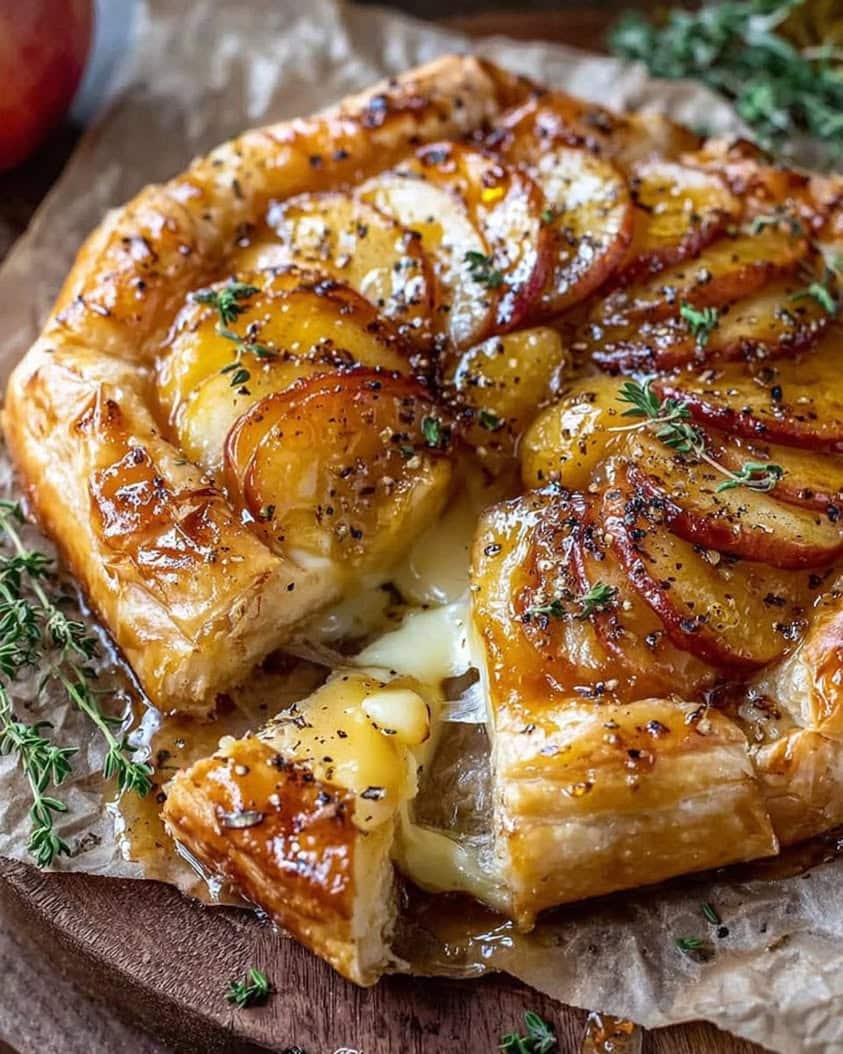
Golden Baked Brie with Caramelized Apples and Thyme brings warmth and elegance to any table with minimal effort. This stunning appetizer pairs creamy, melted brie with sweet, buttery apples and earthy fresh thyme. The result delivers a restaurant-quality experience right from your home kitchen. Whether you host a holiday party or enjoy a cozy evening, this Golden Baked Brie with Caramelized Apples and Thyme recipe fits beautifully. The golden crust crackles as you slice into it, releasing a rich aroma that draws everyone to the table. The caramelized apples add a tender, jammy texture that contrasts perfectly with the silky cheese. Fresh thyme lends a subtle herbal note that elevates the whole dish beyond simple melted cheese. You will love how this Golden Baked Brie with Caramelized Apples and Thyme comes together in under an hour with just a handful of ingredients. The prep work takes only fifteen minutes, and the oven handles the rest. This means you spend less time in the kitchen and more time with your guests. The recipe uses pantry staples and a wheel of brie you can find at any grocery store. The caramelized apples develop deep flavor through slow cooking, while the thyme adds a fragrant finish. Every bite delivers a perfect balance of sweet, savory, creamy, and crisp. This Golden Baked Brie with Caramelized Apples and Thyme has become a favorite for good reason. It looks impressive, tastes extraordinary, and requires very little technical skill. Even beginner cooks can master this dish on the first try. The presentation alone makes it worthy of a special occasion, yet the simplicity keeps it accessible for weeknight entertaining.
The magic of this Golden Baked Brie with Caramelized Apples and Thyme begins with quality ingredients. A wheel of double-cream brie provides the luxurious, molten center. Honeycrisp or Fuji apples offer natural sweetness that deepens during caramelization. Fresh thyme sprigs infuse the butter and apples with a woodsy, slightly floral character. A drizzle of honey and a sprinkle of sea salt tie everything together. The puff pastry wrapping creates a golden, flaky shell that encases the brie and apples. When you cut through that crust, the cheese oozes out in a gorgeous display. The apples, softened and glazed, nestle alongside the melted brie. Each element contributes to a harmonious whole. The recipe also offers flexibility. You can swap the apples for pears or figs depending on the season. You can add toasted walnuts for crunch or a pinch of cinnamon for warmth. This adaptability makes Golden Baked Brie with Caramelized Apples and Thyme a year-round favorite. The dish suits Thanksgiving, Christmas, New Year’s Eve, or any celebration that calls for something special. It also works beautifully for casual gatherings like game nights or Sunday brunch. The melt-in-your-mouth texture and rich flavor profile appeal to almost every palate. Guests always ask for the recipe, and you will feel proud to share it. This appetizer truly delivers on every front: taste, appearance, aroma, and ease. The Golden Baked Brie with Caramelized Apples and Thyme recipe proves that simple ingredients, handled well, produce extraordinary results.
Quick Recipe Highlights
- Flavor Profile: Sweet caramelized apples balance the rich, buttery brie with a hint of earthy thyme. A drizzle of honey adds floral sweetness, while a pinch of sea salt sharpens every note. The overall taste feels indulgent yet balanced.
- Texture: The flaky puff pastry crust shatters gently under your knife. Inside, the brie flows like velvet, and the tender apples offer a soft contrast. Toasted nuts, if added, bring a satisfying crunch.
- Aroma: Fresh thyme releases a woodsy, herbaceous scent as the dish bakes. The caramelizing apples fill the kitchen with warm, sweet notes. The buttery pastry adds a rich, bakery-like fragrance.
- Visual Appeal: The golden-brown pastry forms a stunning centerpiece on any table. Caramelized apples glisten with a honey glaze on top. A few fresh thyme sprigs add a pop of green color against the warm tones.
- Skill Level Needed: This recipe welcomes cooks of all levels. The techniques involve simple caramelizing and pastry wrapping. No advanced knife skills or complex methods are required.
- Special Equipment: You need a small skillet for caramelizing the apples. A baking sheet lined with parchment paper works perfectly. A pastry brush helps apply egg wash for that golden finish.
Recipe Overview
- Difficulty Level: Golden Baked Brie with Caramelized Apples and Thyme rates as easy because the steps remain straightforward. Caramelizing apples requires only patience and moderate heat. Wrapping the brie in puff pastry demands no special technique. The oven does most of the work, and the dish forgives small timing variations.
- Category: This recipe works as an appetizer, a party snack, or a cheese course. You can serve it as a starter before a holiday meal. It also fits beautifully on a charcuterie board alongside cured meats and crackers.
- Cuisine: The dish draws from French tradition through its use of baked brie. American home cooks have embraced this style of warm cheese appetizer for decades. The addition of caramelized apples and thyme reflects a modern, seasonal approach to classic French flavors.
- Cost: A wheel of brie costs around five to eight dollars at most grocery stores. Puff pastry runs about three to four dollars per package. Apples, honey, butter, and thyme add minimal expense. The total recipe costs roughly twelve to fifteen dollars and serves eight people generously.
- Season: Fall and winter suit this recipe best because apples reach peak flavor. The warm, baked nature of the dish also comforts during colder months. However, you can make it year-round with quality apples from the store.
- Occasion: Golden Baked Brie with Caramelized Apples and Thyme shines at holiday parties, dinner parties, and New Year’s celebrations. It also works for casual gatherings like football watch parties or family reunions.
Why You’ll Love This Recipe
The taste and texture of Golden Baked Brie with Caramelized Apples and Thyme create an unforgettable experience. The creamy brie melts into a luscious, spoonable consistency that coats your tongue in richness. Caramelized apples bring natural sweetness with a hint of tartness that cuts through the cheese’s fat. The flaky pastry adds a satisfying crunch that contrasts with the soft interior. Fresh thyme contributes a subtle herbal note that keeps the dish from feeling too heavy. Every element works together to create a symphony of flavors and textures that feels both indulgent and balanced. Guests rarely stop at one bite, and the dish often disappears before dinner begins. You will find yourself making this recipe again and again because it delivers consistent, crowd-pleasing results without stress.
Convenience and preparation benefits make this Golden Baked Brie with Caramelized Apples and Thyme a go-to for busy hosts. The entire dish comes together in forty minutes, including oven time. You can caramelize the apples a day ahead and store them in the fridge. You can also assemble the wrapped brie ahead and bake it just before guests arrive. The ingredient list stays short and simple, with items you likely have on hand or can grab quickly. Cleanup requires only one skillet and one baking sheet. The recipe demands no special equipment or advanced techniques. This means you spend less time fussing and more time enjoying your own party. The straightforward nature of the preparation also makes it a great recipe for beginner cooks who want to impress.
Nutritional advantages exist even in an indulgent dish like Golden Baked Brie with Caramelized Apples and Thyme. Apples contribute fiber, vitamin C, and antioxidants, especially when eaten with the skin on. Fresh thyme offers vitamins A and C along with antibacterial properties. Brie provides calcium, protein, and vitamin B12, though it also carries fat and calories. Portion control keeps the dish reasonable within a balanced diet. The recipe yields eight servings, which keeps each portion satisfying without excess. If you watch your intake, you can pair this appetizer with lighter fare for the rest of the meal. The dish also satisfies hunger quickly, which helps prevent overeating later.
Social and entertaining value sets Golden Baked Brie with Caramelized Apples and Thyme apart from ordinary appetizers. The presentation alone sparks conversation and compliments from every guest. The golden pastry wheel looks like a centerpiece, not just a snack. Serving it at the table creates a moment of anticipation as you slice through the crust. The molten cheese and caramelized apples then invite everyone to gather around. This recipe also works beautifully for a cheese-themed party or wine tasting. You can pair it with crackers, crusty bread, or fresh fruit to create an impressive spread. The dish encourages sharing and connection, which makes it perfect for holidays and celebratory events. Hosts love it because it looks expensive without a high price tag.
Cost-effectiveness and accessibility make Golden Baked Brie with Caramelized Apples and Thyme a smart choice for any budget. Brie and puff pastry often go on sale during the holidays, so you can stock up. Apples rank among the most affordable fruits year-round. Pantry staples like honey, butter, and sea salt reduce the need for specialty items. The recipe serves eight people generously, which breaks down to less than two dollars per serving. Compared to catering or store-bought appetizers, this dish saves significant money. You also avoid the markup on ready-made party food. The accessible ingredients mean you can find everything at a standard grocery store. You do not need to visit a specialty shop or order online. This makes the recipe practical for any home cook, regardless of location or budget.
Historical Background and Cultural Significance
The origin story of baked brie traces back to French culinary traditions, where cheese has always held a place of honor. Brie itself dates back centuries to the Île-de-France region near Paris. French cooks have long served warm brie with sweet accompaniments like fruit preserves or honey. The technique of wrapping cheese in pastry emerged in the mid-twentieth century as home cooks looked for elegant yet accessible appetizers. American cooks popularized the dish during the 1960s and 1970s party era, when baked brie became a symbol of sophisticated entertaining. The addition of caramelized apples and fresh thyme reflects a more modern American twist on the French original. This evolution shows how classic techniques travel and adapt across cultures.
Cultural importance surrounds Golden Baked Brie with Caramelized Apples and Thyme because it bridges European tradition and American home cooking. In France, cheese courses often conclude a meal with simple, unadorned brie. The American approach treats baked brie as a festive appetizer or party centerpiece. This shift reflects different dining customs between the two cultures. The dish also carries significance during holidays, when families gather and share special foods. Many home cooks associate baked brie with Thanksgiving, Christmas, or New Year’s celebrations. The recipe passes down through generations of families who make it every year. Its presence on the table signals a special occasion and a moment of togetherness.
The evolution of the recipe shows how versatile Golden Baked Brie with Caramelized Apples and Thyme has become over time. Early versions often wrapped the brie in plain pastry without much filling. Later cooks added fruit preserves, honey, nuts, and herbs to enhance the flavor. The caramelized apple version emerged as fall flavors gained popularity in American cooking. Modern recipe developers have refined the technique, recommending specific apple varieties and precise oven temperatures. Social media has fueled further innovation, with cooks sharing creative variations featuring pears, figs, cranberries, and even bacon. The recipe continues to evolve as new generations discover its charm and add their own touches. This ongoing creativity keeps the dish fresh and relevant year after year.
Regional variations of Golden Baked Brie with Caramelized Apples and Thyme reflect local ingredients and tastes. In New England, cooks often pair the brie with maple caramelized apples and a drizzle of maple syrup. In the Pacific Northwest, pear and fig versions appear alongside local artisan cheeses. Southern cooks sometimes add pecans and a touch of bourbon to the caramel apples. Midwestern families favor simpler versions with just honey and walnuts. European cooks may use different cheese varieties, such as camembert, which melts similarly. French versions might skip the pastry entirely and serve warm brie with fruit compote on the side. These regional differences highlight the recipe’s adaptability and its ability to reflect local flavor traditions.
Ingredient Deep Dive
Brie cheese carries cultural significance as one of France’s most celebrated cheeses. The name comes from the Brie region of northern France, where monks and farmers made the cheese for centuries. Brie gained fame at French royal courts and eventually spread worldwide. Today, brie ranks among the most popular soft cheeses in the U.S. and Europe. The cheese offers nutritional benefits including calcium, protein, and vitamin B12, though it also contains saturated fat. When selecting brie, look for a wheel with a mild, earthy aroma and a white, bloomy rind. Avoid brie with ammonia-like scents or brown spots, which indicate over-ripeness. Store brie in the refrigerator wrapped loosely in parchment paper, and use it within a week of purchase. You can substitute camembert for brie in this recipe, as both melt beautifully.
Apples hold a rich cultural history dating back thousands of years across Asia and Europe. The fruit symbolizes knowledge, health, and temptation in various traditions. Apples arrived in North America with European colonists and quickly became a staple crop. Nutritionally, apples deliver fiber, vitamin C, and antioxidants, particularly in the skin. When selecting apples for Golden Baked Brie with Caramelized Apples and Thyme, choose firm, crisp varieties like Honeycrisp, Fuji, or Braeburn. These apples hold their shape during cooking and offer natural sweetness. Avoid soft apples that break down into mush. Store apples in the refrigerator crisper drawer to extend their freshness. For substitutions, pears offer a similar texture and sweetness, while firm peaches work in summer versions.
Fresh thyme brings centuries of culinary and medicinal use to this recipe. Ancient Greeks and Romans valued thyme for its aromatic and purifying properties. The herb appears in cuisines across the Mediterranean, Europe, and the Middle East. Thyme provides vitamins A and C along with antioxidant compounds. When selecting fresh thyme, choose bunches with bright green leaves and woody stems, and avoid wilted or yellowing specimens. Store thyme in the refrigerator wrapped in a damp paper towel inside a plastic bag. Dried thyme can substitute for fresh, though use one-third the amount since dried herbs taste more concentrated. You can also swap in rosemary or sage for different herbal notes.
Puff pastry offers a convenient way to create a golden, flaky crust around baked brie. Store-bought puff pastry has made French pastry techniques accessible to home cooks everywhere. The pastry relies on layers of butter folded into dough, which puff up during baking. Puff pastry contains no significant nutritional benefits, but it adds essential texture and visual appeal. When selecting puff pastry, choose brands made with real butter for the best flavor and rise. Avoid products made with artificial fats or oils. Keep puff pastry frozen until ready to use, and thaw it in the refrigerator overnight. For a gluten-free version, look for gluten-free puff pastry brands online. Phyllo dough offers a different but delicious alternative.
Common Mistakes to Avoid
- Overbaking the brie causes the cheese to liquefy completely and leak from the pastry. Check the oven at the earliest recommended time and remove the dish once the pastry turns golden brown. The cheese should feel soft but not runny when you press the top gently.
- Skipping the chilling step after wrapping leads to a soggy bottom crust. Chilling the assembled brie for at least fifteen minutes firms the pastry and helps it hold its shape. This step also prevents the cheese from bursting through the seams during baking.
- Using cold brie straight from the refrigerator causes uneven melting. Let brie sit at room temperature for about thirty minutes before wrapping. This allows the cheese to warm slightly, ensuring it melts evenly inside the pastry.
- Piling too many apples on top overwhelms the brie and weighs down the pastry. Use a moderate amount and layer them evenly. The apples should complement the cheese, not bury it.
- Overcrowding the apples in the skillet during caramelization causes them to steam instead of brown. Cook them in a single layer and work in batches if needed. Proper browning develops the deep caramel flavor this recipe needs.
- Using low-fat or triple-cream brie alters the texture. Low-fat brie does not melt smoothly, while triple-cream can turn greasy. Choose a standard brie with a creamy texture and moderate fat content.
- Forgetting to score the pastry top prevents steam from escaping and causes a cracked or uneven crust. Use a sharp knife to make a few small slits or decorative cuts in the top before baking.
- Serving the dish too hot causes the cheese to run everywhere and risk burns. Let it rest for five minutes after baking so the cheese sets slightly and becomes easier to serve.
- Neglecting to seal the pastry edges tightly lets the cheese leak out during baking. Press the seams firmly together and tuck any loose dough underneath the wheel.
- Adding salt to the caramelized apples too early draws out moisture and prevents browning. Salt the apples after they caramelize to preserve their texture and flavor.
Essential Techniques
Caramelizing apples requires patience and proper heat control. Start by heating butter in a skillet over medium heat until it foams. Add sliced apples in a single layer and let them cook undisturbed for several minutes. This initial sear creates the golden brown color that defines caramelized apples. Stir occasionally and adjust the heat to prevent burning. The apples should soften and turn golden, not dark brown or mushy. You will know they are ready when they smell nutty and sweet and offer slight resistance to a fork. Common pitfalls include crowding the pan, stirring too often, and using high heat. Each of these mistakes prevents proper browning. Visual cues include a glossy sheen from the butter and honey coating.
Wrapping brie in puff pastry demands care and attention to prevent leaks. Begin by rolling the thawed pastry into a square large enough to cover the brie. Place the brie in the center and top it with the caramelized apples and thyme. Bring the corners of the pastry up and press them together firmly. Trim any excess dough and tuck the seams underneath the wheel. Brush the entire surface with egg wash for a golden finish. Common pitfalls include tearing the dough or leaving gaps at the seams. Visual cues include a smooth, tightly wrapped surface with no visible cheese. This technique ensures the cheese stays contained and the pastry bakes evenly.
Creating an egg wash seems simple, but it plays a key role in achieving a golden crust. Whisk one egg with a tablespoon of water until fully combined and smooth. Apply the wash with a pastry brush in a thin, even layer. Avoid dabbing or applying too much, which causes pools of egg to burn. You can apply a second layer for a deeper golden color. Common pitfalls include skipping the water, which makes the wash too thick. Visual cues include a glossy, uniform sheen across the pastry. This technique also helps toppings like herbs or sesame seeds stick to the surface.
Pro Tips for Perfect Golden Baked Brie with Caramelized Apples and Thyme
Choose a brie wheel that fits your baking sheet with room to spare. A wheel eight to ten inches in diameter works well for this recipe. Smaller wheels may overcook before the pastry browns.
Let the puff pastry thaw in the refrigerator overnight rather than at room temperature. Room-temperature thawing can make the dough sticky and difficult to work with. Refrigerated thawing keeps the butter cold and the dough manageable.
Caramelize the apples with a pinch of salt at the end, not the beginning. Early salting draws moisture and prevents browning. A final pinch of flaky sea salt enhances the sweet flavors without affecting texture.
Add a tablespoon of honey or maple syrup to the apples as they cook. This extra sugar helps the apples develop a glossy, jammy finish. It also deepens the caramel flavor and pairs beautifully with the thyme.
Stick a few fresh thyme sprigs into the top of the pastry before baking. This adds visual appeal and infuses the dish with fresh herbal aroma. The thyme crisps slightly in the oven and looks elegant on the finished dish.
Place the wrapped brie on parchment paper, not directly on the baking sheet. Parchment prevents sticking and makes cleanup easy. It also allows you to transfer the brie without disturbing the pastry.
Let the finished dish rest for five minutes before serving. This short rest lets the cheese set slightly, making it easier to slice. It also prevents guests from burning their mouths on hot cheese.
Variations and Adaptations
Regional variations of Golden Baked Brie with Caramelized Apples and Thyme allow cooks to highlight local ingredients. New England cooks often add maple syrup and pecans to the caramelized apples. Southern versions sometimes feature bourbon-soaked raisins and toasted walnuts. Pacific Northwest cooks might substitute pears for apples and add local hazelnuts. European cooks may skip the pastry and serve the warm brie with apple compote on the side. French versions might pair the dish with crusty baguette slices instead of crackers. These regional twists show how the recipe adapts to local tastes while keeping its core appeal.
Seasonal adaptations keep Golden Baked Brie with Caramelized Apples and Thyme interesting year-round. In spring, substitute strawberries or rhubarb for the apples. Summer brings fresh peach or cherry versions with basil instead of thyme. Fall favors the original apple and thyme combination along with cranberries. Winter versions can include dried figs or candied orange peel. You can also adjust the herbs seasonally, using rosemary in winter and mint in summer. This flexibility makes the recipe a year-round staple rather than a one-season wonder.
Dietary modifications make Golden Baked Brie with Caramelized Apples and Thyme accessible to more diners. Gluten-free puff pastry works well for those avoiding gluten. Dairy-free cheese alternatives melt differently but still create a satisfying dish. Vegan versions replace brie with cashew-based cheese and butter with coconut oil. Low-carb eaters can skip the pastry and bake the brie in a small dish with the apple topping. Keto versions work similarly with a nut-based crust. Paleo cooks can serve the caramelized apples over warmed brie without any pastry at all.
Flavor variations expand the recipe’s range without changing its core structure. Add a sprinkle of cinnamon or nutmeg to the apples for warmth. A drizzle of balsamic glaze brings tangy contrast to the sweet apples. Toasted almonds or pistachios add crunch and nuttiness. A layer of cranberry sauce under the top pastry adds tartness and color. For a savory twist, add caramelized onions and rosemary and skip the apples. Each variation keeps the dish fresh and exciting.
Texture modifications help cooks adjust the dish to personal preferences. Add crushed crackers or panko to the top for extra crunch. Layer prosciutto between the brie and pastry for a meaty bite. A sprinkle of seeds like sesame or pepita adds texture and visual appeal. You can also serve the dish with crunchy crostini or crisp apple slices for contrast. These modifications help tailor the dish to different occasions and tastes.
Presentation alternatives suit different serving styles. Shape the pastry into a wreath for holiday tables. Bake individual brie portions in ramekins for personal servings. Create a cheese board centerpiece by placing the baked brie among cured meats, fruits, and crackers. Serve the dish in a cast iron skillet for a rustic look. Each presentation creates a different mood while keeping the delicious flavors intact.
Serving and Presentation Guide
Plating techniques make Golden Baked Brie with Caramelized Apples and Thyme shine on the table. Place the baked brie on a large platter or wooden board with room for accompaniments. Surround it with crackers, crostini, and apple slices arranged in a fan pattern. Use a sharp knife to score the top before serving so guests see the beautiful interior. Add a few fresh thyme sprigs as a garnish. The arrangement should encourage guests to dig in without disturbing the presentation.
Garnishing ideas bring color and interest to the dish. Scatter pomegranate seeds around the brie for jewel-like pops of red. Add star anise or cinnamon sticks near the plate for a warm, seasonal look. Drizzle honey or balsamic glaze over the top for a glossy finish. A sprinkle of flaky sea salt adds texture and visual interest. Fresh apple slices or whole cranberries fill gaps and tie everything together. Each garnish should enhance the dish without overwhelming it.
Traditional accompaniments complement the warm, creamy brie. Crusty baguette slices provide a classic pairing that soaks up the melted cheese. Water crackers offer a neutral base that lets the brie and apples shine. Sliced baguette brushed with olive oil and toasted makes an elegant upgrade. Fresh fruit like grapes, figs, and pear slices balance the richness. Salami and prosciutto add savory contrast. A handful of toasted nuts rounds out the spread.
Modern serving suggestions bring a fresh perspective to the dish. Pair the brie with a simple arugula salad dressed with lemon vinaigrette for a lighter meal. Serve it alongside roasted vegetables for a hearty vegetarian dinner. Add the dish to a brunch spread with eggs, bacon, and fresh fruit. You can also serve it as a main course with a side of warm soup. These modern pairings transform the appetizer into a full meal.
Temperature considerations ensure the dish tastes its best. Serve the brie warm, not piping hot, so the cheese holds together. Let it rest five minutes after baking before transferring to a serving platter. Keep the dish away from cold drafts and direct heat sources. If serving outdoors, use a warming tray to maintain temperature. Guests should enjoy the brie within an hour for the best flavor and texture.
Portion control tips help guests serve themselves without making a mess. Provide a small cheese knife or spreader next to the dish. Slice along the pre-scored lines to create even portions. Offer a small spoon for scooping up any runaway cheese and apples. Place crackers near the dish for easy access. Encourage guests to serve themselves generously but tidily.
Wine and Beverage Pairing
Wine pairings elevate Golden Baked Brie with Caramelized Apples and Thyme to a gourmet experience. A crisp Chardonnay balances the creamy brie with bright acidity. Dry Riesling offers a touch of sweetness that complements the caramelized apples. Champagne or sparkling wine brings celebratory bubbles that cut through the richness. A light Pinot Noir works well for red wine drinkers who want a softer pairing. Avoid highly tannic reds like Cabernet Sauvignon, which clash with the delicate cheese. Serve whites chilled and reds slightly below room temperature.
Non-alcoholic alternatives satisfy guests who avoid alcohol. Sparkling apple cider echoes the dish’s main flavor note. Ginger ale or ginger beer adds a spicy kick that pairs well with the thyme. A crisp apple juice diluted with sparkling water offers a refreshing option. Kombucha brings a tangy, effervescent twist that surprises the palate. These drinks feel celebratory and match the dish beautifully without alcohol.
Coffee and tea pairings offer warm, comforting companions to the brie. A light black tea like Darjeeling complements the thyme without overpowering it. Green tea provides a clean, grassy contrast to the creamy cheese. Herbal tea with apple or cinnamon notes echoes the dish’s flavors. A mild coffee like a breakfast blend works for those who prefer caffeine with their appetizers. Avoid dark roasts and heavily spiced teas that compete with the dish.
Temperature considerations matter for beverages too. Serve white wine and sparkling drinks well chilled for contrast. Red wines should sit slightly below room temperature for balance. Hot tea and coffee should be warm, not scalding. Cold drinks pair best with the warm brie for a pleasant temperature contrast. Offer ice water with lemon as a palate cleanser.
Serving suggestions for beverages include setting up a self-serve drink station near the appetizer. Provide wine glasses or tumbler cups alongside labeled bottles. Offer a small menu card listing beverage options and pairings. This thoughtful touch helps guests choose their drinks with confidence and adds a polished feel to the gathering.
Storage and Shelf Life
Storage methods for Golden Baked Brie with Caramelized Apples and Thyme affect the quality and safety of leftovers. Wrap leftovers tightly in foil or plastic wrap and place them in an airtight container. Store in the refrigerator within two hours of serving. Keep the brie and apples together to preserve flavor. For best results, use a shallow container that prevents the brie from spreading. Proper storage extends the dish’s shelf life to three to four days.
Temperature requirements for storage keep the dish safe. The refrigerator should stay at or below forty degrees Fahrenheit. Do not store the dish at room temperature for more than two hours. If the room is warm, refrigerate within one hour. These guidelines prevent bacterial growth and keep the dish safe to eat later.
Container recommendations make storage easier and more effective. Use glass containers with lids for the best seal. Avoid plastic containers that can absorb odors from the brie. For long-term storage, place parchment paper between the brie and container bottom. Label the container with the date to track freshness. Proper containers keep the dish fresh longer and prevent messes.
Signs of spoilage help you know when to discard leftovers. Look for mold on the cheese or pastry, which indicates the dish has gone bad. A sour or ammonia-like smell signals spoilage. Slimy textures or changes in color mean the food should be thrown out. If in doubt, discard the dish rather than risk illness. These signs help protect you and your guests.
Reheating instructions help revive leftovers. Preheat the oven to 325 degrees Fahrenheit and wrap the dish loosely in foil. Heat for ten to twelve minutes until warmed through. Avoid microwaving, which makes the pastry soggy and the brie rubbery. If the pastry gets too dark, tent with foil during reheating. These simple steps bring leftover brie back to life.
Freezing guidelines for this dish present challenges. The pastry will lose some crispness after freezing and reheating. You can freeze the assembled unbaked brie for up to one month. Wrap tightly in plastic wrap and foil, then thaw overnight in the refrigerator before baking. Freeze the finished dish in individual portions for easier reheating. Expect a softer crust after freezing.
Make Ahead Strategies
Prep timeline strategies simplify party planning with Golden Baked Brie with Caramelized Apples and Thyme. Caramelize the apples up to two days ahead and store in an airtight container in the refrigerator. Let the puff pastry thaw overnight in the refrigerator. Assemble the wrapped brie up to four hours ahead and store in the refrigerator. Bring to room temperature for fifteen minutes before baking. This workflow lets you focus on other dishes on the day of the event.
Storage between steps ensures food safety and quality. Store caramelized apples in the refrigerator within one hour of cooking. Keep the thawed pastry refrigerated until ready to use. Wrap assembled brie tightly in plastic wrap to prevent drying. Label each component with the date and use within recommended timeframes. These practices keep each ingredient fresh and ready.
Quality impact assessment helps set realistic expectations. Made-ahead caramelized apples taste just as good as fresh, sometimes better as flavors meld. Assembled brie holds well for a few hours but may lose some pastry crispness. Baking from cold requires slightly longer oven time. Overall, advance prep preserves most of the dish’s appeal with minimal quality loss.
Assembly tips for advance prep include keeping the pastry cold until ready to bake. Work quickly to prevent the dough from warming and sticking. Use parchment paper to transfer the wrapped brie to the baking sheet and then to the refrigerator. Dust the surface with flour if the pastry feels sticky. These small steps make advance assembly smooth and successful.
Reheating guidelines ensure leftovers taste nearly as good as fresh. Reheat in a low oven rather than a microwave to preserve pastry texture. Tent with foil if the top browns too quickly. Reheat whole brie for twelve to fifteen minutes at 325 degrees. Individual slices reheat in eight to ten minutes. Always check the internal temperature to ensure safety.
Fresh element additions before serving revive the dish. Add fresh thyme leaves after reheating to restore the herbal aroma. Drizzle a little honey over the top to refresh the glaze. Scatter a few fresh apple slices alongside for a bright, crisp contrast. These small touches make leftovers feel freshly made.
Scaling Instructions
Halving Golden Baked Brie with Caramelized Apples and Thyme works well for smaller gatherings. Use a smaller brie wheel, around six to eight ounces, and cut the pastry accordingly. Reduce apples to one medium apple and cut butter and honey in half. Cooking time stays similar since the brie is smaller. Watch closely during the last five minutes to prevent overcooking. This smaller version serves four people beautifully.
Doubling or tripling the recipe suits larger parties and holiday gatherings. Buy multiple brie wheels and wrap each separately. Use a large baking sheet or two smaller ones. Caramelize the apples in batches to maintain proper browning. Bake the wheels side by side with space between them for even heat circulation. Doubling requires only a few extra minutes of baking time. This approach scales easily without compromising results.
Equipment adjustments follow the scale of the recipe. Smaller brie requires a smaller skillet and baking sheet. Larger batches may need multiple skillets or larger pans. Keep pastry dough cold, Print
Golden Baked Brie with Caramelized Apples and Thyme
- Total Time: 45 minutes
- Yield: 4
Description
A warm, gooey baked brie topped with sweet caramelized apples and a hint of fresh thyme, wrapped in golden puff pastry. Perfect for a festive appetizer or a cozy gathering.
Ingredients
- 1 (8-ounce) wheel of brie cheese
- 1 sheet puff pastry, thawed
- 2 medium apples (such as Honeycrisp or Granny Smith), peeled, cored, and thinly sliced
- 2 tablespoons unsalted butter
- 2 tablespoons brown sugar
- 1 tablespoon fresh thyme leaves, plus extra for garnish
- 1 egg, beaten (for egg wash)
- 1 tablespoon all-purpose flour (for dusting)
- Pinch of salt
Instructions
- Preheat oven to 400°F (200°C). Line a baking sheet with parchment paper.
- In a skillet over medium heat, melt butter. Add apples, brown sugar, and a pinch of salt. Cook, stirring occasionally, until apples are tender and caramelized, about 8-10 minutes. Stir in thyme leaves and remove from heat.
- On a lightly floured surface, roll out puff pastry to a 10-inch square. Place brie in the center. Top with half of the caramelized apples.
- Fold pastry corners over the brie and apples, pinching seams to seal. Brush with beaten egg. Place on prepared baking sheet. Bake for 20-25 minutes, until golden brown.
- Let cool for 5 minutes. Top with remaining caramelized apples and garnish with fresh thyme. Serve warm with crackers or bread.
Notes
You can customize the seasonings to taste.
- Prep Time: 15 minutes
- Cook Time: 30 minutes
- Method: Appetizer
- Cuisine: American