The Ultimate Spinach Cream Cheese Stuffed Chicken Breast Recipe: A Juicy, Cheesy Dinner Delight
There are few dinner moments more satisfying than cutting into a perfectly golden, seared chicken breast and watching creamy, herbed cheese spill out onto your plate. This Ultimate Spinach Cream Cheese Stuffed Chicken Breast recipe delivers that dramatic reveal every single time. The combination of tender, juicy chicken with a rich, savory filling creates a main course that feels restaurant-quality yet comes together in your own kitchen with minimal fuss. I have tested this recipe countless times to ensure every bite is packed with flavor, and I am thrilled to share all my secrets with you.
What makes this particular stuffed chicken breast recipe stand out from the crowd is the careful balance of ingredients and technique. We use fresh spinach that we sauté down to concentrate its earthy sweetness, then we blend it with velvety cream cheese, sharp Parmesan, and aromatic garlic. The result is a filling that stays creamy and luxurious even after baking, never drying out or becoming grainy. Moreover, the method for butterflying the chicken ensures even cooking throughout, so you never end up with a dry exterior and undercooked center, which is a common frustration with stuffed poultry dishes.
This dish is genuinely versatile for weeknight dinners, yet impressive enough for special occasions. You can serve it alongside simple steamed vegetables for a quick meal, or you can dress it up with a pan sauce and roasted potatoes for a holiday table. The spinach cream cheese filling also adapts beautifully to personal preferences. Furthermore, the entire recipe uses simple, readily available ingredients that likely are already in your refrigerator and pantry. Therefore, you have no excuse not to try this crowd-pleasing dinner that satisfies picky eaters and food enthusiasts alike.
Quick Recipe Highlights
- Flavor Profile: The taste is a delightful medley of savory, earthy, and subtly tangy notes. The natural sweetness of sautéed spinach pairs perfectly with the mild, creamy tang of cream cheese. Moreover, the addition of garlic and onion powder provides a robust savory backbone, while the Parmesan cheese adds a nutty, salty depth that enhances the overall richness of the dish.
- Texture: This dish offers a wonderful contrast of textures. The exterior of the chicken gets a beautiful golden-brown crust with a slight crispness from the searing process. Conversely, the interior remains incredibly moist and tender. When you cut into it, the filling is luxuriously smooth and creamy, providing a soft, velvety counterpoint to the firm, juicy chicken.
- Aroma: As the chicken bakes, your kitchen will fill with an irresistible aroma. The scent of garlic and onions sautéing in butter creates a comforting, savory base. Then, the cheese melts and mingles with the spinach, releasing a rich, milky fragrance. Finally, the chicken itself browns and caramelizes, contributing a mouthwatering, roasted poultry smell that signals dinner is almost ready.
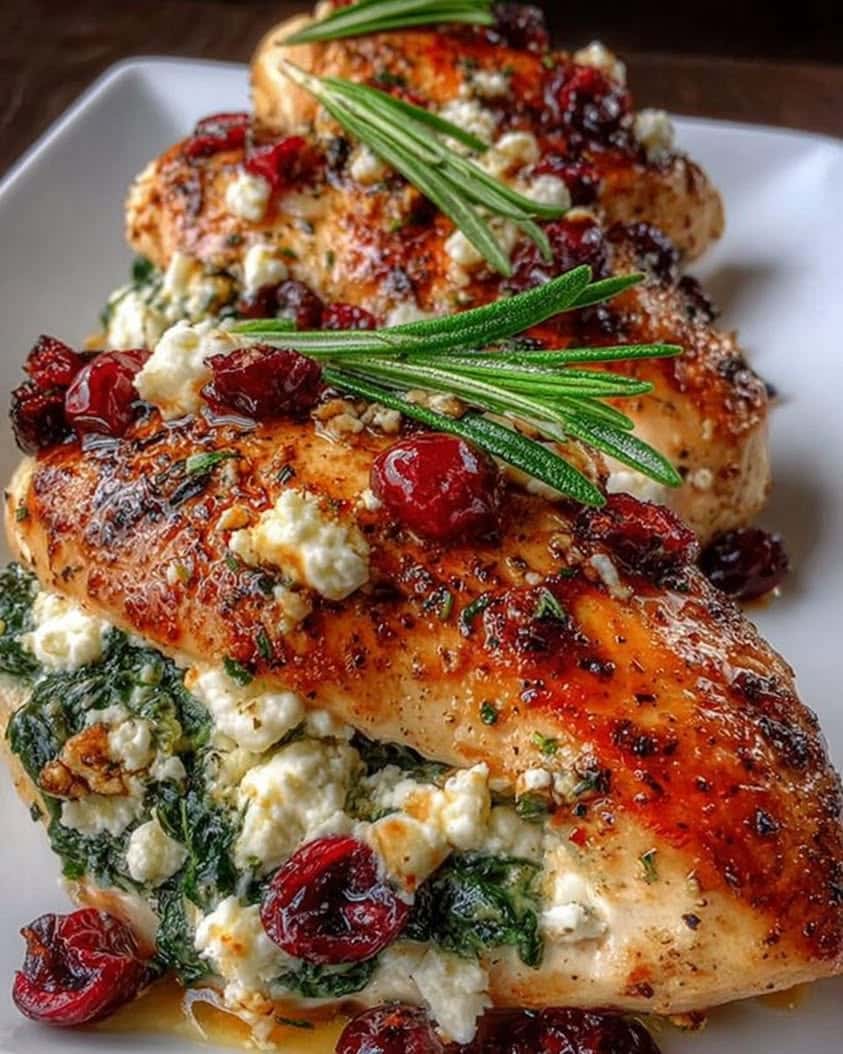
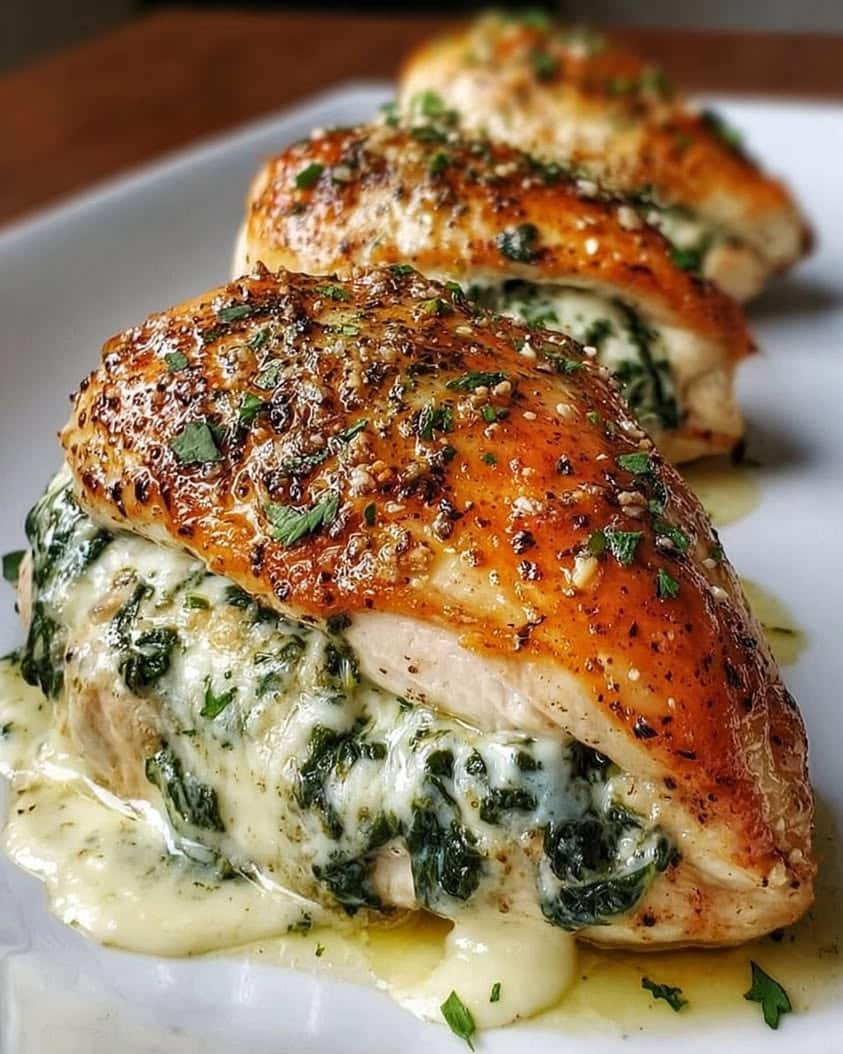
- Visual Appeal: Presenting this dish is a feast for the eyes. The chicken breasts boast a gorgeous, deep golden-brown sear that promises flavor. Once you slice into them, the vibrant green specks of spinach are visible throughout the creamy white cheese filling, creating a beautiful and appetizing contrast. A final sprinkle of fresh parsley and a little extra Parmesan adds a touch of elegance to the plate.
- Skill Level Needed: This recipe is perfect for beginner to intermediate cooks who want to expand their skills. The techniques involved, such as butterflying the chicken and pan-searing, are fundamental and easy to master with clear instructions. It is a fantastic way to build confidence in the kitchen because the steps are straightforward, and the final result looks and tastes impressive without requiring professional culinary expertise.
- Special Equipment: You will need a sharp chef’s knife for butterflying the chicken and a large, oven-safe skillet, preferably cast iron, for searing and baking. Also, having toothpicks or kitchen twine is helpful for securing the chicken. Additionally, a meat thermometer is highly recommended to ensure the chicken is cooked perfectly to 165 degrees Fahrenheit without overcooking it.
Recipe Overview
- Difficulty Level: This recipe earns a medium difficulty rating mainly because of the butterflying step. While the process is simple, it requires a sharp knife and a bit of care to create an even pocket without cutting all the way through. Moreover, you must manage the filling carefully to prevent it from leaking out. Nevertheless, the actual cooking process is very forgiving, making it an achievable goal for any home cook who follows the steps.
- Category: This dish squarely fits into the main course category for dinner. It is hearty enough to be a standalone meal, especially when paired with a side salad or some crusty bread. Additionally, it can be considered a comfort food classic that also works well for meal prep, as the stuffed breasts reheat beautifully for lunches throughout the week.
- Cuisine: While stuffed chicken is a technique found in many cultures, this particular flavor combination draws heavy inspiration from American and European traditions. The use of cream cheese is a hallmark of American cuisine, known for its creamy and mild characteristics. Furthermore, the incorporation of spinach and Parmesan nods to Italian culinary influences, creating a fusion that is both familiar and exciting for the Western palate.
- Cost: The ingredients for this dish are remarkably budget-friendly. Chicken breasts are often available at a reasonable price, especially if you buy them in bulk or on sale. Cream cheese and frozen spinach are pantry staples that are very cheap to purchase. Parmesan cheese can add a bit more cost, but a little goes a long way. Overall, this is an economical meal that provides excellent value for the money, costing far less than a similar restaurant entree.
- Season: Although you can enjoy this chicken recipe year-round, it is especially comforting during the fall and winter months. The rich, creamy filling provides warming satisfaction that is perfect for chilly evenings. That being said, you can lighten it up in the summer by serving it with fresh, crisp salads or grilled vegetables, making it truly a versatile dish for every season.
- Occasion: This Spinach Cream Cheese Stuffed Chicken Breast is perfect for so many occasions. It is an excellent choice for a romantic date night at home, as it feels special and romantic. It also is a wonderful option for family Sunday dinners or holiday gatherings because it is a showstopper. Moreover, it is great for meal prep, providing delicious and satisfying lunches that you will actually look forward to eating.
Why You Will Love This Recipe
The primary reason you will adore this recipe is the incredible taste experience. Each bite delivers a juicy, flavorful chicken exterior that gives way to a rich, herby, and cheesy center. The flavors are incredibly well-balanced, with the savory chicken complementing the creamy, slightly tangy filling perfectly. This is not a bland or boring diet food; it is a genuine indulgence that feels decadent and satisfying, proving that healthy cooking can be absolutely delicious.
Beyond the incredible taste, this recipe offers fantastic convenience and ease of preparation. You can have the chicken stuffed and ready to cook in about fifteen minutes with just a little bit of prep work. Furthermore, most of the cooking time is hands-off, allowing you to prepare side dishes or simply relax while the oven does the hard work. Additionally, this is a great make-ahead meal, as you can stuff the chicken a day in advance and simply sear and bake it when you are ready to eat.
From a nutritional standpoint, this spinach cream cheese stuffed chicken breast is a smart choice for a balanced diet. Chicken breast is an excellent source of lean protein, which is essential for muscle maintenance and keeping you feeling full and satisfied. Spinach, meanwhile, is a superfood packed with vitamins A, C, and K, as well as iron and antioxidants. Even the cream cheese and Parmesan contribute beneficial fats and calcium, making this a more nutrient-dense option than many other comfort food dinners.
This recipe also shines because of its undeniable social and entertaining value. Imagine the impressed faces of your guests as you bring a beautifully plated, golden chicken breast to the table. Because it looks so professional and tastes so refined, people will assume you slaved away for hours. In reality, you know how simple it was, which gives you a lovely secret confidence. It is the ultimate trick for appearing like a culinary wizard with minimal stress.
Finally, the cost-effectiveness and accessibility of the ingredients make this a recipe you will turn to again and again. Most of the components are pantry staples or common refrigerator items that you already have on hand. The recipe is forgiving and adaptable, making it a perfect blank canvas for your own culinary creativity. This dish proves that you do not need expensive, exotic ingredients to create a meal that tastes luxurious and special, making it a true winner for any home cook on a budget.
Historical Background and Cultural Significance
The concept of stuffing one food with another is as old as cooking itself, with evidence of stuffed birds and vegetables in ancient Roman cookbooks. The practice was a practical way to add flavor and moisture to leaner meats. Over centuries, this technique traveled across Europe, evolving into the various stuffed dishes we know today, such as Italian saltimbocca and German rouladen. The idea of stuffing a boneless chicken breast is a more modern, American adaptation that fit perfectly with the mid-20th-century focus on convenient, portion-controlled poultry cuts.
In the United States, the evolution of the stuffed chicken breast gained significant popularity in the 1970s and 1980s. This era saw a rise in “dinner party” culture, where home cooks sought recipes that were impressive yet achievable. Stuffed chicken breast fit this bill perfectly, offering a canvas for innumerable flavor combinations. Cookbooks from this period are filled with variations using ham, cheese, broccoli, and other readily available ingredients, cementing its place in classic American home cooking.
The specific combination of spinach and cream cheese became a beloved classic because it is a flawless match. Cream cheese, a staple of American dairy, provides a rich, stable, and easily spreadable base for a filling. When mixed with garlic and herbs, it becomes an incredibly savory and satisfying component. Spinach, either fresh or frozen, adds nutrition, color, and a subtle earthy flavor that does not overpower the chicken. This pairing became so popular that it is now a standard offering in many restaurants and a nostalgic comfort food for many families.
Regional variations of this dish are found throughout the United States. In the South, you might find it with a breadcrumb topping and a side of grits. On the West Coast, it might be served with a lighter pan sauce and a fresh arugula salad. Some variations incorporate other cheeses like feta or goat cheese, while others add sun-dried tomatoes or artichoke hearts. This adaptability is a testament to the recipe’s enduring appeal. It is a base for creativity, allowing each family to make it their own while honoring the timeless combination of chicken, creamy cheese, and green vegetables.
Ingredient Deep Dive
Chicken breast is the star of this dish, and choosing quality meat makes all the difference. Culturally, chicken is a universal protein found in virtually every cuisine, symbolizing comfort and nourishment. Nutritionally, a skinless, boneless chicken breast is celebrated for being a lean source of complete protein, low in fat and rich in B vitamins. When selecting chicken, look for breasts that are plump, pink, and free of any off-putting odors. For the best results, try to purchase chicken breasts that are similar in size so they cook at the same rate. For storage, keep them in the coldest part of your refrigerator and cook them within a day or two of purchase.
Cream cheese is the heart of the filling, providing that signature creamy, luscious texture. Its history dates back to the United States in the 1870s, and it has become a cornerstone of American baking and cooking. Cream cheese adds richness and a subtle tangy flavor that pairs beautifully with savory ingredients. It also is a good source of fat and a small amount of protein. For this recipe, you should use full-fat block cream cheese for the best flavor and stability; the low-fat versions can become watery when baked. For storage, keep it refrigerated and ensure it is at room temperature before mixing so it combines smoothly with the other ingredients, avoiding lumps.
Fresh spinach is a nutritional powerhouse and adds a wonderful earthiness and color to the filling. Its history as a cultivated crop stretches back to ancient Persia, and it gained immense popularity in Europe during the Renaissance. Spinach is famously rich in iron, calcium, and vitamins A and C, along with powerful antioxidants. For this recipe, fresh spinach is ideal, and you will need to sauté it to remove excess moisture, which concentrates its flavor and prevents a watery filling. When purchasing, look for vibrant, crisp green leaves and avoid any yellowing or wilting. Store it in the refrigerator in a breathable bag and use it within a few days.
Parmesan cheese brings a sharp, nutty, and salty depth that elevates the entire filling. This hard Italian cheese, known as the “King of Cheeses” in Italy, has a production history that spans nearly a thousand years. It is high in protein and calcium and provides a powerful umami punch, which means you need very little to transform a dish. For the best flavor, always buy a block of authentic Parmigiano-Reggiano and grate it fresh at home. Pre-shredded cheese often contains anti-caking agents that prevent it from melting smoothly. Store the block wrapped in wax paper and then in a plastic bag in the refrigerator to keep it fresh for weeks.
Common Mistakes to Avoid
- Not drying the chicken properly before searing. Patting the chicken dry with paper towels is crucial, as any surface moisture will create steam and prevent a golden-brown crust from forming.
- Using low-fat or whipped cream cheese in the filling. These versions contain more air and water, which can make the filling runny and bland. Stick with the full-fat block cream cheese for the best texture and flavor.
- Overcooking the chicken. Baking it to 165 degrees Fahrenheit is key. Overcooking will result in a dry, tough exterior. Use a reliable meat thermometer to check for doneness rather than relying on time alone.
- Skipping the searing step. Searing adds a deep, caramelized flavor to the outside of the chicken that you simply cannot achieve by baking alone. It also creates a beautiful, appetizing color for the final dish.
- Not securing the chicken properly. If you skip using toothpicks to close the pocket, the filling can leak out during cooking. Taking a moment to secure the chicken ensures that the creamy filling stays put.
- Overfilling the chicken breast. You want a generous amount of filling, but if you overstuff it, the chicken will be difficult to close and the filling will bubble out. Fill it almost to the edge, leaving a small border so you can seal it.
- Moving the chicken too soon when searing. When you place the chicken in the hot pan, do not touch it for several minutes. It needs time to develop a crust and will naturally release from the pan when it is properly seared.
- Using frozen spinach without properly squeezing out the water. Frozen spinach holds a lot of water, and if you do not squeeze it completely dry, your filling will be soggy and watery, which will ruin the final dish.
- Baking at a temperature that is too high. A high heat could burn the outside of the chicken before the inside is cooked through. Baking at 375 degrees Fahrenheit is the perfect balance for a juicy interior and a golden crust.
- Not letting the chicken rest after baking. This crucial step allows the juices to redistribute throughout the meat, ensuring that every slice is moist and flavorful. Cutting into it immediately will cause the juices to run out.
Essential Techniques
Butterflying the chicken is the foundational technique for this recipe. The goal is to create a large, thin, and even piece of meat that can be folded around a filling. To do this, place your hand flat on top of the chicken breast, then carefully slice into the thickest side of the breast, moving your knife horizontally until you have a pocket. It is important not to cut all the way through. This method ensures that the chicken cooks evenly because it reduces the overall thickness, and it provides a perfect little pocket for the creamy filling.
Searing the chicken is about much more than just cooking it; it is about building flavor. The Maillard reaction, which occurs when proteins and sugars are exposed to high heat, creates hundreds of complex, savory flavor compounds that are essential for a delicious crust. To master this, you need a hot pan and a little oil. Place the chicken in the pan and leave it alone until it releases easily, which should take about 3 to 4 minutes per side. This golden-brown crust will add incredible depth to the finished dish.
Sautéing the spinach correctly is the secret to a filling that is both flavorful and structurally sound. The heat from the pan rapidly wilts the spinach and releases its water. You must cook this liquid off and allow the spinach to just begin to brown slightly. This process concentrates the spinach’s sweetness and prevents the cream cheese filling from becoming watery. After sautéing, you should let the spinach cool slightly before mixing it with the cream cheese to prevent the cheese from melting and becoming too thin.
Properly closing and securing the chicken is a simple but non-negotiable technique. Once the chicken is stuffed, you will need to bring the edges together and secure them with either toothpicks or kitchen twine. Using two or three toothpicks inserted diagonally is the easiest method. This step is essential to prevent the filling from leaking out during the searing and baking process. A secure seal keeps all that wonderful flavor right where it belongs, inside the chicken.
Pro Tips for Perfect Spinach Cream Cheese Stuffed Chicken Breast
First, always use a meat thermometer to check for doneness. This tool removes all guesswork and ensures your chicken is perfectly juicy. The safe internal temperature for chicken is 165 degrees Fahrenheit, but you can remove it from the oven at around 158 degrees; the residual heat will continue to cook it as it rests. This simple tip will prevent you from ever having a dry, overcooked chicken breast again.
Second, make sure your cream cheese is properly softened before you start mixing the filling. Take it out of the refrigerator about 30 minutes before you begin. Softened cream cheese mixes much more smoothly into the spinach mixture, creating a homogenous filling without any frustrating lumps. If you are short on time, you can microwave it in a bowl for 10 to 15 seconds in the microwave, but be careful not to melt it.
Third, season the chicken breast generously with salt and pepper before searing. Chicken breast is relatively lean and can be bland on its own. You should season the outside at least, and ideally the inside of the pocket as well. This simple step will build a foundation of flavor that complements the rich filling and ensures every bite is well-seasoned. Do not be afraid to season boldly.
Fourth, consider using a cast-iron skillet for this recipe. Cast iron retains heat extremely well and gets incredibly hot, which is perfect for achieving a fantastic golden-brown sear. Moreover, it transitions seamlessly from the stovetop to the oven, making it the ideal vessel for this dish. If you do not have cast iron, a heavy-bottomed, oven-safe stainless steel or non-stick skillet will also work well.
Fifth, for an extra layer of flavor, deglaze the pan after searing the chicken. Once you remove the chicken from the skillet, add a splash of chicken broth or white wine to the hot pan and scrape up any browned bits from the bottom. You can then pour this simple pan sauce over the chicken before serving, adding an incredible savory, rich liquid element that elevates the entire dish.
Sixth, let the cooked chicken rest for at least five minutes before slicing into it. This is a crucial step for all meat. During cooking, the juices are pushed toward the center of the meat. As it rests, these juices redistribute throughout the entire breast. When you slice it, you will see that the meat is wonderfully moist and juicy, and the creamy filling will hold its shape perfectly on the plate.
Seventh, try adding a little fresh lemon juice and zest to the filling. The acidity of the lemon cuts through the richness of the cream cheese and adds a beautiful brightness that complements the earthy spinach. It is a subtle addition that makes the flavors pop and adds a professional, well-rounded quality to the dish.
Eighth, do not forget to season your filling to taste before using it. After mixing the spinach, cream cheese, Parmesan, and seasonings, give it a quick taste test. This is your last chance to adjust the flavors. You might decide to add a pinch more salt, a crack of black pepper, or perhaps a little more garlic powder. Tasting your food is the mark of a great cook.
Variations and Adaptations
Regional variations of stuffed chicken are vast. In Italy, one might use ricotta and mozzarella with fresh basil and a touch of tomato sauce. In France, they might use a duxelles of mushrooms and herbs in a delicate pastry round. However, this spinach and cream cheese version is a true American classic, often found as the “Cordon Bleu” style with ham and Swiss cheese, but the spinach filling offers a fresh and lighter alternative. Each culture puts its own delicious spin on the universal appeal of a juicy, filled protein.
For a seasonal adaptation, you can easily swap the spinach for other greens depending on the time of year. In the spring, using a combination of spinach, Swiss chard, and a little bit of chopped asparagus would be delightful. In the fall, you might incorporate sautéed kale or even some butternut squash into the filling. This makes the dish versatile and helps you use what is fresh and available at the farmers market, ensuring a vibrant and delicious meal in any season.
Dietary modifications are simple with this recipe. For a dairy-free version, you can use a high-quality vegan cream cheese and a dairy-free Parmesan alternative; Nutritional yeast also adds a cheesy, savory flavor. For a lower-fat option, you could swap the cream cheese for part-skim ricotta, though the texture will be slightly less creamy. The core flavor of spinach and garlic will still shine through, making it a good alternative for those with different dietary needs.
Flavor variations are truly endless. You can stir in chopped sun-dried tomatoes or artichoke hearts for a Mediterranean twist. Adding some cooked, crumbled bacon to the cream cheese filling adds a smoky, salty crunch. For a bit of heat, a pinch of red pepper flakes or a few dashes of your favorite hot sauce in the filling can elevate the dish. You can also change the herbs; fresh dill or chives would be amazing instead of the Italian seasoning.
Texture modifications can change the dish’s profile. To add a crunchy element, you could lightly bread the outside of the stuffed chicken breast and bake it, or top it with buttered breadcrumbs during the last 10 minutes of baking. This creates a beautiful, golden crust that contrasts with the creamy inside. Another idea is to add a small amount of thawed and well-drained frozen chopped spinach instead of sautéed fresh spinach, which will give the filling a slightly more uniform, thick texture.
Finally, you can alter the presentation entirely. Instead of rolling the chicken, you could cut small slits and insert the filling, or you could flatten the chicken and roll it into a roulade, securing it with twine. For a modern plated look, you can slice the cooked chicken into medallions and fan them out over a bed of mashed potatoes or creamy polenta, topping it all with the pan sauce. This is a stunning and impressive way to serve this classic dish.
Serving and Presentation Guide
The way you plate this dish can elevate it from a simple home dinner to a gourmet feast. For a classic plating, place the whole stuffed chicken breast in the center of a warm plate. Then, slice it on a bias in thick, attractive medallions. Fan the slices out slightly to showcase the beautiful spiral of the spinach and cream cheese filling inside. This presentation immediately shows off the juicy interior and the colorful stuffing, making your guests excited to dig in.
Garnishing is the final touch that makes a dish look professional and fresh. A simple sprinkle of freshly chopped parsley or chives adds a bright pop of color and a fresh, herbaceous aroma. For an extra touch of elegance, you could add a few fine shavings of Parmesan cheese over the top. A small wedge of lemon on the side is not only a pretty garnish but also functional, allowing everyone to add an extra squeeze of bright, acidic juice to their own serving.
Traditional accompaniments for this dish are classic comfort foods. Creamy mashed potatoes are a natural pairing, as they are the perfect vehicle for soaking up any delicious pan juices. A simple steamed vegetable, like green beans or asparagus, adds color, freshness, and a healthy balance. Rice pilaf or buttered noodles are also excellent and comforting choices that let the chicken and its creamy filling take center stage.
Modern serving suggestions lean toward lighter and more vibrant side dishes. A crisp arugula salad with a simple lemon vinaigrette offers a peppery contrast to the rich chicken. Grilled or roasted vegetables, such as zucchini, bell peppers, and red onions, add a smoky sweetness. Cauliflower mash is a fantastic low-carb alternative to mashed potatoes. The goal is to have side dishes that complement rather than compete with the flavorful main course.
Temperature is crucial for the perfect eating experience. You should serve the chicken hot, right after its five-minute rest. This ensures that the cream cheese filling is warm, molten, and delicious and that the chicken is at its peak of juiciness. You need to be careful not to serve it too early, as the filling might be runny, and not too late, as the chicken will dry out. This 5 to 10-minute window after cooking is the sweet spot for optimal taste and texture.
Portion control is simple with this recipe, as one chicken breast is typically one serving. A standard-sized chicken breast, about 6 to 8 ounces, is a very generous and filling portion. If you have smaller appetites, you can easily slice one breast into medallions and serve half portions. Remember that if you are serving this alongside several rich side dishes, a smaller portion of the chicken might be perfectly sufficient to satisfy your guests.
Wine and Beverage Pairing
Selecting the right wine to accompany your spinach cream cheese stuffed chicken breast can truly elevate the entire dining experience. A classic and reliable choice is a full-bodied Chardonnay. Wines from California or Australia, often oaked, bring flavors of vanilla and butter that complement the creamy texture of the filling. The wine’s acidity will also help cut through the richness, cleansing the palate with each sip and preparing you for another delicious, savory bite of the chicken.
If you prefer white wines with a bit more minerality, a white Burgundy from France is an excellent option. These Chardonnays are often unoaked or lightly oaked, offering flavors of citrus, apple, and toast. Alternatively, a Pinot Grigio from Italy is light, crisp, and refreshing. Its high acidity and clean finish act as a perfect palate cleanser against the cheesy, rich filling, making it a wonderfully balanced pairing that is incredibly food-friendly.
For those who prefer red wine, it is crucial to select a lighter-bodied, lower-tannin option so as not to overpower the delicate flavor of the chicken. A Pinot Noir is the ultimate go-to choice for this dish. Its bright red berry fruit, earthy undertones, and soft tannins harmonize beautifully with the earthy spinach and creamy cheese. Some other options include a lighter-bodied Beaujolais, such as a Cru Beaujolais, which offers juicy red fruit and a refreshing acidity. A fruity and smooth Grenache-based blend from Spain can also be a lovely and unexpected pairing.
For non-alcoholic alternatives, you do not have to sacrifice flavor. A sparkling water with a twist of fresh lemon or lime is a crisp and palate-cleansing choice that will not interfere with the food’s flavors. For something more complex, a chilled glass of a high-quality sparkling grape juice or a non-alcoholic “mocktail” made with citrus, herb-infused simple syrup, and tonic water can feel festive and complement the meal beautifully. The key is to keep it light, crisp, and refreshing.
Serving temperature is key for both wine and guests’ enjoyment. You should serve the white wines well-chilled, between 45 and 50 degrees Fahrenheit, to keep them fresh and crisp. The lighter red wines like Pinot Noir should be served slightly cool, around 55 to 60 degrees Fahrenheit, to bring out their fruitiness and keep the alcohol in balance. Pour the wine into appropriate glasses to enhance the aromas and flavors. This attention to detail ensures the wine is at its best when you are ready to enjoy your meal.
Storage and Shelf Life
Proper storage of your leftover stuffed chicken is essential for maintaining its quality and safety. After the meal, you should allow the chicken to cool completely at room temperature for no more than two hours. Then, you should place any leftovers in an airtight container. Properly stored in the refrigerator at 40 degrees Fahrenheit or below, the cooked stuffed chicken will remain fresh and safe to eat for up to four days. You must always reheat it to an internal temperature of 165 degrees Fahrenheit before eating.
Temperature requirements are non-negotiable for food safety. The “danger zone” for food is between 40 and 140 degrees Fahrenheit, where bacteria can multiply rapidly. This is why you must refrigerate your leftovers promptly. Your refrigerator should be set to maintain a constant temperature below 40 degrees Fahrenheit. Using a refrigerator thermometer is a good habit to ensure your unit is performing correctly. Never leave cooked chicken at room temperature for an extended period, even if it is just to cool down.
Container recommendations are important to prevent your leftovers from drying out or absorbing other smells from the fridge. A glass container with a tight-fitting lid is an excellent choice because it is non-porous, doesn’t hold onto odors, and is easy to clean. You can also use a plastic container, but ensure it is BPA-free. If you are layering multiple pieces, a shallow container is better as it allows for quicker and more even cooling. You should also consider placing a piece of parchment paper between layers to prevent them from sticking.
Signs of spoilage are crucial to recognize to prevent foodborne illness. The most obvious sign is a sour or off-putting odor. Fresh chicken has almost no smell, so any unpleasant aroma is a red flag. Visually, you should look for any signs of a slimy texture, which indicates bacterial growth. Also, be wary of any grayish or discolored patches on the meat. If you see or smell anything suspicious, it is always best to err on the side of caution and discard the leftovers immediately.
Reheating instructions are vital for enjoying your leftovers without turning them dry. The best method for reheating is in the oven. Preheat your oven to 350 degrees Fahrenheit, place the chicken in an oven-safe dish, and add a splash of chicken broth or water to the bottom of the dish to create a little steam. Cover the dish with foil and bake for 10-15 minutes, or until the chicken is heated through to 165 degrees Fahrenheit. Adding the liquid and covering the dish will help keep the chicken moist and prevent the cream cheese from breaking.
Freezing guidelines can extend the life of your meal for future convenience. If you have more leftovers than you can eat in four days, you can freeze the cooked, stuffed chicken breast. Wrap each piece tightly in plastic wrap, then place them in a freezer-safe bag or airtight container. You can freeze it for up to three months. To reheat from frozen, thaw it overnight in the refrigerator and then use the oven method above to reheat it gently.
Make Ahead Strategies
Making this dish ahead of time is a brilliant strategy for busy weeknights and entertaining. For the best results, you can assemble the stuffed chicken breasts completely, cook them, and then store them in the refrigerator. The foundation of the dish, the flavor, and texture will hold up wonderfully for up to two days. You can then reheat them gently in the oven for a quick and easy dinner that tastes freshly made. This strategy is a fantastic way to get a significant jump on your meal prep.
The ideal prep timeline is to stuff the chicken breasts the night before you plan to cook them. After you have prepared the filling, you can mix the spinach, cream cheese, garlic, and seasonings. Then, you can butterfly, stuff, and secure the chicken. Place the prepared, uncooked chicken in an airtight container in the refrigerator. This not only saves you time later, but it also allows the flavors to meld together, resulting in an even more flavorful final dish. You can store them like this for up to 12 hours.
Storage between steps is simple and straightforward. After you have seared the raw chicken and before you bake it, you can actually stop and refrigerate the seared chicken. Since the chicken is partially cooked, you must be cautious. Let it cool slightly, cover the pan, and refrigerate it. When you are ready, simply put the pan in the oven and add extra time to the baking process since you are starting from a colder temperature. This allows you to do most of the work earlier in the day.
When you are ready to bake the chicken, there are a few things to keep in mind. First, if you are baking the chicken cold from the refrigerator, you will need to increase the baking time by about 5 to 10 minutes. You should still rely on a meat thermometer to tell you when it is done. This is the most reliable method to ensure that your reheated or make-ahead meal is cooked perfectly and safely, without any guesswork.
Quality impact assessment is important to consider, though with this recipe, the impact is minimal. The chicken may not be as photogenically golden as if it were cooked immediately, but the taste and juiciness will remain excellent. The filling might be slightly less firm, but the flavors will be reminiscent of a slow-cooked meal. To mitigate the slight quality change, you can add a minute or two to the searing time when you are ready to cook it, Print
Spinach Cream Cheese Stuffed Chicken Breast
- Total Time: 45 minutes
- Yield: 4
Description
Juicy chicken breasts are filled with a creamy spinach and cream cheese mixture, then baked to golden perfection. This easy yet elegant dish is perfect for a weeknight dinner or a special occasion.
Ingredients
- 4 boneless, skinless chicken breasts
- 8 oz cream cheese, softened
- 1 cup fresh spinach, chopped
- 1/2 cup grated Parmesan cheese
- 2 cloves garlic, minced
- 1 teaspoon Italian seasoning
- 1/2 teaspoon salt
- 1/4 teaspoon black pepper
- 2 tablespoons olive oil
- 1/2 cup chicken broth (optional, for moisture)
Instructions
- Preheat oven to 375°F (190°C).
- In a medium bowl, combine cream cheese, chopped spinach, Parmesan cheese, garlic, Italian seasoning, salt, and pepper. Mix until well blended.
- Using a sharp knife, cut a pocket into the side of each chicken breast, being careful not to cut all the way through.
- Stuff each chicken breast with the cream cheese mixture, dividing evenly. Secure with toothpicks if needed.
- Heat olive oil in an oven-safe skillet over medium-high heat. Sear the chicken breasts for 2-3 minutes per side, until golden brown.
- If using, add chicken broth to the skillet. Transfer the skillet to the preheated oven.
- Bake for 20-25 minutes, or until the chicken is cooked through and reaches an internal temperature of 165°F (74°C).
- Let rest for 5 minutes before serving. Remove toothpicks before serving.
Notes
You can customize the seasonings to taste. For a lighter version, use reduced-fat cream cheese and reduce the Parmesan. Add a squeeze of lemon juice for brightness.
- Prep Time: 15 minutes
- Cook Time: 30 minutes
- Method: Main
- Cuisine: American