The Easiest Healthy Spinach and White Beans Recipe for a Quick Dinner
You need a dinner solution that comes together in minutes, and this healthy spinach and white beans recipe delivers exactly that. The combination of tender white beans and wilted spinach creates a dish that feels both nourishing and satisfying. When you are tired after a long day, this one-pan meal becomes your best friend in the kitchen. The flavors are simple yet deeply comforting, with garlic and a squeeze of lemon brightening every bite. This healthy spinach and white beans recipe is the perfect answer for anyone seeking a quick weeknight meal without sacrificing taste or nutrition. You will find yourself turning to this dish again and again because it requires minimal effort but delivers maximum flavor.
The beauty of this healthy spinach and white beans recipe lies in its simplicity. Fresh spinach wilts down into a silky green bed, while creamy white beans absorb all the savory garlic and herb flavors. You can have this meal on the table in under twenty minutes, which makes it a lifesaver for busy evenings. The aroma of sautéing garlic fills your kitchen with promise, and the vibrant green of the spinach against the white beans creates a visually appealing plate. This dish proves that healthy eating does not need to be complicated or time-consuming. Every spoonful offers a balance of earthy greens and buttery beans that satisfies your hunger and your craving for real food.
What makes this healthy spinach and white beans recipe stand out from other quick dinners is its incredible versatility. You can serve it as a main dish with crusty bread, or use it as a hearty side alongside grilled chicken or fish. The recipe adapts easily to what you have in your pantry, so you never need to make a special trip to the store. Canned beans work beautifully here, and frozen spinach is a perfect substitute when fresh is not available. This is the kind of recipe that makes you feel like a confident cook because it is nearly impossible to get wrong. The rich flavors and satisfying textures will impress your family while keeping your cooking stress low.
Quick Recipe Highlights
- Flavor Profile: This dish offers a savory base with aromatic garlic and a bright finish from fresh lemon juice. The white beans provide a mild, nutty taste that complements the earthy spinach perfectly. A pinch of red pepper flakes adds just a hint of warmth.
- Texture: The spinach wilts into a tender, almost silky texture that coats the beans gently. The white beans remain creamy on the inside with a slight firmness on the outside. Every bite combines soft greens with substantial, satisfying beans.
- Aroma: The scent of garlic sizzling in olive oil fills your kitchen first. As the spinach wilts, a fresh, green aroma emerges that smells clean and appetizing. The final squeeze of lemon adds a bright, citrusy note to the overall fragrance.
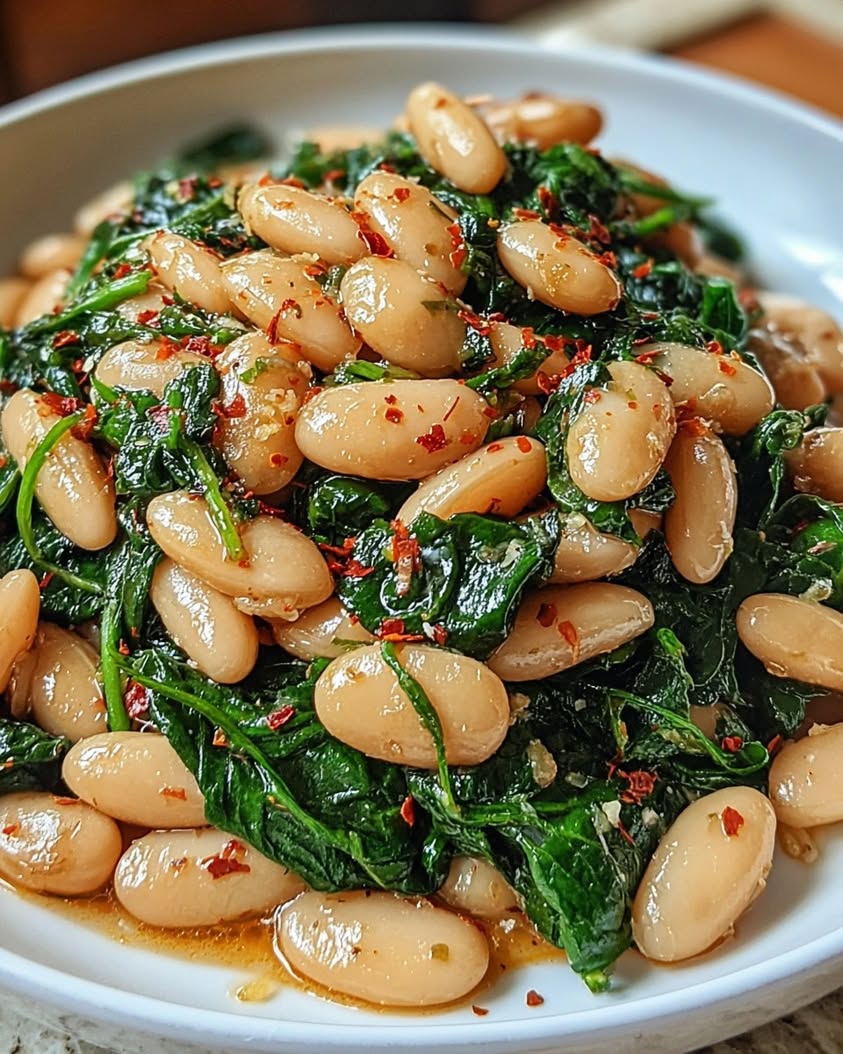
- Visual Appeal: Bright green spinach contrasts beautifully with the creamy white beans in the pan. A drizzle of olive oil gives the dish a glossy, inviting sheen. A sprinkle of fresh herbs or red pepper flakes adds a pop of color on top.
- Skill Level Needed: Even a beginner cook can master this recipe on the first try. The steps are straightforward and require no special techniques. You only need basic knife skills for mincing garlic and measuring ingredients.
- Special Equipment: A large skillet or sauté pan is the only essential tool for this recipe. A wooden spoon or spatula helps stir the ingredients gently. No blenders, food processors, or specialty cookware is needed at all.
Recipe Overview
- Difficulty Level: This recipe earns an easy rating because it involves only basic cooking techniques. You simply sauté garlic, add spinach, and stir in beans until everything is heated through. There are no complex steps like marinating, braising, or baking required. The short ingredient list and quick cook time make it accessible for cooks of all levels.
- Category: This dish works beautifully as a main course for a light lunch or dinner. It also serves as a flavorful side dish alongside protein like grilled salmon or roasted chicken. You can even enjoy it as a hearty vegetarian meal on its own with crusty bread.
- Cuisine: The flavors draw inspiration from Italian and Mediterranean cooking traditions. Garlic, olive oil, and lemon are classic Mediterranean ingredients that pair naturally with beans and greens. This simple preparation method reflects the Italian philosophy of letting quality ingredients shine without heavy sauces or complicated techniques.
- Cost: This is one of the most budget-friendly meals you can make. Canned white beans cost around one to two dollars per can, and a bag of fresh spinach is equally affordable. Garlic, lemon, and olive oil are pantry staples that you likely already have on hand.
- Season: You can make this healthy spinach and white beans recipe any time of year with equal success. Fresh spinach is available year-round in most grocery stores. However, the dish feels especially satisfying in cooler months when you crave warm, comforting food that still feels light and healthy.
- Occasion: This recipe fits perfectly into busy weeknight dinners when time is limited. It also makes an excellent choice for Meatless Monday meals or casual gatherings with friends. You can prepare it for a simple lunch or a light dinner after a heavy day of eating.
Why You’ll Love This Recipe
The taste and texture of this healthy spinach and white beans recipe are genuinely delightful. The creamy beans provide a satisfying mouthfeel that makes the dish feel substantial and filling. The spinach adds a tender, green element that balances the richness of the olive oil and beans. When you add a squeeze of fresh lemon juice, the entire dish brightens and becomes more vibrant. The garlic infuses everything with a savory depth that keeps you coming back for more. Each spoonful delivers a perfect balance of creamy, tender, and bright flavors that work together harmoniously.
Convenience and preparation benefits make this recipe a true kitchen hero. You only need five minutes of active prep time to mince garlic and open cans of beans. The entire cooking process happens in one pan, which means minimal cleanup afterward. You do not need to soak beans overnight or monitor a simmering pot for hours. This healthy spinach and white beans recipe goes from your pantry to the table in under twenty minutes. That kind of convenience is invaluable when you are juggling work, family, and other responsibilities.
Nutritional advantages are another compelling reason to love this dish. Spinach provides an excellent source of iron, vitamin K, and vitamin A for your body. White beans offer plant-based protein and fiber that keep you feeling full and satisfied. The combination of greens and legumes creates a complete nutritional profile that supports overall health. This meal is naturally low in fat and contains no cholesterol, which makes it heart-friendly. You can feel good about serving this healthy spinach and white beans recipe to your family because it nourishes them from the inside out.
Social and entertaining value might surprise you with this simple dish. You can serve this as a sophisticated side dish at a dinner party without any stress. The vibrant colors and elegant presentation make it look like you spent much more time than you actually did. Guests appreciate the wholesome, plant-based option alongside heavier meat dishes. The recipe is also easy to double or triple for larger gatherings without any fuss. You will receive compliments on the flavors and ask for the recipe every time you serve it.
Cost-effectiveness and accessibility make this healthy spinach and white beans recipe a smart choice for any budget. Canned beans are one of the most affordable sources of protein available in any grocery store. Fresh spinach is inexpensive, especially when you buy it in bulk bags. You probably already have olive oil, garlic, and lemons in your kitchen right now. This means you can make a delicious, nutritious meal without a special shopping trip. The low cost per serving makes it easy to eat well even when your grocery budget is tight.
Historical Background and Cultural Significance
The combination of beans and leafy greens has deep roots in Mediterranean culinary traditions. Italian cooks have paired greens with legumes for centuries, creating dishes like fagiolini e bietole. These simple preparations reflect the peasant cooking traditions where nothing went to waste and meals relied on pantry staples. The philosophy behind this cooking style values simplicity and the natural flavors of quality ingredients. This healthy spinach and white beans recipe honors that tradition by letting the ingredients speak for themselves. The dish represents a time-honored approach to eating that prioritizes nourishment and flavor equally.
Cultural importance of bean and green dishes extends across many regions and cuisines. In Tuscany, cooks prepare cannellini beans with cavolo nero, a dark leafy green similar to kale. Greek cuisine features spanakorizo, a spinach and rice dish that often includes beans or lentils. Middle Eastern cooking offers dishes like foul medames, which combines fava beans with herbs and greens. The universal appeal of beans and greens speaks to their nutritional value and satisfying taste. This healthy spinach and white beans recipe is part of a global culinary tradition that celebrates simple, wholesome food.
Evolution of the recipe has adapted to modern convenience without losing its soul. Traditional versions required dried beans that needed overnight soaking and long simmering times. Canned beans revolutionized this dish by making it accessible for quick weeknight cooking. Frozen spinach became a reliable alternative when fresh greens were out of season or too expensive. Home cooks now have the flexibility to use whatever beans and greens are available to them. The core principle of combining beans with greens and aromatics remains unchanged throughout this evolution. This healthy spinach and white beans recipe is a modern interpretation of a timeless classic.
Regional variations show the incredible versatility of this basic formula. In Southern Italy, cooks add tomatoes and chili flakes for a spicier version of the dish. Spanish cuisine includes smoked paprika and sometimes chorizo for a deeper, smoky flavor. Indian cooks prepare saag with spinach and white beans, adding cumin and garam masala for warmth. Each region brings its own spice blends and cooking methods to this simple combination. The adaptability of this healthy spinach and white beans recipe means you can travel the world through your kitchen. You can experiment with different seasonings to create your own signature version.
Ingredient Deep Dive
Spinach holds a special place in culinary history and nutritional science. This leafy green originated in ancient Persia and spread along trade routes to Europe and Asia. Spinach became particularly popular in Mediterranean cuisine because it grows well in cooler months. Nutritionally, spinach provides an impressive amount of iron, calcium, and vitamins A and C. The folate content makes it especially valuable for pregnant women and those supporting healthy cell growth. When selecting spinach, look for bright green leaves without yellowing or wilting. Store fresh spinach in a breathable bag in the refrigerator and use it within three to five days. You can substitute kale, Swiss chard, or arugula if you want different flavor profiles.
White Beans represent one of the most ancient cultivated foods in human history. Civilizations across the globe have relied on beans as a staple protein source for thousands of years. Cannellini beans, also known as white kidney beans, offer a creamy texture and mild flavor that works perfectly in this dish. Great northern beans and navy beans are excellent substitutes when cannellini beans are not available. These beans provide substantial amounts of plant-based protein and soluble fiber that supports digestive health. The fiber content also helps stabilize blood sugar levels, which makes this meal suitable for diabetes management. When buying canned beans, look for low-sodium options or rinse them thoroughly to reduce salt content. Dried beans require soaking overnight and cooking for one to two hours before using in this recipe.
Garlic has been valued for both culinary and medicinal purposes for thousands of years. Ancient Egyptians recognized garlic as a strengthening food for laborers and warriors. The sulfur compounds in garlic provide immune-supporting benefits and contribute to its pungent aroma. Garlic adds depth and savory character to this healthy spinach and white beans recipe without overwhelming the other ingredients. Choose garlic bulbs that feel firm and heavy with tight, papery skins that show no signs of sprouting. Store garlic in a cool, dark place with good air circulation, but do not refrigerate it. You can substitute shallots or onion for a milder flavor profile that still works beautifully.
Olive Oil is the cornerstone of Mediterranean cooking and this recipe. Extra virgin olive oil offers a fruity, peppery flavor that enhances every ingredient it touches. The healthy monounsaturated fats in olive oil support heart health and reduce inflammation throughout the body. High-quality olive oil makes a noticeable difference in the final taste of this dish. Look for bottles with a harvest date and purchase oil from a single origin when possible. Store olive oil away from heat and light to preserve its delicate flavors. You can substitute avocado oil for a neutral flavor or use butter for a richer taste.
Lemon provides the bright finishing touch that elevates this simple dish. The acidity of lemon juice cuts through the richness of the olive oil and beans perfectly. Lemon zest contains aromatic oils that add fragrance without additional liquid. Fresh lemons offer significantly better flavor than bottled lemon juice for this recipe. Choose lemons that feel heavy for their size and have smooth, bright yellow skin. Store lemons at room temperature for up to a week or in the refrigerator for longer storage. You can substitute white wine vinegar or apple cider vinegar for a similar acidic finish if needed.
Common Mistakes to Avoid
- Overcooking the spinach until it becomes mushy and releases too much water. Cook the spinach just until it wilts, which takes only one to two minutes over medium heat. Remove the pan from heat immediately to preserve the bright green color and tender texture.
- Underseasoning the dish because white beans and spinach need adequate salt to taste their best. Season the garlic and olive oil first, then taste after adding the beans and adjust accordingly. Remember that rinsing canned beans removes sodium, so you need to compensate with additional seasoning.
- Adding the spinach all at once to a small pan, which prevents even wilting and steaming. Add spinach in batches if necessary, allowing each handful to wilt before adding the next. This ensures all the spinach cooks evenly without overcrowding the pan.
- Using dried herbs instead of fresh ones can result in a muted, dusty flavor profile. Fresh garlic is essential here, while dried herbs can work if you add them early to rehydrate. Minced fresh garlic provides the aromatic punch this dish needs.
- Skipping the lemon juice at the end robs the dish of its essential brightness. The acidity balances the richness and wakes up all the flavors in the pan. A squeeze of fresh lemon right before serving makes a noticeable difference in taste.
- Draining the bean liquid without considering its value as a flavor agent. The starchy liquid from canned beans adds body and helps create a light sauce around the spinach. Reserve some bean liquid to add if the dish seems dry after cooking.
- Using a pan that is too small causes the spinach to steam instead of sauté properly. A large skillet provides enough surface area for the spinach to wilt quickly and evenly. A twelve-inch skillet is ideal for this recipe to avoid overcrowding.
- Adding the beans too early causes them to break down and become mushy during cooking. Stir in the beans at the end of cooking and only heat them through gently. Overmixing can turn the creamy beans into a paste instead of keeping them whole.
- Forgetting to taste and adjust seasoning before serving leads to a bland final dish. Beans can absorb a surprising amount of salt, so do not be shy with your seasonings. A final drizzle of good olive oil and a pinch of red pepper flakes can transform the dish.
- Serving the dish immediately without resting can affect the texture and flavor development. Let the dish sit for a minute or two off the heat so the flavors meld together. This brief rest allows the spinach to absorb the garlic and olive oil more fully.
Essential Techniques
Sautéing Garlic is the foundational technique that builds flavor for the entire dish. You need to heat olive oil over medium heat and add minced garlic just until it becomes fragrant. This process usually takes about thirty seconds to one minute, and you must watch carefully to avoid burning. Burnt garlic turns bitter and ruins the flavor of the entire dish. The visual cue is when the garlic becomes pale gold and releases its aroma into the oil. Mastering this technique ensures the garlic flavor infuses the oil without any harsh or acrid notes.
Wilting Spinach requires understanding how greens reduce in volume during cooking. A large pile of raw spinach shrinks dramatically when it hits the hot pan, so do not panic at the initial volume. Add the spinach in batches if needed and toss it with tongs to ensure even contact with the hot oil. The spinach is ready when it turns bright green and collapses into a tender, silky texture. This process takes only one to two minutes for baby spinach, while larger leaves need slightly more time. Avoid overcooking because the spinach will continue to cook from residual heat after you remove the pan from the stove.
Heating Canned Beans is deceptively simple but requires careful attention to preserve their texture. Add the drained and rinsed beans to the pan after the spinach wilts, then stir gently to combine. You only need to heat the beans through, which takes about two to three minutes over medium heat. Stirring too vigorously breaks the beans apart and creates an unappealing mushy texture. The visual cue is when you see steam rising from the beans and they feel hot to the touch. Gentle handling keeps the beans whole and creamy, which provides the best eating experience.
Balancing Acidity with lemon juice is the finishing technique that elevates this simple dish. The acidity from fresh lemon juice brightens the earthy flavors of spinach and beans. You want to add just enough lemon to taste the brightness without making the dish sour. Start with half a lemon and taste before adding more juice. The visual cue is when the greens look more vibrant and the dish appears glossier after adding the lemon. This final adjustment transforms a good dish into a great one that wakes up your taste buds.
Pro Tips for Perfect Healthy Spinach and White Beans Recipe
Use freshly minced garlic rather than pre-minced garlic from a jar for the best flavor. Fresh garlic provides a pungent, aromatic quality that pre-minced garlic loses over time. You can mince a whole head of garlic at once and store it in olive oil for easy use later.
Add a pinch of red pepper flakes along with the garlic for subtle heat that enhances the other flavors. The heat level is adjustable, so start with a small amount and increase to your preference. Red pepper flakes also add a beautiful speckled appearance to the finished dish.
Reserve some of the starchy liquid from the canned beans before draining them completely. This liquid adds body and helps create a light sauce that coats the spinach beautifully. Stir in a tablespoon or two of the reserved liquid if the dish looks dry after cooking.
Toast a handful of pine nuts or slivered almonds in the pan before adding the garlic for extra crunch. The nuts add texture and a nutty flavor that complements the creamy beans perfectly. Watch nuts carefully because they burn quickly over medium heat.
Serve this healthy spinach and white beans recipe with a generous grating of Parmesan cheese on top if you eat dairy. The salty, umami flavor of Parmesan enhances every bite and adds richness. You can also use nutritional yeast for a dairy-free version that provides a similar savory boost.
Let the dish rest for a full minute off the heat before serving to allow the flavors to meld together. This brief rest period helps the spinach absorb more of the garlic oil and seasonings. The finished dish will taste more cohesive and well-balanced after this short resting time.
Drizzle a small amount of high-quality extra virgin olive oil over the finished dish just before serving. This final touch adds a fresh, fruity flavor that contrasts with the cooked garlic and spinach. The raw olive oil also contributes a pleasant peppery finish on the palate.
Adjust the consistency of the dish by adding a splash of vegetable broth if you prefer a soupier texture. This variation works well for serving over grains or with crusty bread for dipping. The broth adds another layer of savory flavor that complements the existing ingredients.
Variations and Adaptations
Regional variations allow you to explore different culinary traditions with this basic formula. Add sun-dried tomatoes and capers for a Sicilian-inspired version that offers tangy, briny notes. Sprinkle smoked paprika and cumin for a Spanish twist that adds warmth and depth. Finish with a drizzle of tahini and za’atar for a Middle Eastern influence that tastes exotic and delicious. Each regional variation transforms the dish while keeping the core spinach and bean combination intact.
Seasonal adaptations help you use the freshest ingredients available throughout the year. Substitute kale or Swiss chard for spinach during winter months when heartier greens are more available. Add cherry tomatoes and fresh basil in summer for a brighter, more vibrant version of the dish. Roasted butternut squash in autumn adds sweetness and color when white beans are paired with seasonal vegetables. These adaptations keep the recipe interesting and aligned with what is fresh at the market.
Dietary modifications make this recipe accessible for many different eating patterns. This dish is naturally gluten-free, dairy-free, and vegan as written without any substitutions needed. Add cooked quinoa or brown rice for extra protein and carbohydrates if you need a more filling meal. For a lower-carb version, increase the spinach and reduce the bean quantity to suit your macronutrient goals.
Flavor variations let you customize the dish to your personal taste preferences. Add a tablespoon of tomato paste with the garlic for a richer, more savory base flavor. Stir in a handful of chopped fresh herbs like parsley, oregano, or thyme just before serving. Squeeze half an orange instead of lemon for a sweeter citrus note that pairs well with Mediterranean spices.
Texture modifications can change the mouthfeel of the dish dramatically without altering the basic recipe. Mash half of the beans with a fork before adding them to create a creamier, more cohesive texture. Add a splash of coconut milk or heavy cream for an extra-rich version that feels indulgent. Toast breadcrumbs in olive oil and sprinkle them on top for a crunchy contrast to the soft beans and greens.
Presentation alternatives make this dish suitable for different occasions and serving styles. Serve the spinach and beans over a bed of creamy polenta for a hearty, satisfying meal. Spoon the mixture onto toasted sourdough bread and top with a fried egg for a luxurious brunch option. Use the dish as a filling for savory crepes or as a topping for baked potatoes for a creative twist.
Serving and Presentation Guide
Plating techniques can elevate this simple dish into something that looks restaurant-quality. Use a wide, shallow bowl to create a bed of the spinach and bean mixture that spreads evenly. Create a small well in the center and drizzle extra olive oil there for visual appeal. Spoon the mixture in a circular motion that creates height and dimension on the plate. The goal is to make the vibrant green and white colors visible and appealing to the eye.
Garnishing ideas add finishing touches that enhance both appearance and flavor. A sprinkle of red pepper flakes adds a pop of red color and subtle heat to the dish. Fresh lemon zest scattered on top provides bright yellow specks that indicate freshness. Chopped fresh parsley or basil adds green color and herbal aroma that complements the spinach beautifully.
Traditional accompaniments turn this side dish into a complete meal. Crusty bread for dipping into the garlicky oil is the most classic pairing you can choose. A simple green salad with a sharp vinaigrette provides a fresh contrast to the warm beans and spinach. Grilled or roasted protein like chicken, fish, or tofu makes this a balanced dinner plate.
Modern serving suggestions adapt this recipe for contemporary tastes and lifestyles. Serve the mixture over cooked quinoa or farro for a grain bowl that is both nutritious and trendy. Use it as a filling for lettuce wraps for a low-carb, gluten-free option that feels fresh. Spoon it into small cups or ramekins for a vegetarian appetizer at your next party.
Temperature considerations affect how the flavors and textures present themselves. Serve this dish warm but not piping hot so the spinach retains its bright green color and tender texture. Room temperature leftovers make an excellent salad addition or sandwich filling the next day. Avoid serving this dish cold directly from the refrigerator because the olive oil solidifies and the flavors become muted.
Portion control tips help you serve the right amount for different needs. A generous serving as a main dish is about one and a half cups of the finished mixture. As a side dish, aim for about three-quarters of a cup per person to accompany other items. This healthy spinach and white beans recipe scales easily, so you can adjust portions based on your meal plan.
Wine and Beverage Pairing
Wine pairings enhance the flavors of this Mediterranean-inspired dish beautifully. A crisp Sauvignon Blanc from New Zealand or France complements the lemon and garlic notes perfectly. The wine’s herbal characteristics echo the spinach and fresh herbs in the dish. For red wine lovers, a light-bodied Pinot Noir with earthy undertones pairs well without overpowering the beans. The wine should have good acidity to cut through the olive oil richness and refresh your palate.
Non-alcoholic alternatives provide excellent options for those who avoid alcohol. Sparkling water with a generous squeeze of fresh lemon mimics the acidity and brightness of the wine pairing. A chilled glass of kombucha, particularly one with herbal or citrus notes, offers complexity that works with the dish. Iced green tea with a hint of mint provides a clean, refreshing counterpoint to the savory flavors of the meal.
Temperature considerations matter for the best drinking experience with this dish. White wines should be served well-chilled at around 45 degrees Fahrenheit to preserve their crispness. Red wines benefit from slight chilling to around 55 degrees for a light-bodied option like Pinot Noir. Non-alcoholic beverages should be served over ice or thoroughly chilled to refresh the palate between bites.
Serving suggestions for beverages include offering a small glass alongside each plate. A wine spritzer with soda water can stretch the wine and lower the alcohol content while still providing flavor. For gatherings, set up a self-serve beverage station with both wine and non-alcoholic options to accommodate all guests.
Storage and Shelf Life
Storage methods for leftover spinach and beans require careful handling to maintain quality. Transfer the cooled dish to an airtight container and press a piece of plastic wrap directly onto the surface. This prevents air exposure that can cause the spinach to discolor and become slimy. Store the container in the refrigerator for up to three days for the best quality and safety.
Temperature requirements are important for food safety with this dish. Cool the leftovers completely within two hours of cooking before placing them in the refrigerator. The refrigerator temperature should be set at or below 40 degrees Fahrenheit to prevent bacterial growth. Do not leave this dish at room temperature for extended periods because it contains perishable vegetables.
Container recommendations help preserve the texture and flavor of the leftovers. Glass containers with tight-fitting lids work better than plastic because they do not absorb odors. Avoid using metal containers, which can react with the lemon juice and create an off flavor. Choose a container that is just large enough to hold the leftovers to minimize air space inside.
Signs of spoilage indicate when leftovers are no longer safe to eat. A sour or unpleasant smell that differs from the original garlicky aroma is a red flag. Sliminess on the spinach or a change in color from bright green to dull olive indicates deterioration. Any visible mold growth means you should discard the entire container immediately without tasting.
Reheating instructions help restore the dish to its original quality without overcooking. Reheat the leftovers in a skillet over medium heat with a splash of water or vegetable broth. Stir gently until the mixture is heated through, which usually takes about three to five minutes. Avoid using the microwave, which can make the spinach rubbery and cause uneven heating throughout the dish.
Freezing guidelines allow you to preserve this dish for longer storage periods. Portion the cooled dish into freezer-safe containers or resealable bags and remove as much air as possible. The dish freezes well for up to three months, but the spinach texture will soften upon thawing. Thaw overnight in the refrigerator and reheat gently in a skillet with a little fresh olive oil to revive the flavors.
Make Ahead Strategies
Prep timeline helps you plan when to complete each step for the best results. Mince the garlic and measure the olive oil up to two days ahead and store them covered in the refrigerator. Rinse and drain the canned beans the night before and store them in a covered container. Wash and dry the spinach and keep it in a breathable bag in the refrigerator for up to two days before cooking.
Storage between steps requires proper handling to maintain ingredient quality. Store prepped garlic and beans separately in the refrigerator to prevent cross-contamination of flavors. Keep the prepared spinach dry because excess moisture causes it to spoil faster. Assemble all prepped ingredients on a tray so you can start cooking immediately when you are ready.
Quality impact assessment shows that this dish is best served fresh but still tastes good as leftovers. The spinach loses some of its vibrant color and fresh texture after refrigeration and reheating. The flavors actually deepen and meld together overnight, which can be appealing for some palates. Plan to make this healthy spinach and white beans recipe fresh for the best texture and appearance.
Assembly tips for make-ahead preparation include keeping components separate until the last minute. Store the cooked garlic oil separately from the raw spinach to prevent premature wilting. Combine the components only when you are ready to heat and serve the dish. This approach preserves the fresh texture of the spinach and the bright flavor of the lemon juice.
Reheating guidelines for make-ahead dishes focus on gentle warming to avoid overcooking. Add a splash of fresh olive oil when reheating to restore the richness that diminished during storage. Squeeze fresh lemon juice after reheating to bring back the brightness that fades over time. Adjust seasoning with salt and pepper because flavors can become muted during storage.
Fresh element additions can revive leftovers and make them taste freshly made. Add a handful of fresh baby spinach to the reheated dish to restore some of the vibrant green color and tender texture. Sprinkle fresh chopped herbs like parsley or basil on top just before serving. A final drizzle of high-quality extra virgin olive oil and a squeeze of lemon makes leftovers taste new again.
Scaling Instructions
Halving the recipe works perfectly for smaller households or single servings. Use half a can of white beans, which is about one cup, and store the remaining beans for another use. Reduce the spinach to about four ounces and use one small clove of garlic instead of two. The cooking time remains about the same because the smaller volume cooks quickly in the same pan.
Doubling or tripling this recipe requires adjustments to your equipment and cooking method. Use a larger pan or cook the recipe in batches to avoid overcrowding the spinach. Increase the garlic and olive oil proportionally, but be careful with the salt because beans vary in sodium content. The cook time increases slightly because the larger volume takes longer to heat through evenly.
Equipment adjustments become necessary when scaling this recipe up or down. A twelve-inch skillet works well for a single batch, but a sixteen-inch pan or large Dutch oven handles double batches. For a half batch, an eight-inch skillet is sufficient and heats more efficiently. Matching the pan size to the batch size ensures even cooking and prevents overcrowding.
Timing modifications are subtle but important when scaling the recipe. A half batch might cook a minute faster because the ingredients heat up more quickly in the pan. A double batch may take two to three minutes longer because the larger volume requires more time to reach temperature. Watch the visual cues for wilting spinach and heated beans rather than relying strictly on the clock.
Storage considerations change when you make larger batches of this dish. Large batches take longer to cool down, so spread the cooked mixture on a baking sheet to cool quickly. Portion the cooled dish into smaller containers for easier reheating and longer storage. Frozen portions of this healthy spinach and white beans recipe are perfect for quick future meals when you are short on time.
Nutritional Deep Dive
Macro breakdown shows that this dish provides a balanced combination of nutrients for sustained energy. White beans contribute complex carbohydrates and plant-based protein, with about fifteen grams of each per serving. Spinach adds negligible calories but provides essential fiber that supports digestion and satiety. Olive oil supplies healthy monounsaturated fats that help absorb the fat-soluble vitamins from the spinach. This macro profile makes the dish suitable for many different dietary patterns and goals.
Micronutrient analysis reveals why this combination is so nutritionally powerful. Spinach provides an excellent source of vitamin K, which supports bone health and blood clotting. Iron from spinach is better absorbed when paired with the vitamin C from the lemon juice in this dish. White beans offer significant amounts of folate, magnesium, and potassium that support heart and nerve function. This healthy spinach and white beans recipe delivers substantial micronutrients without requiring large portions.
Health benefits extend Print
Spinach and White Beans
- Total Time: 20 minutes
- Yield: 2
Description
A simple, hearty, and nutritious one-pan dish featuring tender spinach and creamy white beans sautéed with garlic and a splash of lemon. Perfect as a quick weeknight dinner or a satisfying side.
Ingredients
- 2 tablespoons olive oil
- 3 cloves garlic, minced
- 1 (15 ounce) can cannellini beans, drained and rinsed
- 10 ounces fresh spinach
- 1/4 teaspoon red pepper flakes (optional)
- Salt and black pepper to taste
- 1 tablespoon lemon juice
- Grated Parmesan cheese for serving (optional)
Instructions
- Heat olive oil in a large skillet over medium heat.
- Add minced garlic and cook until fragrant, about 30 seconds.
- Add the drained white beans and cook, stirring occasionally, until heated through, about 3 minutes.
- Add the spinach in batches, stirring gently until wilted.
- Season with red pepper flakes (if using), salt, and black pepper.
- Remove from heat and stir in lemon juice.
- Serve immediately, topped with Parmesan cheese if desired.
Notes
You can customize the seasonings to taste.
- Prep Time: 10 minutes
- Cook Time: 10 minutes
- Method: Main
- Cuisine: American