Shrimp and Avocado Bowls with Mango Salsa and Lime-Chili Sauce: A Fresh and Vibrant Meal
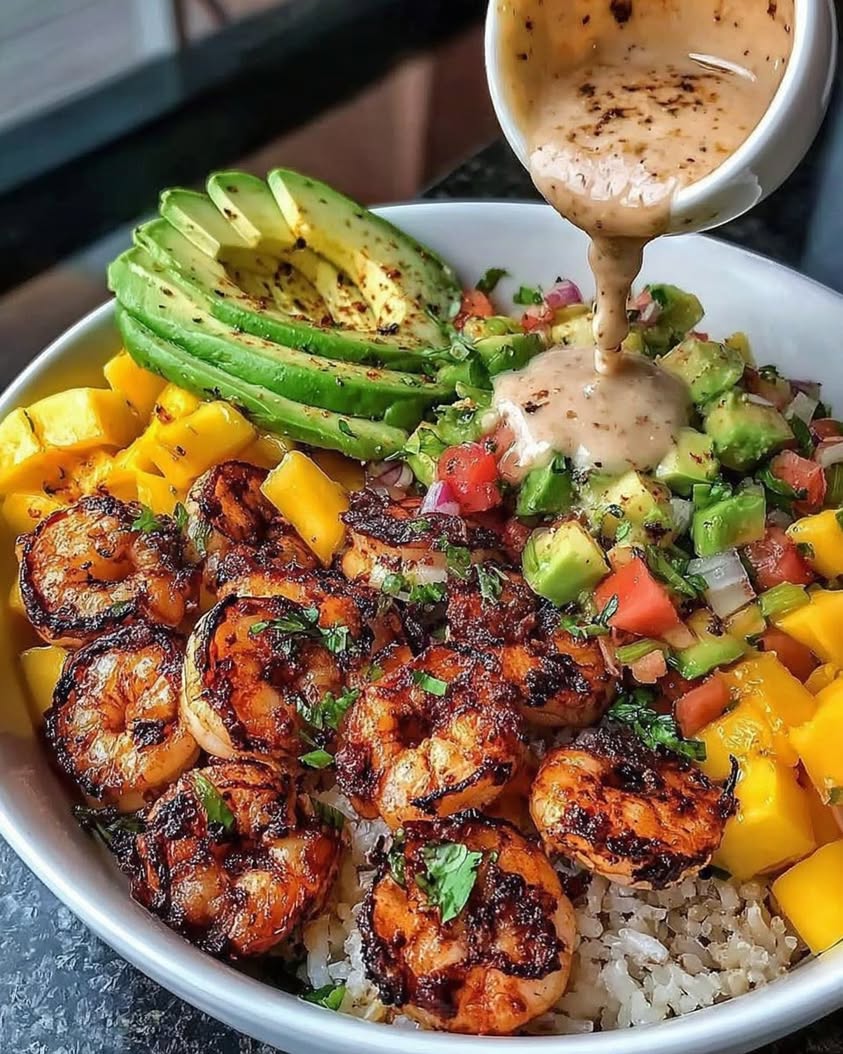
Shrimp and Avocado Bowls with Mango Salsa and Lime-Chili Sauce bring a burst of tropical flavor to your table in under thirty minutes. This vibrant dish combines succulent shrimp, creamy avocado, and a sweet-spicy mango salsa that dances on your taste buds. Moreover, the zesty lime-chili sauce ties everything together with a bright, tangy kick that keeps you coming back for more. Whether you need a quick weeknight dinner or a stunning dish for entertaining guests, these shrimp and avocado bowls deliver impressive results every single time.
Imagine biting into a perfectly cooked shrimp coated in a glossy lime-chili sauce, then getting a forkful of buttery avocado and juicy mango. The combination of textures and flavors creates a truly memorable eating experience. In addition, these bowls look absolutely gorgeous on the plate with their rainbow of colors from red chili, green cilantro, yellow mango, and pink shrimp. Consequently, this recipe has become a favorite among home cooks who want restaurant-quality meals without the restaurant price tag. The best part? You can customize each bowl to suit individual preferences, making it perfect for families with picky eaters.
Furthermore, this shrimp and avocado bowl recipe requires minimal cooking skills and basic kitchen equipment. You simply toss the shrimp in seasonings, sear them for a few minutes, and assemble the bowls with fresh ingredients. Meanwhile, the mango salsa and lime-chili sauce come together in minutes with just a few chops and stirs. As a result, even beginner cooks can master this dish on their first attempt. The recipe also happens to be naturally gluten-free, dairy-free, and packed with lean protein and healthy fats, so you can feel great about serving it to your loved ones.
Quick Recipe Highlights
- Flavor Profile: These shrimp and avocado bowls offer a harmonious blend of sweet, spicy, tangy, and savory notes. The mango salsa contributes natural sweetness, while the lime-chili sauce adds brightness and gentle heat. Additionally, the shrimp brings a subtle oceanic saltiness that balances everything beautifully.
- Texture: Each bite delivers a delightful contrast of textures that keeps the dish exciting. The shrimp remain tender and slightly firm, the avocado provides creamy richness, and the mango offers a juicy burst. Moreover, the red onion and bell pepper in the salsa add a satisfying crunch that rounds out the mouthfeel.
- Aroma: The fragrance of fresh lime zest and chopped cilantro fills the kitchen as you prepare these shrimp and avocado bowls. Chili powder and cumin add warm, earthy notes that complement the citrus. Furthermore, the natural sweetness of ripe mango contributes a tropical aroma that instantly lifts your mood.
- Visual Appeal: These bowls look like edible works of art with their vibrant colors and fresh ingredients. The pink shrimp contrast beautifully against the green avocado and yellow mango. In addition, a sprinkle of fresh cilantro and a drizzle of creamy lime-chili sauce adds the perfect finishing touch.
- Skill Level Needed: This recipe suits cooks of all experience levels, from beginners to seasoned home chefs. The techniques involved are basic searing, chopping, and mixing, none of which require advanced training. However, paying attention to shrimp cooking time ensures you avoid overcooking, which is the only real challenge here.
- Special Equipment: You need only a few basic kitchen tools to make these shrimp and avocado bowls successfully. A sharp chef’s knife makes quick work of chopping the salsa ingredients, and a large skillet handles the shrimp perfectly. Furthermore, a citrus juicer helps extract maximum juice from the limes, though you can squeeze them by hand if needed.
Recipe Overview
- Difficulty Level: This shrimp and avocado bowl recipe earns an easy rating because it involves straightforward steps and common ingredients. The entire process from start to finish takes less than thirty minutes, which makes it ideal for busy weeknights. Additionally, the recipe requires no complicated techniques or special equipment. As a result, even someone cooking their first meal can achieve excellent results.
- Category: These bowls work beautifully as a main course for lunch or dinner, and they also shine as a light appetizer when served in smaller portions. Furthermore, you can present them as a build-your-own bowl station for parties and gatherings. The versatile nature of this dish means it fits seamlessly into many different meal categories.
- Cuisine: This recipe draws inspiration from Latin American and coastal Mexican culinary traditions, which celebrate fresh seafood and bright citrus flavors. The mango salsa reflects tropical influences common in Caribbean and Central American cooking. Meanwhile, the lime-chili sauce echoes the vibrant condiments found throughout Baja California. Consequently, these shrimp and avocado bowls represent a modern fusion that honors those beloved traditions.
- Cost: Preparing these shrimp and avocado bowls at home costs approximately twelve to sixteen dollars total, which breaks down to three to four dollars per serving. Shrimp represents the most significant expense, but purchasing frozen shrimp often saves money without sacrificing quality. Additionally, the remaining ingredients like mango, avocado, limes, and fresh herbs are affordable and widely available.
- Season: Summer stands out as the ideal season for these shrimp and avocado bowls because ripe mangoes and creamy avocados reach peak flavor. However, you can enjoy this dish year-round thanks to the widespread availability of imported produce. Spring and early fall also work wonderfully when the weather calls for something fresh yet satisfying.
- Occasion: These bowls suit casual family dinners, weekend meal prep, poolside gatherings, and elegant dinner parties with equal grace. The impressive presentation makes guests feel special, yet the simple preparation keeps the host relaxed. Moreover, the customizable nature of the bowls accommodates various dietary needs and preferences without extra effort.
Why You’ll Love This Recipe
The taste and texture appeal of these shrimp and avocado bowls cannot be overstated. Each spoonful delivers a symphony of flavors that awaken your palate and satisfy your cravings. The sweet mango salsa plays perfectly against the savory, seasoned shrimp, while the lime-chili sauce adds a tangy brightness that cuts through the richness. Furthermore, the creamy avocado provides a luxurious mouthfeel that balances the crunch of fresh vegetables. Consequently, every bite offers something new and exciting, which keeps this dish from ever feeling boring or repetitive.
Convenience and preparation benefits make this shrimp and avocado bowl recipe a weeknight hero. You need only twenty-six minutes from start to finish, which means dinner lands on the table faster than delivery. Additionally, the recipe uses minimal pots and pans, so cleanup takes just a few minutes. You can also prepare components ahead of time and assemble everything when you are ready to eat. As a result, this dish fits seamlessly into busy schedules without sacrificing quality or flavor.
Nutritional advantages abound in these shrimp and avocado bowls, making them a smart choice for health-conscious eaters. Shrimp provides an excellent source of lean protein with very little fat, which supports muscle maintenance and keeps you feeling full. Avocado contributes heart-healthy monounsaturated fats and fiber that promote satiety and digestive health. Meanwhile, mango delivers vitamin C, vitamin A, and antioxidants that boost immunity. Furthermore, the lime-chili sauce adds flavor without relying on heavy creams or processed ingredients, so you enjoy a guilt-free meal.
Social and entertaining value sets these shrimp and avocado bowls apart from ordinary recipes. The build-your-own-bowl format encourages guests to customize their meals, which sparks conversation and creates a fun, interactive dining experience. Additionally, the vibrant colors and fresh presentation impress even the most discerning dinner guests. You can easily double or triple the recipe for larger gatherings without significantly increasing your workload. Consequently, this dish has become a go-to choice for hosts who want to serve something memorable with minimal stress.
Cost-effectiveness and accessibility round out the reasons why you will love this recipe. All ingredients are readily available at most grocery stores, and you can substitute items based on what is in season or on sale. The recipe also adapts beautifully to budget constraints by allowing you to adjust protein portions or use frozen shrimp. Moreover, the health benefits and restaurant-quality flavor mean you save money compared to dining out. As a result, these shrimp and avocado bowls deliver exceptional value that keeps them in your regular rotation.
Historical Background and Cultural Significance
The origin story of shrimp and avocado bowls with mango salsa and lime-chili sauce traces back to the coastal regions of Mexico and Latin America, where fresh seafood and tropical fruits abound. Fishermen along the Baja California peninsula have long enjoyed shrimp paired with citrus and chili, creating simple yet flavorful meals. Additionally, indigenous cultures in Central America cultivated avocados and mangoes for centuries before European contact. Consequently, this dish represents a natural evolution of those ancient culinary traditions combined with modern presentation styles.
Cultural importance surrounds this recipe because it embodies the spirit of fresh, local, and vibrant cooking that defines coastal Latin American cuisine. Families gather around tables filled with similar bowls, sharing stories and laughter over meals that celebrate the bounty of land and sea. Furthermore, the combination of shrimp, avocado, and mango holds symbolic meaning in some communities, representing abundance and hospitality. As a result, serving these bowls connects you to a rich heritage of communal dining and joyful celebration.
The evolution of this recipe reflects broader trends in American dining over the past few decades. As interest in healthy eating and global flavors grew during the 1990s and 2000s, dishes like shrimp and avocado bowls gained popularity in restaurants and home kitchens alike. Moreover, the rise of social media food photography highlighted the visual appeal of colorful bowls, which drove further interest. Consequently, home cooks began adapting restaurant versions into accessible recipes that anyone could prepare.
Regional variations of shrimp and avocado bowls appear throughout the Americas and beyond. In Brazil, cooks might add black beans and farofa for a heartier version. Meanwhile, Caribbean variations incorporate jerk seasoning or Scotch bonnet peppers for extra heat. Additionally, some Asian-inspired versions swap the lime-chili sauce for soy-ginger dressing and add edamame. Therefore, you can explore countless interpretations of this dish while keeping the core elements of shrimp, avocado, and fresh salsa intact.
Ingredient Deep Dive
Shrimp serves as the star protein in these bowls, and this beloved shellfish has nourished coastal communities for thousands of years. Ancient Romans prized shrimp as a delicacy, while Asian cultures have incorporated them into stir-fries and soups for centuries. Nutritionally, shrimp provide impressive amounts of protein, selenium, and vitamin B12 with minimal calories and fat. Furthermore, they cook in just minutes, which makes them perfect for quick meals like this one.
When selecting shrimp for your bowls, look for firm, translucent flesh with a mild, clean scent. Fresh shrimp should glisten and feel slightly slippery, while frozen shrimp should show no signs of freezer burn. Additionally, choose the right size for your needs, with medium to large shrimp working best for searing. Store fresh shrimp in the coldest part of your refrigerator and use within two days, or keep frozen shrimp in the freezer for up to six months.
Avocado brings creamy richness and a wealth of nutrients to these shrimp and avocado bowls. This remarkable fruit originated in south-central Mexico and has been cultivated for over ten thousand years. Moreover, avocados deliver heart-healthy monounsaturated fats, potassium, fiber, and vitamins E and K. The creamy texture contrasts beautifully with the crunchy salsa and tender shrimp, creating a satisfying mouthfeel.
Selecting the perfect avocado requires a gentle touch and a keen eye. Ripe avocados yield slightly when pressed near the stem end and feel heavy for their size. Avoid avocados with soft spots, dark bruises, or hollow sounds when tapped. Store unripe avocados at room temperature for a few days, then transfer them to the refrigerator once ripe to extend their shelf life. If you need a substitute, consider using mashed white beans or hummus for a similar creamy texture.
Mango contributes tropical sweetness and vibrant color to the salsa that tops these bowls. This juicy fruit originated in South Asia and has spread throughout tropical regions worldwide. In addition, mangoes offer vitamin C, vitamin A, fiber, and antioxidants that support immune health and skin vitality. The natural sugars in ripe mango balance the savory shrimp and tangy lime-chili sauce beautifully.
Choose mangoes that feel slightly soft and emit a sweet fragrance near the stem. The skin should have a mix of colors depending on the variety, with red, yellow, and green hues all appearing on ripe fruit. Store ripe mangoes in the refrigerator for up to five days, or freeze cubed mango for longer storage. If mango is unavailable, you can substitute peaches, pineapple, or papaya for similar sweetness and texture.
Limes provide the essential citrus punch that defines the lime-chili sauce and brightens every component of these shrimp and avocado bowls. These small green citrus fruits originated in Southeast Asia and have become indispensable in Latin American, Caribbean, and tropical cuisines. Furthermore, limes deliver vitamin C and antioxidants while adding zero fat and minimal calories. The acidity also helps balance the sweetness of the mango and the richness of the avocado.
Select limes that feel heavy for their size and have smooth, glossy skin without blemishes. Avoid limes with hard or shriveled skin, which indicates dryness. Store limes at room temperature for up to a week or in the refrigerator for several weeks. For maximum juice extraction, roll the lime on the counter before cutting and squeezing. Bottled lime juice works in a pinch, but fresh limes deliver superior flavor.
Common Mistakes to Avoid
- Overcooking the shrimp: Shrimp cook incredibly fast and turn rubbery when left on heat too long. Cook them just until they turn pink and opaque, which takes about two to three minutes per side. Remove them from the pan immediately to prevent carryover cooking.
- Using unripe avocado: Hard, unripe avocados taste bitter and lack the creamy texture that makes this dish special. Plan ahead and let your avocados ripen at room temperature before making these bowls. Additionally, you can speed ripening by placing avocados in a paper bag with a banana.
- Making the salsa too far ahead: Mango salsa tastes best when fresh because the flavors remain bright and distinct. If you prepare it too early, the ingredients become soggy and lose their individual character. Make the salsa within an hour of serving for optimal results.
- Skipping the shrimp seasoning: Plain shrimp taste bland and fail to complement the vibrant salsa and sauce. Always season your shrimp with salt, chili powder, cumin, and garlic before cooking. This step takes seconds but dramatically improves the final flavor.
- Not tasting the lime-chili sauce: The sauce needs balance between tangy, spicy, and slightly sweet elements. Taste it before serving and adjust the lime juice, chili, or honey as needed. Furthermore, remember that flavors intensify as the sauce sits.
- Overcrowding the pan: When shrimp touch each other in the pan, they steam instead of sear, which prevents that desirable golden crust. Cook shrimp in batches if necessary to give each piece enough space. This small step makes a big difference in texture and flavor.
- Ignoring shrimp size differences: Different shrimp sizes require different cooking times, so adjust accordingly. Jumbo shrimp need an extra minute or two, while small shrimp cook almost instantly. Furthermore, always check doneness by visual cues rather than relying solely on time.
- Using dried herbs instead of fresh: Fresh cilantro and mint provide bright, aromatic notes that dried herbs cannot match. These shrimp and avocado bowls rely on fresh ingredients for their vibrant character. Therefore, splurge on fresh herbs when possible for the best results.
- Dressing the bowls too early: Adding the lime-chili sauce too far in advance causes the avocado to brown and the salsa to become watery. Dress each bowl just before serving to maintain optimal texture and appearance. As a result, your presentation will impress everyone at the table.
- Forgetting to chill components: Warm shrimp on hot rice with cold salsa creates an unpleasant temperature clash. Let cooked shrimp cool slightly and ensure salsa and avocado are properly chilled. This attention to temperature elevates the entire dining experience.
Essential Techniques
Searing shrimp properly ranks as the most important technique for achieving excellent results with these shrimp and avocado bowls. High heat creates a quick golden crust on the outside while keeping the interior tender and juicy. To master this technique, preheat your skillet until a drop of water sizzles immediately upon contact. Next, pat the shrimp completely dry, season them, and add them to the hot pan in a single layer. Avoid moving them for the first minute to allow proper browning. The visual cue for success is a pink, opaque exterior with slight golden edges and a firm but not tough texture.
Dicing mango for the salsa requires precision to create uniform pieces that look attractive and distribute evenly. Start by cutting both ends off the mango, then stand it upright and slice downward along the flat pit. Score the flesh in a grid pattern without cutting through the skin, then invert the skin to release the cubes. Finally, run your knife along the skin to separate the cubes. This technique yields perfect mango cubes that hold their shape in the salsa and deliver consistent sweetness in every bite.
Balancing the lime-chili sauce demands attention to the interplay between acid, heat, and sweetness. Begin by whisking fresh lime juice with chili powder, garlic, and a touch of honey or agave. Taste the mixture and adjust each element until the flavors harmonize. If the sauce tastes too tart, add more sweetener. If it lacks punch, add more chili or lime zest. The finished sauce should feel bright and complex, not one-dimensional. This balance makes the sauce a star component rather than an afterthought.
Assembling the bowls thoughtfully ensures each serving looks beautiful and contains the right proportions of every component. Start with a base of rice, quinoa, or greens, then arrange shrimp, avocado slices, and mango salsa in distinct sections. Drizzle the lime-chili sauce over everything and finish with fresh cilantro. This technique creates visual appeal and allows diners to mix components according to their preferences. Consequently, every bowl becomes a personalized culinary creation.
Pro Tips for Perfect Shrimp and Avocado Bowls with Mango Salsa and Lime-Chili Sauce
Buy the largest shrimp you can afford for these shrimp and avocado bowls because larger shrimp offer better texture and presence. Jumbo or extra-large shrimp sear beautifully and feel substantial in each bite. Additionally, larger shrimp prove harder to overcook, which gives you more margin for error. The slight extra cost pays off in superior results.
Chill your serving bowls in the refrigerator for at least fifteen minutes before assembling the dish. Cold bowls keep the avocado and salsa fresh longer, especially during warm weather. Furthermore, the temperature contrast between cold bowls and just-cooked shrimp creates an appealing dining experience.
Toast your spices in a dry pan for thirty seconds before seasoning the shrimp to unlock deeper flavor. This simple step transforms ordinary chili powder and cumin into aromatic, complex seasonings. Consequently, your shrimp and avocado bowls taste more layered and restaurant-quality.
Use a mandoline or sharp knife to cut thin, uniform slices of red onion for the salsa. Thin slices distribute evenly and provide crunch without overwhelming any single bite. If raw onion tastes too strong, soak the slices in cold water for ten minutes before adding them to the salsa.
Add a pinch of salt to the avocado slices right before serving to enhance their natural creaminess. Salt also slows browning, which keeps your presentation looking fresh. However, avoid salting avocado too far in advance because salt draws out moisture over time.
Make the lime-chili sauce in a small jar and shake it vigorously to emulsify the ingredients. This method distributes the chili and garlic evenly throughout the liquid. Additionally, the jar makes storage easy and allows you to drizzle the sauce precisely over each bowl.
Consider adding a creamy element like a dollop of Greek yogurt or coconut cream to the lime-chili sauce for extra richness. This addition creates a cooling contrast to the chili heat and adds a luxurious texture. Furthermore, it helps the sauce cling to the shrimp and vegetables more effectively.
Serve these shrimp and avocado bowls on a bed of coconut rice for a tropical twist that complements the mango salsa. Coconut rice adds subtle sweetness and fragrance that elevate the entire dish. Alternatively, cauliflower rice works well for those following a low-carb lifestyle.
Variations and Adaptations
Regional variations of these shrimp and avocado bowls allow you to explore different flavor profiles while keeping the core concept intact. For a Baja California style, add black beans, corn, and a squeeze of crema to the bowl. Meanwhile, a Thai-inspired version might swap the lime-chili sauce for a peanut-lime dressing and add shredded carrots and bean sprouts. Additionally, a Hawaiian variation could incorporate macadamia nuts and pineapple alongside the mango. These adaptations celebrate the versatility of the original recipe while introducing exciting new tastes.
Seasonal adaptations help you enjoy these shrimp and avocado bowls throughout the year regardless of produce availability. During winter months, substitute citrus segments like orange or grapefruit for the mango and add roasted sweet potato cubes. In spring, fresh peas and radishes bring brightness and crunch. Summer offers the widest range of options with peak tomatoes, corn, and stone fruits. Fall calls for roasted butternut squash and pomegranate seeds. Consequently, you never run out of ways to keep this dish fresh and relevant.
Dietary modifications ensure that everyone at your table can enjoy these shrimp and avocado bowls. For a vegan version, replace shrimp with seasoned chickpeas or crispy tofu and use maple syrup instead of honey in the sauce. Those following a keto or low-carb plan can serve the bowls over cauliflower rice or mixed greens. Additionally, a paleo adaptation eliminates grains entirely and uses extra vegetables as the base. These adjustments maintain the vibrant flavors while meeting specific dietary needs.
Flavor variations let you customize the taste profile to suit your mood or menu. Add chipotle pepper to the lime-chili sauce for a smoky kick, or incorporate lemongrass and ginger for an Asian-inspired twist. Furthermore, a Mediterranean version might use lemon instead of lime and add feta cheese and olives. Each variation opens new possibilities for enjoying this flexible recipe.
Texture modifications accommodate different preferences and dietary restrictions. If you prefer softer textures, dice the vegetables finely and use a ripe, mashed avocado instead of slices. For extra crunch, add toasted nuts, crispy tortilla strips, or jicama matchsticks. Additionally, blending half the mango salsa into a smooth puree creates a sauce-like consistency that coats every ingredient.
Presentation alternatives transform these shrimp and avocado bowls for different occasions. Serve them in lettuce cups for a lighter, hand-held option perfect for parties. Alternatively, layer the ingredients in mason jars for portable lunches that travel beautifully. You can also arrange everything on a large platter for a stunning family-style presentation. Therefore, the same recipe works for casual and formal settings alike.
Serving and Presentation Guide
Plating techniques for these shrimp and avocado bowls focus on color contrast and visual balance. Arrange the rice or greens as a base, then place shrimp on one side and avocado slices fanned on the other. Spoon the mango salsa in the center or along the edge for a pop of yellow and red. Drizzle the lime-chili sauce in a zigzag pattern over the top. This thoughtful arrangement creates a professional look that impresses without requiring special skills.
Garnishing ideas elevate the presentation from ordinary to extraordinary with minimal effort. Fresh cilantro leaves, lime wedges, and a sprinkle of chili flakes add color and texture. Toasted sesame seeds or crushed tortilla chips provide visual interest and crunch. Additionally, a few edible flowers like nasturtiums or pansies create a stunning finishing touch for special occasions.
Traditional accompaniments for these shrimp and avocado bowls include warm corn tortillas, crispy plantain chips, or crusty bread. These sides complement the Latin American flavor profile and provide vehicles for scooping up every last bit of salsa and sauce. Moreover, a simple side salad with a light vinaigrette rounds out the meal nicely.
Modern serving suggestions embrace the bowl trend by layering ingredients in creative ways. Try a deconstructed version where each component sits separately on the plate for a fine-dining aesthetic. Alternatively, serve the shrimp and avocado bowls as lettuce wraps for a lighter, handheld option. You can also present them in hollowed-out avocado shells for a whimsical touch.
Temperature considerations play a crucial role in the dining experience with these shrimp and avocado bowls. Serve the shrimp warm or at room temperature, but keep the salsa and avocado cool. This contrast creates a refreshing sensation that makes the dish ideal for warm weather. Furthermore, avoid serving the bowls piping hot because high heat wilts the fresh ingredients and dulls their flavors.
Portion control tips help you serve these shrimp and avocado bowls appropriately for different appetites and occasions. For a main course, aim for six to eight shrimp and half an avocado per person. As an appetizer, reduce portions to three to four shrimp and a quarter avocado. Additionally, offer extra salsa and sauce on the side so guests can customize their bowls.
Wine and Beverage Pairing
Wine pairings for these shrimp and avocado bowls should complement the citrus, spice, and tropical fruit flavors. A crisp Sauvignon Blanc from New Zealand offers grassy notes and bright acidity that mirror the lime-chili sauce. Alternatively, a dry Rosé from Provence provides delicate red fruit flavors that harmonize with the mango salsa. For those who prefer red wine, a light-bodied Pinot Noir chilled slightly works surprisingly well with the shrimp.
Non-alcoholic alternatives keep the meal refreshing and family-friendly. Sparkling water with fresh lime and mint creates a cooling contrast to the chili heat. Additionally, homemade agua fresca made with watermelon or cucumber offers a traditional Latin American accompaniment. Iced hibiscus tea provides tartness and beautiful color that matches the vibrant bowls.
Coffee and tea pairings might seem unusual for this dish, but certain options work beautifully. A lightly brewed green tea with jasmine complements the tropical flavors without overpowering them. Meanwhile, a cold-brewed white tea with citrus notes refreshes the palate between bites. Avoid heavy, dark roasts because they clash with the bright, fresh character of these shrimp and avocado bowls.
Temperature considerations for beverages matter when serving these shrimp and avocado bowls. Serve white wine and Rosé well-chilled at around forty-five to fifty degrees Fahrenheit. Furthermore, keep non-alcoholic drinks over ice to maintain their refreshing quality throughout the meal. Room-temperature beverages feel less satisfying alongside this cool, vibrant dish.
Serving suggestions for beverages include offering a selection so guests can choose their preference. Set up a small drink station with wine, sparkling water, and agua fresca for a casual gathering. For formal dinners, pour wine tableside and offer water in elegant glasses. Consequently, every guest finds something refreshing to enjoy with their meal.
Storage and Shelf Life
Storage methods for these shrimp and avocado bowls require separation of components to maintain quality. Store cooked shrimp, mango salsa, and lime-chili sauce in separate airtight containers. Keep avocado whole or cut it fresh for each serving because sliced avocado browns quickly. Consequently, you can enjoy leftovers for a couple of days without sacrificing freshness.
Temperature requirements for food safety demand that cooked shrimp stay refrigerated at forty degrees Fahrenheit or below. The mango salsa also needs refrigeration because of its fresh fruit and vegetable content. Additionally, the lime-chili sauce keeps well in the refrigerator for up to five days. Never leave any component at room temperature for more than two hours.
Container recommendations include glass containers with tight-fitting lids for optimal freshness. Glass does not absorb odors or stain, which keeps flavors pure. For the salsa, use a container that minimizes air exposure to slow oxidation. Furthermore, small jars work perfectly for the lime-chili sauce and make pouring easy.
Signs of spoilage include off odors, slimy textures, and discolored shrimp or avocado. If the shrimp smell strongly of ammonia or feel mushy, discard them immediately. The salsa should look bright and smell fresh, not fermented or sour. When in doubt, throw it out to avoid foodborne illness.
Reheating instructions for the shrimp involve gentle warming in a skillet over low heat for one to two minutes. Avoid microwaving shrimp because it often results in tough, rubbery texture. Alternatively, enjoy the shrimp cold on a salad or in a wrap. The mango salsa and lime-chili sauce taste best cold and require no reheating.
Freezing guidelines for these shrimp and avocado bowls vary by component. Cooked shrimp freeze well for up to three months when stored in freezer-safe bags with the air removed. The lime-chili sauce also freezes beautifully in ice cube trays for easy portioning. However, avoid freezing the mango salsa and avocado because their textures deteriorate significantly upon thawing.
Make Ahead Strategies
Prep timeline for these shrimp and avocado bowls allows you to break the work into manageable steps. Up to two days ahead, you can peel and devein shrimp, chop vegetables for the salsa, and prepare the lime-chili sauce. The day of serving, cook the shrimp and assemble the bowls. This approach reduces stress and ensures everything comes together quickly.
Storage between steps requires proper refrigeration and separation to maintain freshness. Keep chopped salsa ingredients in separate containers if possible, then combine them an hour before serving. Store the lime-chili sauce in a jar and shake well before using. Furthermore, keep shrimp refrigerated until you are ready to cook them.
Quality impact assessment reveals that some components handle advance preparation better than others. The lime-chili sauce actually improves after a few hours as flavors meld. Chopped vegetables for the salsa hold up well for a day if stored properly. However, avocado must be cut fresh because it browns quickly even with protective measures.
Assembly tips for make-ahead shrimp and avocado bowls focus on keeping components separate until serving. Set up a buffet-style station where guests build their own bowls. Alternatively, portion ingredients into containers for grab-and-go lunches. This strategy keeps textures and flavors at their best.
Reheating guidelines for the shrimp remain the same whether you cooked them fresh or made them ahead. Warm them gently in a skillet or enjoy them cold. Moreover, the salsa and sauce need no reheating and taste best straight from the refrigerator.
Fresh element additions at serving time restore vibrancy to make-ahead components. Add freshly chopped cilantro, a squeeze of lime, and sliced avocado right before eating. These small touches make the dish taste like it was just prepared. Consequently, your make-ahead shrimp and avocado bowls rival freshly made versions.
Scaling Instructions
Halving the recipe for these shrimp and avocado bowls works well when cooking for two people. Simply use half of each ingredient and adjust cooking time slightly because the smaller batch cooks faster. Additionally, use a smaller skillet to prevent overcrowding. The lime-chili sauce halves easily, though you might want extra for drizzling.
Doubling or tripling the recipe for gatherings requires a few adjustments for best results. Cook shrimp in batches to avoid overcrowding the pan, which steams rather than sears them. Furthermore, make the salsa and sauce in larger bowls and taste for balance. You may need to increase seasoning slightly when scaling up.
Equipment adjustments become necessary when preparing larger quantities of these shrimp and avocado bowls. Use the largest skillet you own or cook shrimp in two pans simultaneously. For very large batches, consider roasting shrimp in the oven on sheet pans at four hundred degrees for six to eight minutes. This method frees up stovetop space and cooks evenly.
Timing modifications for scaled recipes ensure everything finishes at the right moment. When doubling, add only two to three minutes to the total time because the primary constraint is batch cooking. Furthermore, prepare all components before cooking shrimp so assembly moves quickly. This planning keeps the meal warm and fresh.
Storage considerations for scaled batches require enough containers to hold each component separately. Label containers with dates to track freshness. If making a large batch for a party, keep backup salsa and sauce refrigerated until needed. As a result, you can replenish bowls without interrupting the celebration.
Nutritional Deep Dive
Macro breakdown for these shrimp and avocado bowls reveals a well-balanced nutritional profile. Each serving provides approximately thirty grams of protein from the shrimp, which supports muscle repair and satiety. Healthy fats from avocado contribute around fifteen grams, promoting heart health and nutrient absorption. Carbohydrates from mango, rice, and vegetables add roughly thirty-five grams, supplying energy and fiber.
Micronutrient analysis shows impressive contributions from every ingredient in these shrimp and avocado bowls. Shrimp deliver selenium, vitamin B12, and phosphorus, which support thyroid function and bone health. Avocado contributes potassium, vitamin E, and folate for cardiovascular and cellular health. Meanwhile, mango adds vitamin C and vitamin A, boosting immunity and vision. Lime juice provides additional vitamin C and antioxidants.
Health benefits of this dish extend beyond basic nutrition. The omega-3 fatty acids in shrimp support brain health and reduce inflammation. Fiber from avocado, mango, and vegetables promotes digestive regularity and gut health. Furthermore, the absence of processed ingredients makes this meal clean and wholesome. Consequently, you can feel confident serving these shrimp and avocado bowls regularly.
Dietary considerations for these shrimp and avocado bowls include natural gluten-free and dairy-free status. The recipe also fits Mediterranean and pescatarian eating patterns. Those watching sodium can reduce added salt and use low-sodium seasoning blends. Additionally, individuals with shellfish allergies should substitute chicken or tofu for the shrimp.
Portion analysis helps you fit these shrimp and avocado bowls into various calorie goals. A standard serving contains approximately four hundred to four hundred fifty calories, depending on the base you choose. Using cauliflower rice instead of white rice reduces calories by about one hundred. Conversely, adding extra avocado increases healthy fats and calories.
Weight management tips for enjoying these shrimp and avocado bowls include controlling portion sizes and choosing nutrient-dense bases. Opt for greens or cauliflower rice to keep calories lower while maintaining volume. Additionally, go easy on the lime-chili sauce if it contains sweetener. These small adjustments make the dish even more diet-friendly.
Dietary Adaptations
PrintShrimp and Avocado Bowls with Mango Salsa & Lime-Chili Sauce
- Total Time: 30 minutes
- Yield: 4
Description
A fresh and vibrant bowl featuring succulent shrimp, creamy avocado, sweet mango salsa, and a zesty lime-chili sauce. Perfect for a light and healthy meal.
Ingredients
- For the Lime-Chili Sauce:
- 1/4 cup fresh lime juice
- 2 tablespoons olive oil
- 1 teaspoon chili powder
- 1/2 teaspoon ground cumin
- 1/2 teaspoon salt
- 1/4 teaspoon black pepper
- 1 clove garlic, minced
- For the Mango Salsa:
- 1 ripe mango, diced
- 1/2 red bell pepper, diced
- 1/4 red onion, finely chopped
- 1 jalapeño, seeded and minced
- 1/4 cup chopped fresh cilantro
- 1 tablespoon fresh lime juice
- Salt to taste
- For the Bowls:
- 1 pound large shrimp, peeled and deveined
- 2 tablespoons olive oil
- Salt and pepper to taste
- 2 ripe avocados, sliced
- 2 cups cooked white rice or quinoa
- Lime wedges for serving
- Fresh cilantro for garnish
Instructions
- Prepare the Lime-Chili Sauce: In a small bowl, whisk together lime juice, olive oil, chili powder, cumin, salt, pepper, and garlic. Set aside.
- Prepare the Mango Salsa: In a medium bowl, combine mango, red bell pepper, red onion, jalapeño, cilantro, and lime juice. Season with salt to taste. Refrigerate until ready to use.
- Cook the Shrimp: Heat olive oil in a large skillet over medium-high heat. Season shrimp with salt and pepper. Cook shrimp for 2-3 minutes per side until pink and opaque. Remove from heat.
- Assemble the Bowls: Divide cooked rice or quinoa among four bowls. Top with shrimp, avocado slices, and mango salsa. Drizzle with lime-chili sauce.
- Garnish with fresh cilantro and serve with lime wedges.
Notes
You can customize the seasonings to taste.
- Prep Time: 20 minutes
- Cook Time: 10 minutes
- Method: Main
- Cuisine: American