Shrimp and Avocado Bowls with Mango Salsa and Lime-Chili Sauce: A Fresh and Flavorful Meal
Are you searching for a dinner that feels both light and satisfying, something that bursts with color and zesty flavor? Look no further than these incredible Shrimp and Avocado Bowls with Mango Salsa and Lime-Chili Sauce. This recipe is a true celebration of fresh, vibrant ingredients that come together to create a meal you will crave all summer long. The combination of perfectly cooked shrimp, creamy avocado, and a sweet-tart mango salsa is simply irresistible. It is a dish that delivers on every level, from its stunning presentation to its complex layers of taste.
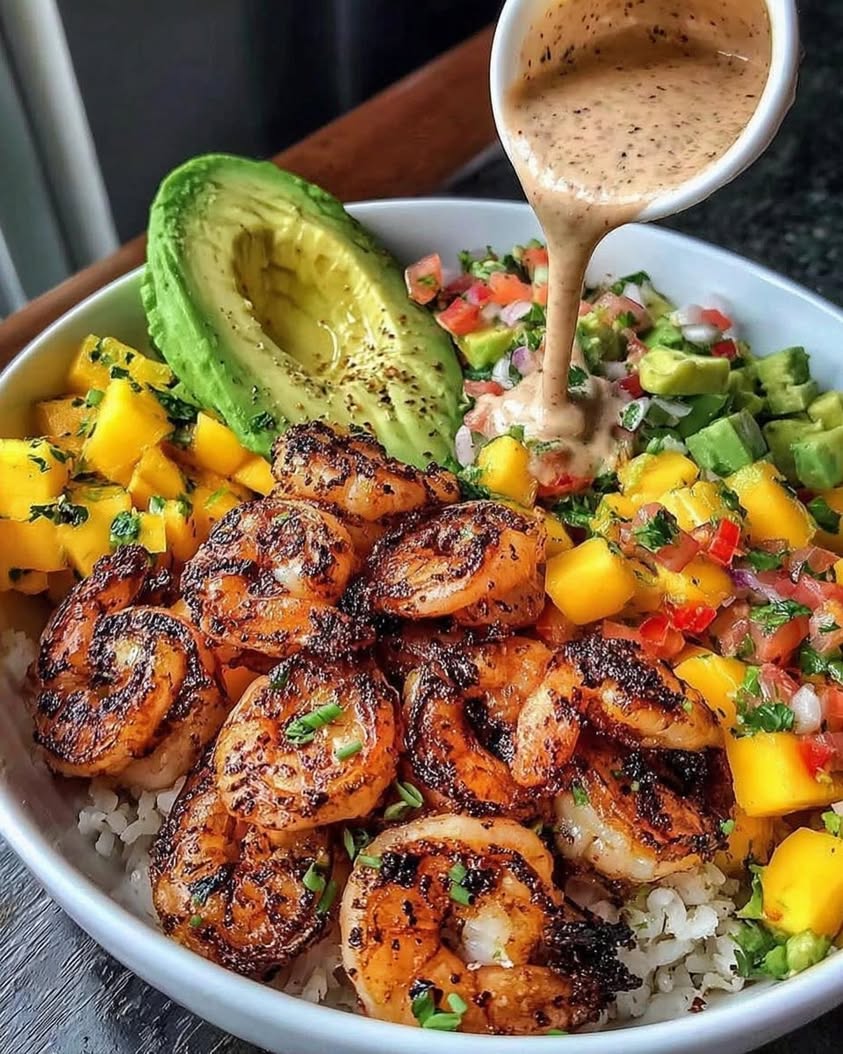
Imagine a bowl filled with fluffy rice or crisp greens, topped with succulent, seasoned shrimp and chunks of buttery avocado. Now, picture a vibrant mango salsa made with juicy ripe mangoes, sharp red onion, and fresh cilantro, all brought together with a squeeze of lime. The final touch is a drizzle of our homemade lime-chili sauce, which adds a kick of heat and a tangy finish. This Shrimp and Avocado Bowls with Mango Salsa and Lime-Chili Sauce recipe is not just a meal; it is an experience. It is a fantastic way to use fresh summer produce and to enjoy a restaurant-quality bowl right in your own kitchen.
This dish is surprisingly simple to make. With just thirty minutes of total time, you can have a colorful and nutritious meal on the table. This recipe is perfect for busy weeknights when you want something healthy without spending hours cooking. It also works beautifully for a weekend lunch or a casual dinner with friends. The beauty of these Shrimp and Avocado Bowls with Mango Salsa and Lime-Chili Sauce lies in their versatility. You can easily swap the rice for quinoa, cauliflower rice, or a bed of mixed greens. The flavors are so well-balanced and fresh that every bite feels like a tropical getaway.
Quick Recipe Highlights
- Flavor Profile: This bowl is a perfect symphony of sweet, savory, tangy, and spicy flavors. The sweet mango and creamy avocado balance the savory, seasoned shrimp, while the lime-chili sauce adds a bright, acidic punch with a gentle heat. It is a well-rounded and exciting taste experience.
- Texture: You get a wonderful variety of textures in every single forkful. The shrimp are firm and juicy, the avocado is luscious and creamy, the mango salsa provides a delightful soft crunch, and the base offers a fluffy or crisp foundation. This textural contrast is what makes the bowl so satisfying.
- Aroma: The aromas are incredibly fresh and inviting. You will smell the sweet, floral scent of mango combined with the sharp, clean smell of fresh lime juice and cilantro. The shrimp, cooked with a touch of chili and garlic, adds a savory, warm note that grounds the dish.
- Visual Appeal: This bowl is a feast for the eyes. The brilliant orange of the mango, the vibrant green of the avocado and cilantro, the pinkish-white of the shrimp, and the bright white of the rice create a stunning and appetizing palette. It is a dish that looks as good as it tastes.
- Skill Level Needed: This recipe is excellent for beginners and experienced home cooks alike. The techniques involved are basic, including chopping, mixing, and quickly sauteing or grilling shrimp. There are no complicated steps that require special culinary skills.
- Special Equipment: You do not need any specialized equipment for this recipe. A good chef’s knife, a cutting board, a mixing bowl, and a large skillet or grill pan are all you need. A citrus juicer is helpful but not essential.
Recipe Overview
- Difficulty Level: This recipe is rated as easy because of its straightforward, no-fuss approach. There are no complex cooking methods like braising or making a roux. The ingredients are simply prepared and assembled. Most of the time is spent on chopping fresh ingredients and cooking the shrimp for just a few minutes. It is a very accessible recipe for a weeknight.
- Category: This dish falls primarily under the category of dinner or lunch. It is a complete and balanced meal that works perfectly for a main course. Because of its fresh and healthy profile, it is also a wonderful option for a light lunch or a post-workout dinner.
- Cuisine: While not strictly traditional to one country, this recipe draws heavy inspiration from modern Latin and Californian cuisine. The combination of seafood, fresh salsa, and creamy avocado is a hallmark of coastal Mexican and Southwestern cooking. The lime and chili sauce adds a bright, acidic, and spicy finish typical of these regions.
- Cost: The cost of this recipe is moderate. Shrimp can be a pricier protein, but you can look for sales or buy frozen bags to save money. Avocados and mangoes are generally affordable, especially when in season. The other ingredients, like rice, limes, and spices, are pantry staples that are very inexpensive to purchase.
- Season: This recipe is best made during the summer and early fall. This is the peak season for both ripe mangoes and avocados. You will find the best flavor and the most affordable prices for these key ingredients. However, you can make it year-round by sourcing produce from your local grocery store.
- Occasion: These bowls are perfect for a wide range of occasions. They are ideal for a quick and healthy weeknight meal. They also make a fantastic, impressive dinner for casual entertaining. The individual bowl presentation makes it fun for a taco night-style gathering or a summer cookout.
Why You Will Love This Recipe
The primary appeal of this dish is its incredible taste and wonderful blend of textures. The shrimp and avocado bowls deliver a flavor profile that is both complex and harmonious. The sweetness of the mango and the richness of the avocado temper the savory shrimp and the spicy sauce. This balance of sweet, savory, and spicy is deeply satisfying. The creamy avocado, the juicy shrimp, and the chunky salsa create a delightful mouthfeel that keeps you coming back for more. It is a truly sensory experience that feels both indulgent and light.
This recipe offers incredible convenience and a quick preparation time. One of the best things about it is how fast it comes together. With just thirty minutes of total time, you can go from raw ingredients to a finished meal on the table. The prep work is simple chopping, and the shrimp cook in under ten minutes. This makes it a perfect solution for those busy weeknights when you crave a home-cooked meal but have limited time. It proves that healthy and delicious food does not have to be complicated or time-consuming to prepare.
There are significant nutritional advantages to this meal. This bowl is packed with lean protein from the shrimp, healthy monounsaturated fats from the avocado, and a wealth of vitamins from the mango salsa. Shrimp is an excellent source of protein and selenium. Avocados are full of heart-healthy fats and fiber. Mangoes provide a generous dose of Vitamin C and Vitamin A. This combination creates a balanced meal that provides sustained energy and supports overall health. It is a fantastic option for anyone looking to enjoy a nutritious and satisfying dinner.
This recipe has great social and entertaining value. Serving these shrimp and avocado bowls is a wonderful way to impress your guests without being stuck in the kitchen. The individual bowl format is perfect for a casual dinner party. You can set up a small “bowl bar” with different toppings and let everyone build their own. This makes mealtime interactive and fun. The vibrant colors and fresh flavors are sure to be a hit with a crowd, making it a great go-to recipe for your next gathering.
Finally, this recipe is highly cost-effective and accessible. Most of the ingredients are easy to find at any standard grocery store. Shrimp is widely available, and you can often find it on sale or buy in bulk for a better price. The fresh produce is seasonal and affordable. This makes it a budget-friendly option for a meal that feels upscale. You are getting a premium-tasting, restaurant-quality dish without the premium price tag, all with easy-to-source ingredients you can find anywhere.
Historical Background and Cultural Significance
The shrimp and avocado bowl, as we know it today, is a modern culinary creation. It does not have a single, ancient origin story. Its roots are firmly planted in the late 20th and early 21st centuries, a time when the “bowl” format of serving meals became incredibly popular. This style of eating, with all components of a meal served together in a bowl, is a hallmark of fast-casual dining. Restaurants like Chipotle popularized the burrito bowl, which then inspired countless variations, including the seafood and grain bowl. This particular combination of shrimp, avocado, and mango is a direct descendant of that trend, focusing on fresh, high-quality ingredients.
The cultural significance of this dish lies in its reflection of modern American fusion cuisine. It takes the core components of a classic Mexican ceviche or taco and reimagines them as a nourishing, all-in-one bowl. The use of avocado is a staple of Californian cuisine and is a testament to the state’s agricultural bounty and health-conscious culture. The mango salsa is a direct nod to the popularity of fruit-based salsas in Tex-Mex cooking. This recipe is a perfect illustration of how different culinary traditions can blend and evolve to create something new and exciting that resonates with a broad, modern audience.
The evolution of the recipe is a story of adaptation and simplicity. Early versions of “shrimp bowls” might have been centered around rice and a simple sauce. The addition of avocado and a fresh, chunky mango salsa elevated the dish, adding layers of flavor and texture without making it more difficult to prepare. The lime-chili sauce represents a move toward brighter, more acidic, and spicy flavor profiles that have become very fashionable. The modern recipe we see today is the result of home cooks and restaurants constantly tweaking the formula, looking for the perfect balance of flavor, nutrition, and visual appeal.
There are many regional variations of these core components. In coastal Mexico, you might find a dish called “Aguachile de Camarón” which uses a very similar lime-chili base but is served more like a soup. In the Southern United States, you might find a “shrimp and grits” bowl, a completely different but equally famous version. In Hawaii, the “Poke bowl” uses raw fish with a similar assortment of toppings. This recipe for Shrimp and Avocado Bowls with Mango Salsa and Lime-Chili Sauce is a versatile template that can be adapted endlessly. It is a testament to the universal appeal of fresh, bold flavors combined with a healthy protein and creamy avocado.
Ingredient Deep Dive
Shrimp. Shrimp is a hugely popular seafood choice globally, prized for its sweet, mild flavor and firm, juicy texture. Culturally, it is a staple in many coastal cuisines, from Cajun jambalaya to Italian scampi. Nutritionally, shrimp is a fantastic source of lean protein, providing about 20 grams per 3-ounce serving. It is also very low in calories and fat. It is rich in selenium, a powerful antioxidant, and iodine, which is important for thyroid health. When selecting shrimp, look for ones that are firm, with a fresh sea-breeze smell. Avoid shrimp that smell strongly of ammonia. You can buy them fresh or frozen. For this recipe, large or extra-large shrimp are best. They should be peeled and deveined for ease of eating. You can leave the tails on for a nicer presentation or remove them. Store raw shrimp in the coldest part of your refrigerator and use it within one or two days. If you are using frozen shrimp, thaw them overnight in the refrigerator or quickly under cold running water. For a substitution, you can easily use cubed, firm white fish like cod or halibut, or even grilled chicken for a different protein.
Avocado. The avocado is a fruit that has become a global sensation, especially in modern health-conscious cuisine. Its cultural significance is deeply rooted in Mesoamerican history, where it has been cultivated for thousands of years. It is a key ingredient in guacamole, but its creamy, rich texture makes it perfect for bowls, salads, and toast. The primary nutritional benefit of avocado is its high content of heart-healthy monounsaturated fats. It is also an excellent source of fiber, potassium, and vitamins C, E, and K. These healthy fats help your body absorb fat-soluble vitamins from other foods in the bowl. When selecting an avocado for this recipe, you want one that is ripe but still firm, not mushy. It should yield slightly to gentle pressure at the stem end. To speed up ripening, place it in a paper bag with a banana. To store a cut avocado, leave the pit in the half, squeeze lime juice over the flesh, and wrap it tightly in plastic wrap. This prevents browning. You can substitute avocado with cubed mango for a sweeter bowl or with cooked, cooled edamame for a different kind of creaminess and more protein.
Mango. The mango is often called the “king of fruits,” and its cultural importance is immense across South Asia, Southeast Asia, and the Caribbean. It is a symbol of love, prosperity, and good luck in many traditions. The fruit is incredibly juicy and sweet when ripe, with a floral and tropical aroma. Nutritionally, mangoes are a powerhouse of vitamins, particularly Vitamin C and Vitamin A. One cup of mango provides about 100% of your daily Vitamin C needs, which is excellent for immune health. They also contain enzymes that aid digestion. When selecting a mango for the salsa, feel for a fruit that gives slightly to the touch. A ripe mango will have a sweet, fruity smell at the stem end. The color is not always the best indicator, as some varieties remain green when ripe. You want it to be firm but not hard. Store unripe mangoes at room temperature. Once ripe, you can store them in the refrigerator for several days. To cut a mango, stand it on its end, slice off the two wide cheeks, and then score the flesh in a grid pattern without cutting through the skin. Then, scoop out the cubes. Frozen mango is a good substitution if fresh is not available. Thaw it and pat it dry before using it in the salsa.
Common Mistakes to Avoid
- Overcooking the shrimp is a huge mistake. Shrimp cook very quickly, in just two to three minutes per side. Overcooked shrimp become tough, rubbery, and dry. You should cook them just until they turn pink and opaque.
- Using an underripe or overripe avocado can ruin the texture of the bowl. An underripe avocado will be hard and lack that creamy richness. An overripe avocado will be brown and mushy. Look for that sweet spot where it yields gently to pressure.
- Making the mango salsa too watery can make the bowl soggy. When you chop the mango, make sure it is not overly ripe and juicy. You can also drain any excess liquid from the salsa before adding it to the bowl.
- Using a bland or overly sweet mango for the salsa will affect the flavor balance. The mango should be sweet but also have a touch of tartness. If it is too sweet, add a little more lime juice to balance it out.
- Not seasoning the shrimp properly is a missed opportunity. Shrimp have a mild flavor and require a good amount of salt and other spices. Dry the shrimp well and season them generously with salt, pepper, chili powder, and cumin before cooking.
- Skipping the fresh lime juice is a crucial error. Lime juice is a key component that brings all the flavors together. It adds acidity that cuts through the richness of the avocado and the sweetness of the mango, making the whole dish brighter.
- Using pre-cooked shrimp for this recipe can lead to a poor result. Pre-cooked shrimp are often rubbery and lack flavor. It is much better to buy raw shrimp and cook them yourself for a superior texture and taste.
- Making the lime-chili sauce too spicy or not spicy enough can be a problem. The heat level is personal preference. Start with a small amount of chili or hot sauce and taste as you go. You can always add more, but you cannot take it away.
- Chopping the ingredients into uneven sizes leads to a poor textural experience. For the mango salsa, ensure that the mango, onion, and jalapeno are all cut into uniform, small dice. This ensures every bite has a balanced combination of flavors.
- Not tasting the components before assembling the bowl is a missed final check. You should always taste your shrimp, your salsa, and your sauce before you build the bowl. This is your last chance to adjust salt, acid, or heat for the perfect result.
Essential Techniques
Dicing a Mango. This is an essential skill to get perfect, uniform cubes for your salsa. Mastering it ensures the salsa looks professional and that each piece of mango is the same size, making for a nice mouthfeel. First, stand the mango on its end with the stem facing up. Use a sharp knife to slice off the two wide, flat sides of the mango, cutting as close to the central pit as possible. You will be left with two large “cheeks” of mango. Now, take one cheek and score the flesh in a crosshatch pattern without cutting through the skin. Push the skin from the underside to invert the scored cubes. Then, simply slice the cubes off the skin with your knife. This technique is fast, efficient, and gives you beautiful, clean pieces. A common pitfall is cutting too deeply into the skin when scoring, which makes it difficult to scoop out the cubes. The visual cue for success is having neat, crisp cubes that are all roughly the same size.
Pan-Searing Shrimp. This technique is key to developing deep, savory flavor on your shrimp. Searing creates a caramelized crust on the outside while keeping the inside juicy and tender. To do this, get a large skillet very hot over medium-high heat, then add a little oil. The oil should shimmer. Dry your shrimp completely with paper towels before seasoning them. Wet shrimp will steam instead of sear. Gently place the shrimp in the hot pan in a single layer. Do not overcrowd the pan or the temperature will drop and they will steam. You should hear a loud sizzle. Let them cook undisturbed for two to three minutes. You will see the bottom turn pink. Flip them and cook for another minute to two minutes on the second side. A common pitfall is moving the shrimp around in the pan. Just let them sit and sear. The visual cue for a perfect sear is a deeply colored, golden-brown crust on the outside of the shrimp.
Making a Fresh Citrus Sauce. The lime-chili sauce is incredibly simple to make, but the technique of balancing flavors is crucial. This sauce is not cooked, so the quality of your ingredients matters. Start with freshly squeezed lime juice. Bottled juice is not as bright. Whisk the lime juice with the oil, honey or agave, and chili to create an emulsion. A small amount of mustard or a tiny pinch of salt can help the oil and juice emulsify better. Taste the sauce constantly. You are looking for a perfect balance of sour (lime), sweet (honey), and heat (chili). Add more honey if it is too sour, or more lime if it is too sweet. The final sauce should be vibrant and pourable. A common pitfall is making it too tart or too thick. The visual cue for success is a smooth, slightly opaque, and vibrant green or yellow-green liquid that is not separating.
Pro Tips for Perfect Shrimp and Avocado Bowls with Mango Salsa and Lime-Chili Sauce
Always start with dry shrimp. Pat the shrimp very dry with paper towels before you add any seasoning. This is the number one tip for getting a fantastic sear on your shrimp. Moisture is the enemy of browning.
Season the shrimp at least ten minutes before cooking. Giving the salt and spices time to meld with the shrimp will result in a much more flavorful bite. It allows the seasoning to penetrate the surface of the meat.
For the most vibrant mango salsa, let it sit for a few minutes before serving. After you chop and mix the mango, onion, cilantro, and lime juice, allow the salsa to rest for five to ten minutes. This lets the flavors meld together beautifully.
To prevent the avocado from browning, add a little extra lime juice directly to the avocado cubes. Toss the cubed avocado with a small squeeze of lime juice before you add it to the bowl. This will keep it looking green and fresh.
Use a microplane or a very fine grater to zest a lime into your lime-chili sauce. The lime zest adds an incredible depth of citrus flavor that the juice alone cannot provide. It is a small step that makes a big difference.
For a bit of extra crunch, toast your rice or quinoa in the skillet before cooking it. A quick toast in a dry pan for a minute or two will add a lovely nutty flavor to your base. This simple step adds complexity to the dish.
Always taste the lime-chili sauce before drizzling it over the bowls. This is your final chance to adjust the flavor. It should be punchy and bright. If it is too spicy, add a splash more oil or a tiny bit more honey to tame the heat.
Variations and Adaptations
Regional Variations. While this recipe is a fantastic fusion, you can adapt it to different regional cuisines easily. For a Caribbean twist, add some grilled pineapple to the mango salsa and use a jerk seasoning on the shrimp. For a more classic Southwestern flavor, add some black beans and corn to the bowl and use a chipotle-lime sauce instead of the chili sauce.
Seasonal Adaptations. The beauty of this bowl is its flexibility with the seasons. In the spring, you could swap the mango for fresh strawberries or peaches. In the fall, you could use roasted butternut squash or pears in the salsa. The creamy avocado and the shrimp serve as a perfect canvas for any number of seasonal fruits and vegetables.
Dietary Modifications. This recipe is naturally gluten-free and dairy-free as written, which is wonderful. To make it Whole30 compliant, swap the honey for a date paste or use a compliant sugar alternative. To make it low-carb or keto, simply serve the bowl over a bed of mixed greens or cauliflower rice instead of regular rice.
Flavor Variations. You can easily change the flavor profile of the sauce. Instead of a lime-chili sauce, try a creamy cilantro-lime dressing made with Greek yogurt or a vegan sour cream. For a smoky flavor, add a half teaspoon of smoked paprika to the shrimp seasoning. For extra heat, you can add some sliced jalapeno directly to the bowl.
Texture Modifications. For more crunch, add some toasted pepitas (pumpkin seeds) or crushed tortilla chips to the top of the bowl. You can also add some shredded cabbage or lettuce for a crisp, refreshing element. If you want a softer texture, you could mash part of the avocado into a creamy spread on the bottom of the bowl.
Presentation Alternatives. Instead of serving as a bowl, you can plate this dish as a composed salad. Place the greens on a plate, top with the shrimp and avocado, and spoon the salsa around the edges. You could also serve the components deconstructed for a more interactive, family-style meal.
Serving and Presentation Guide
Plating Techniques. For the best presentation, start by placing your base (rice, greens, or quinoa) at the bottom of a wide, shallow bowl. Then, arrange the avocado slices and the cooked shrimp neatly on top. Finally, spoon the mango salsa over one section of the bowl for a pop of color. This creates a beautiful focal point. Drizzle the lime-chili sauce in a zigzag pattern over everything. This looks professional and ensures every bite gets a little sauce.
Garnishing Ideas. A few simple garnishes can elevate the dish from good to great. A sprinkle of fresh cilantro leaves adds color and a fresh herbal note. A few thin slices of jalapeno add visual heat. A small lime wedge on the side of the bowl is practical and adds a nice touch. A light sprinkle of flaky sea salt over the finished bowl will enhance all the flavors.
Traditional Accompaniments. While this bowl is a complete meal, you can serve it with some classic sides for a larger spread. A simple side of black beans or refried beans is a natural fit. Tortilla chips on the side are always a welcome addition for scooping up extra avocado and salsa. You could also serve it with a side of grilled corn on the cob for a wonderful summer dinner.
Modern Serving Suggestions. This dish is perfect for a “build your own bowl” bar. Set out the cooked shrimp, the mango salsa, the diced avocado, the lime-chili sauce, and a few optional toppings like cheese, sour cream, and hot sauce. Let your guests create their own masterpiece. This is a fantastic idea for a party or a casual family dinner.
Temperature Considerations. The temperature of each component is important for the best experience. The shrimp should be served warm, straight out of the pan. The rice or grains should be warm as well. The avocado and the mango salsa are best served at room temperature or slightly chilled. The contrast between the warm shrimp and the cool, fresh salsa is a large part of the dish’s appeal.
Portion Control Tips. This recipe is easily portioned for individual service. The provided ingredient amounts are for four generous bowls. You can easily adjust by adding more greens or rice to each bowl to make it more filling. For a lighter meal, use less rice and more vegetables. The shrimp and avocado are the richest parts of the meal, so keep those portions in check.
Wine and Beverage Pairing
Wine Pairings. The bright, citrusy, and slightly spicy flavors of this bowl pair beautifully with white wines. A crisp Sauvignon Blanc from New Zealand or California is a classic choice. Its high acidity and notes of grapefruit and lime will stand up to the lime-chili sauce. A dry, unoaked Albariño from Spain is another fantastic option, offering a similar acidity with a touch of salinity that complements the shrimp perfectly. For a slightly richer option, a dry Riesling from Germany or Alsace works wonderfully.
Non-Alcoholic Alternatives. For a non-alcoholic pairing, a sparkling water with lime and mint is incredibly refreshing and complements the fresh flavors. A good-quality ginger beer, with its spicy kick, is also a wonderful choice. The ginger can handle the chili in the sauce beautifully. For a more elaborate drink, try a homemade lemonade made with fresh mint and a little bit of muddled jalapeno for a spicy, non-alcoholic version of a cocktail.
Beer Pairings. This dish is a dream to pair with beer. A light, crisp Mexican lager, like a Corona or Modelo, is a perfect, uncomplicated choice. The clean, slightly crisp taste will wash away the heat and let the flavors shine. A wheat beer like a Hefeweizen is also fantastic, with its citrusy and slightly spicy notes. Avoid heavy, dark beers that will overpower the delicate shrimp.
Temperature Considerations. The white wines and beers should be served very cold, around 40 to 45 degrees Fahrenheit. This will make them even more refreshing against the warm shrimp and spicy sauce. The non-alcoholic options should also be served over ice for maximum refreshment. A well-chilled drink is essential to balance the flavors of this vibrant summer bowl.
Storage and Shelf Life
Storage Methods. This recipe is best enjoyed immediately, as the avocado will brown and the textures will degrade. However, you can store the components separately for the best results. Store the cooked shrimp in an airtight container in the refrigerator. Store the mango salsa in a separate container. The avocado should be prepared fresh, as it does not store well after being cut. The lime-chili sauce can be stored in a small jar with a lid.
Temperature Requirements. All leftover components should be kept refrigerated at a temperature of 40 degrees Fahrenheit or below. The shrimp is the most perishable part and should be eaten within one to two days. The mango salsa will last for a day, but it will release some liquid. The lime-chili sauce can be stored for up to a week in the refrigerator.
Container Recommendations. For the shrimp and mango salsa, use shallow, wide containers to allow for rapid cooling and even storage. Glass containers with airtight lids are best, as they do not absorb odors. For the sauce, a small mason jar or a glass container with a tight-fitting lid is perfect.
Signs of Spoilage. Always check for signs of spoilage before eating leftovers. Shrimp that has gone bad will have a strong, fishy, or ammonia-like smell. The texture will also become slimy. Mango salsa that has spoiled will have a fermented or sour smell. If you notice any off-odors, mold, or changes in texture, it is best to discard the food.
Reheating Instructions. The only component you will want to reheat is the shrimp. Reheat the shrimp gently to avoid making them tough. You can reheat them in a dry skillet over medium-low heat for a minute or two, flipping once. You can also microwave them in a covered dish for about 30 seconds to a minute. Do not overheat. The rice or grains can also be reheated in the microwave.
Freezing Guidelines. Freezing this dish is not recommended. The texture of the shrimp will change and become watery upon thawing. The avocado will become mushy and brown. The mango salsa will become very watery and lose its fresh texture. It is far better to enjoy this dish fresh and store it for just a day or two in the refrigerator.
Make Ahead Strategies
Prep Timeline. This recipe is so fast that you do not need a huge amount of make-ahead work. The best strategy is to do your prep work earlier in the day. You can chop the mango, red onion, jalapeno, and cilantro for the salsa. You can also make the lime-chili sauce. Store these components separately in the refrigerator. This will reduce your dinner time to just ten minutes of cooking the shrimp and slicing the avocado.
Storage Between Steps. The mango salsa should be stored in an airtight container in the fridge for no longer than a few hours. The longer it sits, the more liquid it will release and the less vibrant it will become. The lime-chili sauce is the best make-ahead component. It actually gets better as the flavors meld, so you can make it a day ahead of time.
Quality Impact Assessment. Making the salsa and sauce ahead of time has a very small impact on quality if done correctly. The salsa will still be delicious, just a little less crisp. The sauce will be perfect. The biggest potential quality loss comes from the avocado. You absolutely must slice or cube the avocado just before serving to ensure it is vibrant and creamy.
Assembly Tips. When you are ready to cook, take the salsa and sauce out of the fridge to come to room temperature. Cook the shrimp. Then, assemble the bowls immediately. The warm shrimp will help bring the whole dish together. This is a very low-stress way to get a wonderful dinner on the table.
Reheating Guidelines. As mentioned, you only reheat the shrimp. Do not put the salsa or avocado in the microwave. Instead, focus on reheating the base (rice or quinoa) and the shrimp. Then, add the fresh components on top. This maintains the perfect textural contrast between warm and cool elements.
Fresh Element Additions. The best way to keep this dish tasting fresh is to add the fresh elements at the very end. The avocado, a final squeeze of fresh lime juice, and an extra sprinkle of cilantro should be added right before serving. This prevents them from wilting or browning and ensures the bowl has that vibrant, freshly made feel.
Scaling Instructions
Halving the Recipe. Halving this recipe is very simple. Just use half of each ingredient. For example, use half a pound of shrimp instead of a full pound, and use half a mango. The cooking time for the shrimp will remain the same, as you need to achieve the same sear. The prep time will be slightly quicker. This is great for a single or double serving.
Doubling or Tripling. This recipe scales up very well for a crowd. Simply double or triple all of the ingredient amounts. The key to success when cooking a larger quantity is to cook the shrimp in batches. Do not overcrowd the pan. Cook them in one or two batches to ensure they get a good sear instead of steaming. You can use a larger skillet or a griddle to speed up the process.
Equipment Adjustments. When doubling the recipe, you will likely need a larger mixing bowl for the salsa. You will also need a larger skillet or two separate skillets to cook the shrimp in a single layer. Make sure you have a large cutting board. The biggest equipment challenge is having a big enough pan for the shrimp, so plan accordingly.
Timing Modifications. The total time will increase slightly when you are doing a larger batch because you will need to cook the shrimp Print
Shrimp and Avocado Bowls with Mango Salsa & Lime-Chili Sauce
- Total Time: 21 minutes
- Yield: 4
Description
Fresh and vibrant bowls featuring juicy shrimp, creamy avocado, and a sweet-tangy mango salsa, all drizzled with a zesty lime-chili sauce for a perfect summer meal.
Ingredients
- 1 lb large shrimp, peeled and deveined
- 2 ripe avocados, diced
- 1 cup cooked rice or quinoa
- 1 cup mango, diced
- 1/4 cup red onion, finely chopped
- 1/4 cup fresh cilantro, chopped
- 1 jalapeño, seeded and minced
- 2 tablespoons lime juice
- Salt and pepper to taste
- 2 tablespoons olive oil
- 1/4 cup Greek yogurt or sour cream
- 1 tablespoon lime zest
- 1 teaspoon chili powder
- 1/2 teaspoon cumin
- Optional: mixed greens or lettuce for serving
Instructions
- In a medium bowl, combine diced mango, red onion, cilantro, jalapeño, and 1 tablespoon lime juice. Season with salt and pepper, mix well, and set aside as mango salsa.
- In a small bowl, whisk together Greek yogurt, remaining lime juice, lime zest, chili powder, and cumin. Add water if needed for desired consistency; set aside as lime-chili sauce.
- Season the shrimp with salt and pepper. Heat olive oil in a large skillet over medium-high heat. Cook shrimp for 2-3 minutes per side until pink and opaque. Remove from heat.
- To assemble bowls, place a base of mixed greens or lettuce, then add rice or quinoa. Top with cooked shrimp, diced avocado, and mango salsa.
- Drizzle lime-chili sauce over each bowl and serve immediately.
Notes
You can customize the seasonings to taste.
- Prep Time: 15 minutes
- Cook Time: 6 minutes
- Method: Main
- Cuisine: American