Roasted Tomato Cloud Toast: A Dreamy, Fluffy Breakfast Recipe
Roasted Tomato Cloud Toast transforms humble ingredients into something truly magical, and once you taste it, you will understand why this dish has captured the hearts of home cooks everywhere. Imagine biting into a slice of golden, crusty sourdough topped with a billowy, cloud-like egg white mixture that practically melts on your tongue, all crowned with deeply caramelized roasted tomatoes bursting with sweet, tangy flavor. This roasted tomato cloud toast recipe combines the rustic charm of oven-roasted vegetables with the ethereal texture of whipped egg whites, creating a breakfast experience that feels both comforting and surprisingly elegant.
The magic of this roasted tomato cloud toast lies in the beautiful contrast between textures and flavors. The roasting process concentrates the natural sugars in the tomatoes, transforming them into jammy, flavor-packed gems that pair perfectly with the airy, fluffy egg clouds. Each bite delivers a symphony of sensations: the satisfying crunch of toasted bread, the soft, pillowy cloud eggs, and the intense, sun-drenched taste of slow-roasted tomatoes. Whether you serve this dish for a lazy weekend brunch or impress guests at a holiday breakfast gathering, the roasted tomato cloud toast delivers restaurant-quality results from the comfort of your own kitchen.
What makes this roasted tomato cloud toast recipe especially appealing is its versatility and accessibility. You likely already have most of the ingredients in your kitchen right now: eggs, tomatoes, bread, olive oil, and a few simple seasonings. The technique requires no special equipment beyond a baking sheet and a mixer, yet the results look like something from a fancy brunch spot. This roasted tomato cloud toast proves that with a little technique and quality ingredients, you can create a stunning, memorable meal without spending hours in the kitchen or breaking your budget.
Quick Recipe Highlights
- Flavor Profile: The roasted tomato cloud toast delivers a delightful balance of sweet, tangy, and savory notes. Slow-roasting concentrates the tomatoes’ natural sugars while adding caramelized depth, and the cloud eggs bring a subtle richness that ties everything together beautifully.
- Texture: This dish offers a remarkable textural experience with each bite. The crusty sourdough provides a satisfying crunch, the cloud eggs deliver an impossibly light and airy pillow, and the roasted tomatoes add a jammy, melt-in-your-mouth quality.
- Aroma: Your kitchen will fill with the intoxicating scent of roasting tomatoes, garlic, and herbs as this dish comes together. The cloud eggs contribute a warm, comforting egg aroma that signals a satisfying meal is on its way.
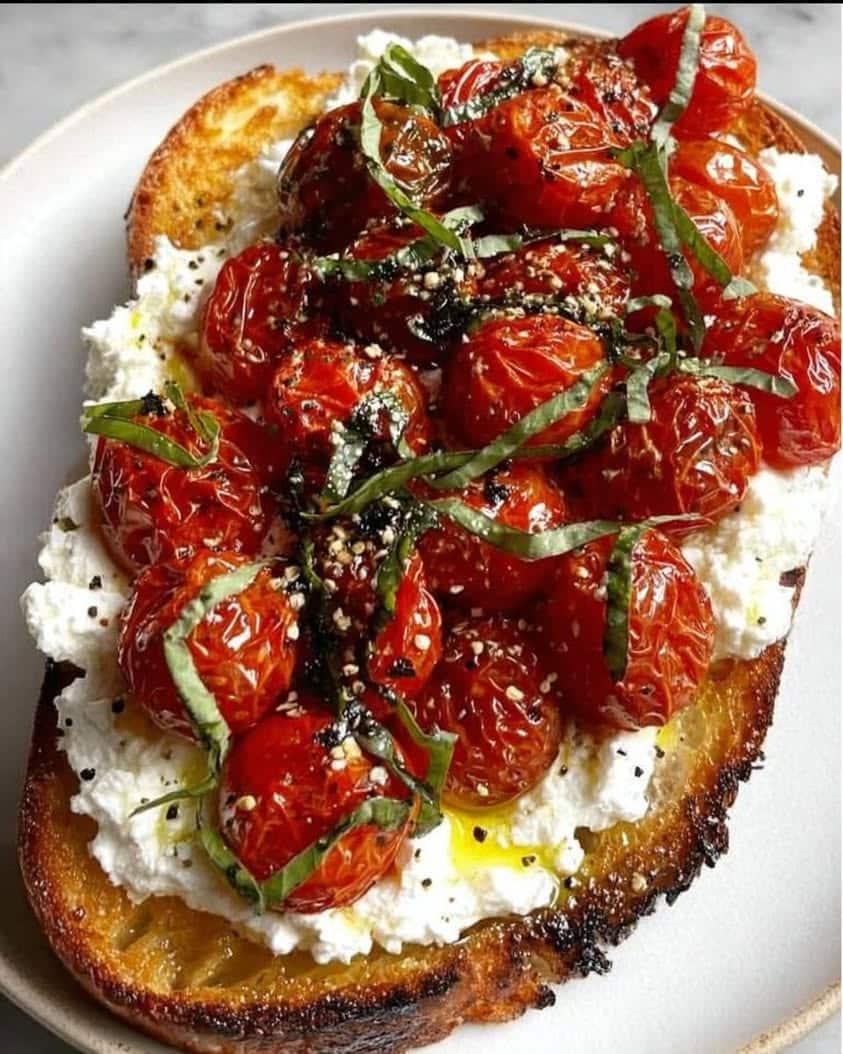
- Visual Appeal: Roasted tomato cloud toast looks absolutely stunning on the plate. Golden-brown egg clouds float atop artisan toast, topped with vibrant red and orange roasted tomato halves that create a beautiful color contrast.
- Skill Level Needed: While the recipe remains approachable for most home cooks, achieving perfectly whipped egg whites requires some basic technique. Beginners can master this dish with a bit of practice, and experienced cooks will find it delightfully simple.
- Special Equipment: You will need a baking sheet for roasting tomatoes and a clean mixing bowl with an electric mixer for whipping egg whites. A piping bag or spoon helps shape the egg clouds, though you can work with what you have on hand.
Recipe Overview
- Difficulty Level: I rate this roasted tomato cloud toast as easy to intermediate because the roasted tomatoes require minimal effort, while the cloud eggs demand attention to technique. Whipping egg whites to stiff peaks and folding them gently tests your skills just enough to keep things interesting without causing frustration.
- Category: This recipe fits perfectly into breakfast, brunch, and light lunch categories. You can serve it as a main dish for a weekend morning meal or pair it with a side salad for a satisfying lunch that feels special yet simple.
- Cuisine: Roasted tomato cloud toast draws inspiration from Mediterranean cooking traditions, particularly Italian and French approaches to simple, quality ingredients. The cloud egg technique adds a modern, playful twist that reflects contemporary brunch culture.
- Cost: Preparing this dish for four servings costs approximately six to eight dollars when using pantry staples. The primary expenses are eggs, fresh tomatoes, and quality bread, making it an economical choice for feeding a crowd.
- Season: While you can make roasted tomato cloud toast year-round, it shines brightest during summer and early fall when tomatoes reach peak ripeness. Garden-fresh or farmers market tomatoes elevate this dish to extraordinary heights.
- Occasion: This recipe suits relaxed weekend brunches, holiday breakfasts, and casual entertaining. Its impressive presentation makes it ideal for special occasions, yet the simple preparation keeps it stress-free for everyday enjoyment.
Why You’ll Love This Recipe
The taste and texture of this roasted tomato cloud toast will absolutely win you over from the very first bite. The slow-roasted tomatoes develop an intensely sweet and savory flavor profile that you simply cannot achieve with raw or quick-cooked tomatoes. As they roast, the tomatoes release their juices and concentrate their sugars, creating jammy, caramelized halves that taste almost like candy. When you combine these flavor bombs with the delicate, airy egg clouds, you experience a contrast that feels incredibly sophisticated despite the simple preparation.
Convenience and preparation benefits make this roasted tomato cloud toast recipe a joy to work with on busy mornings or leisurely weekends. The tomatoes can roast while you prepare the egg clouds, and you can easily double the tomato batch to have leftovers ready for the week ahead. The entire process requires minimal hands-on time, allowing you to sip your coffee and relax while the oven works its magic. Cleanup is straightforward too, with just one baking sheet and a few bowls needed for the whole operation.
Nutritional advantages give this dish additional appeal for health-conscious cooks. Eggs provide high-quality protein and essential nutrients like choline and B vitamins, while tomatoes deliver lycopene, vitamin C, and antioxidants. Olive oil adds heart-healthy monounsaturated fats, and when you choose whole-grain sourdough, you gain fiber and complex carbohydrates that keep you satisfied longer. This roasted tomato cloud toast proves that healthy eating and indulgence can absolutely coexist on the same plate.
Social and entertaining value sets this recipe apart as a true crowd-pleaser. Nothing impresses brunch guests quite like a beautifully plated roasted tomato cloud toast, and the dish invites all sorts of customization so everyone can make it their own. Serve it family-style with an assortment of toppings and watch your guests ooh and ahh over the gorgeous presentation. The recipe works beautifully for intimate gatherings or larger parties, and it pairs wonderfully with mimosas, fresh fruit, and good conversation.
Cost-effectiveness makes this roasted tomato cloud toast accessible to nearly any budget. Even when you splurge on artisan bread and heirloom tomatoes, the total cost per serving stays remarkably low compared to restaurant breakfast options. Eggs remain one of the most affordable protein sources available, and a little goes a long way in this recipe. You can feel good about serving your family a nutritious, beautiful meal without worrying about the grocery bill.
Historical Background and Cultural Significance
The origin story of roasted tomato cloud toast weaves together several culinary traditions that have evolved over centuries. Roasted tomatoes have graced Mediterranean tables since the sixteenth century, when explorers brought the first tomato seeds from the Americas to Europe. Italian cooks embraced this new ingredient and developed techniques for slow-roasting tomatoes to preserve them through winter, inadvertently creating a flavor-packed preparation that would inspire countless future dishes. The cloud egg technique, while often considered modern, actually traces back to French culinary methods for creating airy, soufflé-like egg preparations.
Cultural importance surrounds roasted tomato cloud toast in ways that reflect broader food traditions celebrating simple, seasonal ingredients. Throughout Southern Europe, cooks have long understood that patience and gentle heat transform humble vegetables into extraordinary culinary treasures. The practice of roasting tomatoes with olive oil, garlic, and herbs represents a fundamental cooking philosophy that values quality ingredients over complexity. This dish honors those traditions while adding a contemporary twist that feels fresh and exciting.
The evolution of this recipe reflects changing attitudes toward breakfast and brunch culture over recent decades. As brunch became a beloved weekend ritual throughout the United States and beyond, home cooks sought creative ways to elevate familiar egg dishes into something special. Cloud eggs emerged as a viral sensation on social media, inspiring countless variations and adaptations. Combining this trendy technique with classic roasted tomatoes created a dish that feels both nostalgic and thoroughly modern.
Regional variations of this dish appear across different cultures, each bringing unique flavors to the table. In Italy, you might find similar preparations featuring roasted cherry tomatoes and pecorino cheese on grilled bread. French cooks might incorporate herbs de Provence into their roasted tomatoes and serve the cloud eggs with brioche. Middle Eastern versions might include za’atar, sumac, and feta cheese, creating entirely new flavor dimensions that celebrate regional ingredients and tastes.
Ingredient Deep Dive
Eggs form the backbone of this roasted tomato cloud toast recipe, providing both structure and nutrition. Cultures worldwide have relied on eggs as a fundamental protein source for thousands of years, and their versatility makes them invaluable in the kitchen. The egg whites whip into clouds while the yolks add richness and color, creating a dish that showcases this ingredient’s magical properties. Eggs provide complete protein with all essential amino acids, plus valuable vitamins like B12, riboflavin, and vitamin D, along with minerals including selenium and choline, supporting brain health and metabolism.
Select fresh eggs for the best results when making roasted tomato cloud toast, checking the carton for the latest expiration date possible. In the United States, egg cartons display packing dates that help you gauge freshness. Older eggs actually whip more easily than super-fresh ones because their proteins have relaxed slightly over time, but you want eggs that remain within date for optimal flavor and safety. Store eggs in their original carton in the refrigerator, not in the door where temperature fluctuates. For egg-free versions, aquafaba (chickpea liquid) can replace egg whites, though the results will differ texturally.
Tomatoes bring brightness and depth to roasted tomato cloud toast, contributing beautiful color and intense flavor. Native to the Americas, tomatoes traveled to Europe and beyond, eventually becoming a beloved staple in cuisines worldwide. Roasting transforms tomatoes by concentrating their sugars and breaking down cell walls, creating a silky, jammy texture with concentrated flavor. Tomatoes provide vitamin C, potassium, folate, and lycopene, an antioxidant linked to potential health benefits including cardiovascular support and skin protection.
Choose tomatoes that feel heavy for their size with smooth, unblemished skins for your roasted tomato cloud toast. Roma, plum, or Campari tomatoes work beautifully because they contain less water and more flesh than large slicing varieties. Store fresh tomatoes at room temperature away from direct sunlight, as refrigeration diminishes their flavor and mealy texture. Sun-dried tomatoes packed in oil offer a reasonable substitute when fresh tomatoes look uninspiring, though you will need to adjust roasting times accordingly.
Sourdough bread provides the perfect foundation for roasted tomato cloud toast, offering structure and flavor that complement the toppings beautifully. This ancient bread-making tradition uses wild yeast and beneficial bacteria to leaven dough, creating complex flavors and a chewy texture that stands up to moist toppings. Sourdough contains beneficial probiotics from the fermentation process and often has a lower glycemic index than commercial breads, helping maintain steady blood sugar levels.
Select a good-quality artisan sourdough with a crusty exterior and tender crumb for making this dish. Thick slices work best because they can support the weight of the cloud eggs and roasted tomatoes without becoming soggy. Look for bread with minimal ingredients—flour, water, salt, and starter—ideally from a local bakery. Store sourdough cut-side down at room temperature for a few days, or freeze slices for longer storage.
Common Mistakes to Avoid
- Over-whipping the egg whites causes the clouds to become dry and crumbly instead of light and tender. Stop whipping as soon as you reach stiff peaks, which stand upright without collapsing. If you accidentally over-whip, gently fold in a fresh egg white to loosen the mixture.
- Under-seasoning the tomatoes leads to flat, uninspired flavor in your roasted tomato cloud toast. Season generously with salt and pepper before roasting, and taste after cooking to adjust. Remember that roasting concentrates flavors, so start with adequate seasoning from the beginning.
- Using cold eggs straight from the refrigerator slows down the whipping process and may prevent proper volume development. Let eggs sit at room temperature for about fifteen minutes before separating. Room-temperature whites whip faster and achieve better structure for your cloud eggs.
- Crowding the tomatoes on the baking sheet causes them to steam rather than roast, resulting in mushy texture. Arrange tomatoes in a single layer with space between them for proper airflow. Use two baking sheets if necessary rather than stacking or crowding.
- Skipping the pre-toast step for bread leads to soggy roasted tomato cloud toast that falls apart when eaten. Always toast your bread slices lightly before adding toppings. This creates a moisture barrier that keeps the foundation crisp and sturdy.
- Opening the oven frequently during roasting releases heat and disrupts the cooking process. Resist the urge to peek every few minutes. Set your timer and trust the process, checking only when the timer indicates.
- Folding the egg whites too vigorously deflates the air bubbles you worked to create. Use a gentle, circular folding motion with a spatula. Cut down through the center and fold over, rotating the bowl as you go.
- Neglecting to grease the baking sheet makes removing the baked egg clouds difficult. Use parchment paper or a silicone mat for easy release. Lightly oil your hands or tools if shaping the clouds into specific forms.
- Serving immediately is essential because cloud eggs deflate as they cool. Have your bread ready and your table set before the eggs finish baking. This timing consideration ensures the most impressive presentation and optimal texture.
- Buying tomatoes that lack flavor ruins the dish regardless of your technique. Taste your tomatoes before cooking and adjust seasoning if needed. Never use out-of-season tomatoes for this dish if you can avoid it.
Essential Techniques
Slow-roasting tomatoes ranks as the most important technique for creating exceptional roasted tomato cloud toast. This method draws out moisture, concentrates sugars, and develops complex caramelized flavors that make the dish memorable. Set your oven to a moderate temperature around 375 degrees Fahrenheit for balanced results. Drizzle halved tomatoes with olive oil, sprinkle with salt, pepper, and herbs, then arrange cut-side up on your baking sheet and roast for twenty to twenty-five minutes. The tomatoes should look shriveled, glossy, and deeply browned at the edges when properly done. Watch for visual cues including bubbling juices and darkened skin.
Whipping egg whites to stiff peaks demands attention and proper technique to achieve perfect cloud eggs for your roasted tomato cloud toast. Start with a spotlessly clean bowl that contains no trace of fat, as even a drop of oil prevents proper whipping. Room-temperature egg whites whip faster and create better structure. Begin on low speed and gradually increase to medium-high, watching for the mixture to transform from frothy to opaque white. Add a pinch of cream of tartar or a few drops of lemon juice to stabilize the foam. Test for stiff peaks by lifting the beater; the peaks should stand straight up without drooping when done.
Folding techniques preserve the air bubbles you created during whipping, keeping your cloud eggs light and fluffy. Use a large, flexible spatula and work gently but confidently to incorporate ingredients. Cut down through the center of the mixture, sweep along the bottom, and fold over as you rotate the bowl. Avoid stirring or vigorous mixing, which deflates the whites. Continue folding just until ingredients combine; over-folding ruins the texture. When making roasted tomato cloud toast, fold any seasonings or cheese into the whipped whites right before shaping and baking.
Baking cloud eggs requires precise timing to achieve the perfect texture for your roasted tomato cloud toast. Preheat your oven thoroughly and bake the shaped clouds on a parchment-lined sheet at 400 degrees Fahrenheit. Create small wells in the center of each mound if you plan to add yolks for a dramatic presentation. Bake for eight to twelve minutes, depending on the size of your clouds. They should look set and slightly golden on the edges but still tender inside. Serve immediately, as cloud eggs deflate quickly once removed from the oven.
Pro Tips for Perfect Roasted Tomato Cloud Toast
Purchase the ripest, most flavorful tomatoes you can find for your roasted tomato cloud toast, ideally from a farmers market during peak season. Heirloom varieties bring gorgeous colors and diverse flavor profiles that make the dish extra special. Taste your tomatoes before cooking to gauge their sweetness and adjust your seasoning plan accordingly. A single subpar tomato can compromise the entire dish.
Roast extra tomatoes and store them in the refrigerator for up to five days for use in future roasted tomato cloud toast preparations. Having this component ready in advance makes the dish much faster to prepare on busy mornings. You can gently reheat the tomatoes in the oven or microwave before assembling your toast. The flavor actually improves after a day or two as the flavors meld.
Invest in a good-quality silicone mat or parchment paper for easy cleanup and reliable non-stick performance. These tools prevent sticking and help the cloud eggs release cleanly from the baking sheet. Parchment paper also creates a barrier that prevents excessive browning on the bottom of the toast when you assemble the dish.
Whip the egg whites just before you plan to bake for the best structure and volume in your roasted tomato cloud toast. Cloud eggs do not hold up well if whipped too far ahead. Time your tomatoes to finish roasting while you prepare the egg clouds, creating a seamless flow from oven to table that results in perfect results every time.
Create drama with your presentation by leaving space in the center of each cloud to add an egg yolk before baking. This technique produces a stunning visual centerpiece for your roasted tomato cloud toast. Carefully separate and reserve the yolks, then gently place one in each well right before baking. The yolk should still be soft and runny when the clouds finish cooking.
Season your egg clouds before baking for maximum flavor integration in your roasted tomato cloud toast. Add salt, pepper, grated cheese, or fresh herbs after whipping but before shaping. Fold gently to incorporate without deflating the mixture. Season generously but taste as you go to avoid oversalting since you cannot easily correct once baked.
Use a piping bag or a large spoon to create uniformly shaped cloud eggs for your roasted tomato cloud toast. Consistent size ensures even baking and beautiful presentation. If using a spoon, create a rough, rustic mound that feels organic and appealing. A piping bag offers more control and allows creative shapes if you want to impress guests.
Preheat your oven fully before baking your cloud eggs for roasted tomato cloud toast, allowing at least fifteen minutes after reaching the set temperature. A properly heated oven ensures consistent results and proper rising. Use an oven thermometer to verify your actual temperature since many ovens run hot or cold. This small troubleshooting step saves you from disappointing results.
Variations and Adaptations
Regional variations of roasted tomato cloud toast offer endless inspiration for customizing this dish to your preferences. Italian-inspired versions might feature roasted tomatoes with basil, garlic, and parmesan cheese melted over the cloud eggs. French preparations might include herbs de Provence, gruyere, and a drizzle of truffle oil. Greek adaptations could incorporate feta, oregano, and roasted red peppers for a Mediterranean flavor profile that celebrates fresh, bright ingredients.
Seasonal adaptations allow you to enjoy roasted tomato cloud toast year-round using the best available ingredients. In summer, use fresh heirloom tomatoes bursting with flavor from local farms. During winter months, experiment with slow-roasted cherry tomatoes or swap in roasted red pepper or roasted squash as a delicious alternative. Spring brings opportunities for fresh herbs and spring onions, while fall invites mushroom and pumpkin variations.
Dietary modifications make roasted tomato cloud toast adaptable for various eating plans. Use gluten-free bread for a celiac-friendly version, and choose dairy-free cheese alternatives or omit cheese entirely. For vegan versions, substitute aquafaba for egg whites and use a plant-based egg substitute, though results will be texturally different. Keto dieters can use low-carb bread and add extra fat through olive oil and cheese.
Flavor variations transform this basic roasted tomato cloud toast recipe into something completely new with simple adjustments. Add smoked paprika and cumin for a smoky, Southwestern profile, or incorporate curry powder and fresh cilantro to create an Indian-inspired version. For a spicy kick, sprinkle red pepper flakes over the tomatoes before roasting and add chili oil at serving. Cheese swaps also dramatically change the flavor landscape.
Texture modifications allow you to fine-tune the mouthfeel of your roasted tomato cloud toast. For a crunchier experience, add toasted nuts or breadcrumbs over the top before serving. For creamier results, add a dollop of ricotta or cream cheese beneath the egg clouds. Sprinkling fresh herbs adds a pop of freshness that contrasts nicely with the rich, roasted components.
Presentation alternatives let you adapt this dish to different occasions and settings. Make individual portions for plated brunch service, or prepare a large family-style version on a wooden board for sharing. Cut roast tomato cloud toast into wedges as appetizers, or serve in smaller portions as a first course. The gorgeous colors make this dish photogenic regardless of presentation style.
Serving and Presentation Guide
Plating techniques for roasted tomato cloud toast should emphasize the natural beauty of the components. Place a single slice of perfectly toasted sourdough on a warmed plate, then carefully position the cloud egg slightly off-center for visual interest. Arrange the roasted tomatoes artfully around the egg, allowing their vibrant color to pop against the plate. Use a sharp knife or offset spatula to transfer the egg clouds gently so they maintain their fluffy texture.
Garnishing ideas elevate the dish from delicious to extraordinary with minimal effort. Scatter fresh basil or microgreens over the top for a burst of green color and fresh flavor. Drizzle high-quality balsamic reduction or a flavored olive oil around the plate for a sophisticated touch. Finish with flaky sea salt and freshly ground black pepper right before serving. A light dusting of grated parmesan adds visual appeal and savory depth.
Traditional accompaniments round out the roasted tomato cloud toast experience beautifully. Serve with crispy bacon or breakfast sausage for a hearty, satisfying meal. Fresh fruit or a simple side salad adds freshness and balances the richness of the eggs. A pile of buttered toast soldiers or hash browns also complement the main dish beautifully. For a more substantial brunch spread, add yogurt, granola, and fresh orange juice.
Modern serving suggestions impress guests and make this dish feel restaurant-quality. Create a composed plate with a small bed of dressed greens under the toast, allowing the bread to catch the vinaigrette. Top the clouds with an extra raw yolk and let guests break it themselves for dramatic effect. Serve in individual cast iron skillets for a charming, rustic presentation that keeps everything warm until the last bite.
Temperature considerations matter greatly for roasted tomato cloud toast since it tastes best when served piping hot. Assemble and plate the dish immediately after the eggs finish baking for optimal texture. Warm your plates in the oven or with hot water and dry them before plating to keep the food hot longer. Cloud eggs deflate and lose their appeal as they cool, so bring everyone to the table before the final sprinkle of garnish.
Portion control tips help you serve roasted tomato cloud toast appropriately for different occasions. A single slice of toast with one cloud egg and two tomato halves makes an elegant starter or light breakfast. Double the portion for a hearty main course that satisfies big appetites. Consider offering a buffet-style spread with components in separate dishes so guests can build their own perfect plate.
Wine and Beverage Pairing
Wine pairings for roasted tomato cloud toast should complement the bright acidity of the tomatoes and the richness of the eggs. A crisp, dry white wine like Sauvignon Blanc or Albariño works beautifully, cutting through the richness with bright acidity. For a festive brunch, pour a sparkling wine such as Prosecco or Cava, which pairs wonderfully with eggs and tomato. Light-bodied reds like Pinot Noir or Beaujolais also work surprisingly well if you prefer red wine with brunch.
Non-alcoholic alternatives make roasted tomato cloud toast accessible and enjoyable for everyone at your table. Fresh-squeezed orange juice with a splash of sparkling water creates a refreshing mimosa-like drink without alcohol. Cold-brew coffee over ice pairs beautifully with the savory components, while an iced green tea with lemon provides a light, cleansing counterpoint to the richness of the dish.
Coffee and tea pairings enhance the roasted tomato cloud toast experience for many diners. A medium-roast coffee with notes of caramel or chocolate complements the sweet, roasted tomatoes beautifully. For tea lovers, a smoky lapsang souchong or a bright English breakfast tea with a squeeze of lemon works wonderfully. Herbal tea options like chamomile or mint provide a caffeine-free alternative that still feels special.
Temperature considerations for beverages should not be overlooked when serving roasted tomato cloud toast. The drink should be cold or at least cool to balance the hot dish. Chill your glasses beforehand for an extra-refreshing experience. For coffee and tea, allow the drinks to cool slightly before serving to avoid overwhelming the palate.
Serving suggestions for beverages include offering a self-serve station with juices, sparkling water, and coffee for a casual brunch gathering. For a more formal occasion, present paired drinks in appropriate glassware and offer recommendations with each course. A small drink menu on the table helps guests make informed choices. Always provide plenty of ice and water to keep everyone hydrated.
Storage and Shelf Life
Storage methods for roasted tomato cloud toast components differ by element, with each requiring specific care. Store roasted tomatoes in an airtight container in the refrigerator for up to five days. Keep egg clouds separate and consume within a day, as they lose texture rapidly. Bread should remain at room temperature in a paper bag for optimal freshness, or freeze slices for longer storage. Never freeze the assembled dish as it becomes soggy and unappetizing.
Temperature requirements matter greatly for food safety and quality when storing this dish. Keep roasted tomatoes and egg clouds refrigerated below forty degrees Fahrenheit to prevent bacterial growth. Never leave the assembled dish at room temperature for more than two hours, or one hour in hot weather. When reheating, bring leftovers back to temperature quickly and thoroughly to avoid foodborne illness concerns.
Container recommendations help preserve the quality of your roasted tomato cloud toast components. Use glass containers with tight-fitting lids for the roasted tomatoes, allowing them to cool completely first. Choose shallow containers to cool quickly and store evenly. For bread, keep it in its original paper wrapping or a bread box for the best crust retention.
Signs of spoilage help you know when to discard leftover components. Roasted tomatoes that grow mold, develop a sour smell, or change color significantly should be discarded. Egg dishes that smell off or show any signs of discoloration must never be eaten. When in doubt, throw it out to protect your health and that of your family.
Reheating instructions for roasted tomato cloud toast components preserve quality as much as possible. Reheat roasted tomatoes in a skillet over medium heat or in the microwave for thirty seconds at a time until warm. Cloud eggs should be reheated gently in the oven at low temperature, though they will never regain their original fluffy texture. For the best results, prepare fresh cloud eggs rather than trying to revive leftovers.
Freezing guidelines apply only to certain components of roasted tomato cloud toast. Roasted tomatoes freeze beautifully for up to three months in airtight containers or freezer bags. Bread slices freeze well and can be toasted directly from frozen. Egg clouds do not freeze well, so make only as many as you plan to eat. Label all frozen components with dates for food safety and quality tracking.
Make Ahead Strategies
Prep timeline for roasted tomato cloud toast allows you to spread the work across hours or days, making the dish feel effortless on serving day. Roast tomatoes up to five days in advance and store in the refrigerator. Slice and toast the bread up to two days ahead, storing it at room temperature. Separate the eggs and store whites and yolks separately in sealed containers in the refrigerator for up to two days.
Storage between steps requires careful attention to temperature and moisture control. Allow roasted tomatoes to cool completely before covering and refrigerating to prevent condensation that makes them soggy. Store toasted bread in a paper bag at room temperature to maintain its crust. Keep eggs in closed containers and use them at the last possible moment for the best cloud structure.
Quality impact assessment reveals which components suffer most from advance preparation. The tomatoes actually taste better after a day or two as flavors meld and deepen. Toast loses its fresh crunch after a day but can be refreshed in a toaster oven. Egg whites whipped in advance lose some volume and should be rewhipped briefly before use. These trade-offs remain acceptable for busy mornings when planned properly.
Assembly tips for make-ahead roasted tomato cloud toast include keeping components separate until the last minute. Reheat tomatoes while you whip and bake the clouds, then toast bread right before assembling. Gather all garnishes and have your table set before you start the final assembly. This ensures the dish reaches the table in peak condition with minimal fuss.
Reheating guidelines for make-ahead components emphasize quick, gentle methods. Reheat roasted tomatoes in a skillet or microwave until hot. Toast bread slices in a toaster or oven until crisp. Bake fresh cloud eggs immediately before serving. Never assemble the dish until just before eating to avoid soggy toast and deflated clouds.
Fresh element additions make make-ahead roasted tomato cloud toast feel anything but stale. Add fresh herbs, flaky salt, and a drizzle of olive oil at the last second for a pop of freshness. A squeeze of lemon or a sprinkle of microgreens brings brightness that contrasts beautifully with the prepared components. These details elevate the dish with minimal effort.
Scaling Instructions
Halving the recipe for roasted tomato cloud toast works simply by cutting all ingredients in half, though you may want to keep the full amount of roasted tomatoes for leftovers. Use a smaller baking sheet for the tomatoes and a single bowl for whipping a smaller batch of egg whites. Cooking times may shorten slightly with smaller quantities, so watch closely during the bake.
Doubling or tripling the recipe requires planning ahead for equipment and space. Use multiple baking sheets to maintain single-layer tomato roasting. Whip egg whites in batches since oversized bowls can reduce whip efficiency. Consider using several mixers or asking for help if you need to scale significantly. Plan your assembly line carefully to keep multiple batches flowing smoothly.
Equipment adjustments help you handle larger batches of roasted tomato cloud toast without frustration. Large rimmed baking sheets allow more tomatoes to roast at once. A stand mixer handles large quantities of egg whites better than a hand mixer. Multiple toasters or a broiler can speed up bread toasting. Borrow or rent extra equipment if you plan to serve a big crowd.
Timing modifications come into play when scaling roasted tomato cloud toast for different quantities. Smaller batches cook faster, while larger batches require longer and potentially more carefully monitored cooking times. Rotate baking sheets halfway through for even results when using multiple sheets. Keep finished components warm in a low oven while you bake additional batches.
Storage considerations for scaled batches help you manage leftovers and avoid waste. Roasted tomatoes store well, so extra batches are welcome. Cloud eggs do not store well, so prepare only what you plan to serve. Freeze extra bread slices for future use. Plan your menu to use any leftover components within their safe storage windows.
Nutritional Deep Dive
Macro breakdown of roasted tomato cloud toast reveals a well-balanced profile for a satisfying breakfast. Each serving provides approximately eighteen grams of protein from the eggs, fifteen to twenty grams of carbohydrates from the bread and tomatoes depending on slice size, and ten to twelve grams of fat from olive oil, egg yolks, and cheese if included. The total calorie count sits around two hundred eighty to three hundred fifty calories per serving.
Micronutrient analysis shows this dish delivers impressive nutritional value in a relatively small package. Eggs contribute choline for brain health, B vitamins for energy metabolism, selenium for thyroid function, and vitamin D for bone health. Tomatoes provide vitamin C, potassium, folate, and lycopene, an antioxidant with potential anti-inflammatory benefits. Olive oil contributes vitamin E and polyphenols.
Health benefits of roasted tomato cloud toast stem from its nutrient-dense ingredients and balanced design. The protein content supports muscle maintenance and satiety, helping you stay full until lunch. Lycopene from tomatoes may support cardiovascular health and protect against oxidative stress. Choosing whole-grain sourdough adds fiber and slow-digesting carbohydrates that maintain steady energy levels.
Dietary considerations for this dish include the natural gluten in bread and cholesterol in egg yolks. People with gluten sensitivities can choose gluten-free bread. Those watching cholesterol may reduce yolks or use egg whites only, though this changes the texture of the clouds. Those following low-carb plans can swap in thin-sliced bread or a lettuce wrap alternative.
Portion analysis helps you fit roasted tomato cloud toast into various eating plans. One slice with a single cloud egg suits lighter meals at around two hundred eighty calories. Doubling the portion creates a more substantial main meal around five hundred fifty calories. Adjust cheese, oil, and bread type to fine-tune the calorie content to your needs.
Weight management tips include pairing roasted tomato cloud toast with plenty of vegetables and fruit for volume and fiber. Choose thin-sliced bread to reduce calories without feeling deprived. Load on extra roasted tomatoes for flavor and nutrients with minimal calories. Skip the cheese or use a strongly flavored variety in smaller amounts to maximize taste.
Dietary Adaptations
Gluten-free versions of roasted tomato cloud toast use certified gluten-free bread or offer the cloud eggs over a base of roasted sweet potato slices or gluten-free grain bowls. Check that all packaged ingredients carry gluten-free certification. Use separate toasters or clean equipment to avoid cross-contamination if someone in your household has celiac disease or a severe sensitivity.
Dairy-free preparations skip cheese in the cloud eggs or use dairy-free alternatives. Choose bread made without milk or butter. Replace butter with olive oil for dipping or drizzling. Check all spice blends and packaged components for hidden dairy ingredients. The base recipe is naturally dairy-free if you omit cheese.
PrintRoasted Tomato Cloud Toast
- Total Time: 45 minutes
- Yield: 2
Description
A fluffy, cloud-like egg white bake topped with sweet roasted tomatoes and served on toasted sourdough for a light and satisfying meal.
Ingredients
- 4 large egg whites
- 1/4 teaspoon cream of tartar
- 1/4 teaspoon salt
- 1/4 cup grated Parmesan cheese
- 2 slices sourdough bread
- 2 tablespoons olive oil
- 2 cups cherry tomatoes, halved
- 2 cloves garlic, minced
- 1 teaspoon dried oregano
- Fresh basil leaves, for garnish
Instructions
- Preheat oven to 400°F (200°C). Toss cherry tomatoes with 1 tablespoon olive oil, garlic, oregano, and a pinch of salt. Spread on a baking sheet and roast for 20-25 minutes until blistered and soft.
- In a clean bowl, beat egg whites with cream of tartar and salt until stiff peaks form. Gently fold in Parmesan cheese.
- Spoon the egg white mixture onto a parchment-lined baking sheet, forming two mounds. Create a slight indentation in the center of each. Bake for 12-15 minutes until golden and set.
- Meanwhile, toast sourdough bread and brush with remaining olive oil. Place each toast on a plate, top with a cloud egg, and spoon roasted tomatoes over the top. Garnish with fresh basil.
Notes
You can customize the seasonings to taste.
- Prep Time: 15 minutes
- Cook Time: 30 minutes
- Method: Main
- Cuisine: American