Oven-Roasted Zucchini, Squash, and Tomatoes with Parmesan: Easy Summer Side Dish
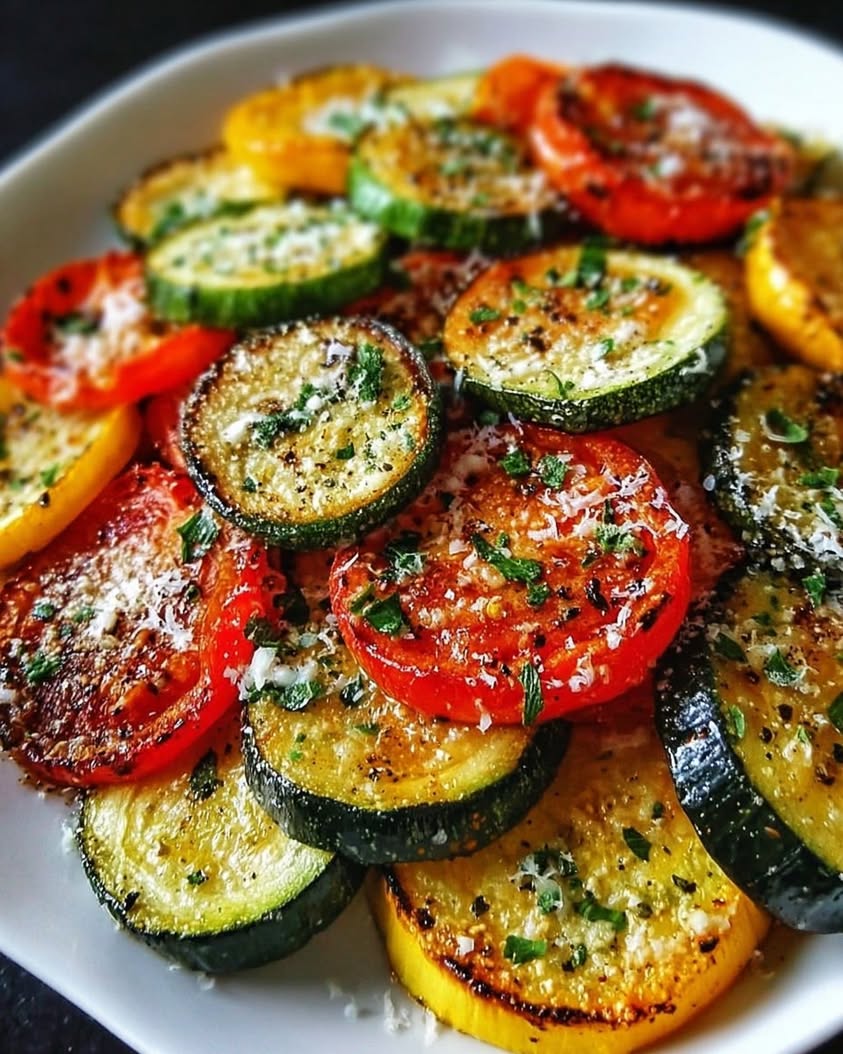
This Oven-Roasted Zucchini, Squash, and Tomatoes with Parmesan is the ultimate easy summer side dish. It transforms humble garden vegetables into a golden, cheesy delight. The high heat caramelizes the edges, concentrating the natural sweetness of the zucchini and yellow squash. Juicy cherry tomatoes burst in the oven, creating a light sauce that coats every tender piece. A generous topping of Parmesan cheese bakes into a crispy, savory crust that adds an irresistible crunch.
You will love how this Oven-Roasted Zucchini, Squash, and Tomatoes with Parmesan comes together with minimal effort. The preparation takes just ten minutes, allowing you to enjoy a deliciously healthy side without spending hours in the kitchen. The combination of tender vegetables, melted cheese, and fresh herbs creates a flavor profile that pairs beautifully with almost any protein. It is a guaranteed crowd-pleaser at summer barbecues, weeknight dinners, and holiday gatherings alike.
The sensory experience of this Oven-Roasted Zucchini, Squash, and Tomatoes with Parmesan is truly memorable. The aroma of roasting vegetables mingling with garlic and Parmesan fills your kitchen with warmth. Each bite offers a delightful contrast of textures, from the soft interior of the squash to the crispy, golden-brown cheese topping. The bright acidity of the tomatoes balances the richness, making this dish feel light yet satisfying. It is a celebration of summer flavors that you will want to make all season long.
Quick Recipe Highlights
- Flavor Profile: This dish delivers a savory, umami-rich flavor from the Parmesan, balanced by the natural sweetness of roasted zucchini and squash. The cherry tomatoes add a burst of bright acidity that cuts through the richness. Fresh herbs like basil or oregano add a fragrant, earthiness.
- Texture: The zucchini and squash become tender and silky as they roast, while the edges caramelize slightly. The cherry tomatoes soften and burst, releasing their juices to create a light sauce. The Parmesan topping bakes into a crispy, crunchy crust that provides a wonderful textural contrast.
- Aroma: The scent of garlic and olive oil fills the air as the vegetables begin to roast. The Parmesan cheese caramelizes, adding a nutty, savory aroma that is deeply comforting. Fresh herbs release their fragrant oils, creating a bright and inviting scent profile.
- Visual Appeal: The vibrant green and yellow of the zucchini and squash are speckled with red and orange cherry tomatoes. A golden-brown, bubbly crust of Parmesan covers the top, creating an appetizing, rustic look. The dish looks beautiful straight from the oven, served in a colorful baking dish.
- Skill Level Needed: This recipe is perfect for beginners and experienced cooks alike. The technique is straightforward, requiring only basic chopping and a simple toss. Following a few simple instructions ensures consistent, delicious results every time.
- Special Equipment: You will need a large baking sheet or a 9×13-inch baking dish. A sharp chef’s knife and a cutting board are essential for preparing the vegetables. Measuring spoons and a mixing bowl help with combining the ingredients evenly.
Recipe Overview
- Difficulty Level: This Oven-Roasted Zucchini, Squash, and Tomatoes with Parmesan is rated as easy because it requires no advanced cooking techniques. The instructions are simple, and the oven does most of the work. Even a novice cook can achieve perfect results with minimal supervision. The key is to cut the vegetables uniformly to ensure even cooking.
- Category: This recipe fits perfectly as a side dish for a wide variety of main courses. It pairs wonderfully with grilled chicken, steak, fish, or pasta. It can also serve as a light vegetarian main course when paired with a grain salad or crusty bread. It is a versatile addition to any meal plan.
- Cuisine: The dish draws inspiration from Italian and Mediterranean culinary traditions, where vegetables and cheese are often celebrated together. The combination of zucchini, squash, tomatoes, and Parmesan is a classic summer flavor pairing. This simple roasting method highlights the natural goodness of the ingredients without heavy sauces or complicated preparations.
- Cost: This recipe is very budget-friendly as it uses inexpensive, commonly available vegetables. Zucchini and yellow squash are typically low-cost, especially during the summer months. Parmesan cheese adds a touch of luxury but is used sparingly, keeping the total cost per serving very affordable.
- Season: This dish is best enjoyed during the late summer and early fall when zucchini, yellow squash, and tomatoes are at their peak. The vegetables are abundant, flavorful, and often available at farmers markets for the best price. The bright, fresh flavors perfectly complement the warm weather.
- Occasion: This side dish is perfect for casual weeknight dinners, summer barbecues, and potlucks. It also elevates a holiday table, such as Thanksgiving or Easter, with its beautiful presentation. It is a reliable choice for any occasion that calls for a simple, delicious, and healthy vegetable side.
Why You’ll Love This Recipe
The taste and texture of this Oven-Roasted Zucchini, Squash, and Tomatoes with Parmesan are simply outstanding. The roasting process concentrates the natural sugars in the zucchini and squash, making them incredibly sweet and tender. The tomatoes burst and release their juices, creating a flavorful jus that coats every piece. The Parmesan cheese becomes a golden, crispy crust that adds a satisfying crunch. Each forkful is a perfect harmony of soft, sweet, savory, and salty notes that will leave you craving more.
The convenience and preparation benefits of this recipe are truly remarkable. You only need ten minutes of active prep time before the oven takes over. The ingredients are easy to find and require very little chopping. This makes it an ideal choice for busy weeknights when you want a healthy, homemade side without spending hours in the kitchen. Cleanup is also a breeze, especially if you line your baking sheet with parchment paper.
The nutritional advantages of this dish are a major reason to love it. Zucchini and yellow squash are low in calories but high in fiber, vitamin C, and potassium. Tomatoes provide a powerful dose of lycopene, an antioxidant linked to heart health and cancer prevention. The olive oil offers healthy monounsaturated fats, while Parmesan adds a modest amount of protein and calcium. You can feel good about serving this nutrient-dense side dish to your family.
This recipe also excels in its social and entertaining value. It looks impressive when served straight from the oven, with its vibrant colors and crispy cheese topping. Guests will appreciate the thoughtful combination of fresh summer flavors. It is a versatile side that pairs well with many different main courses, making it easy to plan a full menu around it. It is a true crowd-pleaser that disappears quickly at any gathering.
Finally, the cost-effectiveness and accessibility of this recipe make it a staple in any kitchen. Zucchini, squash, and tomatoes are among the most affordable vegetables, especially when in season. You only need a small amount of Parmesan and a few pantry staples like olive oil, garlic, and salt. This allows you to create a delicious, restaurant-quality side dish without breaking the bank. It is a perfect example of how simple ingredients can come together to create something sublime.
Historical Background and Cultural Significance
The origin story of this Oven-Roasted Zucchini, Squash, and Tomatoes with Parmesan is rooted in the simple, rustic cooking traditions of the Mediterranean. Zucchini and yellow squash, both varieties of summer squash, were cultivated in the Americas for centuries before being introduced to Europe. They became particularly popular in Italian cuisine, where cooks began to pair them with tomatoes and cheese. The technique of oven-roasting is a modern evolution, focusing on concentrating flavors rather than stewing or frying.
The cultural importance of this dish lies in its celebration of seasonal, local produce. In Italy, the concept of “cucina povera” or “poor kitchen” highlights the creativity of using simple, inexpensive ingredients to create delicious meals. This recipe embodies that philosophy perfectly. It transforms humble vegetables into a dish that feels luxurious and satisfying. It is a testament to the idea that the best food often comes from the most modest beginnings.
The evolution of this recipe shows how cooking techniques adapt to modern lifestyles. Traditional versions might have pan-fried the vegetables or baked them in a heavier sauce. Roasting, however, became popular as home cooks sought healthier, less labor-intensive methods. The addition of Parmesan as a crispy topping is a more recent innovation, adding a crowd-pleasing texture that contrasts with the soft vegetables. This evolution reflects a desire for both convenience and culinary excellence.
Regional variations of this dish exist all over the world. In Greece, a similar dish might use feta cheese instead of Parmesan and be seasoned with oregano. In the Middle East, za’atar spice blend could be used for a different aromatic profile. American versions often add breadcrumbs for extra crunch or different herbs like thyme or rosemary. These variations highlight the versatility of the base concept, allowing each culture to put its own unique stamp on a classic idea.
Ingredient Deep Dive
Zucchini is a key ingredient in this Oven-Roasted Zucchini, Squash, and Tomatoes with Parmesan, and it has a fascinating history. It is a type of summer squash that was developed in Italy in the 19th century, though its ancestors come from the Americas. Nutritionally, zucchini is low in calories and high in water content, making it incredibly hydrating. It is a good source of vitamin C, vitamin B6, and manganese, all of which support immune function and energy metabolism. When selecting zucchini, look for small to medium-sized specimens that are firm and free of blemishes. The skin should be shiny and bright green. Store zucchini in the refrigerator in a plastic bag for up to five days. Avoid washing them until just before use to prevent spoilage. Substitutions include yellow summer squash, pattypan squash, or even eggplant for a different texture.
Yellow squash is the second main vegetable in this dish, and it brings a slightly different flavor and texture. It is milder than zucchini with a slightly firmer texture, which provides a nice contrast when both are roasted together. Nutritionally, yellow squash is very similar to zucchini, being low in calories and rich in vitamins A and C. It also contains a good amount of fiber, which aids in digestion and promotes satiety. When selecting yellow squash, choose ones that feel heavy for their size and have a smooth, unblemished skin. The color should be a uniform, vibrant yellow. Store them in a plastic bag in the refrigerator, where they will keep for about a week. You can substitute zucchini entirely, or use pattypan squash or chayote for a similar texture. The combination of both zucchini and yellow squash creates a beautiful visual presentation.
Cherry tomatoes are another essential component, providing bursts of acidity and sweetness. These small tomatoes were developed from larger varieties in the 1970s and have become incredibly popular for their intense flavor. Nutritionally, cherry tomatoes are a powerhouse of lycopene, a potent antioxidant that protects cells from damage. They are also rich in vitamin C, vitamin K, and potassium. When selecting cherry tomatoes, look for ones that are plump, firm, and brightly colored. They should have a sweet, fruity aroma at the stem end. Store them at room temperature for the best flavor and texture, away from direct sunlight. Avoid refrigerating them, as this can make them mealy. Substitutions include grape tomatoes, chopped Roma tomatoes, or even diced large tomatoes, though the cooking time may need slight adjustment.
Parmesan cheese is the crowning glory of this Oven-Roasted Zucchini, Squash, and Tomatoes with Parmesan, adding a savory, umami finish. Real Parmigiano-Reggiano is a hard, aged cheese from Italy with a long history stretching back almost a thousand years. It is made from cow’s milk and aged for at least 12 months, developing a granular, crystalline texture. Nutritionally, it is rich in protein and calcium, though it is also high in sodium and fat. For this recipe, a finely grated fresh Parmesan is essential for achieving the desired crispy crust. Pre-shredded varieties contain anti-caking agents that can prevent proper melting. When selecting Parmesan, look for a piece with a hard, rind and a pale yellow interior. Store it wrapped tightly in parchment paper and then foil in the refrigerator for up to a month. You can substitute Pecorino Romano for a saltier, sharper flavor, or Grana Padano for a more budget-friendly option.
Common Mistakes to Avoid
- One common mistake is cutting the vegetables into uneven sizes. When the pieces are different sizes, they cook at different rates, leading to some being undercooked and others being overcooked. Aim for uniform half-inch slices or chunks so everything finishes at the same time.
- Another frequent error is overcrowding the baking sheet. When the vegetables are packed too tightly, they steam instead of roast. This leads to a soggy, watery result rather than the desired caramelization. Spread them out in a single layer with a little space between each piece.
- Skipping the step of salting and draining the vegetables is a major oversight. Zucchini and squash contain a lot of water, which can make the dish soupy. Salting them draws out excess moisture, allowing them to roast beautifully and concentrate their flavor.
- Using pre-shredded Parmesan cheese is a common shortcut that often backfires. These products are coated with cellulose to prevent clumping, which stops them from melting and browning properly. Always grate your own fresh Parmesan for the best texture and flavor.
- Not allowing the vegetables to get enough color can lead to a bland dish. The high heat is crucial for caramelization, which is where the deep, sweet flavors come from. Make sure your oven is fully preheated to 400 degrees Fahrenheit before you put the baking sheet in.
- Adding fresh herbs at the beginning can cause them to burn and become bitter. Delicate herbs like basil should be added after roasting, while heartier herbs like rosemary can be added during the last five minutes. This preserves their vibrant flavor.
- Using too much olive oil can make the dish greasy and heavy. You only need enough to lightly coat the vegetables. A drizzle of one to two tablespoons is usually sufficient for a full baking sheet of vegetables.
- Forgetting to flip the vegetables halfway through the cooking time is a missed opportunity for even browning. Tossing them once during the roast ensures all sides get exposed to the high heat and caramelize evenly.
- Ignoring the oven temperature can lead to inconsistent results. A 400-degree oven is ideal for this dish, but every oven is different. Use an oven thermometer to guarantee accuracy and adjust the cooking time if necessary.
- Not letting the dish rest for a few minutes after baking is a mistake. The vegetables need a moment to set, and the cheese crust needs to firm up slightly. Letting it rest for five minutes before serving allows the flavors to meld together beautifully.
Essential Techniques
Mastering the technique of even chopping is fundamental to this Oven-Roasted Zucchini, Squash, and Tomatoes with Parmesan. You want to cut the zucchini and yellow squash into uniform half-inch thick slices or half-inch cubes. This consistency is crucial because it ensures that every piece cooks at the same rate. Use a sharp chef’s knife and a stable cutting board. Start by trimming the ends, then cut the squash in half lengthwise if they are large. Make even slices across the width for rounds, or cut into sticks and then crosswise for cubes. Practice will make this process faster and more consistent.
Salting and draining the vegetables is another essential technique that should not be skipped. This step removes excess moisture from the zucchini and squash, preventing a watery final dish. After cutting, place the vegetables in a colander and sprinkle them generously with salt. Let them sit for 15 to 20 minutes so the salt can draw out the liquid. You will see beads of water appear on the surface. After the waiting period, rinse the vegetables briefly to remove the excess salt, then pat them very dry with a clean kitchen towel. This drying step is just as important as the salting itself.
Roasting at the correct temperature is the key to achieving the perfect texture and caramelization. A 400-degree Fahrenheit oven provides the right balance of high heat for browning without burning the cheese. Ensure your oven is fully preheated before you put the baking sheet in. Use a large, rimmed baking sheet to allow for good air circulation. Spread the vegetables in a single layer, making sure they are not overlapping. This creates space for the hot air to circulate around each piece, promoting even browning and a crispy cheese crust.
Knowing how to achieve the perfect cheese crust is the mark of this dish. You want the Parmesan to be golden brown and crispy without being burnt. Sprinkle the grated cheese evenly over the vegetables during the last ten minutes of roasting. This allows the cheese to melt and bubble without burning. Keep a close eye on the oven during the final minutes, as the color can change quickly. Remove the dish when the cheese is a deep, golden brown and the vegetables are tender when pierced with a fork. The sound of the crispy cheese cracking when you cut into it is a sign of success.
Pro Tips for Perfect Oven-Roasted Zucchini, Squash, and Tomatoes with Parmesan
Always use a rimmed baking sheet to catch any juices released by the tomatoes. These juices are packed with flavor and will caramelize beautifully on the pan. A flat baking sheet might allow the liquid to spill over and create a mess.
Try to use a mix of red and yellow cherry tomatoes for a more visually appealing dish. The different colors add a vibrant pop that makes the final presentation even more beautiful. The flavor differences between the varieties are subtle but add complexity.
Add a crushed clove of garlic directly to the olive oil before tossing with the vegetables. This infuses the oil with a gentle garlic flavor that permeates all the vegetables. Avoid adding large pieces of garlic, which can burn in the high heat.
For an extra layer of flavor, consider adding a sprinkle of red pepper flakes along with the salt and pepper. This adds a subtle warmth that complements the sweet vegetables without being overly spicy. It is an optional but highly recommended touch.
Use fresh, high-quality Parmesan cheese that you grate yourself. The flavor difference between fresh and pre-shredded is immense. A microplane is a great tool for creating a fine, fluffy grating that melts and browns perfectly.
Let the dish rest for five full minutes after removing it from the oven. This allows the cheese crust to set and become even crispier. It also allows the vegetables to finish cooking from their residual heat and reabsorb any juices, resulting in a more cohesive dish.
Variations and Adaptations
Regional variations of this Oven-Roasted Zucchini, Squash, and Tomatoes with Parmesan can be found across the Mediterranean. In Greece, you could use crumbled feta cheese instead of Parmesan and add a sprinkle of dried oregano. The feta will soften and slightly melt, creating a tangy, salty contrast. In the Middle East, a drizzle of tahini and a sprinkle of za’atar spice blend would transform the dish entirely. The nutty tahini and earthy za’atar would add a new dimension of flavor.
Seasonal adaptations are easy to implement for this versatile recipe. In the spring, you could add thin slices of asparagus and fresh peas to the mix. In the fall, cubes of butternut squash or sweet potato would be wonderful, although they may need a longer roasting time. You can also use different varieties of tomatoes depending on what is available. Heirloom tomatoes in late summer are a particular treat, adding incredible depth of flavor.
Dietary modifications are straightforward for this dish. To make it gluten-free, simply ensure that your Parmesan is certified gluten-free, as most are naturally gluten-free. For a dairy-free version, you can omit the Parmesan entirely and use a sprinkle of nutritional yeast for a cheesy flavor. A vegan version would replace the Parmesan with a vegan cheese alternative or a mixture of breadcrumbs and nutritional yeast.
Flavor variations are endless with this base recipe. You can add a squeeze of fresh lemon juice after roasting for brightness. A drizzle of balsamic glaze adds a sweet, tangy complexity that pairs wonderfully with the roasted vegetables. Fresh herbs like basil, mint, or chives can be stirred in just before serving for a burst of freshness. A sprinkle of toasted pine nuts or walnuts adds another layer of texture.
Texture modifications can change the entire experience of the dish. For a softer, more stewed texture, you can cover the baking dish with foil for the first fifteen minutes of roasting. For a crunchier result, you can increase the oven temperature to 425 degrees for the last five minutes. Adding a layer of panko breadcrumbs tossed with olive oil and Parmesan on top creates an even crunchier crust.
Presentation alternatives allow you to serve this dish in many different ways. You can serve it as a side dish in a large, shared platter. Alternatively, you can spoon it over a bed of creamy polenta or a scoop of ricotta cheese for a heartier meal. It also makes a delicious topping for bruschetta or flatbreads, where the roasted vegetables become a flavorful sauce.
Serving and Presentation Guide
Plating techniques for this Oven-Roasted Zucchini, Squash, and Tomatoes with Parmesan should be simple and rustic. Use a large, wide, shallow serving platter to show off the colorful vegetables. Use a wide spatula to carefully transfer the vegetables and the crispy cheese crust from the baking sheet to the platter. Be gentle to keep the cheese crust intact as much as possible. Arrange the vegetables in an even layer, allowing the golden-brown edges to be visible.
Garnishing ideas can elevate the visual appeal of this dish considerably. A final scattering of fresh basil leaves or roughly chopped parsley adds a bright green pop. A light drizzle of high-quality extra-virgin olive oil just before serving adds a glossy sheen. A pinch of flaky sea salt, such as Maldon, provides a lovely crunch and an enhanced salinity. For an extra touch, you can grate a little more fresh Parmesan over the top.
Traditional accompaniments for this dish include grilled meats like steak, chicken, or lamb. It also pairs wonderfully with fish, especially grilled salmon or seabass. For a vegetarian meal, serve it alongside a hearty grain like farro or quinoa, or with a simple pasta tossed in olive oil and garlic. Crusty bread is essential for sopping up the delicious juices from the roasted tomatoes.
Modern serving suggestions allow this recipe to shine in other contexts. Use it as a filling for a breakfast frittata or a savory tart. It can be tossed with cooked pasta and a little pasta water for a quick weeknight dinner. Leftovers make a fantastic topping for grain bowls or salads the next day. The roasted vegetables are incredibly versatile and can be incorporated into many other dishes.
Temperature considerations are important for the best eating experience. This dish is best served warm, straight from the oven, when the cheese is at its crispiest. It can also be served at room temperature as part of a buffet or antipasto platter. While it can be reheated, the cheese crust will not be as crispy as when it is first baked. If serving cold, allow the dish to come to room temperature for the best flavor.
Portion control tips are helpful for meal planning. This recipe serves four as a side dish. For a main course portion, you may want to double the recipe. If you are serving it as part of a larger meal with multiple side dishes, the portion size can be smaller. As a general rule, plan for about one and a half cups of roasted vegetables per person as a side dish.
Wine and Beverage Pairing
Wine pairings for this Oven-Roasted Zucchini, Squash, and Tomatoes with Parmesan are delightful and varied. A crisp, unoaked Sauvignon Blanc is an excellent choice, as its acidity will cut through the richness of the cheese. The herbaceous notes in the wine complement the fresh vegetables beautifully. Alternatively, a dry, light-bodied rosé is a perfect summer pairing, especially if the dish is served at a picnic or barbecue. The fruity notes of the rosé echo the sweetness of the roasted tomatoes.
Non-alcoholic alternatives are also wonderful with this dish. A sparkling water with a squeeze of lemon or lime provides a refreshing palate cleanser. A chilled iced tea, particularly an herbal blend like mint or hibiscus, would be a great match. The mint tea would echo the fresh herbs often used in the dish, while the hibiscus would offer a tartness that mirrors the acidity of the tomatoes.
White wine pairings beyond Sauvignon Blanc include Pinot Grigio, which is crisp and neutral, and Vermentino, which has a slight salinity. For a red wine option, a light red like a Pinot Noir or a Beaujolais Nouveau can work. These wines are low in tannins and have bright fruit flavors that will not overpower the vegetables. Avoid heavy, oaky reds like Cabernet Sauvignon, as they will clash with the delicate flavors.
Temperature considerations for the wine are important for the best pairing experience. White wines and rosé should be served well-chilled, at around 45 to 50 degrees Fahrenheit. Light reds like Pinot Noir are best served slightly cool, at about 55 degrees. If serving the dish at a barbecue, keep the wine in a cooler to maintain the appropriate temperature. The contrast between the hot dish and the cold wine is part of the pleasure of the pairing.
Serving suggestions for beverages include offering a wine spritzer by mixing equal parts wine and club soda for a lighter option. A citrus-based cocktail, like a limoncello spritz, would also be a festive pairing. For a non-alcoholic drink, a simple shrub made with vinegar and fruit syrup would provide a complex, tangy accompaniment. The goal is to choose a drink that refreshes the palate between bites of the rich, cheesy vegetables.
Storage and Shelf Life
Storage methods for leftover Oven-Roasted Zucchini, Squash, and Tomatoes with Parmesan are straightforward. Allow the dish to cool completely to room temperature before storing. Transfer the leftovers to an airtight container, as this will prevent the vegetables from absorbing other odors in the refrigerator. Do not leave the dish out for more than two hours after cooking to ensure food safety. The sooner it is stored, the better it will retain its quality.
Temperature requirements are crucial for maintaining the flavor and texture of the leftovers. The dish should be stored in the refrigerator at a temperature of 40 degrees Fahrenheit or below. It is not recommended to store this dish at room temperature for any extended period. The high moisture content of the vegetables makes them prone to bacterial growth if left out. Always refrigerate leftovers promptly after they have cooled.
Container recommendations include using a glass or BPA-free plastic container with a tight-fitting lid. Avoid using aluminum containers, as the acidity from the tomatoes can react with the metal, creating an off-flavor. If you do not have a lid, cover the container tightly with plastic wrap or aluminum foil. The goal is to create a seal that prevents air from entering and drying out the vegetables.
Signs of spoilage are easy to spot with this dish. The primary sign is an off or sour smell, which indicates that the vegetables have started to ferment. The texture will become mushy and watery, and the cheese crust will lose all its crispness. Any visible mold growth means the dish must be thrown away immediately. Always use your best judgment; if the food looks or smells questionable, it is safer to discard it.
Reheating instructions are important for enjoying the leftovers. The best method is to reheat the dish in the oven at 350 degrees Fahrenheit for about 10 minutes, or until heated through. This will help to recrisp the cheese slightly. The microwave is not recommended, as it will make the vegetables mushy and the cheese rubbery. If you must use the microwave, do so on low power and in short intervals.
Freezing guidelines for this dish are not ideal, as the texture will change significantly. The high water content of the zucchini and squash will cause them to become mushy and watery upon thawing. If you need to freeze it, do so before baking. You can freeze the raw, seasoned vegetables in a bag, then thaw and bake them fresh. The tomatoes will also become mealy after freezing, so it is generally better to enjoy this dish fresh.
Make Ahead Strategies
The prep timeline for this Oven-Roasted Zucchini, Squash, and Tomatoes with Parmesan is ideal for make-ahead planning. You can prepare the vegetables completely up to one day in advance. The salting, draining, rinsing, and drying steps can all be done ahead of time. This is the most time-consuming part of the recipe, so doing it in advance saves a lot of effort on the day of serving. Simply store the prepared vegetables in an airtight container in the refrigerator.
Storage between steps requires careful attention to moisture. After you have salted, rinsed, and dried the zucchini and squash, place them in a single layer on a paper towel-lined tray. Cover them with another paper towel and then plastic wrap. This method draws out any remaining moisture and keeps them from getting soggy. The tomatoes and cheese should not be added until just before baking. This ensures the cheese stays fresh and the tomatoes do not release their juices prematurely.
The quality impact assessment of making this dish ahead is generally positive for the vegetables. The zucchini and squash will hold up well for one day. However, the texture will be slightly softer than if baked immediately. The cheese crust is best when baked fresh, so you should never bake the dish ahead of time and then reheat it. If you need to serve it at a specific time, just assemble and bake it on the day of the event.
Assembly tips for make-ahead success are simple. When you are ready to bake, take the prepared vegetables out of the refrigerator about 20 minutes before roasting to let them come to room temperature. This helps them cook more evenly. Toss them with the olive oil, garlic, and seasonings, then spread them on the baking sheet. Add the tomatoes and the Parmesan cheese as directed in the recipe, then bake immediately. This ensures the best possible texture for the final dish.
Reheating guidelines for a pre-assembled but unbaked dish are very straightforward. You can take the assembled dish straight from the refrigerator and into the oven. You may need to add an extra five minutes to the cooking time to account for the cold start. The cheese will still melt and brown beautifully. This makes it a very convenient option for entertaining, as you can assemble everything the night before and simply pop it in the oven before your guests arrive.
Fresh element additions are the best way to revive the leftovers. If you are reheating leftover cooked vegetables, consider adding a handful of fresh cherry tomatoes near the end of the reheating time. A final squeeze of lemon juice and a sprinkle of fresh herbs can also make the leftovers taste fresh again. These small additions can transform a reheated dish into something that feels just as vibrant as the original.
Scaling Instructions
Halving this Oven-Roasted Zucchini, Squash, and Tomatoes with Parmesan is very simple. Use half of each ingredient listed in the recipe. For a smaller dish, use a smaller baking sheet to ensure the vegetables still sit in a single layer. The cooking time will stay approximately the same, but start checking for doneness a few minutes earlier. A smaller amount of food will cook slightly faster due to the increased surface area relative to the volume.
Doubling or tripling the recipe is equally straightforward for serving a crowd. You will need to use a larger baking sheet or two separate baking sheets. Do not overcrowd the pan; if the vegetables are piled on top of each other, they will steam rather than roast. The timing will remain the same, but you may need to rotate the pans in the oven halfway through the cooking time to ensure even browning. Position one pan on the top rack and one on the bottom rack, then swap them halfway through.
Equipment adjustments are necessary when scaling the recipe. For a single batch, a standard half-sheet pan (13×18 inches) works perfectly. For a double batch, you will need two of these pans. A 9×13-inch baking dish can also be used for a single batch, but the vegetables will be more crowded and may take slightly longer to cook. A larger roasting pan is an option for a double batch, but a baking sheet is generally preferred for better air circulation.
Timing modifications are important when scaling the recipe. For a single batch, the cooking time is about 25 minutes. For a double batch, start checking at the 25-minute mark, but expect it to take up to 30 minutes. The key is to look for visual cues: the cheese should be golden brown and bubbling, and the vegetables should be tender when pierced with a fork. The timing is a guideline, and the actual time will depend on your oven and the pan you use.
Storage considerations are essential when scaling for a large group. If you are serving a crowd, plan to bake the dish in batches to ensure the best quality. Leftovers from a double batch should be stored in multiple shallow containers rather than one deep one. This allows the vegetables to cool faster and prevents them from becoming mushy. Follow the same storage guidelines as for the standard recipe, consuming leftovers within three days.
Nutritional Deep Dive
The macronutrient breakdown of this Oven-Roasted Zucchini, Squash, and Tomatoes with Parmesan is very favorable. It is low in carbohydrates and moderate in fat, mainly from the heart-healthy olive oil and Parmesan cheese. The protein content is modest, coming primarily from the cheese. A single serving contains approximately 6 to 8 grams of fat, 10 to 12 grams of carbohydrates, and 5 to 7 grams of protein. This makes it a balanced side dish that fits into a variety of dietary patterns.
The micronutrient analysis reveals that this dish is packed with essential vitamins and minerals. Zucchini and yellow squash are excellent sources of vitamin C, which supports immune function and collagen production. They also provide a good amount of vitamin B6, which is important for brain health and energy metabolism. The tomatoes are rich in lycopene, a powerful antioxidant linked Print
Oven-Roasted Zucchini, Squash, and Tomatoes with Parmesan
- Total Time: 40 minutes
- Yield: 4
Description
A simple and flavorful side dish featuring tender roasted zucchini, yellow squash, and cherry tomatoes, topped with melted Parmesan cheese.
Ingredients
- 2 medium zucchinis, sliced
- 2 medium yellow squash, sliced
- 1 pint cherry tomatoes, halved
- 3 tablespoons olive oil
- 2 cloves garlic, minced
- 1 teaspoon dried oregano
- 1/2 teaspoon salt
- 1/4 teaspoon black pepper
- 1/2 cup grated Parmesan cheese
- Fresh basil for garnish (optional)
Instructions
- Preheat oven to 400°F (200°C).
- In a large bowl, combine zucchini, yellow squash, and cherry tomatoes.
- Drizzle with olive oil, add minced garlic, oregano, salt, and pepper. Toss to coat evenly.
- Spread the vegetables in a single layer on a baking sheet lined with parchment paper.
- Roast for 20 minutes, then sprinkle Parmesan cheese evenly over the top.
- Continue roasting for another 10 minutes, until vegetables are tender and cheese is golden.
- Remove from oven, garnish with fresh basil if desired, and serve warm.
Notes
You can customize the seasonings to taste.
- Prep Time: 10 minutes
- Cook Time: 30 minutes
- Method: Side
- Cuisine: Italian