Mini Greek Meatball Bites with Tzatziki: Easy Party Appetizer
You are about to discover the perfect party appetizer that brings the vibrant flavors of the Mediterranean straight to your table. These Mini Greek Meatball Bites with Tzatziki are a delightful twist on traditional keftedes, offering a burst of herbaceous goodness in every single bite. The combination of tender, juicy meatballs paired with a cool, refreshing cucumber yogurt sauce creates an irresistible balance that will have your guests coming back for more. This Mini Greek Meatball Bites with Tzatziki recipe is designed to be straightforward, so even a beginner cook can achieve professional-level results.
Imagine the aroma of fresh mint, oregano, and garlic filling your kitchen as these little bites sizzle to perfection. The exterior develops a beautiful golden crust while the inside remains incredibly moist, thanks to the addition of grated onion and a touch of olive oil. Serving them with a homemade tzatziki sauce adds a layer of creamy tanginess that cuts through the richness of the lamb and beef blend. Whether you are hosting a casual get-together or a formal dinner party, these Mini Greek Meatball Bites with Tzatziki are guaranteed to be a crowd-pleaser that disappears from the platter in moments.
Furthermore, this recipe is incredibly versatile and can be adapted to suit various dietary needs without sacrificing flavor. You can easily make it gluten-free by using almond flour or gluten-free breadcrumbs, and you can swap the yogurt for a dairy-free alternative to accommodate lactose intolerance. The key to success lies in the quality of your ingredients and the careful balancing of spices. Consequently, this guide will walk you through every step, from selecting the best meat to mastering the art of the perfect tzatziki, ensuring that your appetizer is nothing short of spectacular.
Quick Recipe Highlights
- Flavor Profile: The flavor is a harmonious blend of savory lamb and beef, brightened by fresh mint and oregano. A hint of garlic and lemon zest adds depth, while the tzatziki provides a cool, tangy counterpoint that makes each bite refreshing.
- Texture: The meatballs are exceptionally tender and juicy on the inside with a satisfyingly crisp exterior. The tzatziki sauce is thick, creamy, and slightly chunky from the grated cucumber, offering a delightful contrast to the meat.
- Aroma: As they cook, the kitchen fills with the warm, inviting scents of garlic, onion, and Mediterranean herbs. The mint adds a fresh, clean note that distinguishes these meatballs from other varieties.
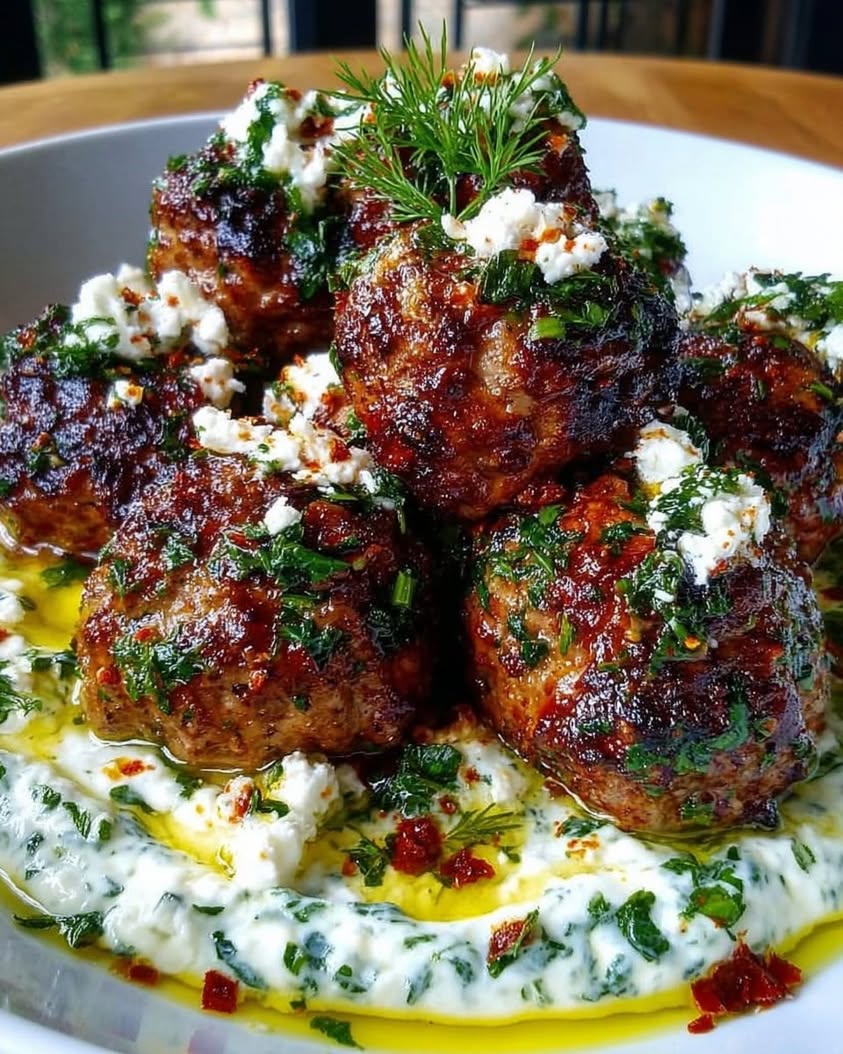
- Visual Appeal: The meatballs are a rich, golden brown with small charred spots, making them look incredibly appetizing. The bright white tzatziki, often flecked with green herbs and cucumber, makes for a stunning presentation.
- Skill Level Needed: This recipe is rated as easy because it requires basic mixing and shaping skills. The cooking process is simple, and the sauce requires no heat, making it accessible for any home cook.
- Special Equipment: You will need a large mixing bowl, a baking sheet or skillet, and a box grater for the cucumber and onion. A food processor can speed up the chopping of herbs if you prefer.
Recipe Overview
- Difficulty Level: This recipe is classified as easy because it involves straightforward techniques like mixing, shaping, and pan-frying or baking. Even if you have never made meatballs before, the instructions are clear and forgiving. The tzatziki is a simple no-cook sauce that comes together in minutes, making the entire dish low-stress and high-reward.
- Category: These Mini Greek Meatball Bites with Tzatziki fit perfectly into the appetizer and snack categories. They also work wonderfully as a main course when served over rice or a Greek salad, or as part of a larger mezze platter.
- Cuisine: This dish is rooted in Greek culinary traditions, specifically drawing from the classic keftedes recipe. The use of lamb, mint, oregano, and tzatziki is quintessentially Mediterranean, reflecting the sun-drenched flavors of the Aegean region. It is a staple of Greek tavernas and home kitchens alike.
- Cost: The cost is moderate, primarily driven by the price of ground lamb and fresh herbs. If you use ground beef or chicken as a substitute, the cost decreases significantly. The yogurt and cucumber for the tzatziki are generally inexpensive, making this a budget-friendly option for feeding a crowd.
- Season: While you can enjoy these meatballs year-round, they are particularly wonderful during the spring and summer months. The fresh mint and cucumber are at their peak, and the light, refreshing nature of the dish pairs perfectly with warm weather and outdoor gatherings.
- Occasion: These bites are ideal for a wide range of occasions, including game day parties, holiday appetizers, birthday celebrations, and casual family dinners. They are also a fantastic choice for potlucks or picnics, as they travel well and taste delicious at room temperature.
Why You’ll Love This Recipe
The taste and texture appeal of these Mini Greek Meatball Bites with Tzatziki is undeniable. Each bite is a perfect balance of savory meat and cool, creamy sauce. The meatballs are seasoned with fresh mint and oregano, which provides a bright, herbaceous flavor that is distinctly different from Italian or Swedish meatballs. The texture is incredibly tender because the mixture includes grated onion and a panade of breadcrumbs and milk, which keeps the meat moist during cooking. When you dip a warm meatball into the thick, tangy tzatziki, the combination of flavors and temperatures is simply sublime.
Convenience is a major benefit of this recipe because it requires minimal active prep time and can be assembled ahead of schedule. You can prepare the meatball mixture and the tzatziki sauce up to 24 hours in advance, which makes party preparation a breeze. The meatballs cook quickly, either baked on a sheet pan or fried in a skillet, allowing you to serve them hot and fresh without spending hours in the kitchen. This efficiency is a game-changer for busy entertainers who want to serve impressive food without the stress.
From a nutritional standpoint, these meatballs offer a balanced profile of protein and healthy fats. The combination of lean lamb and beef provides high-quality protein, while the olive oil and yogurt contribute beneficial fats. The fresh herbs and cucumber add a small boost of vitamins and antioxidants. Moreover, this recipe can be easily adjusted to fit lower-carb or gluten-free diets, making it a flexible choice for health-conscious eaters. The portion sizes are naturally controlled, as the meatballs are small, which helps with mindful eating.
The social and entertaining value of this dish is enormous. These Mini Greek Meatball Bites with Tzatziki are the epitome of finger food, encouraging guests to mingle and graze. They present beautifully on a platter, and the interactive element of dipping the meatballs into the sauce adds a fun, engaging element to any party. They pair wonderfully with other Mediterranean dishes like hummus, pita bread, and olives, allowing you to create a cohesive and impressive spread. Guests will appreciate the thought and care that went into making something from scratch.
Finally, this recipe is incredibly cost-effective and accessible. The primary ingredients are available at any standard grocery store, and the quantities are designed to feed a group without breaking the bank. Using a combination of lamb and beef is more economical than using all lamb, and the fresh herbs can be substituted with dried herbs in a pinch. This affordability means you can make this dish for large gatherings without worrying about the budget, and the leftovers are just as delicious the next day. It is a recipe that delivers maximum flavor for a minimal investment.
Historical Background and Cultural Significance
The origin of the meatball, known as keftedes in Greece, can be traced back to ancient times. The concept of combining ground meat with spices and bread is found in many ancient cultures, including Persia and the Middle East. In Greece, keftedes became a staple of home cooking, with each family developing its own secret blend of herbs and spices. These small, flavorful meatballs were a way to stretch expensive meat further, making them a practical and beloved dish across all social classes.
Culturally, keftedes hold a significant place in Greek culinary traditions. They are a common feature at family gatherings, festivals, and tavernas, often served as a meze alongside ouzo or wine. The act of sharing a plate of keftedes is a social ritual, symbolizing hospitality and community. The inclusion of fresh mint and oregano is a hallmark of Greek cuisine, reflecting the sun-drenched landscape and the abundance of aromatic plants that grow wild in the region. This dish is a direct connection to the land and the sea.
The evolution of keftedes over centuries has seen the introduction of new ingredients and techniques. The modern Greek meatball often includes a panade of stale bread soaked in milk or water, which ensures a light and tender texture. The use of lamb, beef, or a combination of both became common with the rise of modern agriculture. The tzatziki sauce, a classic accompaniment, is itself a ancient dish made from strained yogurt, cucumber, and garlic, which has been a part of Greek cuisine for thousands of years.
Regional variations of keftedes exist throughout Greece and the greater Mediterranean region. In some areas, they are made with pork or chicken, while in others, they are flavored with cinnamon or allspice. The size can vary from large, burger-like patties to the small, bite-sized versions we are making today. In Cyprus, they are known as keftedes ktipites and are often made with a blend of pork and beef. These regional differences highlight the versatility of the dish and its ability to adapt to local tastes and available ingredients.
Ingredient Deep Dive
Ground Lamb: Lamb is the traditional meat of choice for Greek keftedes, and it brings a rich, distinct flavor that beef cannot replicate. Its fat content is higher than lean beef, which contributes to the juiciness and succulence of the final meatball. Historically, lamb was a symbol of celebration and abundance in Mediterranean cultures. From a nutritional perspective, lamb is an excellent source of high-quality protein, iron, and zinc. When selecting lamb, look for meat that is a bright pinkish-red color with creamy white fat. Avoid any meat that smells overly gamey or has a slimy texture. Store it in the coldest part of your refrigerator and use it within two days of purchase. For a milder flavor, you can substitute ground beef or a mixture of beef and pork.
Ground Beef: Using ground beef in combination with lamb helps to balance the flavor and reduce the overall cost. It also adds structural integrity to the meatball, making it less prone to falling apart during cooking. The best choice is an 80/20 blend, which provides enough fat for moisture without being greasy. Beef is a fantastic source of B vitamins, iron, and protein. Look for beef that is bright red and has a fresh, clean scent. It should be stored separately from other foods to prevent cross-contamination. You can substitute ground chicken or turkey, but you will need to add a bit more olive oil or grated onion to maintain moisture.
Fresh Mint: Fresh mint is the star herb in this recipe, providing a cool, refreshing counterpoint to the richness of the meat. It elevates the dish from simple meatballs to a distinctly Greek experience. Mint has a long history in Mediterranean cuisine, used both for its flavor and its digestive properties. It is rich in antioxidants and has anti-inflammatory benefits. When selecting mint, choose bunches with bright, unblemished leaves that are fragrant. Store them in the refrigerator with their stems in a glass of water, covered loosely with a plastic bag. If you cannot find fresh mint, you can use half the amount of dried mint, but the flavor will be less vibrant.
Greek Yogurt: The foundation of the tzatziki sauce is thick, creamy Greek yogurt. Its tangy flavor and dense texture are essential for creating a sauce that clings beautifully to the meatballs. Greek yogurt is strained to remove the whey, resulting in a higher protein content and a thicker consistency than regular yogurt. It is an excellent source of probiotics, calcium, and protein. For the best results, use a full-fat Greek yogurt, as it provides the richest flavor and silkiest texture. Look for yogurt that lists live active cultures on the label. Store it sealed in the refrigerator and consume it before the expiry date. For a dairy-free option, you can use a high-quality coconut or almond-based yogurt.
Cucumber: The cucumber adds a fresh, hydrating crunch and a mild vegetal note to the tzatziki. It is essential to grate the cucumber and remove the excess water to prevent the sauce from becoming watery and bland. Cucumbers are native to India and have been cultivated for thousands of years. They are low in calories and a good source of vitamin K and potassium. When selecting cucumbers, look for firm ones without soft spots or wrinkles. English or hothouse cucumbers are ideal because they have fewer seeds and thinner skin. Store them in the refrigerator crisper drawer. If you are short on time, you can use a pre-made tzatziki mix, but the fresh version is far superior.
Common Mistakes to Avoid
- Overmixing the meatball mixture is a frequent error that leads to tough, dense meatballs. Mix the ingredients just until they are combined; you want to keep the texture light and airy.
- Using lean meat without adding enough fat will result in dry, crumbly meatballs. The fat from the lamb and beef is crucial for juiciness, so do not substitute with extra-lean ground meats.
- Skipping the step of squeezing the water out of the grated onion is a critical mistake. Grated onion adds moisture and flavor, but too much liquid will make the mixture too wet to hold its shape.
- Not chilling the meatball mixture before shaping can cause the balls to fall apart during cooking. Refrigerating for at least 30 minutes allows the breadcrumbs to absorb the liquid and the fat to firm up.
- Overcrowding the pan when frying leads to steaming instead of searing. The meatballs need space to develop a beautiful golden crust, so cook them in batches if necessary.
- Forgetting to salt the cucumber for the tzatziki will result in a watery sauce. The salt draws out the excess moisture, which you must then drain and squeeze out thoroughly.
- Using dried herbs in place of fresh mint and dill will give a muted, less vibrant flavor. While you can substitute in a pinch, fresh herbs are non-negotiable for the best results.
- Baking the meatballs at too low of a temperature can make them dry out before they brown. A high heat of 400 degrees F is ideal for a quick cook and a crisp exterior.
- Adding the garlic to the tzatziki sauce raw without letting it rest can make the sauce too pungent. Let the flavors meld in the refrigerator for at least an hour to mellow the garlic.
- Not tasting the meatball mixture before cooking is a missed opportunity for seasoning. Fry a small test patty in a skillet to check the salt and spice levels before forming all the meatballs.
Essential Techniques
Creating the Panade: A panade is a mixture of breadcrumbs and a liquid, typically milk or water, that is added to ground meat. This technique is vital for creating tender, moist meatballs because the starches in the bread absorb the liquid and prevent the meat from contracting too tightly during cooking. To master this, soak the breadcrumbs in milk for about five minutes until they form a paste. You should see that the mixture is thick and holds together when pressed. A common pitfall is using too much liquid, which will make the meatball mixture soupy. The visual cue is that the panade should be spoonable but not runny, similar to thick oatmeal.
Forming Even Meatballs: Consistency in size ensures that all meatballs cook at the same rate, preventing some from being overcooked while others remain raw. To master this, use a small cookie scoop or tablespoon to portion the mixture. Roll each portion between your palms with a light touch, and do not compress the meat too tightly. The ideal texture is a gentle roll that creates a smooth, round shape. A common mistake is rolling the meatballs too tightly, which squeezes out the air and makes them dense. The visual cue is that the meatballs should be uniform in size, roughly one inch in diameter, and they should feel slightly soft, not firm.
Removing Moisture from Cucumber: Grated cucumber contains a high amount of water, which can turn your tzatziki sauce thin and watery. This technique is essential for achieving a thick, creamy consistency. After grating the cucumber, place it in a clean kitchen towel or cheesecloth. Gather the corners and twist firmly to squeeze out as much liquid as possible. You will be surprised by how much water comes out. A common mistake is skipping this step entirely or not being thorough enough. The visual cue is that the cucumber should look dry and fluffy after you have squeezed it, and the liquid you extracted should be a significant amount.
Infusing Tzatziki Flavor: Allowing the tzatziki sauce to rest in the refrigerator is a critical step for flavor development. The raw garlic and herbs need time to meld with the yogurt and cucumber, creating a harmonious blend. To master this, prepare the sauce at least an hour before you plan to serve it, though a few hours is even better. Stir in a tablespoon of fresh lemon juice and a drizzle of olive oil to brighten the flavors. A common mistake is serving the sauce immediately, which results in a harsh, raw garlic taste. The visual cue is that the finished sauce should look thick and creamy, with no separation of liquid, and it should smell fragrant, not sharp.
Pro Tips for Perfect Mini Greek Meatball Bites with Tzatziki
For the most flavorful meatballs, toast your spices like cumin and coriander seeds in a dry pan before grinding them. This quick step releases their essential oils and deepens their flavor profile significantly. Just be careful not to burn them, as that will make the meatballs bitter.
Chilling the formed meatballs on a baking sheet for 15 minutes before cooking helps them hold their shape perfectly. This quick rest allows the fat to solidify slightly, which prevents them from spreading out in the pan or oven.
Use a non-stick skillet with a heavy bottom for frying, such as cast iron. This ensures even heat distribution and a beautiful, deep golden crust. Avoid overcrowding the pan, and use a neutral oil with a high smoke point like avocado or canola oil.
To keep the meatballs warm and juicy while you finish cooking the rest, hold them on a wire rack set over a baking sheet in a low oven (200 degrees F). This method prevents them from steaming and becoming soggy on the bottom.
For an extra layer of flavor in the tzatziki, add a tablespoon of finely chopped fresh dill alongside the mint. Dill is a classic Greek herb that pairs wonderfully with cucumber and yogurt, adding a subtle anise-like note.
Do not discard the liquid you squeeze from the cucumber. It can be used as a refreshing base for a cocktail or a simple chilled soup. Add a little lemon juice and mint to create a quick, healthy beverage.
If you prefer a thicker tzatziki, line a fine-mesh strainer with cheesecloth and let the yogurt drain for an hour before mixing. This removes even more whey, resulting in an ultra-creamy, almost spreadable texture.
Double the batch of tzatziki sauce because it is a fantastic condiment for grilled meats, vegetables, or even as a dip for pita chips. It keeps well in the refrigerator for up to a week, making it a great make-ahead item.
Variations and Adaptations
Regionally, you can adapt this recipe to reflect different parts of Greece. In Crete, they might add a pinch of cinnamon and allspice to the meatball mixture for a warmer, spicier profile. In the Ionian islands, you might find the addition of currants or pine nuts for a sweet and nutty contrast. These subtle changes can completely transform the character of the dish while keeping it authentic.
Seasonal adaptations are also easy to implement. During the summer, you can add finely chopped sun-dried tomatoes or roasted red peppers to the meatball mixture for a burst of sweetness. In the winter, a pinch of dried oregano and thyme can replace the fresh mint, offering a more robust, earthy flavor. The tzatziki can be adapted with seasonal herbs like basil or parsley as well.
For dietary modifications, you can easily make this recipe gluten-free by using almond flour or gluten-free panko breadcrumbs. The panade can be made with gluten-free oats ground into a flour. For a dairy-free version, substitute the yogurt in the tzatziki with a thick coconut yogurt and use a dairy-free milk for the panade. These swaps work surprisingly well and do not compromise the flavor.
Flavor variations are endless. You can add a teaspoon of smoked paprika or aleppo pepper for a smoky, mildly spicy kick. A tablespoon of harissa paste mixed into the meatball mixture adds a North African flair. For a brighter flavor, add the zest of a whole lemon and a splash of white wine to the mixture. These simple additions can create a whole new dish.
Texture modifications can make the dish even more exciting. You can fold in some finely chopped toasted walnuts or pine nuts for a pleasant crunch. For a softer, more tender texture, you can increase the amount of panade slightly. If you prefer a firmer meatball that is less likely to fall apart, you can add an extra egg white to the mixture.
Presentation alternatives can elevate the dish for a more formal dinner. Instead of serving them on a platter, you can skewer each meatball with a small wooden pick and arrange them standing upright in a glass. You can also serve them over a bed of lemony arugula or on top of crostini with a dollop of tzatziki for a sophisticated canape.
Serving and Presentation Guide
When plating these Mini Greek Meatball Bites with Tzatziki, a rustic, family-style presentation works beautifully. Arrange the warm meatballs on a large white or wooden platter in a single layer, or stack them slightly in a mound. Place a generous bowl of the tzatziki sauce in the center or off to the side for dipping. This approach encourages a casual, sharing atmosphere that is perfect for parties.
Garnishing is key to a professional finish. Sprinkle the meatballs with a few fresh mint leaves, a light dusting of dried oregano, and a pinch of flaky sea salt. A drizzle of high-quality extra virgin olive oil over the meatballs and a swirl of olive oil on top of the tzatziki adds a glossy, appetizing sheen. A few thin slices of lemon or a sprinkle of edible flowers can add a pop of color.
Traditional accompaniments for this dish include warm pita bread, kalamata olives, and slices of feta cheese. A simple Greek salad with tomatoes, cucumbers, and red onion makes a perfect side. For a more substantial meal, serve the meatballs over a bed of lemony rice or orzo pasta.
Modern serving suggestions include using them as a topping for a Mediterranean grain bowl or wrapping them in a lettuce leaf for a low-carb option. You can also serve them with a side of roasted vegetables or sweet potato fries. The versatility of this dish allows it to fit into many different meal contexts.
Temperature considerations are important. The meatballs are best served warm, straight from the oven or pan, as this is when the exterior is crisp and the interior is most tender. The tzatziki should be served cold, which creates a delightful temperature contrast. If you are serving them at a party, you can keep the meatballs warm in a slow cooker on the lowest setting.
Portion control tips are helpful for entertaining. For an appetizer, plan on 3-4 meatballs per guest. For a main course, you can double that to 6-8 meatballs. The tzatziki sauce yields about 2 cups, which is plenty for dipping. These guidelines help ensure that you have enough food without overserving.
Wine and Beverage Pairing
A classic pairing for these Mini Greek Meatball Bites with Tzatziki is a crisp, dry Greek white wine like Assyrtiko or a Moschofilero. These wines have high acidity and citrus notes that cut through the richness of the lamb and complement the tangy yogurt. A dry rosé from the Mediterranean region also works wonderfully, offering a balance of fruit and acidity.
For red wine lovers, a light-bodied red like a Pinot Noir or a Greek Agiorgitiko is an excellent choice. These wines have delicate tannins and bright fruit flavors that do not overpower the meatballs. Avoid heavy, tannic reds like Cabernet Sauvignon, as they can clash with the herbs and yogurt.
Non-alcoholic alternatives are plentiful. A sparkling water with a splash of lemon or cucumber is a refreshing palate cleanser. A homemade mint lemonade or a cold-brewed iced tea with a hint of honey also pairs beautifully with the Mediterranean flavors.
If you are considering beer, a light lager or a Greek-style ale is a great option. The crisp, clean profile of a pilsner or a hefeweizen complements the herbs and the yogurt sauce without competing for attention.
Serving suggestions for beverages include chilling all wines and beers thoroughly before serving. For cocktails, a classic gin and tonic with a cucumber ribbon or a vodka martini with a olive garnish works well. The idea is to keep the drink light and refreshing to balance the hearty meatballs.
Storage and Shelf Life
To store leftover cooked meatballs, allow them to cool completely to room temperature. Then, place them in an airtight container, separating layers with parchment paper if stacking. They will keep in the refrigerator for up to 4 days. The tzatziki sauce should be stored separately in its own airtight container to prevent it from absorbing the meat flavors.
Temperature requirements are crucial for food safety. Cooked meatballs should be refrigerated within two hours of cooking. The refrigerator temperature should be set at or below 40 degrees F. The tzatziki sauce, being dairy-based, also needs consistent refrigeration and should not be left out for more than two hours.
Container recommendations include using glass or BPA-free plastic containers with tight-fitting lids. Avoid using metal containers, as the acidic ingredients in the sauce can react with the metal over time. For the tzatziki, a glass jar is ideal because it is non-reactive and easy to clean.
Signs of spoilage include a sour or off smell, a slimy texture on the meatballs, or the presence of mold. The tzatziki may separate or become watery as it sits, but this is not necessarily a sign of spoilage. However, if it develops an unusual smell or a bubbly texture, it should be discarded.
Reheating instructions for the meatballs are simple. The best method is to reheat them in a single layer on a baking sheet in a 350 degrees F oven for about 5-7 minutes, until they are hot and the exterior is crisp again. You can also reheat them in a skillet with a splash of water, covered, to steam them briefly. Avoid microwaving them, as this can make them rubbery.
Freezing guidelines are straightforward. You can freeze the uncooked meatballs on a baking sheet until solid, then transfer them to a freezer-safe bag or container. They will keep for up to 3 months. Cook them directly from frozen, adding a few extra minutes to the cooking time. The tzatziki sauce does not freeze well, as the yogurt will separate and become grainy upon thawing.
Make Ahead Strategies
The prep timeline for this recipe is flexible and designed for convenience. You can prepare the meatball mixture up to 24 hours in advance and store it covered in the refrigerator. This allows the flavors to meld and deepen. The tzatziki sauce can also be made 1-2 days ahead, which actually improves its flavor as the garlic and herbs infuse the yogurt.
Storage between steps is important for quality. Keep the meatball mixture tightly covered to prevent it from drying out. The tzatziki should be stored in an airtight container with the lid on. Before serving, give the tzatziki a good stir to recombine any separated liquid.
The quality impact of making ahead is generally positive. The meatballs will be just as flavorful, and the texture remains excellent if they are cooked properly. The tzatziki only gets better with time. However, do not cook the meatballs too far in advance, as reheating them can dry them out slightly.
Assembly tips for the day of serving include shaping the meatballs and arranging them on a baking sheet. You can then cover them and refrigerate until you are ready to cook them. This makes the cooking process very quick and smooth. You can also pre-measure all the ingredients for the tzatziki and just mix them together right before serving.
Reheating guidelines for pre-cooked meatballs are similar to the storage section. The best results come from a hot oven. If you are serving them at a party, you can keep them warm in a slow cooker on the low setting for up to an hour, but longer than that may dry them out.
Fresh element additions can brighten the final dish. Just before serving, toss the meatballs with a handful of fresh chopped mint or parsley. A squeeze of fresh lemon juice over the top also adds a burst of acidity that refreshes the dish and wakes up the flavors.
Scaling Instructions
Halving the recipe is simple. Use a kitchen scale to measure half of the ground meat and reduce the other ingredients by half as well. The cooking time may decrease slightly, so start checking for doneness a few minutes early. The meatballs will be smaller if you scale down the size, or you can keep the same size and simply have fewer meatballs.
Doubling or tripling the recipe is also straightforward. The key is to ensure you have a large enough mixing bowl to combine the ingredients. Use a spoon or your hands to mix gently but thoroughly. You may need to cook the meatballs in multiple batches or use two baking sheets to avoid overcrowding.
Equipment adjustments are necessary when scaling up. If you are doubling the recipe, you will likely need two large skillets or two baking sheets to cook all the meatballs at once. Ensure your oven has enough space for multiple trays, and rotate them halfway through cooking for even browning.
Timing modifications will be needed. Larger batches of meatballs will take slightly longer to cook because there is more mass in the pan. Use an instant-read thermometer to check for doneness; the internal temperature should reach 160 degrees F for safety. The tzatziki recipe scales perfectly without any time adjustments.
Storage considerations for a scaled-up recipe are important. You will need more containers for the leftovers, and they will take up more space in the refrigerator. The meatballs freeze very well, so you can always freeze half of the batch for a future meal. This is a great strategy for meal prep.
Nutritional Deep Dive
The macro breakdown for a serving of three Mini Greek Meatball Bites with Tzatziki is approximately 300-350 calories, with about 22 grams of protein, 20 grams of fat, and 10 grams of carbohydrates. The protein content is high due to the blend of lamb and beef, making this a satisfying and satiating dish. The fat is a mix of saturated and unsaturated, with the olive oil contributing heart-healthy monounsaturated fats.
Micronutrient analysis reveals that this dish is a good source of several essential vitamins and minerals. The lamb and beef provide iron, zinc, and B vitamins, particularly B12 for energy metabolism. The yogurt is rich in calcium, which is vital for bone health. The cucumber and herbs contribute small amounts of vitamin K, vitamin C, and antioxidants.
Health benefits of this dish include the high protein content, which supports muscle repair and keeps you feeling full longer. The healthy fats from the olive oil and yogurt are important for hormone function and cellular health. The garlic and herbs offer anti-inflammatory and antimicrobial properties, contributing to overall wellness.
Dietary considerations are important for some readers. This dish is naturally low in sugar and contains no artificial additives. It is also a good option for those following a high-protein or low-carb diet, as the carbohydrate count is moderate. The fat content is moderate, and it can be adjusted by using leaner meats.
Portion analysis is helpful for weight management. Three meatballs constitute a reasonable appetizer portion. If you are serving them as a main course, adding a side of vegetables or a salad can round out the meal and increase the fiber content. Be mindful of the sauce portion, as it adds calories and fat.
Weight management tips include using a leaner blend of ground meat, such as 90% lean beef, and reducing the amount of olive oil used in cooking. You can also serve the meatballs over a large bed of greens to bulk up the meal without adding many calories. The protein content will help with satiety.
Dietary Adaptations
Gluten-free: To make this recipe gluten-free, substitute the regular breadcrumbs with gluten-free panko or almond flour. Ensure that all other ingredients, such as the spices and yogurt, are certified gluten-free. The panade can be made with gluten-free oats ground into a fine flour. The tzatziki is naturally gluten-free.
Dairy-free: For a dairy-free version, replace the Greek yogurt in the tzatziki with a high-quality coconut or almond-based yogurt. Look for a thick, unsweetened variety. For the panade, use a dairy-free milk like oat or almond milk. The flavor will be slightly different but still delicious.
Vegan: Making this recipe vegan is possible by using a plant-based ground meat substitute. Options include crumbled tempeh or a store-bought vegan ground meat. Use a flax egg (1 tbsp ground flaxseed mixed with 3 tbsp water) as a binder. The tzatziki can be made with a thick vegan yogurt and a squeeze of lemon.
Low-carb: This recipe is already relatively low in carbohydrates. To reduce the carbs further, omit the breadcrumbs entirely and use a combination of almond flour and grated parmesan cheese as a binder. Serve the meatballs without pita bread and instead enjoy them on a bed of leafy greens.
Keto: For a keto-friendly version, follow the low-carb adaptations. Use full-fat lamb and beef to increase the fat content. The tzatziki made with full-fat Greek yogurt is perfect for a keto diet. This dish fits nicely into a macro plan that emphasizes fat and protein.
Paleo: A paleo adaptation requires removing all grains and dairy. Use almond flour or coconut flour for the binder, and use a paleo-friendly yogurt alternative like coconut yogurt. The meat itself is perfectly paleo. The herbs and spices are all compliant with the paleo diet.
Low-FODMAP: To make this recipe low-FODMAP, omit the garlic from both the meatballs and the tzatziki. Use garlic-infused olive oil instead for flavor. Use fresh chives or the green parts of scallions instead of onion. Ensure the yogurt is lactose-free. This adaptation allows sensitive individuals to enjoy the dish.
Troubleshooting Guide
Texture issues: If your meatballs are turning out dry, you likely used too lean of a meat or overcooked them. Try adding a grated zucchini or an extra egg to the mixture for moisture. If they are falling apart, you may have not used enough binder. Add Print
Mini Greek Meatball Bites with Tzatziki
- Total Time: 30 minutes
- Yield: 4
Description
Delightful mini meatballs infused with Mediterranean flavors, served with a cool and creamy tzatziki sauce for a perfect appetizer or party snack.
Ingredients
- 1 lb ground lamb or beef
- 1/2 cup breadcrumbs
- 1/4 cup finely chopped red onion
- 2 cloves garlic, minced
- 1 large egg, lightly beaten
- 1 tsp dried oregano
- 1/2 tsp ground cumin
- 1/2 tsp salt
- 1/4 tsp black pepper
- 1 cup plain Greek yogurt
- 1/2 cucumber, grated and squeezed dry
- 1 tbsp lemon juice
- 1 tbsp fresh dill, chopped
- 1 tbsp olive oil
- Fresh parsley for garnish
Instructions
- Preheat oven to 400°F (200°C) and line a baking sheet with parchment paper.
- In a large bowl, combine ground meat, breadcrumbs, red onion, garlic, egg, oregano, cumin, salt, and pepper. Mix until just combined.
- Roll mixture into 1-inch meatballs and place on the prepared baking sheet.
- Bake for 12-15 minutes until browned and cooked through, then let cool slightly.
- For tzatziki, mix Greek yogurt, grated cucumber, lemon juice, dill, and olive oil in a bowl. Season with salt.
- Serve meatballs with tzatziki and garnish with fresh parsley.
Notes
You can customize the seasonings to taste. For a lighter version, use ground turkey or chicken.
- Prep Time: 15 minutes
- Cook Time: 15 minutes
- Method: Appetizer
- Cuisine: Greek