The Ultimate Layered Mediterranean Vegetable Lasagna with Creamy Ricotta Recipe
The Ultimate Layered Mediterranean Vegetable Lasagna with Creamy Ricotta Recipe brings the sunny flavors of the Mediterranean straight to your dinner table. This vegetable lasagna layers tender roasted eggplant, zucchini, bell peppers, and spinach with a luxurious ricotta mixture and rich marinara sauce. Each bite delivers a perfect balance of savory vegetables, creamy cheese, and aromatic herbs that transport you to a coastal Italian kitchen. This recipe transforms humble ingredients into an impressive centerpiece that will become a staple in your home cooking rotation.
When you prepare this Mediterranean vegetable lasagna, you will notice how the natural sweetness of roasted vegetables pairs beautifully with the tangy ricotta and robust tomato sauce. Unlike traditional meat-based lasagnas, this version celebrates the bounty of garden vegetables while still delivering that satisfying, hearty quality everyone craves. The creamy ricotta mixture adds richness without weighing down the dish, and the layers create beautiful slices that showcase all the vibrant colors of the Mediterranean palette.
This Layered Mediterranean Vegetable Lasagna with Creamy Ricotta Recipe has become my go-to dish for family gatherings, potlucks, and cozy weekend dinners. The preparation requires simple techniques that home cooks of any skill level can master, and the results consistently impress even the most discerning palates. Whether you serve it as a vegetarian main course or alongside grilled proteins, this lasagna adapts beautifully to any occasion. The aroma of garlic, basil, and roasting vegetables will fill your kitchen with an irresistible invitation to gather around the table.
Quick Recipe Highlights
- Flavor Profile: This vegetable lasagna delivers a symphony of tastes ranging from sweet roasted peppers and caramelized onions to tangy tomato sauce and creamy ricotta. The herbs add an earthy, aromatic quality that ties everything together beautifully.
- Texture: You will experience a delightful contrast between the tender vegetables, creamy cheese layers, and the slight chew of perfectly cooked lasagna noodles. The top forms a golden, slightly crisp crust that gives way to soft, luscious layers beneath.
- Aroma: The scent of garlic, basil, oregano, and roasting vegetables fills your kitchen and creates an irresistible anticipation. As the lasagna bakes, the cheeses melt and bubble, releasing a nutty, savory fragrance.
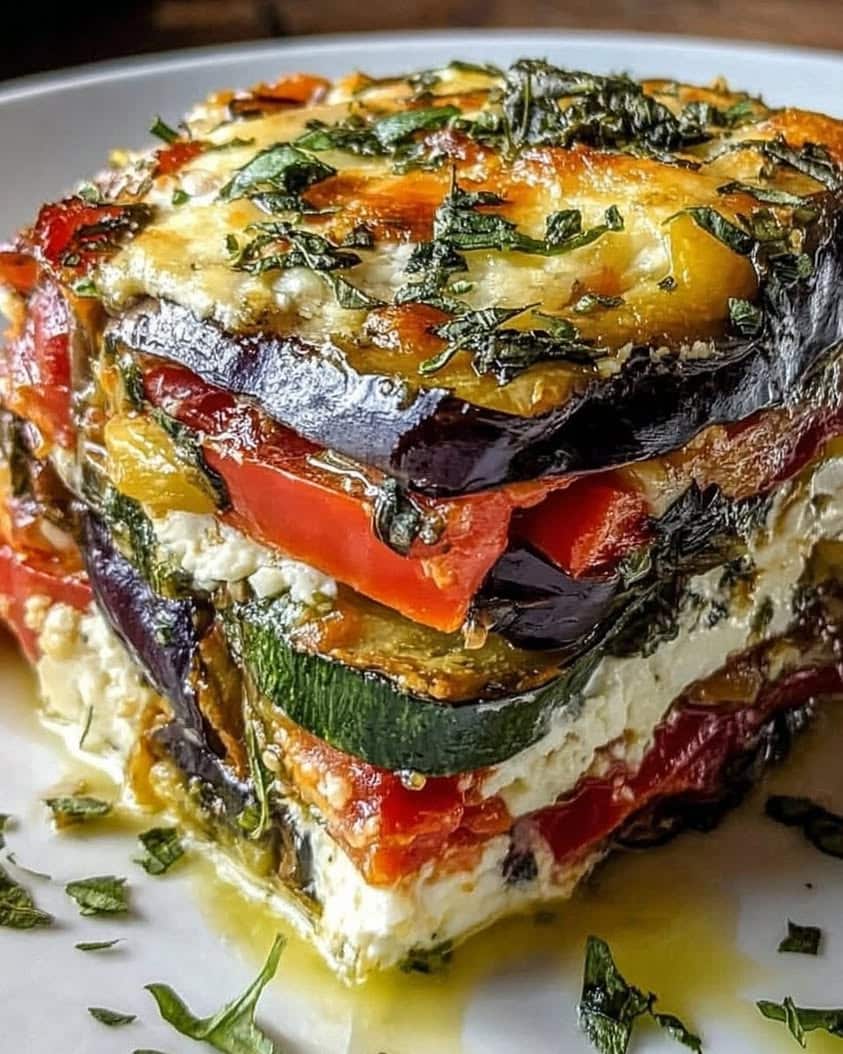
- Visual Appeal: This dish presents a stunning cross-section of colorful vegetables, white creamy ricotta, and deep red tomato sauce layered between golden pasta sheets. The vibrant colors make it a feast for the eyes before you even take your first bite.
- Skill Level Needed: This recipe suits intermediate cooks who feel comfortable with basic knife skills and oven roasting techniques. The steps are straightforward, and the assembly process offers a fun, creative aspect that cooks of all levels can enjoy.
- Special Equipment: You will need a 9×13 baking dish, a large skillet for sautéing vegetables, a sharp chef’s knife, and a cutting board. A box grater works well for fresh Parmesan cheese, and aluminum foil helps prevent over-browning.
Recipe Overview
- Difficulty Level: This recipe earns a medium difficulty rating because it involves multiple components that come together for the final assembly. The roasting and sautéing steps require some multitasking, and the layering process demands attention to detail. However, the techniques are all accessible and do not require advanced culinary skills, making this a rewarding project for confident home cooks.
- Category: This Mediterranean vegetable lasagna serves beautifully as a vegetarian main dish, but it also works wonderfully as a hearty side dish alongside grilled chicken or fish. You can present it as a centerpiece for holiday meals, or cut it into smaller portions for appetizers at parties and gatherings.
- Cuisine: The recipe draws inspiration from Italian and Greek culinary traditions, combining classic lasagna techniques with Mediterranean vegetable preparations. The use of olive oil, fresh herbs, ricotta cheese, and abundant vegetables reflects the principles of Mediterranean cuisine that emphasize fresh, wholesome ingredients and simple preparation methods.
- Cost: This recipe provides excellent value, using mostly affordable vegetables and pantry staples. The cheese components represent the highest cost, but you can adjust quantities or seek store brands to keep expenses manageable. Overall, you can prepare this dish for roughly twenty-five to thirty-five dollars, serving eight generous portions.
- Season: This lasagna shines in late summer and early fall when zucchini, eggplant, and bell peppers reach peak season and offer maximum flavor. You can still enjoy it year-round by choosing quality produce from your grocery store, but the summer harvest truly elevates the dish to its full potential.
- Occasion: This vegetable lasagna fits perfectly into weeknight family dinners, Sunday gatherings, holiday tables, and potluck events. Its impressive presentation and delicious flavors make it suitable for everything from casual meals to more formal celebrations where you want to showcase your cooking skills.
Why You’ll Love This Recipe
This Layered Mediterranean Vegetable Lasagna with Creamy Ricotta Recipe delivers exceptional taste that rivals any restaurant version you have ever tried. The combination of roasted vegetables brings out their natural sweetness while the creamy ricotta adds richness and tang that complements the tomato sauce perfectly. Every bite offers a harmonious blend of flavors that satisfies both vegetable lovers and skeptics alike. The herbs and garlic infuse every layer, creating depth that keeps you coming back for another serving.
The convenience factor makes this recipe truly special for busy home cooks. You can prepare many components ahead of time and assemble the lasagna when you are ready to bake. The leftovers taste even better the next day, making this an excellent meal prep option for weekly lunches or quick dinners. You can also freeze the assembled lasagna before baking, providing a ready-made dinner for those hectic evenings when cooking feels impossible.
Nutritionally, this vegetable lasagna packs an impressive amount of vegetables into each serving, delivering fiber, vitamins, and antioxidants that support overall health. The ricotta provides protein and calcium, while the olive oil contributes heart-healthy monounsaturated fats. This recipe makes it easy to increase your vegetable intake without sacrificing flavor or satisfaction, proving that healthy eating can be delicious and indulgent.
Socially, this lasagna serves as a wonderful conversation starter and crowd pleaser at any gathering. The vibrant colors and beautiful layers invite admiration, and the familiar comfort of lasagna puts everyone at ease. When you bring this dish to a potluck or family dinner, you will leave with an empty pan and requests for the recipe. It bridges the gap between special occasion food and everyday comfort cooking effortlessly.
Cost-effectiveness and accessibility make this recipe practical for regular rotation in your meal plan. Most ingredients qualify as pantry staples or inexpensive seasonal produce, and you can easily adapt the vegetables based on what looks freshest at your market. The recipe feeds a crowd without breaking your budget, and the simple techniques mean you do not need fancy equipment or specialty ingredients to achieve fantastic results.
Historical Background and Cultural Significance
The origins of lasagna trace back to ancient Greece, where layers of pasta sheets and fillings were baked in shallow dishes called laganon. The Romans adopted this concept and spread it throughout their empire, eventually bringing it to the Italian peninsula. Over centuries, different regions developed their own variations, with Emilia-Romagna and Naples becoming particularly famous for their distinctive lasagna preparations. The dish evolved from simple baked pasta into the elaborate, layered creation we know today.
In Mediterranean cultures, vegetables have always played a central role in daily cooking, reflecting the agricultural abundance and culinary wisdom of the region. The practice of roasting vegetables to concentrate their flavors and incorporating them into baked dishes demonstrates the resourcefulness and creativity of home cooks throughout history. This vegetable lasagna draws directly from that tradition, celebrating the natural goodness of produce in a format beloved across cultures.
The evolution of lasagna recipes mirrors broader changes in home cooking, as cooks began experimenting with different fillings, sauces, and techniques. The addition of ricotta cheese, particularly popular in Southern Italy, brought a creamy element that balanced the acidity of tomato sauces. This Mediterranean vegetable lasagna represents a modern interpretation that honors these traditions while embracing contemporary preferences for lighter, vegetable-forward dishes that do not skimp on flavor.
Regional variations of lasagna abound throughout Italy and beyond, each reflecting local ingredients and tastes. In Sicily, you might find versions with eggplant and hard-boiled eggs, while Northern Italian preparations emphasize béchamel sauce and ragù. The Mediterranean approach, however, focuses on the bright, fresh flavors of vegetables, herbs, and quality olive oil. This recipe pays homage to these diverse influences while creating something uniquely delicious and accessible for modern cooks.
Ingredient Deep Dive
The eggplant serves as a foundational vegetable in this Mediterranean lasagna, bringing a meaty texture and subtle bitterness that transforms during roasting. Eggplant has deep roots in Mediterranean cuisine, cultivated in the region for thousands of years and celebrated for its versatility and ability to absorb flavors. Nutritionally, eggplant provides fiber, potassium, and antioxidants called nasunin that support brain health and cellular function. When selecting eggplant, look for specimens with smooth, shiny skin and a firm texture without soft spots. Store eggplants at room temperature and use them within a few days for best quality. You can substitute zucchini, portobello mushrooms, or additional bell peppers if eggplant is unavailable or not to your liking.
The creamy ricotta cheese stands as a defining element of this recipe, providing richness and tang that balances the vegetables and tomato sauce beautifully. Ricotta originated in Italy as a way to utilize whey left over from cheesemaking, transforming a byproduct into a beloved culinary staple. This fresh cheese delivers protein, calcium, and probiotics that support digestive health. For the best flavor and texture, select whole milk ricotta in a tub rather than the lower-fat versions. Keep ricotta refrigerated and use it within a week of opening. If you cannot find quality ricotta, you can substitute cottage cheese blended until smooth or a mixture of cream cheese and Greek yogurt.
The zucchini and summer squash add sweetness, moisture, and beautiful color to this lasagna, representing the abundance of summer gardens throughout the Mediterranean. These versatile vegetables have been cultivated for centuries and remain staples in cuisines across the region. Zucchini provides vitamin C, potassium, and dietary fiber while contributing very few calories, making it an excellent addition to a healthy diet. Choose smaller zucchini for better flavor and texture, and store them in the refrigerator crisper drawer for up to a week. Yellow squash makes an excellent substitute, or you can use additional eggplant or bell peppers for variety.
The marinara sauce forms the flavorful foundation of this lasagna, providing acidity and richness that bring all the elements together. A quality marinara relies on ripe tomatoes, garlic, basil, and olive oil, reflecting the simple yet profound cooking philosophy of Mediterranean cuisine. Tomatoes offer lycopene, an antioxidant associated with heart health and cancer prevention, as well as vitamins A and C. When selecting marinara sauce, check the ingredient list and choose products with minimal additives and high-quality ingredients. You can certainly make your own sauce from fresh tomatoes when they are in season. Store opened marinara in the refrigerator and use within five days, or freeze in portion-sized containers for future use.
The lasagna noodles provide structure and satisfying chew that holds the dish together beautifully. Traditional lasagna pasta likely originated in ancient Rome, though the version we recognize today developed in the Middle Ages in Italy. These noodles deliver complex carbohydrates for sustained energy, though they offer limited nutritional value beyond that. Choose high-quality pasta made from durum wheat for the best texture and cooking performance. No-boil noodles work well if you want to save time, and you can find gluten-free versions if needed. Store dried pasta in a cool, dry place, and cook fresh noodles shortly before assembly.
Common Mistakes to Avoid
- Undercooking vegetables before layering leads to a watery lasagna that releases excess moisture during baking. Take the time to properly roast and sauté your vegetables until they have surrendered their liquid and concentrated their flavors.
- Overcooking the lasagna noodles results in mushy layers that fall apart when you serve the finished dish. Cook them just until al dente, remembering they will continue cooking in the oven.
- Using low-quality ricotta cheese with excess moisture creates a watery lasagna and diluted flavor. Drain your ricotta or choose a thick, high-quality brand for the best results.
- Skipping the resting period after baking causes the lasagna to fall apart when sliced. Allow at least fifteen minutes of rest time so the layers can set and hold together beautifully.
- Overloading the lasagna with too many vegetables can make the dish difficult to slice and serve cleanly. Aim for balanced layers that maintain structural integrity while delivering generous flavor.
- Burning the top layer by baking uncovered for too long results in a bitter, unappealing crust. Check your lasagna during the final baking period and tent with foil if needed.
- Omitting salt from the vegetable preparation leaves the final dish tasting flat and underseasoned. Season each component appropriately to build depth of flavor throughout the lasagna.
- Using a pan that is too small causes ingredients to overflow and prevents even cooking. Choose a 9×13 baking dish that accommodates all the layers comfortably.
- Forgetting to oil the baking dish causes the lasagna to stick and makes serving frustrating. Always grease your dish thoroughly before adding the first layer.
- Failing to taste and adjust seasonings before assembly misses the opportunity to correct any flavor imbalances. Season each component appropriately to build depth of flavor throughout the lasagna.
Essential Techniques
Roasting vegetables properly transforms them from raw and bitter into sweet, caramelized additions that elevate the entire lasagna. Spread your vegetables in a single layer on a baking sheet, drizzle with olive oil, and season generously with salt and pepper. Roast at high heat, around 425 degrees Fahrenheit, until the edges brown and the centers become tender. The high heat causes the natural sugars to caramelize while moisture evaporates, concentrating flavors and creating that desirable roasted quality.
Sautéing aromatics like garlic and onions forms the aromatic foundation of this dish, building complexity before you even start assembling. Heat olive oil in a skillet over medium heat, then add your aromatics and cook gently until softened and fragrant. Avoid burning the garlic, which turns bitter and unpleasant. The goal is to release the essential oils and sweeten the onions without browning them too aggressively, creating a mellow base for the sauce and vegetables.
Assembling the lasagna requires care and attention to ensure even layers and beautiful presentation. Start with a thin layer of sauce on the bottom of your baking dish to prevent sticking, then alternate noodles, vegetables, ricotta mixture, and sauce in repeating layers. Aim for three or four distinct layers, finishing with sauce and a generous topping of mozzarella and Parmesan cheese. Press each layer gently to eliminate air pockets and ensure the lasagna holds together when served.
Allowing the lasagna to rest after baking marks a crucial step that ensures clean slices and better flavor integration. The resting period lets the cheese set, the noodles absorb excess moisture, and the flavors meld together harmoniously. Remove the lasagna from the oven and let it stand at room temperature for at least fifteen minutes before cutting. This patience pays off with beautiful presentation and superior taste that makes the wait worthwhile.
Pro Tips for Perfect Layered Mediterranean Vegetable Lasagna with Creamy Ricotta Recipe
Salt your eggplant before roasting to draw out excess moisture and eliminate any bitterness. Sprinkle cut pieces with salt, let them sit for thirty minutes, then pat dry before roasting. This simple step dramatically improves the final texture and flavor of your lasagna.
Use fresh herbs whenever possible, as they deliver brighter, more vibrant flavors than dried alternatives. Chop fresh basil, oregano, and parsley right before adding them to your ricotta mixture and sauce to preserve their aromatic oils and maximize their impact.
Drain your ricotta cheese through a cheesecloth-lined strainer for at least an hour before using it in the filling. This removes excess whey that could make your lasagna watery and ensures a thick, creamy texture that holds up beautifully during baking.
Grate your own mozzarella cheese instead of buying pre-shredded varieties, which often contain anti-caking agents that prevent proper melting. Freshly grated cheese melts more smoothly and creates that desirable stretchy, gooey texture that makes lasagna so irresistible.
Layer your vegetables with intention, distributing them evenly throughout the lasagna rather than piling them in one spot. This ensures every bite contains a balanced combination of flavors and textures, creating a consistently delicious experience from first bite to last.
Let your lasagna rest for a full twenty minutes before slicing to achieve those beautiful, clean portions that hold their shape. Use a sharp knife and wipe it clean between cuts for the best presentation.
Consider making extra sauce and vegetable filling, as these components freeze beautifully and make the next lasagna preparation effortless. You can assemble the entire lasagna ahead and freeze it unbaked for a convenient future meal.
Variations and Adaptations
Regional variations of this lasagna appear throughout the Mediterranean, each reflecting local ingredients and preferences. In Greece, you might find versions with feta cheese and olives, while Moroccan adaptations incorporate preserved lemons and harissa for a spicy kick. The French Riviera version often includes ratatouille-style vegetables, and Spanish interpretations might feature roasted red peppers and manchego cheese. Exploring these regional differences offers endless inspiration for making this recipe your own.
Seasonal adaptations allow you to enjoy this lasagna year-round while featuring the best produce each season offers. In spring, add asparagus, peas, and artichoke hearts for a fresh, vibrant twist. Summer calls for abundant zucchini, eggplant, and heirloom tomatoes at their peak sweetness. Fall brings opportunities to incorporate butternut squash, kale, and mushrooms, while winter versions might feature roasted root vegetables and hearty greens like Swiss chard.
Dietary modifications make this recipe accessible to various eating patterns and restrictions. For a gluten-free version, use gluten-free lasagna noodles or thinly sliced zucchini in place of pasta. A dairy-free adaptation can employ plant-based ricotta and mozzarella alternatives made from cashews or tofu. Vegans can skip the cheese entirely and create a creamy layer from blended silken tofu seasoned with nutritional yeast and lemon juice for that tangy quality.
Flavor variations allow you to customize this lasagna to your preferences and what you have on hand. Add sautéed mushrooms for earthiness, or incorporate roasted red peppers for sweetness and color. Spice lovers might add red pepper flakes or a drizzle of chili oil, while those who prefer milder flavors can reduce the garlic and herbs. You can also experiment with different cheese combinations, incorporating fontina, provolone, or goat cheese for unique flavor profiles.
Texture modifications can transform this lasagna into something entirely different while maintaining the same delicious essence. Replace traditional lasagna noodles with thinly sliced zucchini or eggplant for a low-carb, vegetable-forward version. If you prefer a creamier dish, increase the ricotta mixture and add a layer of béchamel sauce. For a crisper top, finish with breadcrumbs mixed with Parmesan cheese before baking for a golden, crunchy crust.
Presentation alternatives make this recipe suitable for various occasions and serving styles. Instead of a traditional 9×13 baking dish, you can assemble individual lasagna portions in ramekins for elegant plating. For parties, consider serving the lasagna as bite-sized appetizers cut into small squares and garnished with fresh basil. You can also bake it in a deep skillet for a rustic, country-style presentation that feels both casual and impressive.
Serving and Presentation Guide
Plating this Mediterranean vegetable lasagna beautifully enhances the dining experience and makes the dish feel extra special. Use a wide, flat spatula to lift each portion carefully, preserving the layers and structure. Place the lasagna in the center of a warmed plate and surround it with a drizzle of high-quality olive oil and a sprinkle of fresh herbs. The simple addition of a few basil leaves or microgreens adds color and elegance to each serving.
Garnishing ideas elevate the presentation and add complementary flavors to the lasagna. A sprinkle of fresh basil, parsley, or oregano brightens the dish and adds aromatic appeal. Shaved Parmesan or crumbled feta adds a salty, savory accent, while a drizzle of balsamic glaze offers a touch of sweetness and visual interest. Toasted pine nuts or almonds provide texture and a nutty flavor that pairs beautifully with the vegetables.
Traditional accompaniments include a simple green salad dressed with lemon and olive oil, which offers a refreshing contrast to the rich lasagna. Crusty bread or garlic bread completes the meal and helps soak up any extra sauce on the plate. Grilled vegetables, such as asparagus or broccolini, add color and nutritional value. Roasted potatoes or polenta also make excellent side dishes that align well with Mediterranean flavors.
Modern serving suggestions might include portioning the lasagna into smaller, individual servings for a more elegant presentation. You can serve it in shallow bowls with additional sauce spooned over the top and a garnish of fresh herbs. Consider pairing the lasagna with a Mediterranean-inspired appetizer spread featuring olives, hummus, and fresh vegetables for a complete dining experience that delights all the senses.
Temperature considerations matter significantly to the quality of the finished lasagna. Serve the lasagna hot from the oven for the best flavor and texture, when the cheese is melted and the vegetables are tender. If serving later, reheat individual portions in the microwave or oven until heated through. Room temperature lasagna still tastes wonderful, making it suitable for picnics, buffets, or make-ahead lunches served cold from the refrigerator.
Portion control tips help you serve the lasagna appropriately for your occasion. For a main course, plan on one generous portion per person, roughly one-eighth of the full recipe. For appetizers or side dishes, cut smaller portions of about one-sixteenth of the recipe. The lasagna is quite satisfying, so err on the side of smaller portions if serving multiple courses or side dishes.
Wine and Beverage Pairing
Wine pairings elevate this Mediterranean vegetable lasagna experience, with several options that complement the flavors beautifully. A medium-bodied red wine like Chianti or Sangiovese offers bright acidity and cherry notes that cut through the richness of the cheese and tomato sauce. A Barbera d’Alba provides similar characteristics with softer tannins that work well with the vegetables. For white wine lovers, a crisp Vermentino or Pinot Grigio offers refreshing citrus notes that balance the savory elements.
Non-alcoholic alternatives ensure everyone can enjoy a perfect beverage pairing with this lasagna. Sparkling water flavored with lemon or lime provides a refreshing, palate-cleansing option that does not compete with the food. A citrusy iced tea works nicely, especially with a touch of mint or basil for Mediterranean flair. Tomato juice seasoned with herbs and a squeeze of lemon mirrors the flavors in the dish and creates a unique savory beverage option.
If you prefer beer with your lasagna, choose styles that complement rather than overwhelm the dish. A light lager or pilsner offers clean, crisp characteristics that refresh the palate between bites. A Belgian witbier with its subtle spices pairs well with the herbs in the dish. An amber ale brings caramel notes that echo the roasted vegetables, creating a satisfying combination for beer enthusiasts.
Temperature considerations matter when serving beverages with this lasagna. Serve red wines slightly cooler than room temperature, around 60 to 65 degrees Fahrenheit, to emphasize their fruitiness. Sparkling water should be well-chilled with plenty of ice. If serving juice-based beverages, consider chilling them thoroughly and serving in glasses filled with ice for maximum refreshment.
Serving suggestions include offering a wine tasting experience with several varietals that pair well with the lasagna and letting guests decide their favorites. Set up a beverage station with non-alcoholic options prominently displayed alongside wine selections. Provide glass markers or labels so guests can identify their glasses, especially during larger gatherings. Consider serving dessert wine after the meal to extend the experience.
Storage and Shelf Life
Proper storage methods ensure your Mediterranean vegetable lasagna stays fresh and delicious for several days. Wrap the baking dish tightly with plastic wrap or aluminum foil, or transfer portions to airtight containers. The lasagna will maintain its quality for up to four days when properly refrigerated. For best results, consume the lasagna within two or three days, as the vegetables tend to soften further and the flavors continue to meld.
Temperature requirements play a crucial role in food safety for this lasagna. Refrigerate any leftovers within two hours of baking to prevent bacterial growth. The refrigerator temperature should be at or below 40 degrees Fahrenheit to keep the lasagna safe for consumption. Never leave the lasagna at room temperature for extended periods, especially during warm weather when food spoils more quickly.
Container recommendations help preserve the quality of your lasagna during storage. Use airtight, food-safe containers made of glass or BPA-free plastic for best results. If storing in the original baking dish, ensure the foil or plastic wrap makes complete contact with the lasagna to prevent air exposure and moisture loss. You can also portion the lasagna into individual containers for convenient grab-and-go meals throughout the week.
Signs of spoilage indicate it is time to discard your lasagna rather than risk foodborne illness. Look for visible mold growth on the surface, which appears as fuzzy spots in various colors. An off-putting sour smell suggests bacterial growth has occurred. If the texture becomes excessively watery or the lasagna develops a slimy coating, it has likely spoiled. When in doubt, throw it out to protect your health.
Reheating instructions ensure your leftover lasagna tastes as delicious as the first serving. For individual portions, microwave on medium power in 30-second intervals until heated through. For larger quantities, reheat in a 350 degree Fahrenheit oven covered with foil for about 20 minutes. Add a splash of water or extra sauce if the lasagna appears dry before reheating to restore moisture and prevent toughening.
Freezing guidelines allow you to enjoy this lasagna weeks or months after preparation. Wrap the completely cooled lasagna tightly in plastic wrap, then aluminum foil, and freeze for up to three months. You can freeze the entire lasagna or individual portions for easier thawing. To serve, thaw overnight in the refrigerator, then bake covered in a 350 degree oven until heated through, about 30 to 40 minutes for a full lasagna.
Make Ahead Strategies
A prep timeline makes this lasagna achievable even on busy weeknights when you can plan ahead. Start by roasting the vegetables and preparing the ricotta mixture one day before you plan to assemble. Store the components separately in the refrigerator, then assemble the lasagna when you are ready. You can even assemble the entire lasagna a day ahead and keep it covered in the refrigerator until baking time, which allows the flavors to meld beautifully.
Storage between steps requires attention to maintain quality and safety. Keep roasted vegetables in an airtight container in the refrigerator for up to three days, and the ricotta mixture will stay fresh for similar duration. If you prepare components further ahead, freeze the roasted vegetables and ricotta mixture separately for up to three months. Thaw overnight in the refrigerator before proceeding with assembly.
The quality impact of making ahead generally improves the lasagna, as the flavors have time to meld and develop complexity. The vegetables continue to absorb the herbs and seasonings, and the ricotta mixture becomes more flavorful. However, be aware that assembling the lasagna too far in advance can cause the noodles to soften excessively, so limit assembled lasagna to one day in the refrigerator before baking.
Assembly tips for make-ahead lasagna include slightly undercooking the noodles to account for additional absorption during storage. Let the assembled lasagna come to room temperature for thirty minutes before baking to ensure even cooking. Add a few tablespoons of water to the sauce if it appears too thick after storage. Always bring the lasagna to room temperature before baking to prevent a cold center with a burnt top.
Reheating guidelines for make-ahead lasagna differ slightly from freshly baked lasagna. If baking an assembled lasagna that has been refrigerated, you may need to increase the baking time by 10 to 15 minutes. Cover with foil for the first portion of baking to prevent over-browning, then remove the foil for the last portion to achieve a golden top. Allow the reheated lasagna to rest for ten minutes before serving.
Fresh element additions can elevate make-ahead lasagna just before serving. Sprinkle fresh herbs, grate additional Parmesan cheese, or drizzle high-quality olive oil over the lasagna after reheating. A handful of fresh arugula or microgreens adds color and a peppery note. These final touches ensure the make-ahead version tastes just as fresh and vibrant as a freshly prepared one.
Scaling Instructions
Halving this lasagna recipe works perfectly for smaller households or lighter meals. Use an 8×8 baking dish instead of the 9×13, and reduce all ingredients by half. The baking time stays approximately the same, though you might need to rotate the dish for even cooking. Watch the lasagna carefully during the final baking period, as the smaller portion may cook faster than expected.
Doubling or tripling this recipe requires additional equipment and attention to timing. Use two or three 9×13 baking dishes rather than trying to fit everything into one pan, which would lead to uneven cooking and overflow. Increase the baking time slightly if the dishes are densely packed, and rotate the pans halfway through baking for even results. The recipe scales beautifully, making it ideal for large gatherings and events.
Equipment adjustments become necessary when scaling this recipe up or down. For larger quantities, ensure you have enough baking dishes and adequate oven space to accommodate them. A convection oven can help with even baking when using multiple dishes. For smaller portions, you might use bread pans or small baking dishes to maintain proper layer thickness and cooking times.
Timing modifications depend on the quantity you are preparing. A half batch typically requires the same baking time as the full recipe, though start checking for doneness about five minutes early. When doubling or tripling, expect to add approximately 10 to 15 minutes to the baking time. The lasagna is done when the top is golden and bubbly and the internal temperature reaches 165 degrees Fahrenheit.
Storage considerations change with scale. Leftovers from a larger batch can be portioned and frozen for future meals, providing convenient options for busy nights. A smaller batch generally disappears quickly, but any leftovers still store well in the refrigerator for several days. Adjust your container sizes and storage methods based on the quantity you are making to maintain quality and food safety.
Nutritional Deep Dive
The macro breakdown of this Mediterranean vegetable lasagna demonstrates its balanced profile for satisfying meals. Each serving provides approximately 450 calories, with carbohydrates from the pasta and vegetables supplying about 52 grams of energy. Protein comes primarily from the ricotta, mozzarella, and Parmesan cheeses, totaling around 22 grams per serving. Healthy fats from olive oil and cheese contribute about 18 grams, supporting nutrient absorption and providing satiety.
Micronutrient analysis reveals impressive nutritional density in this vegetable lasagna. The tomatoes contribute lycopene, vitamin C, and potassium, all associated with various health benefits. Zucchini and eggplant offer vitamin A, vitamin C, and antioxidants that support immune function and cellular health. Spinach adds iron, calcium, and magnesium, while the bell peppers deliver vitamin C and beta-carotene. The olive oil provides vitamin E and polyphenols with anti-inflammatory properties.
Health benefits associated with this lasagna make it a smart choice for those seeking nutritious, delicious meals. The abundance of vegetables supports heart health through fiber and antioxidants that help manage cholesterol and blood pressure. The Mediterranean-style ingredients align with dietary patterns linked to longevity and reduced risk of chronic disease. The protein and fiber combination promotes satiety, helping with weight management and portion control.
Dietary considerations include monitoring sodium content, especially if you use commercially prepared marinara sauce and cheeses. You can reduce sodium by choosing low-sodium options and limiting added salt during preparation. The recipe contains dairy in several forms, which may need adjustment for those with lactose intolerance. The carbohydrate content should be considered by those managing blood sugar, though the fiber in vegetables helps moderate glucose absorption.
Portion analysis reveals that one serving, approximately one-eighth of the lasagna, provides a satisfying and nutritionally complete meal. Pair it with a large salad to increase volume and nutrient intake without significantly increasing calories. The portion size works well for most adults, while more active individuals might desire additional servings or side dishes to meet higher energy needs.
Weight management tips include controlling portion sizes and being mindful of added cheese during assembly. You can reduce the mozzarella quantity slightly or use part-skim varieties when preparing this lasagna. Increasing the ratio of vegetables to pasta and cheese lowers the calorie density without sacrificing flavor. Enjoy the lasagna alongside plenty of fresh vegetables and lean proteins for a balanced approach to healthy eating.
Dietary Adaptations
Gluten-free modifications for this lasagna require substituting the traditional wheat pasta with a gluten-free alternative. Look for lasagna noodles made from rice, corn, or a blend of gluten-free flours that offer good texture and cooking properties. Alternatively, use thinly sliced zucchini or eggplant in place of noodles entirely, creating a vegetable-forward lasagna that is naturally gluten-free. Always check labels for marinara sauce and other prepared ingredients to ensure they do not contain hidden gluten sources.
Dairy-free adaptations replace the ricotta, mozzarella, and Parmesan with plant-based alternatives. Cashew ricotta made by blending soaked cashews with lemon juice, nutritional yeast, and garlic offers a remarkably similar texture and flavor profile. Shredded dairy-free mozzarella, usually made from coconut oil or tapioca starch, melts reasonably well, though it may not brown the same way. Nutritional yeast sprinkled on top imparts a savory, almost cheesy flavor that enhances the dish.
Vegan versions of this lasagna eliminate all animal products while retaining the delicious essence of the original recipe. Use vegan ricotta made from tofu. crumbled firm tofu seasoned with lemon juice, olive oil, and Italian herbs provides the same creamy texture. Vegan mozzarella alternatives are readily available and perform well in baked dishes. Ensure your lasagna noodles contain no eggs and your marinara sauce contains no hidden animal products.
Low-carb adaptations dramatically reduce the carbohydrate content by replacing pasta with vegetables. Thinly sliced zucchini, eggplant, or a combination creates a vegetable-based layer that holds the lasagna together without the carbs. Increase the proportion of vegetables and ric Print
Layered Mediterranean Vegetable Lasagna with Creamy Ricotta
- Total Time: 65 minutes
- Yield: 8
Description
A vibrant and hearty vegetarian lasagna featuring layers of roasted Mediterranean vegetables, creamy ricotta, and rich tomato sauce, all baked to golden perfection.
Ingredients
- 9 lasagna noodles
- 2 tablespoons olive oil
- 1 large zucchini, sliced into rounds
- 1 large yellow squash, sliced into rounds
- 1 red bell pepper, sliced into strips
- 1 small eggplant, sliced into rounds
- 1 onion, thinly sliced
- 3 cups marinara sauce
- 2 cups ricotta cheese
- 1 egg, lightly beaten
- 1 cup grated Parmesan cheese, divided
- 2 cups shredded mozzarella cheese
- 2 tablespoons chopped fresh basil
- 1 teaspoon dried oregano
- Salt and black pepper to taste
Instructions
- Preheat oven to 375°F (190°C). Bring a large pot of salted water to a boil and cook lasagna noodles according to package directions until al dente. Drain and set aside.
- In a large skillet, heat olive oil over medium-high heat. Add zucchini, yellow squash, red pepper, eggplant, and onion. Sauté for 8-10 minutes until vegetables are tender and lightly browned. Season with salt, pepper, and dried oregano. Remove from heat and set aside.
- In a medium bowl, combine ricotta cheese, beaten egg, 1/2 cup of Parmesan cheese, and fresh basil. Mix well to combine.
- Spread 1 cup of marinara sauce over the bottom of a 9×13-inch baking dish. Place three lasagna noodles over the sauce, overlapping slightly. Spread half of the ricotta mixture over the noodles, then top with half of the sautéed vegetables. Drizzle with 1 cup of marinara sauce and sprinkle with 1/2 cup of mozzarella cheese.
- Repeat layers: three noodles, remaining ricotta mixture, remaining vegetables, and 1 cup marinara sauce. Top with remaining three noodles, remaining marinara sauce, and sprinkle with the remaining mozzarella and 1/2 cup Parmesan cheese.
- Cover the dish with aluminum foil (lightly greased to prevent sticking) and bake for 25 minutes. Remove foil and bake for an additional 10-15 minutes, until the top is bubbly and golden brown.
- Let the lasagna rest for at least 10 minutes before slicing and serving.
Notes
You can customize the seasonings to taste. Add spinach or olives for extra flavor, or use a gluten-free lasagna noodle if needed.
- Prep Time: 25 minutes
- Cook Time: 40 minutes
- Method: Main
- Cuisine: Mediterranean