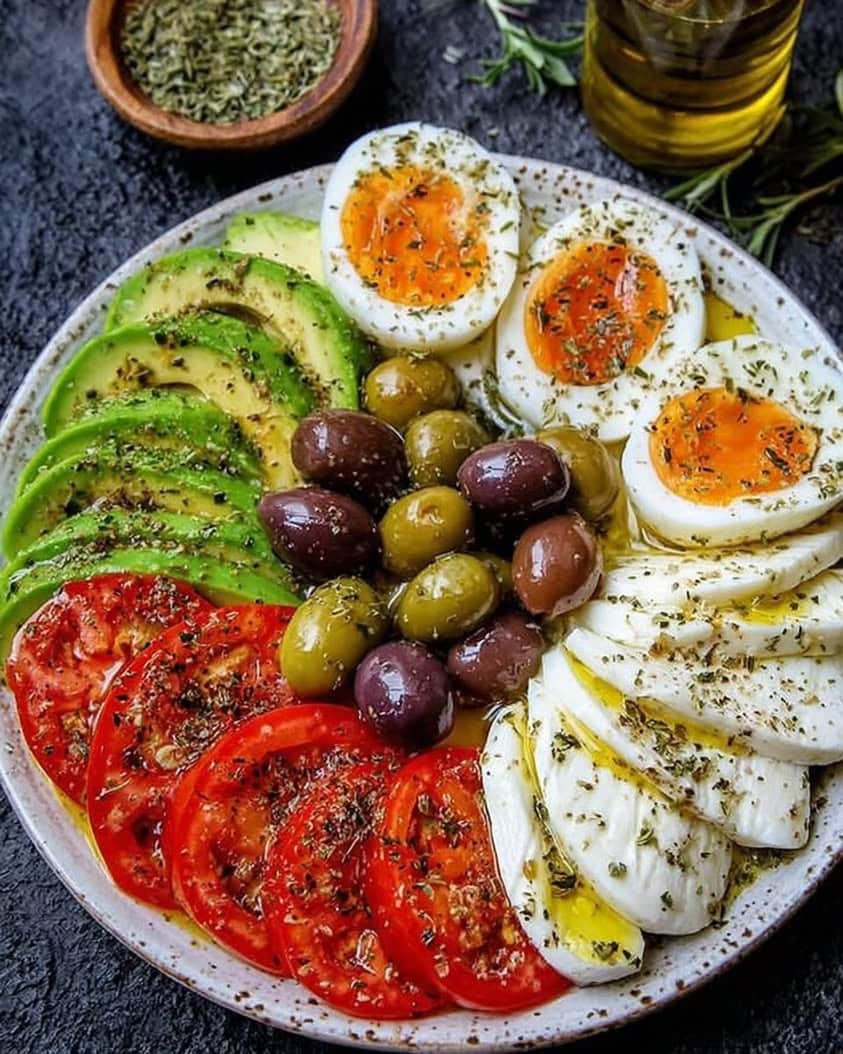
Mediterranean Protein Plate: Your Easy High-Protein Lunch for Busy Days
The Mediterranean Protein Plate is your easy high-protein lunch for busy days when you need something satisfying without spending hours in the kitchen. This vibrant dish brings together creamy hummus, briny olives, tangy feta, sweet cherry tomatoes, crisp cucumbers, and protein-packed chickpeas on one beautiful platter. You get a restaurant-quality meal that requires zero cooking and only minimal prep work. Consequently, this recipe fits perfectly into meal prep routines, office lunches, and even quick weeknight dinners.
Think about those days when you are rushing between meetings, school pickups, or errands. The Mediterranean Protein Plate solves the eternal lunch dilemma by offering a balanced, nutrient-dense meal that actually tastes incredible. Whereas most quick lunches come from drive-through windows or sad desk salads, this protein plate brings bold Mediterranean flavors to your table. The combination of salty feta, creamy hummus, and fresh vegetables creates a satisfying eating experience that keeps you full for hours.
Furthermore, this Mediterranean meal is completely customizable, which means you can adapt it to whatever you have in your refrigerator. Because the Mediterranean Protein Plate requires no cooking, it remains perfect for hot summer days when turning on the stove feels unbearable. Meanwhile, the high protein content from chickpeas, feta, and hummus supports muscle recovery, keeps blood sugar stable, and curbs afternoon cravings. Indeed, this simple no-cook lunch might become your new favorite weekday staple.
Quick Recipe Highlights
- Flavor Profile: This Mediterranean Protein Plate delivers a perfect balance of savory, salty, and tangy notes. The creamy hummus provides a mild nutty base, while kalamata olives add briny depth and feta cheese contributes sharp saltiness. Fresh herbs and bright lemon juice tie everything together with a refreshing citrus finish.
- Texture: You will experience a wonderful variety of textures in every bite of this protein plate. Creamy hummus contrasts beautifully with crunchy cucumber slices, while soft cherry tomatoes burst with juiciness. The chickpeas offer a tender yet slightly firm bite that holds up well against the softer ingredients.
- Aroma: The Mediterranean Protein Plate greets your senses with fresh, herbaceous scents that immediately transport you to a seaside taverna. The garlic and lemon notes from the hummus mingle with the sweet fragrance of ripe tomatoes and the earthy aroma of olive oil. Fresh herbs like parsley or dill add a garden-fresh quality to the overall experience.
- Visual Appeal: This dish looks absolutely stunning on any plate, with vibrant colors that make it almost too pretty to eat. The deep green of the cucumbers and olives contrasts sharply with bright red tomatoes and the creamy beige tone of hummus. The crumbled white feta adds snow-like accents throughout, while a drizzle of golden olive oil catches the light beautifully.
- Skill Level Needed: Even kitchen novices can master this Mediterranean Protein Plate with absolute confidence. There are no complicated techniques involved, just simple chopping, arranging, and portioning. If you can slice a cucumber and open a can of chickpeas, you can create this impressive meal in under fifteen minutes.
- Special Equipment: The equipment list for this Mediterranean Protein Plate remains pleasantly minimal. You will need a sharp knife for cutting vegetables, a cutting board, and a serving platter or shallow bowl. Additionally, a small bowl for mixing the lemon-olive oil dressing and a fork or whisk come in handy, but no special gadgets are required.
Recipe Overview
- Difficulty Level: This Mediterranean Protein Plate earns a simple difficulty rating because it requires no cooking and only basic knife work. The most challenging part involves cutting the vegetables into even pieces, which even beginner cooks can accomplish quickly. Furthermore, the assembly process is forgiving, so you can arrange ingredients however looks appealing to you. Ultimately, this recipe builds confidence for those just starting their cooking journey.
- Category: You can classify this dish as a main lunch, a light dinner, or even a substantial appetizer for gatherings. Because it functions as a deconstructed salad, it bridges the gap between fresh salads and heartier grain bowls. This versatility means you can serve it as a stand-alone meal or portion it into smaller plates for entertaining.
- Cuisine: The Mediterranean Protein Plate draws inspiration from the traditional meze platters served throughout Greece, Lebanon, Turkey, and Cyprus. These small plates are meant to be shared slowly, enjoyed with good company and great conversation. Our modern interpretation simplifies the traditional spread into a convenient single-plate meal that fits today’s fast-paced lifestyle.
- Cost: One of the greatest advantages of this Mediterranean Protein Plate is its affordability, typically costing around eight to ten dollars for all ingredients. Hummus, chickpeas, and fresh vegetables are budget-friendly staples that won’t strain your grocery budget. Even the pricier ingredients like feta cheese and kalamata olives become economical when purchased in reasonable quantities. Therefore, you get premium Mediterranean flavors without the premium price tag.
- Season: While you can enjoy this protein plate any time of year, it really shines during the warmer months from late spring through early fall. During summer and early fall, tomatoes and cucumbers reach their peak flavor and lowest prices at farmers markets. However, the no-cook nature of this dish also makes it appealing during hot summer heat waves and even holiday seasons when lighter meals feel refreshing.
- Occasion: The Mediterranean Protein Plate fits many occasions, from casual weekday lunches to elegant brunch spreads. You can serve it at summer picnics, pool parties, potluck gatherings, and even romantic date nights at home. Because it looks impressive with minimal effort, this dish also works wonderfully for impressing dinner guests without causing kitchen stress.
Why You’ll Love This Recipe
The taste and texture combination in this Mediterranean Protein Plate creates an absolutely addictive eating experience that keeps you coming back for more. Each forkful delivers a different flavor profile, whether you are scooping up hummus with cucumber or biting into a salty olive. The high-quality protein sources keep you satisfied and energized, making this the perfect midday meal that prevents the dreaded afternoon slump. Furthermore, the freshness of the ingredients means every bite tastes bright and vibrant, never heavy or greasy.
Convenience stands as one of the greatest strengths of this easy high-protein lunch recipe. Since there is zero cooking involved, you can assemble this Mediterranean Protein Plate in the same amount of time it takes to order takeout. The preparation is straightforward enough that you can even involve children in the process, teaching them valuable knife skills and healthy eating habits. Moreover, the clean-up takes only minutes since you use just a cutting board, knife, and a few small containers.
From a nutritional standpoint, this Mediterranean Protein Plate delivers impressive benefits that support overall health and wellness. The combination of plant-based protein from chickpeas and hummus, along with dairy protein from feta, creates a complete amino acid profile. Moreover, the generous serving of fresh vegetables provides fiber, vitamins, and antioxidants that support digestion, skin health, and immune function. This balanced macronutrient ratio helps maintain steady energy levels without the crashes associated with carb-heavy lunches.
This dish also shines when it comes to social and entertaining value, since the Mediterranean Protein Plate looks far more impressive than its effort level suggests. When you serve this platter at gatherings, guests will assume you spent significant time preparing something special. The vibrant colors and beautiful arrangement create an Instagram-worthy presentation that everyone will admire. Furthermore, since each component can be eaten with hands or forks, it encourages relaxed, casual dining that promotes conversation.
Financially speaking, this Mediterranean Protein Plate offers excellent cost-effectiveness because most ingredients have a long shelf life. Hummus stays fresh in the refrigerator for weeks, while canned chickpeas last for months in your pantry. Therefore, you can keep ingredients on hand for spontaneous meals without worrying about waste. Additionally, this recipe reduces reliance on expensive takeout lunches, saving you money throughout the month.
Historical Background and Cultural Significance
The origins of the Mediterranean Protein Plate can be traced back to the ancient tradition of meze, a selection of small dishes served throughout the Eastern Mediterranean region. Meze culture dates back thousands of years, with roots in Persian, Greek, and Ottoman culinary traditions. These small plates were designed to be shared among family and friends, encouraging leisurely dining and meaningful conversation. Over centuries, different cultures added their own touches, creating a diverse culinary landscape that celebrates fresh, simple ingredients.
In Greece, meze platters often feature feta cheese, olives, hummus, and fresh vegetables similar to what you find in our Mediterranean Protein Plate. These foods represent the heart of Greek cuisine, which emphasizes seasonal produce, quality olive oil, and simple preparations. Furthermore, the Greek tradition of “filoxenia,” or hospitality, means that offering food to guests is considered a sacred duty. Therefore, serving a beautiful Mediterranean platter demonstrates respect and care for those at your table.
The evolution of meze into individual plate meals reflects modern lifestyle changes and the growing interest in healthy eating patterns. Specifically, Western cultures have embraced the Mediterranean diet after numerous studies showed its association with longevity and reduced risk of chronic diseases. Consequently, chefs and home cooks began adapting traditional meze spreads into convenient single-serving meals. This adaptation maintains the integrity of the original cuisine while meeting contemporary needs for portability and portion control.
Regional variations of this Mediterranean Protein Plate appear in different countries across the Mediterranean basin. In Lebanon, you might find the addition of tabbouleh salad and warm pita bread on the platter. Meanwhile, Turkish versions often include yogurt-based sauces and more vegetables. Additionally, Israeli interpretations feature larger amounts of hummus and sometimes add pickles for extra tang. These variations demonstrate how a simple concept can evolve differently across cultures while still remaining identifiable and beloved.
Ingredient Deep Dive
Hummus, the creamy spread that anchors this Mediterranean Protein Plate, has been a staple of Middle Eastern cuisine for centuries. Chickpeas, also called garbanzo beans, were among the first cultivated legumes, with evidence of human consumption dating back over 7,500 years. The word hummus translates simply to “chickpea” in Arabic, highlighting the ingredient’s central role. Nutritionally, chickpeas provide an excellent source of plant-based protein, fiber, iron, and folate. When purchasing hummus, look for brands with simple ingredients and higher chickpea content for the best texture and flavor. Store your hummus in an airtight container to maintain freshness for up to a week when refrigerated.
Feta cheese provides that signature salty kick that makes this Mediterranean Protein Plate so memorable. Authentic Greek feta is made from sheep’s milk or a combination of sheep and goat milk, aging in brine to develop its signature tang. This cheese contains conjugated linoleic acid and calcium, both beneficial for bone health and metabolism. Always select feta stored in brine rather than pre-crumbled varieties for superior flavor and moisture content. Furthermore, you can substitute goat cheese, ricotta salata, or even cubes of halloumi for a different flavor profile while keeping the Mediterranean spirit alive.
Kalamata olives bring their distinctive dark purple color and rich, fruity flavor to this protein plate. These olives grow in the Kalamata region of southern Greece and are typically preserved in red wine vinegar or olive oil. Their high content of monounsaturated fats makes them heart-healthy additions to any meal. When purchasing olives, look for ones still in their brine to ensure the best texture and taste. Store olives in the refrigerator, ensuring they remain submerged in liquid, and they will last for several months.
Cherry tomatoes add bursts of sweetness and acidity that brighten the entire Mediterranean Protein Plate. Tomatoes originated in South America but found their way to Mediterranean cuisine through Spanish explorers in the sixteenth century. These little gems contain lycopene, a powerful antioxidant that has been linked to reduced risk of certain cancers. Choose tomatoes that are firm, fragrant, and deeply colored for maximum flavor. Store them at room temperature until ripe, then refrigerate for longer storage, though this may affect texture slightly.
English cucumbers provide refreshing crunch without the bitterness often found in regular cucumbers. Cucumbers have been cultivated for over 3,000 years and appear throughout Mediterranean cooking in salads, gazpachos, and as fresh snacks. Their high water content helps with hydration while providing small amounts of vitamin K, potassium, and magnesium. When selecting cucumbers, choose ones with firm, dark green skin free of blemishes or soft spots. Store cucumbers in the produce drawer of your refrigerator and use them within a week for the best quality.
Common Mistakes to Avoid
- One common mistake when preparing a Mediterranean Protein Plate involves cutting the vegetables too far in advance. When you slice cucumbers and tomatoes hours before serving without refrigeration, they become soggy and lose their crisp texture. Also, tomatoes begin to release their juices upon cutting, creating a watery mess on your plate.
- Another frequent error is using cold ingredients straight from the refrigerator. Serving chilled hummus directly from the fridge dulls its flavor and makes it less spreadable. Take your Mediterranean Protein Plate ingredients out about twenty minutes before serving so they reach room temperature.
- Many people forget to drain and rinse canned chickpeas thoroughly before adding them to the plate. The liquid in the can, called aquafaba, has a metallic taste and slimy texture that can ruin your dish. Always rinse chickpeas under cold water and pat them dry for the best taste and appearance.
- Overlooking the seasoning is another mistake that leads to a bland Mediterranean Protein Plate. Fresh vegetables benefit greatly from a sprinkle of salt, fresh ground pepper, and a splash of lemon juice. Remember that feta and olives are salty, so taste before adding extra salt to avoid over-seasoning.
- Neglecting to arrange ingredients with visual appeal makes even the most delicious Mediterranean Protein Plate less appealing. Take a moment to arrange your ingredients in sections or rows, alternating colors for a beautiful presentation. This extra minute of effort transforms your lunch from basic to special.
- Using low-quality olive oil diminishes the overall flavor of your Mediterranean Protein Plate. Olive oil serves as a key component of Mediterranean cuisine, so choose extra virgin olive oil for the best taste. Additionally, the texture and aroma of high-quality olive oil elevates ordinary ingredients to something exceptional.
- Failing to balance textures leads to be challenging and monotonous. Ensure you have a mix of creamy ingredients like hummus and feta, crunchy items like cucumbers and peppers, and tender bites like tomatoes and olives. An imbalance in texture reduces the eating satisfaction of your Mediterranean Protein Plate.
- Portioning too much protein crowd out the vegetables leaves you with a heavy plate lacking freshness. The Mediterranean Protein Plate should have a good ratio of about half vegetables to half protein sources. This balance provides adequate fiber and nutrients while keeping the meal feeling light.
Essential Techniques
The primary technique you need to master for this Mediterranean Protein Plate is consistent knife work for cutting vegetables into similar-sized pieces. Uniform cuts ensure that each bite provides a similar experience and that the plate looks professionally prepared. For cucumbers, slice them into rounds about a quarter inch thick, then optionally quarter these rounds into smaller chunks. Likewise, halve or quarter cherry tomatoes depending on their size to create manageable, bite-sized pieces. Additionally, when you learn to make consistent vegetable cuts, you will also apply this skill to salads, stir-fries, and many other dishes beyond this recipe.
Draining and rinsing chickpeas properly represents another crucial technique for creating the best Mediterranean Protein Plate. This simple step removes excess sodium and any unpleasant canned flavors, allowing the natural nutty taste of the chickpeas to shine. After rinsing, thoroughly pat the chickpeas dry using a clean kitchen towel or paper towels. The drier they are, the better they will hold onto any dressing you add, and the more appealing they will look on your plate. You can even roast them briefly for a crunchy version, though this adds 15 minutes to your preparation time.
Whisking the simple lemon-olive oil dressing properly helps emulsify the ingredients so they coat your vegetables nicely. Start by squeezing fresh lemon juice into a small bowl, then add your best extra virgin olive oil in a slow stream while whisking constantly. The reason this matters is that freshly squeezed lemon juice provides brighter, cleaner flavor than bottled versions, which sometimes taste artificial. Whisking incorporates the ingredients together, though a quick shake in a jar also works. Season this dressing with a pinch of salt, black pepper, and dried oregano for a proper Mediterranean flavor profile.
Mastering the arrangement of your Mediterranean Protein Plate transforms simple ingredients into an impressive presentation. Begin by spreading the hummus in a wide swoosh on one side of your plate or bowl, creating a bed for the other ingredients. Then, alternately layer the vegetables and proteins in separate sections or arrange them in colorful rows. For a family-style serving, create a large platter with all components separately, allowing guests to build their own plates. Additionally, garnishing with fresh herbs, a drizzle of olive oil, or a sprinkle of sumac adds visual and flavor interest that completes the dish.
Pro Tips for Perfect Mediterranean Protein Plate
First tip: Gently warm your hummus in the microwave for about 30 seconds before assembling your Mediterranean Protein Plate. Warm hummus becomes ultra-creamy and has a more pronounced, nutty flavor than cold hummus. The warmth also helps marry all the flavors together when it comes into contact with the vegetables.
Second tip: Toast your pita bread until crispy and golden, then cut it into triangles for dipping into the hummus. The contrast between warm, crunchy pita and cool, fresh vegetables elevates the entire eating experience to exceptional levels.
Third tip: Add a pinch of sumac, za’atar, or smoked paprika sprinkled over the entire Mediterranean Protein Plate before serving. These spices add complexity and visual appeal without requiring any additional cooking time or effort.
Fourth tip: Consider mixing some harissa paste or red pepper flakes into your hummus for a spicy kick. This simple addition transforms your Mediterranean Protein Plate into something more adventurous and satisfying if you enjoy bold flavors.
Fifth tip: Cube your feta cheese instead of crumbling it for a more polished presentation on your Mediterranean Protein Plate. Cubed feta also provides larger pockets of salty, creamy flavor rather than distributing it too evenly throughout the dish.
Sixth tip: Make your Mediterranean Protein Plate ahead of time, but store components separately for maximum freshness. Arrange the vegetables in an airtight container with a paper towel to absorb excess moisture. Store hummus, feta, olives, and chickpeas separately, then assemble right before serving for the best results.
Seventh tip: For extra protein, add grilled chicken, shrimp, or flaked tuna to your Mediterranean Protein Plate. These additions transform the dish into a post-gym recovery meal with increased satiety and muscle-building benefits. Furthermore, marinated tofu or tempeh work well as vegetarian options that add even more plant-based protein.
Variations and Adaptations
Regional variations of the Mediterranean Protein Plate reflect diverse influences from across the Mediterranean basin. In the Levant region, you will find additional elements like tabbouleh, stuffed grape leaves, and pickled turnips present on meze platters. Conversely, Spanish versions might include marinated olives and roasted red peppers for different flavor dimensions. Italian interpretations could incorporate fresh mozzarella balls and artichoke hearts. Exploring these regional adaptations gives you endless opportunities to keep your Mediterranean Protein Plate interesting all year round.
Seasonal adaptations ensure your Mediterranean Protein Plate remains relevant throughout changing weather and produce availability. During summer, add fresh figs, melon balls, or grilled peaches for unexpected sweetness. Autumn calls for roasted pumpkin cubes or sautéed mushrooms that bring earthy warmth to the plate. In winter, consider adding roasted root vegetables and citrus segments, which brighten the plate during dark months. Additionally, spring delivers fresh asparagus and peas that add vibrant green colors and delicate flavors when lightly blanched.
Dietary modifications can adapt this Mediterranean Protein Plate to suit various eating patterns and preferences. For a vegan version, simply omit the feta and use a plant-based hummus, adding extra chickpeas or tofu for protein instead. Gluten-free eaters need to check their hummus ingredients, though most are naturally gluten-free, and choose gluten-free pita or crackers if desired. Low-carb dieters can reduce the hummus portion and increase vegetables significantly to lower carbohydrate content. Being open to quick substitutions keeps the Mediterranean Protein Plate accessible to everyone you serve.
Flavor variations offer creative freedom to make the Mediterranean Protein Plate uniquely yours. You can incorporate fresh mint, basil, or dill into the mix for a burst of garden freshness. Adding sliced red onion or shallots introduces a pleasant sharpness that complements creamy ingredients beautifully. Capers or pickled peppers bring another layer of briny, acidic complexity. Try experimenting with different flavored hummus, such as roasted red pepper or olive varieties, to keep your taste buds intrigued.
Serving and Presentation Guide
Plating your Mediterranean Protein Plate thoughtfully elevates the meal from everyday to extraordinary with minimal extra effort. Place your hummus in a small bowl in the center of the plate, or spread it in decorative swooshes for an artistic touch. Arrange the remaining components around the hummus in sections, alternating colors for maximum visual impact. Another option to lightly toss the chickpeas in the lemon dressing before placing them on the plate, guaranteeing they already carry the bright flavors of the Mediterranean.
Garnishing ideas for the Mediterranean Protein Plate include fresh parsley leaves, dill sprigs, or chopped mint that adds freshness and vibrant color. A sprinkle of sumac gives both a tangy pop and a beautiful deep red hue, while some black pepper or chili flakes add warmth and visual appeal. You can also drizzle good quality olive oil over the finished plate for flavor and gloss. An edible flower or pea shoots make a lovely touch for special occasions or when you want to impress guests at a dinner party.
Traditional accompaniments always include something for dipping and scooping up all the delicious components of the Mediterranean Protein Plate. Warm pita bread, either store-bought or homemade, remains the classic choice for this dish. Alternatively, grilled flatbreads, poppy seed crackers, or even fresh vegetable sticks like carrots and celery work well as dippers. In addition to the main components, serving this plate with a small side of more olives or a handful of Marcona almonds adds another layer of texture.
Modern serving suggestions can refresh the Mediterranean Protein Plate concept with creative presentation ideas. Try serving the components in a bento box for a convenient and visually appealing packed lunch that keeps ingredients separate. For breakfast, you can serve smaller portions of the Mediterranean Protein Plate with a soft-boiled egg on the side. Consider serving this dish as a wrap, tucking all the delicious components into a warm pita with some crunchy lettuce.
Wine and Beverage Pairing
White wine remains the classic complement to the Mediterranean Protein Plate because its bright acidity and crispness match the fresh, tangy flavors of the dish. Greek Assyrtiko stands as the best choice, since it naturally has high acidity and a mineral quality that mirrors the sea-saltiness of the feta and olives. Alternatively, an Albariño from Spain possesses similar refreshing acidity and pairs beautifully with garlicky hummus. For those who prefer rosé, opt for a dry Provence rosé that offers crisp orchard fruit notes.
Non-alcoholic alternatives that work well with the Mediterranean Protein Plate include sparkling water with lemon and mint for a cleansing and bright palate cleanser. A glass of unsweetened iced green tea adds subtle earthiness without overpowering the dish’s flavors. Alternatively, mix some pomegranate juice with sparkling water for a festive touch in the cold months. You can also serve a classic blended lemonade or limeade to bring out the citrus notes throughout the dish.
Red wine lovers need not despair, as you can still find options that work well with this Mediterranean Protein Plate. A light, low-tannin red with high acidity is ideal for this type of dish. Consider a Pinot Noir made in a lighter style, or choose a younger Tempranillo that offers red fruit flavors without overwhelming tannins. If you have the opportunity to chill the red wine slightly, it becomes more refreshing. Whatever you choose, remember to serve your wine at the appropriate temperature to maximize the pairing. For white, you want around 45 degrees Fahrenheit, while light reds are best around 55 degrees Fahrenheit.
Storage and Shelf Life
Proper storage methods for your Mediterranean Protein Plate components are key factors if you plan to prepare them ahead of time. Vegetables such as cucumber and tomatoes should be stored in separate airtight containers or in the crisper drawer of your refrigerator, where they stay fresh for 3 to 4 days. Hummus and feta should be refrigerated and sealed tightly; they typically remain good for up to a week or until their expiration date, respectively. Ideally, keep each of these items separately until the moment you plan to serve the platter.
Temperature requirements dictate how long you can safely keep your Mediterranean Protein Plate at room temperature. To follow food safety guidelines, do not leave it out for more than 2 hours; in hot weather, this limit is reduced to 1 hour. This is because the combination with dairy products like feta and hummus increases the risk of foodborne illness if it is left in the temperature danger zone. To be safe, simply store the leftovers directly in the refrigerator in airtight boxes for a quick lunch over the next day or two.
Container recommendations for your Mediterranean Protein Plate involve maximizing freshness and preserving delicate textures. For instance, you should use glass containers with snap-lock lids to store vegetables, and you can add a paper towel to absorb moisture and extend their crispness. It is always best to store any hummus or dressing separately to prevent sogginess, which is key to maintaining plate quality.
Signs of spoilage to watch for in your Mediterranean Protein Plate ingredients include limp or slimy vegetables, which signal that they have exceeded their prime. Hummus that has developed a sour smell, visible mold, or a watery liquid on top should be discarded. Feta cheese may become slimy or develop an ammonia smell when past its best. Always trust your senses; if something looks or smells off, discard it immediately to avoid getting sick.
Reheating instructions for the Mediterranean Protein Plate are simple because this is a cold dish. When you are ready to enjoy a refrigerated portion, remove it from the fridge and let it rest for about 15 minutes. Take out the hummus, let it reach room temperature, or gently warm it in the microwave at ten-second intervals for smoother silkiness. You can also use leftover components to make a warm wrap or add protein to a fresh salad, reigniting flavor without any hassle.
Freezing guidelines for this Mediterranean Protein Plate are limited, as freezing alters texture and is not recommended. You can freeze hummus for up to 2 months, but anticipate the texture may become watery upon thawing. Feta can be hard and crumbly after freezing, making it less suitable for fresh consumption, so it is better to use it cooked. On the other hand, chickpeas freeze wonderfully, and you can freeze them in a small container and add them directly to soups or stews later.
Make Ahead Strategies
The ideal prep timeline for a convenient make-ahead Mediterranean Protein Plate spans 2 to 3 days prior to your intended meal. By preparing vegetables and hummus on the weekend, you can enjoy a healthy lunch all week long. More specifically, chopping cucumbers and tomatoes a day ahead ensures optimal freshness, but leaving the dressing off until serving is a key tip. When you prepare a component list and follow a step by step timeline, you can easily enjoy this meal without any last-minute stress.
Storage between steps requires separating your components in airtight containers to maintain quality. For example, maintain a jar of your lemon-olive oil dressing in the fridge for up to a week. This strategy also helps when it comes to portion control and convenience, letting you assemble your Mediterranean Protein Plate in minutes. The key storage rules to follow are to keep moist and dry ingredients separate and to keep acidic dressings stored separately.
Assembling your plate ahead of time is possible if you use a few strategic steps. If you must assemble everything ahead, layer the ingredients, keeping the more moist items like tomatoes at the bottom and the drier ingredients, like pita, at the top. Notably, adding the olive oil and lemon dressing just before serving is critical for preventing the salad from becoming watery. Another option is to make a larger batch of chickpeas and store them with some feta and olives as a flavorful snack.
Scaling Instructions
Halving the recipe is an ideal way to prevent waste if you are just cooking for yourself. For the scale-down, you simply halve the amount of feta, olives, and hummus you use, and cut the vegetables into smaller amounts. The beauty of this plate lies in its flexibility, meaning you can easily store a small portion of chickpeas or half of a cucumber and use them for a snack later. When reducing the recipe, keep in mind that the dressing formula will be halved as well to keep the flavors balanced.
Doubling the recipe is an ideal strategy for meal prepping lunches or feeding a hungry family. To do so, you need a larger serving platter or bowl, since the sheer volume of food will require more space. A simple rule of thumb is to scale the dressing accordingly; follow a 1-to-1 ratio to keep the ingredients from becoming too dry or too saturated in olive oil. The Mediterranean Protein Plate does not require special equipment adjustments for doubling, so only your preparation time increases slightly.
When scaling this recipe for larger groups, consider arranging the ingredients on a large wooden board for a rustic and elegant presentation. Additionally, make extra dressing since people tend to love it, and be sure to label and store it in the refrigerator. Scaling this Mediterranean Protein Plate up proves great for entertaining as well as meal prepping for events, since it only requires a little more chopping and time for your arrangement.
Nutritional Deep Dive
The macronutrient breakdown of the Mediterranean Protein Plate supports steady energy, muscle maintenance, and satiety. This dish is rich in healthy carbohydrates from the chickpeas, vegetables, and hummus, providing long-lasting fuel for your day. The protein from hummus, chickpeas, and feta supports recovery and keeps you feeling full. The moderate amount of fat is primarily unsaturated fat and monounsaturated fat from olive oil, leading to cardiovascular benefits and improved absorption of fat-soluble vitamins.
Micronutrient analysis reveals that this platter is a powerhouse of essential vitamins and minerals. The vegetables provide a rich source of Vitamin A, C, and K, while chickpeas are a great source of iron, folate, phosphorus, and B vitamins. Feta and hummus contribute significantly to your daily calcium and magnesium needs. Kalamata olives add a valuable dose of Vitamin E and iron. Eating this variety of plant foods guarantees a wide array of nutrients that contribute to overall well-being.
This Mediterranean plate offers numerous health benefits due to the diversity of its quality ingredients. The high fiber content from vegetables and chickpeas supports digestive health while promoting regular bowel movements. The abundance of antioxidants, including lycopene in tomatoes, flavonoids in olives, and polyphenols in olive oil, helps combat oxidative stress and reduce inflammation. Additionally, the high protein and fiber combination helps regulate blood sugar levels, preventing spikes and crashes. Following a Mediterranean-style dietary pattern has been consistently linked to reduced risk of heart disease and improved brain health.
Dietary Adaptations
To make a gluten-free Mediterranean Protein Plate, you simply have to be mindful of which products you use. Many brands of hummus are naturally gluten-free; however, always check the labels to be certain. Olives, vegetables, feta, and chickpeas are all naturally gluten-free as well, so this recipe is almost effortlessly adaptable. For serving, swap pita bread for gluten-free crackers, rice cakes, or fresh vegetable crudites to use for dipping.
Making this Mediterranean plate dairy-free by omitting the feta is straightforward and creates a bright, fresh dish. You can top the plate with additional chickpeas or add some grilled halloumi alternative made from tofu to keep up the protein. Add a sprinkle of nutritional yeast for a savory, cheese-like flavor that complements the other ingredients. This simple substitution makes a plate that remains both filling and satisfying.
For a vegan version of the Mediterranean Protein Plate, omit the feta or replace it with marinated tofu or a quality vegan feta launched from almonds. Always confirm that your hummus is vegan, but most are. Add a generous portion of colorful peppers, red onion, or a handful of kalamata olives to make the platter rich and diverse. Pairing it with a lentil or bean-based pasta salad makes this adaptation feel more like a complete and hearty dinner.
Troubleshooting Guide
If you find the Mediterranean Protein Plate lacking flavor or tasting flat, the solution often lies in your seasoning. Consider adding a pinch more sea salt and freshly ground black pepper to the vegetables, or revive the dish with an extra squeeze of lemon juice. Furthermore, a drizzle of extra virgin olive oil adds a rich, peppery depth that helps the flavors meld. If the dish still feels bland, a sprinkle of sumac or smoked paprika adds a savory, spicy lift.
For those times when the ingredients seem to be too dry, particularly chickpeas, create a simple dressing to fix the consistency instantly. Whisk together a part of olive oil, lemon juice, and a little Dijon mustard, and toss the chickpeas before serving. Alternatively, add a couple of tablespoons of hummus to the chickpeas, using it as a sauce to coat them. Both methods also help intensify the flavor and bring moisture into the mix.
Texture challenges, such as watery cucumbers or salads, can be addressed with a simple salting trick. Salt your cut cucumbers lightly and let them rest in a colander for 15 minutes, then pat them dry before assembling your plate. For tomatoes, scoop out the seeds if they are particularly watery. These two simple steps keep the Mediterranean Protein Plate distinct and crisp rather than becoming a soggy mix.