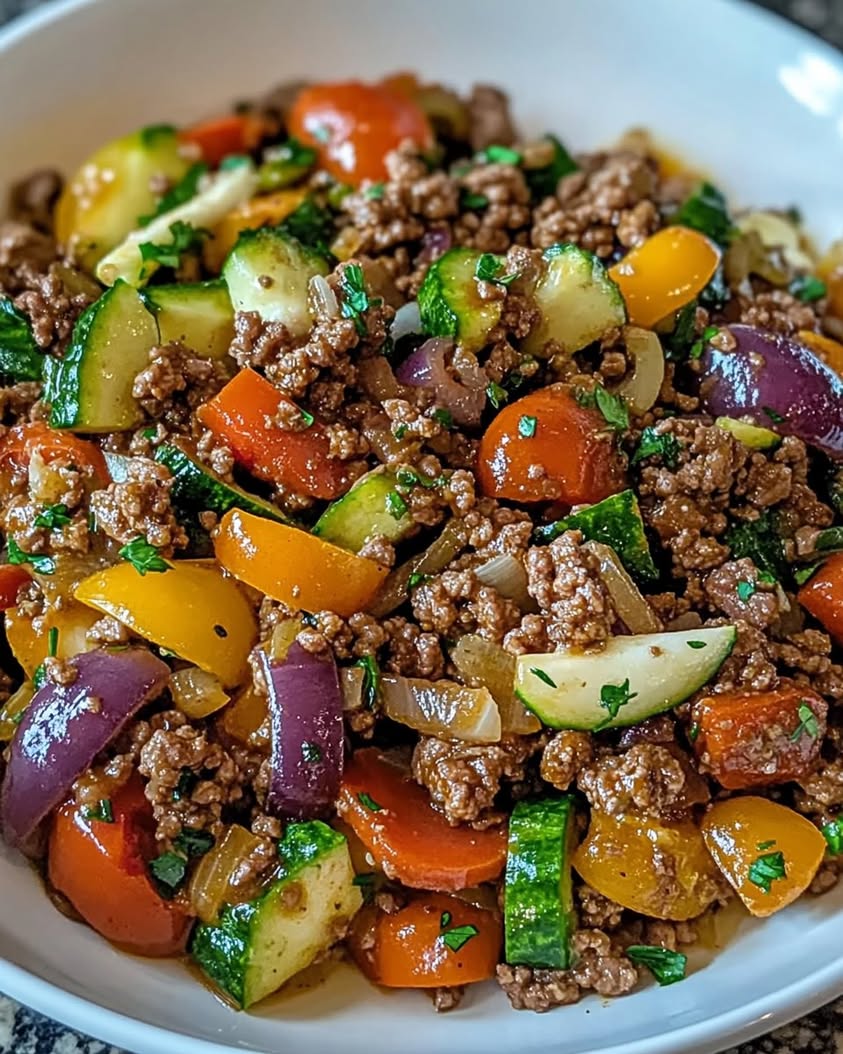
Quick and Flavorful Mediterranean Ground Beef Stir Fry Recipe: A 30-Minute Weeknight Wonder
Craving the vibrant, sun-drenched flavors of the Mediterranean but short on time? This quick and flavorful Mediterranean ground beef stir fry recipe is your perfect solution. Moreover, it transforms simple, wholesome ingredients into a spectacular meal in just one pan. Imagine savory ground beef infused with garlic and oregano, combined with crisp bell peppers and juicy tomatoes, all finished with briny olives and creamy feta. Consequently, this dish delivers a complete sensory experience that feels both indulgent and nourishing.
This recipe is a testament to the beauty of Mediterranean cooking, which prioritizes fresh produce, lean proteins, and robust herbs. Specifically, it captures the essence of coastal cuisine without requiring hours in the kitchen. The aroma alone, as the garlic and spices hit the hot pan, will transport your kitchen to a seaside taverna. Ultimately, this stir fry is more than just dinner; it is a quick escape to a healthier, more flavorful way of eating that your entire family will request again and again.
Quick Recipe Highlights
- Flavor Profile: This Mediterranean ground beef stir fry recipe masterfully balances savory, tangy, and herbal notes. The umami-rich beef pairs with the acidity of tomatoes and the salty punch of olives and feta. Finally, a foundation of garlic, oregano, and a hint of lemon zest ties everything together in a bright, cohesive burst.
- Texture: You will enjoy a delightful contrast of textures in every bite. The ground beef provides a satisfying, crumbly heartiness, while the bell peppers retain a pleasant crunch. Simultaneously, the tomatoes soften into a light sauce, and the feta cheese offers creamy, crumbly pockets that melt slightly from the residual heat.
- Aroma: The cooking process releases an incredible fragrance that defines this Mediterranean ground beef stir fry. Initially, the scent of sautéing garlic and onion forms the base. Subsequently, the earthy oregano and the searing meat add depth, creating an irresistible aroma that promises a delicious meal.
- Visual Appeal: This dish is a feast for the eyes with its vibrant color palette. The deep red of the tomatoes and the bright green of the bell peppers pop against the browned beef. Furthermore, the white feta crumbles and black Kalamata olives provide striking contrast, making the plate look as beautiful as it tastes.
- Skill Level Needed: This is an ideal recipe for beginners and busy cooks alike. Fundamentally, it requires basic knife skills for chopping and straightforward stovetop cooking techniques like browning and sautéing. Therefore, you can achieve restaurant-quality flavors with minimal culinary experience.
- Special Equipment: You only need one large skillet or wok with high sides to make this entire Mediterranean ground beef stir fry. A good chef’s knife and cutting board are essential for prepping the vegetables. Otherwise, no special gadgets are required, making cleanup a breeze.
Recipe Overview
- Difficulty Level: We rate this Mediterranean ground beef stir fry recipe as “Easy” for several compelling reasons. The steps are sequential and simple, involving basic chopping, browning, and stirring. There is no complex timing or advanced techniques like deglazing or reducing sauces. Consequently, even a novice cook can follow along and achieve fantastic results on the first try.
- Category: This versatile dish fits multiple meal categories beautifully. It serves as a fantastic one-pan main course for a quick family dinner. Alternatively, you can present it as a hearty, protein-packed lunch. It also works wonderfully for meal prep, as the flavors improve overnight in the refrigerator.
- Cuisine: This recipe draws direct inspiration from the diverse culinary traditions of the Mediterranean basin. It incorporates core Greek elements like oregano, feta, and olives. At the same time, it utilizes a quick-cooking stir-fry method that emphasizes freshness and simplicity, hallmarks of the broader Mediterranean diet philosophy.
- Cost: Preparing this Mediterranean ground beef stir fry is remarkably budget-friendly. Ground beef is typically an affordable protein, and the vegetables called for are common and inexpensive, especially when in season. Notably, a small amount of potent ingredients like feta and olives goes a long way in providing big flavor without a big price tag.
- Season: This dish is truly a year-round winner. In summer, you can use peak-season tomatoes and peppers from the garden or farmers market for the brightest flavor. During winter, it provides a much-needed burst of color and freshness that combats the colder, grayer days, making it a perfect seasonal bridge.
- Occasion: Its speed and elegance make it suitable for numerous occasions. It is the ultimate solution for hectic weeknights when you need dinner on the table fast. Surprisingly, it is also impressive enough for casual weekend entertaining or a simple date night at home, proving that easy can still be special.
Why You’ll Love This Recipe
First and foremost, the taste and texture of this Mediterranean ground beef stir fry are utterly captivating. Each forkful delivers a complex harmony of flavors—the savory depth of the beef, the sweet acidity of the tomatoes, the herbal punch of oregano, and the salty tang from the feta and olives. Additionally, the contrast between the tender meat, crunchy peppers, and soft tomatoes creates a satisfying mouthfeel that keeps you coming back for more. This is not a bland or boring dinner; it is a vibrant celebration of Mediterranean flavors that will delight your palate.
From a practical standpoint, the convenience of this recipe is a major win. You can go from fridge to table in about thirty minutes, using just one primary pan. This minimizes both active cooking time and the dreaded post-dinner cleanup. Furthermore, the ingredient list is straightforward, with no hard-to-find items, meaning you can likely make it without a special grocery trip. In essence, this stir fry is designed for real life, delivering maximum flavor with minimum fuss and time investment.
Nutritionally, this Mediterranean ground beef stir fry aligns beautifully with the principles of the celebrated Mediterranean diet. It is packed with lean protein from the beef, a rainbow of vegetables providing vitamins and antioxidants, and healthy fats from olive oil and olives. The dish is naturally low in refined carbohydrates, especially if you serve it over a bed of greens instead of rice. Therefore, you can feel good about serving a meal that is as nourishing for your body as it is pleasing to your taste buds.
This dish also holds significant social and entertaining value. Its bright, colorful presentation makes it look like you spent far more effort than you actually did, perfect for impressing guests. The recipe is easily doubled or tripled to feed a crowd, and it can be served family-style for a relaxed, communal dining experience. Because the flavors are universally appealing yet interesting, it is a crowd-pleaser that can spark conversation about travel, food, and healthy eating.
Finally, the cost-effectiveness and accessibility of this Mediterranean ground beef stir fry cannot be overstated. It transforms economical ingredients into a meal that feels luxurious and restaurant-quality. You can adapt it based on what you have on hand—swap the bell pepper color, use a different cheese, or add a handful of spinach. This flexibility makes it a reliable staple in your weekly rotation, ensuring you always have a delicious, healthy, and affordable dinner option at your fingertips.
Historical Background and Cultural Significance
The origins of this dish are rooted in the timeless cooking traditions of the Mediterranean region, though it is a modern fusion creation. Historically, the peoples of Greece, Italy, Southern France, and the Levant have cooked with the core ingredients found here—olives, tomatoes, oregano, and garlic—for centuries. The concept of quickly cooking minced meat with vegetables, however, borrows from various global “stir-fry” or “hash” techniques. Consequently, this recipe represents a beautiful marriage of ancient Mediterranean flavors with a contemporary, fast-cooking method suited to today’s lifestyles.
Culturally, this Mediterranean ground beef stir fry recipe pays homage to the Mediterranean diet, which UNESCO recognizes as an Intangible Cultural Heritage of Humanity. This diet is not just about food but a way of life emphasizing freshness, seasonality, and sharing meals with others. The ingredients tell a story of sun-drenched climates, rocky coastlines, and a culinary philosophy that values simple, high-quality components over complicated sauces and techniques. By cooking this dish, you are participating in a rich, health-forward culinary tradition.
The evolution of this specific recipe is a direct response to modern needs. Traditional Mediterranean meals might involve slower-cooked stews or roasted meats. This stir fry adaptation takes those iconic flavors and condenses them into a single, rapid-cooking pan. This evolution makes the healthy, vibrant tenets of Mediterranean eating accessible to busy families and individuals who may not have hours to spend in the kitchen. It is a testament to how classic cuisines can adapt and remain relevant.
Regional variations of this concept abound throughout the Mediterranean. In Turkey, you might find a similar mixture called “kiymali,” often with the addition of warming spices like cinnamon or allspice. A Greek version might be called “yiouvetsi,” though traditionally baked with pasta. In the Middle East, the blend of spices would shift towards cumin, coriander, and parsley. This recipe’s beauty lies in its adaptability; you can tweak the herb and spice profile to take your taste buds on a tour from Spain to Syria, all from your own kitchen.
Ingredient Deep Dive
Ground Beef (90% lean): Choosing 90% lean ground beef provides the ideal balance of flavor and health for this Mediterranean ground beef stir fry. The small amount of fat renders during cooking, basting the meat and vegetables with rich flavor without making the final dish greasy. Historically, meat in the Mediterranean diet was used sparingly, often as a flavoring agent rather than the main focus, which this recipe honors. Nutritionally, it is an excellent source of high-quality protein, iron, and B vitamins. For the best results, avoid overcrowding the pan when browning to ensure proper searing and flavor development.
Bell Peppers: Bell peppers, or capsicums, add crucial sweetness, color, and crunch. They are native to Central and South America but became integral to Mediterranean cuisine after the Columbian Exchange. Rich in vitamins A and C, they are powerful antioxidants. Selecting firm, glossy peppers with taut skin ensures the best texture. For a more complex flavor, use a mix of red, yellow, and orange peppers, as they are sweeter than green ones. If you have extra, they store well in the crisper drawer of your refrigerator for up to a week.
Kalamata Olives: These distinctive purple-black olives from Greece are a non-negotiable flavor cornerstone. Their deep, winey, and slightly smoky taste is far more complex than standard black olives. They are typically preserved in a vinegar brine, which adds a pleasant tang. Kalamata olives are a good source of monounsaturated fats, the heart-healthy fat celebrated in the Mediterranean diet. Look for them pitted to save time. If unavailable, you can substitute with other brine-cured olives like Gaeta or Niçoise, but avoid bland, canned black olives.
Feta Cheese: Authentic Greek feta, made from sheep’s milk or a sheep-goat blend, provides a creamy, tangy, and salty finish. Its crumbly texture melts slightly into the warm stir fry, creating pockets of creamy flavor. Feta is a fermented food, offering probiotics for gut health. For the best quality, buy feta stored in brine in a block and crumble it yourself; pre-crumbled feta is often drier. If you need a dairy-free version, a firm, salted tofu crumbled with a bit of lemon juice can mimic the texture and tang.
Dried Oregano: This humble herb is the quintessential flavor of Greek cooking. Mediterranean oregano is notably more pungent and earthy than other varieties. Drying concentrates its oils, making it perfect for adding during cooking. It pairs perfectly with tomatoes and meat. To unlock its full aroma, rub the dried oregano between your palms before adding it to the pan. For a fresh alternative in the summer, you can use triple the amount of fresh oregano, adding it at the very end of cooking to preserve its bright flavor.
Common Mistakes to Avoid
- Overcrowding the Pan: Adding all the ground beef at once to a small pan will steam it instead of browning it. Steamed beef lacks the deep, savory flavor (called the Maillard reaction) that is essential. Therefore, cook the beef in batches if necessary to ensure each piece has contact with the hot surface.
- Using Lean Beef That Is Too Lean: While lean beef is healthy, using 95% or 99% lean ground beef can result in a dry, crumbly texture. The small amount of fat in 90% lean beef keeps it moist and carries flavor. If you only have extra-lean beef, consider adding an extra tablespoon of olive oil to the pan.
- Adding Garlic Too Early: Garlic burns easily and becomes bitter. If you add minced garlic at the same time as the onions, it will likely scorch during the longer sauté. Always add garlic later, just before the liquid ingredients, and stir constantly for only about 30 seconds until fragrant.
- Overcooking the Vegetables: Bell peppers should retain a slight crunch for contrast. Adding them too early or cooking the stir fry for too long will turn them mushy and dull their bright color and sweet flavor. Add them after the beef is browned and cook just until they begin to soften.
- Using Pre-Crumbled, Low-Quality Feta: Pre-crumbled feta is often coated in anti-caking agents that prevent it from melting nicely and can have a chalky texture. For superior creaminess and flavor, always buy a block of feta in brine and crumble it yourself just before serving.
- Skipping the Lemon Zest: The fresh lemon zest is not just a garnish; it is a critical flavor component that adds a bright, high note that cuts through the richness of the beef and cheese. Do not substitute with bottled lemon juice, as it lacks the fragrant citrus oils.
- Not Seasoning in Layers: Seasoning only at the end results in a flat-tasting dish. Instead, season the beef lightly with salt and pepper as it browns. Then, season again lightly after adding the vegetables and tomatoes. Finally, adjust the seasoning at the very end after adding the olives and feta, which are already salty.
- Stirring Constantly: While it is called a stir fry, you need to let the ingredients sit for a moment to develop color and flavor. Constant stirring lowers the pan temperature and prevents browning. Allow the beef to sear undisturbed for a minute or two before breaking it up and turning it.
Essential Techniques
Proper Browning (The Maillard Reaction): This chemical reaction between amino acids and sugars is what creates the deep, savory, complex flavor in browned meat. To achieve it, ensure your pan is hot before adding the beef and that the beef is patted dry. Do not overcrowd the pan, as this creates steam. Let the meat sit undisturbed for a minute to form a crust before stirring. The visual cue for success is a rich, brown color on the meat, not a gray, steamed appearance.
Sautéing Aromatics: Cooking onions and garlic properly builds the flavor foundation. Start the onions in hot oil and cook until they are translucent and just beginning to soften. This process sweetens them. For garlic, add it later and stir constantly for only about 30 seconds until it becomes incredibly fragrant. The moment you smell the garlic strongly, it is done; any longer risks burning and bitterness.
Deglazing: After browning the beef and sautéing the vegetables, little browned bits (called fond) will be stuck to the bottom of the pan. These bits are packed with flavor. Adding the diced tomatoes and their juices and scraping the bottom with your spoon incorporates this fond into the sauce. This simple step adds a tremendous amount of depth and richness to the final dish, transforming simple pan drippings into a flavor powerhouse.
Pro Tips for Perfect Mediterranean Ground Beef Stir Fry
Prep Everything First: Since this recipe cooks quickly, have all your ingredients chopped, measured, and ready to go next to the stove. This “mise en place” prevents you from burning something while you frantically search for the oregano.
Use a Microplane for Lemon Zest: A Microplane grater creates super-fine zest with no bitter white pith. Zest the lemon directly over the finished dish to capture all the fragrant citrus oils.
Reserve Some Fresh Herbs for Garnish: If using fresh oregano or parsley in addition to dried, stir half into the hot stir fry and sprinkle the rest on top just before serving. This adds a fresh, vibrant layer of flavor and visual appeal.
Let it Rest: After combining all ingredients, remove the pan from heat, cover it, and let it sit for 3-5 minutes before serving. This allows the flavors to meld together and the feta to soften perfectly.
Adjust Acidity at the End: Taste your stir fry after adding the olives and feta. If it needs a brighter note, a small splash of red wine vinegar or fresh lemon juice can work wonders without making it taste lemony.
Choose the Right Pan: A large, heavy-bottomed skillet or cast-iron pan distributes heat evenly, preventing hot spots that can burn the garlic or beef. A wok also works excellently for its high sides and efficient stir-frying action.
Variations and Adaptations
Regional Variations: To travel with your taste buds, simply adjust the spice profile. For a Turkish twist, add a pinch of cinnamon and allspice with the oregano. For an Italian-inspired version, use basil and marjoram, swap feta for fresh mozzarella pearls, and use green olives. A Middle Eastern adaptation would include cumin, coriander, and a garnish of fresh mint and pomegranate seeds.
Seasonal Adaptations: In summer, use ripe, juicy heirloom tomatoes and fresh sweet corn kernels added with the peppers. In autumn, incorporate diced roasted eggplant or butternut squash. For winter, add hearty greens like chopped kale or Swiss chard in the last few minutes of cooking to wilt them down.
Dietary Modifications: For a gluten-free meal, ensure all packaged ingredients (like olives) are certified GF and serve over quinoa or greens. To make it dairy-free, omit the feta and add a sprinkle of nutritional yeast or a drizzle of tahini for creaminess. For a lower-carb or keto option, serve it in a bowl or over cauliflower rice.
Flavor Variations: Introduce a smoky element with a teaspoon of smoked paprika. Add a spicy kick with a pinch of red pepper flakes when cooking the garlic. For an umami boost, stir in a tablespoon of tomato paste after the beef browns and let it cook for a minute before adding the fresh tomatoes.
Texture Modifications: For a saucier dish, add a half-cup of beef or vegetable broth with the tomatoes and let it simmer for an extra 5 minutes. For more texture, toast pine nuts or slivered almonds separately and sprinkle them on top for a final crunch.
Presentation Alternatives: Instead of a mixed stir fry, serve it deconstructed: a base of leafy greens, topped with the seasoned beef mixture, surrounded by little bowls of the chopped vegetables, olives, and feta for a DIY bowl experience.
Serving and Presentation Guide
Plating Techniques: For an elegant presentation, use a slotted spoon to create a mound of the beef and vegetable mixture in the center of a shallow bowl, allowing any excess liquid to drain. Alternatively, for a family-style feel, present the entire skillet at the table, garnished beautifully. The key is to create height and dimension on the plate rather than a flat spread.
Garnishing Ideas: Beyond lemon zest, fresh herbs are your best friend. A generous sprinkle of chopped fresh parsley, dill, or oregano adds color and freshness. A final drizzle of high-quality extra virgin olive oil just before serving enhances flavor and adds a lovely sheen. For a colorful touch, add a few extra whole Kalamata olives and thin slices of fresh bell pepper on top.
Traditional Accompaniments: In the Mediterranean, this would commonly be served with a side of warm pita bread or crusty rustic loaf to soak up the juices. A simple, crisp cucumber and tomato salad dressed with lemon and olive oil (a horiatiki salad) provides a refreshing counterpoint. A scoop of tzatziki or hummus on the side is also a classic and delicious addition.
Modern Serving Suggestions: For a low-carb or grain-free option, serve it over a bed of crisp romaine lettuce, baby spinach, or massaged kale. It is also fantastic stuffed into whole-wheat pita pockets or wrapped in large lettuce leaves for a handheld meal. Spoon it over cooked quinoa, couscous, or brown rice for a more substantial dish that stretches further.
Temperature Considerations: This Mediterranean ground beef stir fry is best served hot or very warm. The heat gently softens the feta and melds the flavors. However, it is also delicious at room temperature, making it excellent for picnics or packed lunches. Avoid serving it cold from the fridge, as the fats will solidify; always reheat it gently.
Portion Control Tips: A standard serving is about 1.5 to 2 cups of the stir fry mixture. To make the meal more filling without overdoing the beef portion, bulk up the plate with a large side salad or a generous portion of steamed vegetables. Using smaller plates can also help with visual satisfaction and portion management.
Wine and Beverage Pairing
Wine Pairings: The savory, herbal, and tangy notes of this Mediterranean ground beef stir fry call for wines with good acidity. A Greek Assyrtiko, with its crisp citrus and mineral notes, is a fantastic authentic match. A medium-bodied Italian Chianti or a Spanish Garnacha (Grenache) with bright red fruit and mild tannins also complements the tomatoes and beef beautifully. For a white wine option, a Sauvignon Blanc or a Vermentino from Sardinia can handle the dish’s vibrant flavors.
Non-Alcoholic Alternatives: Sparkling water with a squeeze of lemon or lime and a few fresh mint leaves is a refreshing, palate-cleansing choice. For something more substantial, a tart pomegranate juice spritzer (mixed with club soda) mirrors the fruity notes of Mediterranean cuisine. Iced herbal tea, like mint or lemon verbena, is another excellent, refreshing companion.
Coffee/Tea Pairings: After the meal, a strong, dark Greek or Turkish coffee would be a traditional and fitting end. Its intense, almost bitter flavor contrasts with and cleanses the palate from the rich, savory meal. For tea, a cup of mint tea or a light, floral herbal infusion would be soothing and complementary.
Temperature Considerations: Serve white wines and non-alcoholic spritzers well-chilled. Red wines should be served slightly below room temperature, around 60-65°F (15-18°C), to keep their acidity perceptible and prevent them from tasting overly alcoholic or flabby against the food.
Serving Suggestions: Always offer water on the table alongside any other beverages. The saltiness from the olives and feta makes staying hydrated important. If serving wine, pour a small taste first to allow guests to experience how it pairs with the food before filling the glass.
Storage and Shelf Life
Storage Methods: Allow the Mediterranean ground beef stir fry to cool completely to room temperature before storing, but do not leave it out for more than two hours. Transfer it to an airtight container. For best results, store the feta cheese separately in its own small container and add it fresh when reheating to maintain its texture.
Temperature Requirements: Refrigerate the stir fry promptly. It must be kept at or below 40°F (4°C) to prevent bacterial growth. Use the back of the refrigerator, which tends to be the coldest and most consistent in temperature, rather than the door.
Container Recommendations: Glass containers with tight-sealing lids are ideal as they do not absorb odors or stains. If using plastic, ensure it is BPA-free and designed for food storage. Dividing the leftovers into single-serving portions makes reheating for lunches quick and easy.
Signs of Spoilage: Discard the stir fry if you notice an off or sour smell, significant discoloration (like a gray or greenish tinge on the beef), or visible mold. If the texture becomes slimy or excessively mushy, it is also a sign it has gone bad and should not be consumed.
Reheating Instructions: Reheat gently to prevent the beef from becoming tough and the vegetables from turning to mush. The best method is on the stovetop over medium-low heat, adding a tablespoon of water or broth to create steam. You can also use a microwave: place in a microwave-safe dish, cover loosely, and heat in 60-second intervals, stirring in between, until hot throughout.
Freezing Guidelines: This stir fry freezes reasonably well for up to 2-3 months. Cool it completely, then store in a freezer-safe bag or container, pressing out as much air as possible. Thaw overnight in the refrigerator before reheating. Note that the texture of the bell peppers may become softer after freezing and thawing. Do not freeze with the feta cheese added; add fresh cheese after reheating.
Make Ahead Strategies
Prep Timeline: You can prep nearly all components 1-2 days in advance. Chop the onions, bell peppers, and garlic, storing them separately in sealed containers in the fridge. Measure out your spices and have the canned tomatoes ready. You can even brown the ground beef, let it cool, and refrigerate it in its own container. This turns the actual cooking into a simple 10-minute assembly job.
Storage Between Steps: Keep pre-chopped vegetables in the crisper drawer. Store cooked, cooled ground beef in a shallow container so it chills quickly. Keep garlic separate from other ingredients as its strong odor can permeate them. All prepped items should be used within 48 hours for optimal freshness and food safety.
Quality Impact Assessment: Pre-chopping vegetables has a negligible impact on quality, especially if stored properly. Pre-cooking the beef may result in a slight loss of the “freshly seared” flavor, but the trade-off in time savings is often worth it. The key is to avoid pre-cooking the entire dish, as the vegetables will become mushy upon reheating.
Assembly Tips: When ready to cook, start by sautéing your pre-chopped onions. Add the pre-cooked beef just to warm it through, then proceed with adding the fresh peppers, garlic, and tomatoes as per the recipe. This method ensures the vegetables retain their texture and the final dish tastes freshly made.
Reheating Guidelines: If you must make the entire dish ahead, reheat it gently on the stovetop with a splash of broth or water. Avoid boiling it vigorously. The feta should always be added after reheating, just before serving, to maintain its distinct texture and prevent it from disappearing into the sauce.
Fresh Element Additions: No matter how much you prep ahead, always finish with fresh elements. Crumble the feta cheese fresh, zest the lemon just before serving, and chop any fresh herbs at the last minute. These final touches restore brightness and complexity, making the dish taste freshly prepared.
Scaling Instructions
Halving the Recipe: Halving this Mediterranean ground beef stir fry is straightforward for smaller households. Simply divide all ingredient quantities by two. Use a medium-sized skillet instead of a large one to maintain the proper depth of ingredients for effective browning and sautéing. The cooking times will remain roughly the same, though you may need to reduce them slightly since there is less mass to heat through.
Doubling or Tripling: To feed a crowd, doubling or tripling works well. The key is to avoid cooking all the ground beef in one batch. Brown the beef in multiple batches to ensure proper searing and avoid steaming. You may need to use a very large Dutch oven or cook in two separate skillets simultaneously. Sauté the vegetables in batches as well if your pan becomes overcrowded.
Equipment Adjustments: Scaling up requires larger equipment. For a double batch, a large Dutch oven or a wide braising pan is ideal. For a triple batch, consider using two large skillets or a restaurant-style rondeau pan. Ensure you have a large enough spoon or spatula to effectively stir the increased volume without spilling.
Timing Modifications: When scaling up, the prep time will increase linearly with more chopping. The actual cook time for browning the beef will increase because you are working in batches. However, the simmering time after adding the tomatoes may need a slight increase (an extra 3-5 minutes) to ensure the larger volume is heated through completely.
Storage Considerations: Large batches mean more leftovers. Plan your storage containers in advance. It is often best to divide the finished stir fry into several smaller containers for refrigeration or freezing. This allows for easier reheating of single servings and helps the food cool more quickly for safe storage.
Nutritional Deep Dive
Macro Breakdown: A serving of this Mediterranean ground beef stir fry provides a balanced macronutrient profile. The 90% lean ground beef is an excellent source of high-quality protein, essential for muscle repair and satiety. The vegetables contribute complex carbohydrates and fiber, which aid digestion and provide sustained energy. The olive oil and olives supply heart-healthy monounsaturated fats, which are a cornerstone of the Mediterranean diet’s health benefits.
Micronutrient Analysis: This dish is a micronutrient powerhouse. Bell peppers and tomatoes are loaded with Vitamin C and antioxidants like lycopene. Onions and garlic provide allicin, a compound with noted health properties. Oregano is rich in antioxidants. The beef contributes heme iron, which is easily absorbed, and B vitamins crucial for energy metabolism. Together, they create a nutrient-dense meal.
Health Benefits: Regularly consuming meals like this is linked to numerous health benefits associated with the Mediterranean diet. These include improved heart health, better weight management, reduced inflammation, and a lower risk of chronic diseases like type 2 diabetes and certain cancers. The combination of lean protein, fiber, and healthy fats promotes long-lasting fullness and stable blood sugar levels.
Dietary Considerations: This recipe is naturally gluten-free and can be made dairy-free by omitting the feta. It is relatively low in carbohydrates, especially if served over greens instead of grains, making it suitable for low-carb and diabetic diets. It is not suitable for vegetarians or vegans as-is, but the beef can be replaced with a plant-based ground “meat” or lentils.
Portion Analysis: A standard serving (approximately one-quarter of the recipe) is satisfying without being excessive. The high protein and fiber content promote satiety, helping to prevent overeating. To further control portions, serve the stir fry on a plate with half the plate filled with the stir fry and the other half with a non-starchy vegetable like a large salad or steamed broccoli.
Weight Management Tips: This dish is an excellent ally for weight management. Its high protein and fiber content increase the thermic effect of food (calories burned during digestion) and keep you feeling full longer. To reduce calories slightly, you can use 93% lean beef and reduce the olive oil by a teaspoon. Remember, the healthy fats are important for nutrient absorption and satisfaction, so do not eliminate them entirely.
Dietary Adaptations
Gluten-free: This Mediterranean ground beef stir fry is naturally gluten-free as written. The primary concern is cross-contamination or hidden gluten in processed ingredients. Always check labels on your canned tomatoes and olives to ensure no gluten-containing additives or vinegar were used. Serve with naturally gluten-free sides like rice, quinoa, or a salad.
Dairy-free: Omitting the feta cheese makes this dish dairy-free. To replace the creamy, tangy element, consider adding a drizzle of dairy-free tzatziki made with coconut yogurt, or a spoonful of hummus on top. A sprinkle of nutritional yeast can add a cheesy, umami note without dairy.
Vegan: For a vegan version, replace the ground beef with two 15-ounce cans of drained and rinsed brown lentils or a plant-based ground meat alternative. Use a vegan feta alternative or omit it. Ensure the olives are packed in brine, not lactic acid (a dairy derivative). The result is a hearty, plant-powered bowl with all the Mediterranean flavors.
Low-carb/Keto: This recipe is already low in carbs, especially from starches. To make it keto-friendly, ensure you use full-fat ingredients and serve it over a bed of cauliflower rice or simply in a bowl. You can also increase the fat content slightly by adding a tablespoon of olive oil or a handful of toasted pine nuts at the end.
Paleo: To align with Paleo guidelines, omit the dairy (feta cheese). Ensure the olives are free of any non-Paleo preservatives. The rest of the ingredients—meat, vegetables, herbs, and olive oil—are perfectly Paleo-friendly. Serve it over a bed of spiralized zucchini noodles (“zoodles”) or mashed cauliflower.
Low-FODMAP
Print A quick and flavorful one-pan dish featuring seasoned ground beef, fresh vegetables, and Mediterranean herbs, perfect for a healthy weeknight dinner. You can customize the seasonings to taste.Mediterranean Ground Beef Stir Fry
Description
Ingredients
Instructions
Notes