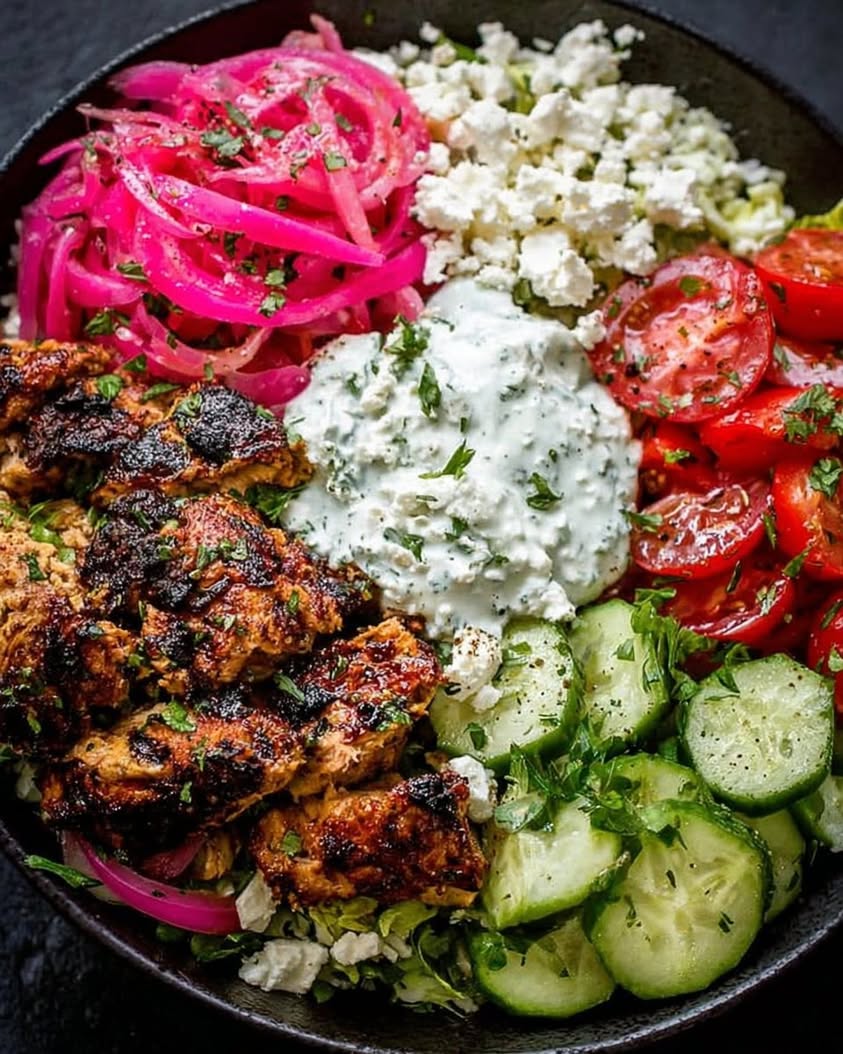
Loaded Mediterranean Chicken Power Bowl: Tzatziki & Feta Bliss
This Loaded Mediterranean Chicken Power Bowl delivers a symphony of fresh flavors and wholesome ingredients that will transform your weeknight dinner routine. The combination of tender, herb-marinated chicken sits atop a bed of fluffy quinoa or couscous, surrounded by crisp cucumbers, juicy cherry tomatoes, briny Kalamata olives, and creamy avocado. A generous drizzle of homemade tzatziki sauce ties everything together, while crumbled feta cheese adds that signature salty tang. This bowl truly represents the best of Mediterranean cuisine, offering a balanced meal that feels both indulgent and nourishing.
When you take your first bite, the cool, refreshing tzatziki sauce mingles with the warm, spiced chicken, creating an irresistible contrast in both temperature and texture. The crunch of fresh vegetables provides a satisfying bite, while the creamy avocado and feta cheese round out the experience with richness. This Loaded Mediterranean Chicken Power Bowl is more than just a meal; it is a celebration of colors, aromas, and flavors that transport you straight to a sun-drenched Greek island. Whether you meal prep for the week or serve it for a casual dinner party, this bowl earns its place as a staple in your recipe collection.
What makes this bowl truly special is its incredible versatility and ease of preparation. You can customize it with whatever vegetables you have on hand, adjust the spice level to your liking, or swap the protein for grilled shrimp or roasted chickpeas. The entire dish comes together in about 35 minutes, making it perfect for busy weeknights when you crave something healthy but lack the time for complicated cooking. Each component builds upon the next, resulting in a cohesive bowl that satisfies every craving you have for something bright, hearty, and deeply flavorful.
Quick Recipe Highlights
- Flavor Profile: This bowl delivers a bright and tangy experience with herbaceous notes from oregano and mint, savory depth from the seasoned chicken, and a creamy, cooling finish from the tzatziki sauce. The saltiness of feta cheese and olives balances the natural sweetness of tomatoes and bell peppers.
- Texture: You get a wonderful interplay of textures starting with the tender, juicy chicken pieces. The crisp cucumbers and crunchy bell peppers add freshness, while the creamy avocado and soft feta provide richness. The tzatziki sauce brings a smooth, velvety element that ties every bite together.
- Aroma: As the chicken hits the hot grill or pan, the aroma of garlic, oregano, and lemon fills your kitchen with an inviting Mediterranean scent. The fresh dill and mint in the tzatziki sauce add an herbaceous lift, while the feta cheese contributes a pleasant, tangy dairy note.
- Visual Appeal: This bowl is a feast for the eyes with its vibrant palette of deep green cucumbers, bright red tomatoes, purple olives, white feta crumbles, and golden-brown chicken sitting atop fluffy grain. The white tzatziki sauce drizzled artfully across the top creates a beautiful, appetizing presentation.
- Skill Level Needed: Anyone from a beginner cook to an experienced home chef can prepare this bowl successfully. The techniques involved are straightforward, including basic knife skills for chopping vegetables and simple grilling or pan-searing for the chicken. No advanced culinary skills are required.
- Special Equipment: You need a good chef knife for chopping vegetables, a cutting board, a mixing bowl for the marinade and tzatziki, a grill pan or large skillet for cooking the chicken, and measuring spoons. A box grater works well for preparing the cucumber for tzatziki.
Recipe Overview
- Difficulty Level: This recipe earns an “Easy” rating because it involves simple techniques that most home cooks can master quickly. The steps are straightforward, requiring no complicated cooking methods like braising or tempering. You simply marinate the chicken, cook it, chop the vegetables, and assemble the bowl. Even making the tzatziki sauce from scratch involves only mixing ingredients together. The biggest challenge might be timing everything to finish at once, but with a little planning, it becomes effortless.
- Category: This dish fits perfectly into several meal categories including main course salads, grain bowls, and healthy weeknight dinners. It also serves wonderfully as a meal prep option because the components store well separately. You could even serve smaller portions as a hearty appetizer or side dish for a Mediterranean-themed dinner party.
- Cuisine: The cuisine draws heavily from Greek and broader Mediterranean culinary traditions. The use of olive oil, lemon, garlic, oregano, and mint reflects classic Greek flavors. The tzatziki sauce is a staple in Greek cuisine, while the combination of grains, vegetables, and protein in a bowl format has Middle Eastern and Israeli influences. This fusion creates a contemporary dish rooted in ancient food traditions.
- Cost: This Loaded Mediterranean Chicken Power Bowl is quite budget-friendly considering the nutrient density and flavor it provides. Chicken thighs or breasts are relatively affordable protein options. The vegetables like cucumbers, tomatoes, and bell peppers are inexpensive, especially when in season. Feta cheese and olives add a bit more cost but a little goes a long way. You likely already have garlic, lemon, and dried herbs in your pantry. Overall, you can expect to spend around 15 to 20 dollars for four generous servings.
- Season: While this bowl works beautifully year-round, it truly shines during the spring and summer months when fresh produce is at its peak. Cucumbers, tomatoes, and bell peppers taste best from late spring through early fall. The lightness and freshness of the bowl make it especially appealing on warm days when heavy meals feel unappealing. That said, the hearty grain base also makes it satisfying enough for a lighter winter meal when you crave a taste of sunshine.
- Occasion: This bowl suits a wide range of occasions from casual family dinners to healthy lunch meal prep. It also impresses at potlucks and summer barbecues because it travels well and looks stunning on a buffet table. For a special date night dinner, you can plate it elegantly in wide, shallow bowls. It also works as a post-workout meal thanks to its balanced protein and carbohydrate content.
Why You’ll Love This Recipe
The taste and texture appeal of this Loaded Mediterranean Chicken Power Bowl is absolutely undeniable. Each bite offers a new combination of flavors, from the savory, herb-crusted chicken to the cool, creamy tzatziki and the briny pop of olives. The freshness of the vegetables cuts through the richness of the feta and avocado, creating a perfectly balanced mouthfeel. You will find yourself craving this bowl not just for its health benefits but for the sheer pleasure it delivers to your taste buds. The contrast between warm and cold elements keeps every forkful interesting and satisfying.
The convenience and preparation benefits make this recipe a lifesaver for busy individuals. You can prepare the tzatziki sauce and chop most vegetables up to two days in advance, storing them separately in airtight containers. The chicken marinade takes only five minutes to whisk together, and the chicken cooks in under fifteen minutes. Assembly takes about two minutes per bowl once all components are ready. This means you can enjoy a restaurant-quality meal at home with minimal effort on busy weeknights. The cleanup is also minimal since you use mostly one cutting board, one skillet, and a few bowls.
The nutritional advantages of this bowl are substantial and well-documented. Chicken provides lean protein essential for muscle repair and satiety. The quinoa or brown rice base offers complex carbohydrates and fiber that keep you full and energized. Vegetables deliver a rainbow of vitamins, minerals, and antioxidants that support overall health. The olive oil and avocado provide heart-healthy monounsaturated fats, while Greek yogurt in the tzatziki offers probiotics and calcium. Feta cheese adds calcium and protein with a lower fat content than many other cheeses. This bowl truly represents a complete, balanced meal in a single dish.
The social and entertaining value of this bowl cannot be overstated. When you serve this dish to guests, the vibrant colors and beautiful presentation immediately impress. You can set up a “build-your-own-bowl” bar with all components laid out separately, allowing everyone to customize their meal according to preference. This interactive dining experience encourages conversation and creates memorable moments around the table. The bowls also photograph beautifully for social media, making them popular for food bloggers and home cooks alike. Your guests will think you spent hours preparing this meal, but you will know how simple it truly was.
The cost-effectiveness and accessibility of ingredients make this recipe accessible to almost everyone. Chicken thighs are one of the most affordable protein options available, and you can often find them on sale. The vegetables required are common grocery store staples that most people already have or can easily find. Feta cheese and olives are widely available in any supermarket. The spices and herbs are pantry basics that you can use for countless other recipes. This Loaded Mediterranean Chicken Power Bowl proves that eating healthy, delicious food does not have to break the bank or require a trip to a specialty grocery store.
Historical Background and Cultural Significance
The concept of grain bowls, while trendy today, has deep roots in traditional Mediterranean eating patterns. Ancient Greeks and Romans regularly ate meals combining grains, vegetables, and proteins in simple preparations that maximized nutrition and flavor. The Mediterranean diet, which this bowl exemplifies, was first documented in the 1960s by researchers studying the eating habits of people in Greece, Italy, and Crete. They discovered that these populations enjoyed remarkably low rates of heart disease despite consuming relatively high amounts of fat from olive oil and fish. This bowl carries forward that ancient wisdom into a modern, convenient format.
Each component of this bowl holds cultural significance in Mediterranean countries. Tzatziki sauce, for example, has been a staple of Greek cuisine for centuries, originally created to cool the palate during hot summers and to accompany grilled meats. Feta cheese, which dates back to Homeric times in Greece, is one of the oldest cheeses in recorded history and holds Protected Designation of Origin status in the European Union. The use of olives and olive oil connects directly to ancient agricultural practices that shaped Mediterranean civilization. Together, these elements tell a story of tradition, resourcefulness, and culinary excellence passed down through generations.
The evolution of this recipe reflects broader changes in how people approach food and nutrition. In recent years, the rise of meal prep culture and the popularity of macro-counting have made bowl-based meals increasingly mainstream. However, the combination of protein, grains, and vegetables in a single dish is nothing new. Mediterranean home cooks have been creating similar “composed salads” and “platter meals” for centuries. What changed is the presentation and marketing, which transformed these humble home-cooked meals into trendy restaurant offerings. This recipe bridges that gap, bringing restaurant style into your home kitchen.
Regional variations of this bowl exist throughout the Mediterranean basin. In Turkey, you might find a version called “bolt” that uses bulgur wheat and yogurt sauce. In Lebanon, similar bowls feature tabbouleh, hummus, and grilled halloumi cheese instead of feta. In Israel, sabich bowls combine fried eggplant, hard-boiled eggs, and tahini sauce with fresh vegetables. These regional variations all share the same fundamental structure: a grain base topped with protein, vegetables, and a flavorful sauce. Understanding these variations helps you appreciate the diversity within Mediterranean cuisine and inspires you to experiment with different flavor combinations in your own kitchen.
Ingredient Deep Dive
Chicken serves as the primary protein source in this bowl, and its cultural significance spans virtually every cuisine worldwide. In Mediterranean cooking, chicken plays a starring role in festivities and everyday meals alike because it is versatile, affordable, and takes well to bold flavors. Nutritionally, chicken provides high-quality complete protein containing all essential amino acids your body needs. It also supplies B vitamins, particularly niacin and B6, which support energy metabolism and brain function. When selecting chicken for this recipe, look for boneless, skinless thighs for maximum moisture and flavor, though breasts work well if you prefer leaner meat. Store raw chicken in the refrigerator for up to two days before cooking, or freeze it for up to three months. For substitution, you can use turkey cutlets, pork tenderloin, or firm tofu for a vegetarian option.
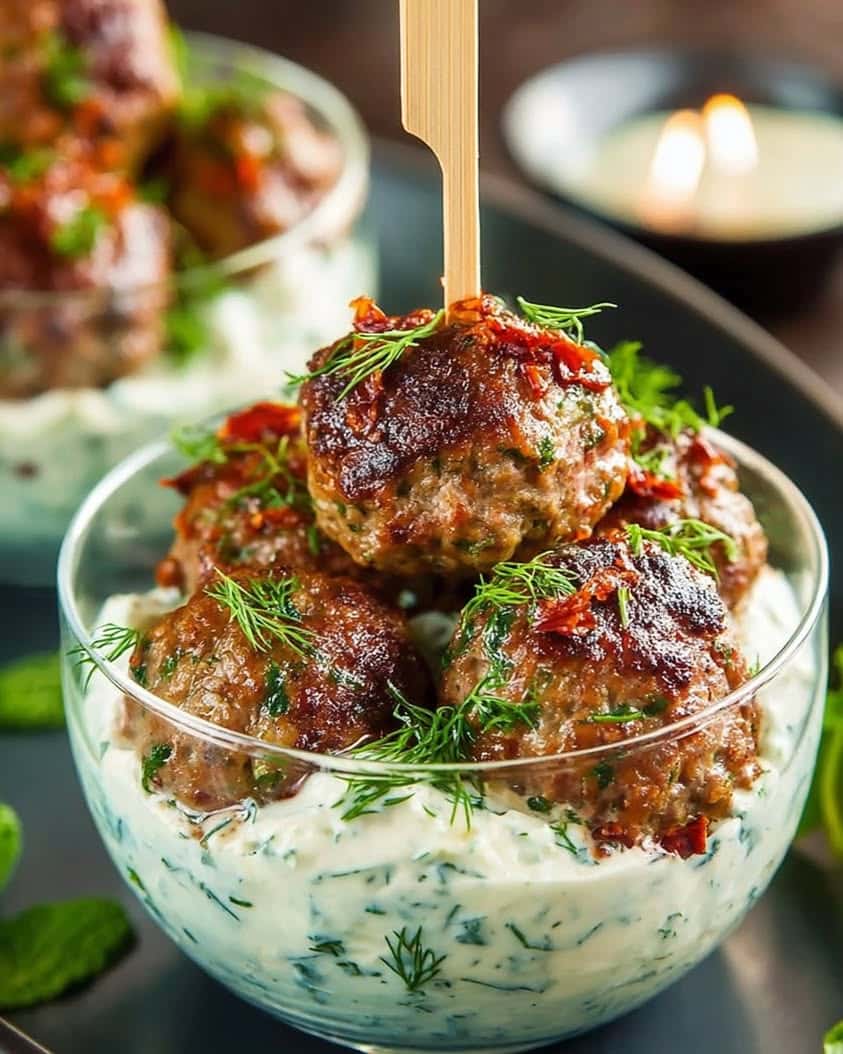
Tzatziki sauce represents the soul of Greek cuisine with its cooling, creamy character that balances bold Mediterranean flavors. This sauce originated as a way to preserve yogurt and utilize abundant garden cucumbers during summer months. The cultural importance of tzatziki extends beyond Greece into Turkey, Cyprus, and the Balkans, where similar sauces appear under different names. Nutritionally, Greek yogurt provides probiotics that support gut health, along with protein and calcium. Cucumbers add hydration and a small amount of vitamin K. When selecting ingredients for tzatziki, choose full-fat Greek yogurt for the creamiest texture, and English cucumbers or Persian cucumbers because they have fewer seeds and thinner skins. Store prepared tzatziki in an airtight container in the refrigerator for up to five days. For a dairy-free alternative, use coconut yogurt or cashew-based yogurt.
Feta cheese brings a distinctive salty, tangy flavor that defines many Mediterranean dishes. This brined curd white cheese originated in Greece over 6,000 years ago and remains deeply tied to Greek cultural identity. Traditional feta comes from sheep’s milk or a mixture of sheep’s and goat’s milk, giving it a rich, slightly gamey flavor that cow’s milk feta lacks. Nutritionally, feta contains more calcium and less fat than many other cheeses, making it a relatively healthy choice. When selecting feta, look for blocks stored in brine rather than pre-crumbled varieties, which tend to be drier and less flavorful. Store feta in its brine in the refrigerator for up to two weeks after opening. For substitution, you can use goat cheese, ricotta salata, or even firm tofu marinated in salt and lemon juice.
Quinoa or couscous forms the hearty base of this bowl, providing essential carbohydrates and fiber. Quinoa originates from the Andean region of South America, where it has been cultivated for over 5,000 years as a sacred crop for the Inca civilization. Despite its South American origins, quinoa has become a staple in Mediterranean-inspired cooking because of its nutty flavor and excellent nutritional profile. It contains all nine essential amino acids, making it a complete protein source rare among plant foods. Couscous, meanwhile, comes from North Africa and is made from semolina wheat, traditionally steamed over stews to absorb their flavors. Both options provide complex carbohydrates that release energy slowly throughout the day. When selecting quinoa, opt for pre-rinsed varieties to avoid bitterness, and store dry grains in an airtight container for up to one year. For substitution, use farro, brown rice, bulgur wheat, or even cauliflower rice for a low-carb option.
Fresh vegetables including cucumbers, cherry tomatoes, bell peppers, and red onions contribute the bright, crunchy elements that make this bowl so refreshing. Cucumbers have been cultivated for over 3,000 years, originating in India and spreading throughout the ancient world. They consist of about 95% water, making them incredibly hydrating and low in calories. Cherry tomatoes provide lycopene, a powerful antioxidant linked to reduced risk of certain cancers and heart disease. Bell peppers offer more vitamin C than oranges, along with vitamin A and various B vitamins. Red onions contain quercetin, another antioxidant with anti-inflammatory properties. When selecting vegetables, choose firm, unblemished specimens that feel heavy for their size. Store vegetables separately in the refrigerator’s crisper drawer, and wash them only right before using to prevent premature spoilage.
Common Mistakes to Avoid
- Overcooking the chicken results in dry, tough meat that ruins the entire bowl experience. Use a meat thermometer to ensure the internal temperature reaches 165 degrees Fahrenheit, then remove from heat immediately. Let the chicken rest for five minutes before slicing to allow juices to redistribute.
- Skipping the salt in the tzatziki sauce leads to bland, watery results. Salt helps draw moisture from the grated cucumber and seasons the yogurt properly. Add salt gradually, tasting as you go, until the flavors pop without becoming overly salty.
- Not draining the cucumber properly for tzatziki creates a thin, runny sauce that waters down your bowl. After grating the cucumber, place it in a clean kitchen towel and squeeze firmly to remove as much liquid as possible. This step ensures a thick, creamy tzatziki that clings to the other ingredients.
- Using pre-shredded feta cheese results in dry, crumbly cheese lacking the creamy texture of fresh feta. Buy blocks of feta stored in brine and crumble it yourself just before serving for the best flavor and texture.
- Overdressing the bowl with tzatziki or olive oil makes everything soggy and muddles the flavors. Start with a modest drizzle and add more as needed. You can always add more sauce, but you cannot remove it once it is mixed in.
- Cooking the grains too far in advance without proper storage leads to dry, clumpy grains that lack appeal. If you cook grains ahead of time, store them in an airtight container with a damp paper towel on top to maintain moisture. Reheat them with a splash of water or broth before assembling your bowls.
- Neglecting to season the chicken adequately results in bland meat that fails to complement the other flavorful components. Marinate the chicken for at least 30 minutes, or up to 8 hours, using plenty of garlic, oregano, lemon, salt, and olive oil.
- Cutting vegetables too far in advance causes them to lose their crispness and develop off-flavors. Chop vegetables no more than one day ahead and store them in separate containers. Cut avocado right before serving to prevent browning.
- Using low-quality olive oil diminishes the flavor of the entire dish because olive oil is a key flavor component. Choose extra-virgin olive oil with a peppery, fruity profile for the best results. This oil adds richness and complexity that cheap oils cannot replicate.
- Skipping the resting period after cooking the chicken leads to dry slices that lack juiciness. Resting allows the juices to settle within the meat fibers rather than running out onto your cutting board. Cover the chicken loosely with foil during the rest period.
Essential Techniques
Marinating the chicken properly is crucial for infusing flavor throughout the meat. Combine olive oil, lemon juice, minced garlic, dried oregano, salt, and pepper in a bowl, then add the chicken pieces and turn to coat thoroughly. The acid in the lemon juice helps tenderize the meat while the oil carries the fat-soluble flavors from the herbs and garlic. Allow the chicken to marinate at room temperature for at least 30 minutes, but no more than two hours, because prolonged acid exposure can make the exterior mushy. If you plan ahead, you can marinate the chicken in the refrigerator for up to eight hours, then remove it 20 minutes before cooking to take the chill off. You know the marinade has done its job when the chicken looks evenly coated and the herbs stick to the surface.
Grilling or pan-searing the chicken requires attention to heat management for optimal results. Preheat your grill or skillet over medium-high heat until it is hot enough that water droplets dance on the surface. Place the chicken pieces in a single layer without crowding the pan, which would cause steaming instead of searing. Cook for about five to seven minutes per side, depending on thickness, until the chicken develops a golden-brown crust and reaches an internal temperature of 165 degrees Fahrenheit. Resist the urge to move the chicken around during cooking, as this prevents proper browning. You know you have achieved a good sear when the chicken releases easily from the pan and displays deep caramelization on the surface.
Preparing the tzatziki sauce requires attention to moisture management for a thick, creamy result. Start by grating the cucumber on the large holes of a box grater, then transfer the shreds to a clean kitchen towel. Gather the towel into a bundle and squeeze firmly over the sink to extract as much liquid as possible, which can be up to half the volume. Combine the drained cucumber with Greek yogurt, minced garlic, fresh dill or mint, lemon juice, salt, and a drizzle of olive oil. Stir gently to combine, then taste and adjust seasoning as needed. For the best flavor, let the tzatziki rest in the refrigerator for at least 30 minutes before serving, allowing the flavors to meld together. You know the tzatziki is perfect when it has a thick, spoonable consistency and a bright, tangy flavor that makes you want to eat it straight from the bowl.
Assembling the bowl requires thoughtful layering for the best eating experience. Start with a generous bed of cooked quinoa or couscous in the bottom of a wide, shallow bowl. This grain base provides a stable foundation that absorbs some of the sauce and adds substance to every bite. Arrange the sliced chicken on one side of the bowl, then artfully place the chopped vegetables around it in small piles for visual appeal. Drizzle the tzatziki sauce over the top in a zigzag pattern, then finish with a generous sprinkle of crumbled feta cheese and a few Kalamata olives. Add a final drizzle of olive oil and a squeeze of fresh lemon juice just before serving to brighten all the flavors. You know the bowl is perfectly assembled when every ingredient is visible and accessible, inviting you to take a bit of everything in each forkful.
Pro Tips for Perfect Loaded Mediterranean Chicken Power Bowl
For the juiciest chicken possible, use boneless, skinless thighs instead of breasts. Thighs contain more fat, which keeps them moist during cooking and adds richer flavor to your Loaded Mediterranean Chicken Power Bowl. If you prefer white meat, look for air-chilled chicken breasts and avoid overcooking them at all costs.
Toast your quinoa in a dry skillet for two minutes before cooking to enhance its nutty flavor. This simple step adds a depth of flavor that makes the grain base more interesting and complements the other ingredients beautifully. You can also toast couscous with a little butter or oil for similar results.
Make extra tzatziki sauce because you will want to use it for other meals throughout the week. It makes a fantastic dip for vegetables, a spread for sandwiches and wraps, or a sauce for grilled fish and lamb. The tzatziki keeps well for up to five days in the refrigerator.
Warm your grain base slightly before assembling the bowl to create a pleasant temperature contrast with the cold vegetables and tzatziki. If the grains are cold from the refrigerator, microwave them for 30 to 45 seconds or run them under hot water in a colander. This simple step elevates the entire eating experience.
Cut your vegetables into uniform pieces about half an inch in size for the best eating experience. Consistent cuts ensure that every forkful contains a balanced mix of ingredients and that the bowl looks professional and appealing. Size consistency also helps with portion control.
Add a pinch of sumac or zaatar spice blend to the chicken marinade for an authentic Middle Eastern twist. These spices add a tangy, earthy flavor that complements the other Mediterranean ingredients perfectly. Sumac has a lemony quality that enhances the overall brightness of the dish.
Let the assembled bowl rest for two minutes before serving to allow the flavors to meld together. This brief rest period lets the warm grains slightly warm the cold ingredients and allows the tzatziki to begin coating everything. The result is a more cohesive and flavorful bowl.
Variations and Adaptations
Regional variations of this bowl offer exciting ways to explore different Mediterranean flavor profiles. In Greek-style bowls, use orzo pasta instead of quinoa and add fresh dill and mint to the vegetables. Lebanese versions might include fattoush salad pieces, sumac-seasoned chicken, and a tahini dressing instead of tzatziki. Turkish-style bowls could feature bulgur wheat, spicy red pepper flakes, and a yogurt sauce with dried mint. Each regional variation maintains the core structure of protein, grain, vegetables, and sauce while offering a completely different taste experience. Experimenting with these regional styles helps you understand the diversity within Mediterranean cuisine.
Seasonal adaptations allow you to enjoy this bowl year-round using the freshest available produce. In spring, add fresh peas, asparagus spears, and radishes for a lighter, greener version. Summer abundance brings sweet corn, grilled zucchini, and heirloom tomatoes that burst with flavor. Autumn versions can incorporate roasted butternut squash, pomegranate seeds, and toasted pumpkin seeds for warmth and crunch. Winter bowls might feature roasted root vegetables, citrus segments, and a drizzle of pomegranate molasses for brightness. Adapting the produce to the seasons ensures peak flavor and nutritional value while keeping the recipe interesting throughout the year.
Dietary modifications make this Loaded Mediterranean Chicken Power Bowl accessible to various eating preferences. For a gluten-free version, use quinoa or certified gluten-free rice and verify all ingredients including spices and yogurt. Dairy-free eaters can substitute the tzatziki with a cashew-based cream sauce or simply use extra olive oil and lemon juice, while omitting the feta cheese. Vegetarians can replace the chicken with roasted chickpeas, grilled halloumi, or marinated and grilled portobello mushrooms. Each modification maintains the spirit of the original recipe while accommodating specific dietary needs without sacrificing flavor or satisfaction.
Flavor variations invite you to customize the bowl to your personal preferences. For a spicier version, add red pepper flakes to the chicken marinade and serve with harissa paste on the side. Smoky flavors come from using smoked paprika in the marinade and roasting the vegetables on the grill. For a more citrus-forward bowl, increase the lemon juice and add preserved lemon peel to the grain base. Fresh herbs like basil, cilantro, or parsley can replace the dill and mint for different aromatic profiles. These flavor variations keep the recipe from becoming boring and allow you to create something new each time you make it.
Texture modifications change the mouthfeel and eating experience of the bowl. For extra crunch, add toasted pine nuts, slivered almonds, or crushed pita chips on top. Creaminess can be increased by adding a scoop of hummus or baba ganoush alongside the tzatziki. For a more substantial bowl, double the grain portion or add roasted chickpeas for protein and crunch. If you prefer a softer texture, dice the cucumbers smaller and let the bowl sit for a few minutes before serving so the juices meld together. These texture adjustments allow you to tailor the bowl exactly to your preferences.
Presentation alternatives transform this bowl into different serving formats suitable for various occasions. For a party appetizer, serve the components separately in small bowls and let guests build their own mini portions. As a wrap, spoon the filling into warm pita bread or large lettuce leaves for a portable meal. For a salad version, chop everything into smaller pieces and toss with extra dressing. Deconstructed versions work well for meal prep, where you store components in separate containers and assemble fresh each day. Each presentation format offers a different way to enjoy the same delicious flavors.
Serving and Presentation Guide
Plating techniques for this Loaded Mediterranean Chicken Power Bowl focus on creating visual appeal through thoughtful arrangement. Use wide, shallow bowls to show off the colorful ingredients rather than deep bowls that hide them. Start with the warm grain base spread evenly across the bottom, then arrange the sliced chicken in a fan pattern on one side. Place the vegetables in small, distinct piles around the bowl, grouping colors together for contrast. Drizzle the tzatziki sauce artfully across the top in a zigzag or spiral pattern rather than pouring it all in one spot. Finish with a sprinkle of feta cheese and a few olives strategically placed for pops of color.
Garnishing ideas elevate the presentation and add fresh flavor just before serving. A sprinkle of fresh dill, mint, or parsley adds a pop of green and enhances the Mediterranean aroma. A light dusting of sumac or zaatar over the top adds a beautiful red-brown color and tangy flavor. Thin lemon slices arranged on the side of the bowl provide both visual appeal and the option for extra citrus. Edible flowers like nasturtiums or borage blossoms add a touch of elegance for special occasions. Keep garnishes simple and purposeful, adding flavor and beauty without overwhelming the dish.
Traditional accompaniments for this bowl include warm pita bread or crusty bread for sopping up extra tzatziki and juices. A simple Greek salad of tomatoes, cucumbers, olives, and feta served on the side makes for an even more substantial meal. Grilled lemon halves add a beautiful presentation element and allow diners to add extra acidity as desired. Roasted vegetables like eggplant or peppers make excellent side dishes that complement the bowl’s flavors. For a complete Mediterranean feast, start with a bowl of lentil soup or hummus with pita chips before serving the main bowl.
Modern serving suggestions update this classic bowl for contemporary dining trends. Serve the bowl in a half-avocado shell for a low-carb, Instagram-worthy presentation that is popular on social media. For a deconstructed version, arrange all ingredients on a large wooden board or platter family-style for sharing. Individual mason jar salads layered with dressing on the bottom and grains on top make excellent grab-and-go lunches. For a warm weather meal, serve the components chilled and create a cold salad version. These modern twists keep the recipe feeling fresh and relevant for today’s home cooks.
Temperature considerations are important for the best eating experience. Serve the chicken and grains warm or at room temperature for maximum flavor and texture. The vegetables and tzatziki should be cold from the refrigerator to provide a refreshing contrast. If you plan to serve the bowls later, keep components separate and assemble just before eating to maintain temperature differences. Avoid serving the entire bowl hot because the cold ingredients will warm up and lose their refreshing quality. The contrast between warm and cold elements is what makes this bowl so satisfying.
Portion control tips help you create balanced, satisfying servings every time. Use a food scale or measuring cups to portion grains, using about one cup cooked per serving. Aim for four to six ounces of cooked chicken per person for a protein-rich main dish. Vegetable portions should total about one and a half cups per serving, providing bulks and nutrients without excess calories. Drizzle tzatziki sparingly, using about two to three tablespoons per bowl to add flavor without overwhelming the other ingredients. These portion guidelines create a well-balanced meal that satisfies hunger without overeating.
Wine and Beverage Pairing
Wine pairings for this Loaded Mediterranean Chicken Power Bowl should complement the bright, herbaceous flavors without overpowering them. A crisp, unoaked Sauvignon Blanc from New Zealand or the Loire Valley works beautifully, with its grassy notes echoing the fresh herbs in the dish. Greek Assyrtiko wine offers high acidity and mineral notes that cut through the creamy tzatziki and refresh the palate between bites. For red wine lovers, a light-bodied Pinot Noir from Oregon or a young Beaujolais provides enough fruit to match the tomatoes without overwhelming the chicken. Rosé wines, particularly dry Provencal styles, offer the perfect middle ground with their refreshing acidity and subtle fruit flavors that complement every component of the bowl.
Non-alcoholic alternatives provide excellent options for those who prefer not to drink wine. Sparkling water with a splash of pomegranate or lemon juice makes a festive, palate-cleansing beverage that mirrors the acidity in the dish. Iced herbal teas like hibiscus or mint tea offer refreshing, flavorful options that cool the palate. A classic Greek frappe made with instant coffee, sugar, and milk provides a caffeinated option with Mediterranean flair. For a sophisticated mocktail, shake together pomegranate juice, lime juice, simple syrup, and soda water over ice for a vibrant drink that complements the bowl’s colors and flavors.
Coffee and tea pairings work well for brunch or lunchtime servings of this bowl. A strong, dark Greek coffee served with a glass of cold water on the side provides a traditional pairing that cleanses the palate. Iced green tea with mint offers a refreshing, low-caffeine option that echoes the fresh herbs in the dish. For a more indulgent pairing, a cappuccino made with full-fat milk provides creamy notes that complement the tzatziki and feta cheese. Avoid overly sweet coffee drinks that might clash with the savory, tangy flavors of the bowl.
Temperature considerations for beverages should match the serving temperature of the bowl. Serve white wines and rosés well-chilled between 45 and 50 degrees Fahrenheit to preserve their refreshing qualities. Red wines benefit from slight chilling, around 55 to 60 degrees Fahrenheit, especially on warm days when the bowl might be served. Non-alcoholic beverages should be served over ice or well-chilled to provide maximum refreshment. Avoid room-temperature beverages that will not provide the cooling contrast that makes this bowl so enjoyable on warm days.
Serving suggestions for beverages include offering a choice of two or three options to accommodate different preferences. For dinner parties, set up a small beverage station with wine, sparkling water, and a non-alcoholic option so guests can choose freely. Serve wine in appropriate stemware to enhance the drinking experience, with white wines in smaller bowls to preserve chill and red wines in larger bowls to allow for aeration. Provide coasters to protect surfaces from condensation on cold drinks. These small touches elevate the overall dining experience and show attention to detail.
Storage and Shelf Life
Proper storage methods ensure your Loaded Mediterranean Chicken Power Bowl components remain fresh and safe to eat. Store each component separately in airtight containers to maintain their individual textures and prevent sogginess. Cooked chicken keeps for three to four days in the refrigerator when stored in a shallow container that allows for even cooling. The grain base stays fresh for up to five days, though it may dry out slightly over time. Fresh vegetables last about three days after being cut, so chop them no more than one day ahead for best results. Tzatziki sauce has the shortest shelf life at about five days because of the fresh cucumber and yogurt, though it rarely lasts that long because it is so delicious.
Temperature requirements for food safety demand that all perishable components remain at refrigerator temperatures below 40 degrees Fahrenheit. Cool cooked chicken and grains to room temperature within two hours of cooking before refrigerating, but do not leave them out longer. Place hot foods in shallow containers to speed cooling, dividing large batches into smaller portions if necessary. When transporting the bowl components for lunch or a picnic, use an insulated bag with ice packs to maintain safe temperatures. Never leave assembled bowl components at room temperature for more than two hours, or one hour if the ambient temperature exceeds 90 degrees Fahrenheit.
Container recommendations focus on maintaining freshness and preventing cross-contamination. Use glass containers with Print
Loaded Mediterranean Chicken Power Bowl with Tzatziki & Feta
- Total Time: 45 minutes
- Yield: 4
Description
A hearty and healthy bowl packed with marinated grilled chicken, fresh veggies, quinoa, creamy tzatziki, and tangy feta cheese.
Ingredients
- 1 lb boneless skinless chicken breasts
- 2 tbsp olive oil
- 2 tbsp lemon juice
- 2 cloves garlic, minced
- 1 tsp dried oregano
- 1/2 tsp salt
- 1/4 tsp black pepper
- 1 cup quinoa, rinsed
- 2 cups water or chicken broth
- 1 cucumber, diced
- 1 pint cherry tomatoes, halved
- 1/2 red onion, thinly sliced
- 1/2 cup Kalamata olives, halved
- 1/2 cup crumbled feta cheese
- 1/2 cup tzatziki sauce
- Fresh parsley for garnish
Instructions
- In a bowl, whisk together olive oil, lemon juice, garlic, oregano, salt, and pepper. Add chicken and marinate for at least 30 minutes.
- While chicken marinates, cook quinoa: combine quinoa and water in a saucepan, bring to a boil, reduce heat, cover, and simmer for 15 minutes. Fluff with a fork.
- Grill chicken over medium-high heat for 6-7 minutes per side until cooked through. Let rest for 5 minutes, then slice.
- Assemble bowls: divide quinoa among bowls, top with sliced chicken, cucumber, tomatoes, red onion, olives, and feta.
- Drizzle with tzatziki sauce and garnish with fresh parsley. Serve immediately.
Notes
You can customize the seasonings to taste. For extra heat, add a pinch of red pepper flakes to the marinade.
- Prep Time: 15 minutes
- Cook Time: 30 minutes
- Method: Main
- Cuisine: Mediterranean