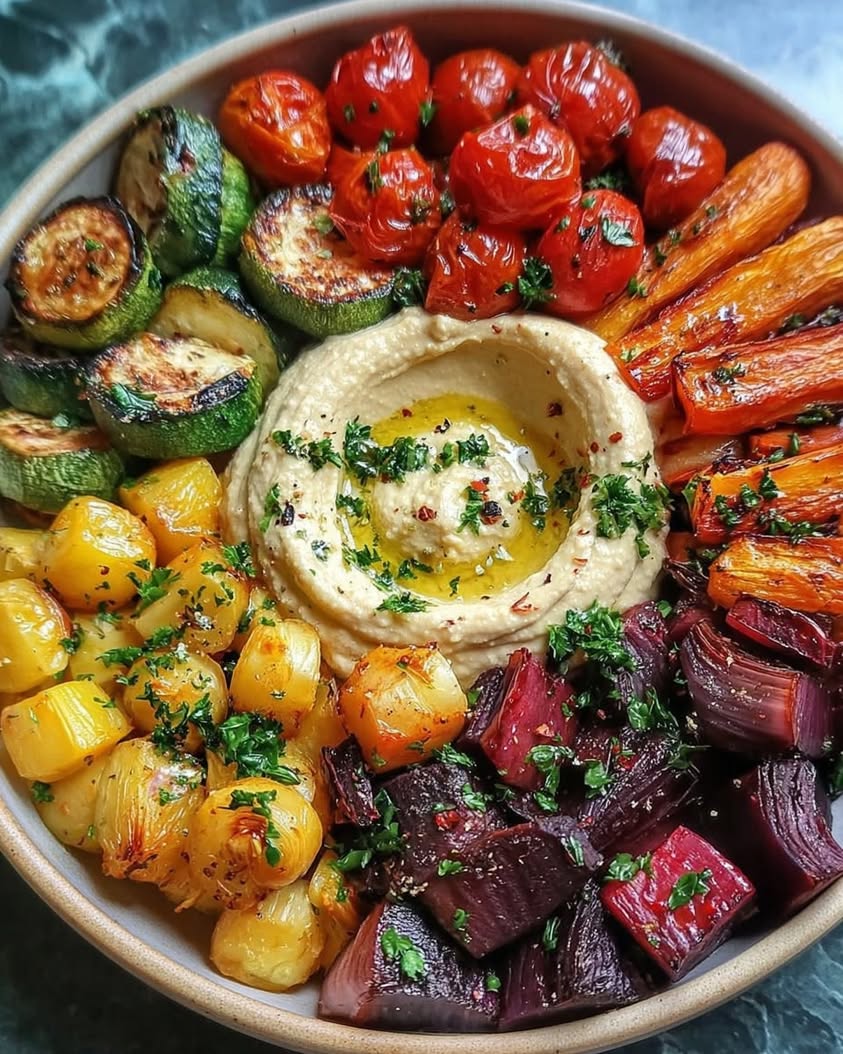
Your Ultimate Guide to a Delicious Roasted Veggie and Hummus Bowl
Imagine a bowl brimming with caramelized, tender vegetables, a generous swoop of creamy hummus, and a sprinkle of crunchy seeds. That is the magic of a perfectly crafted roasted veggie and hummus bowl. This meal is more than just lunch, it is a vibrant celebration of simple, wholesome ingredients. The process of roasting brings out the natural sweetness in vegetables, creating a depth of flavor that is both satisfying and incredibly versatile. You will find that this bowl works for a quick weeknight dinner, a meal-prep powerhouse, or an impressive dish for guests.
Building your own roasted veggie and hummus bowl is a journey of textures and tastes. You start with a blank canvas of warm, roasted vegetables like sweet potatoes and bell peppers. Then, you add a generous layer of cool, velvety hummus. A final flourish of fresh herbs, a squeeze of lemon, and a drizzle of good olive oil brings everything together. It is a balanced meal that feels both nourishing and indulgent. You control the spice, the crunch, and the toppings, making it a personal creation every single time.
Quick Recipe Highlights
- Flavor Profile: This bowl offers a beautiful contrast. The vegetables become deeply sweet and savory with caramelized edges. The hummus provides a cool, tangy, and creamy counterpoint. Together, they create a perfectly balanced savory experience with hints of garlic and cumin.
- Texture: You get a satisfying medley of textures. The roasted veggies are tender with slightly crispy, browned bits. The hummus is smooth and luxurious. Adding toppings like toasted pine nuts or crunchy chickpeas introduces a wonderful, satisfying crunch.
- Aroma: The smell of roasting vegetables fills your kitchen with a warm, earthy fragrance. The garlic and cumin in the hummus add an aromatic, slightly spicy note. A final squeeze of fresh lemon brightens the entire olfactory experience.
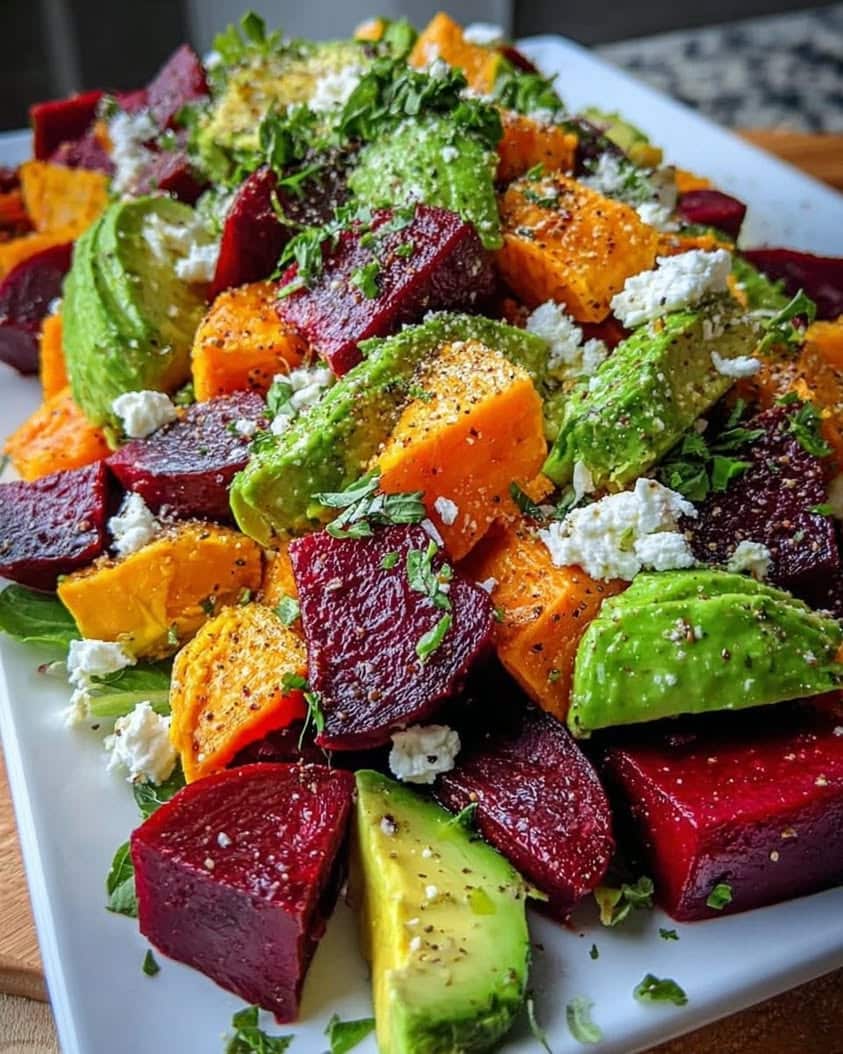
- Visual Appeal: This bowl is a feast for the eyes. You see the rich colors of roasted red peppers, orange sweet potatoes, and green broccoli. A swirl of pale beige hummus provides a beautiful backdrop. Bright green parsley or cilantro adds a final pop of vibrant color.
- Skill Level Needed: This recipe is perfect for beginners. You need basic knife skills for chopping vegetables. The prep work is straightforward, and the oven does most of the heavy lifting. It is a simple, forgiving, and very rewarding recipe to master.
- Special Equipment: A large baking sheet is the most important tool. You need a good chef’s knife for cutting vegetables. A food processor makes homemade hummus incredibly easy, but you can use a high-quality store-bought version to save time.
Recipe Overview
- Difficulty Level: We rate this recipe as easy because the techniques are simple. You need to chop vegetables and roast them. The hummus comes together in a blender. There are no complex cooking methods or tricky steps. It is a perfect dish for building confidence in the kitchen and a fantastic entry point for a delicious roasted veggie and hummus bowl.
- Category: This dish is a fantastic main course salad or grain bowl. It also works beautifully as a hearty side dish. You can serve it warm as a comfort food or at room temperature as a lunch option. It fits perfectly into categories like healthy eating, plant-based cooking, and Mediterranean-inspired cuisine.
- Cuisine: The flavor profile is deeply rooted in Middle Eastern and Mediterranean traditions. Hummus is a classic Levantine spread. Roasting vegetables is a technique used across the Mediterranean. This recipe draws inspiration from these healthy, vibrant culinary traditions, combining them into a modern, convenient bowl meal.
- Cost: This meal is very budget-friendly. Vegetables like sweet potatoes, broccoli, and bell peppers are generally inexpensive. Canned chickpeas and tahini are pantry staples that cost very little per serving. The total cost per bowl is likely under five dollars, making it a great choice for affordable, healthy eating.
- Season: While you can enjoy this bowl year-round, it is best from late summer through fall. This is when sweet potatoes, bell peppers, and broccoli are at their peak. The roasted flavors also feel incredibly comforting as the weather turns cooler, making it a perfect transitional dish.
- Occasion: This bowl is perfect for many occasions. It makes a satisfying and healthy lunch to take to work. It is a quick and easy weeknight dinner when you need something fast. It also impresses at a casual dinner party, as everyone can customize their own bowl.
Why You Will Love This Recipe
First, the taste and texture combination is simply irresistible. You get the deep, sweet flavor of roasted vegetables that have been caramelized to perfection. Then, the creamy, tangy hummus provides a cool contrast. Every single bite is a delicious mix of soft, crispy, and smooth textures. It is a genuinely satisfying eating experience that hits all the right notes for a comforting yet healthy meal.
Second, the convenience is unmatched. You can prep all the vegetables in about fifteen minutes. The oven roasts them while you make the hummus or set the table. This hands-off cooking means you can get other things done. It is perfect for a busy weeknight when you want a home-cooked meal without spending an hour standing over the stove. Meal prepping this bowl for the week is also incredibly easy.
Third, the nutritional advantages are a huge win. This bowl is packed with fiber from the vegetables and chickpeas. You get healthy fats from the olive oil and tahini in the hummus. It is also loaded with vitamins, like vitamin A from sweet potatoes and vitamin C from bell peppers. It provides sustained energy and keeps you feeling full and satisfied for hours without being heavy.
Fourth, it has great social and entertaining value. You can set up a bowl bar with all the different toppings and let your guests build their own. It is interactive and fun. It also easily accommodates different dietary needs, like vegan or gluten-free. Everyone leaves happy and full, and you are not stuck in the kitchen all night. It makes for a very relaxed and enjoyable gathering.
Finally, it is incredibly cost-effective and accessible. The ingredients are all common and affordable. You do not need any exotic spices or expensive cuts of meat. It uses pantry staples like canned chickpeas and tahini. This makes it a perfect go-to meal for anyone looking to eat well on a budget. You get a fantastic return on investment for a relatively small amount of money and effort.
Historical Background and Cultural Significance
The hummus at the base of this bowl has ancient roots. There are records of chickpea-based dishes dating back to 13th-century Egypt. It is a cornerstone of Middle Eastern cuisine. For centuries, it has been a staple food shared among families and communities. Its simplicity and nutritional value made it a crucial part of the diet in the Levant region, and it remains a beloved and iconic dish today.
Hummus holds immense cultural importance in countries like Lebanon, Israel, Palestine, and Syria. It is more than just food, it is a symbol of hospitality and tradition. Sharing a plate of hummus is a common gesture of welcome. Families often have their own closely guarded recipes, passed down through generations. It is a source of national pride and a key part of festive meals and everyday life.
The roasted veggie and hummus bowl represents a modern evolution of these traditions. As global cuisine became more popular, people began to explore toppings for hummus. Adding roasted vegetables was a natural progression. It combines the creamy dip with the texture and flavor of cooked vegetables. This transformed a side dish or appetizer into a complete, satisfying main course. It is a perfect example of how food evolves.
Regional variations of this bowl are endless today. You might find a version in California with avocado and sprouts. A Mediterranean version could include olives, feta cheese, and oregano. Some people add spiced ground lamb or zaatar. Others use different roasted vegetables like cauliflower or zucchini. This flexibility shows how one simple concept can be adapted to use local ingredients and suit different palates across the world.
Ingredient Deep Dive
Sweet potatoes are the heart of this bowl. They have a long history in Central and South America, where they have been cultivated for over 5,000 years. They are incredibly rich in beta-carotene, which your body converts into vitamin A. This is essential for good vision and a strong immune system. When selecting sweet potatoes, look for firm, smooth ones without any soft spots or cracks. You should store them in a cool, dark, and well-ventilated place, not in the refrigerator. For a substitution, you can use butternut squash or carrots for a similar sweet, earthy flavor and texture when roasted.
Tahini is a crucial ingredient for a classic hummus. It is a paste made from toasted, ground sesame seeds. It has a rich, nutty, and slightly bitter flavor that is essential to the authentic taste of hummus. Sesame seeds are one of the oldest oilseed crops, domesticated over 3,000 years ago. Tahini is a fantastic source of healthy fats, protein, and calcium. When buying tahini, look for one that is well-stirred and pourable. If the oil has separated, that is normal, just stir it back in. You should store opened tahini in the refrigerator to prevent the oils from going rancid. Cashew butter or sunflower seed butter are not perfect substitutes but can work in a pinch.
Broccoli brings a wonderful, sturdy texture to the bowl. It is a member of the cabbage family and was developed from wild cabbage in the Mediterranean region. It is a nutritional powerhouse, packed with vitamin C, vitamin K, and fiber. It also contains sulforaphane, a compound linked to cancer prevention. When selecting broccoli, look for tight, dark green florets and firm stalks. Avoid any yellowing or soft spots. Store it in a loose plastic bag in the refrigerator. For a substitution, you can use cauliflower or asparagus, which also roast beautifully and have a similar hearty texture.
Common Mistakes to Avoid
- Avery common mistake is crowding the baking sheet. If you pile the vegetables on top of each other, they will steam instead of roast. You need to give them space so the hot air can circulate and create those delicious caramelized edges. Use two baking sheets if necessary to ensure a single layer.
- Another error is not drying the vegetables properly. Washing them adds moisture. If you do not pat them completely dry with a clean towel, they will steam rather than brown. Extra moisture is the enemy of roasting. Take the extra few seconds to make sure they are very dry before you add the oil.
- Many people skip the step of preheating the oven. You need a hot oven for successful roasting. If you put the vegetables into a cold oven, they will cook unevenly. Always wait until the oven has reached the full temperature before you slide the baking sheet in. This initial blast of heat is crucial for that perfect char.
- Failing to season the vegetables adequately is a big missed opportunity. A good pinch of salt and pepper is not enough. Do not be shy with your seasonings. Consider using cumin, coriander, or smoked paprika. The high heat of roasting intensifies flavors, so you need enough seasoning to stand up to the cooking process.
- A frequent issue with hummus is it being too thick or too thin. You need to add ice-cold water slowly while the food processor is running. This helps create an incredibly light and creamy texture. If you add all the water at once, you might end up with a soupy mess. Add a tablespoon at a time until it is perfect.
- Not tasting and adjusting the hummus is a simple mistake. The flavor of tahini and lemon juice can vary. You should taste your hummus after blending and then adjust. You might need more salt, another squeeze of lemon, or an extra clove of garlic. Trust your palate to get it perfectly balanced.
- Overcooking the vegetables is a problem to watch for. Vegetables should be tender and browned, not mushy and blackened. Keep an eye on them in the final minutes of roasting. Different vegetables cook at different rates, so you might need to remove smaller pieces earlier than larger chunks of sweet potato.
- Finally, serving the bowl with cold hummus and hot vegetables can feel disjointed. You should try to bring the hummus to room temperature for the best flavor and texture. Let it sit out for about twenty minutes before serving. This simple step makes the whole experience more cohesive and delicious.
Essential Techniques
Proper roasting technique is the foundation of this bowl. To master it, you need high heat, usually around 425 degrees Fahrenheit. The heat causes the sugars in the vegetables to caramelize, creating deep flavor. You must toss the cut vegetables in oil and seasoning to coat them evenly. This ensures they all brown uniformly. The most important visual cue is seeing deep brown spots form on the edges of the vegetables. That is the Maillard reaction in action, and it is what gives roasted vegetables their signature taste. Do not rush this process, and never stir them too often; let them sit so the heat can do its work. The pitfall is opening the oven door too frequently, which lets out heat and extends the cooking time.
Making a smooth, creamy hummus requires a specific technique. The first step is to process the tahini with lemon juice and garlic first. This initial blend creates a creamy emulsion that is the base. Then, you add the chickpeas. The secret to the smoothest texture is to remove the skins from the chickpeas. This is tedious but leads to a very silky result. More importantly, you must add ice-cold water while blending. The cold liquid aerates the hummus, making it incredibly light and fluffy. The visual cue is when the hummus looks like a thick, smooth cloud and has a pale, creamy color. The common pitfall is adding too much tahini, which can make the hummus taste bitter and grainy.
Perfectly preparing vegetables for roasting is more important than you might think. The goal is to cut all your vegetable pieces to a uniform size. This ensures they all cook at the same rate. For a sweet potato, aim for a one-inch cube. For broccoli, cut the florets into similar-sized pieces. This consistency is key to a well-cooked roasted veggie and hummus bowl. The visual cue is that all the pieces look roughly the same shape and size on the sheet. A common pitfall is cutting vegetables too small, which can cause them to burn before they become tender. Conversely, cutting them too large can result in a raw, hard center.
Pro Tips for Perfect Roasted Veggie and Hummus Bowl
First, you should toss your vegetables in a large bowl with oil and spices rather than drizzling on the sheet. This ensures an even, thorough coating on every single piece. It makes a big difference in the final flavor and color. It is a simple step that takes only a minute but pays off with perfectly seasoned vegetables.
Second, do not peel the sweet potatoes. The skin is edible and full of nutrients. It also helps the cubes hold their shape better during roasting. It adds a nice, slightly chewy texture to the bowl. Just give them a good scrub before you cut them to remove any dirt.
Third, make sure your chickpeas are very well drained for the hummus. You can even let them sit on a paper towel to dry. Too much liquid from the can will make your hummus thin and watery. This seems like a small detail, but it is crucial for achieving that perfect, creamy consistency.
Fourth, you can add a pinch of baking soda to the vegetables. This is an old trick that helps them brown faster. It raises the pH level on the surface of the vegetables, accelerating the Maillard reaction. Use just a tiny pinch, as too much can leave a metallic taste. It is a great pro tip for a deeper color.
Fifth, let your roasted vegetables cool for a few minutes on the baking sheet. This allows the internal steam to finish cooking them. It also helps the caramelized bits release from the pan more easily. Pulling them off too quickly can leave all the delicious brown bits stuck to the tray.
Sixth, you should warm your hummus slightly before serving. You can microwave it gently for fifteen seconds or just let it sit at room temperature. Cold hummus can mute its flavors and make it feel less cohesive with the hot vegetables. A slightly warm hummus is a game-changer for this bowl.
Seventh, finish the bowl with a high-quality extra virgin olive oil. A drizzle on top of the hummus and vegetables adds a final layer of fruity, peppery flavor. It is the single best way to elevate the entire dish. Do not cook with this oil, just use it as a finishing touch.
Eighth, do not skip the fresh herbs. A sprinkle of chopped parsley, cilantro, or mint adds a burst of freshness and color. It cuts through the richness of the hummus and the sweetness of the vegetables. It adds a final, bright note that makes the bowl feel complete.
Variations and Adaptations
Regional variations offer a fun way to explore new flavors. A Middle Eastern version might top the bowl with zaatar, sumac, and a pile of fresh mint leaves. You could also add pickled turnips for a tangy crunch. A Greek version would feature kalamata olives, crumbled feta cheese, and a sprinkle of dried oregano. This variation brings a salty, briny element that contrasts perfectly with the sweet vegetables. Both options are delicious and give you a taste of different culinary traditions.
Seasonal adaptations are a wonderful way to use fresh produce. In the spring, use roasted asparagus, artichoke hearts, and fresh peas. In the summer, try roasted zucchini, summer squash, and cherry tomatoes. For the fall and winter, stick with hearty root vegetables like parsnips, carrots, and beets. This keeps the roasted veggie and hummus bowl fresh and exciting all year long. You can simply swap out the vegetables based on what looks best at your local market.
Dietary modifications are very easy to make. This bowl is naturally vegan and dairy-free as written. To make it gluten-free, just swap any pita bread for gluten-free crackers or a bed of quinoa. For a nut-free option, be sure your tahini is from a facility that does not process nuts, and use sunflower seeds instead of pine nuts for the crunchy topping. This bowl is incredibly accommodating to different needs.
Flavor variations can completely change the profile of the bowl. Try roasting the vegetables with a sprinkle of smoked paprika and chipotle powder for a smoky, spicy kick. You could also use harissa paste mixed with the oil for a North African twist. For the hummus, you can blend in roasted red peppers, sun-dried tomatoes, or even fresh avocado. This changes the base flavor and makes the bowl unique to you.
Texture modifications are fun to experiment with. For more crunch, add a handful of toasted walnuts or pumpkin seeds on top. You can also toss some of the chickpeas with oil and spices and roast them until they are very crispy. These crunchy chickpeas are a fantastic addition. For a softer texture, you can mash the sweet potato slightly before adding it to the bowl.
Presentation alternatives change the entire eating experience. Instead of a bowl, you can serve the components on a large platter for a family-style meal. You can also stuff the mixture into a warm pita pocket for a hand-held lunch. For a more refined look, you can swirl the hummus on a plate, pile the roasted vegetables in the center, and finish with a drizzle of oil and herbs. Each method offers a different visual appeal and level of formality.
Serving and Presentation Guide
Plating techniques for this bowl are simple but effective. The most popular method is to spread a generous bed of hummus in the bottom of a wide, shallow bowl. Then, you artfully arrange the roasted vegetables on top. This creates a beautiful layered look. You can also create a well in the center of the hummus and fill it with the vegetables. This gives a more contained and elegant presentation.
Garnishing ideas are where you can truly shine. A sprinkle of toasted pine nuts or sesame seeds adds a beautiful visual and a satisfying crunch. Fresh pomegranate seeds are a stunning garnish that offers a pop of sweet-tart flavor. A light dusting of sumac or smoked paprika adds a final note of color and spice. A few leaves of fresh mint or parsley complete the look and add a burst of green.
Traditional accompaniments for a hummus bowl often include warm pita bread. You can also serve it with crunchy raw vegetables like cucumber sticks, carrot sticks, and radishes for dipping. A small side salad of chopped tomatoes, cucumber, and red onion with a lemon-herb dressing is a classic pairing. These sides add freshness and different textures to the meal.
Modern serving suggestions are all about customization. You can set up a self-serve bowl bar with all the components. Provide the hummus, roasted veggies, and a variety of toppings like olives, feta, herbs, and crunchy bits. This is a great way to entertain. It allows guests to create their own perfect bowl, and it takes the pressure off you to have everything perfectly plated.
Temperature considerations are key for a great experience. The roasted vegetables should be served warm, straight from the oven. The hummus is best at room temperature, which allows its flavors to fully develop. If you make the hummus ahead, take it out of the fridge about twenty minutes before serving. Combining the warm vegetables with the cool hummus creates a wonderful temperature contrast that is very satisfying.
Portion control tips help you build a balanced bowl. Aim to fill half your bowl with roasted vegetables. A quarter of the bowl should be a generous scoop of hummus, about half a cup. The remaining quarter can be your toppings and grains, like a handful of quinoa or a few pieces of warm pita. This ensures you get a good balance of everything without overdoing it.
Wine and Beverage Pairing
Wine pairings for this bowl are delightful. A crisp, dry rose wine is an excellent choice. Its acidity cuts through the creaminess of the hummus while complementing the roasted vegetables. A light-bodied red wine, such as a young Pinot Noir or a Gamay, also works well. The subtle fruitiness and soft tannins do not overpower the delicate flavors of the vegetables. A Sauvignon Blanc with its herbaceous notes would be another top pick.
Non-alcoholic alternatives are just as sophisticated. A sparkling water with a squeeze of fresh lemon and a sprig of mint is incredibly refreshing. It cleanses the palate between bites. A good quality ginger beer or ginger ale offers a spicy kick that pairs beautifully with the earthy notes of the dish. You can also try a kombucha with a ginger or turmeric flavor for a probiotic boost that matches the healthy theme.
Coffee and tea pairings can work if you are serving this for a lunch or a later breakfast. A strong, cold brew coffee has a smooth, chocolatey note that can surprisingly complement the smoky roasted flavors. For a tea option, a mint tea is a classic Middle Eastern pairing that is a natural match. A roasted barley tea, or mugicha, has a toasty flavor that feels very harmonious with the roasted vegetables.
Temperature considerations for beverages matter. A chilled drink, like a rose or a sparkling water, contrasts nicely with the warm bowl. If you choose a red wine, you might let it be slightly cool, around 60 degrees. For a tea, a hot mint tea is a wonderful palate cleanser. The goal is to choose a beverage that refreshes and complements, not one that competes with the food.
Serving suggestions for beverages can be simple. A stemless wine glass works perfectly for a casual dinner. A mason jar is great for a lemonade or iced tea. If you are serving a hot tea, a small ceramic cup is ideal. The vessel should match the casual, wholesome vibe of the bowl. The focus should remain on the delicious food and the good company.
Storage and Shelf Life
Storage methods for the bowl components are best done separately. Store the roasted vegetables in an airtight container in the refrigerator. The hummus should also be stored in a separate airtight container. This prevents the vegetables from making the hummus watery. Keeping them apart ensures each component retains its best texture and flavor for as long as possible. You should store them within two hours of cooking.
Temperature requirements are straightforward for this bowl. Both the roasted vegetables and the hummus need to be refrigerated. They should be kept at a consistent temperature below 40 degrees Fahrenheit. Do not leave them out on the counter for more than two hours. If you are serving them at a party, keep the hummus on ice and the vegetables in a warm tray if possible for safety.
Container recommendations are important for maintaining quality. Glass containers are the best choice as they do not stain or absorb odors. A container with a tight-fitting lid is essential to prevent the hummus from drying out and the vegetables from absorbing other fridge smells. For the vegetables, a container that is not too deep is best, as it allows them to cool down faster and prevents them from getting soggy from their own steam.
Signs of spoilage are easy to spot. The hummus will start to develop a slightly sour smell or a layer of dark liquid on top. If the vegetables become slimy or have a strong, off-putting odor, you should discard them. Any mold is a clear sign to throw them away. It is best to rely on your senses of smell and sight to determine if the food is still good to eat.
Reheating instructions are simple for the vegetables. The best way to reheat them is in the oven or an air fryer. Spread them on a sheet pan and heat at 400 degrees Fahrenheit for about five to ten minutes. This will help them regain some of their crispy edges. You can also use a skillet over medium heat. Do not microwave the vegetables as they will become very soft and lose their texture. The hummus should not be reheated in the microwave either, just served at room temperature or slightly warm.
Freezing guidelines are possible but not ideal. You can freeze the roasted vegetables in a freezer-safe bag for up to three months. However, their texture will become much softer upon thawing. The hummus can be frozen for a similar amount of time. It may separate slightly upon thawing, but you can stir it back together. It is better to use a fresh batch of hummus for the best texture, but freezing is an option if you have leftovers.
Make Ahead Strategies
Prep timeline planning makes the week much easier. You can chop all the vegetables up to two days in advance. Keep them stored in a single layer in a container lined with paper towels. This keeps them fresh and dry. You can also make the hummus up to five days ahead. Doing this prep on a Sunday afternoon means you can have a delicious roasted veggie and hummus bowl on the table in under thirty minutes on a busy weeknight.
Storage between steps is critical for success. As mentioned, keep the cut vegetables and hummus separate. Do not dress the vegetables with oil or salt until you are ready to roast them. If you do this too far in advance, the salt will draw out moisture and make them soggy. Keep them in the fridge, dry and unseasoned, until you are ready to cook them.
Quality impact assessment is important for make-ahead meals. The hummus actually tastes better after a day or two as the flavors have time to meld. The roasted vegetables are best fresh from the oven. If you roast them ahead, they will still be good, but they will lose their crispiness. For the best result, do the chopping ahead and roast the vegetables on the day you plan to serve them. The hummus can be made well in advance without any issues.
Assembly tips for make-ahead bowls are very useful. You can assemble the entire bowl, but leave off the crunchy toppings and fresh herbs until you are ready to serve. If you are serving the next day, store the hummus and vegetables separately and combine them right before eating. This prevents a soggy mess and ensures that every element is at its best quality. Warm the vegetables first, then assemble.
Reheating guidelines are key for the best results. If you are bringing the bowl to work, keep the hummus and vegetables in separate containers. Reheat the vegetables in the microwave at work for about a minute. Then, add the cold hummus to the warm vegetables. The temperature contrast is actually very pleasant for leftovers. Do not heat the hummus in the microwave, as it will change its texture.
Fresh element additions are a great way to make leftovers feel new. Before serving a make-ahead bowl, add a fresh squeeze of lemon juice. A new sprinkle of fresh herbs like cilantro or parsley makes a huge difference. Adding a handful of fresh greens like arugula or spinach on the bottom of the bowl adds a fresh, peppery bite. These small, fresh additions help to revitalize the dish and make it taste freshly made.
Scaling Instructions
Halving the recipe is very simple. You just reduce all ingredient quantities by half. Use one can of chickpeas for the hummus instead of two. Use half the amount of each vegetable. The biggest adjustment is your roasting pan. You can use a smaller baking sheet or a quarter-sheet pan. This ensures the vegetables are still in a single layer. The cooking time will likely be the same or slightly shorter, so keep an eye on them.
Doubling or tripling the recipe is great for meal prep or a crowd. You will need to double or triple all ingredients accordingly. The most important adjustment is your equipment. You will need to use two or even three baking sheets to avoid overcrowding. It is much better to use multiple sheets than to pile all the vegetables onto one. You might need to roast them in batches, rotating the sheets in the oven halfway through the cooking time to ensure even browning.
Equipment adjustments are crucial when scaling up. A standard 12-inch skillet is fine for making a single batch of hummus, but a larger food processor is needed for a double batch. You must not overload your blender or food processor. If you are tripling the recipe, it is easier to make the hummus in two separate batches in a standard machine. The same logic applies to the mixing bowl for tossing the vegetables. Use a very large bowl or mix them in two smaller batches to ensure an even coat of oil and spices.
Timing modifications are necessary. A larger volume of vegetables in the oven will require a longer cooking time. The extra moisture in the oven also means you might need to add five to ten minutes to the roasting time. You should check the vegetables for doneness by piercing them with a fork. Do not rely on the original time. The hummus, however, takes the same amount of time in the food processor regardless of the quantity.
Storage considerations for a large batch are important. You will need plenty of airtight containers. It is best to store the hummus and the vegetables in separate containers. You can also portion them out into individual servings for easy grab-and-go lunches. This makes it very easy to have a healthy meal ready for the entire week. Do not forget to label the containers with the date so you know how long they have been stored.
Nutritional Deep Dive
The macro breakdown of this bowl is excellent for balanced energy. You get complex carbohydrates from the sweet potatoes and chickpeas. These provide slow-burning fuel. The tahini and olive oil provide healthy monounsaturated and polyunsaturated fats. You also get a good amount of plant-based protein from the chickpeas. A typical serving might contain around 40-50 grams of carbohydrates, 15-20 grams of fat, and 15-20 grams of protein, making it a well-rounded meal.
The micronutrient analysis reveals a wealth of vitamins and minerals. Sweet potatoes are loaded with vitamin A, which is crucial for eye health. Broccoli is a fantastic source of vitamin C and vitamin K. Chickpeas contribute iron, magnesium, and folate. Bell peppers are also high in vitamin C. The combination of colorful vegetables ensures you are getting a wide array of these essential micronutrients, supporting everything from your immune system to your bone health.
The health benefits of this bowl are significant. The high fiber content from the vegetables and chickpeas promotes good digestive health and helps you feel full. The healthy fats from olive oil and tahini are great for heart health and brain function. The antioxidants found in the colorful vegetables help fight inflammation in the body. This meal is a great choice for anyone looking to support their overall wellness through diet.
Dietary considerations for this bowl are very accommodating. It is naturally vegan, dairy-free, and nut-free if you skip the pine nuts. It contains gluten only if you serve it with pita bread. The fiber content is high, which is great for most people, but those on a low-fiber diet for medical reasons would need to be cautious. It is a very clean, whole-foods-based meal that fits easily into most dietary patterns.
Portion analysis helps with weight management. A standard serving of this bowl, with about a cup of roasted vegetables and half a cup of hummus, is very filling for around 400-500 calories. The combination of fiber, healthy fat, and protein is highly satiating. This helps you avoid snacking later. If you are looking to reduce calories, you can use less olive oil in the dressing or reduce the amount of hummus by half.
Weight management tips are built into this recipe. The high satiety factor is the best tool. You can also add a big handful of leafy greens to the bottom of the bowl to add more volume without many calories. This increases the size of your meal without significantly increasing the calorie count. This bowl is a perfect example of how you can eat a large, satisfying portion of food and still stay on track with your health goals.
Dietary Adaptations
For a gluten-free adaptation, the bowl is almost already perfect. The main ingredients are naturally gluten-free. The only potential source of Print
Roasted Veggie and Hummus Bowl
- Total Time: 45 minutes
- Yield: 4
Description
A hearty and healthy bowl featuring roasted seasonal vegetables over creamy hummus, perfect for a quick lunch or light dinner.
Ingredients
- 1 medium sweet potato, cubed
- 1 red bell pepper, chopped
- 1 zucchini, sliced
- 1 red onion, cut into wedges
- 2 tablespoons olive oil
- 1 teaspoon smoked paprika
- 1/2 teaspoon ground cumin
- Salt and black pepper to taste
- 1 cup cooked quinoa or brown rice
- 1 cup prepared hummus
- 1/4 cup cherry tomatoes, halved
- 2 tablespoons fresh parsley, chopped
- 1 tablespoon lemon juice
- Optional: tahini drizzle, toasted sesame seeds
Instructions
- Preheat oven to 425°F (220°C). Line a baking sheet with parchment paper.
- In a large bowl, toss sweet potato, bell pepper, zucchini, and red onion with olive oil, smoked paprika, cumin, salt, and pepper until evenly coated.
- Spread the vegetables in a single layer on the baking sheet. Roast for 25-30 minutes, stirring halfway, until tender and lightly browned.
- While vegetables roast, prepare quinoa or rice according to package directions.
- Assemble the bowls: divide cooked quinoa or rice among serving bowls. Top with a generous scoop of hummus, then add the roasted vegetables.
- Garnish with cherry tomatoes, fresh parsley, and a squeeze of lemon juice. Drizzle with tahini and sprinkle sesame seeds if desired. Serve warm.
Notes
You can customize the seasonings to taste. Try adding roasted chickpeas for extra protein or swap vegetables based on what is in season.
- Prep Time: 15 minutes
- Cook Time: 30 minutes
- Method: Main
- Cuisine: Mediterranean-inspired