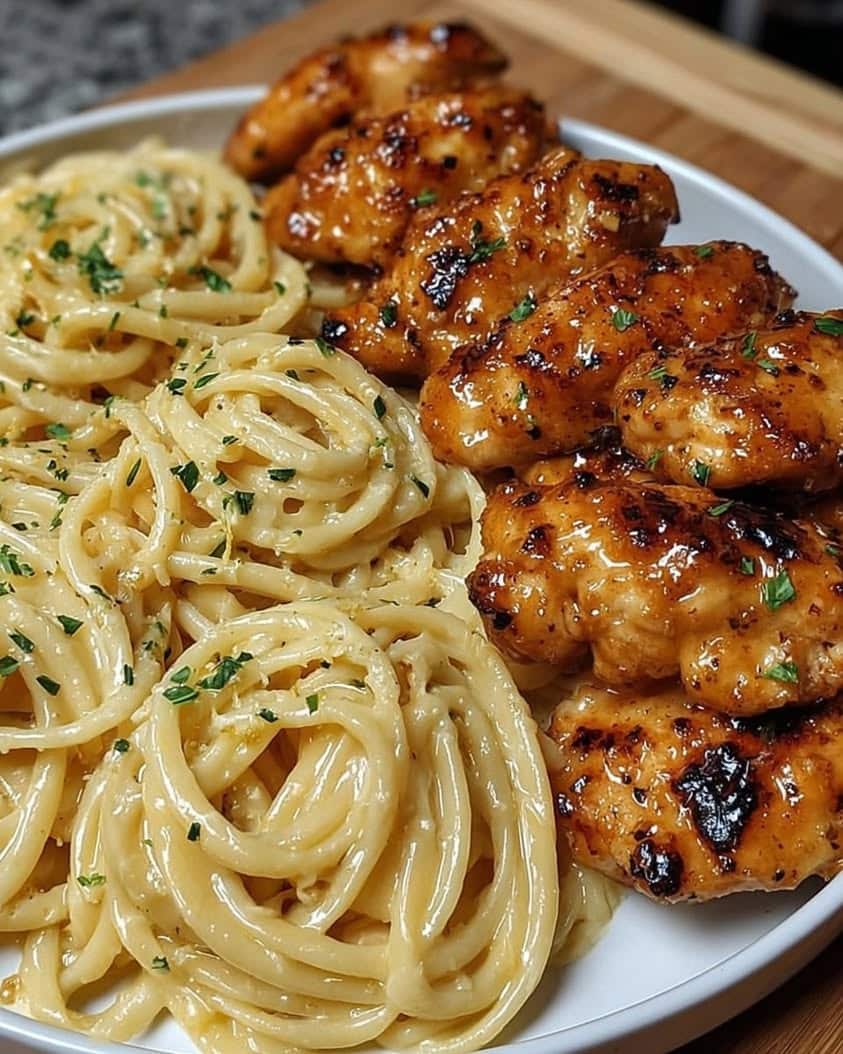
The Ultimate Lemon Garlic Butter Chicken with Creamy Parmesan Pasta Recipe
Welcome to your new weeknight obsession. This Lemon Garlic Butter Chicken with Creamy Parmesan Pasta recipe brings restaurant-quality flavor directly to your home kitchen. You will love the way the bright, zesty lemon cuts through the rich, savory garlic butter sauce. Meanwhile, the velvety parmesan pasta provides the perfect comforting base for the juicy, golden-brown chicken breasts. This dish is truly a complete meal that promises to satisfy even the pickiest eaters at your table.
I still remember the first time I made this Lemon Garlic Butter Chicken with Creamy Parmesan Pasta. It was a busy Tuesday evening, and I needed something quick yet spectacular. The aroma of garlic sizzling in butter filled my kitchen, and I knew I was onto something special. The chicken came out perfectly seared with a gorgeous golden crust. When I tossed the pasta in that luscious parmesan cream sauce, the entire house smelled amazing. It was an instant family favorite, and it has been a staple in my dinner rotation ever since.
This recipe is more than just a delicious dinner idea. It is a reliable, foolproof method for creating a gourmet meal without spending hours in the kitchen. You will appreciate the straightforward steps and the use of simple, fresh ingredients. Moreover, this dish is incredibly versatile. You can easily adjust the seasonings or add extra vegetables to suit your taste. Ultimately, this Lemon Garlic Butter Chicken with Creamy Parmesan Pasta delivers on flavor, comfort, and convenience, making it the perfect choice for any night of the week.
Quick Recipe Highlights
- Flavor Profile: The flavor is a delightful symphony of bright, tangy lemon and savory, aromatic garlic. The rich butter adds a luxurious mouthfeel, while the creamy parmesan sauce brings a nutty, salty depth that perfectly balances the zesty components. Each bite is a harmonious blend of fresh and indulgent tastes.
- Texture: You will experience a wonderful contrast of textures here. The chicken breasts are seared to perfection, offering a crisp, golden-brown exterior that gives way to incredibly juicy and tender meat. The pasta is enrobed in a silky, smooth, and creamy sauce that coats every strand deliciously, creating a truly satisfying mouthfeel.
- Aroma: As the chicken sears, your kitchen will fill with the intoxicating scent of butter browning and garlic becoming fragrant. The addition of fresh lemon zest and juice brightens the air with a clean, citrusy note. Finally, the parmesan cheese melts into the cream, adding a rich, savory, and deeply comforting aroma that signals a special meal is ready.
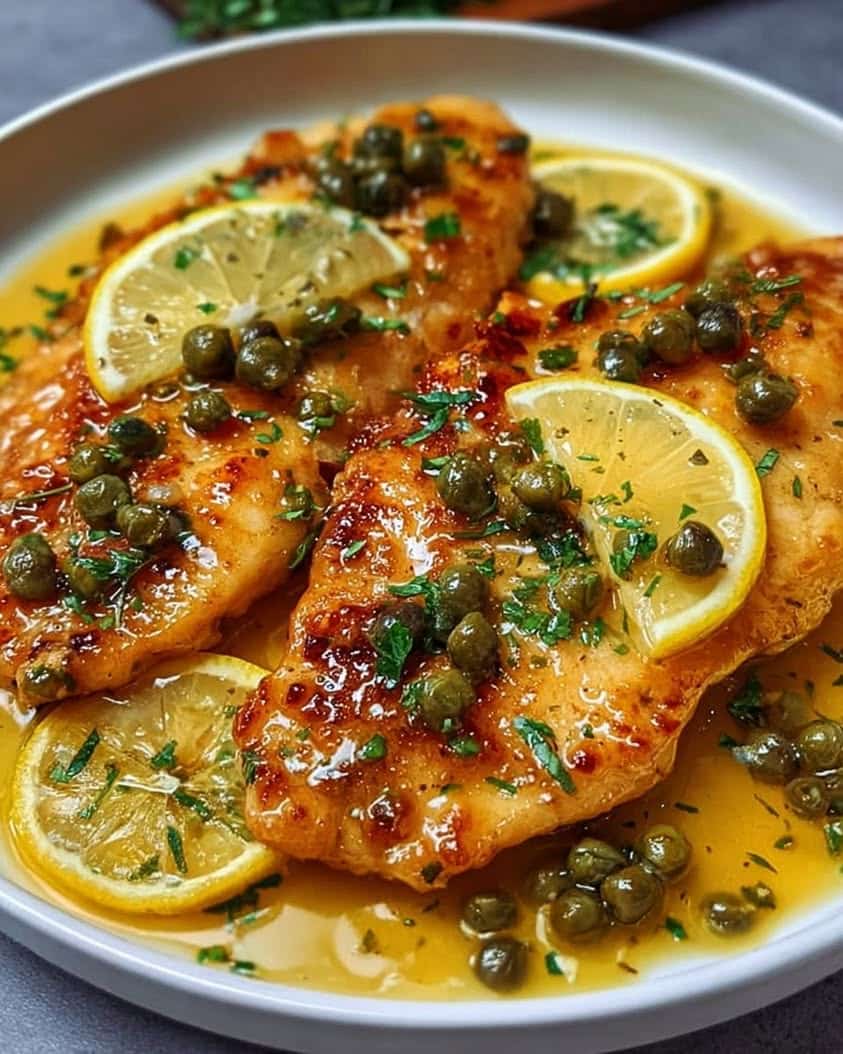
- Visual Appeal: This dish is a feast for the eyes. You will present golden-brown chicken breasts atop a bed of glistening pasta coated in a pale, creamy golden sauce. Fresh parsley and a final grating of parmesan add vibrant green and white accents, making the plate look as incredible as it tastes. It is truly a beautiful presentation.
- Skill Level Needed: This recipe is perfectly suited for beginner and intermediate cooks alike. The techniques involved, such as searing chicken and making a pan sauce, are fundamental and easy to master. With clear instructions, you will build confidence in the kitchen while creating a spectacular dish that feels far more complex than it actually is.
- Special Equipment: You only need a few standard kitchen tools for this recipe. A large, heavy-bottomed skillet or Dutch oven is essential for even searing and sauce-making. You will also need a pot for boiling pasta, a colander for draining, and basic measuring cups and spoons to ensure perfect proportions every time.
Recipe Overview
- Difficulty Level: This Lemon Garlic Butter Chicken with Creamy Parmesan Pasta earns its easy-to-moderate rating because of a few simple steps that yield impressive results. The process of searing chicken and creating a pan sauce is not complicated; however, it does require your attention for timing. Therefore, even novice cooks can succeed, while experienced home chefs will appreciate the quick and satisfying process.
- Category: This dish perfectly fits into several meal categories. It is an exceptional choice for a comforting weeknight dinner when you want something special without too much fuss. Additionally, it is elegant enough to serve to guests at a dinner party. Because it is a complete meal with protein and carbohydrates, you can serve it as a hearty main course with a simple side salad.
- Cuisine: While this recipe is a modern American creation, its roots draw heavily from classic Italian culinary traditions. The combination of parmesan, garlic, and butter is a foundational trio in many beloved Italian dishes. The technique of making a pan sauce from the fond left by seared meat is also a hallmark of Italian cooking, emphasizing fresh, high-quality ingredients.
- Cost: This recipe is surprisingly economical, especially when compared to dining out. The primary ingredients are chicken breasts, which are generally budget-friendly, and pantry staples like pasta and garlic. The parmesan cheese is the most expensive component, but a little goes a long way. Therefore, you can feed a family of four for a fraction of the cost of a similar restaurant meal.
- Season: Although you can enjoy this meal year-round, it is particularly perfect for spring and summer. The bright, fresh lemon flavor is light and vibrant, ideal for warmer weather. However, the creamy, comforting pasta also makes it a wonderful choice during cooler months when you crave something hearty and warm. This versatility makes it a year-round favorite.
- Occasion: This dish is wonderfully versatile for numerous occasions. It is a fantastic choice for a romantic date night, as the flavors are rich and the presentation is elegant. Furthermore, it is a guaranteed hit at family gatherings and celebratory meals. Whether you are hosting a casual get-together or a formal dinner, this recipe is sure to impress everyone.
Why You’ll Love This Recipe
Firstly, the incredible flavor combination in this Lemon Garlic Butter Chicken with Creamy Parmesan Pasta is simply irresistible. You will find the perfect balance between the bright acidity of lemon and the rich, savory depth of garlic and parmesan. The butter adds a silky, luxurious texture that ties all the elements together beautifully. It is a sophisticated flavor profile that feels indulgent yet fresh, making every single bite a pure pleasure. Moreover, the sauce is so good that you will want to lick the plate clean.
Secondly, the convenience of this recipe makes it a winner for busy home cooks. You can have this entire gourmet meal on the table in under forty minutes. There is minimal chopping involved, and the cooking process is streamlined and efficient. You can easily multitask by cooking the pasta while the chicken sears. This efficiency means you can enjoy a spectacular, home-cooked dinner even on your most hectic weeknights, proving that you do not need to sacrifice quality for convenience.
Thirdly, this meal provides a great nutritional balance that makes you feel good about serving it to your family. The chicken offers a generous amount of lean protein, which is essential for muscle health and satiety. Furthermore, the parmesan cheese provides calcium and protein, while the garlic and lemon offer antioxidants and vitamin C. When you pair this with a side of vegetables or a fresh salad, you create a well-rounded dish that is both nourishing and delicious.
Fourthly, this recipe is a fantastic choice for social occasions because of its widespread appeal. Most people love the comforting combination of creamy pasta and tender chicken. The elegant presentation makes it feel special, yet the familiar ingredients are approachable for all palates. Therefore, you can confidently serve this to guests with different tastes, knowing that it is a crowd-pleaser that will generate compliments and requests for the recipe.
Finally, this dish is incredibly cost-effective and utilizes accessible ingredients. Everything you need can be found at your local grocery store at a reasonable price. The recipe maximizes flavor from humble ingredients, showing that you do not need expensive or exotic items to create a memorable meal. This makes it a smart, budget-friendly choice for weekly meal planning and for anyone looking to create delicious food without breaking the bank.
Historical Background and Cultural Significance
The concept of pairing poultry with lemon and garlic is a time-honored tradition found across many cultures. In Greek cuisine, lemon and oregano are classic partners for chicken, creating bright, aromatic dishes. Similarly, Italian cooking has long celebrated the combination of garlic, butter, and parmesan cheese. This specific recipe is a beautiful fusion of these beloved traditions, representing a melting pot of Mediterranean flavors that have been adapted and loved in American kitchens for generations.
Culturally, creamy pasta dishes hold a special place as quintessential comfort food in Western cuisine. They evoke feelings of warmth, home, and indulgence. Consequently, a dish like this is not merely a meal; it is a source of emotional comfort and nostalgia for many. It is the kind of food that brings families together around the dinner table, fostering a sense of connection and shared enjoyment. This cultural significance makes the dish more than just a recipe; it is a vessel for creating lasting memories.
The evolution of this dish is a testament to culinary innovation and adaptability. While the core components are simple, countless variations have emerged over time. Some cooks add sun-dried tomatoes for a burst of sweetness, while others incorporate spinach for extra color and nutrients. This adaptability explains why the recipe remains popular. It is a flexible framework that allows home cooks to experiment, adjusting flavors to their preferences, which guarantees its place in the modern culinary repertoire.
Regional variations of this dish are widespread, with each region adding its own unique twist. In Italy, you might find it with a light, wine-based sauce rather than a heavy cream reduction. In the American South, it could be served with buttermilk fried chicken for a different texture. Moreover, in California, it is often loaded with fresh, local vegetables like zucchini and cherry tomatoes. These regional differences highlight the dish’s incredible versatility and its ability to adapt to local tastes and available ingredients, making it a truly global favorite.
Ingredient Deep Dive
Chicken Breasts: The chicken breast is the lean, protein-packed centerpiece of this meal. Its history as a dietary staple is long and varied across many civilizations. Nutritionally, it is a powerhouse of lean protein, essential for building and repairing tissues, and it is rich in B vitamins, particularly niacin and B6, which support metabolism. When selecting chicken, look for breasts that are plump, firm, and pink in color. You should also check the sell-by date to ensure freshness. For the best results, I recommend using boneless, skinless breasts and pounding them to an even thickness for uniform cooking. Additionally, you can easily substitute chicken thighs for a juicier, more flavorful alternative, though you will need to adjust the cooking time accordingly.
Garlic: Garlic is the aromatic soul of this dish, providing a pungent, savory depth that is fundamental to the flavor profile. It has been cultivated for thousands of years, valued for both its culinary and medicinal properties. For instance, garlic contains allicin, a compound linked to various health benefits, including improved immune function and cardiovascular health. When shopping, choose bulbs that are firm, heavy for their size, and have tight, papery skins without any signs of sprouting. To store, keep garlic in a cool, dry, dark place with good air circulation, where it can last for several months. If you are out of fresh garlic, you can substitute one teaspoon of garlic powder for every clove, though the flavor will be less sharp and pungent.
Lemons: The lemon is the vibrant, bright element that cuts beautifully through the richness of the butter and cream. Native to Asia, lemons have been used for centuries in cooking and for their health benefits. They are an excellent source of vitamin C, a powerful antioxidant that supports skin health and boosts the immune system. To pick the best lemons, look for ones that feel heavy for their size, which indicates they are juicy, and have a bright, smooth skin. You can store lemons at room temperature for about a week or in the refrigerator for up to a month. Consequently, you can use bottled lemon juice in a pinch, but the fresh zest and juice from a whole lemon provide an unmatched, aromatic flavor.
Parmesan Cheese: Parmesan, often called the “King of Cheeses,” imparts a wonderfully nutty, salty, and savory flavor that makes the sauce irresistible. This hard, granular cheese has a protected designation of origin in Italy, meaning authentic Parmigiano-Reggiano comes from specific regions. It is rich in protein and calcium, making it a nutritious addition. For the best flavor, you should always buy a wedge of parmesan and grate it fresh yourself. Pre-shredded cheese often contains anti-caking agents that prevent it from melting smoothly into the sauce. If you need a substitute, you can use Pecorino Romano, which is saltier, or Grana Padano for a similar texture and flavor profile.
Pasta: Pasta is the comforting, carb-rich base that soaks up all the delicious sauce. Its history is deeply intertwined with Italian culture, with evidence of its existence dating back to ancient civilizations. Pasta provides long-lasting energy through complex carbohydrates and has a low glycemic index, especially when cooked al dente. For this dish, fettuccine and linguine are classic choices because their wide, flat surfaces hold onto the creamy sauce well. Alternatively, you can use penne, rigatoni, or even bow-tie pasta. Always cook pasta in generously salted water and reserve some starchy pasta water before draining. This water is a secret weapon for adjusting the sauce’s consistency.
Common Mistakes to Avoid
- Overcooking the chicken is a frequent error that leads to dry, tough meat. To prevent this, you should use a meat thermometer to check the internal temperature. The chicken is perfectly done when it reaches 165 degrees Fahrenheit in the thickest part of the breast. Additionally, letting the chicken rest for a few minutes after searing allows the juices to redistribute, keeping it moist and tender.
- Using pre-shredded parmesan cheese is another common mistake that affects the sauce’s texture. These bagged cheeses are coated with anti-caking powders, like cellulose, which prevents them from melting into a smooth, silky sauce. Consequently, the sauce can become grainy. Always grate parmesan from a solid wedge for a superior, velvety finish.
- Curdling the sauce is a problem that often happens when you add the cream or cheese too quickly over high heat. To ensure a stable sauce, you should always cook over low to medium heat. Furthermore, add the parmesan gradually, whisking constantly, until it’s fully incorporated. This gentle method will result in a smooth, luscious sauce.
- Skipping the searing step and just cooking the chicken through is a missed opportunity for flavor. The browning process creates a deep, savory crust on the chicken, known as the Maillard reaction. This golden-brown crust adds an incredible depth of flavor that you simply cannot get from boiling or gentle cooking. The browned bits left in the pan also form the base for the flavorful sauce.
- Forgetting to reserve pasta water is an oversight that makes it harder to perfect the sauce’s consistency. The starchy water acts as a natural thickener and emulsifier, helping the sauce cling to the pasta beautifully. If the sauce seems too thick, a splash of this water can loosen it without diluting the flavor. Remember to always save at least a cup before draining.
- Using a pan that is too small or crowded can cause the chicken to steam instead of sear. When the pan is overcrowded, the temperature drops, and the chicken releases moisture, resulting in a pale, tough exterior. You should use a large, heavy-bottomed skillet and cook the chicken in a single layer, working in batches if necessary, to achieve that perfect golden-brown crust.
- Adding the lemon juice directly to the cream sauce is a common mistake that can cause it to separate or curdle. The high acidity of the lemon can cause the dairy to split if added too aggressively. To avoid this, you should often use just lemon zest in the sauce and save the juice for the chicken or finish with it off the heat, stirring gently.
- Neglecting to season each layer is a final mistake that results in a flat, bland-tasting dish. If you only season at the end, the flavors remain on the surface. Therefore, you should season the chicken generously with salt and pepper before searing, and season the pasta water well, as this is your only chance to flavor the pasta from within.
Essential Techniques
Mastering the sear is crucial for achieving juicy, flavorful chicken. Firstly, you must pat the chicken breasts completely dry with paper towels before cooking. This is because any surface moisture needs to evaporate before browning can begin. Subsequently, heat your skillet over medium-high heat until it is shimmering hot. Add a small amount of oil with a high smoke point, then place the chicken in the pan, leaving space between pieces. Let it cook undisturbed for 5-7 minutes, until a golden-brown crust forms. Then flip and cook until the internal temperature reaches 165 degrees Fahrenheit.
Creating a pan sauce is a fundamental technique that transforms simple ingredients into something extraordinary. After you have seared the chicken and removed it from the pan, you will find browned bits stuck to the bottom. This is called the “fond,” and it is packed with flavor. The process begins by adding your aromatics, like shallots or onion, and cooking until translucent. Next, you “deglaze” the pan by adding liquid, such as chicken broth, and scraping the bottom with a wooden spoon. This action lifts the fond and dissolves it into the liquid, creating a rich, flavorful base for your sauce.
Tossing pasta in the sauce is a final, important skill that elevates the dish. If you simply pour the sauce over the pasta, it can be unevenly distributed and too heavy. Instead, you should transfer the cooked, drained pasta directly to the skillet with the sauce. Then, turn the heat to medium and toss the pasta using tongs. As you toss, the pasta will absorb the sauce, and the constant stirring will help the sauce emulsify and cling to every strand. If needed, add splashes of reserved pasta water to achieve the perfect, silky consistency.
Pro Tips for Perfect Lemon Garlic Butter Chicken with Creamy Parmesan Pasta
First, for truly exceptional flavor, you should always use fresh lemon juice and zest. The bright, fragrant oil in the zest and the clean acidity of fresh juice cannot be replicated by bottled substitutes. You will notice a remarkable difference in the vibrancy of the final dish. I recommend zesting the lemon before juicing it to make the process easier and less messy.
Second, make sure your cream is at room temperature before you add it to the sauce. Adding cold cream to a hot pan can cause it to seize or curdle. Therefore, take it out of the refrigerator about 20 minutes before you start cooking. This simple step ensures a smooth, stable emulsion and a velvety texture every time.
Third, do not be shy with your salt, especially in the pasta water. The pasta water should taste like the sea, as this is the only opportunity to season the pasta from the inside out. This foundational seasoning will make your final dish significantly more flavorful. Consequently, you can use less salt in the sauce itself, avoiding an overly salty result.
Fourth, use freshly grated parmesan cheese and grate it on the finest side of your box grater. The finer the grate, the easier it will melt into the sauce, reducing the risk of a gritty texture. Consequently, your sauce will be smooth and luxurious. You should also add it gradually, in a few additions, stirring well after each one to ensure it is fully incorporated.
Fifth, allow your seared chicken to rest on a cutting board for at least five minutes before slicing. Resting is essential because it allows the muscle fibers to relax and reabsorb the juices that were pushed to the center during cooking. If you slice it immediately, those juices will run out, leaving the chicken dry. A simple rest makes a world of difference in ensuring moist and tender meat.
Sixth, consider adding a final squeeze of fresh lemon juice just before serving. This bright, acidic finish will lift the entire dish and cut through the richness of the cream sauce. The juice added at the end provides a fresh, vibrant note that balances the deep, savory flavors, making the dish taste more alive and well-rounded.
Variations and Adaptations
Regional Variations: Across the globe, this concept is adapted with local ingredients. For instance, in France, they might add Dijon mustard to create a tangy, creamy sauce, which is a classic pairing with chicken. In Spain, you could see the inclusion of smoked paprika, adding a deep, earthy warmth to the dish. Furthermore, in Australia, it is common to add a handful of baby spinach at the end to wilt into the sauce, adding color and nutrients and reflecting a preference for green vegetables in creamy pasta dishes.
Seasonal Adaptations: This dish can be easily adapted to celebrate the flavors of each season. In the spring, you can add fresh, blanched asparagus spears and sweet peas for a pop of color and freshness. During the summer, ripe cherry tomatoes and zucchini are wonderful additions that pair well with the lemon. In the fall, you might incorporate roasted butternut squash or sautéed mushrooms to bring earthiness. These simple seasonal changes keep the recipe exciting all year round.
Dietary Modifications: For a lighter version, you can reduce the amount of butter and heavy cream, using half-and-half or a blend of milk and chicken broth instead. This will still be creamy, but it will be lower in fat and calories. You can also increase the amount of vegetables, like broccoli or spinach, to add bulk and fiber. Therefore, you can enjoy this meal as part of a more health-conscious diet without sacrificing all of its indulgent flavor.
Flavor Variations: If you enjoy a bit of heat, you can add a pinch of red pepper flakes along with the garlic for a subtle, spicy kick. For an herby twist, you can incorporate fresh thyme or rosemary, which pair beautifully with lemon and chicken. A teaspoon of Dijon mustard adds a lovely tangy depth to the cream sauce. Additionally, a splash of white wine in place of some of the chicken broth can add a wonderful, subtle acidity and complexity.
Texture Modifications: For a crispy topping, you can prepare a simple breadcrumb mixture and toast it in a pan with a little butter until golden brown. Then, sprinkle this crunchy garnish over the creamy pasta before serving. This adds a pleasant contrast to the soft, silky texture of the dish. Alternatively, for a more rustic feel, you can roughly chop the chicken instead of serving it in whole slices.
Presentation Alternatives: Instead of tossing the pasta with the chicken, you can serve the creamy parmesan pasta as a bed on a large platter. Then, you can slice the seared chicken breasts and fan them out elegantly on top. Finish by drizzling extra lemon garlic butter sauce over the chicken for a beautiful, restaurant-quality presentation. This method is particularly effective when serving guests because it looks impressive and intentional.
Serving and Presentation Guide
When it comes to serving this remarkable dish, the first step is to choose a nice, wide, shallow bowl or plate. This will allow the creamy pasta to spread out and create a beautiful canvas. Begin by twirling a portion of the creamy pasta into a neat nest in the center of the bowl. Then, take your perfectly seared chicken breast and slice it against the grain for maximum tenderness. Fanned-out slices are more elegant than a whole breast and easier to eat.
Garnishing is where you can really make this dish sing. A shower of freshly grated parmesan cheese is essential, as it adds both flavor and visual appeal. A sprinkle of finely chopped, fresh parsley adds a bright, green pop of color. Furthermore, finishing with a few thin curls of lemon zest on top not only looks beautiful but also provides an aroma and a burst of fresh lemon flavor that is awakened with every bite.
As for traditional accompaniments, you cannot go wrong with a side of crusty, warm garlic bread. It is perfect for soaking up any extra sauce, ensuring none of that deliciousness is wasted. A simple, crisp green salad with a light vinaigrette is also an excellent choice. The acidity of the vinaigrette will help to cut through the richness of the creamy pasta, balancing the entire meal and refreshing the palate between bites.
For a modern serving suggestion, consider serving this pasta in smaller portions as a sophisticated starter course. You can place the chicken on top of the pasta and finish with a delicate drizzle of high-quality extra virgin olive oil. This creates a lighter, more elegant presentation. Always ensure the dish is served hot, as the sauce will thicken and lose its silky texture as it cools, so timing is key for the perfect meal.
When you are ready to portion the dish, think about balance. You want a good ratio of pasta to chicken in every serving. A generous serving of pasta, roughly one to one and a half cups, is a good starting point. As for the chicken, a standard serving is about 4 to 6 ounces per person. Therefore, for a family of four, this recipe with two large chicken breasts is perfectly proportioned, especially when accompanied by a side salad.
Wine and Beverage Pairing
Finding the perfect wine to pair with this creamy, lemony chicken dish can elevate the entire experience. The bright acidity of the lemon and the richness of the cream call for a white wine that has both good body and high acidity. A classic Sauvignon Blanc is a wonderful choice, as its citrusy notes complement the lemon beautifully. Alternatively, a dry, unoaked Chardonnay offers a richer texture that will stand up nicely to the creamy sauce.
For those who prefer a more Italian-focused pairing, a Pinot Grigio or a Verdicchio are fantastic options. These Italian whites are typically crisp, light-bodied, and have a subtle almond note on the finish that pairs wonderfully with parmesan cheese. The vibrant acidity of these wines will cut through the richness of the sauce, cleansing the palate and preparing it for the next delicious bite, creating a perfectly balanced culinary experience.
If you are looking for non-alcoholic alternatives, you have several great options. A sparkling water with a generous squeeze of fresh lemon and a sprig of mint is a refreshing and palate-cleansing choice. Additionally, a good quality non-alcoholic white wine or a non-alcoholic sparkling wine made from grapes can mimic the experience. For a more unique option, you could try a chilled glass of white grape juice mixed with a little soda water for a festive, non-alcoholic “spritzer”.
Considering the temperature of your beverage is key to the enjoyment of the meal. White wine should always be served chilled, ideally between 45 and 50 degrees Fahrenheit. For most standard refrigerators, that just means taking it out about 15 minutes before serving. You can also keep it in a wine bucket with ice to maintain that perfect temperature throughout your meal, ensuring that every sip is as refreshing as the first.
As for a simple serving suggestion, you could also consider a light, dry Rosé, especially in the warmer months. Its moderate acidity and notes of red berries can be a surprisingly good match. Ultimately, the goal is to choose a beverage that refreshes your palate and doesn’t overpower the delicate flavors of the lemon, garlic, and parmesan. Therefore, avoid anything too heavy, oaky, or excessively sweet.
Storage and Shelf Life
Properly storing your leftover Lemon Garlic Butter Chicken with Creamy Parmesan Pasta is essential for maintaining its quality and flavor. The key is to cool the dish down quickly to prevent bacterial growth. You should place the leftovers in shallow, airtight containers. Therefore, it is best to divide the large batch into smaller, individual portions. This allows it to cool faster in the refrigerator and makes it easier to reheat only what you need. When stored correctly in the refrigerator at 40 degrees Fahrenheit or below, the leftovers will maintain their best quality for up to 3 to 4 days.
The temperature requirements for storage are straightforward but vital for food safety. You must transfer the leftovers to the refrigerator within two hours of cooking. If you are in a hot room, say above 90 degrees Fahrenheit, you should chill them within just one hour. Consequently, this quick chilling process prevents the dish from sitting in the “danger zone” where harmful bacteria can multiply quickly. Following these simple guidelines ensures your leftovers are safe and delicious to eat for the next few days.
Regarding container recommendations, you will want to use glass or BPA-free plastic containers that have a tight-fitting lid. An airtight seal is crucial because it prevents the pasta from absorbing other odors from your refrigerator and also prevents the cream sauce from drying out. If you have the space, you can also use a large, resealable freezer bag, pressing out as much air as possible before sealing. This is an excellent space-saving option for storing smaller portions.
You should always be able to identify signs of spoilage to ensure you are eating safely. The most obvious indicator is a sour or “off” smell. In addition to that, any visible mold growth is a clear sign that the dish should be discarded. The texture will also change, becoming slimy or excessively watery. If you observe any of these signs, or if the dish has been in the refrigerator for more than four days, the best course of action is to throw it away rather than risk foodborne illness.
Reheating this dish correctly will make a big difference in taste and texture. The best method is to reheat it slowly on the stovetop in a saucepan over low to medium heat. Add a splash of chicken broth or milk to the pan to help loosen the sauce, which will have thickened during refrigeration. Stir frequently until it is heated through. While you can use a microwave, it can sometimes make the chicken rubbery and heat the sauce unevenly, so the stovetop method is preferable for the best results.
When it comes to freezing, this dish is decent but not perfect, as the cream sauce can sometimes separate upon thawing. If you decide to freeze it, make sure it is in an airtight, freezer-safe container and that you consume it within 2 to 3 months for the best quality. To thaw, place it in the refrigerator overnight. When reheating, you will likely need to add a bit more broth and whisk vigorously to help re-emulsify the sauce after freezing.
Make Ahead Strategies
You can certainly use make-ahead strategies to streamline your dinner preparation. The first step is to plan your prep timeline. You can easily season and even sear your chicken breasts one or two days in advance. After searing and cooling them, you can store them in an airtight container in the refrigerator. When you are ready to serve, you can simply slice and add them to the hot sauce to reheat, saving you the most active cooking time on a busy evening.
Regarding storage between steps, you should separate the individual components of the dish. For instance, you can cook the pasta, toss it with a little olive oil to prevent sticking, and store it in the refrigerator. You can also prepare the sauce, but wait to add the fresh parmesan and lemon juice until you are ready to reheat. This will preserve the vibrancy of those ingredients and prevent them from turning dull or grainy during storage.
The quality impact of making this dish ahead is something to consider. While the flavors will meld and deepen, which is a positive, there is a slight downside. The texture of the pasta will soften as it sits in the refrigerator, and the sauce will lose some of its initial silkiness. However, if you reheat it gently and add a little extra liquid, the quality will still be very high and far superior to any takeout or frozen dinner.
When it comes to assembly tips, you should aim to combine the components only when you are ready to serve. This is the best way to preserve the integrity of each element. Gently reheat the sauce in a large pan, then add the cooked pasta and toss to coat. Finally, add the reheated, sliced chicken on top. This “deconstructed” approach to making ahead ensures that you end up with a final dish that tastes fresh and has a wonderful texture.
Reheating guidelines for a make-ahead meal are simple. Always use a gentle heat to warm your components. A splash of chicken broth or pasta water will help to rehydrate the sauce and loosen the pasta. This not only fixes the consistency but also infuses more flavor. It is important to avoid high heat because it can cause the butter and cream in the sauce to separate, leaving you with an oily, curdled-looking mess.
Finally, think about fresh element additions that can elevate the reheated meal. Right before serving, you should always add a fresh squeeze of lemon juice, a pinch of lemon zest, and a generous handful of fresh parsley. These fresh ingredients will add a pop of color and a burst of brightness and aroma that the reheated components may be lacking. This simple trick makes the dish taste as though it was just made from scratch.
Scaling Instructions
Scaling this recipe to feed a different number of people is quite straightforward. To halve the recipe, simply halve all of the ingredients. For example, you would use one chicken breast instead of two, half a cup of cream instead of a full cup, and so on. When using a smaller pan, ensure you do not crowd the chicken. You will likely cook the chicken for a slightly shorter time, and the sauce will cook even faster, so keep a watchful eye on it.
When you need to serve a larger group, you can easily double or triple the ingredients. The most important part of scaling up is to ensure your pan is large enough. You cannot practically triple the recipe in a standard 12-inch skillet. Therefore, you may need to use a large Dutch oven, or you should sear the chicken in batches. If you cook too much meat at once, it will steam instead of sear, so working in batches is the key to success when scaling up.
As you scale the recipe, you will need to adjust your equipment. For a doubled recipe, a large, 5.5 to 6-quart Dutch oven or a large, deep sauté pan is your best friend. This provides enough surface area to sear your chicken and later hold the pasta and sauce comfortably. For a tripled recipe, you might need to consider using two separate pans to manage the cooking efficiently without overcrowding.
Timing modifications are also necessary when cooking in larger quantities. The searing time for the chicken remains roughly the same, as you should still cook it in a single layer. However, the time it takes to bring your cream sauce to a simmer and then thicken it will be slightly longer. The greater volume of liquid needs more time to heat through and reduce. You should rely on visual cues and the consistency of the sauce more than strict cooking times.
Finally, you must think about storage considerations when scaling up. The leftovers are a wonderful thing, and you will have more of them to enjoy. Ensure you have enough containers to safely and promptly store the surplus. Remember the 2-hour rule for cooling and refrigerating leftovers. If you plan to freeze a portion for later, this is a great time to do so, as you have already done the cooking.
Nutritional Deep Dive
This Lemon Garlic Butter Chicken with Creamy Parmesan Pasta provides a solid breakdown of macronutrients, making it a balanced meal. The chicken is a fantastic source of lean protein, providing all the essential amino acids your body needs for muscle building and repair. The pasta provides complex carbohydrates, offering a good source of lasting energy for your day. The cream and parmesan contribute healthy fats, which are important for hormone production and vitamin absorption, while also giving the sauce its rich and satisfying mouthfeel.
Beyond its macronutrient profile, this dish offers a variety of beneficial micronutrients. The chicken is rich in B vitamins, particularly niacin and B6, which are essential for energy metabolism and brain health. Furthermore, garlic is a great source of manganese, vitamin B6, and vitamin C. The lemon generously contributes vitamin C, a powerful antioxidant, along with folate and potassium. And finally, parmesan cheese is an excellent source of calcium and phosphorus, both necessary for strong Print
Lemon Garlic Butter Chicken with Creamy Parmesan Pasta
- Total Time: 45 minutes
- Yield: 4
Description
Juicy chicken breasts seared in a rich lemon garlic butter sauce, served over a bed of creamy parmesan pasta. This comforting dish is perfect for a weeknight dinner that feels elegant.
Ingredients
- 2 boneless, skinless chicken breasts
- 1 teaspoon salt
- 1/2 teaspoon black pepper
- 1 teaspoon Italian seasoning
- 2 tablespoons olive oil
- 3 tablespoons unsalted butter, divided
- 4 cloves garlic, minced
- 1 cup chicken broth
- 1/2 cup heavy cream
- 1/4 cup fresh lemon juice
- 1 teaspoon lemon zest
- 1/2 cup grated Parmesan cheese
- 8 ounces fettuccine pasta
- 2 tablespoons chopped fresh parsley
Instructions
- Season chicken breasts with salt, pepper, and Italian seasoning on both sides.
- Heat olive oil in a large skillet over medium-high heat. Add chicken and cook for 5-7 minutes per side, until golden and cooked through. Remove chicken from skillet and set aside.
- Reduce heat to medium. Add 2 tablespoons of butter to the skillet. Once melted, add minced garlic and cook for 1 minute until fragrant.
- Pour in chicken broth, scraping up any browned bits from the bottom of the pan. Bring to a simmer and cook for 3-4 minutes, allowing it to reduce slightly.
- Stir in heavy cream, lemon juice, lemon zest, and remaining 1 tablespoon of butter. Simmer for 2-3 minutes until slightly thickened.
- Add Parmesan cheese and stir until melted and the sauce is smooth. Taste and adjust seasoning if needed.
- Cook fettuccine according to package directions until al dente. Drain and set aside.
- Slice the cooked chicken breasts into strips. Add pasta and sliced chicken to the skillet with the sauce. Toss to coat everything evenly.
- Garnish with chopped parsley and serve hot.
Notes
You can customize the seasonings to taste. For a lighter version, use half-and-half instead of heavy cream, and add extra lemon juice for more brightness.
- Prep Time: 15 minutes
- Cook Time: 30 minutes
- Method: Main
- Cuisine: American