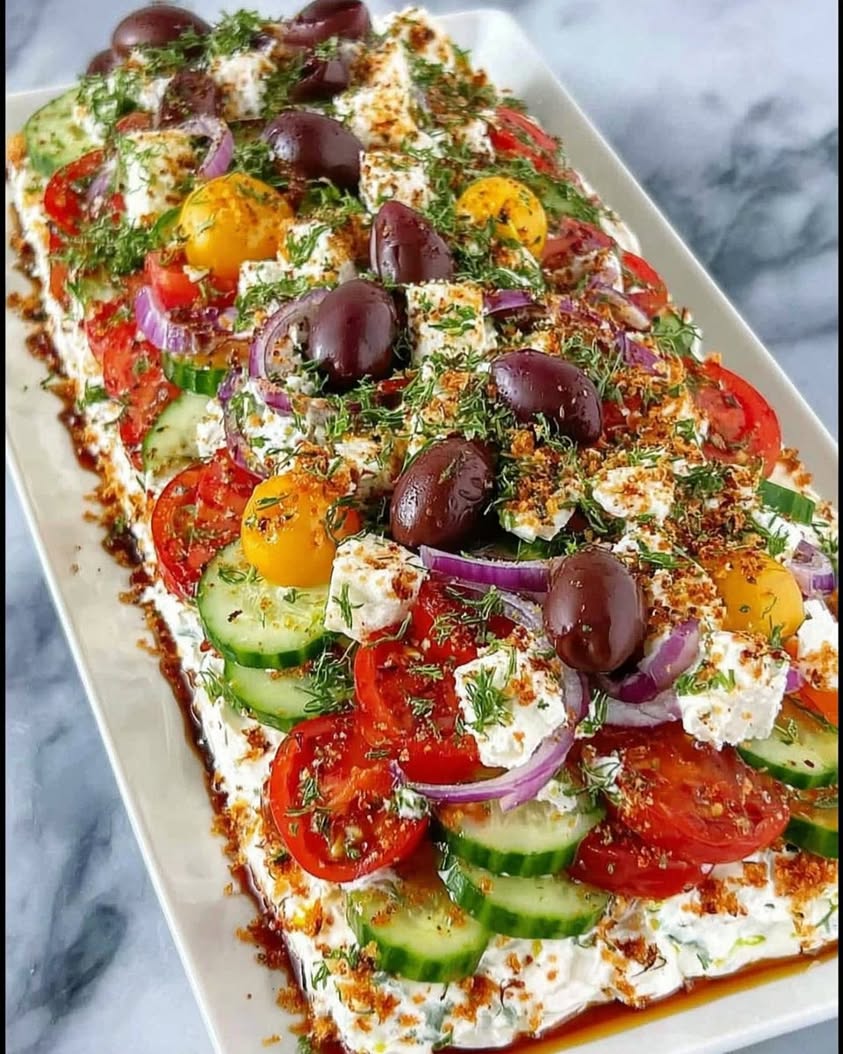
The Ultimate Greek Feta Board with Hot Honey and Crispy Onions
The Ultimate Greek Feta Board with Hot Honey and Crispy Onions is the appetizer that will completely transform your entertaining game. This stunning creation combines the salty, creamy richness of baked feta with the sweet heat of honey infused with chili flakes, all crowned with golden, crunchy fried onions. When you set this board down on your table, you will hear the collective gasp of delight from your guests, and you will know that you have created something truly memorable. The contrast of temperatures, textures, and flavors makes this dish an absolute showstopper that feels both indulgent and effortlessly chic.
This Greek feta board with hot honey and crispy onions has become my signature party dish because it delivers maximum impact with minimal effort. The beauty of this recipe lies in its simplicity, yet every component tastes like it came from a high-end Mediterranean restaurant. You get the warm, melt-in-your-mouth feta that spreads like silk over crusty bread, paired with the sticky sweetness of honey that carries a gentle kick of heat, and then the satisfying crunch of fried onions that adds that savory depth everyone craves. It is the kind of appetizer that sparks conversation, encourages gathering around the table, and disappears faster than you can possibly imagine.
The inspiration for this Greek feta board with hot honey and crispy onions came from the traditional Greek practice of baking feta with honey and sesame seeds, known as tyropita me meli. However, this version takes that classic concept and elevates it with modern touches like the crispy fried onions and the customizable heat level of the hot honey. The result is a dish that honors its Mediterranean roots while appealing to contemporary American palates that love bold flavors and beautiful presentations. Whether you are hosting a casual game night, a sophisticated dinner party, or a holiday gathering, this board will become your most requested recipe.
Quick Recipe Highlights
- Flavor Profile: This dish delivers a remarkable combination of salty, sweet, spicy, and savory notes. The creamy feta provides the salty base, while the hot honey adds both sweetness and a warming heat that builds gradually. The crispy fried onions contribute an umami-rich, almost savory depth that rounds out every bite beautifully.
- Texture: You will experience a delightful contrast of textures with each mouthful. The feta becomes soft and spreadable when baked, almost like a warm cream cheese. The hot honey adds a silky, sticky coating, while the crispy fried onions provide that satisfying crunch that makes every bite exciting and dynamic.
- Aroma: The moment this board hits the table, the aroma is intoxicating. You will smell the warm, tangy notes of the baked feta mingling with the floral sweetness of honey and the subtle heat of chili flakes. The fried onions add a deeply savory, almost nutty fragrance that makes everyone lean in closer.
- Visual Appeal: This board is a feast for the eyes with its golden-brown feta sitting in the center, glistening with honey and topped with a mountain of crispy onions. Fresh herbs add pops of green, while the surrounding accompaniments bring color and variety. The presentation is rustic yet refined, perfect for any occasion.
- Skill Level Needed: Even if you are a beginner cook, you can absolutely master this recipe with confidence. The techniques involved are straightforward, requiring basic oven baking and simple frying skills. The most important thing is to time the components so everything comes together warm and fresh.
- Special Equipment: You will need a small oven-safe skillet or baking dish for the feta, a small saucepan for the hot honey, and a separate pan for frying the onions. A microplane or fine grater is helpful for the lemon zest, and you will want a nice serving board or platter to arrange everything beautifully.
Recipe Overview
- Difficulty Level: This recipe is rated as easy because the steps are straightforward and require minimal culinary expertise. The oven does most of the work for the feta, and the honey comes together quickly on the stovetop. Even the fried onions are simple to prepare, especially if you keep a close eye on them to achieve the perfect golden brown color. You will feel accomplished without feeling stressed.
- Category: This dish falls into the appetizer and meze category, perfect for serving before a main course or as part of a larger spread. It also works beautifully as a sharing platter for lunch or a light dinner when paired with a fresh salad. You can even serve it as a snack for game day gatherings.
- Cuisine: The Greek feta board draws inspiration from Mediterranean and Greek culinary traditions, specifically the beloved practice of baking feta with honey. The hot honey element adds a modern American twist with the growing popularity of spicy-sweet condiments. This fusion of traditions creates something familiar yet exciting, honoring the roots while pushing boundaries.
- Cost: In terms of cost, this recipe is quite economical considering the impressive result. The main ingredient, feta cheese, is relatively affordable, especially if you buy it in bulk. The honey, olive oil, and onions are pantry staples that most people already have on hand. You will spend less than you would on a restaurant appetizer while feeding eight people generously.
- Season: While this dish shines year-round, it truly comes alive during the fall and winter months when you crave warm, comforting flavors. The hot honey provides a cozy warmth that feels perfect on chilly evenings. However, it also works beautifully in the summer when served alongside fresh tomatoes and cool cucumber slices for a refreshing contrast.
- Occasion: This board is ideal for so many occasions, from casual weeknight dinners to festive holiday gatherings. It makes a fantastic centerpiece for game day spreads, birthday parties, or bridal showers. You can also serve it as an elegant starter for dinner parties or date nights at home. Truly, this recipe adapts to any celebration.
Why You’ll Love This Recipe
You will love the way this Greek feta board delivers such bold, complex flavors with so little effort required. The combination of creamy, salty feta with sweet, spicy honey creates that perfect balance that keeps you coming back for more. Each component plays its role beautifully, resulting in a dish that tastes carefully crafted rather than quickly assembled. The crispy onions add that textural element that makes every bite exciting and satisfying.
This recipe is perfect for entertaining because you can prepare most of the components ahead of time and assemble everything quickly before serving. The hot honey can be made days in advance, and the onions can be fried earlier in the day and reheated. This means less stress when your guests arrive, allowing you to actually enjoy your own party rather than being stuck in the kitchen while everyone else has fun.
From a nutritional standpoint, this dish offers some surprising benefits despite feeling indulgent. Feta cheese provides protein and calcium, while olive oil contributes healthy monounsaturated fats that support heart health. Honey contains antioxidants and natural antibacterial properties. Even the onions offer fiber and compounds that support immune function. You can feel good about serving this to your loved ones.
The social value of this dish cannot be overstated because it encourages gathering and sharing. There is something inherently communal about a board that everyone reaches for together, building their own perfect bite combinations. It creates conversation, laughter, and connection in a way that plated appetizers simply cannot match. This board becomes more than food; it becomes an experience that brings people together.
Finally, this recipe is incredibly cost-effective and accessible since most ingredients are easy to find at any grocery store. You do not need specialty items or expensive equipment to create something that looks and tastes restaurant-quality. This means you can entertain more often without worrying about your budget, making this your go-to recipe for impressing guests time and time again.
Historical Background and Cultural Significance
The tradition of baking feta cheese has deep roots in Greek cuisine, dating back centuries when shepherds would cook fresh cheese over open fires. Feta itself is one of Greece’s most treasured exports, with a Protected Designation of Origin status that ensures only cheese made in specific regions can bear the name. The practice of combining feta with honey is particularly common on the islands of Crete and Santorini, where thyme honey is prized for its intense floral aroma and robust flavor.
In Greek culture, meze, which are small dishes meant for sharing, form the heart of social gatherings. The concept of bringing people together over a spread of flavorful bites represents the essence of Greek hospitality, known as philoxenia, which translates to friend to a stranger. This hospitality tradition means that guests are always welcomed with abundant food and generous portions, and this feta board captures that spirit perfectly by encouraging sharing and conversation.
The evolution of this recipe into a feta board format reflects the modern trend toward grazing boards and charcuterie-style presentations. While the original baked feta with honey was served simply in its baking dish, contemporary cooks have expanded it into elaborate boards with various accompaniments. This evolution demonstrates how traditional recipes can adapt to contemporary entertaining styles while maintaining their authentic flavors and cultural significance.
Regional variations of baked feta exist throughout Greece and the broader Mediterranean region. Some versions add sesame seeds, others incorporate fresh herbs like oregano or thyme, and some include a squeeze of lemon for brightness. The islands of the Aegean often use local honeys with distinct flavor profiles, while mainland versions might feature different types of chili for heat. This regional diversity highlights the versatility of this simple yet profound dish combination.
Ingredient Deep Dive
Feta cheese stands as the undisputed star of this Greek feta board, bringing centuries of culinary tradition to your table. Authentic Greek feta is made from sheep’s milk or a combination of sheep and goat milk, and it is aged in brine for several months to develop its characteristic tangy, salty flavor. For this recipe, you should seek a block of feta packed in brine rather than pre-crumbled varieties because the block form melts more evenly and holds its shape better during baking. The brine also keeps the cheese moist and flavorful, preventing it from drying out in the oven.
When selecting feta for your board, look for cheese that is firm yet creamy with a slightly crumbly texture. The color should be bright white, and it should smell fresh and milky rather than sour or overly salty. Store your feta in the brine until you are ready to use it, and keep it refrigerated for up to three months if unopened. After opening, consume it within one week for the best flavor and texture. If you cannot find authentic Greek feta, look for French feta, which is milder, or Bulgarian feta for a more assertive flavor.
Hot honey, the second key component, combines the natural sweetness of honey with the warming heat of chili peppers. This condiment has exploded in popularity recently, appearing on everything from pizza to fried chicken. The heat level can be adjusted according to your preference, from a subtle warmth to a serious kick that lingers. For this recipe, you can either purchase prepared hot honey or make your own by infusing honey with dried chili flakes and letting it steep for several hours.
The honey you choose will significantly impact the final flavor of your Greek feta board. Greek thyme honey is traditional and offers a robust, herbaceous flavor that complements the feta beautifully. Wildflower honey provides a more floral, fruity undertone, while orange blossom honey adds bright citrus notes. If you only have regular honey, you can still create something wonderful by adding a pinch of chili flakes and a splash of vinegar to mimic the complexity of specialty honeys. Store honey in a cool, dry place and avoid refrigerating it, as cold temperatures cause crystallization.
Crispy fried onions provide that crucial textural contrast, adding a savory crunch that makes this dish truly special. While you can purchase fried onions in cans at the grocery store, making them fresh at home produces a far superior result. The process of frying thinly sliced onions until golden brown and crisp draws out their natural sweetness while creating that irresistible crunch. The onions should be fried in oil heated to around 350 degrees Fahrenheit so they cook evenly and become uniformly crispy without burning.
Olive oil, preferably extra-virgin, serves multiple purposes in this recipe, from coating the feta to frying the onions and drizzling over the finished board. Quality olive oil brings its own fruity, peppery notes that enhance the overall flavor profile. Look for oil marked extra-virgin, which indicates the first cold pressing of the olives, preserving the highest levels of antioxidants and polyphenols. Store olive oil in a dark, cool place away from heat and light to maintain its freshness and prevent oxidation.
Common Mistakes to Avoid
- Using pre-crumbled feta cheese because it will not melt properly and will result in a dry, crumbly texture rather than the creamy, spreadable consistency you want for this board.
- Overbaking the feta until it becomes tough and rubbery. You want it warm and soft, but it should hold its shape and not collapse into a puddle. Watch it carefully during the last few minutes of baking.
- Burning the honey by overheating it or cooking it for too long. The honey should be warmed gently just until it is loose and runny, not bubbly or caramelized. Keep the heat low and stir frequently to prevent scorching.
- Frying onions at the wrong temperature, which causes them to absorb excess oil and become greasy rather than crisp. The oil should be hot enough to sizzle when onions are added but not so hot that they brown before cooking through.
- Forgetting to season the onions with salt after frying, which leaves them tasting flat. The salt is essential for bringing out their flavor and balancing the sweetness of the honey.
- Assembling the board too early, allowing the feta to cool and become firm. This dish is best served immediately after baking when the feta is warm, soft, and at its most spreadable.
- Skipping the resting time after baking, which means the feta may be too hot to serve immediately. Let it rest for about five minutes so it sets slightly but remains warm enough to spread.
- Not providing enough accompaniments for scooping, which leaves guests unsure how to eat the board. You need plenty of bread, crackers, and fresh vegetables to serve as vehicles for the feta.
- Using stale or low-quality bread that falls apart when used for dipping. Invest in good crusty bread that can hold up to the thick, creamy feta without breaking.
- Overcrowding the serving board with too many accompaniments, which makes the dish feel chaotic and overwhelming. Choose a few complementary items and arrange them thoughtfully.
Essential Techniques
Baking feta to the perfect consistency requires understanding how this cheese behaves under heat. When feta is baked, it softens and becomes creamy while maintaining its shape, unlike other cheeses that melt completely. The key is to bake it in a shallow dish with a little olive oil, which keeps it moist and helps it heat through evenly. Bake at 400 degrees Fahrenheit for approximately 15 to 20 minutes, until the feta feels soft and slightly puffed but has not started to brown excessively. The cheese should yield gently when pressed but still hold together, creating that ideal spreadable texture.
Making hot honey from scratch involves infusing honey with chili heat, a process that requires patience and attention. To create your own, warm honey gently in a small saucepan and add dried chili flakes, allowing them to steep for at least thirty minutes to develop the desired heat level. Strain the honey for a clear finish or leave the flakes in for a rustic look with the added bonus of appearing in the finished dish. For a more sophisticated flavor, toast the chilies briefly in a dry pan before adding them to the honey, which brings out their nutty, smoky characteristics.
Frying onions for maximum crispiness demands careful attention to temperature and timing. Start by slicing the onions thinly and uniformly, which ensures they cook evenly without some pieces burning while others remain soft. Heat oil to 350 degrees Fahrenheit and add onions in small batches to avoid crowding, which lowers the oil temperature and results in soggy onions. Fry until golden brown and crisp, using a slotted spoon to transfer them to paper towels immediately to drain excess oil. Season with salt while still warm so it adheres properly.
Assembling the Greek feta board requires thoughtful arrangement to create visual appeal and easy access to all components. Place the warm feta prominently in the center or slightly off-center to create dynamic balance. Drizzle the hot honey generously over the top, allowing it to cascade down the sides and pool around the base. Pile the crispy onions high in the center, creating a mountain effect. Arrange accompaniments around the feta in clusters, leaving negative space so the board does not look overcrowded. The overall impression should be generous, abundant, and inviting.
Pro Tips for Perfect Greek Feta Board
For the best results, bring your feta to room temperature before baking so it heats through more evenly. This small step makes a noticeable difference in the final texture, preventing cold spots in the center that have not fully softened. Remove it from the refrigerator about thirty minutes before you plan to start cooking.
Treat the hot honey as a customizable element and adjust the heat level to your preference and your guests tolerance. Start with a modest amount of chili flakes and add more gradually, tasting as you go. Remember that the heat will intensify slightly as the honey sits, so err on the side of caution initially.
Fry the onions right before serving for the brightest color and crispiest texture. If you need to prepare them in advance, store them in an airtight container at room temperature and refresh them in a 300 degree oven for a few minutes before assembling the board.
Choose a feta block that has been stored in brine rather than a drier version, as the brine helps maintain moisture during baking. If your feta seems dry, soak it in milk for thirty minutes before cooking to rehydrate it slightly, then pat it dry before baking.
Add a squeeze of fresh lemon juice over the finished feta board to brighten all the flavors and cut through the richness. The acidity provides a beautiful counterpoint to the salty feta and sweet honey, making each bite taste more balanced and complex.
Serve this dish immediately after assembly when the feta is at its warm, creamy best. The contrast between the warm feta and the room-temperature accompaniments creates a more interesting eating experience than if everything is the same temperature.
Use a high-quality honey for the best flavor, as the honey is a prominent component that you will taste in every bite. Skip the cheap squeeze-bottle honey and invest in something from a local producer or a specialty brand with distinctive flavor notes.
Cut your feta block into two smaller pieces rather than baking it whole. This increases the surface area, allowing more of the hot honey and crispy onions to adhere to the cheese, making every bite loaded with flavor and texture.
Variations and Adaptations
Regional variations of this dish appear throughout Greece, reflecting local ingredients and preferences. On the island of Crete, bakers often add sesame seeds to the honey glaze, creating a nutty crust on the feta. The island of Lesbos, known for its ouzo production, might serve the feta with a splash of anise-flavored liqueur in the honey. In the northern regions, cooks sometimes add wild greens or herbs like dill and mint to the board for additional freshness.
Seasonal adaptations can transform this Greek feta board to fit any time of year. In the summer, add fresh sliced figs, peaches, or nectarines that pair beautifully with the honey and feta. In the fall, incorporate roasted pumpkin or butternut squash for warmth and earthiness. Winter calls for pomegranate seeds and citrus segments, while spring brings fresh strawberries and edible flowers for a colorful, delicate touch that celebrates the season.
Dietary modifications are surprisingly easy with this recipe. For a gluten-free version, simply use gluten-free bread or crackers and ensure your fried onions are coated in a gluten-free flour. To make it vegetarian, the recipe already qualifies, but you can also add roasted vegetables for extra heartiness. The hot honey and feta are naturally low-carb, making this a suitable appetizer for those watching their carbohydrate intake.
Flavor variations allow you to customize this dish to your personal preferences. Substitute bourbon or whiskey for some of the honey to create a smoky, adult version. Add fresh rosemary or thyme to the honey along with chili flakes for an herbaceous note. Experiment with different types of honey, such as lavender honey for floral notes or buckwheat honey for a darker, more molasses-like flavor that stands up to the salty feta.
Texture modifications can change the entire character of this dish. For a smoother, more spreadable consistency, blend the baked feta with olive oil and lemon juice to create a whipped dip. Alternatively, you can crumble the baked feta over the board rather than serving it whole, creating more surface area for the honey and onions to cling to. For an extra crunch, add toasted pistachios or pine nuts to the crispy onions.
Presentation alternatives offer creative ways to serve this dish. Instead of a traditional board, serve the feta in individual ramekins for portioned appetizers. Create a deconstructed version by layering the components in clear glasses so you can see the beautiful colors and textures. Alternatively, use the ingredients to fill phyllo cups for bite-sized appetizers that are perfect for passing around on trays.
Serving and Presentation Guide
Plating this Greek feta board requires thoughtfulness to create a presentation that is both beautiful and functional. Start with a large wooden board, marble slab, or ceramic platter that provides enough space for all the components. Place the baked feta in the center, positioning it slightly off-center for a more dynamic arrangement. Drizzle the hot honey generously over the cheese, then pile the crispy onions high directly on top, allowing some to scatter around the base for visual interest.
Garnishing is where you can really make this board shine with thoughtful details that elevate the presentation. Fresh herbs like oregano, thyme, or rosemary add green color and aromatic freshness that complements the other flavors. Crushed red pepper flakes add visual heat and a pop of red contrast. A sprinkle of flaky sea salt adds a crunchy texture and enhances all the other flavors. Lemon wedges provide both color and a bright, acidic option for guests to customize their bites.
Traditional accompaniments for this dish include warm pita bread, crusty sourdough, and seeded crackers that provide vehicles for scooping the creamy feta. Mediterranean staples like kalamata olives, cherry tomatoes, cucumber slices, and roasted red peppers add color and complement the flavors perfectly. You can also include fresh herbs, pickled vegetables, and nuts for additional variety and texture that keep the board interesting.
Modern serving suggestions can take this board in new, exciting directions. Serve the feta over a bed of arugula that will wilt slightly from the warmth, creating a warm salad effect. Offer grilled bread rubbed with garlic for a more assertive flavor base. Add shaved prosciutto or serrano ham for a meat option that pairs beautifully with the honey. Include fresh figs or sliced apples for a sweet, autumnal touch that expands the flavor possibilities.
Temperature considerations matter significantly to the success of this dish. The feta should be served warm but not piping hot, as excessive heat will make it too runny to scoop properly. The hot honey should be just warm enough to pour easily, and the crispy onions should be room temperature so they retain maximum crispness. The accompaniments should be served at room temperature or slightly chilled for contrast with the warm feta center.
Portion control tips help ensure you have enough food for your guests without excessive waste. Plan for approximately two to three ounces of feta per person, which translates to a one-pound block feeding about six to eight people. Provide generous amounts of bread and crackers, as people will go through them quickly while scooping the feta. Have extra accompaniments on hand so you can replenish the board as it empties throughout the evening.
Wine and Beverage Pairing
Wine pairing for this Greek feta board requires considering the salty, creamy feta combined with the sweet-spicy honey. A crisp, dry white wine with good acidity cuts through the richness and cleanses the palate between bites. Sauvignon Blanc with its bright citrus notes and herbal undertones works particularly well. Assyrtiko, a Greek white wine from Santorini, offers mineral notes and high acidity that complement the feta beautifully, making it an authentically appropriate choice that honors the dishes origins.
A dry rosé provides another excellent wine option, offering more body than a white while still maintaining enough freshness to balance the richness. Peach and strawberry notes in the wine echo the sweet elements in the dish, while the dry finish prevents the pairing from becoming cloying. Look for a rosé from Provence in France or from Greece itself, which tend to be lighter and more elegant rather than overly fruity and sweet
For red wine lovers, a light-bodied, low-tannin red can work beautifully with this dish. A chilled young red wine, such as a Beaujolais or a light Pinot Noir, offers bright fruit flavors and gentle tannins that will not overwhelm the delicate feta. The slight chill tempers the alcohol and tannins while highlighting the refreshing qualities of the wine, making it a surprisingly good partner for the warm, creamy cheese.
Greek wines offer excellent pairing opportunities for this dish, providing regional authenticity that enhances the overall experience. A Moschofilero, which is a native Greek variety, offers floral aromas and crisp acidity that pair wonderfully with the feta and honey. Greek rosé wines made from Agiorgitiko or Xinomavro grapes provide complexity and structure that stands up to the bold flavors of this board beautifully.
Non-alcoholic alternatives can be just as satisfying with careful selection. A sparkling water with fresh lemon or cucumber provides a refreshing palate cleanser that cuts through the richness effectively. A fruity iced tea with peach or berry notes echoes the sweetness in the honey, while the tannins in the tea provide structure. You can also offer guests a yogurt-based drink, such as Greek ayran, which provides creamy relief that complements the feta wonderfully.
Temperature considerations for beverages matter as much as the drink selection. Sparkling and white wines should be served well-chilled between 45 and 50 degrees Fahrenheit. Light red wines benefit from a slight chill around 55 degrees Fahrenheit. Non-alcoholic drinks should be served ice-cold to provide contrast with the warm feta. Ensure all beverages are accessible and easy to pour, with ice buckets or coolers nearby for guest convenience.
Storage and Shelf Life
Proper storage of your Greek feta board components ensures you can enjoy leftovers safely and deliciously. Any leftover baked feta should be stored in an airtight container in the refrigerator within two hours of serving. The feta will keep for three to four days and can be enjoyed cold, crumbled over salads, or reheated gently in the oven. If you have additional hot honey, store it in a sealed jar at room temperature where it will keep for several months without spoiling.
Temperature requirements for different components vary significantly. The feta must be kept refrigerated because of its dairy content, which makes it susceptible to bacterial growth at room temperature. The hot honey can stay at room temperature indefinitely since honey is naturally preserved through its low moisture content and acidic pH. The fried onions should be stored at room temperature in an airtight container, where they will maintain their crispness for several days, but they lose quality quickly and are best consumed within one to two days.
Container recommendations depend on the component you are storing. For the feta, use a container that minimizes air exposure to prevent the cheese from drying out, and consider adding a drizzle of olive oil to keep it moist. The honey should be stored in a glass jar with a tight-fitting lid, avoiding plastic which can absorb and transfer flavors. Fried onions require a container that protects them from moisture, with a paper towel added to absorb any excess oil.
Signs of spoilage vary by component and should be monitored carefully. The feta may develop an off odor, a slimy texture, or visible mold growth, which indicates it should be discarded immediately. The honey is unlikely to spoil, but if it develops an off flavor or visible fermentation, you should throw it away. The fried onions may become soft and chewy rather than crisp, which signals they are past their prime, though they are still safe to eat.
Reheating instructions for the feta require gentle heat to prevent it from becoming tough and rubbery. Place the baked feta in a 300 degree Fahrenheit oven for about ten minutes until it becomes soft and spreadable again. Alternatively, you can microwave individual portions on fifty percent power in thirty-second intervals to warm them through. Avoid high heat that would cause the feta to melt too quickly and lose its desirable texture.
Freezing guidelines suggest that this dish is best enjoyed fresh rather than frozen, as the textures degrade significantly during freezing and thawing. The feta becomes crumbly and watery after being frozen and reheated, losing its creamy, spreadable quality. If you must freeze the feta, wrap it tightly and consume it within one month, but this recipe is superior when served fresh as intended.
Make Ahead Strategies
Planning ahead for your Greek feta board can make entertaining much less stressful, allowing you to enjoy your own party rather than spending the entire time in the kitchen. The hot honey can be prepared up to one week in advance and stored at room temperature, freeing you from this step on serving day. The crispy fried onions can also be made one to two days ahead, stored in an airtight container at room temperature, and refreshed briefly in the oven before assembling your board.
The prep timeline for this dish is straightforward and forgiving. On the day you plan to serve, you can bake the feta up to an hour ahead and keep it warm in a low oven, covered with foil to prevent it from drying out. When you are ready to assemble, reheat the feta briefly if needed, and then pour the hot honey over it and add the crispy onions. This flexibility means you can adapt to unexpected timing changes without panicking.
Storage between steps requires careful temperature management to ensure food safety. If you prepare the honey and onions a day ahead, keep the onions at room temperature but ensure they are fully cooled before storing to prevent condensation, which would make them soggy. The honey can sit on the counter indefinitely. Only the feta component needs to stay refrigerated, and you should bring it to room temperature before baking for even cooking.
Quality impact assessment suggests that some components hold up better than others with advance preparation. The hot honey suffers no quality loss when made ahead, making it an ideal candidate for advance preparation. The fried onions remain acceptable for a day or two but are best freshly made with their maximum crispness. The feta is best baked fresh because reheating can affect its texture, though this is still a workable option if needed.
Assembly tips for make-ahead success involve waiting until the last minute to combine all the components. Keep the baked feta warm in the oven until you are ready to serve, then pour the honey and add the onions right before presenting the dish to your guests. This ensures all components are at their ideal temperatures and textures rather than having them sit together and negatively impact each other.
Reheating guidelines for advance-prepared components are essential for achieving the best final result. Reheat the feta gently in a 300 degree oven until warmed through and soft. Warm the honey in a small saucepan over low heat or in the microwave in short bursts. Refresh the fried onions in a 300 degree oven for three to five minutes to re-crisp them before topping the feta. Then, assemble quickly and serve immediately.
Scaling Instructions
Halving this Greek feta board recipe is simple and produces excellent results for a smaller gathering. Use half the feta block, about eight ounces, and bake it for slightly less time, approximately twelve to fifteen minutes. Halve the honey and onion ingredients accordingly, but note that you can still make a full batch of each since they store well. Follow all other steps exactly as written, maintaining the proper proportions for the best outcome.
Doubling or tripling the recipe for larger gatherings requires some adjustment to equipment and timing, but the process remains straightforward. Use multiple baking dishes rather than attempting to bake a massive block of feta, which would cook unevenly. Increase the baking time slightly for thicker pieces, but check frequently to avoid over baking. Multiply the honey and onion ingredients proportionally, but cook the onions in batches to maintain proper oil temperature.
Equipment adjustments when scaling up include using larger or additional baking dishes, multiple frying pans for the onions, and a larger serving board to accommodate all the components. Ensure your oven can accommodate multiple baking dishes on the center rack, and consider staggering the baking times so everything is ready around the same time. Have backup serving pieces available for the larger quantity of food.
Timing modifications become more critical when scaling this recipe because you need all components to finish simultaneously. Start the honey and onions first since they can hold at room temperature while the feta bakes. Coordinate the feta baking so it finishes right as you are ready to assemble. With practice and careful planning, you can serve a large group with beautifully plated, perfectly timed dishes.
Storage considerations change when you scale this recipe up significantly. Plan for adequate refrigerator space if you need to store leftovers, and have plenty of airtight containers available. The hot honey can remain at room temperature without issues, but the feta must be refrigerated promptly. The fried onions should be stored separately from the other components to maintain their crispness and prevent moisture absorption.
Nutritional Deep Dive
Macro breakdown of this Greek feta board shows a balanced composition of proteins, fats, and carbohydrates. The feta cheese provides about six grams of protein per ounce serving along with eight grams of fat, primarily heart-healthy saturated fats from dairy. The honey contributes simple carbohydrates for quick energy, while the onions add a small amount of fiber and carbohydrates. The olive oil adds healthy monounsaturated fats, making this an appetizer that offers satisfying staying power.
PrintGreek Feta Board with Hot Honey + Crispy Fried Onions
- Total Time: 40 minutes
- Yield: 4
Description
A vibrant mezze-style board featuring creamy feta baked until soft, drizzled with spicy hot honey, and topped with crispy fried onions for a delightful texture contrast. Perfect for sharing as an appetizer or party starter.
Ingredients
- 8 oz block feta cheese
- 1/4 cup olive oil
- 1/2 teaspoon dried oregano
- 1/4 teaspoon black pepper
- 1 cup all-purpose flour
- 1/2 teaspoon salt
- 1/2 teaspoon paprika
- 1 cup buttermilk
- 2 cups thinly sliced red onions
- 1 cup vegetable oil (for frying)
- 1/4 cup honey
- 1 teaspoon red pepper flakes
- 1 tablespoon fresh lemon juice
- Fresh parsley for garnish
- Warm pita bread or crusty baguette, for serving
Instructions
- Preheat oven to 400°F (200°C). Place feta block in a small oven-safe dish and drizzle with olive oil. Sprinkle with oregano and black pepper. Bake for 15 minutes, until feta is soft and slightly golden.
- While feta bakes, prepare crispy onions: In a shallow bowl, whisk flour, salt, and paprika. Place buttermilk in another bowl. Dip onion slices in buttermilk, then dredge in flour mixture, shaking off excess.
- Heat vegetable oil in a medium skillet over medium-high heat. Fry onions in batches for 2-3 minutes until golden and crispy. Remove with a slotted spoon and drain on paper towels.
- In a small saucepan, warm honey and red pepper flakes over low heat for 2-3 minutes. Remove from heat and stir in lemon juice.
- Transfer baked feta to a serving board. Drizzle generously with hot honey, then top with crispy fried onions and fresh parsley. Serve immediately with warm pita or baguette slices.
Notes
You can customize the seasonings to taste. For extra heat, add more red pepper flakes to the honey or sprinkle with chili crisp before serving.
- Prep Time: 15 minutes
- Cook Time: 25 minutes
- Method: Appetizer
- Cuisine: Greek