Greek-Style Beef and Zucchini Rice Bowl: A Flavorful Weeknight Dinner
Imagine a dinner that brings the vibrant, sun-drenched flavors of the Mediterranean to your table in under forty minutes. This Greek-Style Beef and Zucchini Rice Bowl does exactly that. It combines savory ground beef with fresh zucchini and aromatic herbs, all nestled over fluffy rice. Ultimately, this one-pan wonder delivers a complete, satisfying meal with minimal cleanup. The aroma alone will transport your kitchen to a Greek taverna.
This recipe is a fantastic solution for busy weeknights when you crave something wholesome and delicious. Moreover, it cleverly packs vegetables into a familiar and comforting format. The result is a balanced dish that pleases both adults and picky eaters alike. Each bite offers a delightful mix of textures and the bright, herbaceous notes characteristic of Greek cooking. Consequently, it is a meal you will want to add to your regular dinner rotation.
Furthermore, the versatility of this Greek-Style Beef and Zucchini Rice Bowl is truly remarkable. You can easily customize it based on what you have in your pantry or to suit different dietary needs. Whether you serve it in a bowl, stuff it into a pita, or enjoy it on its own, it promises a delicious experience. Let us dive into how to create this simple yet spectacular dinner.
Quick Recipe Highlights
- Flavor Profile: This dish features savory, well-seasoned ground beef complemented by the fresh, slightly sweet taste of zucchini. Additionally, classic Mediterranean herbs like oregano and mint create a bright, aromatic backbone. Finally, a squeeze of lemon juice just before serving adds a essential zesty finish.
- Texture: You will enjoy the tender, crumbled beef against the soft, cooked zucchini. Meanwhile, the fluffy rice provides a perfect, neutral base that soaks up all the delicious juices. The optional creamy tzatziki or crumbled feta cheese introduces a welcome contrasting creaminess or saltiness.
- Aroma: As the beef browns with onions and garlic, a deeply savory scent fills your kitchen. Subsequently, adding dried oregano releases its warm, earthy fragrance. The fresh herbs added at the end contribute a final layer of garden-fresh aroma.
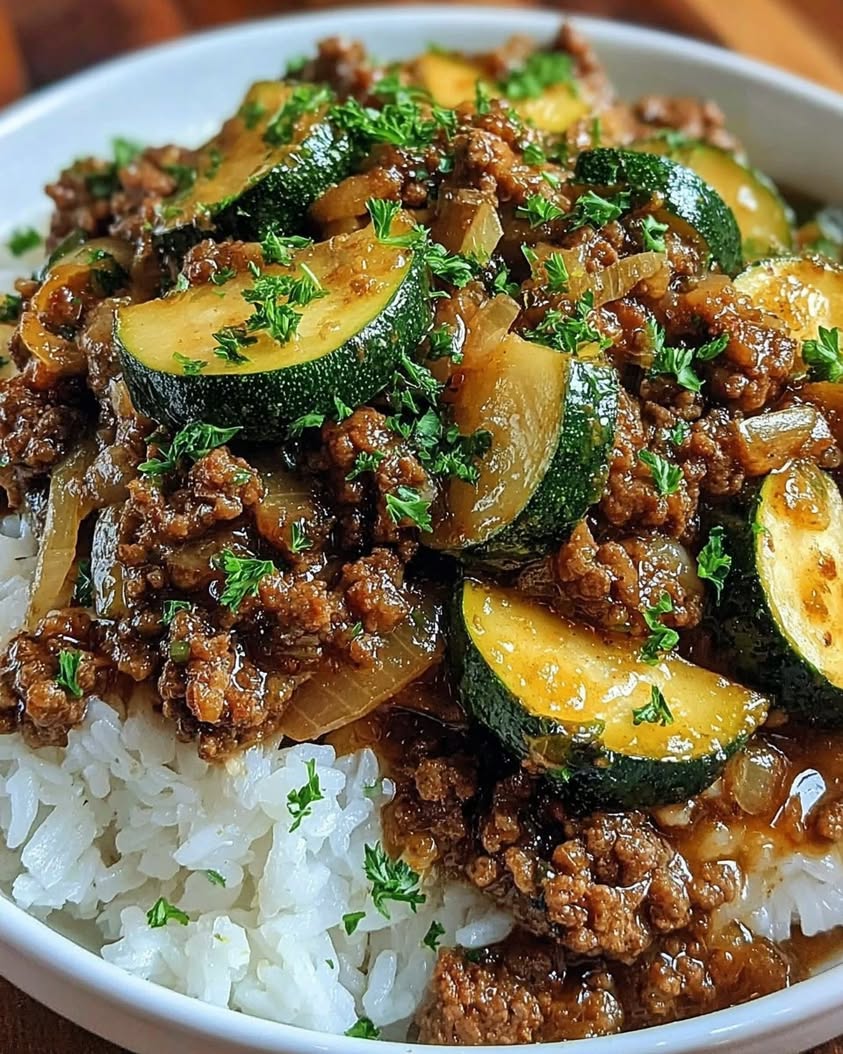
- Visual Appeal: The dish presents a beautiful mosaic of colors: golden brown beef, vibrant green zucchini, and white rice. Garnishes like fresh dill, parsley, or red onion add pops of color. Served in a bowl, it looks both rustic and inviting.
- Skill Level Needed: This is a beginner-friendly recipe requiring basic knife skills for chopping and fundamental stovetop cooking techniques. You mainly need to know how to sauté vegetables and brown meat. Therefore, even novice cooks can achieve excellent results with confidence.
- Special Equipment: No special tools are required beyond a large skillet or sauté pan with a lid and a standard pot for cooking rice. A box grater can speed up zucchini preparation if you prefer it shredded. A simple wooden spoon or spatula is perfect for stirring.
Recipe Overview
- Difficulty Level: We rate this recipe as easy because it involves straightforward, sequential steps without complex techniques. Primarily, it requires sautéing and simmering, which are fundamental cooking skills. The ingredient list is simple and the process is forgiving, allowing for minor variations. Consequently, it is an ideal choice for a stress-free weeknight meal.
- Category: This dish falls squarely into the main course category, providing a complete protein, vegetable, and starch in one bowl. It can also be considered a hearty lunch or a meal prep staple. Its balanced nature makes it a perfect centerpiece for any casual dining occasion.
- Cuisine: The recipe draws direct inspiration from Greek and broader Mediterranean culinary traditions. It utilizes hallmark flavors like oregano, mint, lemon, and olive oil. While not a traditional ancient dish, it modernizes these classic flavor combinations into a convenient bowl format.
- Cost: This is a very economical meal, relying on affordable ground beef and in-season zucchini. Rice acts as a low-cost filler that stretches the more expensive ingredients. Overall, you can expect to feed a family of four for a fraction of the cost of takeout.
- Season: This Greek-Style Beef and Zucchini Rice Bowl shines in late summer and early fall when zucchini is at its peak freshness and abundance. However, it works year-round as zucchini is typically available in supermarkets. The bright flavors can also help lift spirits during colder months.
- Occasion: It is perfect for busy weeknight dinners, casual weekend lunches, or simple meal prep for the week ahead. Furthermore, it is excellent for informal gatherings where you want to serve something flavorful but not fussy. It is generally not for formal events but excels in everyday comfort.
Why You’ll Love This Recipe
First and foremost, the taste and texture of this Greek-Style Beef and Zucchini Rice Bowl are incredibly satisfying. The savory umami from the beef melds perfectly with the sweet, tender zucchini. Additionally, the aromatic herbs and bright lemon create a complex flavor profile that feels both familiar and exciting. Every spoonful delivers a harmonious blend that is deeply comforting yet refreshingly light. You will find yourself going back for seconds without feeling overly heavy.
From a convenience standpoint, this recipe is a true weeknight hero. It comes together in one pan for the main components, meaning less time washing dishes. The prep work is minimal, involving mostly chopping a few vegetables. Moreover, the cooking process is largely hands-off once you add the broth to simmer. Therefore, you can multitask or simply relax while dinner cooks itself.
Nutritionally, this bowl offers a well-rounded meal. Lean ground beef provides high-quality protein and essential iron. Zucchini contributes vitamins, minerals, and fiber, helping you meet your daily vegetable goals. Meanwhile, brown rice can be used for extra fiber and complex carbohydrates. Consequently, this dish supports sustained energy levels and overall dietary balance in a delicious package.
For social and entertaining value, this recipe scales beautifully. You can easily double it to feed a crowd for a casual dinner party. It is a crowd-pleaser that appeals to a wide range of palates. Guests can customize their bowls with various toppings like tzatziki, feta, or olives. This interactive element makes the meal fun and engaging for everyone at the table.
Finally, the cost-effectiveness and accessibility of this Greek-Style Beef and Zucchini Rice Bowl are major wins. The ingredients are pantry staples and affordable fresh produce. You likely have many of the spices already in your cabinet. This makes it an excellent budget-friendly meal that does not sacrifice flavor or quality. It proves that eating well does not require expensive or hard-to-find ingredients.
Historical Background and Cultural Significance
The origins of this dish are rooted in the broader tradition of Greek “yiayia” cooking, which emphasizes simple, fresh ingredients cooked with care. While not a specific historic recipe, it combines elements found in many Greek home kitchens. Dishes like “briam” (roasted vegetables) and “youvetsi” (meat with orzo) inspire its spirit of combining meat, vegetables, and starch. The concept of a “bowl” is a modern presentation, but the flavors are authentically Mediterranean.
Culturally, this recipe reflects the Greek philosophy of “meraki,” meaning to do something with soul and creativity. It is about transforming humble ingredients into something special. The use of oregano, lemon, and olive oil is quintessential to Greek cuisine, representing the flavors of the sun-drenched landscape. Sharing such a meal is central to Greek family life, where food is an expression of love and hospitality.
The evolution of this recipe is a story of adaptation. Traditional Greek meals often feature separate components served on a platter. The modern “rice bowl” format caters to contemporary desires for convenient, all-in-one meals. This fusion respects traditional flavor pairings while embracing a current global food trend. It is a perfect example of how culinary traditions can evolve to fit modern lifestyles without losing their soul.
Regional variations across Greece and the Mediterranean are plentiful. In Crete, they might add wild greens or use lamb instead of beef. Islands might incorporate fresh tomatoes or capers for a briny note. This recipe serves as a versatile template. You can explore these regional twists by swapping herbs, proteins, or vegetables. Ultimately, it invites you to connect with a rich culinary tapestry through your own kitchen experiments.
Ingredient Deep Dive
Ground Beef (90% lean): Lean ground beef is the protein foundation, providing rich flavor and substance. Culturally, beef is common in mainland Greek cooking, though lamb is also traditional. Nutritionally, it is an excellent source of complete protein, iron, zinc, and B vitamins. For selection, choose bright red meat with minimal visible fat. Store it in the coldest part of your fridge and use within 1-2 days, or freeze for longer. For substitutions, ground lamb, turkey, or chicken work well, or use lentils for a plant-based version.
Zucchini: This summer squash adds moisture, texture, and a mild sweetness. It has been cultivated for thousands of years and is a staple in Mediterranean gardens. Zucchini is low in calories but high in vitamin C, potassium, and antioxidants like lutein. Select firm, glossy zucchini that feel heavy for their size, ideally small to medium. Store them unwashed in a plastic bag in the fridge for up to a week. You can substitute yellow squash, eggplant, or even bell peppers for a different vegetable profile.
Long-Grain White Rice: Rice acts as the comforting, absorbent base for the flavorful beef and zucchini mixture. While not as historically central to Greece as in other cultures, it appears in dishes like “spanakorizo.” It provides quick energy via carbohydrates and is naturally gluten-free. Rinse rice before cooking to remove excess starch for fluffier results. Store uncooked rice in a cool, dry pantry. For a whole-grain alternative, brown rice or quinoa are excellent, nutrient-dense substitutions, though cooking times will adjust.
Dried Oregano: This herb is the unmistakable signature of Greek cuisine, offering a warm, slightly bitter, earthy flavor. Greek oregano is particularly prized for its potency. It contains antioxidants and has been used traditionally for its potential medicinal properties. For the best flavor, buy whole dried leaves and crush them yourself just before use. Store dried herbs in a cool, dark place away from heat. If you have fresh oregano, use triple the amount, adding it at the end of cooking.
Chicken Broth: The broth deglazes the pan, lifting the flavorful browned bits, and creates a sauce to cook the rice and zucchini. Using a good-quality broth significantly enhances the overall depth of flavor. It also adds moisture and a subtle savory background. Look for low-sodium versions to control the salt level in your dish. Store unused broth in the refrigerator or freezer. Vegetable broth is a perfect substitute for a vegetarian version of this Greek-Style Beef and Zucchini Rice Bowl.
Common Mistakes to Avoid
- Overcrowding the Pan: Do not add the zucchini to the skillet if there is no space. If the pan is too crowded, the vegetables will steam instead of sauté. This results in soggy, limp zucchini rather than pieces with slight caramelization.
- Using High Heat for Browning: Cooking the beef on excessively high heat can cause it to burn on the outside before cooking through. Instead, use medium-high heat to achieve a proper, even brown crust. This technique, known as the Maillard reaction, builds foundational flavor.
- Skipping the Onion and Garlic Sauté: Do not rush the step of cooking the onion and garlic until fragrant. This process sweetens the onion and mellows the garlic’s raw bite. Consequently, it creates a critical aromatic base for the entire dish.
- Not Seasoning in Layers: Avoid seasoning only at the end. Season the beef while browning and again when you add the broth. Layering salt and spices throughout the cooking process ensures every component is properly seasoned.
- Using Instant Rice: Avoid substituting instant or minute rice in the simmering step. These varieties will become mushy. Traditional long-grain rice needs the specified simmering time to absorb liquid properly and achieve the right texture.
- Stirring Too Frequently After Adding Broth: Once you add the broth, rice, and zucchini, let the mixture simmer undisturbed. Constant stirring releases starch from the rice, making the final dish gluey. Trust the process and let the steam do its work.
- Overcooking the Zucchini: Zucchini cooks quickly and can turn to mush if simmered too long. It should be tender but still have a slight bite. Add it with the rice so it cooks perfectly by the time the rice is done.
- Forgetting the Acidic Finish: Do not skip the fresh lemon juice at the end. The acidity is not just a garnish; it brightens all the other flavors and balances the richness. It is the final key to an authentic Greek taste profile.
Essential Techniques
Proper Browning of Ground Beef: This technique, called the Maillard reaction, is crucial for developing deep, savory flavor. To master it, ensure your pan is hot before adding the meat and avoid overcrowding. Let the beef sit undisturbed for a minute to form a crust before breaking it up. A common pitfall is stirring constantly, which steams the meat. Look for a rich, brown color and fond (browned bits) on the bottom of the pan as your visual cue for success.
Sweating Aromatics: Sweating onions and garlic in oil softens them and releases their sugars without browning. This builds a sweet, aromatic foundation. Use medium heat and a pinch of salt to draw out moisture. The pitfall is rushing this step on high heat, which can cause burning and bitterness. Success is achieved when the onions turn translucent and the garlic becomes fragrant, usually taking about 3-5 minutes.
Simmering for Absorption: Simmering is the gentle cooking method that allows the rice to absorb the broth and become tender. After bringing the mixture to a boil, reducing the heat to low is essential. The pitfall is boiling too vigorously, which evaporates liquid too quickly and leaves rice undercooked. The visual cue is small bubbles breaking the surface gently. The dish is done when the liquid is fully absorbed and the rice is fluffy.
Pro Tips for Perfect Greek-Style Beef and Zucchini Rice Bowl
First, pat the ground beef dry with a paper towel before adding it to the pan. Excess moisture promotes steaming instead of browning, which is key for flavor.
Grate the zucchini if you have picky eaters. The texture blends seamlessly into the beef mixture, making it an excellent way to add hidden vegetables.
Use the fond, those browned bits stuck to the pan after cooking the beef. Deglaze thoroughly with the broth, scraping with a wooden spoon to incorporate all that flavor.
Let the finished dish rest off the heat for 5 minutes with the lid on. This allows the rice to steam fully and the flavors to meld together perfectly.
Toast the dried oregano in the oil for 30 seconds before adding other liquids. This quick bloom releases its essential oils and intensifies its aroma dramatically.
Finish with high-quality extra virgin olive oil and fresh herbs. This final drizzle and sprinkle add a layer of fresh flavor and richness that cooked oils cannot provide.
Variations and Adaptations
Regional Variations: For a Cretan twist, add a handful of chopped dandelion greens or spinach at the end. An island-inspired version might include chopped kalamata olives and a tablespoon of capers. To mimic flavors from the north, add a pinch of cinnamon or allspice with the oregano for warmth.
Seasonal Adaptations: In fall, substitute cubed butternut squash for zucchini and add a pinch of nutmeg. For a spring version, use fresh peas and asparagus tips, adding them in the last 5 minutes of cooking. In winter, incorporate canned diced tomatoes for acidity and use frozen spinach.
Dietary Modifications: For a gluten-free meal, ensure your broth is certified gluten-free. To make it dairy-free, omit feta and use a vegan yogurt-based topping. A paleo adaptation uses cauliflower rice added at the very end just to warm through.
Flavor Variations: Add a teaspoon of tomato paste with the onions for a richer, umami depth. For a spicy kick, include a pinch of red pepper flakes. A tablespoon of chopped fresh dill stirred in at the end introduces a classic Greek flavor.
Texture Modifications: For more texture, use ground beef with a slightly higher fat content. Alternatively, top the bowl with toasted pine nuts or slivered almonds. You can also serve it over couscous or orzo instead of rice for a different mouthfeel.
Presentation Alternatives: Serve the mixture stuffed inside hollowed-out bell peppers or tomatoes and bake. Alternatively, spoon it into butter lettuce cups for a low-carb “wrap.” For a fun appetizer, use it as a filling for mini phyllo pastry cups.
Serving and Presentation Guide
For plating, use wide, shallow bowls to showcase all the components beautifully. Fluff the rice base with a fork first, then create a well in the center for the beef and zucchini mixture. This method keeps the textures distinct and visually appealing.
Garnishing is essential for color and flavor. A generous sprinkle of crumbled feta cheese adds a salty, creamy element and a white contrast. Fresh chopped parsley, dill, or mint provides a green pop and herbal freshness. Thinly sliced red onion or a lemon wedge on the side completes the picture.
Traditional accompaniments include a side of tzatziki sauce for dipping or drizzling. A simple Greek salad of cucumber, tomato, and red onion with olive oil makes a perfect fresh side. Warm pita bread or crusty baguette is ideal for scooping up every last bit.
Modern serving suggestions include setting up a “bowl bar” with various toppings like olives, pepperoncini, and different cheeses. For a deconstructed approach, serve the components separately and let everyone build their own. Pack leftovers in a glass container for an attractive and portable lunch.
Temperature considerations are important. Serve the dish hot, immediately after the resting period. Ensure your garnishes, like tzatziki or feta, are cold for a pleasant temperature contrast. If preparing ahead, reheat the base thoroughly before adding fresh, cold toppings.
For portion control, a standard serving is about 1 to 1.5 cups of the total mixture. Using a measuring cup to portion helps maintain consistency, especially for meal prep. Remember that generous garnishes can add significant calories, so adjust toppings according to your dietary goals.
Wine and Beverage Pairing
Wine pairings should complement the herbal and savory notes. A Greek Assyrtiko, with its crisp acidity and mineral notes, cuts through the richness perfectly. Alternatively, a light-bodied red like a Pinot Noir or a Greek Xinomavro works well without overpowering the dish. Rosé from Provence is another fantastic option, bridging the gap between red and white with its dry, fruity character.
For non-alcoholic alternatives, consider sparkling water with a squeeze of lemon or lime to mirror the dish’s citrus element. A chilled, unsweetened mint iced tea echoes the herbal notes beautifully. Lemonade, especially if not too sweet, provides a refreshing and classic pairing that everyone can enjoy.
While not traditional post-dinner pairings for this meal, a light herbal tea like chamomile or mint can be pleasant after the meal. Coffee is typically saved for dessert in Greek culture. The key is to choose beverages that refresh the palate rather than compete with the meal’s robust flavors.
Temperature considerations are straightforward: white and rosé wines should be well-chilled, while light reds should be served slightly cool, not room temperature. Non-alcoholic drinks are best served cold or over ice. This ensures each sip provides a refreshing counterpoint to the warm, savory bowl.
Serving suggestions include offering a carafe of water on the table as a must. If serving wine, pour modest glasses to allow for pairing with the food rather than dominating it. For a gathering, offering one red and one white option, or a signature non-alcoholic drink, covers all preferences gracefully.
Storage and Shelf Life
For storage, allow the Greek-Style Beef and Zucchini Rice Bowl to cool completely before transferring it to an airtight container. Do not leave it at room temperature for more than two hours to prevent bacterial growth. Dividing it into single-serving portions makes reheating for future meals quick and easy.
Temperature requirements are specific: store the container in the refrigerator at 40°F or below. In the fridge, the dish will stay fresh and safe to eat for 3 to 4 days. For longer storage, freezing is your best option to preserve quality and flavor.
Container recommendations include glass meal-prep containers with tight-fitting lids, which are microwave-safe and do not retain odors. For freezing, use heavy-duty freezer bags, pressing out excess air, or freezer-safe containers. Label everything with the date so you can track freshness.
Signs of spoilage include an off or sour smell, visible mold, or a slimy texture on the meat or rice. If you see any of these signs, discard the entire portion immediately. When in doubt, it is always safer to throw it out.
Reheating instructions are simple for best results. For the microwave, sprinkle a tablespoon of water over the portion to rehydrate it and cover loosely. Heat in 60-second intervals, stirring in between, until piping hot. On the stovetop, reheat in a skillet over medium-low heat with a splash of broth or water.
Freezing guidelines are effective for up to 3 months for best quality. Thaw overnight in the refrigerator before reheating. You can reheat from frozen in a covered saucepan over low heat, adding a bit of broth, but expect the zucchini to be softer.
Make Ahead Strategies
Your prep timeline can start a full day in advance. Chop the onion and garlic, and dice or grate the zucchini. Store these prepped vegetables in separate sealed containers in the refrigerator. You can also measure out your spices and broth ahead of time to streamline the cooking process.
For storage between steps, keep the prepped ingredients chilled until you are ready to cook. The browned beef can be cooked, cooled, and refrigerated in an airtight container for 1-2 days ahead. This significantly cuts down on active cooking time on the day you serve the meal.
Assessing the quality impact is important. Pre-chopped vegetables may lose a slight amount of moisture but will not affect flavor. Pre-cooked beef reheats beautifully when combined with the other ingredients. The final dish, when assembled and reheated, will taste nearly identical to a freshly made version.
Assembly tips for make-ahead involve cooking the entire dish completely, then cooling and storing it. When ready to serve, reheat gently and add all fresh garnishes like lemon juice, herbs, and cheese. This ensures the bright, fresh elements are not lost during storage and reheating.
Reheating guidelines for a fully made-ahead dish are crucial. Reheat on the stovetop over medium-low heat, adding a splash of water or broth to loosen it up. Stir frequently to prevent sticking and ensure even heating. Microwave reheating works but may dry out the edges, so stir well halfway through.
For fresh element additions, always prepare your garnishes just before serving. Crumble the feta, chop the herbs, and cut the lemon wedges fresh. Add these to the hot, reheated base to maximize their flavor, color, and textural contribution to the final Greek-Style Beef and Zucchini Rice Bowl.
Scaling Instructions
Halving the recipe is straightforward for one or two people. Simply divide all ingredient quantities by two. Use a medium skillet instead of a large one to maintain proper cooking depth. The cooking times will remain roughly the same, but keep a closer eye as smaller volumes can cook slightly faster.
Doubling or tripling the recipe for a crowd requires a large Dutch oven or a very wide skillet to accommodate the volume. You may need to brown the beef in batches to avoid steaming. Increase the simmering time by a few minutes to ensure the larger volume of rice cooks through completely.
Equipment adjustments are necessary when scaling. A larger pot is essential for bigger batches to allow proper evaporation. For halved recipes, a smaller pan prevents the ingredients from spreading too thin and drying out. Ensure you have a lid that fits your chosen pot snugly to trap steam effectively.
Timing modifications are minimal when scaling up or down. The browning step may take longer if you are cooking meat in batches for a double batch. The simmering time may increase by 5-10 minutes for a triple batch as the center of the larger pot takes longer to heat. Always check for doneness by tasting the rice.
Storage considerations change with scale. A double batch will yield more leftovers, so ensure you have enough airtight containers. Consider freezing a portion of a large batch immediately after cooking for future quick meals. Label everything clearly with contents and date to manage your inventory efficiently.
Nutritional Deep Dive
The macro breakdown for one serving provides a good balance: approximately 350-400 calories, 25-30 grams of protein from the beef, 35-40 grams of carbohydrates from the rice, and 10-15 grams of fat. This balance supports energy, muscle repair, and satiety, making it a complete meal.
Micronutrient analysis reveals that this dish is a good source of iron and zinc from the beef, vital for oxygen transport and immune function. Zucchini contributes vitamin C, potassium, and manganese. Using brown rice would further increase the fiber, magnesium, and B vitamin content significantly.
Health benefits include supporting muscle maintenance with high-quality protein and promoting digestive health with fiber from vegetables and rice. The herbs and olive oil provide antioxidants. The dish’s balanced nature can help regulate blood sugar levels when portioned appropriately, especially with complex carbs like brown rice.
Dietary considerations are flexible. The recipe is naturally gluten-free if using certified broth. It can be adapted to be dairy-free by omitting cheese. For lower-carb diets, serve the beef and zucchini mixture over cauliflower rice or a bed of greens instead of traditional rice.
Portion analysis shows that a standard serving is satisfying without being excessive. The volume from the zucchini and rice creates a feeling of fullness. To manage calories, you can increase the ratio of zucchini to beef slightly or use extra-lean ground beef without sacrificing flavor.
Weight management tips include being mindful of added fats like olive oil and high-calorie toppings like feta cheese. Using measured amounts of oil for cooking and a light hand with cheese can reduce calorie density. The high protein and fiber content naturally promote satiety, helping to control overall calorie intake.
Dietary Adaptations
Gluten-free: This recipe is naturally gluten-free if you ensure your chicken or vegetable broth is certified gluten-free. Many broths contain hidden gluten from additives or thickeners. Always check labels carefully. All other core ingredients—beef, zucchini, rice, herbs—are inherently gluten-free.
Dairy-free: For a dairy-free Greek-Style Beef and Zucchini Rice Bowl, simply omit the feta cheese garnish. The dish is flavorful enough to stand on its own. For a creamy element, top with a dollop of dairy-free yogurt mixed with cucumber and dill instead of traditional tzatziki.
Vegan: Replace the ground beef with two cans of drained brown lentils or a plant-based ground “meat” alternative. Use vegetable broth instead of chicken broth. The cooking method remains the same. Top with a vegan feta alternative and fresh herbs for a completely plant-based meal.
Low-carb/Keto: Omit the rice entirely. Increase the amount of zucchini, and consider adding other low-carb vegetables like cauliflower florets or mushrooms. Use full-fat broth and ensure any added toppings fit within your macronutrient goals for the day.
Paleo: Substitute the white rice with cauliflower rice. Add the cauliflower rice in the last 5 minutes of cooking just to warm through, avoiding mushiness. Use ghee or avocado oil for cooking instead of seed oils, and ensure your broth has no non-paleo additives.
Low-FODMAP: Use garlic-infused olive oil instead of fresh garlic to impart flavor without the high-FODMAP compounds. Replace the onion with the green tops of spring onions (scallions). Ensure your broth does not contain onion or garlic powder. These swaps keep the dish flavorful while being gut-friendly.
Troubleshooting Guide
Texture Issues (Mushy Rice): If your rice turns out mushy, you likely used too much liquid or stirred it too much during simmering. Next time, measure broth precisely and avoid stirring after the initial mix. For salvage, spread the mixture on a baking sheet to let excess moisture evaporate in a low oven for a few minutes.
Flavor Balance (Too Bland): A bland dish often needs more salt or acid. Season in layers next time. To fix it now, stir in an extra pinch of salt and a generous squeeze of lemon juice. A dash of Worcestershire sauce or a sprinkle of grated Parmesan can also add umami depth quickly.
Temperature Problems (Rice Undercooked): If the rice is still hard after simmering, the heat was likely too low, or there was not enough liquid. Add a quarter cup of hot broth or water, cover tightly, and continue cooking on low for another 5-10 minutes. Check again before serving.
Equipment Challenges (No Lid): If you do not have a lid for your skillet, use a large baking sheet or even a piece of aluminum foil to cover it tightly. The goal is to trap steam to cook the rice. Ensure the cover is secure to prevent too much evaporation during the simmering process.
Ingredient Substitutions (Out of Oregano): If you are out of dried oregano, use dried marjoram, which is a close relative. Alternatively, use an Italian seasoning blend, but omit any added salt if the blend contains it. A combination of dried thyme and a small amount of dried mint can also mimic the profile.
Timing Concerns (Dinner is Late): If you are behind schedule, cook the rice separately according to package directions while you prepare the beef and zucchini mixture in another pan. Combine them at the end. This parallel cooking method can shave 10-15 minutes off the total hands-on time.
Recipe Success Stories
Community feedback on this Greek-Style Beef and Zucchini Rice Bowl has been overwhelmingly positive. Many home cooks report it has become a weekly staple in their homes. Parents especially love that their children happily eat the zucchini when it is mixed in with the flavorful beef and rice. The simplicity and speed are consistently praised as major benefits for busy families.
Variation successes shared by readers include using ground turkey for a lighter version, which works beautifully. Others have added a can of drained, diced tomatoes for a saucier result. One creative cook used quinoa instead of rice and added chopped artichoke hearts for an extra vegetable boost, reporting fantastic results.
Adaptation stories from those with dietary restrictions are inspiring. A reader with Celiac disease confirmed that with certified gluten-free broth, the dish was a safe and delicious dinner. Another following a dairy-free diet used nutritional yeast as a “cheesy” topping and loved it. These stories highlight the recipe’s wonderful flexibility.
Reader suggestions have included browning the beef with a teaspoon of smoked paprika for a deeper flavor. Another great tip is to add a bay leaf during the simmering step and remove it before serving. Some recommend letting the dish sit for 10 minutes after cooking, covered, for the flavors to develop even more.
Photography tips from successful posters suggest using natural light and a simple white bowl to make the colors pop. Garnishing with a bright green herb like parsley or dill right before taking the photo adds freshness. A side plate with a lemon wedge and a piece of feta cheese helps tell the complete story of the dish.
Frequently Asked Questions
Can I use ground turkey or chicken instead of beef? Absolutely. Ground turkey or chicken are excellent leaner alternatives. You may want to add an extra tablespoon of olive oil when browning, as poultry is lower in fat. The cooking method and times remain exactly the same for a delicious result.
Can I make this Greek-Style Beef and Zucchini Rice Bowl in an Instant Pot? Yes. Use the sauté function to brown the beef and cook the onions. Then add everything except fresh garnishes, seal, and cook on high pressure for 5 minutes with a quick release. The zucchini will be very soft, but the flavor is great.
Is it okay to use frozen zucchini? You can, but thaw and drain it thoroughly first. Frozen zucchini releases a lot of water, which can make the final dish soupy. Squeeze out excess liquid in a clean kitchen towel after thawing for the best texture in your bowl.
What can I use if I don’t have fresh lemon juice? A tablespoon of red wine vinegar or white wine vinegar can provide the necessary acidity in a pinch. The flavor profile will shift slightly but will still be delicious. Avoid using bottled lemon juice if possible, as it can have a metallic aftertaste.
How can I make this dish spicier? Add a quarter to a half teaspoon of red pepper flakes when you add the dried oregano. Alternatively, stir in a finely chopped fresh jalapeño or a Print
Greek-Style Beef and Zucchini Rice Bowl
- Total Time: 45 minutes
- Yield: 4
Description
A vibrant and hearty bowl featuring seasoned ground beef, sautéed zucchini, and fluffy rice, topped with tangy feta and fresh herbs for a Mediterranean-inspired meal.
Ingredients
- 1 lb ground beef
- 2 medium zucchinis, diced
- 1 cup uncooked white rice
- 1 onion, chopped
- 2 cloves garlic, minced
- 1 tsp dried oregano
- 1/2 tsp dried dill
- 1/4 cup crumbled feta cheese
- 2 tbsp olive oil
- Salt and pepper to taste
- Fresh parsley for garnish
Instructions
- Cook the rice according to package instructions and set aside.
- Heat olive oil in a large skillet over medium heat. Add onion and garlic, sauté until softened, about 3-4 minutes.
- Add ground beef to the skillet, breaking it up with a spoon. Cook until browned, then stir in oregano, dill, salt, and pepper.
- Add diced zucchini to the skillet and cook until tender, about 5-7 minutes, stirring occasionally.
- Divide the cooked rice among bowls, top with the beef and zucchini mixture, and sprinkle with feta cheese and fresh parsley before serving.
Notes
You can customize the seasonings to taste.
- Prep Time: 15 minutes
- Cook Time: 30 minutes
- Method: Main
- Cuisine: Greek