Gooey Caramel Chocolate Crunch Bars: An Irresistible No-Bake Treat
Imagine biting into a dessert that delivers a perfect symphony of textures and flavors. These Gooey Caramel Chocolate Crunch Bars are exactly that. They combine a buttery graham cracker crust with a rich layer of sweet caramel and a smooth blanket of milk chocolate. Ultimately, the entire creation gets a satisfying final crunch from a sprinkle of chopped peanuts. This no-bake treat is a guaranteed crowd-pleaser for any occasion.
Furthermore, the beauty of these bars lies in their simplicity. You do not need any fancy equipment or advanced baking skills. In fact, the process is wonderfully straightforward. You simply melt, mix, layer, and chill. Consequently, you can have a decadent homemade dessert ready in under half an hour. The result is a treat that feels indulgent and special. Meanwhile, it requires minimal effort from you in the kitchen.
These Gooey Caramel Chocolate Crunch Bars are the ultimate solution for a last-minute potluck or a sudden sweet craving. They store beautifully and travel well. Therefore, they are perfect for picnics, bake sales, or lunchbox surprises. The combination of creamy, crunchy, and chewy elements creates an unforgettable eating experience. Every single layer complements the others perfectly. So, get ready to make a dessert that will have everyone asking for the recipe.
Quick Recipe Highlights
- Flavor Profile: These bars offer a masterful balance of sweet, salty, and rich notes. The deep butterscotch flavor of the caramel melds with the creamy milk chocolate. Additionally, the salty peanuts provide a perfect counterpoint that prevents the sweetness from being overwhelming.
- Texture: You experience a delightful textural journey in every bite. First, there’s the firm base of the graham crust. Next, you hit the soft, gooey caramel layer. Then, you break through the smooth, snappy chocolate. Finally, you get the satisfying crunch of the peanut topping.
- Aroma: As you prepare these bars, your kitchen will fill with warm, inviting scents. The melting butter and brown sugar create a toffee-like fragrance. Subsequently, the melting chocolate adds a deep, cocoa-rich aroma that is simply irresistible.
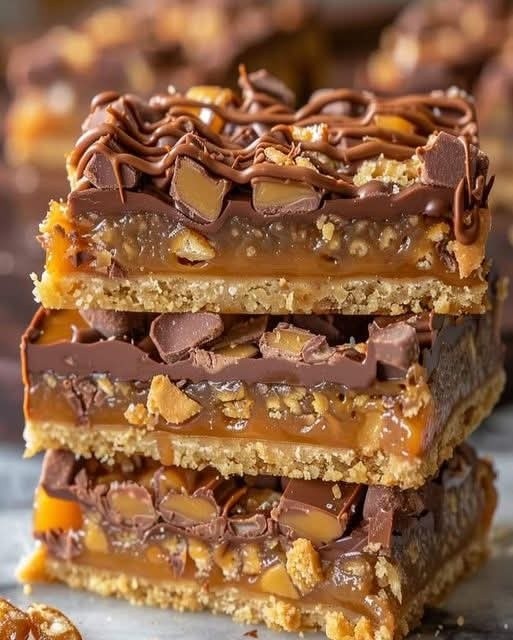
- Visual Appeal: These bars are strikingly beautiful with their distinct, clean layers. The golden crust, amber caramel, and dark chocolate create a marbled effect when sliced. The peanut pieces on top add visual texture and a hint of rustic charm.
- Skill Level Needed: This is a beginner-friendly recipe designed for success. The only techniques required are melting and stirring. There is no baking, whipping, or precise temperature control needed. Anyone can achieve perfect results on the first try.
- Special Equipment: You only need very basic kitchen tools. A medium saucepan, a 9×9 inch baking pan, and some parchment paper are the essentials. A heatproof spatula is helpful for spreading the layers evenly.
Recipe Overview
- Difficulty Level: We rate this recipe as “Easy” because it eliminates the most common baking hurdles. There is no risk of over-mixing, no worry about oven temperatures, and no fear of undercooking. The steps are sequential and simple, making it foolproof for cooks of all ages and experience levels.
- Category: This dessert falls squarely into the category of no-bake bars and squares. It is also a fantastic choice for a make-ahead dessert or a portable treat. You can serve it at casual gatherings, formal events, or simply as an after-dinner indulgence.
- Cuisine: While not tied to a specific traditional cuisine, these bars are a classic example of American home baking and confectionery. They draw inspiration from Scottish tablet, English toffee, and the American love for layered bar cookies. The use of graham crackers is a distinctly North American touch.
- Cost: This is an incredibly cost-effective dessert to prepare. The ingredients are pantry staples or inexpensive to purchase. A batch of 16 generous bars costs significantly less than buying a similar quantity of gourmet chocolate bars or bakery items.
- Season: These Gooey Caramel Chocolate Crunch Bars are truly a year-round treat. They are cool and refreshing in the summer since they require no oven. Conversely, they offer rich, comforting flavors that are perfect for fall and winter holidays.
- Occasion: They are versatile for any event. They are ideal for birthday parties, holiday cookie trays, school events, or book club meetings. Moreover, they make a wonderful homemade gift when packaged in a cute box or tin.
Why You’ll Love This Recipe
First and foremost, the taste and texture are absolutely magical. The gooey caramel layer is the star, providing a rich, buttery sweetness that contrasts with the crisp crust and the firm chocolate. Each component is delicious on its own, but together they create a harmonious flavor bomb. The salt from the peanuts cuts through the sweetness perfectly. Consequently, you find yourself reaching for just one more bite, again and again. The satisfaction of that multi-textural crunch is deeply comforting and utterly addictive.
From a convenience standpoint, this recipe is a dream. You can literally go from zero to dessert in about 25 minutes of active time. There is no need to preheat an oven or wait for anything to cool to room temperature. The chilling time in the fridge does all the work of setting the bars. This makes it an ideal last-minute recipe when you need something impressive fast. Furthermore, cleanup is minimal, often involving just one saucepan and a mixing bowl.
While this is an indulgent treat, you can appreciate some aspects of its composition. For instance, peanuts provide protein and healthy fats. Using a controlled portion size allows you to enjoy a satisfying dessert without overindulging. You can also easily adapt the recipe to use darker chocolate or a reduced-sugar caramel for a slightly better nutritional profile. Ultimately, it’s about balance and enjoying homemade treats where you control the ingredients.
The social and entertaining value of these bars is incredibly high. They are universally loved by both kids and adults. Bringing a pan to a gathering guarantees you will leave with an empty dish. They spark conversation because people love to guess how you made them. They are also a fantastic recipe to make with children, as the steps are safe and simple. Teaching someone to make these Gooey Caramel Chocolate Crunch Bars is a wonderful way to share the joy of cooking.
Finally, the cost-effectiveness and accessibility cannot be overstated. You likely have many of the ingredients in your pantry right now. Graham crackers, butter, brown sugar, and peanuts are common staples. Even if you need to buy everything, the total cost is very low for the yield. This makes it an excellent recipe for families, students, or anyone wanting a decadent dessert on a budget. You get gourmet-quality results with supermarket ingredients.
Historical Background and Cultural Significance
The origin of layered bar cookies like these is deeply rooted in mid-20th century American home economics. During this time, convenient, shelf-stable ingredients like sweetened condensed milk, graham crackers, and packaged caramels became widely available. Home cooks, particularly those submitting recipes to community cookbooks and magazines, began experimenting with creating easy, no-bake desserts. The “Hello Dolly” or “Magic Cookie Bar,” which uses a similar layered approach with coconut and chocolate chips, is a close cousin. Our Gooey Caramel Chocolate Crunch Bars are a direct descendant of this innovative, convenience-focused era of cooking.
Culturally, these bars represent a celebration of homemade abundance and sharing. They are not a fussy, plated restaurant dessert. Instead, they are meant to be cut into squares, arranged on a platter, and served communally. This style of dessert is central to American potluck culture, church socials, and family reunions. The act of bringing a pan of homemade bars signifies care, effort, and a desire to contribute to the collective feast. They are a food of generosity and comfort.
The recipe has evolved significantly from its early iterations. Originally, many recipes relied on melting store-bought caramel candies. Modern versions, like this one, often create a homemade caramel sauce from butter and brown sugar for a superior flavor and texture. The choice of toppings has also expanded. While we use peanuts, variations might include pecans, walnuts, pretzels, or a sprinkle of sea salt. The chocolate layer has evolved from simple milk chocolate to include dark, semi-sweet, or even flavored chocolates. This evolution shows the recipe’s adaptability.
Regional variations of this concept abound across the United States. In the South, you might find a version with pecans and a bourbon-infused caramel. In the Midwest, a layer of butterscotch chips might be added. In areas with a strong dairy tradition, a sprinkle of flaky sea salt on top is popular to enhance the caramel. Some versions incorporate a layer of peanut butter or marshmallow fluff. Each variation reflects local tastes and ingredient availability, proving the recipe’s fantastic versatility and enduring appeal.
Ingredient Deep Dive
Graham Cracker Crumbs: Graham crackers were invented in the 19th century by Sylvester Graham as part of a vegetarian, anti-indulgence diet. Ironically, they became a cornerstone of indulgent American desserts like cheesecake and s’mores. They provide a sweet, wheaty, and slightly cinnamon flavor that forms a sturdy base. For the best texture, crush them finely but not into dust; you want them to hold together when mixed with butter. You can use store-bought crumbs or pulse whole crackers in a food processor. For a gluten-free version, certified gluten-free graham-style crackers work perfectly.
Butter: Butter is the essential fat that carries flavor and creates texture in both the crust and the caramel. It provides richness and helps the graham crumbs bind. In the caramel layer, it emulsifies with the brown sugar and milk to create a smooth, creamy sauce. Always use unsalted butter so you can control the salt level in the recipe. For the best flavor, use real butter instead of margarine. Ensure your butter is fresh for a clean, sweet taste in the final bars.
Brown Sugar: Brown sugar, with its molasses content, is non-negotiable for the caramel layer. The molasses provides moisture, a deep color, and that distinctive butterscotch-like flavor that defines caramel. Light or dark brown sugar works; dark brown will give a more intense molasses taste. Always pack the brown sugar firmly into your measuring cup for accuracy. If your brown sugar has hardened, place it in a sealed container with a slice of bread or a damp paper towel overnight to soften it.
Milk: The milk in the caramel sauce adds creaminess and helps dissolve the sugar. Whole milk will give the richest result, but 2% milk works well too. The milk proteins also contribute to the caramel’s structure as it chills and sets. For a dairy-free version, a full-fat canned coconut milk is an excellent substitute that adds a lovely flavor. Do not use skim milk, as the caramel may become too thin and not set properly.
Milk Chocolate Chips: Milk chocolate is the classic pairing for caramel, offering a creamy, sweet contrast. It melts smoothly and sets with a satisfying snap. Using chips is convenient because they are designed to melt evenly. For a more sophisticated twist, you can use a chopped high-quality milk chocolate bar. If you prefer a less sweet bar, semi-sweet or dark chocolate chips are fantastic alternatives. Ensure you spread the chocolate quickly before it begins to set.
Peanuts: Salted peanuts provide the crucial “crunch” and a hit of salty flavor that balances the sweetness. They also add protein and healthy fats. You can use dry-roasted or honey-roasted peanuts for different flavor notes. For a different texture, try chopped pecans, walnuts, or even pretzel pieces. If you need a nut-free version, toasted sunflower seeds or pumpkin seeds make a great crunchy topping.
Common Mistakes to Avoid
- Not Lining the Pan: Skipping the parchment paper is a major error. The caramel will stick fiercely to the pan, making it impossible to remove the bars in clean slices. Always line your pan with parchment, leaving an overhang on two sides to act as handles.
- Undercooking the Caramel: If you do not let the caramel mixture boil for the full two minutes, it may not set firmly. It will remain too soft and runny, causing the layers to bleed together. Watch the clock and ensure a rolling boil for the specified time.
- Overheating the Chocolate: When melting the chocolate chips over the residual heat, stirring constantly is key. If the saucepan is too hot, the chocolate can seize or become grainy. The goal is to melt it gently with the warmth left in the pan after removing it from the stove.
- Spreading Chocolate on Hot Caramel: You must let the caramel layer cool for a few minutes before adding the chocolate. If the caramel is too hot, it will melt the chocolate too much, causing the layers to mix instead of staying distinct.
- Not Pressing the Crust Firmly: A loosely packed crust will crumble when you cut the bars. Use the bottom of a measuring cup to press the graham mixture very firmly and evenly into the pan. This creates a solid foundation.
- Using Cold Butter: The butter for the crust must be melted to properly coat the graham cracker crumbs and help them bind. Using cold or softened butter will result in a dry, crumbly base that falls apart.
- Skipping the Chill Time: Impatience is the enemy here. If you try to cut the bars before they are fully chilled and set, you will have a gooey mess. The four-hour chill in the fridge is essential for clean, perfect squares.
- Storing at Room Temperature: Due to the caramel and chocolate, these bars are best stored in the refrigerator. At room temperature, especially on a warm day, they can become too soft and lose their structural integrity.
Essential Techniques
Creating the Perfect Pressed Crust: This technique is vital for a stable base. After combining the melted butter and graham crumbs, the mixture should resemble wet sand. Dump it into your lined pan and use your fingers to spread it loosely. Then, take a flat-bottomed object like a measuring cup or glass and press down firmly and evenly across the entire surface. You want to compact the crumbs so the crust is uniform and holds together when sliced. A common pitfall is pressing only the center; ensure you get the corners and edges with equal pressure.
Making a Simple Stovetop Caramel: This is a “wet” caramel method, where sugar is dissolved in liquid before boiling. The key is constant stirring until the sugar fully dissolves to prevent crystallization. Once it reaches a boil, stop stirring and let it bubble for the full two minutes. This allows water to evaporate and the syrup to thicken to the perfect gooey consistency. The visual cue for success is a sauce that coats the back of a spoon and leaves a clear trail when you run your finger through it. Do not walk away, as it can boil over quickly.
Melting Chocolate Using Residual Heat: This gentle method prevents scorching. After making the caramel, you simply remove the saucepan from the heat and immediately stir in the chocolate chips. The retained heat in the pan is sufficient to melt them. Stir constantly until the chocolate is completely smooth and glossy. If a few chips remain unmelted, you can return the pan to the lowest heat setting for just 5-10 seconds, then stir again off the heat. The goal is a fluid, spreadable chocolate layer.
Layering for Clean Lines: Achieving distinct layers is part of the visual appeal. After spreading the hot caramel, let it cool and set for about 5 minutes. This creates a slightly firm surface. Then, pour the melted chocolate over the back of a spoon held just above the caramel. This technique disperses the chocolate gently without disrupting the layer beneath. Use an offset spatula or the back of a spoon to spread it into an even coat in smooth, slow motions.
Pro Tips for Perfect Gooey Caramel Chocolate Crunch Bars
For an extra-sturdy crust, you can bake it at 350°F (175°C) for 8-10 minutes before adding the caramel. This toasts the graham crackers slightly and creates an even firmer base, though the recipe works perfectly without baking.
Add a half teaspoon of vanilla extract or a pinch of flaky sea salt to the caramel sauce after removing it from the heat. This enhances the flavor complexity dramatically.
For professional-looking slices, use a large, sharp chef’s knife. Wipe the blade clean with a hot, damp cloth between each cut. This ensures every bar has clean, sharp edges.
If your kitchen is warm, chill the entire pan in the freezer for the last 30 minutes of setting time. This makes the chocolate extra snappy and guarantees clean cuts.
Toast your peanuts in a dry skillet for 3-4 minutes before chopping and sprinkling. Toasting deepens their flavor and makes them even crunchier in the final bars.
For a marbled effect, after spreading the chocolate, drag a toothpick or skewer in swirls through the chocolate and into the caramel layer just beneath before it sets.
Let the bars sit at room temperature for 5-10 minutes after removing them from the fridge before serving. This slightly softens the caramel, making it perfectly gooey.
Double the recipe in a 9×13 inch pan for a crowd. Simply extend the caramel boiling time by one extra minute to account for the larger volume.
Variations and Adaptations
Regional Variations: Embrace local flavors by swapping the peanuts. In the South, use chopped pecans. In the Northeast, try salted pretzel pieces. For a tropical twist, use macadamia nuts and add a handful of toasted coconut to the graham crust.
Seasonal Adaptations: For autumn, add a quarter teaspoon of cinnamon to the graham crust and use dark chocolate. For winter holidays, sprinkle the top with crushed candy canes after the chocolate sets. In spring, a sprinkle of freeze-dried raspberries adds color and tartness.
Dietary Modifications: For gluten-free bars, use certified gluten-free graham-style crackers. For dairy-free, use vegan butter, a dairy-free milk alternative, and dairy-free chocolate chips. Ensure your brown sugar is vegan, as some are processed with bone char.
Flavor Variations: Infuse the caramel with a tablespoon of bourbon or espresso powder for an adult twist. Swap the milk chocolate for white chocolate and use almonds for a “blondie” version. Add a layer of smooth peanut butter between the caramel and chocolate for a peanut butter cup effect.
Texture Modifications: For a softer bar, reduce the caramel boil time by 30 seconds. For a firmer, chewier bar, boil it for an extra 30-45 seconds. You can also add a quarter cup of rolled oats to the graham crust for a heartier texture.
Presentation Alternatives: Instead of bars, press the crust into mini muffin tins to create individual “cups.” Fill with caramel and chocolate for bite-sized treats. You can also layer the components in a jar for a deconstructed dessert parfait.
Serving and Presentation Guide
Plating Techniques: For a casual gathering, simply arrange the bars on a simple platter or cake stand. For a more elegant presentation, place each bar on a small square of parchment paper or a decorative dessert napkin. You can also stack them in a staggered pyramid on a serving board for visual height and interest.
Garnishing Ideas: A light dusting of flaky sea salt just before serving elevates the flavors. A drizzle of extra melted chocolate or caramel sauce on the plate adds a restaurant-style touch. A tiny dollop of whipped cream or a single coffee bean on top makes for a beautiful finish.
Traditional Accompaniments: A cold glass of milk is the classic, perfect partner for these rich bars. For a coffee shop feel, serve them alongside a cup of freshly brewed coffee or a latte. A scoop of vanilla ice cream turns a bar into an over-the-top sundae.
Modern Serving Suggestions: Crumble a bar over a bowl of vanilla ice cream or Greek yogurt. Use slightly softened bars as a decadent topping for waffles or pancakes. For a party, cut them into very small, bite-sized pieces and serve with toothpicks as a sweet passed appetizer.
Temperature Considerations: These bars are best served cool, but not ice-cold. Remove them from the refrigerator 5-10 minutes before serving. This allows the caramel to achieve its signature gooey texture while the chocolate and crust remain firm. Avoid leaving them in direct sunlight or a hot room.
Portion Control Tips: The recipe yields 16 generous bars. For larger crowds or as part of a bigger dessert spread, you can easily cut them into 32 smaller, two-bite pieces. Using a ruler or a bench scraper to score the chocolate before cutting helps create perfectly uniform portions.
Wine and Beverage Pairing
Wine Pairings: The sweetness of these bars calls for a wine that is equally sweet or fortified to avoid tasting bitter. A rich, tawny Port is a magnificent pairing, as its nutty notes complement the peanuts and caramel. A Cream Sherry or a late-harvest Riesling also works beautifully. If you prefer red, a bold, fruit-forward Zinfandel can stand up to the chocolate. The key is to match the dessert’s intensity.
Non-Alcoholic Alternatives: Sparkling apple cider provides a crisp, effervescent contrast to the rich bars. A chai tea latte, with its warm spices, is a cozy companion. For a classic pairing, nothing beats an ice-cold glass of whole milk. A homemade salted caramel hot chocolate continues the theme deliciously.
Coffee and Tea Pairings: A dark roast coffee or espresso cuts through the sweetness and cleanses the palate. A cup of black tea, like Earl Grey, offers a floral note that pairs nicely with the caramel. For an herbal option, a rooibos tea with its natural sweetness is a great caffeine-free choice.
Temperature Considerations: Serve chilled beverages to contrast the richness of the bars. Iced coffee, cold milk, or a chilled dessert wine are ideal. If serving hot coffee or tea, ensure it is piping hot to provide a satisfying temperature difference with the cool dessert.
Serving Suggestions: When hosting, set up a small beverage station alongside your dessert platter. Offer a choice of cold milk, hot coffee, and perhaps a bottle of dessert wine. This allows guests to choose their perfect pairing and enhances the overall experience.
Storage and Shelf Life
Storage Methods: Always store these bars in an airtight container in the refrigerator. Layer them between sheets of parchment or wax paper to prevent them from sticking together. The cold environment keeps the chocolate firm, the caramel gooey (not runny), and the crust crisp.
Temperature Requirements: Refrigeration is mandatory. The ideal temperature is below 40°F (4°C). Do not leave the pan on the counter for more than an hour, especially in warm weather, as the layers will begin to soften and separate.
Container Recommendations: A rectangular glass or plastic storage container with a tight-fitting lid is perfect. You can also keep them in the original baking pan, tightly wrapped with plastic wrap or aluminum foil. For gifting, a metal tin lined with parchment works well.
Signs of Spoilage: These bars are very stable due to their sugar content. The primary sign of issues would be the growth of mold, which is highly unlikely if stored properly. If the chocolate develops a white “bloom,” it is just the cocoa butter separating and is safe to eat, though the texture may be slightly different.
Reheating Instructions: These bars are not meant to be reheated. However, if they are too cold and hard, letting them sit at room temperature for 10 minutes is sufficient. Microwaving will melt the chocolate and create a mess.
Freezing Guidelines: These bars freeze exceptionally well for up to 2-3 months. Wrap individual bars tightly in plastic wrap, then place them in a freezer bag or airtight container. Thaw overnight in the refrigerator before serving.
Make Ahead Strategies
Prep Timeline: You can prepare the entire recipe up to 3 days in advance. Simply make, chill, and cut the bars, then store them in the fridge in an airtight container. The flavors actually improve slightly as they meld. You can also prepare the graham crust a day ahead, cover the pan, and leave it at room temperature before adding the caramel the next day.
Storage Between Steps: If you need to pause after making the crust, it’s fine to leave it at room temperature, covered, for several hours. After adding the caramel layer, you must refrigerate it if not proceeding within an hour. Once the chocolate is on, the chilling process must be completed uninterrupted.
Quality Impact Assessment: Making these bars ahead has a positive impact. The chilling time allows the caramel to fully set and the layers to bond. The texture becomes more cohesive, and the flavors deepen. They hold their shape better when cut after a full 24 hours of chilling.
Assembly Tips: For flawless assembly when making ahead, ensure each layer is completely cool before adding the next. Rushing this step is the main cause of layer blending. Use the fridge to speed up the cooling of the caramel before adding the chocolate if you are on a tight schedule.
Reheating Guidelines: As mentioned, do not reheat. The make-ahead strategy relies on proper chilling. If you need to soften them, the brief room-temperature rest is all that’s required.
Fresh Element Additions: If making more than 2 days in advance, consider adding any fresh garnishes like a sprinkle of flaky salt or a nut topping just before serving. This ensures they look their best and retain maximum crunch.
Scaling Instructions
Halving the Recipe: Halving works perfectly for a smaller 8×8 inch pan. Simply divide all ingredient quantities by two. The caramel boiling time can remain at 2 minutes, as the smaller volume will reach the correct consistency slightly faster. Keep a close eye on it. The chill time remains the same.
Doubling or Tripling: To feed a crowd, double the recipe in a 9×13 inch pan. Triple it for a large half-sheet pan (18×13 inches). When increasing the caramel, extend the boiling time by 1 minute for a double batch and 1.5-2 minutes for a triple batch. You need to ensure enough water evaporates for proper setting.
Equipment Adjustments: When scaling up, use a larger, heavy-bottomed saucepan for the caramel to prevent boil-overs. You may also need to melt the chocolate in a separate bowl if your saucepan is not large enough to hold all the chips after making the increased caramel volume.
Timing Modifications: The prep time will increase slightly when scaling up due to the time needed to measure larger quantities and stir bigger batches. The chill time, however, remains constant at a minimum of 4 hours, regardless of pan size.
Storage Considerations: A larger batch means more bars to store. Ensure you have adequate airtight containers or space in your refrigerator. Consider freezing a portion of a very large batch for future enjoyment.
Nutritional Deep Dive
Macro Breakdown: A typical bar is energy-dense, providing carbohydrates from the graham crackers, sugar, and chocolate, which offer quick energy. Fats come from the butter, peanuts, and chocolate, contributing to satiety and carrying flavor. Protein is present in modest amounts from the milk and peanuts. This is a treat best enjoyed in the context of an overall balanced diet.
Micronutrient Analysis: The peanuts provide notable amounts of niacin (Vitamin B3), magnesium, and phosphorus. The dairy ingredients contribute calcium and Vitamin D. The use of real butter provides Vitamin A. While not a health food, the bars do offer more nutritional variety than a plain candy bar due to the whole-food ingredients like nuts and dairy.
Health Benefits: In moderation, the peanuts offer heart-healthy monounsaturated fats and can help manage hunger. The calcium from the dairy supports bone health. The psychological benefit of enjoying a deeply satisfying homemade dessert should not be underestimated for overall well-being.
Dietary Considerations: This standard recipe contains gluten (graham), dairy (butter, milk, chocolate), and peanuts. It is high in sugar and saturated fat. Individuals managing conditions like diabetes or heart disease should enjoy a very small portion as an occasional treat, considering it part of their daily carbohydrate and fat allowance.
Portion Analysis: One bar is a satisfying serving. Cutting the pan into 16 pieces, as directed, provides reasonable portion control. For those wishing to reduce calorie intake, cutting the pan into 20 or 24 smaller pieces is an easy strategy to enjoy the flavor with less impact.
Weight Management Tips: If including these in a weight management plan, log them accurately, focusing on the portion size. Pair a bar with a protein-rich food like Greek yogurt to help balance blood sugar and increase satiety. Most importantly, eat mindfully, savoring each bite to maximize satisfaction.
Dietary Adaptations
Gluten-Free: Use certified gluten-free graham-style crackers or gluten-free crisp rice cereal as a 1:1 substitute for the graham crumbs. Ensure all other ingredients, like chocolate chips, are certified gluten-free, as cross-contamination can occur during manufacturing.
Dairy-Free: Replace butter with a high-quality vegan butter stick. Use a full-fat, unsweetened plant-based milk like coconut, oat, or soy milk. Choose dairy-free chocolate chips. This adaptation works seamlessly and yields a nearly identical texture and flavor.
Vegan: Follow the dairy-free guidelines and also ensure your brown sugar is vegan (not processed with bone char). The recipe is naturally egg-free. The result is a rich, decadent vegan dessert that will impress everyone.
Low-Carb/Keto: This is a significant adaptation. Replace graham crumbs with a mixture of almond flour, a keto sweetener, and melted butter. Use a sugar-free caramel syrup and sugar-free chocolate chips. Recalculate net carbs, as nuts and dairy are keto-friendly in moderation.
Paleo: Create a crust from almond flour, coconut flour, and coconut oil. Use dates or coconut sugar for the caramel layer, and sweeten with honey or maple syrup. Use a paleo-approved dark chocolate. Omit the peanuts or use another paleo nut like almonds.
Low-FODMAP: This is challenging due to the dairy and wheat. Use a gluten-free graham alternative and lactose-free butter and milk. Use dark chocolate with a high cocoa percentage (usually lower in lactose). Limit portion size to one small piece to manage fructose from the sugar.
Nut-Free: Simply omit the peanut topping. For crunch, substitute with toasted sunflower seeds, pumpkin seeds (pepitas), or crushed gluten-free pretzels. Ensure all ingredients are processed in a nut-free facility if you have a severe allergy.
Troubleshooting Guide
Texture Issues (Too Soft): If your bars are messy and won’t hold a shape, the caramel likely didn’t cook long enough. Next time, ensure a full rolling boil for 2 minutes. As a fix for this batch, place them in the freezer for an hour to firm up before cutting and serving. They will be firmer but still delicious.
Flavor Balance (Too Sweet): If the bars taste overwhelmingly sweet, the balance is off. Next time, use dark chocolate instead of milk chocolate and add an extra quarter teaspoon of salt to the caramel. For this batch, serve them with a strong, bitter coffee or a tart berry compote to cut the sweetness.
Temperature Problems (Chocolate Seized): If your chocolate became grainy and clumpy, it was overheated or a drop of steam got into it. Unfortunately, you cannot fix seized chocolate in this context. Scrape it off, re-melt a new batch of chips in the microwave at 50% power, and spread it over the caramel.
Equipment Challenges (Caramel Stuck to Pan): If you didn’t line the pan and the bars are stuck, don’t try to pry them out. Place the entire pan in a larger pan of hot water for a minute to slightly warm the bottom. This should loosen the caramel enough to turn the slab out in one piece.
Ingredient Substitutions (Runny Caramel): If you substituted a liquid sweetener like maple syrup for the brown sugar, the caramel will not set. To salvage, you can try freezing the bars solid and eating them as a frozen treat, or crumbling them over ice cream as a topping.
Timing Concerns (Chocolate Hardened Too Fast): If the chocolate starts to set before you can spread it, simply return the saucepan to the lowest heat for a few Print
Gooey Caramel Chocolate Crunch Bars
- Total Time: 45 minutes
- Yield: 4
Description
A decadent dessert bar with a buttery graham cracker crust, a gooey caramel and chocolate layer, and a crunchy topping.
Ingredients
- 1 1/2 cups graham cracker crumbs
- 1/2 cup unsalted butter, melted
- 1 cup semi-sweet chocolate chips
- 1 cup caramel sauce or dulce de leche
- 1 cup crispy rice cereal
- 1/2 cup chopped pecans or walnuts (optional)
Instructions
- Preheat oven to 350°F (175°C). Line an 8×8-inch baking pan with parchment paper.
- In a bowl, mix graham cracker crumbs with melted butter until combined. Press firmly into the bottom of the prepared pan.
- Sprinkle chocolate chips evenly over the crust. Pour caramel sauce over the chocolate chips, spreading gently.
- In a small bowl, toss crispy rice cereal (and nuts if using) together. Sprinkle evenly over the caramel layer.
- Bake for 20-25 minutes, until edges are bubbly and topping is lightly golden. Let cool completely before cutting into bars.
Notes
You can customize the seasonings to taste.
- Prep Time: 15 minutes
- Cook Time: 30 minutes
- Method: Main
- Cuisine: American