
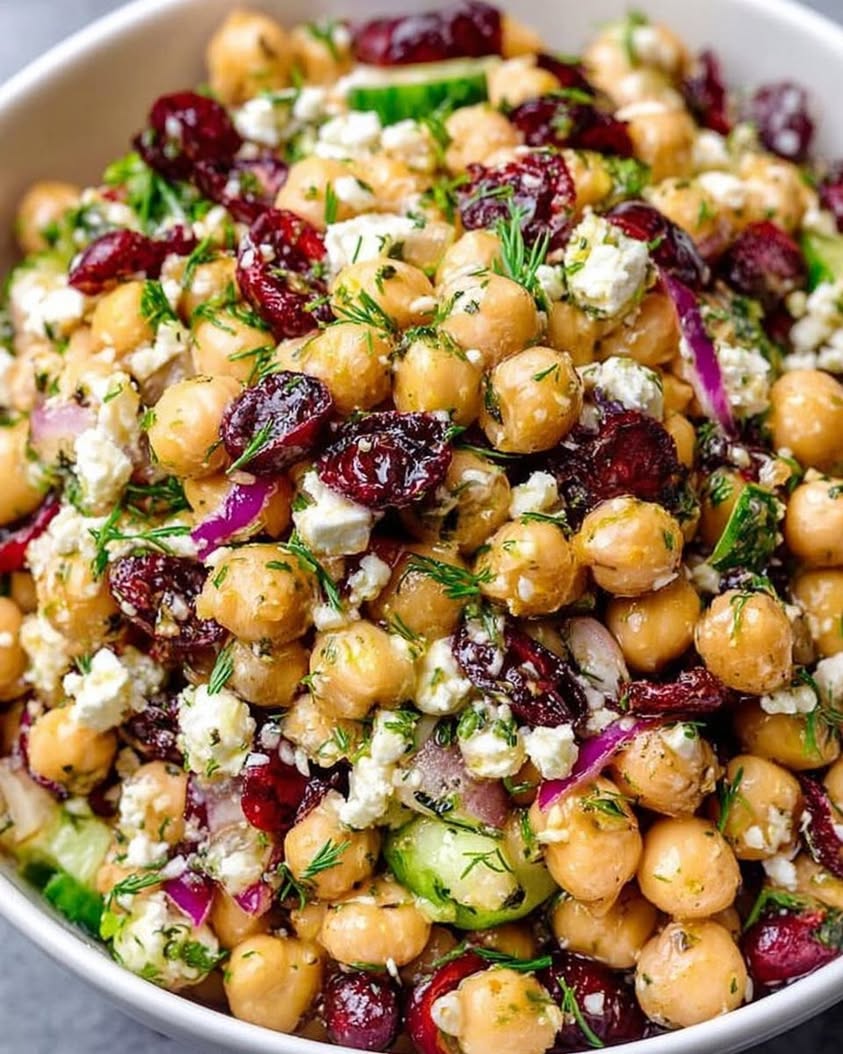
The Ultimate Feta and Cranberry Chickpea Salad with Lemon Vinaigrette Recipe
Have you ever craved a meal that feels both incredibly indulgent and genuinely good for you? This feta and cranberry chickpea salad with lemon vinaigrette recipe delivers exactly that perfect balance. It is a vibrant, satisfying dish that brings together creamy, tangy feta cheese, sweet and chewy dried cranberries, and hearty, protein-packed chickpeas, all tied together with a bright, zesty lemon vinaigrette. This salad is not just a side dish; it functions beautifully as a main course for a light lunch or a quick weeknight dinner, and it always steals the show at potlucks and barbecues.
The magic of this salad lies in its incredible texture and flavor harmony. Crunchy cucumbers and red bell peppers offer a refreshing snap, while the chickpeas provide a soft, buttery bite. The salty feta cheese creates a delightful contrast with the sweet cranberries, and every single mouthful is coated in that sharp, citrusy vinaigrette. It is a recipe that feels entirely modern, yet it draws from classic Mediterranean flavor combinations. Because of its simplicity and robust taste, this feta and cranberry chickpea salad with lemon vinaigrette recipe has become a staple in kitchens across the country, especially for those who want a delicious and reliable meal without spending hours cooking.
What makes this recipe truly exceptional is its incredible versatility and ease of preparation. You can have it on the table in under 20 minutes with absolutely no cooking required, making it the perfect solution for busy weeknights. Furthermore, it holds up wonderfully in the refrigerator, which means you can make a big batch for meal prep on Sunday and enjoy it throughout the week. The flavors actually meld and deepen over time, making leftovers even better than the first serving. Whether you are looking for a healthy lunch, a colorful side dish for grilled chicken or fish, or a satisfying vegetarian main course, this feta and cranberry chickpea salad with lemon vinaigrette recipe is your answer.
Quick Recipe Highlights
- Flavor Profile: This salad offers a delightful interplay of savory, sweet, tangy, and salty notes. The briny feta cuts through the sweetness of the cranberries, while the lemon vinaigrette adds a bright, acidic spark that wakes up all the other ingredients.
- Texture: You will experience a fantastic variety of textures, from the creamy, crumbly feta and tender chickpeas to the crisp, refreshing crunch of fresh vegetables and the chewy burst of dried cranberries.
- Aroma: The primary aromatic note is a clean, zesty lemon fragrance from the fresh juice and zest in the vinaigrette. This is complemented by the earthy scent of the chickpeas and the herbaceous notes of fresh parsley or mint.
- Visual Appeal: This salad is a feast for the eyes with a stunning palette of colors. The deep green of cucumbers and herbs, the bright red of cranberries and bell peppers, the creamy white feta, and the warm tan of chickpeas make for a vibrant and appetizing presentation.
- Skill Level Needed: This is an exceptionally beginner-friendly recipe. There are no complex techniques involved. If you can chop vegetables and whisk a simple dressing, you can confidently create this dish.
- Special Equipment: You need only basic kitchen tools: a sharp knife, a cutting board, a large mixing bowl, and a small bowl or jar for whisking or shaking the vinaigrette.
Recipe Overview
- Difficulty Level: This recipe earns a very easy difficulty rating. The process involves no cooking, no special equipment, and simple assembly. It is an ideal entry point for novice cooks and a quick, stress-free option for experienced ones.
- Category: This dish is a versatile salad that can serve as a main course, a hearty side dish, or a festive potluck offering. It fits perfectly into categories like vegetarian, gluten-free, and Mediterranean-inspired cuisine.
- Cuisine: While inspired by Mediterranean flavors, particularly Greek components like feta, olives, and lemon, this salad is a modern American interpretation. It is the kind of vibrant, health-conscious dish that defines contemporary American home cooking.
- Cost: This is a very cost-effective meal. Canned chickpeas and dried cranberries are pantry staples that are inexpensive. Feta cheese, while a bit more pricy, is used in moderation, and the vegetables are typically affordable. The total cost is significantly lower than dining out.
- Season: Although delicious year-round, this salad truly shines during the late spring, summer, and early autumn. This is when fresh cucumbers and bell peppers are at their peak flavor and at the lowest prices, making the salad taste its absolute best.
- Occasion: This salad is perfect for a wide array of occasions. It is an excellent choice for casual weeknight dinners, healthy lunch meal prep, summer picnics, potlucks, barbecues, and as a vibrant side dish for holiday gatherings.
Why You Will Love This Recipe
The primary reason you will fall in love with this salad is its absolutely incredible taste and texture profile. The combination of creamy, salty feta with sweet, tart cranberries is a classic for a reason, and the chickpeas provide a satisfying, earthy foundation. The lemon vinaigrette, with its bright acidity, cuts through the richness of the cheese and adds a necessary freshness. Every single forkful delivers a complex mix of flavors and textures, making it far more exciting than a standard leafy green salad. It is a genuinely addictive and satisfying dish that feels like a real treat.
Another huge benefit is the sheer convenience of this recipe. This feta and cranberry chickpea salad with lemon vinaigrette recipe requires absolutely no cooking, which is a major win on a hot day or a busy evening. You simply chop a few vegetables, drain a can of chickpeas, and whisk together a simple dressing. The entire process takes less than twenty minutes from start to finish. Because it is so quick and easy, you have no excuse not to make it, and it simplifies your life considerably by providing a healthy, delicious meal with minimal effort.
From a nutritional standpoint, this salad is a powerhouse. Chickpeas are a fantastic source of plant-based protein and fiber, which will keep you feeling full and energized for hours. The feta cheese provides calcium and protein, while the fresh vegetables deliver a host of essential vitamins and antioxidants. The olive oil in the vinaigrette supplies healthy monounsaturated fats, which are good for your heart. Therefore, this is a meal that supports your health goals without sacrificing an ounce of flavor, making it a smart and delicious choice for any health-conscious eater.
This salad also excels as a social dish. It is incredibly easy to double or triple for a crowd, and its vibrant colors make it a stunning centerpiece on any buffet table. Unlike green salads that wilt quickly, this salad holds up beautifully for hours, making it the perfect choice for a picnic, potluck, or barbecue. Guests will be impressed by the sophisticated flavors and beautiful presentation, and you will be praised for bringing such a delicious and healthy option. It is a guaranteed crowd-pleaser that will make you look like a star host.
Finally, the cost-effectiveness and accessibility of the ingredients make this recipe a total winner. The core ingredients like chickpeas, dried cranberries, and feta cheese are widely available in any grocery store and are very budget-friendly. You do not need any rare or exotic items to create this amazing dish. This makes it a reliable and affordable meal option for everyone, from students on a tight budget to families looking to eat well without spending a fortune. You get maximum flavor and nutrition for minimal financial investment.
Historical Background and Cultural Significance
The origins of this salad are not rooted in one specific ancient tradition but are rather a modern culinary creation that draws inspiration from several beloved cuisines. The combination of chickpeas and lemon vinaigrette is a cornerstone of Middle Eastern and Mediterranean cooking, where chickpeas have been a staple protein for thousands of years. The use of feta cheese is distinctly Greek, adding a salty, creamy element that is characteristic of the region. The inclusion of dried cranberries, however, is a more modern, American twist, adding a touch of sweetness and a vibrant red color that makes the salad particularly appealing to contemporary palates.
The cultural significance of this dish lies in its representation of modern, fusion cooking. It reflects a globalized world where home cooks and chefs can freely borrow and combine elements from different culinary traditions to create something new and delicious. In the United States, this kind of hearty, no-cook salad has become incredibly popular as people seek out meals that are both healthy and convenient. It represents a shift towards lighter, plant-forward eating and a celebration of fresh, whole ingredients. It is a symbol of how traditional food concepts can be adapted for modern, fast-paced lifestyles.
The evolution of this specific salad can be traced back to the rise of Mediterranean diet popularity in the late 20th and early 21st centuries. As people learned about the health benefits of olive oil, legumes, and fresh produce, they began looking for exciting ways to incorporate these ingredients into their daily meals. The feta and cranberry chickpea salad with lemon vinaigrette recipe is a direct result of that search. It evolved from simpler bean salads into a more complex and balanced dish by adding the sweet-tart fruit and the tangy cheese, transforming a humble side dish into a star main course.
Regional variations of this salad are endless and delightful. In Greece, you might find a similar salad made with creamy chickpeas, salty feta, and a simple lemon and olive oil dressing, perhaps with the addition of fresh oregano. In the Middle East, the flavors would shift more towards cumin and tahini. American variations are incredibly creative, often including ingredients like avocado, roasted red peppers, chopped dates, toasted nuts (like walnuts or almonds), or even cooked quinoa or farro for extra heartiness. Each regional adaptation highlights local tastes and available ingredients, proving the incredible flexibility and universal appeal of this core idea.
Ingredient Deep Dive
Chickpeas, also known as garbanzo beans, have a long and storied history dating back over 7,000 years to the Middle East. They have been a vital source of nutrition for countless civilizations, from the ancient Romans to the people of the Indian subcontinent. Nutritionally, they are a superstar, packed with plant-based protein, dietary fiber, complex carbohydrates, and essential vitamins and minerals like folate, iron, and magnesium. This combination of nutrients makes them excellent for heart health, blood sugar regulation, and digestive health. When selecting canned chickpeas, look for cans that are not dented or rusted. For dried chickpeas, choose ones that are uniform in size and color, without any signs of moisture or damage. You must store canned chickpeas in a cool, dry place. After opening, transfer them to a sealed container and keep them in the refrigerator for up to four days. Dried chickpeas should be kept in an airtight container in a pantry for up to a year.
Feta cheese, with its distinct tangy and salty flavor, is an iconic ingredient in Greek cuisine. It is traditionally made from sheep’s milk or a combination of sheep’s and goat’s milk, which gives it a rich, creamy, and slightly gamey flavor. Feta has been produced in Greece for thousands of years and has a protected designation of origin status in the European Union. Nutritionally, feta is a good source of calcium, phosphorus, and protein, and it contains less fat than many other cheeses, making it a relatively healthy choice. For the best flavor and texture, always purchase feta cheese that is stored in a brine solution. This ensures it stays moist and flavorful. When you get it home, keep it in its brine in the refrigerator. If you need to reduce sodium, you can rinse the feta block for a few seconds. If feta is unavailable, a high-quality goat cheese or a mild, salty queso fresco can serve as a reasonable substitute, though the flavor profile will change slightly.
Dried cranberries are a modern American pantry staple, popularized in the late 20th century. Their sweet and tart flavor profile provides a perfect counterpoint to savory and salty ingredients, which is why they are so commonly found in salads and grain bowls. They are made by dehydrating fresh cranberries, often with the addition of sugar or other sweeteners to balance their natural tartness. While they are a source of antioxidants, it is important to be aware that they also contain added sugar. For a healthier option, look for varieties sweetened with apple juice or reduced-sugar versions. When selecting dried cranberries, ensure they are plump and moist, not hard or shriveled. Store them in an airtight container in a cool, dark place for up to six months, or in the fridge or freezer for longer storage. If you want a different flavor, dried cherries, chopped dried apricots, or golden raisins can be excellent substitutes.
The lemon vinaigrette is the soul of this salad. Fresh lemons are crucial here. Bottled lemon juice simply does not provide the same bright, vibrant, and complex flavor. The acidity of the lemon juice is the key element that balances the richness of the feta and olive oil. To get the most juice from your lemons, roll them on the countertop firmly before cutting them. Extra virgin olive oil forms the base of the dressing, adding a fruity, peppery, and rich mouthfeel. A good quality olive oil makes a significant difference in the final taste of the vinaigrette. For the most balanced emulsion, always mix the lemon juice with the salt and pepper first, then slowly whisk in the olive oil. This step helps the salt dissolve and creates a stable, creamy dressing.
Common Mistakes to Avoid
- Do not skip draining and rinsing the canned chickpeas very well. The liquid in the can, called aquafaba, has a starchy, bean-like flavor and can make your salad watery and muddy.
- Avoid using bottled lemon juice in the vinaigrette. It lacks the bright, fresh, and complex citrus flavor that is essential to making this salad taste vibrant and delicious.
- Do not overdress the salad. It is always better to start with less dressing and add more as needed. Too much dressing will make the salad soggy and overwhelm the other flavors.
- Do not slice your vegetables too large or too small for a good eating experience. Aim for uniform, bite-sized pieces so that you get a bit of everything in every single forkful.
- Avoid using dry, crumbled feta cheese from a tub. A block of feta stored in brine is far superior in flavor and texture, offering a creamy and moist crumble rather than a dry, salty one.
- Do not add the dressing too far in advance if you plan to serve the salad immediately, as the vegetables will start to release water and become less crisp over time.
- Do not forget to taste and season the salad with salt and pepper after you add the dressing. The salt helps to amplify all the other flavors in the dish.
- Avoid using a very strong or bitter olive oil for the vinaigrette. A mild or medium-flavored extra virgin olive oil is best, as it will not overpower the delicate lemon flavor.
- Do not skip chopping the herbs finely if you are using fresh parsley or mint. Large pieces of tough herb stems can be unpleasant to eat and lack the even distribution of flavor.
- A final common mistake is not letting the salad sit for at least 10 minutes after assembling. This brief resting period allows the flavors to begin to meld together beautifully.
Essential Techniques
Making a Stable Vinaigrette: The key to a good vinaigrette is a stable emulsion. This means the oil and acid do not separate immediately after you stop whisking. To achieve this, start by whisking your acid (lemon juice), salt, pepper, and any other seasonings in a small bowl until the salt dissolves. Then, while whisking constantly and vigorously with a fork or small whisk, add the olive oil in a very slow, steady stream. This process creates tiny droplets of oil suspended in the lemon juice, which results in a creamy, homogenous dressing. If you see the dressing separating on the salad after a while, simply give it another quick whisk before tossing it in, or even shake it in a jam jar. A touch of Dijon mustard whisked into the acid can help stabilize the emulsion even further.
Draining and Preparing Canned Chickpeas: Proper preparation of canned chickpeas is crucial for the best texture. First, open the can and empty the contents into a colander or strainer. Then, rinse the chickpeas thoroughly under cool, running water for at least 30 seconds, agitating them with your hand to remove all the starchy canning liquid. This rinsing process dramatically improves their flavor and digestibility. After rinsing, shake the colander well to remove excess water. For an even better texture, you can pour the rinsed chickpeas onto a clean kitchen towel or paper towels and gently pat them dry. Removing this surface moisture allows the dressing to cling to the chickpeas much better, resulting in a more flavorful and cohesive salad.
Dicing Vegetables Uniformly: Cutting your vegetables into uniform, bite-sized pieces is a simple technique that greatly improves your final dish. When you cut a cucumber, bell pepper, or onion into pieces that are all roughly the same size, they cook (or in this case, marinate) at the same rate. More importantly, it ensures that you get a perfect balance of ingredients in every single bite. To master this, first slice your vegetable into planks of even thickness. Then, stack those planks and cut them into strips of the same width. Finally, turn the strips and cut them crosswise into dice. Taking this extra minute to create uniform pieces elevates the eating experience from ordinary to professional.
Properly Crumbling Feta Cheese: The way you crumble your feta can affect the texture and flavor distribution in your salad. Do not just mash the cheese into a fine dust. Instead, use your fingers to gently break the block of feta into small, uneven bite-sized chunks and pieces. Aim for pieces that are similar in size to your diced vegetables. This method prevents the feta from coating every other ingredient with a salty paste and instead allows you to enjoy distinct, creamy pockets of cheese. If you find the feta is too soft to crumble easily, you can chill it in the freezer for 10-15 minutes to firm it up slightly.
Pro Tips for Perfect Feta and Cranberry Chickpea Salad with Lemon Vinaigrette
Always let this feta and cranberry chickpea salad with lemon vinaigrette recipe sit at room temperature for at least 15 minutes before serving. This allows the flavors to meld and the chickpeas to absorb some of the delicious dressing.
For a deeper, more complex flavor in your dressing, add a small clove of finely minced garlic or a quarter-teaspoon of Dijon mustard to the lemon juice before whisking in the oil.
If you are making this salad ahead of time, reserve the feta cheese and add it right before serving. This keeps the cheese from becoming too mushy or dissolving into the dressing.
Toast a handful of pumpkin seeds or sunflower seeds in a dry skillet for a few minutes until fragrant. This adds a wonderful nutty crunch and a nutritional boost to the finished salad.
Do not be afraid to use fresh herbs like parsley, mint, or dill. A generous handful of finely chopped fresh herbs adds a layer of brightness and complexity that dried herbs simply cannot replicate.
For the best texture, try removing the seeds from the cucumber before dicing it. Slice the cucumber in half lengthwise and use a small spoon to scrape out the watery seeds, which helps prevent the salad from becoming too watery over time.
If you find the salad tastes a little flat, a final squeeze of fresh lemon juice and a pinch of flaky sea salt can work wonders to wake up all the flavors right before you serve it.
Variations and Adaptations
For a Greek-inspired regional variation, add a cup of halved Kalamata olives, a quarter cup of thinly sliced red onion, and a teaspoon of dried oregano to the salad. This version leans heavily into the classic Greek salad flavors and pairs beautifully with grilled meats or pita bread.
A seasonal autumn adaptation would be to add chopped, roasted butternut squash, a handful of fresh apple slices, and use a maple-Dijon vinaigrette instead of the lemon dressing. This creates a heartier, slightly sweeter salad that is perfect for cooler weather and holiday tables.
For a simple dietary modification to make the salad vegan, simply omit the feta cheese and replace it with a cup of diced, marinated tofu or a handful of toasted walnuts for a similar creamy or crunchy texture and richness. You can also use a vegan feta alternative made from almonds or tofu.
For a flavor variation, try adding a teaspoon of dried cumin, a pinch of smoked paprika, and a tablespoon of chopped cilantro to the salad. This will give the dish a warm, smoky, and Southwestern flair that is entirely different but equally delicious.
To modify the texture, you can add a cup of cooked quinoa, farro, or couscous to the base of the salad. This makes the salad even more substantial and turns it into an incredibly filling meal that is perfect for a lunch bowl.
Serving and Presentation Guide
For a beautiful plating technique, use a large, shallow bowl or a rimmed platter. Spoon the salad into the center and spread it out evenly. This creates a lovely, rustic presentation that shows off all the colorful ingredients. Avoid mounding it in a deep bowl where the ingredients at the bottom get completely buried.
A simple garnish can make a huge difference. Before serving, sprinkle the top of the salad with a few extra crumbles of feta cheese, a scattering of fresh cranberries or pomegranate arils, and a light dusting of fresh herbs like chopped parsley or mint. A final drizzle of high-quality extra virgin olive oil adds a beautiful, glossy finish.
This salad is a classic accompaniment to any grilled protein, such as lemon-herb chicken, grilled lamb chops, salmon, or even a simple vegetarian kebab. It also works wonders as a side to a crusty baguette and a bowl of tomato soup for a satisfying, cozy meal.
For a modern serving suggestion, serve the salad in individual lettuce cups, such as butter lettuce or romaine hearts. This makes for a fantastic appetizer or a light, low-carb lunch. You can also stuff the salad into large, pitted Medjool dates for an elegant and surprising appetizer.
This salad is best served at room temperature or slightly chilled. If you have refrigerated it, be sure to take it out 20-30 minutes before serving to take the chill off, as the flavors are much more pronounced when it is not ice cold. A standard serving size for this dish is about one to one and a half cups.
Wine and Beverage Pairing
The bright acidity and fresh flavors of this salad call for a wine with similar characteristics. A crisp, unoaked Sauvignon Blanc from New Zealand is an excellent choice, with its notes of citrus and grass that mirror the lemon in the vinaigrette. A dry, mineral-driven Assyrtiko from Greece is another fantastic pairing that feels authentic to the Mediterranean spirit of the dish.
For a red wine option, look for a light-bodied, chillable red. A Pinot Noir from Oregon or California, served with a slight chill, offers delicate red fruit flavors and low tannins that will not clash with the feta or the dressing. A Gamay from Beaujolais is another perfect choice, with its bright, fruity profile and easy-drinking nature.
For non-alcoholic alternatives, a sparkling water with a generous squeeze of fresh lemon and a sprig of mint is a perfect match. It cleanses the palate wonderfully. Another excellent option is an iced herbal tea, such as a hibiscus or mint tea, which adds its own floral and tart notes to complement the salad.
For beer lovers, a witbier or a hefeweizen is a fantastic choice. The citrusy and slightly spicy notes of these wheat beers harmonize beautifully with the lemon in the vinaigrette, and their light body does not overwhelm the salad. A cold, crisp pilsner would also work very well.
Storage and Shelf Life
To store leftovers properly, transfer the salad to an airtight container. Because the dressing contains fresh lemon juice and the vegetables release water over time, the salad is best consumed within 2 to 3 days for optimal texture and flavor. After that, the vegetables will become noticeably softer.
The salad must be stored in the refrigerator at a consistent temperature of 40 degrees Fahrenheit or below. Do not leave the salad out at room temperature for more than two hours, as this can encourage bacterial growth and spoilage.
For the best results, use a glass or BPA-free plastic container with a tight-fitting lid. This will prevent the salad from absorbing other odors in the refrigerator and will contain the dressing so it does not leak.
You can identify spoilage by a sour, off-putting smell, the presence of any mold, or a slimy texture on any of the ingredients, particularly the vegetables or the chickpeas. If you notice any of these signs, you should discard the salad immediately.
You should not reheat this salad, as it is designed to be served cold or at room temperature. If you want to enjoy it warm, you would be better off making a different dish entirely, as reheating will make the vegetables limp and the feta cheese rubbery.
This salad does not freeze well. The high water content in the vegetables and the dairy in the feta cheese will create a watery, mushy, and separated mess upon thawing. It is best enjoyed fresh.
Make Ahead Strategies
If you are planning to make this salad for a party or for meal prep, a smart strategy is to prepare most of the components separately. You can chop the cucumbers, bell pepper, and red onion up to two days in advance and store them in a sealed container in the refrigerator. The lemon vinaigrette can be made a week ahead and kept in a jar in the fridge.
For the best quality, the chickpeas should be drained, rinsed, and patted dry just before you assemble the salad. However, you can certainly do this step a day ahead and store the dried chickpeas in a bowl covered with a damp paper towel. The cranberries can be measured out and stored at room temperature.
The biggest factor affecting quality is the addition of the dressing. If you add the dressing too far in advance, the salt in it will draw water out of the vegetables, making them limp. For meal prep, it is best to store the undressed salad in a large container and the dressing in a separate small container.
When you are ready to serve, simply pour the dressing over the salad, add the crumbled feta cheese, and toss everything together. This takes only a minute and ensures you get a crisp, fresh, and perfectly dressed salad every single time.
If you are transporting the salad to a potluck, transport the dressing and the feta cheese separately in small containers. Toss the salad with the dressing and cheese right before you set it out. This final step is the key to a perfect presentation and texture.
Scaling Instructions
To halve this feta and cranberry chickpea salad with lemon vinaigrette recipe, you simply need to cut all of the ingredient quantities in half. For example, instead of two cans of chickpeas, you would use one. This is a straightforward process that works perfectly for a smaller household.
Doubling or tripling the recipe for a crowd is also very simple. You can multiply all ingredients by the desired factor. The most important consideration when scaling up is your mixing bowl size. You will need a very large bowl or even a roasting pan to effectively toss a triple batch of salad.
When scaling up, equipment adjustments are necessary. You will need a much larger whisk or may need to make the vinaigrette in a blender or food processor to properly emulsify a large volume. Also, ensure you have a large enough container to store the leftovers in the fridge.
Timing modifications are minimal for this no-cook recipe. The chopping time will increase proportionally with the quantity of vegetables. If you are making a very large batch, consider chopping the vegetables in a food processor using the pulse feature to save significant time.
For storage considerations with scaled-up recipes, remember the 2 to 3 day rule for leftovers. Do not make a triple batch if you are not feeding a large group, as you will end up with a lot of potentially wasted food. It is always better to make a conservative amount initially and assess how much you actually need.
Nutritional Deep Dive
A standard serving of this salad provides an excellent macro breakdown. It is inherently high in complex carbohydrates and fiber from the chickpeas, which are great for sustained energy. The healthy monounsaturated fats from the olive oil and the moderate amount of protein from the chickpeas and feta make it a very satisfying and balanced meal component.
The micronutrient analysis shows this salad is exceptionally rich in key vitamins and minerals. The bell peppers and cucumbers are loaded with Vitamin C and Vitamin K, while the chickpeas provide good amounts of iron, magnesium, and folate. This combination makes the salad a powerful tool for supporting immune function and overall vitality.
The main health benefits of this dish are its support for heart health, digestive health, and blood sugar regulation. The soluble fiber in chickpeas helps to lower bad cholesterol, while the olive oil is known for its anti-inflammatory properties. The high fiber content also promotes a healthy gut microbiome.
This salad is naturally vegetarian and gluten-free, making it suitable for many common dietary considerations. It is also relatively low in saturated fat compared to many meat-centric dishes. However, those watching their sodium intake should be mindful of the feta cheese and the salt in the dressing.
A typical serving is about one and a half cups, which leaves you feeling full and satisfied without being overly heavy. This makes it a great choice for weight management, as it provides a high volume of food for a relatively modest number of calories.
Dietary Adaptations
This salad is naturally gluten-free as written, with no modifications needed. All core ingredients, including chickpeas, feta, vegetables, and the oil and vinegar, are naturally gluten-free. Just be sure to check the labels of any store-bought items like dried cranberries to ensure they have not been processed in a facility with wheat.
To make the salad dairy-free, you must omit the feta cheese. A good dairy-free alternative is a creamy, tangy, crumbled vegan feta made from almonds or tofu. Alternatively, you can replace the feta with a quarter cup of nutritional yeast for a cheesy, savory flavor or simply omit it and rely on the vinaigrette for richness.
For a vegan version, follow the dairy-free instructions and also ensure your vinaigrette is vegan. Use maple syrup or agave nectar instead of honey if your recipe calls for it. This salad is already very close to being vegan, so it is an easy adaptation to make.
To make the salad low-carb or keto-friendly, you should significantly reduce the amount of chickpeas and dried cranberries. Replace the chickpeas with extra diced avocado or a lower-carb bean like edamame. Use only a tablespoon of chopped cranberries for a hint of color and sweetness, or replace them with a few raspberries.
For a paleo version, you need to omit the chickpeas, as they are legumes which are not allowed on the paleo diet. Replace the chickpeas with a generous amount of grilled chicken or hard-boiled eggs for protein. Use a paleo-friendly sweetener in the dressing like a bit of raw honey.
Troubleshooting Guide
If you find the salad is too watery, the most common cause is the cucumbers. Before adding them to the salad, try salting the diced cucumbers and letting them sit in a colander for 10 minutes. The salt draws out the excess water, which you can then rinse off and pat dry before adding them to the rest of the ingredients.
If the flavor is too tart, it is likely because you used too much lemon juice or did not add enough salt. Salt is a flavor balancer that can reduce the perception of acidity. Try adding a pinch of salt or a small amount of sweetener, like a teaspoon of honey or maple syrup, to the salad to balance the tartness.
If the salad seems to lack flavor overall, it is almost certainly underseasoned. This salad benefits from a generous amount of salt and pepper. Taste it and add more salt, a squeeze of fresh lemon, and perhaps a pinch of red pepper flakes for a bit of depth and complexity.
If the dressing has separated upon storage, this is completely normal. Just take the jar of vinaigrette out of the fridge and let it come to room temperature for a few minutes. Then, shake it vigorously for about 30 seconds until it becomes a homogenous, creamy emulsion again.
If the feta disappears into the salad, you may have crumbled it too finely. Next time, try cutting the feta into small, distinct cubes rather than crumbling it. This way, you will have more substantial pieces that hold their shape and provide a more noticeable pop of flavor and creaminess.
Recipe Success Stories
One of our community members, Sarah from Ohio, shared that this feta and cranberry chickpea salad with lemon vinaigrette recipe saved her summer potluck. She was tasked with bringing a salad but was tired of the same old green salad. She made this, and it was the first dish to disappear. People asked for the recipe all night, and she was thrilled with how easy it was to double for a crowd.
Another reader, Mark, a busy father of three, said this recipe has become his go-to for healthy lunches. He preps a large batch on Sunday and portions it out for the week. He loves that it holds up so well in the fridge and that his kids actually enjoy eating it, especially when he adds a few extra dried cranberries for sweetness.
We also heard from a college student named Jessica who was on a tight budget. She said this salad allowed her to eat healthy, delicious meals without breaking the bank. She often substitutes the bell pepper with whatever vegetable is on sale and has even tried it with canned black beans and corn for a different twist.
A professional photographer shared her success with the visual appeal of this dish. She said the vibrant colors and beautiful textures make it a dream to photograph and that it never fails to get engagement on her food blog. She recommends using a wide, shallow bowl to best showcase the varied ingredients in a single, beautiful composition.
Frequently Asked Questions
Q: Can I use fresh cranberries in this salad?
A: It is not recommended. Fresh cranberries are extremely tart and firm, and their sourness can be overwhelming. Rehydrated dried cranberries provide the perfect sweet-tart balance and a much better, chewier texture that is essential to the dish.
Q: How long does this salad actually last in the fridge?
A: For the best quality, you should eat it within 2 to 3 days. The vegetables will start to release water after that, making the salad slightly watery, though the flavor will still be delicious. The texture is the main thing that degrades over time.
Q: What is the best way to keep
Print A refreshing and tangy salad featuring creamy feta cheese, sweet dried cranberries, and protein-packed chickpeas, all tossed in a bright lemon vinaigrette. You can customize the seasonings to taste.Feta and Cranberry Chickpea Salad with Lemon Vinaigrette
Description
Ingredients
Instructions
Notes
Readers Love These Recipes !
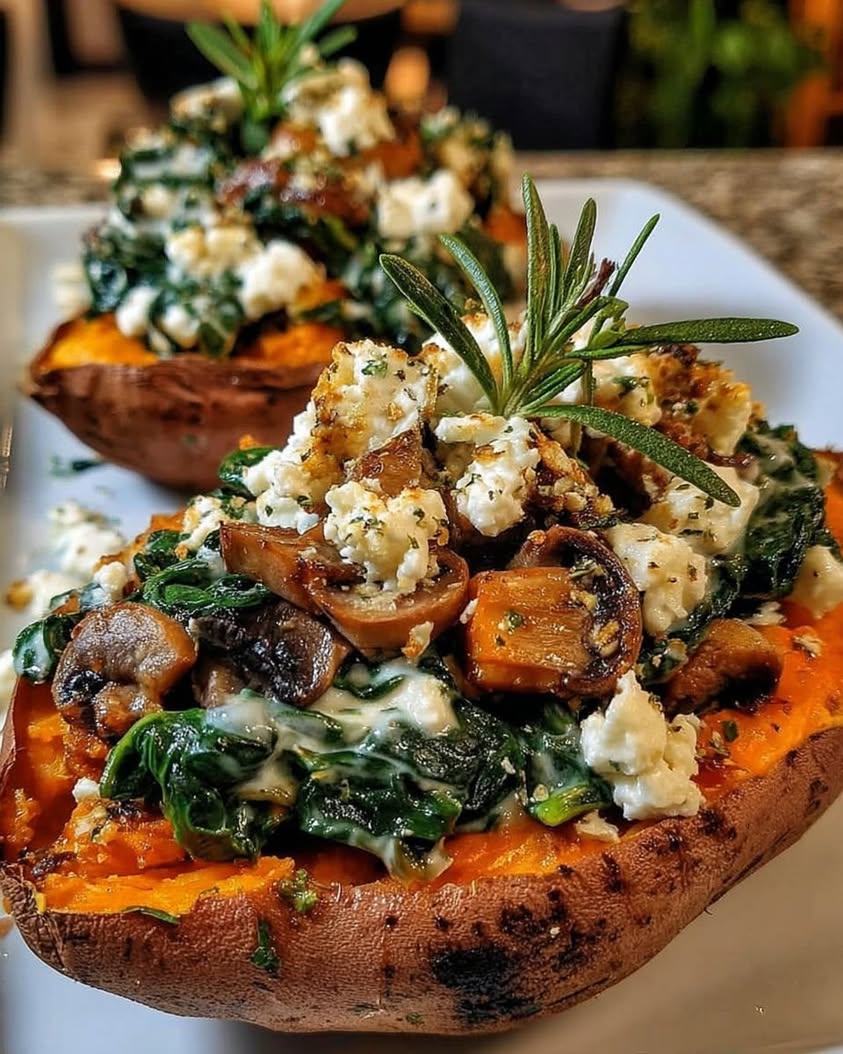
Stuffed Sweet Potatoes with Spinach, Feta & Lemon Yogurt
September 14, 2026
Stuffed Sweet Potatoes with Spinach, Mushroom, Feta and Rosemary Drizzled with Lemon Garlic Yogurt Sauce: A Mediterranean-Inspired Comfort Food ⚖️ Difficulty Easy ⏲️ Prep Time 15 mins 🕒 Cook Time 55 mins ⏱️ Total Time 70 mins 🍽 Servings 4 Stuffed Sweet Potatoes with Spinach, Mushroom, Feta and Rosemary Drizzled with Lemon Garlic Yogurt Sauce
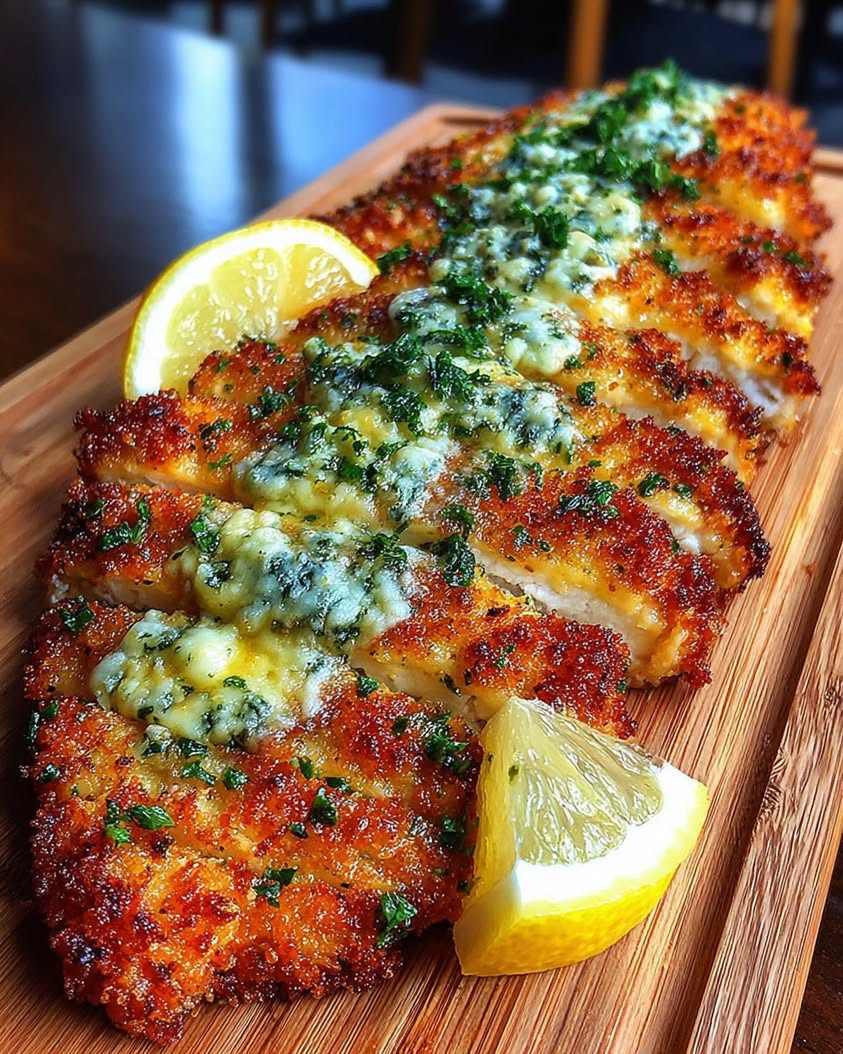
Crispy Baked Hot Honey Lemon Feta Chicken Cutlets With Herb Crust
September 14, 2026
Crispy Baked Hot Honey Lemon Feta Chicken Cutlets with Herb Crust: Your New Weeknight Obsession If you crave crispy chicken with a sticky, spicy, citrusy glaze, then these Crispy Baked Hot Honey Lemon Feta Chicken Cutlets with Herb Crust will become your new favorite dinner. Moreover, this recipe delivers restaurant-quality flavor without deep frying, so
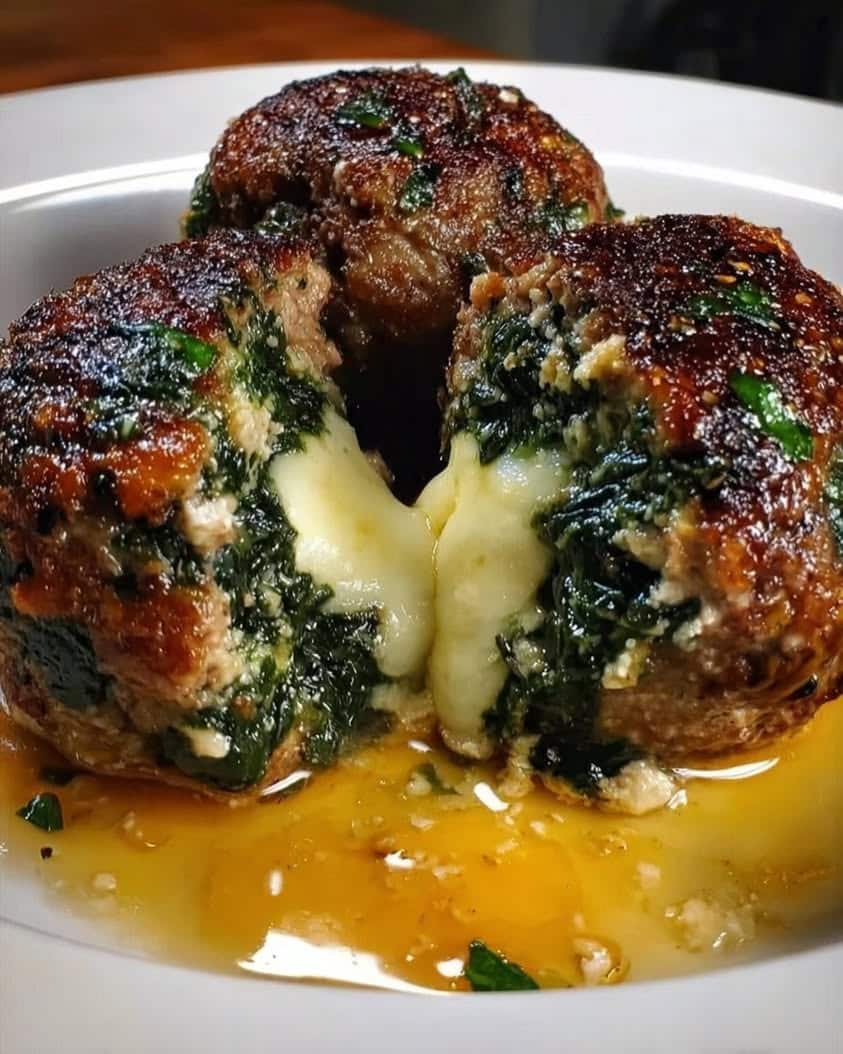
Spinach Garlic Meatballs Stuffed with Mozzarella: Easy Cheesy Dinner
September 14, 2026
Spinach Garlic Meatballs Stuffed with Mozzarella: Easy Cheesy Dinner ⚖️ Difficulty Easy ⏲️ Prep Time 20 mins 🕒 Cook Time 25 mins ⏱️ Total Time 45 mins 🍽 Servings 4 Imagine sinking your fork into a tender, juicy meatball that releases a warm, gooey river of melted mozzarella with every single bite. These Spinach Garlic
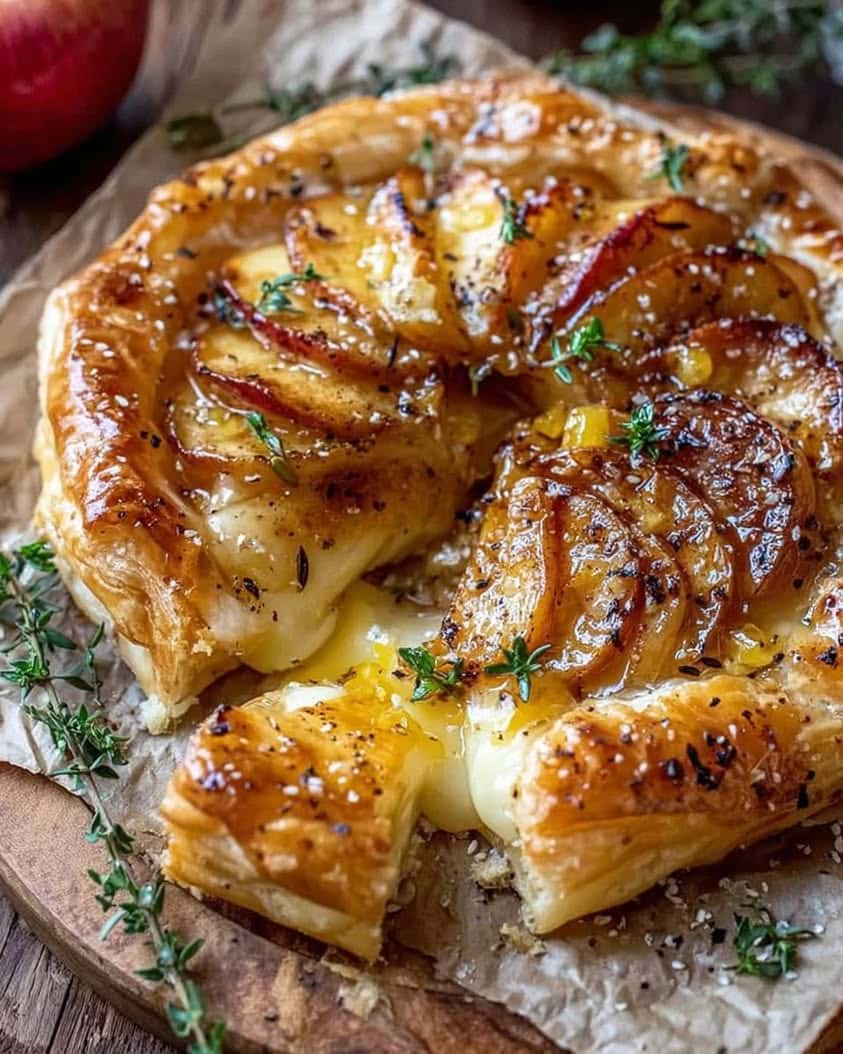
Golden Baked Brie with Caramelized Apples and Thyme Recipe
September 13, 2026
Golden Baked Brie with Caramelized Apples and Thyme: An Elegant Appetizer for Every Gathering ⚖️ Difficulty Easy ⏲️ Prep Time 15 mins 🕒 Cook Time 25 mins ⏱️ Total Time 40 mins 🍽 Servings 8 Golden Baked Brie with Caramelized Apples and Thyme brings a restaurant-quality appetizer right into your home kitchen. Therefore, you can
