Easy Greek Chickpea Salad: A No-Cook, Protein-Packed Meal
Imagine a meal that comes together in minutes without ever turning on your stove. This Easy Greek Chickpea Salad is exactly that, a vibrant and satisfying no-cook meal that delivers big flavor and nutrition. It is the perfect solution for hot summer days, busy weeknights, or any time you need a healthy lunch in a hurry. Furthermore, it combines the classic, beloved flavors of a Greek salad with the hearty, protein-rich goodness of chickpeas for a dish that truly stands on its own.
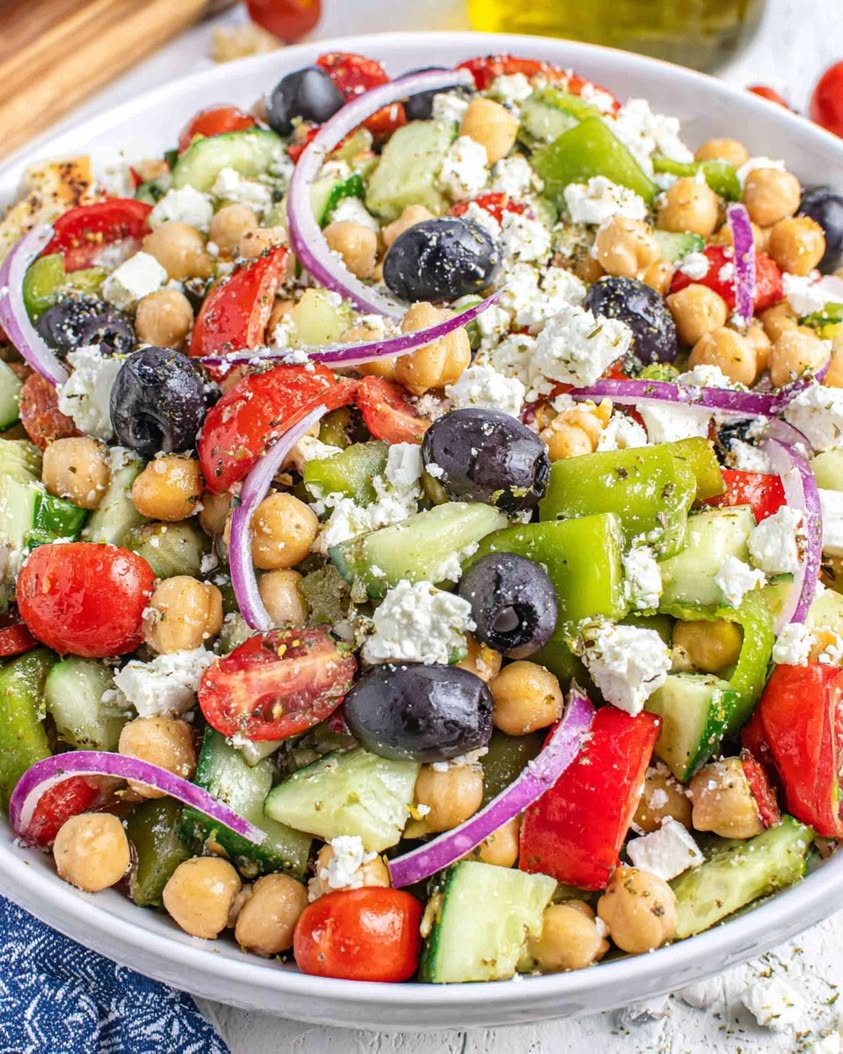
The beauty of this salad lies in its simplicity and freshness. Each forkful bursts with juicy tomatoes, crisp cucumber, briny olives, and creamy feta, all tossed in a zesty lemon-oregano vinaigrette. The chickpeas add a wonderful, substantial texture that makes this salad feel like a complete meal. Consequently, you get a lunch or dinner that is light yet filling, refreshing yet deeply savory. It is a testament to how a few quality ingredients can create something extraordinary.
Ultimately, this recipe is more than just a salad, it is a versatile foundation for your culinary creativity. You can pack it for a picnic, serve it as a side at your next barbecue, or enjoy it straight from the bowl for a quick and easy dinner. This Easy Greek Chickpea Salad proves that healthy eating does not have to be complicated or time-consuming. In fact, it is a celebration of fresh, whole foods coming together in perfect harmony.
Quick Recipe Highlights
- Flavor Profile: This salad delivers a bright and tangy flavor from fresh lemon juice and red wine vinegar, balanced by the earthy depth of dried oregano and the salty punch of feta cheese and Kalamata olives. Meanwhile, the chickpeas provide a mild, nutty base that soaks up the delicious dressing perfectly.
- Texture: You will enjoy a fantastic contrast of textures in every bite. Expect creamy chickpeas and feta against the juicy burst of tomatoes, the satisfying crunch of cucumber and red onion, and the firm, meaty bite of the olives. This combination creates a truly engaging mouthfeel.
- Aroma: The moment you mix the dressing, the aromatic scent of fresh lemon zest and dried oregano will fill your kitchen. Additionally, the sharp, clean note of red onion and the briny smell of the olives signal a fresh, Mediterranean-inspired meal is ready.
- Visual Appeal: This salad is a feast for the eyes with its stunning color palette. The vibrant red of the tomatoes, deep green of the cucumber and parsley, purple of the onion, and black of the olives create a visually stunning dish that looks as good as it tastes.
- Skill Level Needed: Absolutely no advanced cooking skills are required. This recipe is designed for beginners and involves only simple chopping, mixing, and tossing. Therefore, anyone can achieve perfect results on their first try.
- Special Equipment: You only need basic kitchen tools: a sharp knife, a cutting board, a large mixing bowl, and a small jar or bowl for whisking the dressing. A can opener is helpful for the chickpeas, but that is truly it.
Recipe Overview
- Difficulty Level: We rate this recipe as “Easy” because it involves zero cooking techniques. The entire process is assembly-based, requiring only the chopping of fresh vegetables and the whisking of a simple vinaigrette. There is no risk of overcooking or complex timing, making it foolproof for cooks of all levels.
- Category: This dish perfectly fits into several meal categories. Primarily, it is a hearty main dish salad, but it also works wonderfully as a substantial side dish alongside grilled chicken or fish. Moreover, it is an ideal make-ahead lunch for the week.
- Cuisine: This salad is firmly rooted in Greek and broader Mediterranean cuisine. It draws directly from the classic Greek salad (horiatiki) by incorporating tomatoes, cucumber, onion, olives, and feta. The addition of chickpeas adds a modern, protein-focused twist to this traditional flavor profile.
- Cost: This is an incredibly budget-friendly meal. Canned chickpeas and basic pantry spices form the affordable base. While fresh produce and block feta are the main costs, they are still relatively inexpensive, especially when in season. Overall, you can make four generous servings for a very small amount per person.
- Season: This salad shines brightest in the summer when tomatoes and cucumbers are at their peak flavor and most affordable. However, it is truly a year-round recipe because the other components are always available. It provides a refreshing counterpoint to heavy winter meals as well.
- Occasion: Its versatility makes it suitable for countless occasions. It is perfect for casual weeknight dinners, packed lunches, potlucks, picnics, and barbecues. Furthermore, it can be easily doubled to feed a crowd at parties or family gatherings.
Why You’ll Love This Recipe
First and foremost, the taste and texture of this Easy Greek Chickpea Salad are utterly irresistible. The combination is both familiar and exciting. You get the bright, acidic punch from the lemon dressing cutting through the rich, salty feta and olives. Simultaneously, the sweet tomatoes and cool cucumber provide a refreshing balance. The chickpeas are the star, offering a creamy, substantial element that makes the salad deeply satisfying. Every bite is a harmonious blend of flavors and contrasting textures that will keep you coming back for more.
Next, consider the sheer convenience this recipe offers. As a true no-cook meal, it is a lifesaver on busy days or during heatwaves when using the oven is unappealing. You can go from ingredients to a finished, impressive meal in about fifteen minutes. Additionally, it requires minimal cleanup since you only need a bowl, a knife, and a cutting board. This efficiency makes healthy eating effortless and removes the common barrier of lengthy meal preparation.
From a nutritional standpoint, this salad is a powerhouse. Chickpeas are an excellent source of plant-based protein and fiber, which promote fullness and stable energy levels. The array of vegetables provides a wide spectrum of vitamins, minerals, and antioxidants. The olive oil in the dressing contributes heart-healthy monounsaturated fats. Consequently, this meal supports overall wellness, aids digestion, and fits beautifully into a balanced diet without feeling restrictive or bland.
This Easy Greek Chickpea Salad also boasts incredible social and entertaining value. It is a crowd-pleaser that appeals to vegetarians and meat-eaters alike. You can prepare a large batch ahead of time, freeing you up to enjoy your guests. Its vibrant colors make it a beautiful addition to any potluck or party spread. People will consistently ask for the recipe, allowing you to share a simple, healthy dish that everyone can enjoy.
Finally, its cost-effectiveness and accessibility are major wins. The ingredients are common, affordable, and available at any standard grocery store. You likely have many of the dressing components in your pantry already. This recipe demonstrates that eating well does not require expensive specialty items or complicated techniques. It is an accessible, budget-conscious way to feed yourself or your family a delicious and nutritious meal any day of the week.
Historical Background and Cultural Significance
The origin of this dish is a fusion of two timeless culinary traditions. Fundamentally, it is built upon the foundation of the Greek village salad, known as “horiatiki.” This classic salad, originating from rural Greece, traditionally features tomatoes, cucumber, green bell pepper, red onion, Kalamata olives, and a large slab of feta cheese, dressed simply with olive oil and oregano. It is a celebration of the fresh, sun-ripened produce of the Mediterranean region. The addition of chickpeas is a modern adaptation that reflects contemporary desires for more plant-based protein in everyday meals.
Culturally, the horiatiki salad is more than just food, it is a symbol of Greek hospitality and the Mediterranean diet’s philosophy. It represents a way of eating centered on fresh, local ingredients, shared meals, and a relaxed pace of life. The salad is meant to be enjoyed with good company, often alongside other meze (small plates) and crusty bread for dipping in the flavorful leftover dressing and tomato juices. This communal aspect is a core part of its significance.
The evolution of this recipe specifically mirrors global dietary trends. As chickpeas have gained worldwide popularity for their health benefits and sustainability, they have been incorporated into countless traditional dishes. Adding them to a Greek salad transforms it from a light starter or side into a hearty, stand-alone meal. This evolution makes the classic flavors more accessible as a quick lunch or dinner option in fast-paced modern lives, while still honoring the original flavor profile.
Regional variations of bean and grain salads abound throughout the Mediterranean and Middle East. Similar concepts exist, like Italian bean salads or Lebanese fattoush with chickpeas. The specific combination in this Easy Greek Chickpea Salad, however, firmly anchors it in Greek flavors with its use of oregano, lemon, and Kalamata olives. It is a beautiful example of how traditional recipes can adapt and evolve while maintaining their cultural heart and soul, creating new classics for a new generation.
Ingredient Deep Dive
Chickpeas (Garbanzo Beans): Chickpeas have been cultivated in the Middle East and Mediterranean for over 7,000 years, making them one of the oldest consumed crops. They are a staple in diets from India to Italy. Nutritionally, they are a fantastic source of plant-based protein, fiber, folate, iron, and phosphorus. For this recipe, canned chickpeas are ideal for convenience. Always rinse and drain them thoroughly to remove the starchy canning liquid, which improves texture and digestibility. If you have time, using home-cooked chickpeas from dry will yield a superior, creamier texture. Store unused canned chickpeas in a sealed container in the fridge for up to 4 days.
Feta Cheese: Authentic Greek feta is a Protected Designation of Origin (PDO) product, meaning it must be made in Greece from at least 70% sheep’s milk, often blended with goat’s milk. This gives it a tangy, salty, and crumbly character that is essential to the salad. It provides protein, calcium, and beneficial fats. For the best flavor and texture, always buy feta in a block stored in brine, not pre-crumbled. Pre-crumbled feta often contains anti-caking agents that can make it dry and less flavorful. Store leftover feta submerged in its brine in the refrigerator. For a vegan version, substitute with a firm, brined tofu or a commercial vegan feta alternative.
Kalamata Olives: These iconic, almond-shaped olives are named after the city of Kalamata in southern Greece. They are dark purple, meaty, and have a rich, fruity, and slightly wine-like flavor compared to standard black olives. They are a key source of healthy monounsaturated fats and antioxidants. Look for them sold in jars or at olive bars, preferably with the pits in for better flavor retention. You can pit them easily by crushing them with the flat side of a knife. Their distinct taste is difficult to substitute, but other brine-cured black olives like Gaeta or Niçoise can work in a pinch.
Fresh Vegetables (Tomato, Cucumber, Red Onion): These vegetables form the refreshing, crunchy backbone of the salad. In Greece, they would typically be ripe, local, and seasonal. Tomatoes provide lycopene and vitamin C, cucumber offers hydration and silica, and red onion adds quercetin and a sharp bite. For best results, choose ripe but firm tomatoes (like Roma or Campari) and an English or Persian cucumber with fewer seeds. Soaking the sliced red onion in cold water for 10 minutes before adding it to the salad can tame its sharpness if desired. Always prepare these vegetables just before assembling for maximum crispness.
The Dressing (Olive Oil, Lemon, Oregano): This simple combination is the soul of Greek cuisine. Use a good quality extra-virgin olive oil for its fruity, peppery notes. Fresh lemon juice provides bright acidity, while dried Greek oregano delivers an earthy, aromatic fragrance that is unmistakable. The key is to emulsify the dressing by whisking it vigorously or shaking it in a jar, allowing the oil and acid to blend temporarily and coat every ingredient evenly. You can add a minced garlic clove for extra depth. Always taste and adjust the seasoning, as the saltiness of the feta and olives will affect the final dish.
Common Mistakes to Avoid
- Using Watery Vegetables: Adding wet, seeded tomatoes or cucumbers can dilute the dressing and make the salad soggy. Always core tomatoes and scoop out the watery seed pulp with a spoon. Similarly, if using a standard cucumber, slice it lengthwise and scrape out the seeds with a spoon before chopping.
- Skipping the Chickpea Rinse: Failing to rinse canned chickpeas leaves a starchy, sometimes metallic-tasting liquid on them. This liquid can cloud the dressing and affect the overall flavor. Always drain chickpeas in a colander and rinse thoroughly under cold water until the water runs clear.
- Over-mixing the Salad: Once you add the feta, be gentle when tossing the salad. Over-aggressive mixing will cause the feta to break down into a mushy paste instead of maintaining its delightful crumbly texture. Fold the ingredients together gently just until combined.
- Dressing the Salad Too Early: If you plan to store the salad for later, keep the dressing separate until just before serving. The acid in the lemon juice will start to “cook” and wilt the vegetables, especially the cucumber, causing them to lose their crisp texture over time.
- Using Pre-Crumbled Feta: Pre-crumbled feta is often drier, chalkier, and contains additives to prevent clumping. It lacks the creamy, tangy punch of a block of feta stored in brine. Taking the extra minute to crumble your own feta from a block makes a dramatic difference in flavor and mouthfeel.
- Forgetting to Season the Dressing: The dressing needs to be properly seasoned on its own before hitting the salad. Taste it with a piece of lettuce or vegetable. Remember that the feta and olives are salty, so you may need slightly less salt than usual, but the dressing should still have a balanced, vibrant flavor.
- Ignoring Herb Freshness: While dried oregano is traditional and correct for the dressing, the fresh parsley garnish is not optional. It adds a necessary pop of fresh, green flavor and color that brightens the entire dish. Use flat-leaf (Italian) parsley for its more robust flavor compared to curly parsley.
- Not Allowing Time to Marinate: While you can eat the salad immediately, its flavor improves dramatically if you let it sit for 15-30 minutes after mixing. This allows the chickpeas and vegetables to absorb the dressing, marrying all the flavors together for a more cohesive taste experience.
Essential Techniques
Proper Vegetable Chopping: Uniform chopping is crucial for both aesthetics and ensuring each bite contains a balanced mix of flavors. Aim for a medium dice on the tomatoes and cucumber, roughly the same size as the chickpeas. This creates a harmonious texture. For the red onion, slice it thinly so its sharp flavor is distributed evenly without overwhelming any single forkful. Using a sharp knife will give you clean cuts and prevent crushing the tomatoes, which releases too much juice prematurely.
Emulsifying the Vinaigrette: An emulsion is a temporary mixture of two liquids that normally don’t combine, like oil and vinegar. Whisking the dressing vigorously or shaking it in a sealed jar breaks the oil into tiny droplets that suspend in the lemon juice. This creates a cohesive, slightly thickened dressing that clings to the salad ingredients instead of pooling at the bottom of the bowl. The key is to add the oil slowly while whisking constantly. If it separates, simply re-whisk or re-shake before using.
Balancing Acid and Fat: The dressing’s magic lies in the balance between the sharp acidity of the lemon juice and the rich, smooth fat of the olive oil. Start with the recommended ratio, but always taste and adjust. If the dressing is too sharp or puckery, whisk in a bit more olive oil. If it tastes bland or flat, add a small splash more lemon juice or vinegar. The goal is a dressing that is bright and tangy but not harsh, allowing the other flavors to shine through.
Gentle Folding for Assembly: Once all components are in the bowl, use a large spoon or spatula to fold the salad together. This technique involves lifting the ingredients from the bottom of the bowl and turning them over on top of each other. It is a gentle, circular motion that combines everything evenly without crushing the chickpeas, mashing the feta, or bruising the soft tomatoes. Proper folding ensures every ingredient maintains its integrity for the perfect final texture.
Pro Tips for Perfect Easy Greek Chickpea Salad
For an extra layer of flavor, toast your dried oregano in a dry skillet over low heat for about 30 seconds before adding it to the dressing. This quick step wakes up the essential oils in the herb, releasing a deeper, more aromatic fragrance that will permeate the entire salad.
If you have the time, marinate the drained chickpeas in a tablespoon of the dressing for 10-15 minutes before adding the other ingredients. This allows them to absorb the lemony, herbal flavors from the inside out, making them even more delicious.
To make the salad more substantial for a main course, serve it over a bed of crisp romaine lettuce, baby spinach, or cooked quinoa. This adds volume, different textures, and even more nutrients, transforming it into a heartier meal.
Always taste your salad for final seasoning after it is fully mixed. The saltiness of feta can vary greatly between brands. You may find you need an extra pinch of salt or a final squeeze of lemon juice to bring all the elements into perfect harmony.
For the best visual presentation, reserve a small amount of the chopped parsley, a few whole chickpeas, and a feta crumble to sprinkle on top of the salad after it is tossed. This creates a more finished, restaurant-quality look that is instantly appealing.
If you are using a standard cucumber with thick skin and large seeds, take the time to peel it and scoop out the seeds. This extra step removes potential bitterness and ensures a more consistently crisp and sweet cucumber flavor in every bite.
Let the dressed salad sit at room temperature for 15-30 minutes before serving if possible. This brief rest allows the flavors to meld and develop complexity. The chickpeas will soften slightly and become even more infused with the dressing.
Variations and Adaptations
Regional Variations: Travel through the Mediterranean by tweaking the ingredients. For an Italian twist, replace the oregano with basil, use cannellini beans instead of chickpeas, and swap the feta for fresh mozzarella pearls. For a Middle Eastern flair, add a pinch of sumac or cumin to the dressing, include chopped fresh mint, and use fresh pita chips as a garnish instead of serving with bread on the side.
Seasonal Adaptations: While summer is prime time, adapt the salad for other seasons. In the fall, add roasted cubes of butternut squash or sweet potato for warmth and sweetness. During winter, incorporate hearty roasted broccoli or cauliflower florets. In spring, fresh peas, asparagus tips, or radishes can add a lovely seasonal crunch and color.
Dietary Modifications: For a vegan Easy Greek Chickpea Salad, omit the feta or use a commercial vegan feta alternative. You can also add a tablespoon of nutritional yeast to the dressing for a cheesy, umami depth. To make it gluten-free, simply ensure all packaged ingredients are certified GF, which they typically are. For a lower-sodium version, use low-sodium canned chickpeas, reduce the added salt, and rinse the olives thoroughly.
Flavor Variations: Introduce new flavor dimensions with simple additions. A teaspoon of Dijon mustard in the dressing adds tang and helps with emulsification. A minced garlic clove or a pinch of red pepper flakes will give it a spicy kick. For a sweeter note, add a handful of dried currants or chopped sun-dried tomatoes. A tablespoon of capers can introduce another layer of briny complexity.
Texture Modifications: Play with textures to keep the salad interesting. Add toasted pine nuts or slivered almonds for a satisfying crunch. For extra creaminess, include a diced ripe avocado just before serving. Alternatively, for more chew, add a half-cup of cooked and cooled farro or barley to the mix.
Presentation Alternatives: Instead of a tossed salad, present it as a composed platter. Arrange the chickpeas and vegetables in neat sections on a large serving platter, place the block of feta in the center, and drizzle everything with the dressing. This allows guests to serve themselves and creates a stunning visual centerpiece for a gathering.
Serving and Presentation Guide
Plating Techniques: For individual servings, use a shallow, wide bowl or a plate with a slight lip. Pile the salad generously in the center. Alternatively, for a more elegant presentation, use a ring mold to create a neat, cylindrical tower of salad in the middle of the plate, then carefully lift the mold away. This works especially well if the salad is not overly dressed.
Garnishing Ideas: Beyond the standard parsley, consider other fresh herb garnishes like dill fronds or small mint leaves. A final drizzle of high-quality extra-virgin olive oil over the top adds sheen and richness. A light dusting of freshly cracked black pepper or a sprinkle of dried oregano just before serving enhances both aroma and visual appeal.
Traditional Accompaniments: In Greece, this salad would almost always be served with crusty bread, like a rustic sourdough or pita bread. The bread is essential for “mopping up” the delicious, seasoned juices and olive oil left at the bottom of the bowl, a practice known as “papara.” A side of tzatziki sauce for dipping also pairs beautifully.
Modern Serving Suggestions: Serve the salad in a large, hollowed-out tomato or bell pepper for a fun, edible bowl at a party. For a lunchbox, pack the undressed salad in a container with a separate small jar of dressing. You can also use it as a hearty filling for whole-wheat pita pockets or wraps, adding a smear of hummus for extra creaminess.
Temperature Considerations: This salad is best served cool or at room temperature. Chilling it for more than a couple of hours can dull the flavors and make the olive oil solidify slightly. If you must refrigerate it, take it out about 20 minutes before serving to allow the flavors to wake up. Never serve it warm, as the vegetables will lose their crispness.
Portion Control Tips: As a main course, one-quarter of this recipe is a generous and satisfying serving. As a side dish, you can stretch it to serve 6-8 people. To easily control portions for meal prep, divide the finished salad evenly among four airtight containers immediately after mixing for ready-to-go lunches.
Wine and Beverage Pairing
Wine Pairings: The bright acidity and Mediterranean flavors of this salad call for wines with similar characteristics. A crisp, dry Greek white like Assyrtiko is a perfect regional match, with its citrus notes and mineral edge cutting through the richness of the feta. A Sauvignon Blanc from New Zealand or a dry Rosé from Provence also work wonderfully, as their acidity and fruitiness complement the lemon and tomatoes without overpowering the dish.
Non-Alcoholic Alternatives: For a refreshing non-alcoholic pairing, consider sparkling water with a squeeze of lemon or lime and a sprig of fresh mint. Iced herbal teas, like a citrus-infused or mint tea, are also excellent. A classic Greek lemonade (fresh lemon juice, water, sugar, and a touch of vanilla) mirrors the salad’s citrus notes beautifully and enhances the overall Mediterranean experience.
Coffee/Tea Pairings: While not a typical pairing for the meal itself, a strong Greek coffee or a cup of mint tea served after enjoying the salad is a traditional and delightful way to finish a Mediterranean-inspired meal. The bitterness of the coffee or the cleansing quality of the mint tea provides a pleasant contrast and aids digestion.
Temperature Considerations: All beverages should be served well-chilled. White wines and rosés should be at a cool 45-50°F (7-10°C). Non-alcoholic sparklers and iced teas should be ice-cold to provide a refreshing counterpoint to the savory, room-temperature salad. This contrast in temperature is key to a satisfying dining experience.
Serving Suggestions: Serve wine in standard white wine glasses to allow the aromas to develop. For non-alcoholic options, a tall glass with plenty of ice is ideal. Always offer water alongside any other beverage to cleanse the palate. Presenting drinks in clear glassware showcases their color, which can complement the vibrant hues of the salad itself.
Storage and Shelf Life
Storage Methods: Store any leftover Easy Greek Chickpea Salad in an airtight container in the refrigerator. For best results, use a glass container with a tight-sealing lid. If possible, store the dressing separately from the main salad ingredients to preserve vegetable crispness. The dressed salad will keep, but the vegetables will soften more quickly.
Temperature Requirements: This salad must always be stored in the refrigerator at 40°F (4°C) or below. Do not leave it at room temperature for more than two hours, as the dairy and fresh produce can become a breeding ground for bacteria. Always chill leftovers promptly after serving.
Container Recommendations: A shallow container is better than a deep one, as it allows the salad to cool more quickly and evenly, which is safer. For meal prep, individual portion-sized containers are extremely convenient. Ensure the lid seals tightly to prevent the salad from absorbing other odors from your refrigerator.
Signs of Spoilage: Discard the salad if you notice an off or sour smell, significant liquid separation that appears murky, or if the vegetables become exceptionally slimy or mushy. Mold growth, though rare due to the acidity, is an absolute sign it must be thrown away. When in doubt, err on the side of caution and discard it.
Reheating Instructions: This salad is not meant to be reheated. It is designed to be eaten cold or at room temperature. Applying heat will wilt the vegetables, melt the feta into an unappealing texture, and likely cause the olive oil to separate. Enjoy leftovers straight from the fridge or let them sit out briefly to take the chill off.
Freezing Guidelines: Freezing is not recommended for this salad. The high water content in the cucumbers and tomatoes will cause them to become watery and mushy upon thawing. The texture of the chickpeas may also become mealy. The salad is best enjoyed fresh or refrigerated for a short period.
Make Ahead Strategies
Prep Timeline: You can fully prepare this salad up to 24 hours in advance with a few smart steps. The day before, rinse and drain the chickpeas, chop the vegetables (except tomatoes, if very juicy), and make the dressing. Store each component separately in the fridge. Crumble the feta and store it separately as well. About 30 minutes before serving, combine the chickpeas, cucumber, onion, and olives with half the dressing to marinate. Just before serving, add the tomatoes, feta, parsley, and remaining dressing, then toss gently.
Storage Between Steps: Keep chopped vegetables in separate airtight containers or compartments within a larger container. The dressing can stay in a jar at room temperature if using within a few hours, or in the fridge (bring to room temp and shake before using). This compartmentalized approach prevents flavors from mingling prematurely and textures from degrading.
Quality Impact Assessment: Making the salad fully a day ahead will result in a more marinated, cohesive flavor as the chickpeas absorb the dressing. However, the cucumber and tomato will soften and release more water. For optimal texture, the “just-before-serving” assembly method described above offers the best of both worlds: developed flavor and retained crispness.
Assembly Tips: When ready to assemble, always start with the chickpeas and sturdier vegetables (onion, olives) at the bottom of the bowl. Add the dressing and toss to coat. Then, layer the softer ingredients (tomatoes, feta, herbs) on top. Only do the final gentle toss right before you are ready to serve or plate the salad.
Fresh Element Additions: To revive a salad that has been stored for a day, add a handful of fresh chopped herbs (parsley, dill, or mint) and a final squeeze of lemon juice just before serving. You can also add a small drizzle of fresh olive oil. This brightens the flavors and adds a perception of freshness that makes the salad taste newly made.
Scaling Instructions
Halving the Recipe: Halving this Easy Greek Chickpea Salad is straightforward. Simply divide all ingredient quantities by two. Use a standard 15-ounce can of chickpeas, drain and rinse them, and use half for the recipe (save the rest for another use). The dressing can be halved easily in a small jar. A medium-sized mixing bowl will be sufficient for tossing. The prep time remains roughly the same, making it perfect for a quick lunch for two.
Doubling or Tripling: To feed a crowd, doubling or tripling works perfectly. Use multiple cans of chickpeas or cook a large batch from dry. The key is to use an extra-large bowl for mixing, or mix in batches in a large stockpot. Whisk the dressing in a large measuring cup or multiply it in a big jar. When tossing, do it in stages to ensure even coating without crushing ingredients. Consider setting aside some garnish (feta, parsley) to refresh the top of the serving bowl before bringing it to the table.
Equipment Adjustments: Scaling up requires larger equipment. A 4-quart or larger mixing bowl is essential for doubling. For tripling, you may need to mix in a very large stockpot or divide the mixing into two batches. Ensure you have a large enough serving platter or bowl. A large whisk or even an immersion blender with a whisk attachment can help emulsify a big batch of dressing quickly.
Timing Modifications: The active prep time will increase slightly when scaling up, primarily due to the volume of chopping. However, it is not linear; chopping three cucumbers doesn’t take three times as long as chopping one. Allow an extra 5-10 minutes for doubling, and 15-20 minutes for tripling. The “no-cook” aspect remains, so the total time is still remarkably short for the yield.
Storage Considerations: A larger batch means more potential leftovers. Plan your storage containers in advance. It is often better to store a large batch in several smaller containers rather than one gigantic one. This makes it easier to cool quickly (for safety) and allows you to take out only what you need, keeping the rest fresher for longer.
Nutritional Deep Dive
Macro Breakdown: One serving of this Easy Greek Chickpea Salad provides an excellent balance of macronutrients. The chickpeas and feta are rich sources of plant-based and dairy protein, promoting satiety and muscle maintenance. The olive oil and feta contribute healthy fats, primarily monounsaturated, which support heart health. The vegetables and chickpeas offer complex carbohydrates and fiber, providing sustained energy and aiding digestive health. This macro profile makes it a complete and balanced meal.
Micronutrient Analysis: This salad is a micronutrient powerhouse. Chickpeas provide iron, folate, and phosphorus. Tomatoes are famous for lycopene, a potent antioxidant. Cucumbers offer hydration and vitamin K. Red onions contain quercetin, an anti-inflammatory compound. Feta cheese is rich in calcium and vitamin B12. The olive oil and olives contribute vitamin E. Together, they deliver a wide spectrum of vitamins and minerals essential for overall bodily function and disease prevention.
Health Benefits: Regular consumption of meals like this supports numerous health goals. The high fiber content aids in cholesterol management and blood sugar control. The antioxidants combat oxidative stress and inflammation. The healthy fats support brain function and cardiovascular health. The protein helps maintain lean muscle mass. Furthermore, it is a nutrient-dense meal that promotes fullness, which can aid in healthy weight management as part of a balanced diet.
Dietary Considerations: This salad naturally aligns with Mediterranean diet principles, which are consistently linked to longevity and reduced disease risk. It is vegetarian and can be easily adapted to be vegan. It is inherently gluten-free. Those on a low-carb diet may wish to reduce the amount of chickpeas and tomatoes, while those focusing on heart health will appreciate the emphasis on healthy fats and fiber.
Portion Analysis: A single serving, as outlined in the recipe, is a substantial and satisfying portion for a main course. It is volumous due to the high vegetable content, meaning you eat a large, fulfilling plate of food for a moderate calorie count. This is a key principle of volumetrics, a strategy for feeling full while managing energy intake. As a side dish, a half-serving is typically sufficient.
Dietary Adaptations
Gluten-Free: This Easy Greek Chickpea Salad is naturally gluten-free as written. The primary ingredients—chickpeas, vegetables, cheese, olives, oil, and herbs—contain no gluten. Always double-check labels on canned goods and pre-cr Print
Easy Greek Chickpea Salad (No Cook Meal)
- Total Time: 15 minutes
- Yield: 4
Description
A refreshing, protein-packed salad with Mediterranean flavors, perfect for a quick lunch or side dish—no cooking required.
Ingredients
- 1 (15 oz) can chickpeas, drained and rinsed
- 1 cucumber, diced
- 1 cup cherry tomatoes, halved
- 1/2 red onion, thinly sliced
- 1/2 cup Kalamata olives, pitted and halved
- 4 oz feta cheese, crumbled
- 1/4 cup fresh parsley, chopped
- 3 tbsp extra-virgin olive oil
- 2 tbsp red wine vinegar
- 1 tsp dried oregano
- Salt and black pepper to taste
Instructions
- In a large bowl, combine chickpeas, cucumber, cherry tomatoes, red onion, olives, feta, and parsley.
- In a small bowl, whisk together olive oil, red wine vinegar, oregano, salt, and pepper to make the dressing.
- Pour the dressing over the salad and toss gently until everything is evenly coated.
- Let the salad sit for 10 minutes to allow flavors to meld before serving.
Notes
You can customize the seasonings to taste.
- Prep Time: 15 minutes
- Cook Time: 0 minutes
- Method: Main
- Cuisine: Greek