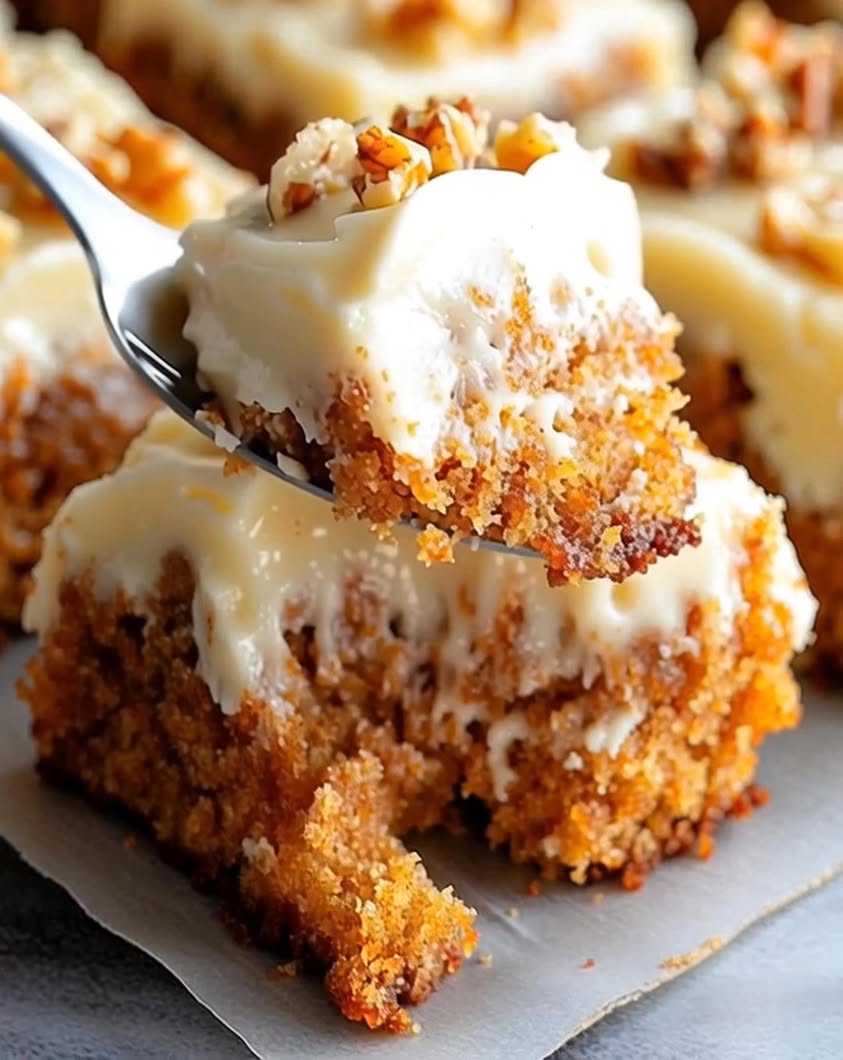
Ultimate Decadent Carrot Cake Bars with Cream Cheese Frosting: Your New Favorite Dessert
Imagine sinking your teeth into the perfect bite of dessert. These Ultimate Decadent Carrot Cake Bars with Cream Cheese Frosting deliver exactly that experience. They combine the warm, spiced comfort of classic carrot cake with the incredible convenience of a bar cookie. Moreover, they feature a rich, tangy cream cheese frosting that perfectly balances the sweetness. Consequently, this recipe is a guaranteed crowd-pleaser for any gathering or a simple weeknight treat.
These bars capture the essence of a beloved layer cake in a portable, no-fuss format. The aroma of cinnamon and nutmeg baking with fresh carrots and brown sugar will fill your kitchen with an irresistible warmth. Additionally, the texture is wonderfully moist and tender, packed with shredded carrots and optional mix-ins like nuts or raisins. Ultimately, this recipe simplifies the baking process without sacrificing any of the deep, satisfying flavors you crave.
Creating these Ultimate Decadent Carrot Cake Bars with Cream Cheese Frosting is surprisingly straightforward. The method uses simple mixing techniques, making it accessible for bakers of all levels. Furthermore, the bars bake in a single pan, eliminating the need for complicated layer assembly. Therefore, you get all the glory of a spectacular dessert with minimal effort and cleanup, which is a win in any home baker’s book.
Quick Recipe Highlights
- Flavor Profile: These bars boast a complex harmony of sweet brown sugar, warm cinnamon and nutmeg, and the earthy sweetness of fresh carrots. The tangy, rich cream cheese frosting cuts through the sweetness, creating a perfectly balanced bite that is neither too sugary nor too heavy.
- Texture: Expect an incredibly moist and dense crumb, thanks to the oil, brown sugar, and shredded carrots. The carrots soften during baking, lending tenderness, while optional walnuts add a delightful crunch. The frosting is luxuriously smooth and creamy, providing a cool contrast.
- Aroma: As they bake, the kitchen fills with the quintessential scent of comfort: warm cinnamon, toasted nuts, and caramelized brown sugar mingling with the sweet, vegetal note of carrot. This fragrance is a hallmark of classic, well-spiced baking.
- Visual Appeal: The bars present a beautiful contrast between the deep golden-brown, speckled cake and the stark white, swirled frosting. A sprinkle of chopped nuts or a dusting of cinnamon on top adds a professional, finished look that is instantly inviting.
- Skill Level Needed: This is a beginner-friendly recipe. It requires basic skills like grating vegetables, mixing wet and dry ingredients separately, and using an electric mixer for the frosting. There is no intricate decorating or advanced techniques needed for success.
- Special Equipment: You will need a standard 9×13 inch baking pan, a box grater or food processor for the carrots, and an electric hand mixer or stand mixer to achieve the light, fluffy texture for the cream cheese frosting. Otherwise, common kitchen bowls and utensils suffice.
Recipe Overview
- Difficulty Level: We rate this recipe as “Easy” because it follows a standard quick-bread mixing method. The steps are sequential and simple: mix dry ingredients, mix wet ingredients, combine, fold in add-ins, and bake. The frosting is also a basic buttercream-style mix. There are no finicky steps like separating eggs or tempering chocolate.
- Category: This recipe falls squarely into the dessert and baked goods category. Specifically, it is a bar cookie or dessert square, making it ideal for picnics, potlucks, and lunchboxes. It can also serve as a casual yet impressive cake for birthdays or afternoon tea.
- Cuisine: Carrot cake has roots in European sweet puddings, evolving significantly in America. This version is firmly in the American baking tradition, emphasizing moistness, warm spices, and the iconic cream cheese frosting that became popular in the United States during the mid-20th century.
- Cost: This is a very cost-effective dessert. Carrots and basic pantry spices are inexpensive. The most significant costs are the cream cheese, butter, and vanilla extract. Overall, the recipe yields a large pan of dessert for a fraction of the price of a bakery cake, making it excellent for budget-conscious entertaining.
- Season: While perfect for spring and Easter celebrations, these bars are truly a year-round treat. The warm spices make them cozy for fall and winter, yet the carrot provides a nod to fresh produce that feels right for spring and summer gatherings.
- Occasion: These bars are versatile for any event. They are easy to transport for potlucks, bake sales, or school functions. They also make a wonderful homemade gift, a satisfying dessert for family dinners, or a sweet treat for holiday celebrations like Easter, Thanksgiving, or Christmas.
Why You’ll Love This Recipe
First and foremost, the taste and texture of these Ultimate Decadent Carrot Cake Bars are utterly irresistible. The cake itself is supremely moist and packed with flavor from the warm spice blend and the natural sweetness of the carrots. Each bite delivers a perfect harmony, especially when paired with the cool, tangy cream cheese frosting. This combination creates a dessert that feels indulgent yet familiar, satisfying a deep craving for something sweet and comforting. Furthermore, the optional add-ins like plump raisins or crunchy walnuts introduce little bursts of texture and flavor that keep your palate engaged from the first bite to the last.
Beyond flavor, the convenience of this recipe is a major selling point. Unlike a layer cake, there is no need for careful stacking, filling, or crumb coating. You simply spread the batter in one pan, bake, cool, frost, and slice. This streamlined process saves significant time and reduces kitchen stress. Additionally, bars are inherently portable and easy to serve, making them the ultimate party or potluck dessert. You can prepare them a day ahead, as the flavors often improve, allowing you to focus on other meal preparations. Consequently, this recipe delivers maximum impact with minimal fuss.
From a nutritional perspective, while still a dessert, these bars offer more than empty calories. Carrots are a fantastic source of beta-carotene, fiber, and vitamin A. Using oil instead of butter in the cake batter contributes to a wonderfully moist texture and can provide heart-healthy fats, depending on your oil choice. Of course, the frosting adds sugar and fat, but a little goes a long way in terms of flavor. You can control the portion size by cutting smaller bars, making it easier to enjoy a treat mindfully. Therefore, you can feel slightly better about indulging in this particular sweet.
The social and entertaining value of this dessert is exceptionally high. A pan of homemade carrot cake bars signals care and effort, impressing guests and making them feel special. They evoke nostalgia and comfort, sparking conversation and smiles. Because they are easy to eat without a plate or fork, they facilitate mingling at parties. Moreover, they are a universally loved flavor profile, appealing to both kids and adults, which simplifies menu planning for mixed-age gatherings. In short, this recipe is a social lubricant and a guaranteed hit on any dessert table.
Finally, the cost-effectiveness and accessibility of the ingredients make this a go-to recipe. You likely have many of the spices, flour, sugar, and oil already in your pantry. Fresh carrots are inexpensive year-round. Even the cream cheese and butter are standard refrigerator items. This accessibility means you can whip up an impressive dessert without a special grocery trip. Compared to buying a similar dessert from a bakery, you save a considerable amount of money while yielding a superior, fresh-from-the-oven product. Ultimately, this recipe proves that decadent treats can be both affordable and achievable in any home kitchen.
Historical Background and Cultural Significance
The origin story of carrot cake is fascinating and somewhat debated. Many food historians believe its roots lie in medieval Europe, where sweeteners like sugar and honey were scarce and expensive. Consequently, people used naturally sweet vegetables, such as carrots, to sweeten puddings and cakes. These early versions were more akin to steamed puddings. The concept traveled to America with colonists. However, the modern carrot cake as we know it, particularly with cream cheese frosting, is a distinctly 20th-century American invention. Its popularity surged during World War II when sugar was rationed, and bakers again turned to carrots for sweetness.
The cultural importance of carrot cake, especially in the United States, is significant. It became a staple of community cookbooks and home baking in the 1960s and 1970s, symbolizing a return to “natural” and “wholesome” ingredients during the back-to-the-land movement. Interestingly, it was often marketed as a “healthy” dessert option because of the carrots, a clever bit of marketing that persists today. The cake is now deeply embedded in American food culture, frequently appearing at potlucks, family reunions, and Easter celebrations. It represents comfort, nostalgia, and the ingenuity of home bakers.
The evolution of the recipe from a simple pudding to a frosted layer cake is a testament to culinary innovation. Early American recipes were simple, often just grated carrot in a spice cake batter. The revolutionary addition was cream cheese frosting. While the exact moment of this pairing is lost to history, it became widespread in the mid-1900s as cream cheese became more commercially available and affordable. This frosting transformed the cake, providing a tangy contrast that perfectly balanced the sweet, spiced crumb. The format also evolved, with bakers creating cupcakes, muffins, and, of course, the convenient bar cookie version we feature here.
Regional variations of carrot cake abound, reflecting local tastes and ingredients. In the Southern United States, you might find a version with crushed pineapple and coconut added to the batter for extra moisture and tropical flair. Some European versions omit frosting altogether, serving the cake as a simple tea loaf, perhaps with a lemon glaze. In Australia and New Zealand, walnuts are a common inclusion. Other global adaptations might use different spices, like cardamom or ginger, or incorporate local nuts and dried fruits. The bar format itself is a practical American adaptation, prioritizing ease of serving and portability without sacrificing the core flavors of the classic cake.
Ingredient Deep Dive
Carrots: The star of the show, carrots have a long history in sweet baking dating back centuries. They provide natural sweetness, moisture, and a beautiful orange hue. Nutritionally, they are packed with beta-carotene (which converts to Vitamin A), fiber, and antioxidants. For the best results, choose fresh, firm carrots and grate them yourself using the medium holes of a box grater; pre-shredded bagged carrots are often too dry and thick. Store whole carrots in the refrigerator’s crisper drawer. If you must substitute, grated zucchini or applesauce can provide moisture but will alter the flavor profile significantly.
Cream Cheese: This American staple, invented in the late 1800s, is essential for the iconic frosting. Its tanginess cuts the cake’s sweetness, creating a perfect balance. It provides protein and fat, contributing to the frosting’s stability and rich mouthfeel. Always use full-fat, brick-style cream cheese for frosting, not the spreadable tub variety, which contains stabilizers and can make the frosting runny. Let it soften completely at room temperature before mixing. Store unopened cream cheese in the fridge and use it by the date on the package. For a dairy-free version, high-quality vegan cream cheese alternatives can work well.
Brown Sugar: Brown sugar, essentially white sugar with molasses added back in, is crucial for the cake’s moist texture and deep, caramel-like flavor. The molasses contributes acidity, which helps tenderize the gluten in the flour. It also attracts and retains moisture from the air. For the best flavor, use fresh, soft brown sugar. If your sugar has hardened, place it in a container with a slice of bread or a damp paper towel overnight to soften. In a pinch, you can make your own by mixing one tablespoon of molasses into one cup of white sugar. Light and dark brown sugar can be used interchangeably, with dark brown sugar providing a more robust molasses taste.
Vegetable Oil: Oil is the secret to the cake’s exceptionally moist and tender crumb. Unlike butter, which solidifies when cool, oil remains liquid, keeping the cake soft for days. It also has a neutral flavor that lets the spices and carrot shine. Canola, vegetable, or a mild olive oil are excellent choices. For a different flavor dimension, melted coconut oil works beautifully. When selecting oil, consider its smoke point and flavor. Store all cooking oils in a cool, dark place to prevent rancidity. You can substitute an equal amount of melted butter or applesauce, but note that butter will create a slightly denser, firmer crumb, and applesauce will make it more cake-like.
Warm Spices (Cinnamon & Nutmeg): These spices are the soul of the cake, providing warmth and complexity. Cinnamon, derived from tree bark, has been prized for millennia for its sweet, woody flavor. Nutmeg, from the seed of a tropical tree, adds a nutty, slightly sweet depth. Together, they create the unmistakable aroma of carrot cake. For the brightest flavor, grind whole nutmeg fresh. Store spices in airtight containers away from heat and light, as they lose potency over time. You can customize your spice blend by adding a pinch of ginger, cloves, or allspice. Pumpkin pie spice is a convenient pre-mixed alternative.
Common Mistakes to Avoid
- Overmixing the Batter: Once you combine the wet and dry ingredients, mix only until the flour disappears. Overmixing develops the gluten in the flour, leading to tough, dense bars instead of a tender crumb. A few small lumps are perfectly fine.
- Using Wet Carrots: If you wash your carrots and grate them while still wet, or use pre-shredded carrots that are dry but coarse, you can throw off the batter’s moisture balance. Always dry grated carrots thoroughly between paper towels to remove excess liquid.
- Not Softening Cream Cheese and Butter: Attempting to make frosting with cold cream cheese and butter will result in a lumpy, graasy mess. Plan ahead and let them sit at room temperature for at least 30-60 minutes until they are soft and pliable for a perfectly smooth frosting.
- Frosting Warm Bars: Applying cream cheese frosting to a warm cake is a recipe for disaster. The heat will melt the frosting, causing it to become runny and soak into the cake. Always allow the bars to cool completely in the pan on a wire rack before frosting.
- Overbaking: This is the most common culprit for dry carrot cake. The bars are done when a toothpick inserted into the center comes out with a few moist crumbs attached, not completely clean. Start checking a few minutes before the timer goes off.
- Incorrect Pan Size: Using a different sized pan will affect baking time and bar thickness. A 9×13-inch pan is standard. A smaller pan will yield thicker bars that need longer baking, while a larger pan will make thinner bars that bake faster and dry out more easily.
- Skimping on Cooling Time: Rushing the cooling process traps steam, making the bars soggy. Let them cool in the pan for about 20 minutes, then you can optionally lift them out using parchment paper to cool completely on a rack, which speeds up the process.
- Adding Pineapple or Coconut Without Draining: These popular add-ins contain a lot of liquid. If you add them straight from the can without thorough draining and patting dry, they will make the batter too wet, leading to gummy, underbaked centers.
Essential Techniques
The “Muffin Method” (Mixing Wet & Dry Separately): This technique is fundamental to quick breads and cakes like these bars. You whisk all dry ingredients (flour, spices, leaveners, salt) in one bowl. In another, you whisk all wet ingredients (oil, sugars, eggs, vanilla). Combining them just before baking ensures the leavening agents activate at the right moment. The key is to mix the wet into the dry until just combined. Overmixing is the pitfall here, as it develops gluten and creates toughness. The visual cue for success is a uniformly moist batter with no visible dry flour streaks, but small lumps are acceptable and even desirable.
Properly Creaming for Frosting: For light and fluffy cream cheese frosting, the “creaming” technique is vital. It involves beating softened butter and cream cheese together on medium-high speed until the mixture is completely smooth, pale, and increased in volume. This process incorporates air, which gives the frosting body and a creamy texture, preventing it from being dense or greasy. The common pitfall is using cold ingredients, which will never achieve a smooth blend. Master it by ensuring your ingredients are truly at room temperature and scraping the bowl down several times during mixing to ensure homogeneity.
Testing for Doneness: Knowing when your bars are perfectly baked is a critical skill. Oven temperatures vary, so rely on physical tests, not just the timer. The edges should be pulling away from the sides of the pan and appear set. The top should spring back lightly when touched. Most importantly, insert a toothpick or thin skewer into the center of the pan. It should come out with a few moist crumbs clinging to it, but not with wet batter. If it’s completely clean, the bars are likely overbaked. This technique ensures a moist, not dry, final product.
Folding in Add-Ins: After combining the wet and dry ingredients, you “fold” in shredded carrots, nuts, or raisins. This gentle technique preserves the air in the batter and prevents overmixing. Use a wide, flexible spatula. Cut down through the center of the batter, scrape along the bottom, and fold over the top, rotating the bowl as you go. The goal is even distribution without deflating the mixture. The pitfall is stirring aggressively, which can break down the carrots too much or make the batter tough. Success is achieved when add-ins are evenly dispersed without visible streaks of unmixed batter.
Pro Tips for Perfect Ultimate Decadent Carrot Cake Bars
Toast your walnuts or pecans before adding them to the batter. Simply spread them on a baking sheet and toast in a 350°F oven for 5-8 minutes until fragrant. This deepens their flavor and adds an extra layer of crunch that elevates the entire bar.
For ultra-moist bars, let the grated carrots sit with the brown sugar for 10 minutes before mixing. This draws out the carrots’ natural moisture and allows the sugar to dissolve slightly, creating a syrup that integrates beautifully into the batter.
Line your baking pan with parchment paper, leaving an overhang on two opposite sides. This creates a “sling” that allows you to lift the entire cooled cake out of the pan before frosting, making for cleaner slicing and easier serving.
Add a pinch of salt to your cream cheese frosting. Salt is a flavor enhancer that will make the tanginess of the cream cheese and the sweetness of the powdered sugar pop, creating a more balanced and sophisticated frosting taste.
If your frosting seems too soft to spread, chill the mixed frosting in the refrigerator for 15-20 minutes. This firms up the fats without making it hard, giving you perfect spreadable consistency for creating beautiful swirls.
For professional-looking bars, frost the cake and then chill the entire pan in the refrigerator for at least an hour before slicing. Use a large, sharp knife, wiping it clean with a hot, damp cloth between each cut for pristine edges.
Boost the spice flavor by blooming your ground cinnamon and nutmeg in the vegetable oil for a minute over very low heat before adding it to the wet ingredients. This technique wakes up the essential oils in the spices, intensifying their aroma and taste.
For a flavor twist, add 1/2 cup of well-drained crushed pineapple or shredded coconut to the batter along with the carrots. This variation adds tropical sweetness and even more moisture, creating a different but equally delicious bar experience.
Variations and Adaptations
Regional Variations: Embrace global twists on the classic. For a Southern-style bar, fold in 1/2 cup each of well-drained crushed pineapple and sweetened shredded coconut. A British-inspired version might include mixed dried fruit and a dash of ginger, served without frosting but with a simple lemon glaze. For a more decadent take, swirl a cup of chocolate chips into the batter before baking, creating a chocolate-chip carrot cake hybrid that is always a crowd-pleaser.
Seasonal Adaptations: Tailor your bars to the calendar. In fall, add a handful of diced apples and a teaspoon of apple pie spice. For winter holidays, incorporate chopped candied ginger or a splash of rum extract into the batter. A spring or Easter version can be topped with pastel-colored sprinkles or mini candy eggs pressed into the frosting just before serving, making them festive and fun.
Dietary Modifications: This recipe is wonderfully adaptable. For gluten-free bars, use a 1:1 gluten-free all-purpose flour blend. To make them dairy-free, use a vegan butter substitute and a high-quality vegan cream cheese for the frosting, and ensure your sugar is certified vegan. For a vegan batter, substitute the eggs with flax eggs (1 tbsp ground flaxseed mixed with 2.5 tbsp water per egg).
Flavor Variations: Experiment with the spice profile. Add 1/2 teaspoon of ground ginger and a 1/4 teaspoon of ground cloves for a more complex “gingersnap” flavor. For a citrus twist, add the zest of one orange to the batter and a tablespoon of orange juice to the frosting. A chai-spiced version can be achieved by adding a teaspoon of chai spice blend in place of the cinnamon and nutmeg.
Texture Modifications: Play with the mouthfeel. For a smoother bar, pulse the grated carrots in a food processor a few times to make them finer. For maximum crunch, double the amount of nuts and sprinkle an additional layer on top of the frosting. For a chewier, more rustic texture, use whole wheat flour for half of the all-purpose flour and add 1/4 cup of old-fashioned oats.
Presentation Alternatives: Think beyond the square. Bake the batter in a greased muffin tin for perfect carrot cake cupcakes, reducing the bake time to 18-22 minutes. For a layer cake, double the recipe and divide between two 9-inch round pans. For individual desserts, bake in small mason jars, layering cake crumbs and frosting for a parfait effect.
Serving and Presentation Guide
Plating Techniques: For a casual gathering, serve the bars directly from the pan. For a more elegant presentation, use the parchment sling to lift the whole frosted slab onto a large cutting board or platter before slicing. Arrange the individual bars on a tiered cake stand for visual height and easy access. Alternatively, place each bar on a small, decorative dessert plate for individual servings at a sit-down dinner.
Garnishing Ideas: A simple garnish transforms homemade bars into a professional-looking dessert. After frosting, sprinkle with finely chopped toasted walnuts or pecans. A light dusting of ground cinnamon or cinnamon sugar adds color and hints at the flavors inside. For a special occasion, pipe a small rosette of extra frosting on each bar and top with a single candied carrot curl or a sprinkle of edible gold dust.
Traditional Accompaniments: Carrot cake pairs beautifully with a hot beverage. Serve bars with freshly brewed coffee, black tea, or a chai latte. For a dessert course, a scoop of vanilla bean ice cream or a dollop of lightly sweetened whipped cream alongside a warm bar is divine. A small glass of cold milk is also a classic and beloved pairing, especially for kids.
Modern Serving Suggestions: Crumble a bar over a bowl of vanilla Greek yogurt for a decadent breakfast or parfait. Use unfrosted bars as a base for a trifle, layering chunks with whipped cream and pineapple tidbits. For a brunch item, bake the batter without frosting and serve squares with a side of maple-sweetened cream cheese for spreading.
Temperature Considerations: These bars are best served at room temperature. The frosting will be soft and creamy, and the cake will be tender. If refrigerated, let them sit out for 20-30 minutes before serving to take the chill off. While you can enjoy them cold, the flavors are more pronounced at room temp. They should never be served warm, as the frosting will melt.
Portion Control Tips: A 9×13 pan typically yields 12 large or 16 moderate bars. For a potluck where many desserts are available, cut them into 20 smaller, two-bite portions. Use a ruler and a toothpick to score the frosting lightly before cutting to ensure even sizes. Smaller portions allow guests to sample more varieties without overindulging.
Wine and Beverage Pairing
Wine Pairings: The sweet spices and cream cheese frosting call for wines with good acidity to cut through the richness. A late-harvest Riesling or Gewürztraminer with their notes of apricot and honey complement the cake’s sweetness beautifully. For red wine lovers, a light-bodied, fruity Pinot Noir or a glass of tawny Port works surprisingly well. Avoid heavy, tannic reds like Cabernet Sauvignon, as they will clash with the spices and sweetness.
Non-Alcoholic Alternatives: Sparkling apple cider is a fantastic pairing, its bubbles and tartness cleansing the palate. A ginger beer or spicy ginger ale echoes the warm spices in the cake. For a creamy option, a chai tea latte or a steamer (steamed milk with vanilla) provides a comforting, cozy companion to the dessert.
Coffee/Tea Pairings: Coffee is a classic partner. A medium-roast coffee with notes of caramel or nut enhances the brown sugar and nuts in the bars. For tea, a strong black tea like English Breakfast or Earl Grey stands up to the robust flavors. A rooibos tea, naturally sweet and caffeine-free, is another excellent choice that won’t overwhelm the dessert.
Temperature Considerations: Serve beverages at their ideal temperatures. Coffee and tea should be hot. White wines and sparkling ciders should be well-chilled. Red wines like Pinot Noir are best served slightly below room temperature. The contrast between a cool, crisp beverage and the rich, room-temperature bar is part of the enjoyable experience.
Serving Suggestions: Offer a selection of beverages if serving a crowd. Set up a coffee station with cream and sugar, and provide both still and sparkling water. For a dinner party, you might pre-select one perfect pairing, such as serving small glasses of tawny Port with the dessert course. Always ensure non-drinkers have an appealing, thoughtful option like the sparkling cider or a specialty tea.
Storage and Shelf Life
Storage Methods: Due to the cream cheese frosting, these bars must be refrigerated. Cover the pan tightly with plastic wrap or aluminum foil, or transfer cut bars to an airtight container. Place a sheet of parchment or wax paper between layers if stacking to prevent the frosting from sticking. Proper refrigeration is non-negotiable for food safety.
Temperature Requirements: Store the bars in the refrigerator at or below 40°F (4°C). They should not be left at room temperature for more than 2 hours total, as the frosting is a dairy product that can spoil. For serving, the brief time out of the fridge is safe and improves texture.
Container Recommendations: An airtight container is best for maintaining moisture and preventing the bars from absorbing other refrigerator odors. If keeping them in the original pan, ensure the plastic wrap is sealed tightly over the entire surface. For individual portions, you can wrap each bar tightly in plastic wrap for easy grab-and-go snacks.
Signs of Spoilage: Discard the bars if you notice any off smells, such as a sour or cheesy aroma beyond the normal tang of cream cheese. Visible mold, an unusually wet or slimy texture on the cake surface, or a significant change in color are all clear indicators that the bars are no longer safe to eat.
Reheating Instructions: These bars are not typically reheated. However, if you prefer a warm cake, you can microwave an unfrosted portion (or a portion with the frosting scraped off) for 10-15 seconds. Do not microwave frosted bars, as the frosting will melt and separate into a greasy, unappetizing mess.
Freezing Guidelines: These bars freeze exceptionally well for up to 3 months. Freeze unfrosted bars individually on a baking sheet, then wrap tightly in plastic wrap and foil. For frosted bars, flash-freeze the entire pan until the frosting is solid, then cut, wrap individually, and store in a freezer bag. Thaw overnight in the refrigerator before serving.
Make Ahead Strategies
Prep Timeline: You can prepare these bars completely 1-2 days in advance. In fact, the flavors meld and improve overnight. Bake and frost the bars, then cover and refrigerate. Slice them the next day for the cleanest cuts. For longer prep, you can freeze the unfrosted baked cake for up to a month and make the frosting fresh on the day you plan to serve.
Storage Between Steps: If preparing components separately, wrap the completely cooled, unfrosted cake tightly in plastic wrap and store at room temperature for one day or refrigerate for up to three days. Prepare the frosting and store it in an airtight container in the refrigerator for up to three days. Let both come to room temperature slightly before frosting and serving.
Quality Impact Assessment: Making ahead generally improves the cake’s moisture and spice distribution. The one potential downside is that the nuts may soften slightly in the refrigerated, frosted bars. To combat this, you can add nuts only as a garnish on top just before serving if you know you’re making it a day ahead.
Assembly Tips: For the freshest presentation, assemble the final product no more than a day before serving. Frost the cooled cake, then refrigerate to set the frosting. Do not add any delicate garnishes like fresh carrot curls until just before you are ready to serve to prevent wilting or sogginess.
Reheating Guidelines: As a chilled dessert, reheating is not necessary. If you’ve frozen unfrosted bars and want to serve them warm, thaw in the refrigerator and then warm gently in a 300°F oven for 5-10 minutes. Always add frosting after reheating and cooling slightly.
Fresh Element Additions: To maximize freshness when making ahead, incorporate any mix-ins like raisins or pineapple right before baking, even if you’ve pre-measured other ingredients. Add any fresh, delicate garnishes (edible flowers, certain sprinkles) right before serving to maintain their texture and color.
Scaling Instructions
Halving the Recipe: To make a smaller batch, divide all ingredient quantities exactly in half. Use an 8×8 inch or 9×9 inch square baking pan. The bake time will be slightly less, so start checking for doneness at the 25-minute mark. Halving an egg can be tricky; beat one egg lightly, measure out 2 tablespoons (which is roughly half), and use that. Scaling down works perfectly for this recipe.
Doubling or Tripling: Doubling is straightforward for a crowd. Simply multiply all ingredients by two and mix in a very large bowl. You will need to bake in two separate 9×13 inch pans; do not try to bake a double batch in one pan, as it will not cook through properly. Rotate the pans in the oven halfway through baking. Tripling follows the same principle, requiring three pans.
Equipment Adjustments: When scaling up, ensure your mixer bowl is large enough for the increased volume of batter. You may need to mix the dry ingredients in batches. For frosting, you can make a double batch in a standard stand mixer bowl, but a triple batch may require mixing in two separate batches and combining them at the end.
Timing Modifications: While the oven temperature remains the same, the bake time may vary slightly when pan size changes. Smaller, thicker bars (from a halved recipe) may need a few extra minutes. When using multiple pans, the total bake time may increase by 5-10 minutes due to the oven being more crowded, which affects airflow. Always rely on the visual and toothpick tests for doneness rather than the timer alone.
Storage Considerations: A double batch yields a lot of bars. Plan your storage accordingly. You may need multiple airtight containers or space in the freezer. Consider whether you will frost all bars at once or leave some unfrosted for longer freezer storage. Label everything with the date to keep track of freshness.
Nutritional Deep Dive
Macro Breakdown: A typical bar from this recipe provides a balance of carbohydrates, fats, and a small amount of protein. The primary carbs come from the flour, sugars, and carrots. Fats are sourced from the vegetable oil, eggs, and the cream cheese/butter in the frosting. Protein comes from the eggs, flour, and cream cheese. While it is an energy-dense dessert, the fiber from the carrots and whole wheat flour (if used) can help moderate blood sugar response compared to more refined desserts.
Micronutrient Analysis: Carrots are the standout micronutrient contributor, offering a significant amount of Vitamin A (from beta-carotene), which is essential for vision and immune function. The recipe also provides smaller amounts of Vitamin C, calcium, and iron. The spices, particularly cinnamon, may offer trace antioxidants. Using nuts adds healthy fats, Vitamin E, and magnesium. While not a health food, it Print
Decadent Carrot Cake Bars with Cream Cheese Frosting
- Total Time: 45 minutes
- Yield: 12
Description
Moist, spiced carrot cake bars topped with a rich, tangy cream cheese frosting—perfect for a sweet treat or dessert.
Ingredients
- 2 cups all-purpose flour
- 1 1/2 cups granulated sugar
- 1 teaspoon baking soda
- 1 teaspoon ground cinnamon
- 1/2 teaspoon salt
- 3 large eggs
- 1 cup vegetable oil
- 2 cups grated carrots
- 1 teaspoon vanilla extract
- 1/2 cup chopped walnuts (optional)
- 8 ounces cream cheese, softened
- 1/4 cup unsalted butter, softened
- 2 cups powdered sugar
- 1 teaspoon vanilla extract
Instructions
- Preheat oven to 350°F (175°C). Grease a 9×13-inch baking pan and set aside.
- In a large bowl, whisk together flour, sugar, baking soda, cinnamon, and salt.
- Add eggs, vegetable oil, grated carrots, and vanilla extract to the dry ingredients. Mix until just combined. Fold in walnuts if using.
- Pour batter into the prepared pan and spread evenly. Bake for 25-30 minutes, or until a toothpick inserted comes out clean. Let cool completely.
- For the frosting, beat cream cheese and butter until smooth. Gradually add powdered sugar and vanilla, beating until creamy.
- Spread frosting over cooled bars. Cut into squares and serve.
Notes
You can customize the seasonings to taste.
- Prep Time: 15 minutes
- Cook Time: 30 minutes
- Method: Dessert
- Cuisine: American