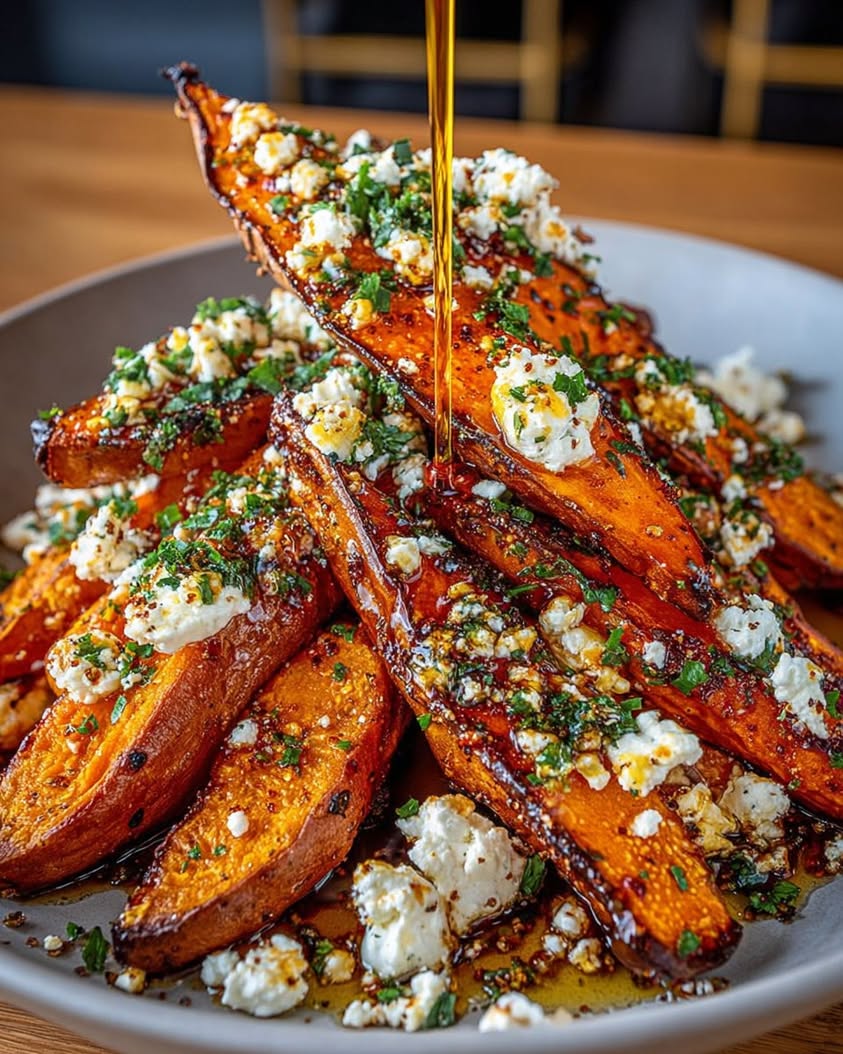
Crispy Roasted Sweet Potato Wedges with Feta and Hot Honey Drizzle: The Ultimate Sweet and Savory Side
Imagine the perfect side dish. It has a crispy exterior, a tender, fluffy interior, and a flavor profile that dances between sweet, savory, spicy, and salty. That is exactly what you get with these Crispy Roasted Sweet Potato Wedges with Feta and Hot Honey Drizzle. This recipe transforms humble sweet potatoes into a show-stopping culinary experience. The process is straightforward, but the result feels gourmet. Consequently, this dish is perfect for both a casual weeknight dinner and a fancy gathering with friends.
The magic lies in the combination of textures and flavors. First, you achieve perfectly crispy roasted sweet potato wedges through a simple seasoning and high-heat roasting method. Then, you crumble creamy, tangy feta cheese over the hot wedges. Finally, you finish the dish with a generous drizzle of spicy-sweet hot honey. The heat from the honey gently mellows as it hits the warm potatoes and cheese, creating a complex sauce that ties everything together. Ultimately, each bite is a delightful contrast that will have everyone asking for the recipe.
Moreover, this dish is incredibly versatile. You can serve it as a hearty vegetarian main with a simple salad, as a standout side for grilled chicken or fish, or even as a shareable appetizer. The vibrant orange of the sweet potatoes, the white crumbles of feta, and the glossy golden honey drizzle make for a beautiful, colorful plate. Therefore, if you are looking for a reliable recipe that delivers maximum flavor with minimal fuss, these Crispy Roasted Sweet Potato Wedges with Feta and Hot Honey Drizzle are your answer.
Quick Recipe Highlights
- Flavor Profile: These wedges offer a masterful balance. The natural sweetness of the roasted potatoes meets the salty tang of feta. Meanwhile, the hot honey adds a spicy kick and floral sweetness that elevates the entire dish.
- Texture: The goal is a fantastic contrast. The exterior of the wedge should be crisp and lightly caramelized. Conversely, the inside remains supremely tender and fluffy. The crumbled feta adds a creamy, crumbly element that melts slightly on contact.
- Aroma: As the sweet potato wedges roast, your kitchen will fill with the warm, earthy scent of caramelizing roots. When you add the feta, a subtle milky tang joins the mix. Finally, the hot honey releases a warm, spicy, and floral fragrance that is utterly irresistible.
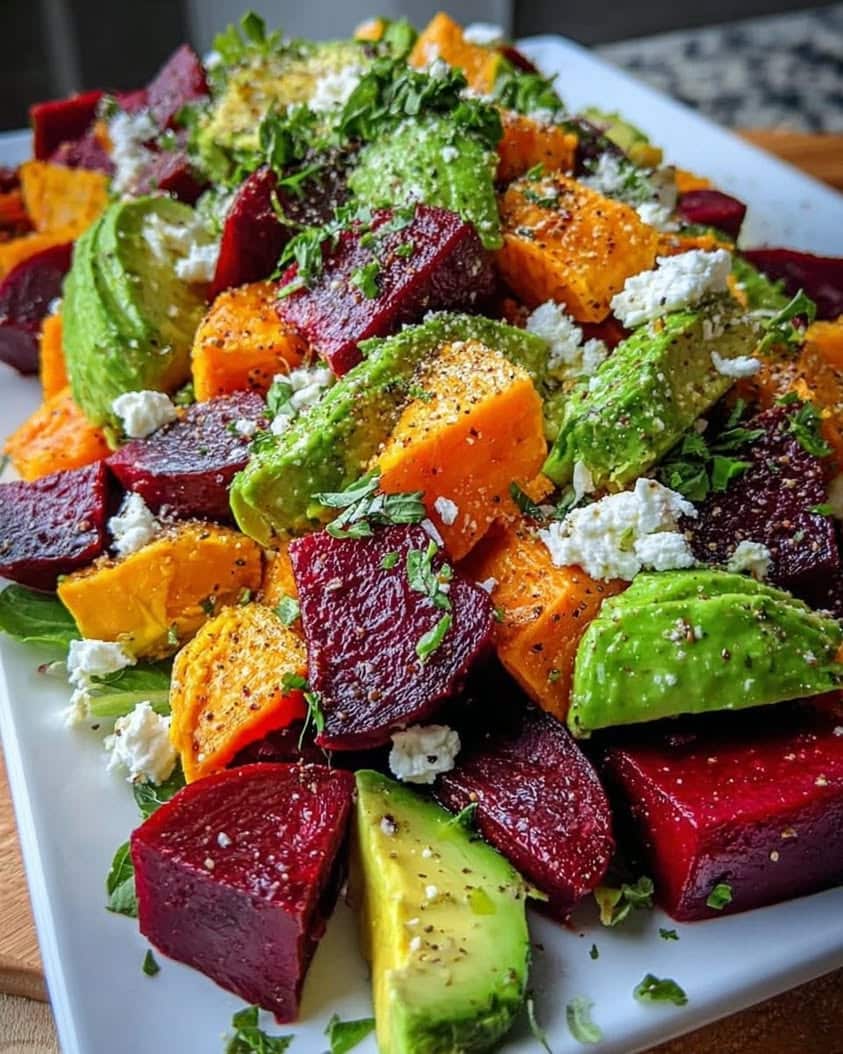
- Visual Appeal: This dish is a feast for the eyes. The vibrant orange wedges are striking on their own. Subsequently, the bright white feta crumbles create beautiful contrast. The glossy honey drizzle adds a professional, finished look that makes the plate pop.
- Skill Level Needed: This is a beginner-friendly recipe. The techniques involve simple cutting, tossing, and roasting. No advanced culinary skills are required. However, paying attention to spacing on the pan and oven temperature is key for perfect crispiness.
- Special Equipment: You need only basic kitchen tools. A sharp knife and sturdy cutting board are essential for cutting the wedges. Additionally, a large baking sheet is non-negotiable to allow proper air circulation. A small saucepan is helpful for warming the honey, but a microwave-safe bowl works too.
Recipe Overview
- Difficulty Level: We rate this recipe as “Easy” for several reasons. The steps are sequential and simple: cut, season, roast, and assemble. There is no complicated knife work or delicate techniques. The primary skill is patience, allowing the oven to work its magic for the perfect crispy exterior.
- Category: This dish fits multiple categories beautifully. It is an outstanding vegetable side dish for any protein. Furthermore, it can be a satisfying vegetarian main course. It also excels as a shareable appetizer or party snack, served with toothpicks for easy grabbing.
- Cuisine: While not tied to one specific tradition, it draws inspiration from modern American and Mediterranean cuisines. The use of feta cheese nods to Greek flavors. Meanwhile, the hot honey trend has strong roots in American culinary innovation, particularly from the South and Brooklyn food scenes.
- Cost: This is a very budget-friendly recipe. Sweet potatoes are inexpensive year-round. A block of feta and a bottle of honey are pantry staples that provide many servings. For a more affordable option, you can use a locally sourced honey instead of specialty artisan varieties.
- Season: These Crispy Roasted Sweet Potato Wedges are truly an all-season star. They feel cozy and comforting in fall and winter. Conversely, their bright flavors and colors are equally welcome in spring and summer, especially at outdoor barbecues and picnics.
- Occasion: This recipe is incredibly versatile for events. It is casual enough for a family Tuesday night dinner. Simultaneously, it is elegant enough for a holiday table or dinner party. The dramatic presentation ensures it always feels special, regardless of the occasion.
Why You’ll Love This Recipe
First and foremost, the taste and texture are utterly addictive. The crispy roasted sweet potato wedge provides a sturdy, savory base. When you add the cool, salty feta, it begins to melt into the crevices. Then, the hot honey drizzle seeps into everything, creating pockets of spicy sweetness. Each forkful delivers a symphony of contrasting sensations that keep you coming back for more. The balance is so perfect that it satisfies cravings for something salty, sweet, and spicy all at once. Ultimately, it is a side dish that often steals the spotlight from the main course.
Secondly, the convenience factor is a major win. From prep to plate, the recipe takes less than an hour with mostly hands-off cooking time. You can easily cut the sweet potatoes ahead of time. Meanwhile, the oven does the heavy lifting, freeing you to prepare the rest of your meal. The assembly is just a quick crumble and drizzle before serving. This makes it an ideal recipe for busy weeknights or when you have guests. You get impressive results without being chained to the stove, which is a true gift for any home cook.
From a nutritional standpoint, these Crispy Roasted Sweet Potato Wedges offer substantial benefits. Sweet potatoes are packed with beta-carotene, vitamin A, and fiber. Roasting them with a moderate amount of oil preserves these nutrients better than boiling. Feta cheese adds a boost of protein and calcium, while the honey provides natural sugars and antioxidants. Compared to deep-fried potatoes, this roasted version is a healthier alternative that doesn’t sacrifice satisfaction. You can feel good about serving this dish to your family, knowing it’s both delicious and nourishing.
For entertaining, this recipe is a social superstar. It is visually stunning and encourages sharing. Placing a large platter of these wedges in the center of the table creates an interactive, communal dining experience. Guests love customizing their bites with extra feta or a heavier honey drizzle. It is a fantastic conversation starter and a guaranteed crowd-pleaser. Because it caters to vegetarians and can be adapted for other diets, it is an inclusive option for mixed groups. You will consistently receive compliments and requests for the recipe.
Finally, the cost-effectiveness and accessibility are unbeatable. The core ingredients are affordable and available at any standard grocery store. You likely already have the spices and oil in your pantry. There is no need for expensive equipment or hard-to-find specialty items. This recipe demonstrates how a few simple, quality ingredients can be transformed into something extraordinary. It proves that eating well does not require a large budget or a trip to a gourmet market. This accessibility makes it a recipe you will return to again and again.
Historical Background and Cultural Significance
The story of the sweet potato is a global journey. Originally domesticated in Central or South America over 5,000 years ago, it spread across Polynesia long before European contact. Spanish and Portuguese explorers then brought it to Europe, Asia, and Africa. Its adaptability and nutritional value made it a crucial staple in many cultures. In the American South, roasted sweet potatoes became a comfort food cornerstone. The concept of pairing them with savory and spicy elements has deep roots in this region, where sweet and heat often collide deliciously on the plate.
Feta cheese brings its own rich history to the dish. As a brined curd cheese, feta has been produced in Greece for centuries. In fact, it holds a Protected Designation of Origin (PDO) status, meaning true feta must come from specific regions in Greece. Its tangy, salty flavor and crumbly texture have made it a beloved ingredient worldwide. Incorporating feta into vegetable dishes is a classic Mediterranean practice, adding protein and depth. Its use here bridges the gap between American vegetable preparation and Old-World cheesemaking tradition.
p>The hot honey trend is a more recent culinary innovation. While honey has been used for millennia, infusing it with chili peppers gained massive popularity in the 2010s, notably through Brooklyn-based company Mike’s Hot Honey. This condiment cleverly combines the natural sweetness of honey with the slow burn of chili peppers. It quickly moved from pizza topping to a versatile sauce for everything from fried chicken to cheese plates. Its inclusion in this recipe represents modern flavor fusion, taking a classic roasted vegetable and catapulting it into contemporary foodie culture.
When combined, these elements create a dish that is a testament to global culinary exchange. It is a fusion of ancient staple (sweet potato), traditional preserving technique (feta), and modern condiment innovation (hot honey). This recipe does not belong to one cuisine but celebrates the beautiful results of cross-cultural ingredient borrowing. It reflects how today’s home cooking often blends tradition with new trends to create something uniquely satisfying. It is a side dish with a story that spans continents and centuries.
Ingredient Deep Dive
Sweet Potatoes: Choose firm, smooth sweet potatoes without soft spots or extensive bruising. For uniform cooking, try to select potatoes that are similar in size and shape. There are two main flesh colors: orange and white. The orange-fleshed varieties (often sold as “yams” in U.S. markets) are sweeter and moister, making them ideal for this recipe. They are packed with beta-carotene, which the body converts to vitamin A. Store them in a cool, dark, well-ventilated place—not in the refrigerator, as cold temperatures can alter their texture and flavor.
Feta Cheese: Opt for a block of feta packed in brine rather than pre-crumbled feta. The block version is superior in flavor and texture, remaining creamier and less dry. True Greek feta is made from at least 70% sheep’s milk, often blended with goat’s milk. This gives it a tangy, complex flavor. For a richer taste, seek out sheep’s milk feta. Store leftover feta submerged in its brine in an airtight container in the refrigerator. If you need a dairy-free substitute, consider a firm, salty vegan cheese or even chopped, marinated tofu.
Honey: The quality of honey dramatically affects the final drizzle. Raw, local honey has more nuanced floral notes than highly processed, mass-market brands. For the hot element, you can use a pre-made hot honey or easily make your own by gently warming honey with dried chili flakes or a sliced fresh chili pepper. Let it infuse for 15-30 minutes, then strain. Honey is a natural preservative and has antimicrobial properties. Store it at room temperature in a sealed container. For a vegan version, agave nectar or maple syrup can be used, though the flavor profile will shift.
Olive Oil & Spices: A good, neutral high-heat oil like avocado or refined olive oil is best for roasting. Extra virgin olive oil can smoke at high temperatures. The spice blend is simple but crucial: smoked paprika adds a deep, smoky sweetness, while garlic powder provides savory depth without burning. Do not skip the cornstarch—it is the secret weapon for ultra-crispy roasted sweet potato wedges, as it draws out moisture and creates a delicate crust. Always use fresh spices for the most potent flavor.
Common Mistakes to Avoid
- Overcrowding the Baking Sheet: This is the number one reason wedges turn out soggy. If the wedges are touching, they steam instead of roast. Always use a large enough pan and spread them in a single layer with space between each piece. Using two pans is better than cramming them onto one.
- Skipping the Cornstarch: It might seem like an optional ingredient, but cornstarch is critical for crispiness. It absorbs surface moisture on the sweet potatoes and promotes browning and crisping. Do not substitute with flour, as it can create a pasty coating instead of a crisp one.
- Using Wet Sweet Potatoes: After washing, thoroughly pat the wedges dry with a clean kitchen towel. Any residual water will create steam, hindering the crisping process. Taking this extra minute ensures the oil and seasoning stick properly and the oven heat works effectively.
- Neglecting to Preheat the Oven: A properly preheated oven is non-negotiable. Starting with a cold oven means the potatoes will start cooking slowly, causing them to release moisture and become mushy before they have a chance to crisp up. Always wait for the oven to reach the full temperature.
- Cutting Wedges Unevenly: Inconsistent sizing leads to uneven cooking. Some pieces will burn while others remain undercooked. Aim for wedges that are about ½ to ¾-inch thick at their widest point. Using a sharp knife makes this task easier and safer.
- Stirring or Flipping Too Often: Resist the urge to constantly move the wedges around. Let them sit and caramelize on one side for at least 15-20 minutes before flipping. This undisturbed contact with the hot pan is what builds that perfect crispy exterior.
- Adding the Feta Too Early: Crumble the feta over the wedges immediately after they come out of the oven. If you add it before roasting, it will melt into a greasy mess and burn. The residual heat from the potatoes will slightly soften the cheese perfectly.
- Using Cold Honey: Cold honey is thick and difficult to drizzle. Gently warming it (either in a saucepan or for 10 seconds in the microwave) thins it slightly, allowing it to flow beautifully over the wedges and feta, creating that signature glossy finish.
Essential Techniques
Cutting Even Wedges: This technique ensures uniform cooking. First, slice the sweet potato in half lengthwise. Then, place each half cut-side down and slice it lengthwise into ½-inch planks. Finally, cut each plank lengthwise into wedges. A sharp chef’s knife is safer than a dull one, as it requires less force. Consistent size is more important than perfect shape, so don’t stress over aesthetics.
The Cornstarch Toss: This is the pro secret for crispiness. After drying the wedges, place them in a large bowl. Sprinkle the cornstarch over them and toss thoroughly until each wedge has a very light, almost invisible coating. The cornstarch acts as a moisture-wicking agent, creating a thin barrier that crisps up in the oven’s dry heat. Do not skip this step.
High-Heat Roasting: A hot oven (425°F) is crucial. This high temperature quickly sears the exterior of the sweet potato wedges, locking in moisture inside while creating a caramelized, crispy shell. The Maillard reaction (browning) happens rapidly at this temperature, developing complex, savory flavors that a lower oven cannot achieve. Trust the process and let the heat work.
Proper Pan Spacing: This technique prevents steaming. After tossing the wedges with oil, arrange them on the baking sheet so they are not touching. If they are too close, the moisture they release has nowhere to go, creating a humid microenvironment that results in soft, steamed potatoes. Giving them their personal space is the key to crispiness.
Pro Tips for Perfect Crispy Roasted Sweet Potato Wedges
For the crispiest results, soak the cut wedges in cold water for 30 minutes before drying and seasoning. This draws out excess starch, which can lead to gumminess. Just be sure to pat them completely dry afterward.
Invest in an oven thermometer. Oven temperatures are often inaccurate, and even a 25-degree difference can affect the outcome. Knowing your oven’s true temperature allows you to adjust accordingly for perfect roasting.
Use a heavy-duty, rimmed baking sheet. Thin, flimsy pans can warp in high heat and cause uneven cooking. A sturdy pan distributes heat consistently, promoting even browning on all the wedges.
Flip the wedges only once during cooking. Use a thin, flexible spatula to gently turn them halfway through the bake time. This allows both sides to develop that desirable golden-brown, crispy crust.
Finish with flaky sea salt. After adding the feta and hot honey, a light sprinkle of flaky salt like Maldon adds a final burst of salinity and a delightful textural crunch that elevates the entire dish.
Make your own hot honey infusion. Gently heat ½ cup of honey with 1-2 teaspoons of crushed red pepper flakes in a small saucepan for 5 minutes. Let it cool and infuse for a more personalized spice level.
Variations and Adaptations
For regional twists, consider a Southern variation by adding a sprinkle of Cajun or blackening seasoning to the wedges before roasting. A Middle Eastern adaptation could use za’atar spice blend and swap feta for crumbled halloumi. An Asian-inspired version might include a drizzle of sriracha-infused honey and a garnish of sesame seeds and chopped scallions.
Seasonal adaptations are easy. In fall, add a pinch of cinnamon or pumpkin pie spice to the seasoning blend. For winter, consider a drizzle of pomegranate molasses along with the honey. In spring, garnish with fresh pea shoots or microgreens. During summer, serve the wedges at room temperature as part of a picnic or barbecue spread.
Dietary modifications are straightforward. For a vegan version, use a plant-based feta alternative and agave nectar. To make it gluten-free, ensure your cornstarch is certified GF—it naturally is, but cross-contamination can occur. For a dairy-free option, omit the feta or use a vegan cheese, and consider adding toasted nuts for crunch.
Experiment with flavor variations by changing the cheese. Try crumbled goat cheese for extra tang, queso fresco for mildness, or even blue cheese for a bold punch. Herb-infused oils or adding fresh rosemary or thyme to the roasting pan can introduce another aromatic layer.
Texture modifications can include adding a final crunch. After baking, toss the wedges with toasted pepitas, chopped walnuts, or breadcrumbs for added texture. For a smoother component, serve with a side of garlicky yogurt or labneh for dipping.
Presentation alternatives can make the dish feel new. Instead of a large platter, serve individual portions in small bowls or on slate boards. Skewer two wedges together with a toothpick for a passed appetizer. Layer them in a baking dish for a more family-style, rustic presentation.
Serving and Presentation Guide
Plating is key for visual impact. Arrange the Crispy Roasted Sweet Potato Wedges on a large, warm platter or a wooden board. Slightly overlap them for a casual, abundant feel. Crumble the feta generously over the top, allowing it to fall into the gaps. Drizzle the hot honey in a zigzag pattern across the entire platter, ensuring each section gets some love. The goal is an artful but not overly fussy presentation.
Garnishing adds the final touch. Beyond the feta and honey, consider a sprinkle of fresh, chopped herbs like parsley, cilantro, or chives for a pop of green color. A dusting of smoked paprika or sumac adds color and a hint of extra flavor. For special occasions, edible flowers make a stunning, elegant garnish.
Traditional accompaniments keep the meal balanced. These wedges pair beautifully with simply grilled or roasted proteins like chicken, salmon, or pork chops. For a vegetarian feast, serve alongside a hearty grain salad like quinoa or farro, and a simple green salad with a lemon vinaigrette to cut through the richness.
Modern serving suggestions lean into the shareable trend. Place the platter in the center of the table with small bowls of extra toppings: additional hot honey, chili flakes, fresh herbs, and lemon wedges. This allows guests to customize their bites. They also make a fantastic base for a loaded fry situation, topped with pickled onions, sour cream, or even black beans.
Temperature considerations are important. Serve the wedges immediately after adding the feta and honey. The contrast between the hot potatoes, cool cheese, and warm honey is part of the magic. If you must hold them, keep the roasted wedges warm in a low oven (200°F) on a wire rack, then add the cheese and honey just before serving.
Portion control is easy to gauge. This recipe yields about four servings as a side dish. As a main for a light eater, it could serve two. For appetizers, plan on 3-4 wedges per person. The recipe scales up perfectly for a crowd—just use multiple baking sheets and rotate them in the oven for even cooking.
Wine and Beverage Pairing
Wine pairings should complement the sweet, spicy, and salty notes. A slightly off-dry Riesling is a classic choice, as its sweetness mirrors the potato and honey while its acidity cuts the fat. A fruity, low-tannin Gamay or Beaujolais works wonderfully, offering bright red fruit flavors that won’t clash with the spice. For white wine lovers, an oak-aged Chardonnay with a creamy texture can stand up to the rich feta and smoky paprika.
Non-alcoholic alternatives offer just as much complexity. A sparkling lemonade or ginger beer provides a refreshing, effervescent contrast to the dish’s richness. Iced hibiscus tea (agua de jamaica) has a tart, cranberry-like flavor that balances the sweetness beautifully. For a creamy option, a chai latte or golden milk (turmeric latte) complements the warm spices in the dish.
Coffee and tea can be excellent pairings, especially for a brunch setting. A medium-roast coffee with low acidity won’t overpower the flavors. A spiced chai tea echoes the warm spices on the potatoes. For an iced option, a strong, sweet black tea with lemon can be very refreshing alongside the savory, spicy wedges.
Temperature is crucial for beverages. Iced drinks should be very cold to refresh the palate after the spicy honey. Wines should be served at their proper temperature: whites and rosés chilled, reds slightly cool. Warm beverages like tea or lattes should be hot to provide a comforting contrast.
Serving suggestions include offering a variety. For a dinner party, set out a bottle of the recommended Riesling and a pitcher of sparkling ginger iced tea. This caters to both drinkers and non-drinkers. Always provide plenty of cold water with lemon to help cleanse the palate between bites, especially given the spicy element.
Storage and Shelf Life
Storage methods depend on the stage. Plain, leftover roasted sweet potato wedges (without toppings) can be stored in an airtight container in the refrigerator for 3-4 days. Do not store wedges that already have feta and honey on them, as the cheese will become soggy and the honey will absorb. Always store components separately for best results.
Temperature requirements are straightforward. Refrigerate leftovers promptly. The wedges should cool to room temperature (about 30 minutes) before being sealed in a container to prevent condensation, which leads to sogginess. Never leave them at room temperature for more than two hours for food safety.
Container recommendations are important. Use a shallow, wide container rather than a deep one to prevent the wedges from crushing each other. Placing a paper towel at the bottom of the container can help absorb any residual moisture. For the feta, keep it in its original brine or in a fresh saltwater solution in a sealed jar.
Signs of spoilage are easy to spot. Discard the wedges if they develop an off smell, become slimy, or show visible mold. Feta that smells excessively sour or ammonia-like should be thrown out. Honey is naturally preservative, but if water is introduced, it can ferment; look for bubbles or an alcoholic smell.
Reheating instructions are key to restoring crispiness. The oven or air fryer is your best friend. Reheat wedges on a baking sheet at 400°F for 5-10 minutes until hot and re-crisped. Avoid the microwave, as it will make them soft and rubbery. Add fresh feta and honey only after reheating.
Freezing guidelines are possible but with caveats. You can freeze the plain roasted wedges on a parchment-lined tray until solid, then transfer to a freezer bag. They will keep for 2-3 months. Reheat from frozen in a 425°F oven for 15-20 minutes. Note that the texture may be slightly less perfect than fresh, but still good. Do not freeze with toppings.
Make Ahead Strategies
A prep timeline can save you stress for entertaining. The day before, wash, cut, and soak the sweet potato wedges. Store them submerged in water in the refrigerator. Up to 4 hours before serving, drain, thoroughly dry, toss with cornstarch, oil, and spices, and arrange them on the baking sheet. Cover and leave at room temperature until ready to roast. Mix your hot honey infusion and crumble the feta ahead of time as well.
Storage between steps is simple. Keep the seasoned, unbaked wedges on their tray, covered loosely with plastic wrap, at room temperature. Do not refrigerate them at this stage, as the cold will make them release more water. The crumbled feta can be kept in a small bowl, covered, in the fridge. The hot honey can sit at room temperature.
Quality impact assessment is positive. Pre-cutting and soaking the potatoes can actually improve texture by removing excess starch. Pre-crumbling feta is fine. The only step that must happen just before serving is the roasting and final assembly. The hot honey can be made days in advance, often improving as flavors meld.
Assembly tips for a party are easy. Roast the wedges just before guests arrive. Keep them warm on a wire rack set over a baking sheet in a 200°F oven. Have your feta and warmed honey ready in serving vessels. When ready to serve, transfer wedges to a platter, top with feta, and drizzle with honey in front of everyone for a bit of drama.
Reheating guidelines for make-ahead wedges are the same as for leftovers. Use the oven or air fryer to restore crispiness. If you pre-roast them completely, they will reheat well but may lose a bit of their initial perfect texture. For the best results, do the initial roast just before serving.
Fresh element additions are crucial. Even if you prep everything else, always add the feta and honey at the last possible moment. Consider having a fresh herb garnish chopped and ready to sprinkle on top just before carrying the platter to the table. This ensures vibrant color and the brightest flavors.
Scaling Instructions
Halving the recipe is simple for smaller households. Use one large sweet potato and halve all other ingredient quantities. The cook time may reduce by 5-7 minutes, so start checking for doneness early. Use a standard quarter-sheet pan or just crowd them a bit more on a half-sheet pan, as a smaller batch steams less.
Doubling or tripling for a crowd requires planning. You will need multiple baking sheets. Do not stack two sheets in the oven on the same rack; the heat circulation will be poor. Instead, use two racks and rotate the sheets top-to-bottom and front-to-back halfway through cooking. You may also need to extend the cook time by 5-10 minutes due to the increased oven load.
Equipment adjustments are necessary when scaling up. Ensure you have enough large bowls for tossing the wedges with seasoning. A very large roasting pan can work, but wedges in the center may steam. Baking sheets are ideal. If using a convection oven, you can use multiple racks more effectively, and cooking time may be slightly reduced.
Timing modifications come into play with larger batches. It is better to roast in consecutive batches than to overcrowd. Keep the first batch warm in a 200°F oven on a wire rack while the second batch cooks. The wedges will hold their crispiness well for 20-30 minutes this way.
Storage considerations for scaled-up recipes are important. If you have a massive amount of leftovers, store them in multiple shallow containers rather than one deep one. This prevents the bottom layers from getting crushed and soggy. Reheat in batches for the best texture restoration.
Nutritional Deep Dive
The macro breakdown is favorable. A serving provides complex carbohydrates from the sweet potato for sustained energy. The olive oil and feta contribute healthy fats, including monounsaturated fats from the oil. Feta also adds a modest amount of protein, making the dish more satiating. The honey adds simple sugars, but in a moderate amount as a garnish rather than a main component.
Micronutrient analysis reveals a powerhouse of vitamins. Sweet potatoes are exceptionally high in Vitamin A (as beta-carotene), crucial for vision and immune health. They also provide Vitamin C, potassium, and manganese. Feta cheese is a good source of calcium, phosphorus, and B vitamins like riboflavin and B12. Honey contains small amounts of antioxidants and minerals.
Health benefits are significant. The high fiber content from the sweet potatoes promotes digestive health and helps regulate blood sugar. The antioxidants (beta-carotene, Vitamin C) combat oxidative stress. The fats from olive oil are heart-healthy. This combination makes the dish anti-inflammatory and supportive of overall wellness when consumed as part of a balanced diet.
Dietary considerations are varied. The dish is naturally vegetarian and gluten-free (ensure cornstarch is certified GF). It is not suitable for vegans or those with dairy allergies without modification. For low-carb or keto diets, the sweet potato’s carb count is too high, but the concept could be adapted using lower-starch vegetables like rutabaga.
Portion analysis shows a standard serving (about ¼ of the recipe) is satisfying without being overly heavy. As a side, it complements a lean protein and vegetable. As a main, consider adding a larger side salad or a protein like chickpeas to create a more complete meal. The portion size is naturally filling due to the fiber and fat content.
Weight management tips include being mindful of the oil and cheese portions. You can reduce the oil by ½ tablespoon and use a light hand with the feta crumble if desired. The satiating nature of the fiber and protein can help prevent overeating later. Enjoying this as a flavorful component of a meal can reduce the desire for less nutritious sides.
Dietary Adaptations
For a gluten-free version, this recipe is already nearly there. Simply confirm your cornstarch is certified gluten-free, as some brands may have cross-contamination. All other core ingredients—sweet potatoes, oil, spices, feta, honey—are naturally gluten-free. Serve with other gluten-free accompaniments.
A dairy-free adaptation requires omitting the feta or using a high-quality vegan feta alternative. Many are made from almond milk, tofu, or coconut oil. For the creamy, salty element, consider a sprinkle of nutritional yeast mixed with a pinch of salt, or add chopped, salted olives or capers. The texture will be different but still delicious.
To make it vegan, follow the dairy-free steps above and replace the honey. Use agave nectar, maple syrup, or vegan “bee-free” honey. Infuse it with chili flakes for the hot element. Ensure your sugar is vegan if using a commercial hot honey substitute, as some honey processing may involve bone char filters.
For a low-carb or keto adaptation, replace the sweet potatoes with a lower-starch vegetable. Try cutting rutabaga, daikon radish, or turnips into wedges. The cooking time may vary. Increase the healthy fat by adding more olive oil or tossing the wedges with grated Parmesan before roasting for extra crispiness.
A Paleo version would omit the dairy and the cornstarch. Use arrowroot powder instead of cornstarch for crisping. Omit the feta cheese entirely, or use a compliant “Paleo cheese” made from nuts. Ensure your hot honey is made with raw honey, which is generally considered Paleo in moderation.
For a Low-FODMAP diet, this recipe needs careful modification. Sweet potato is low-FODMAP in servings of ½ cup (75g) per meal. Stick to a strict portion size. Omit the garlic powder and use garlic-infused oil instead for flavor without the fructans. Feta is typically low-FODMAP at 40g serves. Check honey moderation.
Troubleshooting Guide
Wedges are Soggy, Not Crispy: This is almost always due to overcrowding or insufficient oven heat. Next time, ensure wedges are spaced apart and your oven is fully preheated. Also, double-check that you patted the potatoes completely dry and used the cornstarch. Sogginess can also occur if the wedges are stacked while hot, trapping steam—always spread them on a cooling rack if holding.
Wedges are Burning on the Bottom: Your baking sheet may be too thin or dark-colored, which absorbs more heat. Use a lighter-colored, heavy-duty pan. You can also double-pan by placing your baking sheet on top of a second empty sheet to insulate the bottom. Lining with parchment paper can also provide a slight buffer against direct heat.
Seasoning Isn’t Sticking: If the oil and spices slide Print
Crispy Roasted Sweet Potato Wedges with Feta and Hot Honey Drizzle
- Total Time: 45 minutes
- Yield: 4
Description
A sweet and savory side dish featuring crispy roasted sweet potato wedges topped with crumbled feta and a spicy honey drizzle.
Ingredients
- 2 large sweet potatoes, cut into wedges
- 2 tablespoons olive oil
- 1 teaspoon smoked paprika
- 1/2 teaspoon garlic powder
- Salt and black pepper to taste
- 1/2 cup crumbled feta cheese
- 2 tablespoons honey
- 1/2 teaspoon red pepper flakes
Instructions
- Preheat oven to 425°F (220°C). Line a baking sheet with parchment paper.
- In a large bowl, toss sweet potato wedges with olive oil, smoked paprika, garlic powder, salt, and black pepper until evenly coated.
- Arrange wedges in a single layer on the baking sheet. Roast for 25-30 minutes, flipping halfway, until crispy and tender.
- While wedges roast, warm honey in a small saucepan over low heat. Stir in red pepper flakes and remove from heat.
- Transfer roasted wedges to a serving platter. Sprinkle with crumbled feta and drizzle with hot honey. Serve immediately.
Notes
You can customize the seasonings to taste.
- Prep Time: 15 minutes
- Cook Time: 30 minutes
- Method: Side
- Cuisine: American