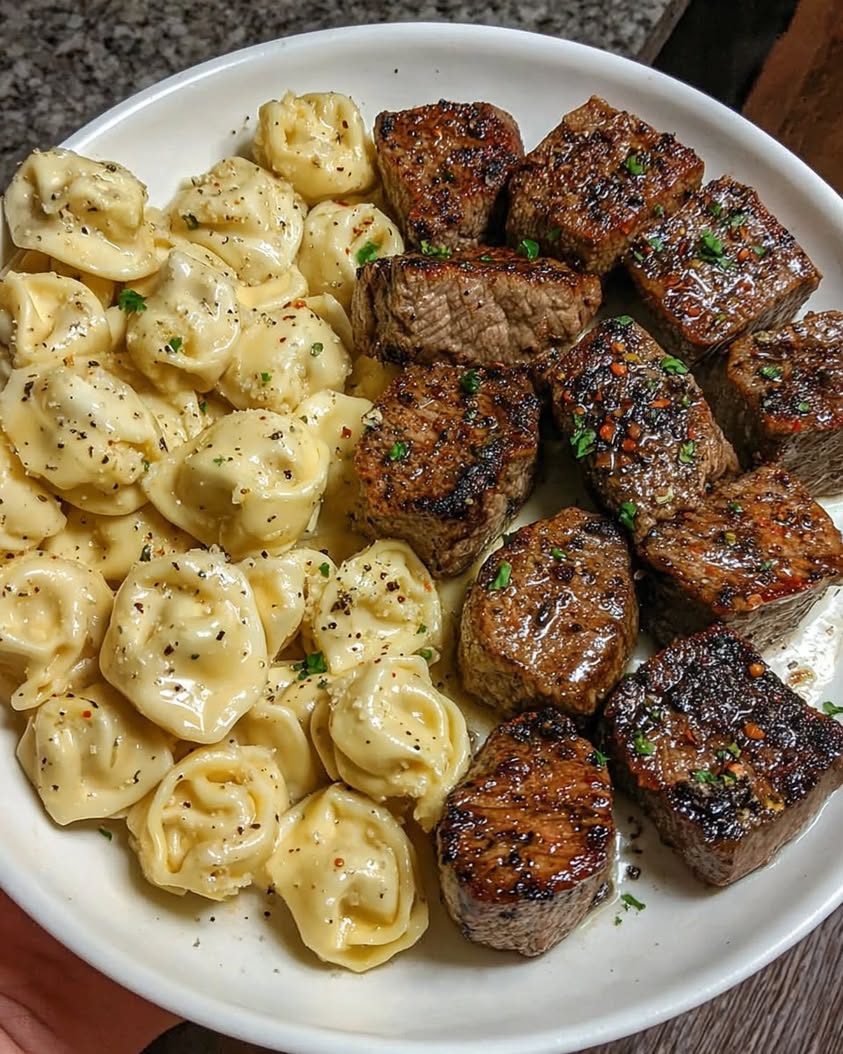
Mini Greek Meatball Bites with Tzatziki: A Perfect Party Appetizer
Imagine a platter of warm, savory bites that instantly transport you to a sun-drenched taverna in the Mediterranean. These Mini Greek Meatball Bites with Tzatziki deliver exactly that experience, combining juicy, herb-infused meatballs with a cool, creamy cucumber yogurt sauce. This recipe is your ultimate secret weapon for effortless entertaining, offering a burst of authentic Greek flavor in every single bite. Furthermore, they are incredibly versatile, perfect for everything from a casual game day snack to an elegant cocktail party centerpiece.
The magic of these Mini Greek Meatball Bites lies in their harmonious balance. Each meatball packs a punch of traditional flavors from oregano, mint, and garlic, while the homemade tzatziki provides a refreshing, tangy contrast. Consequently, your guests will keep coming back for more. Best of all, you can prepare both components ahead of time, meaning you can spend less time in the kitchen and more time enjoying the party. Ultimately, this dish proves that impressive appetizers don’t require complicated techniques or obscure ingredients.
Let’s talk about the star of the show: the tzatziki sauce. This isn’t just a dip; it’s an essential component that elevates the entire dish. Made with thick Greek yogurt, freshly grated cucumber, and a generous amount of dill, it cuts through the richness of the meatballs beautifully. Therefore, each mouthful becomes a perfect symphony of textures and temperatures. Whether you spear a meatball with a toothpick and dunk it or drizzle the sauce right over the top, the combination is utterly irresistible. In short, these Mini Greek Meatball Bites with Tzatziki are guaranteed to be the first empty platter at any gathering.
Quick Recipe Highlights
- Flavor Profile: These bites boast a robust and aromatic flavor profile, featuring savory ground lamb or beef perfectly seasoned with classic Greek herbs like oregano and mint. The accompanying tzatziki sauce adds a bright, tangy, and garlicky note that cleanses the palate.
- Texture: You get a delightful contrast between the tender, juicy interior of the baked meatballs and their slightly crisp exterior. Meanwhile, the tzatziki is luxuriously creamy and cool with little bursts of freshness from the cucumber.
- Aroma: As they bake, your kitchen will fill with the irresistible, warm scent of garlic, onion, and Mediterranean herbs. The fresh dill and lemon in the tzatziki add a final layer of bright, inviting fragrance.
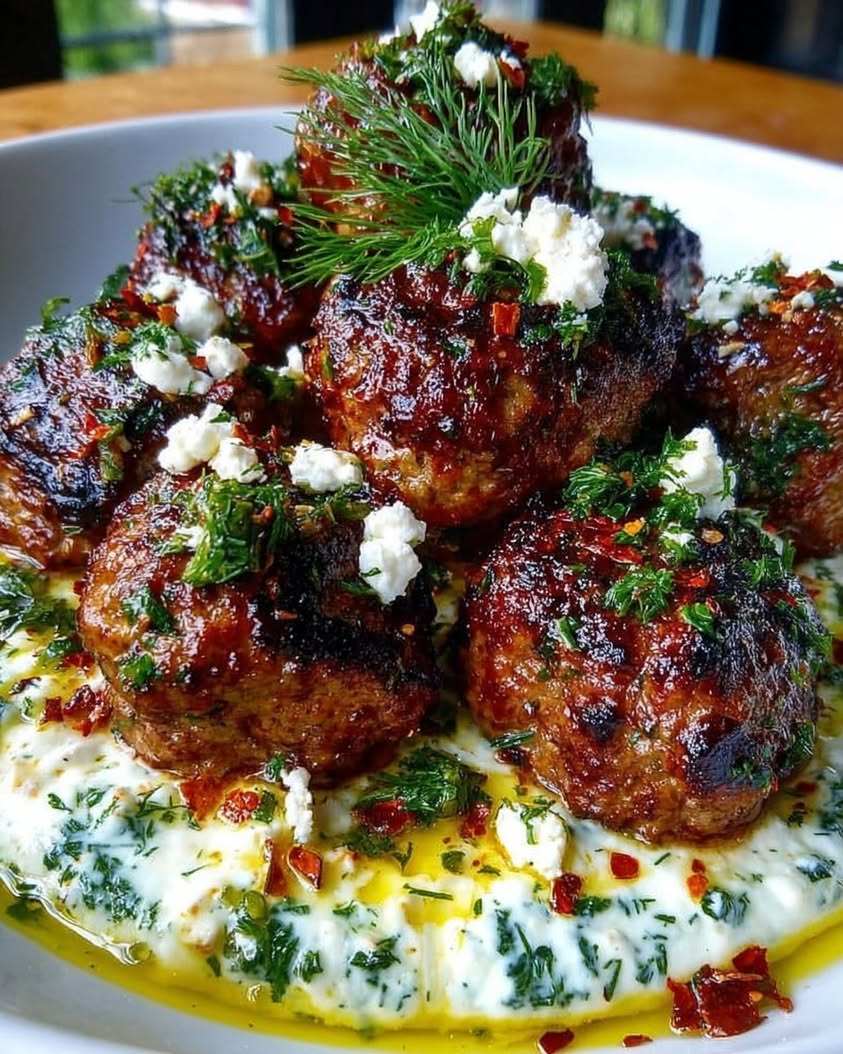
- Visual Appeal: The golden-brown meatballs look stunning against the stark white of the tzatziki sauce, especially when garnished with a sprinkle of paprika or fresh dill. This creates a visually appealing platter that promises great taste.
- Skill Level Needed: This is a beginner-friendly recipe. The steps are straightforward: mixing, shaping, baking, and blending. No advanced culinary skills are required, making it an excellent project for novice cooks wanting to impress.
- Special Equipment: You need only basic kitchen tools: a mixing bowl, a baking sheet, and a box grater for the cucumber. A small cookie scoop is helpful for uniformly sized meatballs but is not essential.
Recipe Overview
- Difficulty Level: We rate this recipe as “Easy” because it involves simple techniques like mixing and shaping. There is no complex knife work or tricky cooking methods. The baking process is hands-off and forgiving, so even first-timers can achieve excellent results without stress.
- Category: This dish falls squarely into the appetizer and snack category, ideal for finger food at parties. Additionally, you can easily scale it up to serve as a main course alongside a Greek salad and pita bread for a complete meal.
- Cuisine: This is a celebration of authentic Greek and Mediterranean cuisine. The ingredient list reads like a tour of the Aegean, featuring hallmarks like oregano, mint, feta, and yogurt. It honors traditional flavor combinations while keeping preparation accessible.
- Cost: This is a cost-effective party food. Ground meat is affordable, and the herbs and spices are pantry staples for many. Greek yogurt and cucumber are inexpensive, making the creamy tzatziki sauce a budget-friendly luxury that tastes gourmet.
- Season: These bites are truly versatile for all seasons. They are light and fresh enough for spring and summer gatherings but also hearty and comforting for fall and winter events. The bright tzatziki is particularly refreshing on a hot day.
- Occasion: Perfect for any social gathering, including holiday parties, potlucks, game day spreads, bridal showers, or even a sophisticated cocktail hour. Their one-bite size and make-ahead nature make them a stress-free choice for hosts.
Why You’ll Love This Recipe
First and foremost, the taste and texture are absolutely phenomenal. Each mini Greek meatball is incredibly juicy and packed with layers of flavor from the garlic, herbs, and tangy feta cheese. The tzatziki sauce, with its cool creaminess and hint of lemon, creates a perfect bite every single time. Moreover, the contrast between the warm, savory meatball and the cool, refreshing dip is a sensory experience that delights all your guests. Ultimately, this combination is classic for a reason—it simply works on every level.
From a convenience standpoint, this recipe is a dream for any host. You can prepare the meatball mixture and the tzatziki sauce several hours in advance, if not the day before. Consequently, when party time arrives, you simply need to bake the meatballs and arrange your platter. This streamlined approach eliminates last-minute kitchen chaos. Therefore, you can confidently welcome guests knowing your standout appetizer is ready to go. In short, it delivers maximum flavor with minimal fuss.
Nutritionally, these Mini Greek Meatball Bites offer a better balance than many typical fried party foods. Baking the meatballs reduces added fat, and using lean ground meat keeps them light. The tzatziki sauce, made with protein-rich Greek yogurt, adds a nutritious component. Additionally, the herbs and spices provide antioxidants without extra calories. So, you can feel good about serving a delicious appetizer that also aligns with a mindful eating approach.
The social and entertaining value of this dish is incredibly high. Food served on toothpicks naturally encourages mingling and conversation. A platter of these attractive bites becomes a focal point, breaking the ice and giving people something to rave about. Furthermore, they are universally appealing, satisfying both adventurous eaters and those with simpler tastes. As a result, you have a reliable, crowd-pleasing option that works for any group.
Finally, this recipe is wonderfully cost-effective and accessible. You do not need any expensive or hard-to-find ingredients. In fact, you likely have many of the spices in your cupboard already. Ground meat is typically budget-friendly, and the yield is generous. This means you can feed a crowd without straining your wallet. Ultimately, these Mini Greek Meatball Bites with Tzatziki prove that impressive, delicious food does not have to be complicated or expensive.
Historical Background and Cultural Significance
The story of the Greek meatball, or “keftedes,” stretches back centuries, rooted in the resourceful cooking traditions of the Mediterranean. Historically, families would combine minced meat with breadcrumbs, herbs, and onions to stretch precious protein further. This practice was common across many cultures, but the Greek version became distinct through its signature use of mint and oregano. These herbs, thriving in the sunny Greek climate, imbued the keftedes with a fragrance that became synonymous with home cooking and festive taverna meals.
In Greek culture, food is a central pillar of hospitality, or “philoxenia.” Sharing a meze platter, which often includes keftedes, is a fundamental act of welcome and community. These small plates are meant for sharing, encouraging conversation and connection around the table. Consequently, dishes like these Mini Greek Meatball Bites are more than just food; they are a vehicle for social bonding. Serving them continues a beautiful tradition of generosity and togetherness that defines Greek culinary culture.
The recipe has evolved over time, adapting to available ingredients and cooking methods. Traditionally, keftedes might be fried in olive oil. However, the modern baked version, like in this recipe, offers a lighter alternative that still captures the essential flavors. The addition of tzatziki as a dedicated pairing is also a contemporary twist, streamlining the classic combination of keftedes with a yogurt sauce into one perfect bite. This evolution shows how traditional recipes can adapt to modern tastes and health preferences without losing their soul.
Regional variations of keftedes exist across Greece. On some islands, you might find them made with grated tomato or zucchini added to the mix. In other regions, the herb profile might shift, featuring more parsley or even a touch of cinnamon. The tzatziki, too, can vary in thickness and garlic intensity. Our recipe for Mini Greek Meatball Bites with Tzatziki presents a beloved, mainstream version that captures the heart of this iconic dish. It is a tribute to a timeless culinary tradition that continues to bring people together.
Ingredient Deep Dive
Ground Lamb or Beef: Lamb is the traditional choice for authentic Greek keftedes, offering a rich, slightly gamey flavor that pairs wonderfully with the herbs. However, beef (especially a blend) is a fantastic and more accessible alternative, providing a savory, juicy base. From a nutritional standpoint, opting for a leaner grind (90/10) reduces saturated fat without sacrificing moisture in the final baked bite. When selecting your meat, look for bright color and fresh packaging. For the best texture, handle the meat mixture gently when combining to avoid tough, dense meatballs.
Fresh Herbs (Mint & Oregano): Fresh mint and oregano are non-negotiable for authentic flavor. Dried oregano can work in a pinch, but fresh mint provides a bright, cooling note that dried cannot replicate. Historically, these herbs grew abundantly in the Mediterranean and were used both for flavor and their digestive properties. Nutritionally, they are packed with antioxidants and vitamins. Choose bunches with vibrant, perky leaves and no wilting. To store, wrap stems in a damp paper towel and place in a plastic bag in the fridge. If you must substitute, fresh parsley can stand in for mint, but the flavor profile will shift.
Feta Cheese: Feta, a brined curd cheese made from sheep’s or goat’s milk, is a cornerstone of Greek cuisine. Its tangy, salty punch elevates the meatballs, adding bursts of flavor and slight creaminess. True Greek feta is a Protected Designation of Origin (PDO) product, ensuring quality and tradition. It provides calcium and protein. For this recipe, buy a block of feta and crumble it yourself; pre-crumbled feta often contains anti-caking agents that can affect melting and texture. Store leftover feta in its brine in the refrigerator to maintain freshness.
Greek Yogurt (for Tzatziki): The foundation of great tzatziki is thick, full-fat Greek yogurt. It’s strained to remove whey, resulting in a rich, creamy texture that holds up to the cucumber’s moisture. Greek yogurt is an excellent source of protein, probiotics for gut health, and calcium. Always choose plain, unflavored yogurt. For the creamiest result, avoid low-fat or non-fat versions, as they can sometimes be gummy. If you only have regular yogurt, you can strain it through a cheesecloth for a few hours to thicken it to the right consistency.
English Cucumber: English or “hot-house” cucumbers are ideal for tzatziki because they have fewer seeds and thinner skin, which requires no peeling. Their mild, sweet flavor doesn’t overpower the sauce. The key technique is grating and thoroughly draining the cucumber to remove excess water; this prevents your tzatziki from becoming watery. Cucumbers are hydrating and provide vitamins K and C. After grating, squeeze the shreds in a clean kitchen towel or paper towels until no more liquid releases. This step is crucial for a thick, dip-able sauce.
Common Mistakes to Avoid
- Overmixing the Meatball Mixture: Working the meat too much develops the proteins, leading to tough, rubbery meatballs. Mix the ingredients just until combined. A light hand ensures a tender, juicy texture in every bite.
- Not Draining the Grated Cucumber: Skipping this step is the top reason for watery tzatziki. The cucumber releases a significant amount of liquid. Always grate and squeeze it thoroughly in a towel to achieve a thick, creamy consistency.
- Using Pre-Crumbled Feta: Pre-crumbled feta is often coated to prevent clumping, which can make it dry and less flavorful. For the best taste and texture, buy a block of feta and crumble it yourself just before adding it to the mix.
- Skimping on Fresh Herbs: Dried mint lacks the bright, fresh flavor essential to this dish. Fresh mint and oregano make a dramatic difference. If you must substitute, use dried oregano but double the amount, and add fresh parsley for greenery.
- Packing Meatballs Too Tightly: When shaping, roll the mixture gently between your palms without compressing it. Dense, hard-packed meatballs will not be as tender or enjoyable to eat.
- Overcrowding the Baking Sheet: Placing meatballs too close together causes them to steam instead of bake, preventing that desirable light browning on the exterior. Give them at least an inch of space for proper air circulation.
- Serving Tzatziki Immediately: Tzatziki’s flavors need time to meld. Making it at least an hour ahead allows the garlic, dill, and lemon to permeate the yogurt, resulting in a much more cohesive and flavorful sauce.
- Forgetting to Let Meatballs Rest: Let the baked meatballs cool for 5 minutes on the sheet before serving. This allows the juices to redistribute throughout the meatball, so they don’t run out onto the platter when pierced.
Essential Techniques
Grating and Draining Cucumber: This is the most critical technique for perfect tzatziki. Use the large holes of a box grater to shred an English cucumber. Immediately after grating, place the shreds in a clean kitchen towel or several layers of paper towels. Twist and squeeze firmly over the sink until no more liquid runs out. This removes excess water that would dilute your sauce, ensuring it stays thick and creamy for dipping. The visual cue for success is a handful of dry, compacted cucumber shreds.
Gentle Meatball Formation: The goal is a tender meatball, not a dense one. After combining your ingredients, use a small cookie scoop or a spoon to portion the mixture. Then, lightly roll each portion between your palms just enough to form a smooth ball. Avoid applying pressure or compacting the meat. If the mixture sticks, dampen your hands slightly with water. Properly formed meatballs will feel soft and hold their shape without being hard.
Baking for Even Cooking: Baking provides even, hands-off cooking and reduces added fat. Preheat your oven fully and use a light-colored baking sheet lined with parchment paper for easy cleanup. Space the meatballs evenly, allowing room for hot air to circulate. Bake until they are cooked through and have a golden-brown exterior. The key visual cue is an internal temperature of 165°F, and the meatballs should feel firm to the touch but still yield slightly when pressed.
Flavor Marrying in Tzatziki: Tzatziki is not a “mix and serve” sauce. After combining the yogurt, drained cucumber, garlic, lemon, and herbs, you must let it rest, covered, in the refrigerator. This resting period, ideally 1-2 hours or overnight, allows the sharpness of the raw garlic to mellow and the flavors to fully integrate. The sauce will thicken slightly and become more harmonious. Stir it well before serving to recombine any separated liquid.
Pro Tips for Perfect Mini Greek Meatball Bites
Chill the Meat Mixture: If your meat mixture feels too soft to shape, cover it and refrigerate for 20-30 minutes. This firms up the fat, making the mixture much easier to handle and roll into neat balls.
Use a Cookie Scoop: For uniformly sized meatballs that cook at the same rate, use a small (1-inch) cookie scoop or melon baller to portion the mixture. This also speeds up the shaping process dramatically.
Boost Flavor with a Quick Sear (Optional): For extra color and flavor, quickly sear the rolled meatballs in a hot skillet with a touch of olive oil for 1 minute per side before transferring them to the baking sheet to finish in the oven.
Let Tzatziki Rest Overnight: For the absolute best flavor, make your tzatziki sauce the day before your event. The garlic mellows, and the dill and lemon infuse the yogurt beautifully, creating a deeper, more complex sauce.
Add a Texture Garnish: Just before serving, drizzle the tzatziki with a little extra virgin olive oil and a sprinkle of smoked paprika or sumac. This adds visual appeal and an extra layer of flavor.
Keep Warm in a Slow Cooker: For a party, keep your baked meatballs warm and ready to serve by placing them in a slow cooker on the “warm” setting. This ensures every guest gets a hot, juicy bite.
Toast Your Panko: For a deeper, nuttier flavor in your meatballs, toast the panko breadcrumbs in a dry skillet over medium heat until golden before adding them to the meat mixture.
Double the Tzatziki: People love to dunk. Consider making a double batch of the tzatziki sauce. You can use any leftovers as a delicious dip for vegetables or spread for sandwiches the next day.
Variations and Adaptations
Regional Variations: Explore Greek regional twists by adding different ingredients to the meatball mix. Try incorporating a tablespoon of grated tomato (with seeds removed) for a touch of sweetness from the islands. For a Cretan influence, add a pinch of crushed dried rosemary or a teaspoon of grated orange zest to brighten the herb profile.
Seasonal Adaptations: In the summer, fold finely chopped fresh tomatoes and kalamata olives into the tzatziki for a Greek salsa twist. During the fall, serve the warm meatballs on a platter with roasted grapes and walnuts for a seasonal, sweet-and-savory presentation that feels festive.
Dietary Modifications: For a gluten-free version, use certified gluten-free panko breadcrumbs or almond flour. To make it dairy-free, omit the feta from the meatballs and use a thick, plain dairy-free yogurt (like coconut or almond-based) for the tzatziki, though the flavor will be different.
Flavor Variations: Introduce new flavor dimensions by adding a teaspoon of ground cumin or coriander to the meatball mix for a warm, earthy note. For a spicy kick, mix a finely chopped pepperoncini or a pinch of red pepper flakes into the meat mixture.
Texture Modifications: For an even lighter texture, substitute half the ground meat with finely chopped mushrooms that have been sautéed and cooled. For a crispier exterior, lightly spray the shaped meatballs with olive oil and broil for the last 1-2 minutes of baking.
Presentation Alternatives: Instead of a platter, serve the meatballs and tzatziki in individual small cups or shot glasses for a passed appetizer. Alternatively, skewer each meatball with a small cube of feta and a cherry tomato before serving for a built-in flavor burst.
Serving and Presentation Guide
Plating Techniques: Create a visually stunning centerpiece by placing a large bowl of tzatziki in the middle of a round platter. Artfully arrange the warm meatballs in a circle around the dip. Alternatively, for easy access, drizzle some tzatziki across the platter and place the meatballs directly on top, then add another small bowl of sauce on the side for extra dipping.
Garnishing Ideas: A simple garnish elevates the dish instantly. Sprinkle the tzatziki with a dusting of sweet or smoked paprika, a drizzle of high-quality extra virgin olive oil, or a few fresh dill fronds. Scatter whole kalamata olives, lemon wedges, and sprigs of fresh oregano around the platter for color and context.
Traditional Accompaniments: To turn this appetizer into a meze spread, surround the meatballs and tzatziki with warm, toasted pita triangles or pita chips. Add small bowls of marinated olives, dolmades (stuffed grape leaves), and a simple horiatiki (Greek village salad) to complete the Mediterranean feast.
Modern Serving Suggestions: For a contemporary twist, serve the mini meatballs in a lettuce cup (like butter lettuce) with a dollop of tzatziki for a low-carb option. You can also pile them into slider buns with tzatziki, sliced tomato, and red onion for a delicious Greek-inspired slider.
Temperature Considerations: The magic is in the contrast. Serve the meatballs warm or at room temperature, but never piping hot, as this can cause the tzatziki to melt and become runny. The tzatziki should always be served chilled straight from the refrigerator.
Portion Control Tips: Plan for about 4-5 meatball bites per person as part of a larger appetizer spread. If these are the main appetizer, estimate 6-8 per guest. A single recipe yields about 30 bites, making it perfect for a party of 6-8 people with other snacks available.
Wine and Beverage Pairing
Wine Pairings: The savory, herbal notes of the meatballs and the tangy yogurt sauce pair beautifully with Greek wines. A crisp, acidic Assyrtiko from Santorini cuts through the richness perfectly. Alternatively, a light-bodied red like a Greek Xinomavro or a Beaujolais Villages from France, served slightly chilled, complements the meat without overpowering the herbs. A dry rosé is also a fantastic, versatile choice that bridges all the flavors.
Non-Alcoholic Alternatives: For a refreshing non-alcoholic pairing, consider sparkling water with a squeeze of lemon or lime. A homemade mint lemonade echoes the mint in the meatballs beautifully. Iced herbal teas, like a citrus or hibiscus blend, also provide a nice tart contrast to the savory bites.
Coffee/Tea Pairings: While not a typical pairing for the meal itself, a strong Greek coffee or a mint herbal tea served after the party can be a delightful digestif. The bold flavors of the coffee or the soothing mint tea provide a pleasant, cleansing finish to the eating experience.
Temperature Considerations: Always serve white and rosé wines well-chilled (45-50°F). Light reds like Beaujolais should be served cool, around 55°F. For non-alcoholic drinks, ensure they are properly iced to provide that refreshing counterpoint to the warm, savory meatballs.
Serving Suggestions: Offer a couple of options if possible. Set up a small beverage station with a bottle of Assyrtiko, a pitcher of mint lemonade, and sparkling water. This allows guests to choose their preferred pairing and caters to all preferences effortlessly.
Storage and Shelf Life
Storage Methods: Store leftover meatballs and tzatziki separately in airtight containers. The meatballs will keep in the refrigerator for 3-4 days. The tzatziki sauce is best consumed within 3-4 days as well, as the garlic flavor will intensify and the cucumber may continue to release water over time.
Temperature Requirements: Both components must be refrigerated at 40°F or below. Do not leave the platter at room temperature for more than 2 hours to prevent bacterial growth. Always keep the tzatziki chilled until the moment of serving.
Container Recommendations: Use shallow containers for both items to promote rapid, even cooling. Glass containers are ideal as they don’t absorb odors. If storing meatballs in a stack, separate layers with parchment paper to prevent them from sticking together.
Signs of Spoilage: Discard meatballs if they develop an off odor, slimy texture, or unusual color. For tzatziki, look for excessive water separation that can’t be stirred back in, mold, or a sour smell beyond the normal tang of yogurt.
Reheating Instructions: Reheat meatballs gently to avoid drying them out. Place them on a baking sheet in a 300°F oven for 8-10 minutes until warmed through, or microwave in 30-second intervals. Never reheat tzatziki; always serve it cold.
Freezing Guidelines: Freeze unbaked or baked meatballs. Place them in a single layer on a parchment-lined sheet to freeze solid, then transfer to a freezer bag for up to 3 months. Thaw in the refrigerator overnight before baking or reheating. Do not freeze tzatziki, as the yogurt will separate and become grainy upon thawing.
Make Ahead Strategies
Prep Timeline: You can prepare this entire dish 1-2 days in advance. Day 1: Make the tzatziki sauce and let it rest in the fridge. Prepare the meatball mixture, cover tightly, and refrigerate. Day of Event: Shape the chilled meatball mixture and bake. This staggered approach breaks the work into manageable steps.
Storage Between Steps: Keep the uncooked meat mixture in a sealed container in the refrigerator for up to 24 hours. The flavors will actually meld and improve. The shaped, unbaked meatballs can be arranged on a parchment-lined tray, covered with plastic wrap, and refrigerated for several hours before baking.
Quality Impact Assessment: Making components ahead enhances flavor. The tzatziki’s garlic mellows, and the meat mixture’s herbs permeate the meat. The texture of baked-and-reheated meatballs is nearly identical to fresh, especially if reheated gently in the oven.
Assembly Tips: On party day, bake the meatballs and let them cool slightly. Give the tzatziki a good stir. Arrange your platter just before guests arrive to ensure the meatballs are still warm and the tzatziki is cold and thick.
Reheating Guidelines: If you baked the meatballs ahead, reheat them in a single layer on a baking sheet in a 325°F oven for about 10 minutes. Avoid the microwave for large batches, as it can steam them and make the exterior soft.
Fresh Element Additions: After making tzatziki ahead, you might need to stir it well to recombine. You can also stir in a final tablespoon of fresh chopped dill just before serving to brighten its appearance and flavor.
Scaling Instructions
Halving the Recipe: Halving the recipe is straightforward for smaller gatherings. Simply divide all ingredient quantities by two. Use a standard-sized baking sheet; the smaller batch will just have more space. Cooking time may reduce by 2-3 minutes, so start checking for doneness early.
Doubling or Tripling: For large parties, doubling or tripling works perfectly. Use multiple baking sheets and rotate them halfway through baking for even cooking. You may need to bake in batches. For the tzatziki, mix in a very large bowl to ensure even distribution of garlic and herbs.
Equipment Adjustments: When scaling up, a stand mixer with a paddle attachment can quickly combine large meatball batches. Ensure you have enough baking sheets and oven space. Consider using disposable aluminum pans for easy transport and cleanup for big events.
Timing Modifications: The prep time will increase linearly when you make more. Shaping 60 or 90 meatballs takes time, so enlist help. Baking time may slightly increase if the oven is very full, as air circulation is reduced. Always rely on the internal temperature of 165°F.
Storage Considerations: For a doubled recipe, you’ll have more leftovers. Plan storage containers accordingly. Consider freezing a portion of the unbaked or baked meatballs for a future quick meal or snack.
Nutritional Deep Dive
Macro Breakdown: A serving of these Mini Greek Meatball Bites with Tzatziki provides a balance of protein, fat, and carbohydrates. The ground meat and Greek yogurt are excellent protein sources, supporting muscle maintenance. The olive oil and yogurt provide healthy fats. The panko breadcrumbs and small amount of carbohydrate from the cucumber and yogurt offer energy. Using lean meat keeps saturated fat in check.
Micronutrient Analysis: This dish delivers a variety of vitamins and minerals. Greek yogurt and feta are rich in calcium for bone health. The herbs, cucumber, and lemon provide vitamin C, K, and antioxidants like lycopene from any tomato garnish. Garlic offers allicin, known for its potential immune-boosting properties.
Health Benefits: Compared to deep-fried appetizers, this baked version is significantly lower in unhealthy fats. The probiotics in Greek yogurt support gut health. The herbs have anti-inflammatory properties. Overall, it’s a satisfying appetizer that can be part of a balanced diet without the guilt of typical party food.
Dietary Considerations: This recipe can be adapted for many diets, but as written, it contains dairy (yogurt, feta) and gluten (panko). It is not suitable for vegetarians. Those on low-sodium diets should be mindful of the feta cheese and possibly reduce the added salt.
Portion Analysis: A serving of about 5 meatballs with 2 tablespoons of tzatziki is a satisfying appetizer portion. This controlled size helps with calorie management while still allowing guests to enjoy the full flavor experience. The one-bite nature naturally encourages mindful eating pace.
Weight Management Tips: To make this recipe even more weight-conscious, use 93% lean ground turkey, increase the proportion of fresh herbs for flavor without calories, and ensure you thoroughly drain the cucumber to avoid diluting the protein-rich yogurt sauce.
Dietary Adaptations
Gluten-Free: Substitute the panko breadcrumbs with an equal amount of certified gluten-free panko or 1/4 cup of almond flour. Ensure all other ingredients, like spices, are certified gluten-free to avoid cross-contamination.
Dairy-Free: Omit the feta cheese from the meatball mixture. For the tzatziki, use a thick, plain, unsweetened dairy-free yogurt made from coconut, almond, or soy. Note that the flavor and tang will differ from traditional Greek yogurt.
Vegan: Create a plant-based base using a meat substitute like lentils, finely chopped mushrooms, or a commercial vegan ground “meat.” Bind with ground flaxseed and use dairy-free yogurt for the sauce. Season aggressively with smoked paprika and umami-rich ingredients like tomato paste.
Low-Carb/Keto: Replace the panko breadcrumbs with 1/4 cup of finely grated Parmesan cheese or crushed pork rinds for binding. Use full-fat Greek yogurt and ensure the cucumber is well-drained. Serve with vegetable crudités instead of pita bread.
Paleo: Omit the dairy and grains. Use almond flour instead of panko, and omit the feta. For the sauce, a thick coconut yogurt can be a substitute, though the flavor profile will change significantly. Focus on the herbs and garlic for flavor.
Low-FODMAP: This recipe is high in FODMAPs due to garlic, onion, and yogurt. For a adaptation, use garlic-infused olive oil (without garlic solids) for flavor, omit the onion, and use a lactose-free Greek yogurt. Limit portion size to stay within recommended limits.
Troubleshooting Guide
Meatballs are Tough and Dry: This is usually caused by overmixing the meat or using meat that is too lean. Next time, mix just until combined and consider using an 85/15 blend. Also, avoid overbaking; remove them from the oven as soon as they reach 165°F internally.
Tzatziki is Watery: You did not drain the cucumber sufficiently. For a quick fix, strain the watery sauce through a fine-mesh sieve for 15 minutes. Stir it, and it will thicken. For future batches, squeeze the grated cucumber until it feels completely dry in your towel.
Meatballs are Sticking to the Pan: Always use parchment paper or a silicone baking mat on your baking sheet. This guarantees easy release and makes cleanup simple. Lining the pan is a non-negotiable step for perfect meatballs.
Lack of Flavor in Meatballs: Ensure your dried spices are fresh (not older than a year). Do not skimp on the salt, as it is essential for bringing out all the other flavors. Letting the mixed meat rest in the fridge for an hour allows the salt to penetrate deeply.
Tzatziki is Too Garlicky or Sharp: The Print
Mini Greek Meatball Bites with Tzatziki
- Total Time: 45 minutes
- Yield: 4
Description
Juicy, herb-packed meatballs with a tangy yogurt sauce, perfect for appetizers or a light meal.
Ingredients
- 1 lb ground lamb or beef
- 1/2 cup breadcrumbs
- 1 large egg
- 1/4 cup finely chopped red onion
- 2 cloves garlic, minced
- 1 tbsp dried oregano
- 1 tsp ground cumin
- 1/2 cup crumbled feta cheese
- Salt and pepper to taste
- 1 cup plain Greek yogurt
- 1/2 cucumber, grated and drained
- 1 tbsp lemon juice
- 1 tbsp fresh dill, chopped
- 1 tbsp olive oil for cooking
Instructions
- In a bowl, combine ground meat, breadcrumbs, egg, red onion, garlic, oregano, cumin, feta, salt, and pepper. Mix until just combined.
- Shape the mixture into small, bite-sized meatballs (about 1 inch in diameter).
- Heat olive oil in a skillet over medium heat. Cook meatballs for 8-10 minutes, turning occasionally, until browned and cooked through.
- For the tzatziki, mix Greek yogurt, grated cucumber, lemon juice, dill, and a pinch of salt in a bowl. Chill until ready to serve.
- Serve meatballs warm with tzatziki sauce on the side for dipping.
Notes
You can customize the seasonings to taste.
- Prep Time: 15 minutes
- Cook Time: 30 minutes
- Method: Appetizer
- Cuisine: Greek