Crispy Flatbread with Brie, Cranberries & Walnuts: A Hot Honey Dream
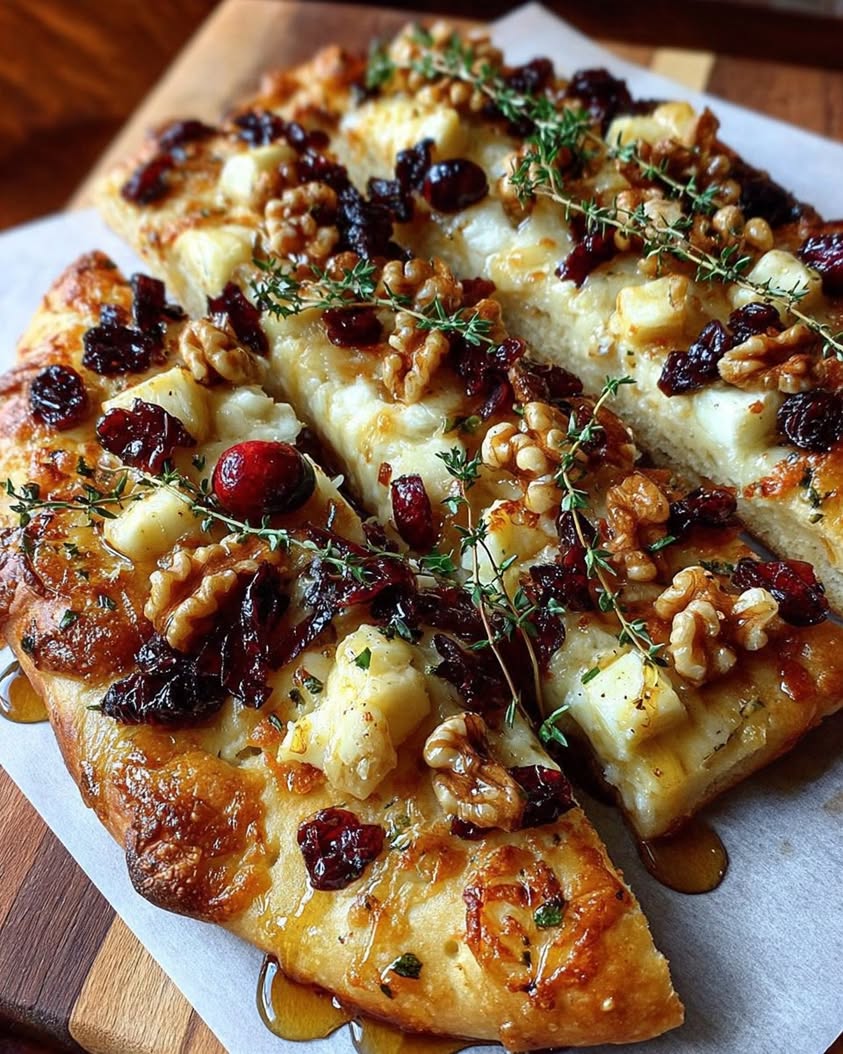
This Crispy Flatbread with Brie, Cranberries & Walnuts is the kind of appetizer that disappears before you even set the platter down. Imagine a shatteringly crisp base topped with molten, buttery brie, ruby-red cranberries, and toasty walnuts, all finished with a glossy drizzle of spicy-sweet hot honey. The Crispy Flatbread with Brie, Cranberries & Walnuts delivers a restaurant-quality bite with almost no effort, and it works just as beautifully at a holiday gathering as it does on a cozy Friday night at home. If you have been searching for an easy crowd-pleaser that looks impressive but takes just half an hour from start to finish, this is the recipe you will come back to again and again.
The magic of this flatbread lies in the contrast of textures and flavors. Because the flatbread crisps up in a hot oven, the edges turn golden and crunchy while the brie melts into a creamy, gooey layer that holds every topping in place. Meanwhile, the cranberries bring a tart pop that cuts through the richness of the cheese, and the walnuts add an earthy crunch that keeps each bite interesting. Then comes the hot honey, a simple two-ingredient drizzle that ties everything together with a gentle kick of heat. Anyone who tries this Crispy Flatbread with Brie, Cranberries & Walnuts immediately asks for the recipe, and you will love how quickly it comes together.
Beyond the flavor, this flatbread shines because it fits almost any occasion. You can serve it as a party appetizer, a game-day snack, a light lunch with a side salad, or even a fun dinner when you want something simple but satisfying. Since the ingredient list is short and the technique is forgiving, even beginner cooks can nail it on the first try. In fact, the biggest challenge is resisting the urge to eat the whole thing straight off the baking sheet. Let us walk through everything you need to know so your Crispy Flatbread with Brie, Cranberries & Walnuts turns out perfectly every single time.
Quick Recipe Highlights
- Flavor Profile: Expect a bold blend of creamy, earthy brie, tart cranberries, and nutty walnuts, all balanced by a sweet-heat hot honey drizzle. The flavors layer beautifully, so each bite feels rich yet bright and never heavy.
- Texture: The base crisps into a satisfying crunch while the brie melts into silky creaminess. Toasted walnuts add a pleasant bite, and the honey glaze brings a subtle stickiness that holds everything together.
- Aroma: As the flatbread bakes, the brie releases a warm, buttery fragrance that fills the kitchen. Toasted walnuts and bubbling honey add nutty, caramel-like notes that make the whole house smell inviting.
- Visual Appeal: Deep red cranberries and golden-brown walnuts scatter across a snowy bed of melted brie, while the hot honey glistens in the light. The finished flatbread looks like something from a fancy wine bar.
- Skill Level Needed: This recipe suits beginners because it requires no special knife skills or advanced techniques. If you can spread cheese on a flatbread and drizzle honey, you can master this dish.
- Special Equipment: You only need a baking sheet, parchment paper, and a small saucepan for the honey. A pizza cutter makes slicing easy, but a sharp knife works just fine too.
Recipe Overview
- Difficulty Level: I rate this recipe easy because there are no tricky steps and the oven does most of the work. The only technique worth attention is toasting the walnuts, which simply means watching them closely for a few minutes. Even a first-time cook can serve this confidently to guests.
- Category: This dish fits several categories, including appetizers, party snacks, and light meals. You can plate it as a starter before a big dinner or serve it as a main with a crisp green salad on the side.
- Cuisine: The recipe draws on American entertaining traditions with a nod to European cheese boards. Brie comes from France, cranberries are a North American staple, and hot honey has become a beloved modern American condiment. Together they create a dish that feels both familiar and fresh.
- Cost: You can make this flatbread for roughly twelve to eighteen dollars depending on where you shop. Brie and walnuts are the priciest items, while cranberries and honey cost very little. Compared with buying a similar appetizer at a restaurant, this recipe saves you a lot.
- Season: This flatbread peaks in fall and winter when fresh cranberries appear in stores. However, you can use dried cranberries year-round, so the recipe never truly goes out of season. It shines on Thanksgiving tables and Christmas Eve platters alike.
- Occasion: Serve it at holiday parties, game days, wine nights, or casual weekend gatherings. It also works beautifully for date nights at home when you want something special without a big production.
Why You’ll Love This Recipe
First, the taste and texture appeal make this flatbread irresistible. The crispy base gives way to creamy, melted brie, and the cranberries add a bright tartness that keeps the richness in check. Toasted walnuts contribute an earthy crunch, and the hot honey drizzle brings a sweet heat that lingers pleasantly on the palate. Because every bite combines crunch, creaminess, tartness, and spice, your taste buds stay engaged from the first slice to the last.
Second, convenience and preparation benefits set this recipe apart. You need only six main ingredients and thirty minutes total, which makes it perfect for busy weeknights or last-minute entertaining. There is no dough to knead and no complicated assembly. You simply layer, bake, drizzle, and serve. Additionally, cleanup stays minimal because parchment paper catches most of the mess, so you can spend more time with your guests and less time scrubbing pans.
Third, nutritional advantages give this dish some surprising balance. Walnuts provide healthy omega-3 fats and protein, while cranberries deliver antioxidants and vitamin C. Brie contributes calcium and protein, and honey offers natural sweetness with trace minerals. Although this is an indulgent appetizer, it also brings real nutritional value to the table, so you can feel good about serving it.
Fourth, the social and entertaining value of this recipe cannot be overstated. Flatbreads encourage sharing, and this one invites guests to tear off pieces and dig in. It pairs well with wine, cocktails, and mocktails, which makes it a flexible addition to any gathering. Because it looks beautiful on a platter, it doubles as a conversation starter, and hosts love a dish that impresses without stress.
Finally, cost-effectiveness and accessibility make this recipe a winner for any budget. The ingredients are easy to find at most grocery stores, and none of them are specialty items. You can swap in affordable alternatives without ruining the dish, which keeps it practical for everyday cooking. When you factor in how far one flatbread stretches at a party, the value becomes obvious.
Historical Background and Cultural Significance
The origin story of this dish blends several culinary traditions into one modern favorite. Flatbreads have fed humans for thousands of years, with early versions appearing in ancient Middle Eastern, Mediterranean, and Central Asian cultures. Brie, meanwhile, traces its roots to the Île-de-France region of France, where cheesemakers perfected soft-ripened cheese centuries ago. When home cooks began topping flatbreads with cheese and fruit, the marriage of these traditions felt inevitable.
Cultural importance shows up in how people serve this style of food today. Cheese boards and baked brie have long starred at American holiday gatherings, especially around Thanksgiving and Christmas. Cranberries hold a special place in North American food culture, and they appear on tables from New England to the Pacific Northwest during the fall season. This flatbread captures that festive spirit in a shareable, casual format.
The evolution of the recipe reflects broader trends in home cooking. Over the past decade, hot honey moved from niche pizzerias into mainstream kitchens, and home cooks started drizzling it on everything from fried chicken to roasted vegetables. Simultaneously, flatbread appetizers gained popularity because they deliver big flavor with little effort. This recipe sits right at the intersection of those trends, which explains why it feels so current.
Regional variations appear in how different cooks interpret the dish. Some swap in Camembert for brie, while others use dried cranberries when fresh ones are out of season. In the South, cooks sometimes add pecans instead of walnuts, and in the Northeast, maple syrup occasionally replaces honey. These small changes show how a simple recipe can adapt to local tastes while keeping its core identity intact.
Ingredient Deep Dive
Flatbread serves as the foundation, and its history stretches back to ancient grain-based cooking across many cultures. Nutritionally, flatbread offers carbohydrates for energy and often provides fiber, especially in whole-grain versions. Look for flatbreads that feel soft and pliable with no dry cracks, and store them at room temperature in an airtight bag. If you cannot find flatbread, naan, pita, or even pizza dough work as substitutes with slight adjustments to baking time.
Brie brings the luxurious, melty heart of this dish. This soft-ripened cheese originated in France and has symbolized elegant entertaining for centuries. It supplies calcium, protein, and vitamin B12, though it also contains saturated fat, so portion awareness matters. Choose a wheel that feels slightly springy, not runny, and check for a clean white rind. Store brie in the refrigerator wrapped loosely in paper, and swap in Camembert if brie is unavailable.
Cranberries add tartness and festive color, and they hold deep cultural significance in North America. Indigenous communities used cranberries for food and medicine long before European settlers arrived. These berries deliver vitamin C, antioxidants, and fiber with very few calories. Select fresh berries that feel firm and bounce when dropped, and refrigerate them for up to two weeks. Dried cranberries make a fine substitute, though you should reduce the hot honey slightly.
Walnuts contribute earthy crunch and important nutrition. They have fed humans for thousands of years and appear in cuisines from Persia to California. Walnuts provide omega-3 fatty acids, protein, and antioxidants, which support heart health. Buy walnuts that smell fresh and avoid any with a bitter or paint-like odor, then store them in the freezer to extend shelf life. Pecans or almonds substitute nicely if needed.
Hot honey ties everything together with sweet heat. This condiment gained popularity in American pizzerias before spreading into home kitchens everywhere. Honey itself offers natural sugars and trace minerals, while chili flakes add a metabolism-friendly capsaicin kick. Make your own by warming honey with chili flakes, or buy a bottled version you trust. Maple syrup with a pinch of cayenne works as a quick substitute.
Common Mistakes to Avoid
- Overloading the flatbread with toppings causes a soggy base. Keep the brie layer moderate and scatter toppings evenly so the crust stays crisp. A crowded flatbread also becomes difficult to slice cleanly.
- Skipping the pre-bake step often leads to an undercrisp base. Giving the flatbread a short solo bake firms it up before the cheese goes on. This small extra step makes a big difference in texture.
- Using cold brie straight from the fridge makes it melt unevenly. Let the brie sit at room temperature for fifteen minutes so it spreads smoothly. Room-temperature cheese bakes into a more uniform, creamy layer.
- Burning the walnuts happens fast because they toast quickly at high heat. Add them midway through baking or toast them separately on the stovetop. Watch them closely and pull them the moment they smell nutty.
- Drizzling honey before baking causes it to scorch and turn bitter. Always add the hot honey after the flatbread leaves the oven. The residual heat warms the honey just enough.
- Cutting the flatbread too soon smears the cheese and toppings. Let it rest for two to three minutes so the brie sets slightly. Clean slices make for better presentation.
- Using dried-out flatbread leads to a cracker-like, brittle result. Check freshness before you start, and refresh stale flatbread with a light sprinkle of water before baking. Fresh bread crisps beautifully without turning hard.
- Ignoring the chili level in store-bought hot honey can surprise your guests. Taste the honey first and adjust the drizzle amount accordingly. You can always add more heat, but you cannot take it away.
Essential Techniques
Pre-baking the flatbread matters because it creates a moisture barrier that keeps the crust crisp. To master it, place the flatbread on a parchment-lined sheet and bake at 400 degrees Fahrenheit for about five minutes until it just starts to firm. Watch for a slight color change and a drier surface as your visual cue. The common pitfall is skipping this step or baking too long, which makes the base brittle before toppings arrive.
Even layering ensures balanced bites and even melting. Spread the brie in a thin, consistent layer, leaving a small border around the edges so the cheese does not spill over. Then scatter cranberries and walnuts in an even pattern rather than clumping them in the center. You will know you succeeded when the surface looks uniform and no single topping dominates. The pitfall here is piling toppings high, which weighs down the crust.
Toasting walnuts properly unlocks their deep, nutty flavor. You can toast them in a dry skillet over medium heat for three to four minutes, tossing often, or in the oven alongside the flatbread. The visual cue is a slightly darker color and a fragrant aroma, and the sound of gentle crackling tells you they are close. The common pitfall is walking away, because walnuts go from toasted to burnt in under a minute.
Making hot honey requires gentle heat to infuse the chili flavor without scorching the honey. Warm honey in a small saucepan over low heat, add chili flakes or sliced chilies, and let it steep for five to ten minutes. You will see the honey thin slightly and smell the chili bloom. The main pitfall is boiling the honey, which destroys its delicate flavor and creates a sticky mess.
Pro Tips for Perfect Crispy Flatbread with Brie, Cranberries & Walnuts
Preheat your oven fully before baking, and use an oven thermometer if you have one, because accurate heat guarantees a crisp base. A properly hot oven also melts the brie quickly before the crust can turn soggy. Give the oven at least fifteen minutes to reach temperature.
Slice the brie with a cold knife for cleaner cuts, and consider chilling it for ten minutes before slicing. Cold brie slices more neatly and spreads more evenly across the flatbread. This small step keeps the presentation tidy.
Pat fresh cranberries dry before scattering them on top. Excess moisture steams the crust and prevents crisping, so a quick towel dry pays off. Dry toppings equal a crunchy result.
Use parchment paper every time because it prevents sticking and makes cleanup effortless. It also lets you slide the finished flatbread onto a serving board without losing toppings. Parchment is a small investment with a big payoff.
Drizzle the hot honey in a thin zigzag rather than a heavy pour. A light hand keeps the sweetness balanced and prevents the flatbread from turning sticky. Guests can always add more honey at the table.
Finish with a pinch of flaky sea salt right after baking. Salt enhances the sweetness of the honey and the tartness of the cranberries. This final touch elevates the dish from good to memorable.
Serve the flatbread on a warm platter if possible. A warm surface keeps the brie soft while guests serve themselves. Room-temperature platters cool the cheese quickly.
Variations and Adaptations
Regional variations offer fun ways to reinterpret the dish. In the South, cooks often swap walnuts for pecans and add a sprinkle of fresh thyme. On the West Coast, a version with sliced figs and goat cheese has become popular. In New England, maple syrup sometimes replaces honey for a deeper, earthier sweetness. These regional twists show how flexible the recipe truly is.
Seasonal adaptations keep the flatbread fresh all year. In autumn, fresh cranberries and apple slices shine, while winter calls for dried cranberries and a dusting of cinnamon. Spring versions might feature fresh berries and a lighter honey drizzle, and summer invites stone fruit like peaches or cherries. Adjusting the fruit keeps the dish relevant no matter the month.
Dietary modifications make the recipe accessible to more guests. Use a gluten-free flatbread for a gluten-free version, and choose a vegan brie alternative if needed. Honey can be replaced with maple syrup for a vegan drizzle, and nut-free versions simply omit the walnuts or use toasted pumpkin seeds. These swaps keep the spirit of the dish intact.
Flavor variations let you play with the profile. Add fresh rosemary for an herbal note, or sprinkle cracked black pepper over the brie before baking. A balsamic glaze alongside the hot honey creates a sweet-tart contrast. Smoked paprika in the honey adds a subtle, warm depth.
Texture modifications matter for different preferences. If you love extra crunch, add a handful of toasted pumpkin seeds on top. For a softer bite, use a thicker flatbread or naan. A drizzle of olive oil before baking creates a slightly richer, more tender crust.
Presentation alternatives suit any table. Cut the flatbread into small squares for passed appetizers, or slice it into wedges for a rustic look. A long rectangular cut works beautifully on a grazing board, and individual mini flatbreads make elegant party bites.
Serving and Presentation Guide
Plating techniques set the tone for the whole experience. Slide the flatbread onto a wooden board or slate platter for a rustic feel, or use a white ceramic plate for a clean, modern look. Keep the flatbread whole for dramatic effect, and let guests admire it before you slice. A few scattered cranberries and walnuts around the board add visual interest.
Garnishing ideas elevate the dish without extra effort. A sprinkle of fresh thyme or rosemary adds green contrast, and flaky sea salt catches the light. Microgreens or a few arugula leaves bring freshness, while a light dusting of chili flakes signals the heat. Keep garnishes simple so the flatbread remains the star.
Traditional accompaniments include a cheese board spread with olives, grapes, and crackers. A crisp green salad with a lemon vinaigrette balances the richness beautifully. Crusty bread and salted butter round out a cozy spread for casual gatherings.
Modern serving suggestions lean into shareable dining. Pair the flatbread with charcuterie, marinated olives, and roasted nuts for a wine-bar style spread. A small bowl of extra hot honey on the side invites guests to customize their heat level. Sparkling water with citrus slices completes the setup.
Temperature considerations matter because brie tastes best warm and soft. Serve the flatbread within ten minutes of baking for the ideal texture. If you must hold it, keep it in a low oven, around 200 degrees Fahrenheit, loosely covered with foil.
Portion control tips help at larger gatherings. Cut the flatbread into sixteen small squares so guests can take just a taste. Providing small napkins and plates encourages mindful portions and keeps the serving area tidy.
Wine and Beverage Pairing
Wine pairings can make this flatbread sing. A crisp Sauvignon Blanc cuts through the creamy brie, while a dry Riesling complements the tart cranberries. For red lovers, a light Pinot Noir offers soft fruit that harmonizes with the walnuts and honey. A sparkling wine like Champagne or Prosecco adds festive effervescence that lifts the richness.
Non-alcoholic alternatives keep everyone included. Sparkling apple cider echoes the cranberry notes, and a cranberry spritz with soda water feels refreshing. Iced tea with lemon provides a gentle contrast, and a ginger beer adds a spicy kick that mirrors the hot honey.
Coffee and tea pairings suit afternoon or evening gatherings. A light black tea like Earl Grey complements the brie, while an herbal chamomile soothes against the chili heat. Cold brew coffee with a splash of cream works surprisingly well with the walnuts.
Temperature considerations apply to beverages too. Serve white wines well chilled and reds slightly below room temperature. Sparkling options should be ice cold, and hot beverages should arrive just shy of boiling to preserve their aroma.
Serving suggestions include offering two options so guests can choose. A wine and a mocktail side by side covers most preferences. Provide chilled glasses and a small ice bucket to keep the presentation polished.
Storage and Shelf Life
Storage methods determine how well leftovers keep. Place cooled flatbread pieces in an airtight container and refrigerate for up to three days. Separate layers with parchment paper to prevent sticking. Avoid stacking warm pieces, since trapped steam makes everything soggy.
Temperature requirements matter for food safety. Keep the flatbread refrigerated at 40 degrees Fahrenheit or below. Never leave it at room temperature for more than two hours, especially when brie is involved. Prompt refrigeration protects both flavor and safety.
Container recommendations include shallow glass containers or zip-top bags. Glass resists odors and cleans easily, while bags save space. Press out excess air from bags to slow staling.
Signs of spoilage include a sour smell, visible mold, or sliminess on the cheese. Discard any portion showing these signs rather than trying to salvage it. When in doubt, throw it out.
Reheating instructions call for a 350-degree Fahrenheit oven for five to seven minutes. The microwave works in a pinch but softens the crust quickly. An air fryer at 320 degrees for three minutes restores crunch remarkably well.
Freezing guidelines allow longer storage. Freeze assembled, unbaked flatbread for up to one month, then bake from frozen with a few extra minutes. Baked leftovers freeze less successfully because the texture suffers, so freeze before baking when possible.
Make Ahead Strategies
A prep timeline keeps entertaining stress-free. Slice the brie and wash the cranberries a day ahead, and toast the walnuts up to three days in advance. Store each component separately in the fridge. On the day of serving, assemble and bake in under twenty minutes.
Storage between steps protects quality. Keep sliced brie tightly wrapped so it does not dry out, and store toasted walnuts in a sealed jar at room temperature. Cranberries stay fresh in a covered container in the fridge.
Quality impact assessment helps you decide what to prep early. Toasted walnuts hold up beautifully, and sliced brie keeps well for a day. Assembled flatbread should be baked immediately, so save assembly for the last moment.
Assembly tips streamline the final push. Set up a small station with flatbread, brie, cranberries, and walnuts so anyone can help. Layering takes just two minutes once everything is ready.
Reheating guidelines for make-ahead versions mirror fresh baking. Bake assembled flatbread straight from the fridge, adding two to three minutes to the total time. Watch for the brie to bubble and the edges to brown.
Fresh element additions should wait until serving. Hot honey, fresh herbs, and flaky salt go on after baking. These finishing touches preserve their brightness and texture.
Scaling Instructions
Halving the recipe works easily for smaller households. Use one flatbread and half of each topping, and reduce the hot honey to a light drizzle. Baking time stays the same because the oven temperature and thickness do not change.
Doubling or tripling the recipe suits parties and holidays. Bake flatbreads on separate sheets in batches so they crisp properly. Crowding the oven lowers the temperature and steams the crust, so patience pays off here.
Equipment adjustments keep results consistent. Use multiple baking sheets and rotate them halfway through for even browning. If you own a convection oven, reduce the temperature by 25 degrees to compensate.
Timing modifications matter when scaling. Larger batches take longer overall, but each flatbread bakes in the same time. Plan for fifteen minutes of baking per sheet and stagger the batches.
Storage considerations grow with batch size. Have extra containers ready for leftovers, and label them with dates. Sharing extras with guests is another great option.
Nutritional Deep Dive
The macro breakdown shows a balanced appetizer. Each serving delivers roughly 280 calories, with about 16 grams of fat, 24 grams of carbohydrates, and 9 grams of protein. These numbers vary with portion size and specific brands, but they give a useful baseline. The fat comes largely from brie and walnuts, which are quality sources.
Micronutrient analysis reveals real value. Brie supplies calcium and vitamin B12, walnuts provide omega-3 fatty acids and magnesium, and cranberries deliver vitamin C and antioxidants. Honey contributes small amounts of trace minerals. Together these nutrients support bone health, heart health, and immune function.
Health benefits extend beyond basic nutrition. The omega-3s in walnuts support cardiovascular health, and cranberry antioxidants promote urinary tract health. Brie offers protein that helps with satiety. Enjoying this flatbread as part of a balanced diet fits comfortably into most lifestyles.
Dietary considerations matter for some guests. Those watching saturated fat can use a lighter cheese, and people with nut allergies should skip the walnuts. The recipe adapts easily to many dietary needs with small swaps.
Portion analysis suggests one to two squares as an appetizer serving. Larger portions work as a light meal with a side salad. Knowing portion sizes helps guests enjoy the dish without overdoing it.
Weight management tips include pairing the flatbread with high-fiber sides like vegetables. Eating protein and fiber together supports fullness. Mindful pacing at parties also helps you enjoy treats without excess.
Dietary Adaptations
Gluten-free versions work with a gluten-free flatbread or a sturdy gluten-free cracker base. Check that all packaged ingredients carry gluten-free certification. The toppings remain naturally gluten-free, so the swap is straightforward.
Dairy-free adaptations require a vegan brie alternative made from cashews or cultured plant milks. These products melt reasonably well and deliver a creamy texture. Taste the alternative first, since flavors vary by brand.
Vegan versions combine dairy-free cheese with maple syrup instead of honey. Use a nut-based or seed-based cheese that melts smoothly. The result keeps the sweet, tart, and crunchy elements intact.
Low-carb adaptations swap the flatbread for a low-carb base like a cauliflower crust or even large portobello caps. Keep the brie, cranberries, and walnuts in moderate portions. The dish stays satisfying with fewer carbohydrates.
Keto versions call for a cheese-based crust or a keto-friendly flatbread. Choose a full-fat brie and limit the cranberries to a light scatter because they contain natural sugar. Hot honey becomes a very light drizzle or an optional finishing touch.
Paleo versions face challenges because brie and flatbread are not paleo staples. Use a grain-free flatbread and a paleo-friendly soft cheese alternative. Walnuts and honey fit naturally, and dried cranberries should be unsweetened.
Low-FODMAP adaptations require careful choices. Use a lactose-free brie and limit honey to a small drizzle, since honey contains excess fructose. Choose a sourdough flatbread, which tends to be lower in FODMAPs.
Other specific diets include vegetarian, which this recipe already satisfies, and Mediterranean-style eating with a whole-grain flatbread. Nut-free versions simply replace walnuts with toasted seeds for a crunchy finish.
Troubleshooting Guide
Texture issues usually trace back to moisture or oven temperature. If the crust turns soggy, pre-bake the flatbread longer and pat all toppings dry. If it turns too hard, reduce the pre-bake time and check your oven temperature with a thermometer.
Flavor balance problems arise when one element dominates. If the honey overwhelms, reduce the drizzle and add a squeeze of lemon to the cranberries. If the brie feels too mild, finish with flaky salt and cracked pepper. Taste as you go and adjust gradually.
Temperature problems include cheese that browns before melting. Lower the oven to 375 degrees Fahrenheit and move the rack to the middle position. If the cheese will not melt, your brie may be too cold, so let it sit out longer before baking.
Equipment challenges like uneven baking often stem from thin baking sheets. Use a heavy-duty sheet or stack two sheets together for better heat distribution. Rotate the pan halfway through the bake for even browning.
Ingredient substitutions sometimes change results. Camembert melts similarly but has a stronger flavor, and mozzarella lacks the same creaminess. If you swap the base, adjust baking time to match the new breads thickness.
Timing concerns can derail a party plan. Bake the flatbread in batches and hold finished pieces in a warm oven. Set a timer for the walnuts and the pre-bake to avoid burned components. A little organization keeps everything on schedule.
Recipe Success Stories
Community feedback has been overwhelmingly positive. Readers report that this flatbread becomes the first thing to vanish at parties, and many say guests ask for the recipe before dessert arrives. Several home cooks mention making it three times in one month because it is so easy and reliable.
Variation successes highlight how adaptable the recipe is. One reader swapped cranberries for sliced pear and called it a fall favorite. Another used pepper jack in place of half the brie for a spicier version and loved the result. These creative tweaks show the recipe welcomes experimentation.
Adaptation stories come from cooks facing real constraints. A reader who could not find fresh cranberries used dried cherries with great success. Another made it dairy-free for a family member and reported the vegan brie melted beautifully. Flexibility is clearly one of this recipes greatest strengths.
Reader suggestions keep improving the recipe. Some recommend a sprinkle of fresh rosemary for an herbal note, while others suggest doubling the hot honey for a bolder kick. A few readers add arugula after baking for a peppery finish. These ideas show how a community can elevate a simple dish.
Photography tips help your flatbread shine online. Shoot from a 45-degree angle to show the melted cheese and toppings, and use natural daylight for the best color. Drizzle the hot honey right before the photo so it glistens. A simple wooden board keeps the focus on the food.
Frequently Asked Questions
Can I use dried cranberries instead of fresh? Yes, dried cranberries work beautifully and you can use them year-round. Reduce the hot honey slightly because dried cranberries bring extra sweetness. Soak them in warm water for five minutes if you prefer a softer texture.
What is the best flatbread for this recipe? Look for a sturdy flatbread that holds toppings without sagging. Naan, pita, and thin pizza crusts all work well. Avoid very thin crackers unless you reduce the toppings, because they may crack under the weight.
How do I make hot honey from scratch? Warm half a cup of honey with one tablespoon of chili flakes over low heat for five to ten minutes. Strain the flakes if you want a smooth drizzle, or leave them in for extra heat. Store the honey in a jar at room temperature.
Can I prepare this flatbread ahead of time? You can prep the components a day ahead, but assemble and bake right before serving for the best texture. Pre-baked flatbread held in the fridge softens quickly. Keeping the elements separate preserves quality.
How spicy is the hot honey? The heat level depends on the honey you buy or make. Most versions bring a gentle warmth rather than intense heat. Taste the honey first and adjust the drizzle to your preference.
Can I grill the flatbread instead of baking it? Yes, grilling works well and adds a light char flavor. Grill over medium heat for three to four minutes per side, then add the brie and toppings during the last few minutes. Close the lid to melt the cheese.
What cheese can replace brie? Camembert is the closest substitute and melts similarly. Fontina or a good triple-cream cheese also work nicely. Avoid hard cheeses like parmesan unless you shred them finely.
How many people does one flatbread serve? One flatbread serves about six as an appetizer when cut into squares. It serves three to four as a light meal with a side salad. Multiply the recipe for larger crowds.
Can I use frozen cranberries? Yes, frozen cranberries work well and you do not need to thaw them first. They may release a bit more juice, so pat them dry before scattering. The flavor stays bright and tart.
Why did my brie turn rubbery? Overbaking causes brie to turn rubbery and separate. Bake just until it melts and bubbles, usually eight to ten minutes. Lower heat and a shorter time protect the creamy texture.
Is this recipe kid-friendly? Yes, though the hot honey may be too spicy for young children. Serve the honey on the side so kids can enjoy the flatbread plain. The brie and cranberry combo is usually a hit.
Can I add meat to this flatbread? Absolutely, prosciutto or thin-sliced ham pair beautifully with brie and cranberries. Add the meat after baking so it stays tender. A little fig jam alongside the honey adds another layer.
Additional Resources
Related recipes expand your appetizer lineup. A baked brie with cranberry compote shares the same flavor profile in a different format, and a cranberry walnut salad brings similar textures to a fresh dish. Flatbread pizzas with seasonal toppings offer another easy path. Exploring these recipes helps you build a cohesive menu.
Techn Print
Crispy Flatbread with Brie, Cranberries & Toasted Walnuts with a Hot Honey Drizzle
- Total Time: 45 minutes
- Yield: 4
Description
A quick and elegant appetizer featuring a crispy flatbread topped with melted brie, tart cranberries, and crunchy toasted walnuts, finished with a spicy-sweet hot honey drizzle. Perfect for parties or a cozy night in.
Ingredients
- 1 pre-made flatbread or pizza dough (about 12 inches)
- 8 oz brie cheese, sliced
- 1/2 cup dried cranberries
- 1/2 cup walnuts, roughly chopped
- 2 tablespoons honey
- 1/4 teaspoon red pepper flakes (or to taste)
- Fresh rosemary, chopped (optional, for garnish)
Instructions
- Preheat oven to 400°F (200°C). Line a baking sheet with parchment paper.
- Place flatbread on the prepared baking sheet. Arrange brie slices evenly over the flatbread. Sprinkle with dried cranberries and chopped walnuts.
- Bake for 10-12 minutes, until the crust is crispy and the brie is melted and bubbly.
- While the flatbread bakes, make the hot honey: in a small bowl, combine honey and red pepper flakes. Warm in the microwave for 10-15 seconds if desired for easier drizzling.
- Remove flatbread from oven and drizzle with hot honey. Garnish with fresh rosemary if using. Slice and serve warm.
Notes
You can customize the seasonings to taste. For a spicier kick, increase red pepper flakes. Substitute pecans for walnuts if preferred.
- Prep Time: 15 minutes
- Cook Time: 30 minutes
- Method: Main
- Cuisine: American