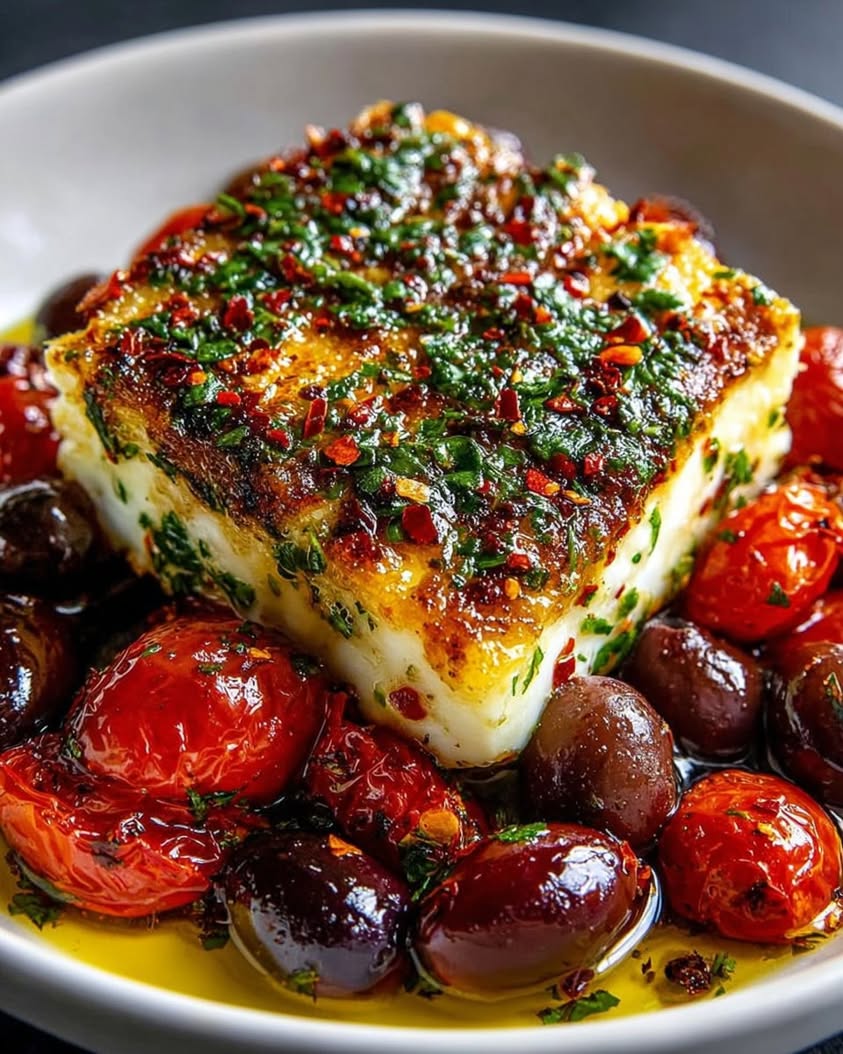
Crispy Sheet-Pan Baked Feta with Tomatoes, Olives and Hot Honey: Your New Go-To Weeknight Dinner
If you are searching for a dinner that feels both effortlessly elegant and deeply comforting, then you have found it. This Crispy Sheet-Pan Baked Feta with Hot Honey is the exact recipe you need to shake up your weekly rotation. It combines the salty tang of creamy feta, the burst of sweetness from roasted cherry tomatoes, the briny punch of kalamata olives, and a final drizzle of spicy hot honey. The result is a dish that tastes like it came from a trendy Mediterranean restaurant, but it comes together on a single baking sheet. You get a gorgeous, restaurant-quality meal without spending hours in the kitchen or dealing with a pile of dirty dishes.
Furthermore, the magic of this dish lies in its incredible simplicity. You simply arrange a block of feta in the center of your sheet pan, surround it with tomatoes and olives, and let the oven do all the hard work. As it roasts, the feta softens and develops a beautifully golden, crispy crust on the outside while staying lusciously creamy on the inside. The tomatoes blister and release their sweet, jammy juices, creating a natural sauce that mingles with the olive oil and herbs. Finally, the contrast of the hot honey adds a subtle, lingering heat that perfectly balances the salty and sweet elements. This recipe is truly a game-changer for anyone who loves big, bold flavors with minimal effort.
This dish is more than just a meal; it is an experience that brings people together. The sizzling sound of the sheet pan coming out of the oven, the vibrant colors, the intoxicating aroma of roasted garlic and herbs, it is a sensory feast. You can scoop the warm, creamy feta and roasted vegetables onto crusty bread, toss it with pasta, or serve it over a bed of fluffy rice or quinoa. It is versatile enough for a casual weeknight dinner yet impressive enough to serve as a stunning appetizer for a dinner party. Once you taste this combination, you will understand why it has become a viral sensation. Let us dive into how to make this perfect Crispy Sheet-Pan Baked Feta with Hot Honey.
Quick Recipe Highlights
- Flavor Profile: The flavor is a masterful balance of salty, creamy feta, sweet and tangy roasted tomatoes, and briny olives. The hot honey adds a gentle, lingering heat that ties everything together perfectly.
- Texture: You get a wonderful contrast of textures. The feta develops a crispy, golden-brown crust on the outside while remaining incredibly soft and creamy inside. The tomatoes are burst and tender, and the olives are soft and juicy.
- Aroma: Your kitchen will fill with the warm, savory scent of roasted garlic and oregano, mingling with the sweet, fruity aroma of tomatoes. The final drizzle of honey adds an extra layer of sweet, warming fragrance.
- Visual Appeal: This dish is a visual stunner. The bright red and golden tomatoes, the deep purple olives, the white feta block with its golden crust, and the glistening drizzle of honey create a vibrant, appetizing presentation right on the sheet pan.
- Skill Level Needed: This is an incredibly beginner-friendly recipe. There is no chopping beyond halving the tomatoes or mincing garlic. The oven does all the work, making it perfect for novice cooks or anyone wanting a low-effort, high-reward meal.
- Special Equipment: All you need is a standard sheet pan or a large rimmed baking sheet. A microplane or fine grater is helpful for the garlic, and a small saucepan is useful if you want to warm the honey.
Recipe Overview
- Difficulty Level: This recipe deserves an ‘Easy’ rating because the technique is straightforward. You do not need to babysit a pan on the stove or worry about precise flipping. The active preparation time is under 10 minutes, and after that, the oven manages the rest. Even a brand-new cook can achieve fantastic results on their first try.
- Category: This dish fits perfectly into several categories. It works wonderfully as a main course for a light dinner, especially when paired with bread or grains. It also serves as an exceptional appetizer or shareable starter for a party, and it can be a side dish to grilled meats like chicken or lamb.
- Cuisine: While not a traditional dish from any one country, the flavors are deeply inspired by Mediterranean and Greek cuisine. The combination of feta, tomatoes, olives, and oregano is a classic hallmark of that region. The addition of hot honey adds a modern, slightly American twist to a timeless flavor profile.
- Cost: This is a very cost-effective meal. Feta cheese is affordable, cherry tomatoes are typically inexpensive, and olives are pantry staples that last a long time. The total cost for a complete meal is often under $15, making it a budget-friendly way to enjoy a gourmet dinner at home.
- Season: This dish is best enjoyed in the summer and early fall when tomatoes are at their peak ripeness and sweetness. The juicy, flavorful tomatoes are the star of the show. However, you can make this year-round with good-quality cherry tomatoes from the grocery store.
- Occasion: This recipe is ideal for a wide range of occasions. It is perfect for a quick, stress-free weeknight dinner, a cozy night in, or an impressive yet simple appetizer for a dinner party, holiday gathering, or casual get-together.
Why You Will Love This Recipe
The primary appeal of this Crispy Sheet-Pan Baked Feta with Hot Honey is its incredible taste and textural complexity. Imagine digging your spoon into a piece of feta that has a crispy, golden shell that shatters slightly, giving way to a creamy, salty interior. Then you get the burst of sweet acidity from a roasted tomato, followed by the savory punch of an olive, all finished with a subtle, warm heat from the honey. It is a party in your mouth. Every single bite is a different combination of flavors and textures, ensuring you never get bored. This is not just food; it is a celebration of simple, high-quality ingredients done right.
Convenience is another major reason this recipe is a keeper. The entire meal comes together on one sheet pan. This means minimal prep, no messy stovetop cleanup, and almost no dishes to wash. You can literally toss everything on the pan, set a timer, and walk away to do something else. Furthermore, the prep work is minimal, requiring only basic knife skills. There is no standing over a hot stove stirring or worrying about burning. For busy home cooks, this is the holy grail of weeknight cooking, delivering maximum flavor with minimal effort and cleanup time.
From a nutritional standpoint, this dish is a fantastic choice. Feta cheese is a good source of calcium and protein, while tomatoes are packed with lycopene, an antioxidant linked to numerous health benefits. Olives provide healthy monounsaturated fats and are rich in vitamin E. The dish is naturally low in carbohydrates and free from gluten, making it suitable for a variety of dietary preferences. You can also easily add other vegetables like bell peppers or zucchini to boost the fiber and nutrient content. It is a satisfying, delicious meal that helps you feel good about what you are eating.
This recipe is also a star when it comes to social gatherings and entertaining. You can serve it directly on the sheet pan for a rustic, communal feel that encourages conversation and sharing. It is a guaranteed crowd-pleaser because it appeals to a wide range of palates. Guests will be impressed by the sophisticated flavors and beautiful presentation. Plus, it is a great make-ahead appetizer. You can prep all the ingredients on the sheet pan, store it in the fridge, and simply pop it in the oven when guests arrive. It is a foolproof way to host without spending the whole party in the kitchen.
Finally, the cost-effectiveness and accessibility of the ingredients make this recipe a staple. Feta, tomatoes, olives, and honey are all widely available at any grocery store and are usually very affordable. You do not need to hunt down exotic ingredients or spend a lot of money to create an impressive meal. This recipe proves that you can eat like royalty on a budget. It also helps reduce food waste, as you can use up any leftover tomatoes or olives you might have. It is a smart, delicious, and practical addition to any home cook’s repertoire.
Historical Background and Cultural Significance
The origins of this dish are distinctly modern, born from the internet’s love for simple, visually appealing recipes. The concept of baking feta cheese became a viral sensation on platforms like TikTok, where users celebrated the ease and deliciousness of a block of feta roasted with cherry tomatoes. This specific iteration, known as baked feta pasta, skyrocketed in popularity in early 2021. While the combination of feta and tomatoes is ancient, the specific technique of slow roasting a whole block of feta until it is creamy and dippable is a contemporary creation, showcasing a modern approach to classic ingredients.
The cultural importance of the ingredients, however, is ancient and deeply rooted in Mediterranean history. Feta cheese has been produced in Greece for thousands of years, with records dating back to Homer’s Odyssey. It is a Protected Designation of Origin (PDO) product in the European Union, meaning it must be made from sheep’s milk or a mixture of sheep and goat’s milk from specific regions of Greece. Tomatoes, surprisingly, are not native to the Mediterranean. They were brought to Europe from the Americas in the 16th century and eventually integrated into the cuisines of Italy and Greece, becoming a cornerstone of their cooking.
The evolution of this recipe from a viral TikTok trend to a global home-cooking staple demonstrates the power of social media in the culinary world. The original baked feta pasta recipe was adapted and personalized by countless home cooks. Some added hot honey, a trend from the American South that pairs sweet and spicy elements. Others added olives, capers, or different herbs. This specific Crispy Sheet-Pan Baked Feta with Hot Honey is a direct result of that organic, collaborative evolution. It has been refined and perfected by the community into a dish that is arguably more balanced and flavorful than the original.
Regional variations of this dish are starting to emerge as it becomes more popular. In the American South, you might see it made with a drizzle of local honey and a pinch of cayenne. In California, cooks might add roasted bell peppers, artichoke hearts, or sun-dried tomatoes. In the UK, the dish is often paired with fresh arugula or watercress. These adaptations highlight the dish’s incredible versatility. It serves as a canvas for regional produce and pantry staples. The core principle remains the same, a block of feta baked to creamy perfection with tomatoes, but the supporting flavors can be endlessly customized to reflect local tastes and seasonal availability.
Ingredient Deep Dive
Feta cheese is the undisputed star of this dish. Historically, it has been made in Greece for millennia and is a staple of the Greek diet, known for its crumbly texture and salty, tangy flavor. Nutritionally, feta is an excellent source of calcium for bone health and protein. When selecting feta for baking, always choose a block that is stored in brine. This type of feta is much creamier and holds its shape better than pre-crumbled feta. Avoid using fat-free feta, as it will not become creamy and may turn rubbery. Store your feta in its brine in the refrigerator and use it within a week of opening. For substitutions, you can use a mild goat cheese for a similar tangy flavor, but it will be softer and spread more.
Cherry tomatoes are the second key component. They provide the sweet, acidic base that balances the salty feta. Originally from South America, tomatoes are now a global staple. They are rich in lycopene and vitamin C. For this recipe, look for firm, brightly colored, and heavy-for-their-size cherry or grape tomatoes. Romaine tomatoes on the vine can also work, cut into large chunks. Avoid mushy or overly soft tomatoes. Store them at room temperature for best flavor. If you need a substitution, you can use a 14-ounce can of whole peeled or diced tomatoes, but the texture will be different and less concentrated. Roast them until they blister and burst to release their sweet juices.
Kalamata olives add a crucial briny, savory depth. These almond-shaped olives from the Peloponnese region of Greece are known for their deep purple color and meaty texture. They are cured in red wine vinegar, giving them a unique fruity, tangy flavor. Nutritionally, they are a great source of healthy monounsaturated fats and antioxidants. When selecting olives, buy them from the olive bar or a jar to get the best quality. Look for olives that are shiny, plump, and have a smooth skin. Store opened olives in the fridge in their brine. If you do not have kalamatas, you can use Castelvetrano olives for a milder, buttery flavor or black olives for a more intense taste.
Hot honey is the secret ingredient that elevates this dish. A recent culinary trend, hot honey is regular honey infused with chili peppers. It provides a sweet, floral heat that is not overwhelming but adds a complex layer of flavor. The capsaicin from the chili helps cut through the richness of the feta, balancing the dish perfectly. You can buy store-bought hot honey or easily make your own by simmering honey with dried chili flakes or sliced fresh peppers. If you do not have hot honey, you can use regular honey and add a pinch of red pepper flakes to the sheet pan. The heat should be subtle, a gentle warmth that lingers in the background.
Fresh garlic is a vital aromatic ingredient. It adds a pungent, savory base note that enhances all the other flavors. When roasted, garlic becomes sweet, mellow, and buttery. Selecting plump, firm heads of garlic is important. Avoid any that are soft or have sprouting green shoots. Mince the garlic finely or grate it on a microplane. For substitutions, you can use a teaspoon of garlic powder in a pinch, but it will not provide the same depth of flavor as fresh garlic. Store your garlic in a cool, dark, and dry place. Do not store it in the refrigerator.
Fresh oregano brings a floral, slightly peppery flavor that is quintessentially Mediterranean. It pairs beautifully with tomatoes and feta. While dried oregano is a fine substitute, fresh oregano offers a brighter, more aromatic quality. You can use thyme or marjoram as a substitute. When selecting fresh herbs, look for bright, perky leaves with no wilting. Wash them and dry them thoroughly before using. If you are using dried oregano, use about one-third of the amount called for fresh herbs. Store fresh herbs by placing the stems in a glass of water in the refrigerator, like a bouquet, and covering the leaves loosely with a plastic bag.
Good quality olive oil is essential. It helps the vegetables roast, prevents sticking, and adds a fruity, peppery flavor that is central to the dish. Use a robust extra-virgin olive oil for the best flavor. Do not use a light or refined olive oil, as they lack flavor. If you do not have olive oil, avocado oil is a good neutral substitute. Store your olive oil in a cool, dark cupboard away from direct sunlight and heat to prevent it from going rancid. It is one of the most important ingredients in this recipe, so do not skimp on its quality.
Common Mistakes to Avoid
- Using pre-crumbled feta cheese. This will not form a satisfying crust and will be dry. Always use a block of feta stored in brine for the best creamy texture and crispy exterior.
- Not patting the feta dry before baking. Moisture is the enemy of a good crust. Pat the block of feta completely dry with paper towels before placing it on the sheet pan.
- Overcrowding the sheet pan. This causes the vegetables to steam instead of roast, resulting in a soggy dish. Use a large enough pan so that everything is in a single layer.
- Using under-ripe tomatoes. Unripe tomatoes are hard, sour, and lack sweetness. Choose ripe, aromatic cherry or grape tomatoes for the best flavor.
- Adding the honey too early in the baking process. Heat can break down honey’s flavor and make it too runny. Drizzle it on right after the dish comes out of the oven or just before serving.
- Forgetting to season the vegetables. The tomatoes and olives need a little salt and pepper to bring out their best flavors. Season them generously before roasting.
- Skipping the garlic. Garlic is a key aromatic. Do not substitute powdered garlic. Use fresh cloves minced or grated for the best flavor.
- Over-baking the feta. The goal is a soft, creamy center. Over-baking will make the feta dry and rubbery. Bake just until the tomatoes burst and the feta starts to soften and brown.
- Not letting the dish rest for a few minutes. This allows the juices to settle and the feta to firm up slightly for easier serving. A five-minute rest is ideal.
Essential Techniques
The first essential technique is achieving the perfect creamy yet crispy feta. This starts with patting the feta block dry with paper towels to remove excess moisture. Then, you will bake it on a sheet pan in a hot oven. The dry heat of the oven, combined with the oil on the pan, will create a beautiful golden-brown crust on the outside of the feta while the inside remains lusciously soft and creamy. Do not flip the feta during baking; let it cook undisturbed for the best result. The visual cue for success is a golden-brown top that is firm to the touch but yields easily to a spoon.
Secondly, mastering the roasting of the cherry tomatoes is crucial. You want them to blister and burst, releasing their sweet, jammy juices. To do this, make sure your sheet pan is not overcrowded. This allows for proper air circulation and even caramelization. Toss the tomatoes with olive oil, salt, and pepper before roasting. The high heat helps them to soften and release their sugars. Visual cues for success are tomatoes with puckered skins that have begun to pop open, releasing a syrupy, red liquid. This liquid will form the base of the dish’s sauce, so you do not want the tomatoes to completely dry out or burn.
Another important technique is properly preparing the garlic. Fresh garlic is crucial, but if you add it too early, it will burn and turn bitter. The secret is to add the minced or grated garlic to the sheet pan during the second half of the baking time. When the tomatoes and feta are softening, scatter the garlic over the tomatoes. The residual heat will gently cook it, mellowing its pungency and making it sweet and aromatic. This perfectly infuses the dish with garlic flavor without any risk of burning it into a bitter taste. The visual cue is that the garlic should be fragrant and softened, not browned.
Finally, the drizzling of the hot honey is a technique that should not be rushed. This step is about adding a final touch of complexity, not overwhelming the dish. The best time to add the hot honey is right after the sheet pan comes out of the oven. The residual heat from the dish will warm the honey, making it drizzle beautifully and allowing its spicy-sweet aroma to bloom. Drizzle it in a steady, controlled stream across the entire pan. This ensures every bite has a hint of heat. The visual cue is a beautiful, glossy sheen over the feta and the roasted tomatoes, promising a burst of sweet heat.
Pro Tips for Perfect Crispy Sheet-Pan Baked Feta with Hot Honey
For the best crust on your feta, make sure it is thoroughly patted dry. Any moisture on the surface will create steam, preventing a crispy, golden exterior from forming. A dry surface is the key to that satisfying crunch.
Use a rimmed baking sheet for this recipe. The juices from the tomatoes and olives can be quite liquid, and a rimmed pan prevents them from spilling into your oven, which can cause burning and smoke. A standard half-sheet pan is the perfect size.
Grate your garlic instead of mincing it. A microplane will create a fine paste that melts into the olive oil more easily, distributing its flavor more evenly and avoiding any harsh chunks of raw garlic. This creates a more cohesive flavor profile.
Do not skip the step of seasoning the vegetables. While feta is very salty, the tomatoes and olives benefit from a light sprinkle of salt and a generous amount of fresh black pepper. This brings out their natural sweetness and balances the dish.
Consider adding a splash of white wine or a squeeze of lemon juice to the sheet pan before baking. This acidity will brighten the dish and help to cut through the richness of the cheese, adding another layer of complexity to the final flavor.
Warm the hot honey in a small pan or in the microwave for a few seconds before drizzling. This makes it much easier to drizzle in a fine, even stream across the dish, ensuring every piece is evenly coated without causing the ingredients to get sticky.
Let the dish rest for at least five minutes after you take it out of the oven. This allows the flavors to meld together and the feta to firm up slightly, making it easier to scoop and serve without it turning into a complete mess.
Garnish with fresh herbs just before serving. A sprinkle of fresh oregano, thyme, or even basil and parsley adds a final pop of color and a burst of freshness that contrasts beautifully with the warm, rich flavors of the cooked dish.
Variations and Adaptations
Regional variations are fun to explore with this recipe. For a taste of the American Southwest, add a can of roasted green chiles and a handful of corn kernels to the sheet pan. Drizzle with a spicy honey made with chipotle powder for a smoky, earthy heat. In the Pacific Northwest, you could add some fresh, juicy huckleberries or blackberries to the tomatoes, letting them burst and create a fruity, sweet-tart sauce. A touch of smoked paprika would also bring a lovely, rustic depth that is reminiscent of Spain or the Balkan region.
Seasonal adaptations allow you to enjoy this dish year-round. In the spring, add halved radishes and fresh peas to the sheet pan. The radishes will mellow and become sweet, and the peas will add a bright, green pop. In the fall, swap the cherry tomatoes for roasted butternut squash or acorn squash cubes. The sweetness of the squash pairs incredibly well with the salty feta and hot honey. Adding a few fresh sage leaves to the pan will create an autumnal flavor that is both cozy and sophisticated.
Dietary modifications are simple. To make this dish vegan, swap the feta for a high-quality vegan feta made from tofu or nuts. These alternatives can also become creamy when baked. You can also use a vegan cheese that melts well, but the result will be different. To keep it low-carb, serve it with roasted vegetables like zucchini, bell peppers, or mushrooms instead of bread or pasta. The hot honey is low in carbs per serving, so it fits into a low-carb lifestyle without issue.
Flavor variations are endless. Instead of oregano, try using fresh thyme, rosemary, or a blend of Italian seasoning. A pinch of red pepper flakes or a drizzle of harissa paste can add a different kind of heat. You can also add capers for an extra briny punch or a handful of sun-dried tomatoes for a chewier, more intense tomato flavor. A splash of balsamic vinegar or a drizzle of balsamic glaze before serving can add a sweet and tangy finish.
Texture modifications can change the whole experience. For a crispier dish, you can toss the feta in panko breadcrumbs before baking. For a creamier dish, add a dollop of Greek yogurt or labneh to the finished dish right before serving. For more bite-sized pieces, you can cube the feta before baking, but the resulting texture will be less creamy and more like individual cheese bites. Try using a block of halloumi cheese instead of feta for a completely different, squeaky, salty, and chewy texture.
Presentation alternatives make this dish versatile. For a stunning appetizer, serve the entire pan in the center of the table with a basket of crusty bread, crostini, or crackers for dipping. For a main course, serve it over a bed of couscous, quinoa, orzo, or your favorite pasta. You can also serve it on a bed of arugula or mixed greens for a beautiful, warm salad. For a more elegant look, carefully transfer the feta and vegetables to a serving platter, leaving the juices behind.
Serving and Presentation Guide
Plating this dish is wonderfully straightforward because it looks so beautiful right from the sheet pan. The most common and impressive way to serve it is family-style, placing the entire sheet pan in the center of the table. This rustic presentation is inviting and encourages sharing. If you prefer a more plated presentation, use a large, shallow serving bowl. Gently nestle the block of feta in the center, spoon the tomatoes and olives around it, and pour the pan juices over the top. A long, wide spatula or a large spoon works best for transferring the feta without breaking it.
Garnishing ideas can elevate the dish from simple to stunning. A scattering of fresh herbs is a must; fresh oregano, thyme, parsley, or basil add a vibrant green color and a burst of freshness. You can also add a sprinkle of toasted pine nuts or slivered almonds for a nutty crunch and extra texture. A final crack of black pepper and a pinch of flaky sea salt, like Maldon, right before serving enhances the savory flavors and adds a satisfying crunch. A drizzle of a good quality extra-virgin olive oil at the end is also a lovely touch.
Traditional accompaniments are the key to a complete meal. Crusty bread, such as a French baguette or a rustic sourdough, is the most classic choice for dipping into the creamy feta and juices. Pita bread or warm, soft flatbreads are also excellent options. For a heartier meal, serve the dish over a bed of cooked pasta, such as angel hair or orzo. The warm, creamy sauce clings beautifully to the noodles. Additionally, a side of simple steamed rice, couscous, or quinoa rounds out the meal perfectly.
Modern serving suggestions include using the feta and tomato mixture as a topping for crostini or bruschetta for an elegant appetizer. You can also spoon it over a roasted vegetable bowl for a healthy and flavorful lunch. Another trendy idea is to use it as a filling for a hearty sandwich or wrap. Spread the creamy feta on a warm tortilla, add the roasted tomatoes and olives, and top with fresh greens. It can also be a fantastic topping for a gourmet flatbread pizza.
Temperature considerations are important for the best eating experience. This dish is best served warm, directly from the oven. The feta is at its creamiest, and the juices are at their most flavorful. If you need to reheat it, do so in a 350-degree oven for about 10 minutes, or until warmed through. Avoid using the microwave, as it will make the feta rubbery and the vegetables mushy. For a event, you can let it rest for up to 30 minutes, but ideally, you want it to be warm for the first serving.
Portion control tips are helpful for serving a group. As a main course, this recipe generally serves four people. If you are serving it as a rich appetizer, it can easily serve six to eight. For a main course, you can serve generous portions with bread or grains. For an appetizer, provide smaller spoons and forks, and ensure you have plenty of bread for dipping, as each serving is meant to be a taste rather than a full plate. It is a flavor-packed dish, so small portions are very satisfying.
Wine and Beverage Pairing
For wine pairings, a bright, acidic white wine is the classic choice to cut through the richness of the feta. A crisp Greek Assyrtiko is a fantastic option, as its high acidity and citrus notes perfectly complement the salty feta and acidic tomatoes. Alternatively, a Sauvignon Blanc from the Loire Valley or New Zealand, with its grassy, herbaceous notes, pairs beautifully with the oregano. A chilled, unoaked Chardonnay would also work well, especially one with a bit of minerality. For red wine lovers, a light-bodied, fruity red like a Pinot Noir or a Grenache-based wine from the South of France can be a lovely choice, as their low tannins and bright fruit won’t overwhelm the dish.
For non-alcoholic alternatives, a sparkling water with a squeeze of fresh lemon or lime is a refreshing and palate-cleansing choice. The bubbles help to cut the richness and the citrus complements the flavors. Another excellent option is a crisp, unsweetened iced tea, such as a classic black or green tea. For a more festive option, try a non-alcoholic Mediterranean spritzer made with soda water, a splash of pomegranate juice, and a sprig of mint. This provides sweetness and acidity without the alcohol, and its beautiful red color matches the dish.
If you enjoy beer, a Belgian-style witbier or a hefeweizen is a wonderful pairing. The citrus notes in a witbier, often from orange peel and coriander, mirror the dish’s flavors. The light, hazy texture and low bitterness are a great match for the creamy feta. Alternatively, a dry, hoppy Pale Ale or IPA can work, especially if you enjoy the contrast of spicy heat and bitter hops against the sweet and salty flavors. Avoid heavy, malty beers that might overpower the dish.
For coffee and tea pairings, this dish is not typically served with a hot beverage, but it can be a great option for a brunch or late lunch. A light, floral black tea like Darjeeling is a good choice. For coffee, a fruity, light-roast Ethiopian coffee can work surprisingly well, as its berry notes can complement the roasted tomatoes. It is best to serve coffee on the side, not with the meal itself. The main goal is to have a beverage that cleanses the palate and refreshes the mouth between bites of the rich, flavorful dish.
Serving suggestions for beverages are simple. Serve wine at a cool room temperature for reds, or slightly chilled for whites. For a party, set up a small self-serve beverage station where guests can help themselves. You can also serve the hot honey on the side for those who want to add extra heat. Ultimately, the best pairing is one you enjoy, so do not be afraid to experiment with different wines, beers, or non-alcoholic drinks to find your personal favorite.
Storage and Shelf Life
Proper storage of this Crispy Sheet-Pan Baked Feta with Hot Honey is simple. Allow the dish to cool to room temperature completely before storing it. This prevents condensation from forming inside the container, which can make the food soggy. Once cooled, transfer the entire mixture, including the feta, tomatoes, olives, and juices, to an airtight container. Glass or ceramic containers are best, as they do not react with the acidic tomatoes. Press a piece of plastic wrap directly onto the surface of the food to further prevent air exposure and moisture loss.
Temperature requirements are strict for food safety. You should refrigerate the leftovers within two hours of cooking to prevent the growth of harmful bacteria. The ideal storage temperature is at or below 40 degrees Fahrenheit. Do not leave the dish out at room temperature for extended periods, especially if you are serving it during a party. Store it in the main body of the refrigerator, not in the door, where temperatures fluctuate more. Properly stored, this dish will maintain its quality for up to four to five days.
Container recommendations are important for maintaining texture. Avoid using thin, metal containers, as the acidic tomatoes can react with them, imparting a metallic flavor. Glass containers with tight-fitting lids are the best choice. If you are using plastic containers, ensure they are BPA-free and designed for storing acidic foods. Mason jars are another great option for smaller portions. The key is a tight seal, which will keep the air out and the flavors locked in to prevent the dish from drying out or absorbing other odors in the fridge.
Signs of spoilage are easy to identify. The most obvious sign is an off or sour smell. The feta or tomatoes may also develop a slimy texture, or you may see mold growing on the surface. If the dish has an unusual color, such as a dull or dark hue, it is a sign of spoilage. The texture of the feta might become excessively watery or grainy, which is also a sign of deterioration. If you see any of these signs, especially mold, it is safest to discard the entire dish. When in doubt, trust your nose and your eyes.
Reheating instructions are crucial for reviving the dish. The best way to reheat it is in the oven. Preheat your oven to 350 degrees Fahrenheit. Transfer the leftovers to an oven-safe dish, cover it loosely with foil to prevent the feta from burning, and bake for 10 to 15 minutes, or until it is warmed through. You can also reheat it on the stovetop in a non-stick skillet over medium heat, stirring gently to heat everything evenly. Do not use a microwave, as it will make the feta rubbery and the vegetables mushy.
Freezing guidelines are not recommended for this dish. Feta cheese, once baked and cooled, has a high moisture content and a curdy structure that becomes grainy, watery, and often rubbery when thawed and reheated. The roasted tomatoes will also become mushy and lose their structure. The texture of the entire dish will suffer significantly. It is best to enjoy this dish fresh or within a few days of cooking. If you have an abundance, consider using the leftovers Print
Crispy Sheet-Pan Baked Feta with Tomatoes, Olives & Hot Honey
- Total Time: 40 minutes
- Yield: 4
Description
A quick and flavorful sheet-pan dinner featuring creamy baked feta, blistered tomatoes, briny olives, and a drizzle of spicy hot honey. Perfect for a weeknight meal with crusty bread or over pasta.
Ingredients
- 1 (8-ounce) block feta cheese, patted dry
- 2 cups cherry tomatoes
- 1/2 cup pitted Kalamata olives
- 1/4 cup extra-virgin olive oil
- 2 cloves garlic, thinly sliced
- 1/2 teaspoon dried oregano
- 1/4 teaspoon red pepper flakes
- Salt and black pepper to taste
- 1/4 cup hot honey (or regular honey mixed with a pinch of cayenne)
- Fresh basil or parsley for garnish
- Crusty bread or cooked pasta for serving
Instructions
- Preheat the oven to 400°F (200°C). Line a rimmed baking sheet with parchment paper.
- Place the block of feta in the center of the sheet pan. Scatter the cherry tomatoes and olives around it.
- In a small bowl, whisk together the olive oil, sliced garlic, oregano, red pepper flakes, salt, and pepper. Drizzle the mixture over the feta, tomatoes, and olives.
- Bake for 25–30 minutes, until the tomatoes are blistered and the feta is softened and lightly golden on the edges.
- Remove from the oven and drizzle the hot honey over everything. Garnish with fresh basil or parsley.
- Serve immediately with crusty bread for dipping or spoon over cooked pasta. Enjoy!
Notes
You can customize the seasonings to taste. For a milder version, use regular honey instead of hot honey.
- Prep Time: 10 minutes
- Cook Time: 30 minutes
- Method: Main
- Cuisine: Mediterranean