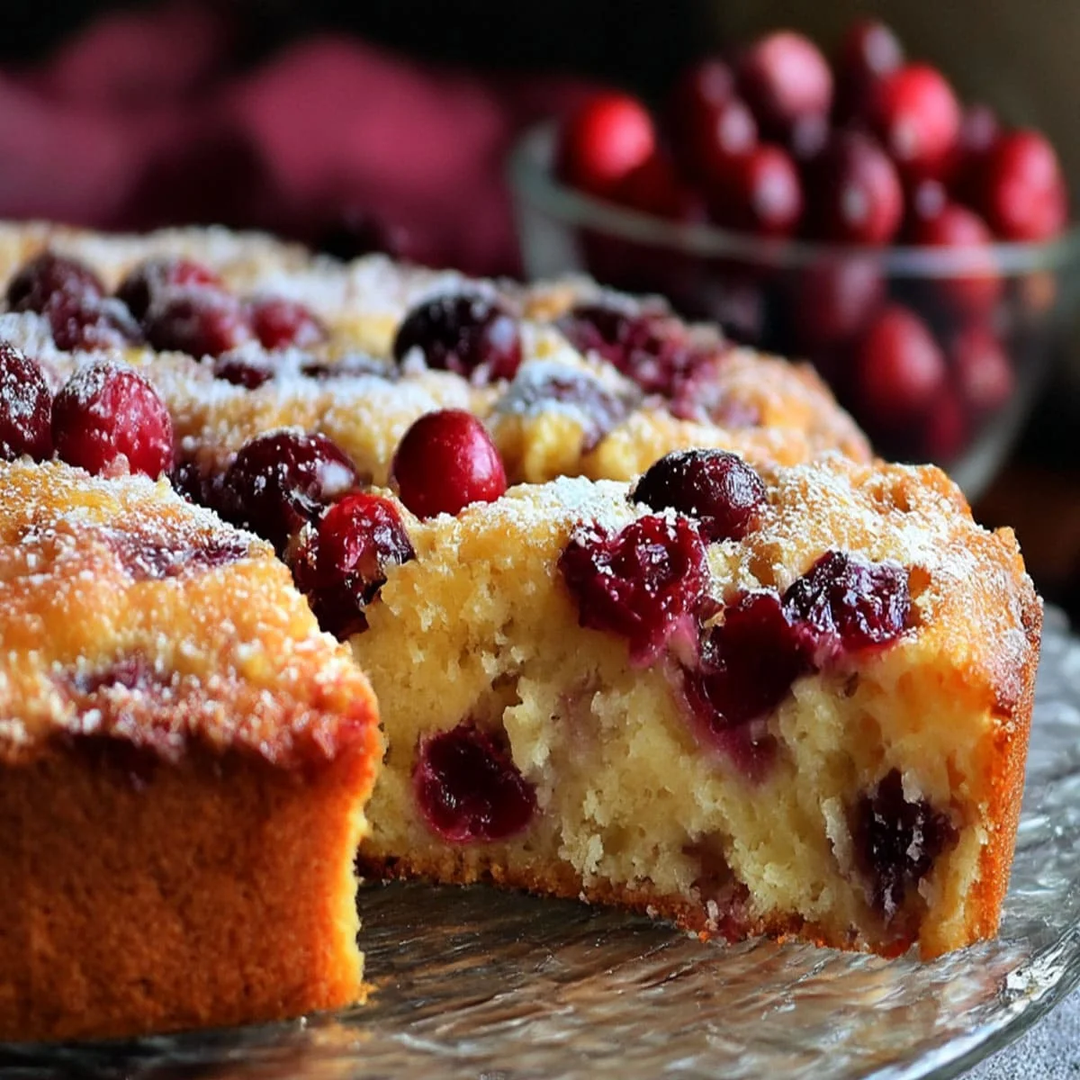
Cranberry Orange Breakfast Cake: A Zesty Morning Treat
Imagine waking up to the bright, cheerful aroma of citrus and sweet-tart berries wafting from your kitchen. This Cranberry Orange Breakfast Cake is precisely that kind of morning magic. It transforms simple pantry staples into a stunningly moist and flavorful centerpiece for your brunch table or cozy breakfast. Furthermore, it delivers a perfect balance of flavors that feels both indulgent and refreshingly wholesome.
This easy breakfast cake recipe is a true crowd-pleaser, ideal for busy weekends, holiday mornings, or even as a thoughtful homemade gift. The vibrant pop of cranberries against the golden crumb creates a visually stunning dish. Consequently, it looks as impressive as it tastes, requiring minimal effort for maximum reward. Ultimately, this cake proves that a special morning treat doesn’t need to be complicated.
Baking this Cranberry Orange Breakfast Cake fills your home with an irresistible fragrance that promises a delicious start to the day. Each bite offers a tender, buttery crumb infused with fresh orange zest, punctuated by juicy bursts of tart cranberry. It’s a recipe that celebrates seasonal produce while being simple enough for bakers of any level. Therefore, whether you’re hosting guests or treating your family, this cake is a guaranteed success.
Quick Recipe Highlights
- Flavor Profile: This cake masterfully combines the bright, sunny acidity of fresh orange with the bold, tangy punch of cranberries. A subtle vanilla and buttery base perfectly complements these vibrant flavors, creating a complex yet harmonious taste. The result is a sweet-tart experience that is incredibly satisfying and never cloying.
- Texture: Expect an exceptionally moist and tender crumb that practically melts in your mouth. The cranberries add delightful juicy bursts, while the optional streusel topping provides a satisfying contrast with its buttery, crisp texture. This combination of soft cake and juicy fruit creates a wonderfully dynamic mouthfeel.
- Aroma: As it bakes, the kitchen fills with the warm, comforting scent of butter and vanilla, uplifted by the zesty, citrus notes of orange. The cranberries contribute a subtle, fruity tartness to the aromatic profile. This inviting fragrance is a hallmark of a truly great breakfast bake.
- Visual Appeal: The cake boasts a beautiful golden-brown crust, often with a crackly sugar topping. Inside, the bright red cranberries create stunning ruby pockets throughout the pale yellow crumb, making every slice photogenic. It’s a rustic yet elegant presentation that requires no fancy decoration.
- Skill Level Needed: This is a beginner-friendly recipe using straightforward mixing methods. No special pastry skills are required. Basically, if you can zest an orange and stir a bowl, you can absolutely master this easy breakfast cake.
- Special Equipment: You only need basic kitchen tools: a mixing bowl, a whisk or spatula, a zester, and an 8×8 inch baking pan. A hand mixer can make creaming butter and sugar easier but is not strictly necessary. This accessibility makes it a perfect last-minute baking project.
Recipe Overview
- Difficulty Level: We rate this Cranberry Orange Breakfast Cake as “Easy” because it utilizes a simple “creaming method” common in many quick breads and cakes. The steps are sequential and forgiving, with no complex techniques like folding or tempering. Even novice bakers can achieve excellent results on their first try, making it a confidence-building recipe.
- Category: This versatile dish fits perfectly into multiple categories: Breakfast, Brunch, Dessert, and Snack. It’s substantial enough to anchor a morning meal yet sweet enough to serve as an afternoon treat with tea or coffee. Its flexibility is one of its greatest strengths for meal planning.
- Cuisine: While not tied to a specific traditional cuisine, this cake draws inspiration from American home baking and the classic flavor pairing found in New England cooking. The cranberry-orange combination is a hallmark of North American fall and winter harvests, celebrated in everything from muffins to sauces.
- Cost: This is a very cost-effective bake, especially when cranberries are in season. Most ingredients—flour, sugar, eggs, butter—are pantry staples. Fresh cranberries and oranges are the only seasonal produce, and the recipe uses them efficiently. You can create an impressive, bakery-quality treat for a fraction of the store-bought price.
- Season: This recipe shines brightest in the late fall and winter months when fresh cranberries are plentiful. However, using frozen cranberries makes it a viable year-round option. The bright citrus flavor also makes it a wonderful pick-me-up during the darker, colder months, bringing sunshine to your table.
- Occasion: It’s ideal for holiday breakfasts (Thanksgiving, Christmas morning), weekend brunches with friends, bake sales, or as a comforting weekend baking project. It also travels well, making it excellent for potlucks or as a gift for neighbors. Essentially, it suits any gathering that calls for a homemade, heartfelt touch.
Why You’ll Love This Recipe
First and foremost, the taste and texture of this Cranberry Orange Breakfast Cake are utterly irresistible. The cake itself is supremely moist and tender, thanks to the careful balance of butter, sugar, and eggs. Each forkful delivers a sunny burst of citrus from the fresh orange zest, immediately followed by the juicy, tangy pop of a baked cranberry. This perfect sweet-tart balance ensures you’ll never find it overly sugary. Instead, it offers a refreshing and satisfying flavor profile that keeps you coming back for just one more slice.
Convenience is another major winning point for this easy breakfast cake recipe. From start to finish, you can have this beautiful cake in the oven in about fifteen minutes. The method is straightforward: cream butter and sugar, add wet ingredients, then gently fold in the dry ingredients and fruit. There’s no need for yeast, proofing, or intricate layers. Consequently, it’s the perfect solution when you need a impressive-looking baked good without spending hours in the kitchen. It’s the definition of minimal effort for maximal delicious reward.
From a nutritional perspective, this cake incorporates whole fruit directly into the batter. Cranberries are renowned for their antioxidant content and vitamin C, while oranges provide a significant dose of the same vitamin along with dietary fiber from the zest. While it is certainly a treat, using fresh fruit adds a nutrient-dense element you won’t find in a plain coffee cake. You can also easily adapt the recipe to include whole wheat flour or reduce sugar slightly for a healthier twist without sacrificing flavor.
The social and entertaining value of this Cranberry Orange Breakfast Cake cannot be overstated. It bakes up beautifully in a square pan, making for easy, clean slicing and serving. Its stunning appearance—speckled with ruby-red berries—immediately signals care and hospitality to your guests. It pairs wonderfully with coffee, tea, or a glass of milk, making it a versatile centerpiece for any casual gathering. Baking this cake creates a warm, inviting atmosphere that makes people feel welcomed and cherished.
Finally, this recipe is remarkably cost-effective and accessible. Compared to buying a similar specialty cake from a bakery, baking this at home costs a fraction of the price. The ingredients are simple and easy to find at any grocery store. Even if fresh cranberries are out of season, frozen berries work perfectly without thawing. This accessibility ensures that anyone, regardless of their baking budget or location, can create a spectacular, heartwarming treat for their loved ones. It democratizes delicious homemade baking.
Historical Background and Cultural Significance
The story of the cranberry and orange pairing is deeply rooted in North American culinary history, particularly in New England. Cranberries, one of only three fruits native to North America (alongside blueberries and Concord grapes), have been harvested by Indigenous peoples for centuries. They used them for food, medicine, and dye. Early European settlers adopted the fruit, but its intense tartness required sweetening. Meanwhile, oranges, though not native, became a prized winter commodity via trade routes. The marriage of the locally abundant, tart cranberry with the imported, sweet citrus was a natural and ingenious solution for creating balanced preserves and desserts.
Culturally, this combination became emblematic of harvest and holiday feasts. Cranberry sauce, often enhanced with orange zest or juice, became a Thanksgiving staple in the United States and Canada. This tradition cemented the flavor duo in the collective culinary consciousness. Consequently, bakers began incorporating this beloved pairing into other formats—muffins, breads, and cakes—to extend its enjoyment beyond the Thanksgiving table. The Cranberry Orange Breakfast Cake is a direct descendant of this innovation, transforming a classic condiment pairing into a portable, bakeable treat.
The evolution of this specific recipe follows the broader trend of “breakfast cakes” or “snacking cakes.” These are single-layer, simple cakes meant for casual eating, not formal dessert. Historically, such cakes were a practical way to use seasonal fruit and provide a sustaining, sweet start to the day. The Cranberry Orange Breakfast Cake modernizes this tradition by emphasizing the bright, vibrant flavors and a tender, moist crumb that contemporary palates love. It moves from a utilitarian fruit cake to a deliberately delightful focal point of a morning meal.
Regional variations of this concept abound, showcasing local ingredients and preferences. In the American South, you might find a version with a buttermilk batter for extra tang and tenderness. In areas with strong Scandinavian influence, cardamom might be added to the spice profile. Some bakers add nuts like pecans or walnuts for crunch, while others drizzle the finished cake with an orange glaze for extra sweetness and shine. The basic framework, however—a simple cake studded with cranberries and scented with orange—remains a constant, beloved template for home bakers across continents.
Ingredient Deep Dive
Fresh Cranberries: These vibrant red berries are a true North American treasure. Indigenous peoples used them for food, medicine, and even as a symbol of peace. Nutritionally, they are packed with antioxidants, particularly proanthocyanidins, which are linked to urinary tract health, and they’re an excellent source of Vitamin C. When selecting, look for berries that are firm, plump, and deep red in color; avoid any that are shriveled or soft. Store fresh cranberries in a sealed bag in the refrigerator for up to a month, or freeze them for year-round use. If you can’t find fresh, frozen cranberries are a perfect substitute—do not thaw them before adding to the batter, as this prevents them from bleeding too much color.
Orange Zest: The zest is the brightly colored outer skin of the orange, containing essential oils where the intense citrus fragrance and flavor reside. Historically, citrus zest has been used for centuries to perfume baked goods and medicines. It provides a powerful aroma and flavor without the added liquid of juice, which can alter a batter’s chemistry. From a health perspective, orange zest is rich in fiber and contains even higher concentrations of certain antioxidants, like flavonoids, than the juice. Always use a fine zester or grater to avoid the bitter white pith underneath. For the best flavor, zest the orange directly into your sugar and rub them together to release the oils.
All-Purpose Flour: This is the workhorse of the baking world, a blend of hard and soft wheat milled to a medium protein content (typically 10-12%). It provides the necessary structure for the cake through gluten formation when mixed with liquid. For a lighter texture, you can substitute half with cake flour. For a nuttier, whole-grain option, you can replace up to half with whole wheat flour, though you may need a tablespoon or two more liquid. Always spoon the flour into your measuring cup and level it off for accuracy; scooping directly packs the flour and can lead to a dry cake.
Granulated Sugar: Sugar does far more than just sweeten this Cranberry Orange Breakfast Cake. It tenderizes the crumb by inhibiting gluten development, helps retain moisture for a longer shelf life, and aids in browning and caramelization during baking. In the creaming process with butter, it helps incorporate air, contributing to the cake’s rise. While you can reduce sugar slightly, doing so may affect texture and moisture. For a deeper flavor, you can substitute up to half the white sugar with light brown sugar, which will also make the cake slightly more moist due to the molasses content.
Unsalted Butter: Butter provides richness, flavor, and tenderness. Using unsalted butter allows you to control the exact amount of salt in the recipe. The creaming process—beating softened butter with sugar—is crucial as it traps air bubbles that expand in the oven, creating a light texture. For best results, use real butter and ensure it is properly softened (cool to the touch but easily indented). Margarine or spreads with water or oil will not produce the same results. In a pinch, a neutral oil like canola can be used, but the flavor and texture will be different, more akin to a quick bread.
Common Mistakes to Avoid
- Overmixing the Batter: Once you add the flour, mix only until just combined. Overmixing develops the gluten in the flour, leading to a tough, dense cake instead of a tender crumb. A few streaks of flour are preferable to a perfectly smooth batter.
- Using Cold Butter or Eggs: Ingredients should be at room temperature to emulsify properly. Cold butter won’t cream effectively with sugar, and cold eggs can cause the batter to break or curdle. Plan ahead to take these items out of the fridge about an hour before baking.
- Not Zesting the Orange Correctly: Only grate the bright orange outer skin. The white pith beneath is bitter and will impart an unpleasant flavor to your cake. Use a fine microplane zester for the best results and zest directly over your sugar to catch the fragrant oils.
- Thawing Frozen Cranberries: If using frozen cranberries, add them directly from the freezer. Thawed berries will release too much liquid into the batter, potentially making the cake soggy and causing the berries to sink to the bottom.
- Overbaking the Cake: This is the most common culprit for dry cake. Start checking for doneness a few minutes before the timer goes off. The cake is done when a toothpick inserted into the center comes out with a few moist crumbs (not wet batter).
- Not Greasing the Pan Properly: For easy release, thoroughly grease your baking pan with butter or non-stick spray. For extra insurance, you can line the bottom with a square of parchment paper after greasing.
- Cutting the Cake While Hot: Allow the cake to cool in the pan for at least 15-20 minutes before attempting to cut it. Cutting too soon will cause it to crumble and fall apart, as the structure hasn’t had time to set.
- Neglecting to Taste Your Berries: Cranberry tartness can vary. Taste one before adding. If they are exceptionally sour, you may want to toss them in a tablespoon of the recipe’s sugar before folding in, which can help balance the final flavor.
Essential Techniques
Creaming Butter and Sugar: This foundational technique is vital for creating a light, airy texture in your Cranberry Orange Breakfast Cake. Using room-temperature butter, beat it with granulated sugar for 2-3 minutes until the mixture becomes pale, fluffy, and increased in volume. This process incorporates tiny air bubbles that expand during baking, acting as a leavening agent. The key is to ensure your butter is properly softened—it should yield to gentle pressure but not be oily or melted. Under-creaming will result in a denser cake, while over-creaming can cause the cake to collapse if the air bubbles become too large and unstable.
Folding in Ingredients: After adding the dry ingredients and cranberries, you must use a “folding” motion to incorporate them. This gentle technique preserves the air bubbles you worked hard to create during creaming. Use a wide, flexible spatula and cut down through the center of the batter, sweep across the bottom, and fold the mixture over onto itself. Rotate the bowl and repeat until just combined. The goal is to minimize the number of strokes. Overmixing at this stage deflates the batter and develops gluten, leading to toughness.
Zesting Citrus: Proper zesting maximizes flavor without bitterness. Use a fine microplane grater or the small holes of a box grater. Wash and dry the orange thoroughly. Gently rub the fruit against the grater, rotating it to only remove the bright orange outer layer. The white pith underneath is bitter and should be avoided. For an extra flavor boost, zest the orange directly over your bowl of sugar. Then, use your fingers to rub the zest into the sugar; this abrasion releases the citrus oils from the zest into the sugar, perfuming it throughout the entire cake.
Testing for Doneness: Accurate timing is crucial for a moist cake. Ovens vary, so begin testing 5-7 minutes before the recipe’s stated bake time is complete. Insert a toothpick or a thin wooden skewer into the very center of the cake. If it comes out with wet batter, it needs more time. If it comes out completely clean, the cake may be overbaked. The perfect sign is a toothpick that emerges with a few moist crumbs clinging to it. The cake will also pull away slightly from the sides of the pan, and the top will spring back when gently pressed.
Pro Tips for Perfect Cranberry Orange Breakfast Cake
Boost the Orange Flavor: For an even more intense citrus punch, add 1-2 tablespoons of fresh orange juice to the batter along with the milk and eggs. You may need to reduce the milk by the same amount to maintain the correct batter consistency.
Prevent Berry Sinkage: Toss your fresh or frozen cranberries in a light coating of flour (about 1 tablespoon taken from the recipe’s measured flour) before folding them into the batter. This tiny layer of flour helps suspend the berries throughout the cake instead of letting them all fall to the bottom.
Create a Crunchy Top: Before baking, sprinkle the top of the batter generously with coarse sugar (like turbinado or sanding sugar). This creates a delightful, sparkling, crunchy crust that contrasts beautifully with the soft interior.
Infuse the Butter: For a next-level aromatic cake, gently melt the butter called for in the recipe and add the orange zest to it. Let it steep off the heat for 15 minutes, then cool to room temperature before creaming it with the sugar. This infuses the butter itself with citrus oil.
Add a Simple Glaze: After the cake has cooled, whisk together 1/2 cup of powdered sugar with 1-2 tablespoons of fresh orange juice until smooth. Drizzle this glaze over the cake for added sweetness, visual appeal, and a extra hit of orange flavor.
Use an Oven Thermometer: Oven temperatures are often inaccurate. An inexpensive oven thermometer ensures your cake bakes at the correct temperature, which is critical for proper rise and texture. An oven that runs too hot will overbake the edges before the center is done.
Let it Cool Completely for Clean Slices: For picture-perfect, neat squares, allow the cake to cool completely in the pan before cutting. If you need to speed up the process, you can place the pan in the refrigerator for 30 minutes after it has cooled to room temperature.
Variations and Adaptations
Regional Variations: Across different regions, bakers add local twists to this classic. In the South, a buttermilk version adds tang and tenderness. In the Northeast, a handful of chopped walnuts or pecans is a common addition for crunch. Some Midwestern bakers might add a teaspoon of cinnamon or nutmeg to the batter for a warm spice note that complements the fruit beautifully.
Seasonal Adaptations: While perfect for fall and winter, this cake adapts to any season. In spring, fold in fresh blueberries or raspberries with the cranberries. For summer, try a combination of diced peaches and raspberries, using lemon zest instead of orange. The basic cake formula is a wonderful canvas for almost any fresh or frozen fruit you have on hand.
Dietary Modifications: For a gluten-free Cranberry Orange Breakfast Cake, use a 1:1 gluten-free all-purpose flour blend. Ensure your blend contains xanthan gum. For a dairy-free version, substitute the butter with a plant-based stick butter (not spread) and use a non-dairy milk like almond or oat milk. The recipe is quite forgiving with these swaps.
Flavor Variations: Experiment with different citrus zest to change the profile. Lemon zest with cranberries is a classic, bright combination. Lime zest offers a more tropical twist. For a sophisticated note, add 1/2 teaspoon of almond extract to the batter along with the vanilla; it pairs wonderfully with both the orange and cranberry.
Texture Modifications: For added texture, fold in 1/2 cup of chopped toasted nuts (pecans, walnuts, or almonds) or 1/4 cup of rolled oats with the dry ingredients. You can also create a simple streusel topping by mixing 1/4 cup each of flour, brown sugar, and cold cubed butter with a pinch of salt until crumbly, then sprinkling it over the batter before baking.
Presentation Alternatives: Instead of a square cake, bake the batter in a greased Bundt pan for an elegant ring shape, increasing the bake time by 10-15 minutes. You can also bake it in a muffin tin lined with papers for perfect individual portions, reducing the bake time to about 20-25 minutes.
Serving and Presentation Guide
Plating Techniques: For a casual family breakfast, serve the cake directly from the pan. For a more polished presentation, carefully lift the cooled cake onto a simple cake stand or serving platter using a wide spatula. Dust the top lightly with powdered sugar through a fine-mesh sieve for a snowy, elegant effect. Cut into neat squares or rectangles for clean, uniform servings.
Garnishing Ideas: Fresh garnishes add color and freshness. A few fresh cranberries and thin twists of orange peel make a beautiful, simple garnish on the serving platter. For individual plates, a dollop of lightly sweetened whipped cream or a spoonful of Greek yogurt adds a creamy element. A small mint leaf can provide a pop of green color.
Traditional Accompaniments: This cake is traditionally served with hot coffee or tea. A glass of cold milk is also a perfect pairing. For a brunch spread, it complements savory items like scrambled eggs, breakfast sausages, or a simple fruit salad beautifully, balancing the meal.
Modern Serving Suggestions: For a dessert presentation, warm a slice slightly and serve it à la mode with a scoop of vanilla bean ice cream or a tangy orange sorbet. You can also drizzle each plate with a little honey or a berry coulis made from simmered cranberries and sugar.
Temperature Considerations: This Cranberry Orange Breakfast Cake is delicious at room temperature, which allows all the flavors to shine. It is also excellent slightly warmed, which makes it extra comforting and soft. If serving for dessert, warming is recommended. Avoid serving it cold from the refrigerator, as it can become overly firm.
Portion Control Tips: An 8×8 inch pan typically yields 9 generous squares or 12 more modest portions. For a larger crowd, the recipe can easily be doubled and baked in a 9×13 inch pan. Remember, the cake is rich and satisfying, so smaller squares are often sufficient, especially when served as part of a larger brunch buffet.
Wine and Beverage Pairing
Wine Pairings: If serving this cake as a dessert in the evening, a slightly sweet wine with good acidity is ideal. A Late Harvest Riesling or a Moscato d’Asti complements the tart cranberries and citrus notes beautifully without overpowering the cake. For a more sophisticated option, a glass of demi-sec Champagne or sparkling wine offers celebratory bubbles and a clean finish that cuts through the richness.
Non-Alcoholic Alternatives: Sparkling apple cider or a cranberry-orange spritzer (mix cranberry juice, a splash of orange juice, and club soda) mirrors the cake’s flavors. A warm mug of spiced apple cider is also a cozy companion, especially in the fall and winter months. These options provide a festive feel suitable for any time of day.
Coffee and Tea Pairings: This is where the cake truly shines. A medium-roast coffee with citrusy notes enhances the orange flavor. For tea, consider a bold English Breakfast to stand up to the cake’s richness, or an Earl Grey, whose bergamot oil echoes the citrus theme. A herbal tea like orange zest or cranberry hibiscus can create a delightful flavor synergy.
Temperature Considerations: Serve hot beverages hot and cold beverages well-chilled. The contrast in temperature is part of the pleasure—a bite of room-temperature cake followed by a sip of hot coffee is a classic, comforting experience. If serving with a cold dessert wine, ensure it is properly chilled to about 45-50°F.
Serving Suggestions: Always offer beverages alongside the cake, not poured over it. Provide small plates and forks for neat eating. For a brunch, set up a coffee and tea station with cream, sugar, and lemon slices so guests can customize their drinks to pair with their slice of Cranberry Orange Breakfast Cake.
Storage and Shelf Life
Storage Methods: Once completely cooled, store the Cranberry Orange Breakfast Cake in an airtight container. You can keep it at room temperature for up to 2 days. For longer storage, refrigeration is key. Wrap the cake tightly in plastic wrap or place it in a sealed container and refrigerate for up to 5 days. The cold will firm up the texture but it will soften again as it comes to room temperature.
Temperature Requirements: Room temperature storage is fine for short-term keeping in a cool, dry place. Avoid storing it in direct sunlight or near a heat source, as this will cause it to dry out and potentially spoil faster. If your kitchen is very warm or humid, it’s safer to refrigerate it after the first day to prevent mold growth on the moist fruit.
Container Recommendations: A cake carrier with a tight-fitting lid is ideal. Alternatively, use a large airtight food storage container or a plate covered tightly with plastic wrap or a reusable silicone lid. If storing sliced, you can place the pieces in a single layer with parchment paper between layers to prevent sticking.
Signs of Spoilage: Discard the cake if you see any visible mold, which may appear as fuzzy spots, often white or green. An off or sour smell is another clear indicator. If the texture becomes unpleasantly soggy or slimy, it has likely gone bad. Properly stored, however, this cake keeps very well.
Reheating Instructions: To restore a just-baked warmth and softness, place a slice on a microwave-safe plate and heat for 10-15 seconds. For a larger portion, warm it in a preheated 300°F oven for 5-10 minutes, wrapped loosely in foil to prevent drying out. Reheating is optional but recommended if the cake has been refrigerated.
Freezing Guidelines: This cake freezes exceptionally well for up to 3 months. Wrap the whole cake or individual slices tightly in plastic wrap, then again in aluminum foil or place in a heavy-duty freezer bag. Thaw overnight in the refrigerator or for a few hours at room temperature before serving.
Make Ahead Strategies
Prep Timeline: You can prepare the entire batter up to 24 hours in advance. After mixing, transfer it to the greased baking pan, cover the surface directly with plastic wrap, and refrigerate. The next morning, let it sit at room temperature for 20-30 minutes while the oven preheats, then bake as directed. You may need to add 3-5 extra minutes to the bake time.
Storage Between Steps: For component prep, you can measure out all your dry ingredients (flour, baking powder, salt) into one bowl and cover it. You can zest the orange and mix it with the sugar, storing it in a separate container. Wash and dry the cranberries. Having everything ready makes morning assembly a 5-minute task.
Quality Impact Assessment: Making the batter ahead and refrigerating it does not harm the quality; in fact, it can allow the flavors to meld. The chemical leavening (baking powder) will still be effective. The main consideration is that the cold batter will take slightly longer to bake, and the top may not dome quite as much, but the taste and texture remain excellent.
Assembly Tips: If preparing ahead, fold in the cranberries just before you plan to bake, not before refrigerating the batter. This prevents the berries from bleeding too much color into the surrounding batter, keeping those beautiful ruby pockets distinct.
Reheating Guidelines: For a make-ahead cake that’s already baked, the best reheating method is the oven. Cover the cake (still in its pan or on a baking sheet) with foil and warm in a 325°F oven for 10-15 minutes until heated through. This method refreshes the texture better than a microwave.
Fresh Element Additions: If making ahead, add any fresh garnishes or drizzles after reheating. For example, add a dusting of powdered sugar, a drizzle of glaze, or a dollop of whipped cream just before serving to ensure they look and taste their freshest.
Scaling Instructions
Halving the Recipe: To make a smaller batch, simply divide all ingredient quantities by two. Use an 8×4 inch loaf pan or a 6-inch round cake pan. The baking time will be slightly less—start checking for doneness at around 30-35 minutes. This is perfect for a smaller household or for testing the recipe first.
Doubling or Tripling: Doubling is straightforward for a crowd. Double all ingredients and bake in a 9×13 inch pan. The bake time will increase; start checking at around 50-55 minutes. For tripling, you may need to bake in two separate pans (e.g., a 9×13 and an 8×8) to ensure even cooking, as a very thick batter in one pan may not bake evenly in the center.
Equipment Adjustments: When scaling up, ensure your mixing bowl is large enough to accommodate the increased volume. You may need to use a stand mixer instead of a hand mixer for a doubled or tripled batch to properly cream the larger amount of butter and sugar. Use the appropriate size baking pan(s) to maintain the ideal cake thickness (about 1.5 to 2 inches deep).
Timing Modifications: As a general rule, when changing pan sizes, the baking time changes more based on the depth of the batter than the overall volume. A thinner layer in a larger pan will bake faster. A thicker layer in a smaller pan will bake slower. Always rely on visual and toothpick tests rather than the clock alone when scaling.
Storage Considerations: A larger cake will stay moist slightly longer due to its greater volume, but it also requires proper storage. If you won’t consume a double batch within a few days, consider freezing half of it immediately after it cools for best quality. Wrap portions tightly as described in the freezing section.
Nutritional Deep Dive
Macro Breakdown: A typical serving of this Cranberry Orange Breakfast Cake provides a balance of carbohydrates, fats, and a small amount of protein. The primary energy comes from the carbohydrates in the flour and sugar, which fuel your morning. The butter and eggs contribute healthy fats and cholesterol, important for hormone function and satiety. While not a high-protein food, the eggs and milk provide a complete protein source, making this cake more sustaining than a pastry made with just flour and water.
Micronutrient Analysis: This cake delivers valuable micronutrients, primarily from the whole fruit ingredients. Cranberries are an excellent source of Vitamin C, vitamin E, and vitamin K. They also provide manganese and dietary fiber. Orange zest contributes bioflavonoids and additional fiber. The eggs add B vitamins (especially B12 and riboflavin) and selenium. Using enriched flour also adds iron and B vitamins like folic acid to the nutritional profile.
Health Benefits: The antioxidants in cranberries, particularly proanthocyanidins, are linked to supporting urinary tract health and reducing inflammation. The vitamin C from both the cranberries and orange zest supports immune function and collagen production. The dietary fiber from the fruit and whole grains (if using) aids digestion. Consuming this as part of a balanced breakfast can provide a mood-boosting treat that also delivers real nutritional value.
Dietary Considerations: This recipe contains gluten (flour), dairy (butter, milk), and eggs. For those with allergies or intolerances, see the Dietary Adaptations section for modification ideas. It is a vegetarian-friendly recipe. The sugar content means it should be enjoyed in moderation by those monitoring blood sugar levels, though the fiber from the fruit can help mitigate blood sugar spikes compared to a plain sugar cake.
Portion Analysis: Mindful portion control is easy with this cake as it’s pre-sliced. One square from a 9-piece yield is a satisfying serving. Pairing a slice with a source of protein, like Greek yogurt or a handful of nuts, can create a more balanced meal that provides longer-lasting energy and stabilizes blood sugar throughout the morning.
Weight Management Tips: To enjoy this cake while managing weight, focus on portion size— Print
Cranberry Orange Breakfast Cake
- Total Time: 45 minutes
- Yield: 4
Description
A moist, tender cake bursting with tart cranberries and bright orange zest, perfect for a cozy morning treat.
Ingredients
- 2 cups all-purpose flour
- 1 cup granulated sugar
- 1 tablespoon baking powder
- 1/2 teaspoon salt
- 1 cup fresh cranberries, chopped
- Zest of 1 orange
- 1 cup milk
- 1/2 cup unsalted butter, melted
- 2 large eggs
- 1 teaspoon vanilla extract
Instructions
- Preheat oven to 350°F (175°C). Grease a 9-inch round cake pan.
- In a large bowl, whisk together flour, sugar, baking powder, and salt. Stir in cranberries and orange zest.
- In another bowl, combine milk, melted butter, eggs, and vanilla. Pour wet ingredients into dry and mix until just combined.
- Pour batter into prepared pan and smooth the top. Bake for 30-35 minutes, until a toothpick inserted comes out clean.
- Let cool in pan for 10 minutes, then transfer to a wire rack. Serve warm or at room temperature.
Notes
You can customize the seasonings to taste.
- Prep Time: 15 minutes
- Cook Time: 30 minutes
- Method: Main
- Cuisine: American